Review · WINE TOURS
Naples: Premium Pizza Class From Dough to Dessert & Wine
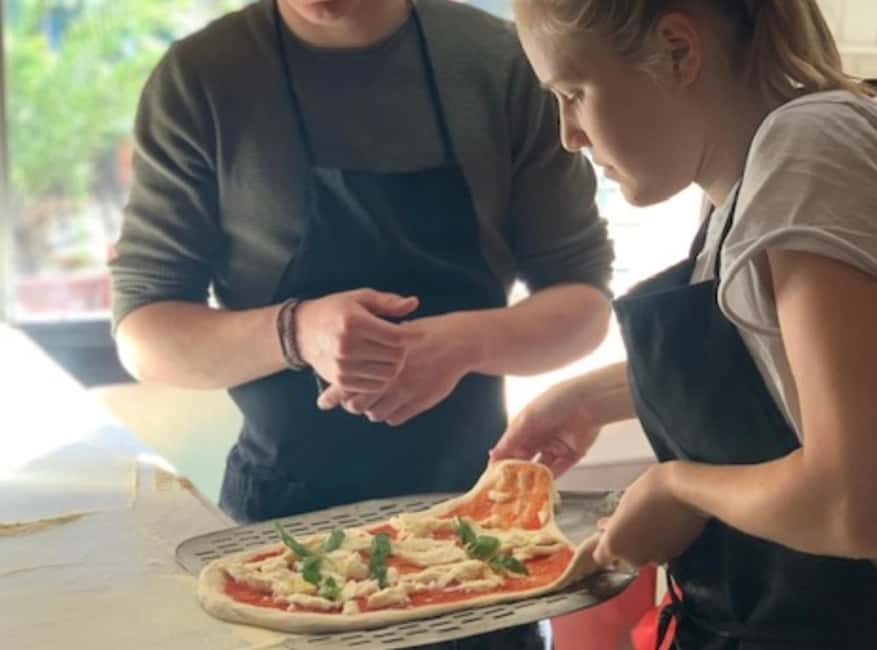
Naples takes pizza seriously, and this class puts you inside a 2017 World Pizza Championship-winning pizzeria rather than leaving you to watch from a dining table. You mix four basic ingredients, learn the Neapolitan dough method, shape your own panetto, and bake a Margherita before finishing with sweet fried dough and limoncello.
I like the individual workstations, which mean you actually handle the dough instead of taking turns with one communal bowl. I also like the friendly teaching team, especially guides such as Lucia, Francesca, and Sabrina, who translate the pizzaiolo’s Italian instructions and add useful local context. The main consideration is timing: in two to three hours, your dough may not have enough time to prove fully, so the class adapts the dough or uses it for bread.
Key points to know before booking
- Your own dough station: Each participant mixes, kneads, stretches, and tops a personal pizza.
- The staglio lesson: You learn the old Neapolitan method of dividing dough into smooth balls called panetti.
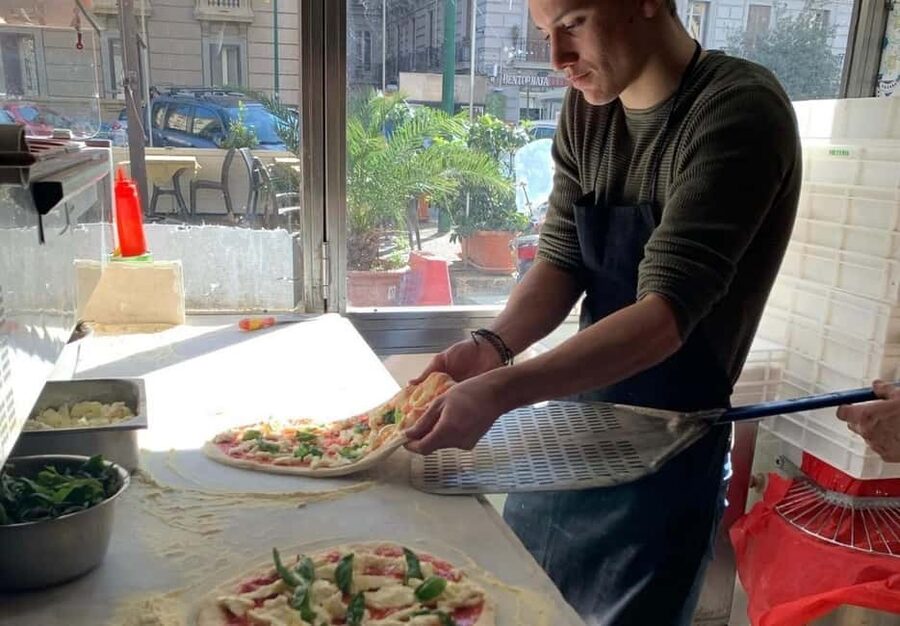
- A real wood-fired bake: Your Margherita goes into a traditional oven under the pizzaiolo’s supervision.
- Savory and sweet in one class: The same pizza dough becomes crispy fried bites filled with chocolate spread.
- Small groups help: Groups can be private or small, with English and Italian instruction.
- A full meal for $70: The price includes pizza, dessert, water, one wine, beer, or other listed drink, limoncello, and a digital recipe.
Why this Naples pizza class feels different
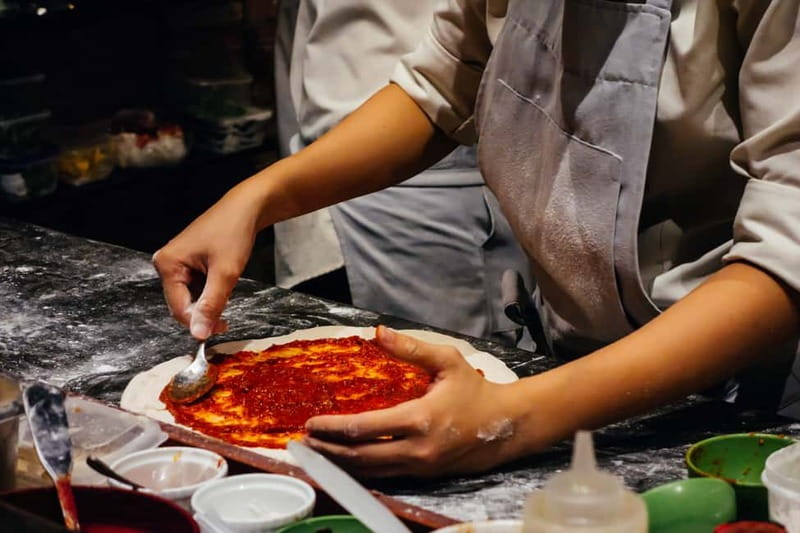
A standard cooking demonstration can leave you with a few photos and a full stomach. This class gives you flour under your fingernails. That matters because Neapolitan pizza is less about a long ingredient list than about texture, timing, and touch.
You work with only water, flour, salt, and yeast at the dough stage. The simplicity is the point. You learn how small changes in moisture, kneading, and shaping affect the final crust. The lesson is practical, not just a story about pizza.
The setting also helps. You are in a working pizzeria that won the 2017 World Pizza Championship. That does not mean every participant will suddenly shape dough like a champion, but it does put the lesson in capable hands. The pizzaiolo demonstrates the movements, then helps when your dough resists, tears, or refuses to form a neat round.
English-speaking guides handle much of the communication. Several classes have used a guide and an Italian-speaking pizzaiolo together. Lucia, Francesca, Sabrina, and others have been praised for translating instructions, answering questions, and keeping the group involved. The pizzaiolo may not speak English, but the guide bridges that gap.
More Pizza and Pasta Tours in Naples
- Authentic Pizza Making Class in Naples with Appetizers and Drink
★ 5.0 · 3,178 reviews - Naples: Neapolitan Pizza and Tiramisù Making Class
★ 4.8 · 839 reviews - Authentic Naples Food Tour with 8+ Tastings of Pizza, Wine & More
★ 5.0 · 824 reviews
Mixing four ingredients into Neapolitan dough
The class begins with the foundation: pizza dough. You combine water, flour, salt, and yeast, then learn how to knead the mixture into a workable dough. This part is not flashy, but it is where the useful skill lies.
A good instructor will show you what the dough should feel like rather than relying on measurements alone. You can expect demonstrations followed by hands-on practice at your station. No previous cooking experience is required, and the instructors are used to helping beginners.
The lesson also explains why the ingredients matter. San Marzano tomatoes, buffalo mozzarella, basil, and DOP extra virgin olive oil are used later for the pizza. Each is simple on its own, so freshness and balance become more important than heavy seasoning or elaborate toppings.
One practical point deserves attention. The class lasts about two to three hours, which is enough for a useful lesson but not necessarily enough for a long dough fermentation. One participant noted that the dough could not prove for as long as a professional recipe might require, so the team used some of it to make bread. That is not a failure. It is an honest look at the limits of a short class, and it shows the staff can adjust rather than pretend the dough has had a full day to develop.
Learning staglio and shaping the panetti
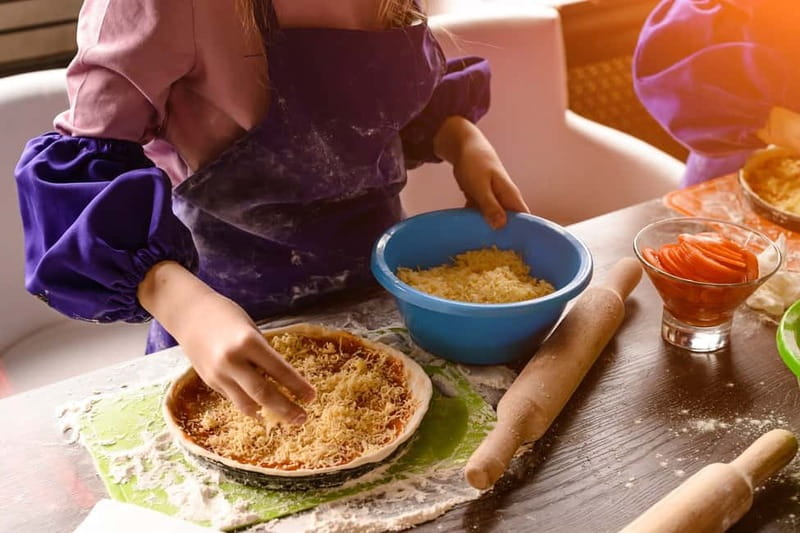
The most distinctive technical lesson is staglio, the traditional way of dividing dough into individual balls, or panetti. You learn to portion the dough and shape each piece into a smooth, tight ball that can later be stretched into a pizza.
This step can look easy when a professional does it. Try it yourself and you will see why an instructor is useful. The dough needs enough tension to hold its form, but too much handling can make it tight and difficult to stretch. The teaching team demonstrates the movement and steps in when someone gets stuck.
After the panetto is formed, you shape the pizza. The goal is a thin center with a raised rim, not a flat cracker. You use your hands to stretch the dough and keep the edge intact. The lesson gives you a better sense of why Neapolitan pizza has its soft, airy border and flexible center.
I especially like this stage for families and first-time cooks. Children aged six and over can participate, and the work is tactile without requiring advanced kitchen skills. Children under six are not allowed in the activity, including the work area and oven zone, because of safety concerns.
Topping a Margherita with local ingredients
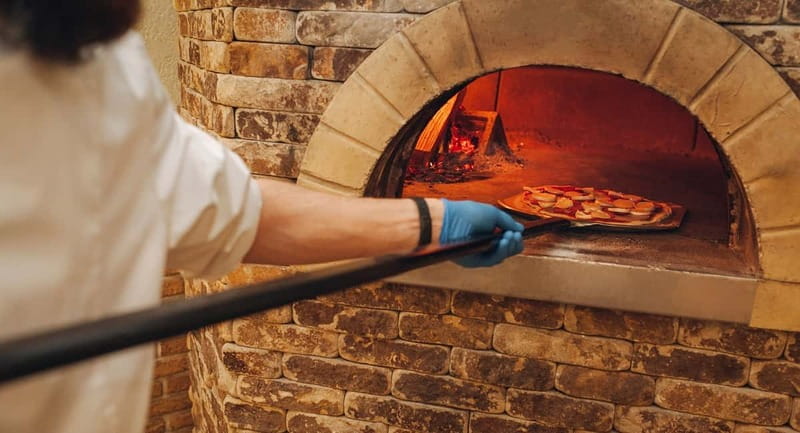
Once the dough is shaped, you add the toppings. This is a restrained pizza, not a build-your-own buffet. The standard combination uses San Marzano tomatoes, buffalo mozzarella, basil, and DOP extra virgin olive oil.
That limited topping list gives the class a clear purpose. You learn how much sauce is enough, how to distribute cheese, and why a few good ingredients work better than a crowded pizza. You also see how quickly a professional handles the dough before it goes into the oven.
The finished pizza is generally a Margherita, the classic Neapolitan choice. It is the right style for a lesson because the crust and tomato sauce remain exposed. With many toppings, it would be harder to judge the dough.
The group format makes a difference here. Small groups allow the guide to watch each person’s work and answer questions. Private sessions are available if you want more direct attention or are traveling as a family. A multilingual group can take longer when instructions are translated, so the pace may feel less direct than a class conducted in one language.
More Wine Tours in Italy
- From Naples: Wine Tasting Tour on Vesuvius Slopes with Lunch
★ 4.5 · 330 reviews - Naples: Street Art, Wine and Food Tasting Walking Tour
★ 5.0 · 163 reviews - From Naples: Pompeii and Wine Tasting Tour with Lunch
★ 4.5 · 119 reviews - Naples by Night: Food and Wine Walking Tour with Local Guide
★ 4.6 · 69 reviews
Watching your pizza enter the wood-fired oven
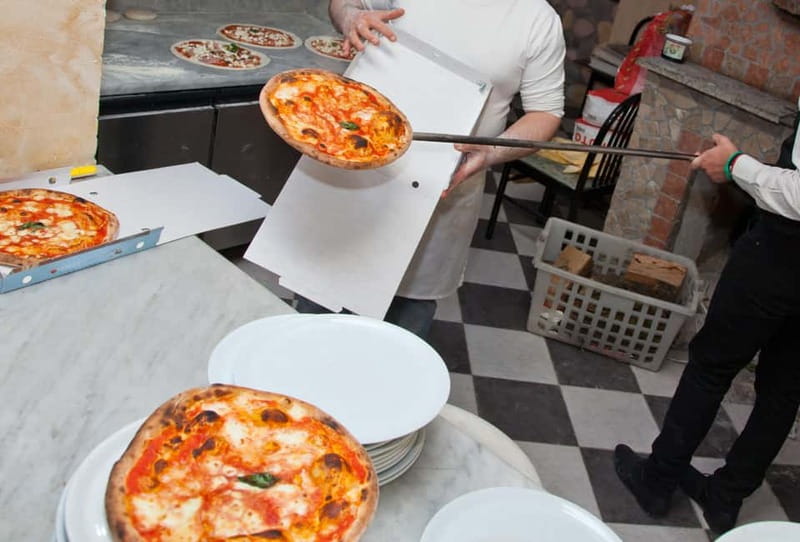
The bake is the moment when the earlier lessons become visible. The pizzaiolo transfers your shaped pizza to the traditional wood-fired oven, where high heat quickly cooks the thin dough and melts the cheese.
You are not simply handed a finished pizza. The class includes guidance on how the pizza is managed in the oven, and one participant even received extra tips about working the pizza while it baked. The staff remains involved because this is the part where a small mistake can mean a folded edge or uneven cooking.
You should expect the professionals to do some of the oven handling. That is sensible. The oven zone is hot, and the activity is designed to teach you dough and pizza-making technique, not to turn a visitor loose beside commercial equipment.
Your reward is the pizza you made. It is served as part of the meal, so you can taste the results while the lesson is still fresh. The crust may not look as polished as the pizzaiolo’s, but that is part of the fun. You leave understanding the difference between watching someone make pizza and making one yourself.
The sweet finish: fried dough and chocolate
The class does not end with the Margherita. Leftover dough is turned into crispy fried bites filled with the world’s best-known chocolate spread. Some participants refer to these as little angels, while others describe the sweet course simply as fried pizza dough.
This is a clever use of the same basic dough. It shows another side of Neapolitan food culture, where pizza dough can move from a savory main course to a sweet snack. The result is rich and filling, especially after a full pizza.
I would set your expectations correctly. This is not a delicate pastry or a plated dessert. It is a warm, fried, indulgent finish. One person found the portion a little much after the pizza and would have preferred ice cream or tiramisu. If you like fried sweets, you will probably enjoy the contrast. If you prefer a light dessert, the final course may feel heavy.
Limoncello follows, along with your included drink. It gives the meal a distinctly southern Italian finish and adds a tasting element beyond the pizza itself.
Food, drinks, and what the $70 price covers
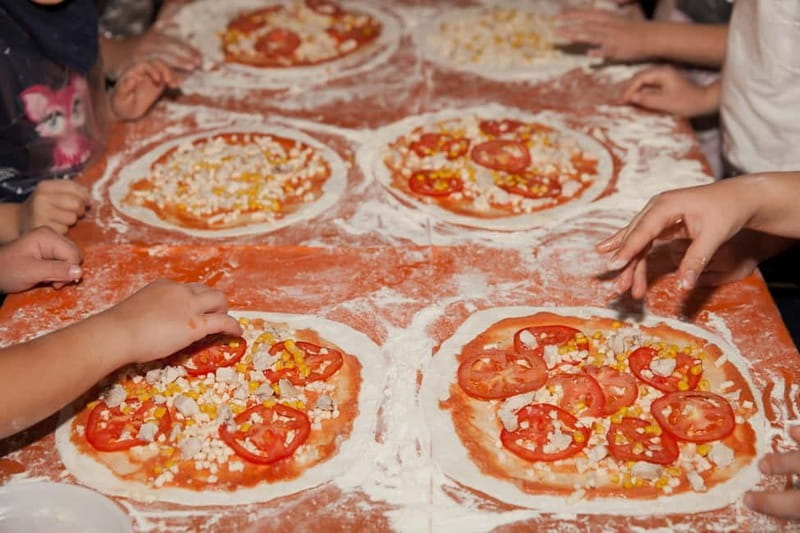
At $70 per person, this is not the cheapest way to eat pizza in Naples. You can buy an excellent pizza for far less. The value comes from the instruction, your personal workstation, the meal, and the chance to work in a championship pizzeria.
The package includes the hands-on class, your savory pizza, the sweet dough course, water, and one glass of wine, water, or beer. Limoncello is also included, along with a digital recipe for home use.
For comparison, a regular restaurant meal gives you food but not the technique. A cooking class elsewhere may offer instruction but not the same professional setting or wood-fired finish. If you want only lunch, this is poor value. If you want a practical food activity that also serves as dinner, the price is fair.
The recipe is an important extra. Several participants were keen to repeat the process at home, even while admitting that a household oven cannot match a Neapolitan wood-fired oven. The recipe cannot recreate Naples by itself, but it can help you improve your dough and remember the method.
One small omission is worth noting: aprons are not consistently provided. You may finish with flour on the front of your clothes. Wear something washable, especially if you are heading elsewhere afterward.
Guides, language, and the group atmosphere
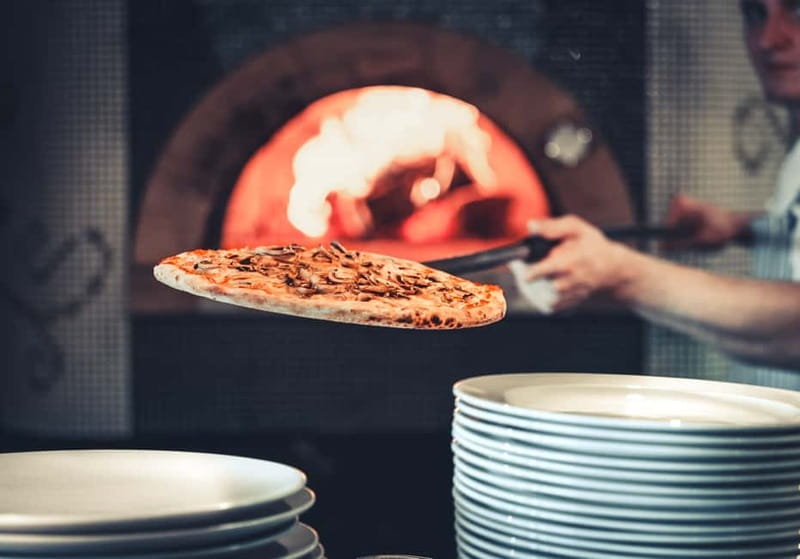
The teaching style depends on the guide and pizzaiolo assigned to your session, but the pattern is clear. The guide welcomes the group, explains the background of Neapolitan pizza, translates the chef’s instructions when needed, and keeps the class moving.
Lucia has been especially praised for clear explanations and a warm manner. Francesca has been noted for including everyone and adding context about pizza and local customs. Sabrina has handled translation and answered questions in strong English. Other named instructors include Dora, Federica, Erika, and Alexandria.
The mix of guide and chef can be part of the charm. You may not share a language directly with the pizzaiolo, but demonstrations communicate much of the technique. If you want constant conversation with the chef in English, this may not be the perfect format. If you are happy to learn through translated instructions, gestures, and hands-on practice, it works well.
Groups are kept small when the option is booked that way, and private sessions are available. A small group gives you more room at the work surface and more chances to ask about dough, toppings, and baking. It also makes the meal more social, since you sit down with the people who made pizzas beside you.
Timing, meeting point, and family suitability
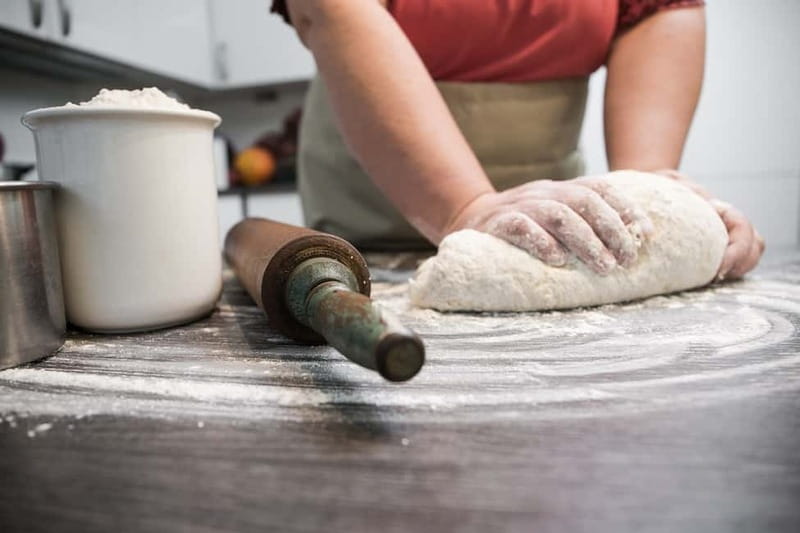
Allow two to three hours. The exact starting time depends on availability, and the meeting point can vary with the option you book, so check the confirmation carefully before setting out.
The activity is suitable for children aged six and over. It can work particularly well for families because everyone has a task, and even younger school-age children can take part in mixing, shaping, and topping under guidance. Children under six cannot join or enter the work and oven areas.
The class is also a good choice for a first evening in Naples. You get a meal, a local food lesson, and an introduction to one of the city’s defining traditions without committing to a full-day excursion. It can be a relaxed way to settle into the city, provided you are comfortable with the class ending as a substantial dinner.
The food is not designed around a broad menu of alternative pizzas. The standard experience centers on Margherita and the sweet fried dough. If you have an intolerance, tell the team in advance. One participant with an intolerance was accommodated, but the available details do not promise a particular menu for every dietary need.
Who should book this experience
I would choose this class if you want to understand why Neapolitan pizza tastes different, not simply eat another one. It suits families with children six and over, couples, solo visitors who enjoy meeting people, and anyone who likes a hands-on activity with a meal built in.
It is also useful for home cooks. You learn kneading, shaping, staglio, ingredient balance, and the effect of heat. The class will not make your home oven behave like a pizzeria oven, but it can improve your handling of the dough.
I would think twice if you dislike flour on your clothes, fried desserts, or group instruction. You should also allow for translation if the pizzaiolo and guide use different languages. This is an active class, not a polished restaurant tasting.
The cancellation terms are practical: you can cancel up to 24 hours before the activity for a full refund, and you can reserve now and pay later. Those policies help if your Naples schedule is still shifting, but the meeting point and start time still need checking when you book.
Should you book the Naples pizza class?
Yes, if you want a full food experience rather than a simple pizza meal. The strongest parts are the personal workstation, the staglio lesson, the professional oven, and the friendly guide-and-chef format. You eat what you make, then try the sweet side of pizza with a drink and limoncello.
The main limits are modest. The dough cannot fully prove during a short class, the dessert may be heavy, aprons may not be supplied, and translation can slow the pace in a multilingual group. None of these ruin the experience, but they help you book with the right expectations.
At $70, I see this as good value for a two to three-hour activity that combines instruction, dinner, drinks, and a recipe for home. Book it if pizza is more than a meal to you. If you only want the lowest-cost Margherita in Naples, spend the money at a pizzeria and skip the lesson.
FAQ
How long does the pizza class last?
The class lasts approximately two to three hours. Starting times depend on availability.
What is included in the price?
The experience includes the hands-on pizza-making class, a savory pizza, a sweet dessert made from the dough, water, one glass of wine or beer as listed, limoncello, and a digital recipe.
Is the class taught in English?
Instruction is available in Italian and English. A guide may translate the pizzaiolo’s Italian demonstrations and explanations.
Can children join the activity?
Children aged six and over can participate. Children under six are not allowed to join the class or enter the work and oven areas.
Is the class private?
Private and small-group options are available. The meeting point may vary depending on the option booked.
Can I cancel the booking?
You can cancel up to 24 hours in advance for a full refund. A reserve-now, pay-later option is also available.
More Wine Tours in Naples
- Montserrat Half-Day Tour with Tapas and Gourmet Wines
★ 5.0 · 7,359 reviews - Winner 2025 Undiscovered Lisbon Food & Wine Tour by Eating Europe
★ 5.0 · 6,390 reviews - From Porto: 2 Wine Regions, Farm-to-Table Lunch & Boat
★ 4.9 · 5,724 reviews - Winner 2025 Florence Sunset Food & Wine Tour by Eating Europe
★ 5.0 · 5,015 reviews
More Dessert Tours in Naples
- Award-Winning Geneva Chocolate &Old Town Tour with Boat Ride (3h)
★ 5.0 · 3,721 reviews - Boston North End Food Tour of 6+ Tastings, Cannoli, Lobster Roll
★ 5.0 · 1,404 reviews - Paris French Sweets Tasting Tour with Pastries and Chocolates
★ 4.5 · 947 reviews - Seattle Delicious Donut Adventure & Walking Food Tour
★ 5.0 · 772 reviews
New food tours we have reviewed in Naples
- Naples: Street Food and Guided Sightseeing Walking Tour★ 4.9 · 23 reviews
- Naples: Street Food Experience With 6 Stops★ 4.7 · 392 reviews
- From Naples: Pompeii and Wine Tasting Tour with Lunch★ 4.5 · 119 reviews
- Naples: Small Group Pizza Making with Drink Included★ 5.0 · 39 reviews
- Naples Street Food Scene Tour: Small-Group Tasting Adventure★ 4.7 · 112 reviews
- Naples: Food Tour with Davide★ 4.9 · 108 reviews
- Naples: Private Food Tour – 10 Tastings with Locals★ 4.7 · 135 reviews
- Naples: Pizza Making Class with Neapolitan Chef and drink★ 4.6 · 25 reviews
Wine Tours, compared.
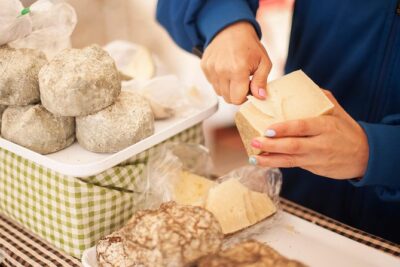
Montserrat Half-Day Tour with Tapas and Gourmet Wines
Read our review →
Winner 2025 Undiscovered Lisbon Food & Wine Tour by Eating Europe
Read our review →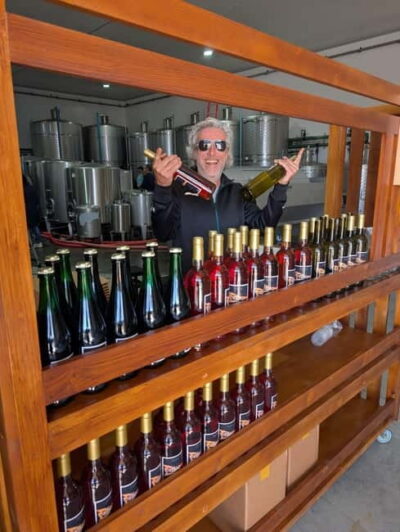
From Porto: 2 Wine Regions, Farm-to-Table Lunch & Boat
Read our review →
Winner 2025 Florence Sunset Food & Wine Tour by Eating Europe
Read our review →
Authentic Parisian Gourmet Food Tour with 10 Local Dishes & Wines
Read our review →
Barcelona: Tapas Walking Tour with Food, Wine, and History
Read our review →
Lisbon: Food and Wine Small Group Walking Tour
Read our review →