
Review · WINE TOURS
Rome: Food & Wine Tour of Campo de Fiori, Ghetto, Trastevere
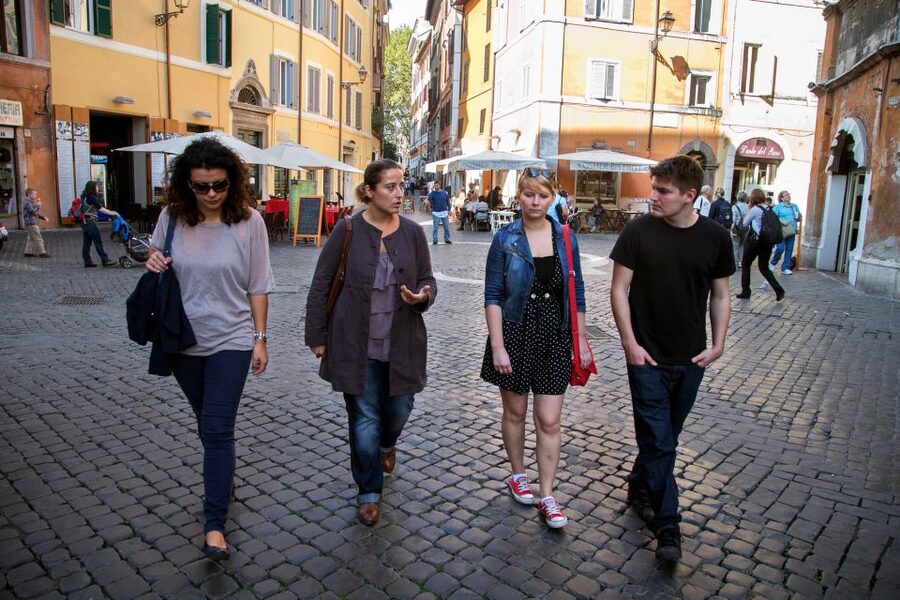
Rome’s food culture makes the most sense one bite at a time. This walking tour links Campo de’ Fiori, the Jewish Ghetto, and Trastevere, with stops for pizza bianca, mortadella, supplì, pasta, wine, and gelato. It is part meal, part neighborhood walk, and part lesson in how Roman food reached your plate.
I like the generous range of tastings and the way food opens the door to local customs, Jewish Roman cooking, and everyday shopping habits. I also like the small group limit, which gives guides such as Natasha, Lisa, Mariel, and Anastasia room to answer questions and keep the walk social. The main consideration is that this is not a good fit for vegans or people with food allergies, and the market visit is available only on the morning option.
Key points to know before booking
- Three neighborhoods in one food walk: See Campo de’ Fiori, the Jewish Ghetto, and Trastevere while eating your way across central Rome.
- A full meal in tasting form: Expect pizza bianca with mortadella, Roman salami, mozzarella, fried artichoke, supplì, codfish, pasta, wine, and gelato.
- Morning and afternoon routes differ: The morning tour visits Campo de’ Fiori Market; the afternoon route uses a typical grocery shop and aperitif instead.
- Small groups matter: The maximum group size is 15, with private groups also available.
- Plan to arrive hungry: Several people found the tastings so filling that skipping breakfast made sense.
- Food restrictions need care: The tour is not suitable for vegans or people with food allergies, and special requests cannot be guaranteed.
Why this Roman food walk works so well
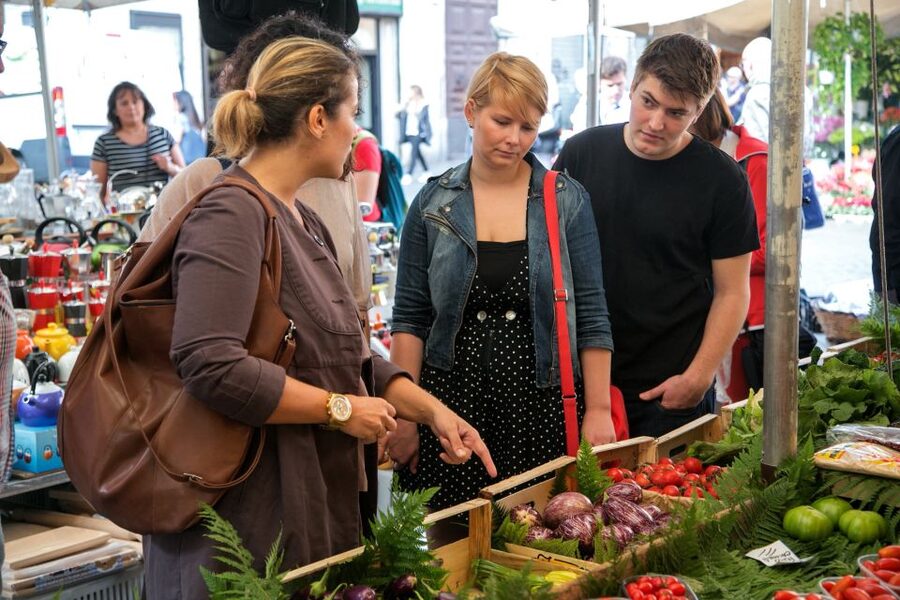
At $81 per person, this tour sits above the price of a casual Roman lunch but includes a large amount of food, a guided walk, wine, and local orientation. I see the value in it if you want an organized introduction to Roman eating rather than simply ordering several dishes and hoping for the best.
The tour lasts between two and three and a half hours, depending on the option booked. That gives you enough time to eat at several stops without turning the day into a rushed parade of samples. You also gain practical information about ordering food, choosing gelato, buying ingredients, and finding places you may otherwise pass by.
The strongest feature is the connection between food and place. Campo de’ Fiori explains the role of markets and produce. The Jewish Ghetto introduces Roman Jewish specialties and the neighborhood’s long cultural story. Trastevere brings the walk into bakeries, restaurants, pasta shops, and gelaterias.
You are not simply handed food and sent on your way. The guide explains what you are eating, how it fits Roman habits, and what separates an ordinary product from a better one. That makes the tour useful long after the final gelato.
More Wine Tours in Italy
- Rome Food Tour: Unlimited Tastings with Fine Wine & Barolo
★ 5.0 · 3,365 reviews - Rome: Guided Food Walking Tour with Wine in Trastevere
★ 4.9 · 3,105 reviews - Rome: Trastevere Food tour with Free-Flowing Fine Wine
★ 5.0 · 2,853 reviews
Starting at Campo de’ Fiori Market
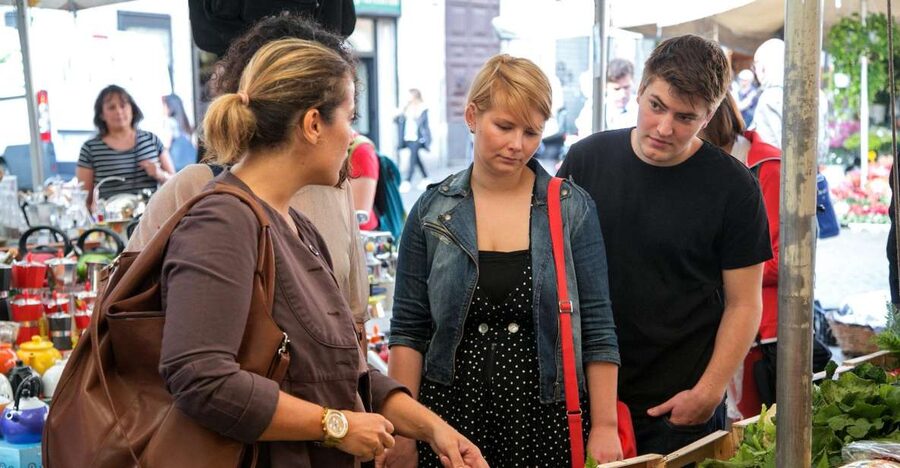
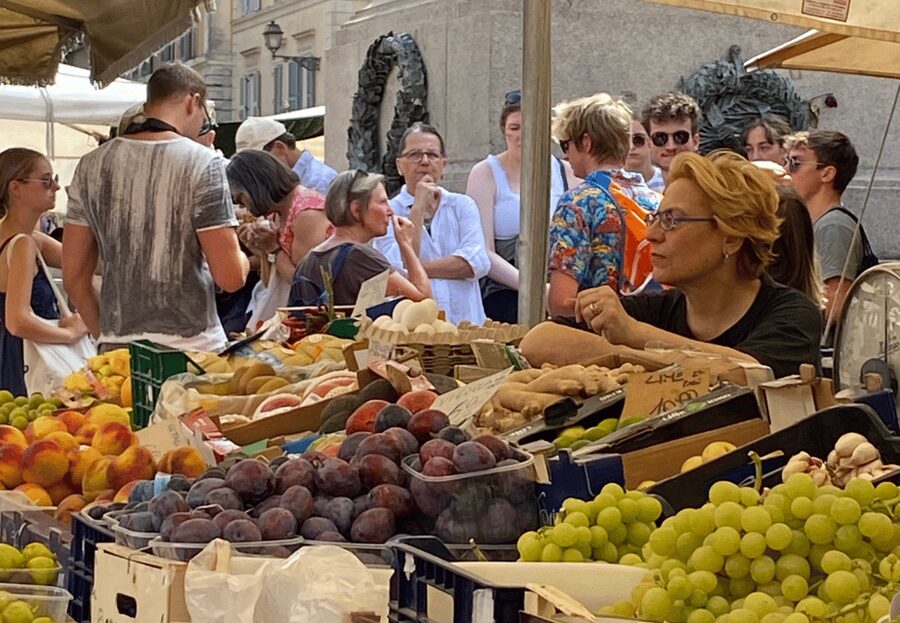
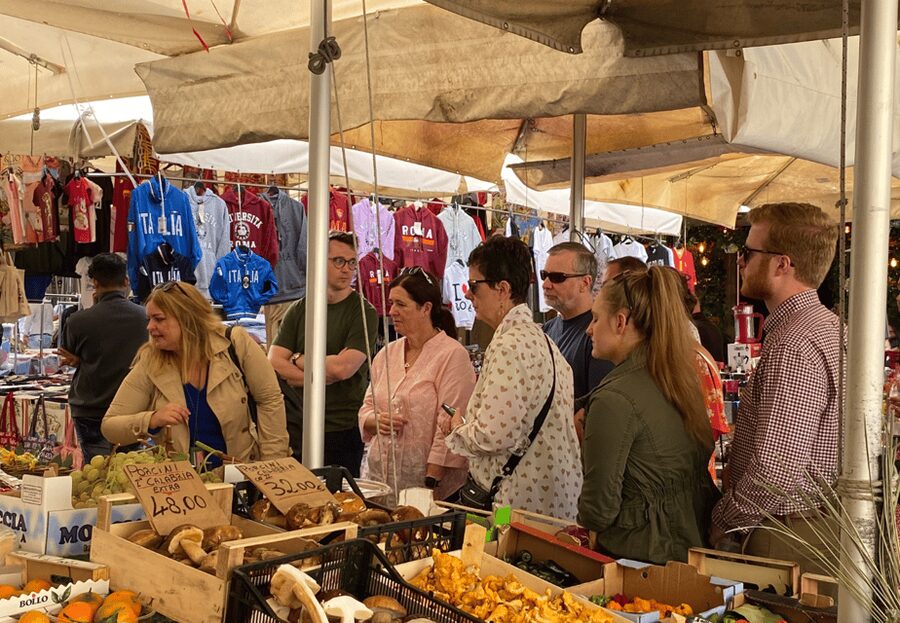
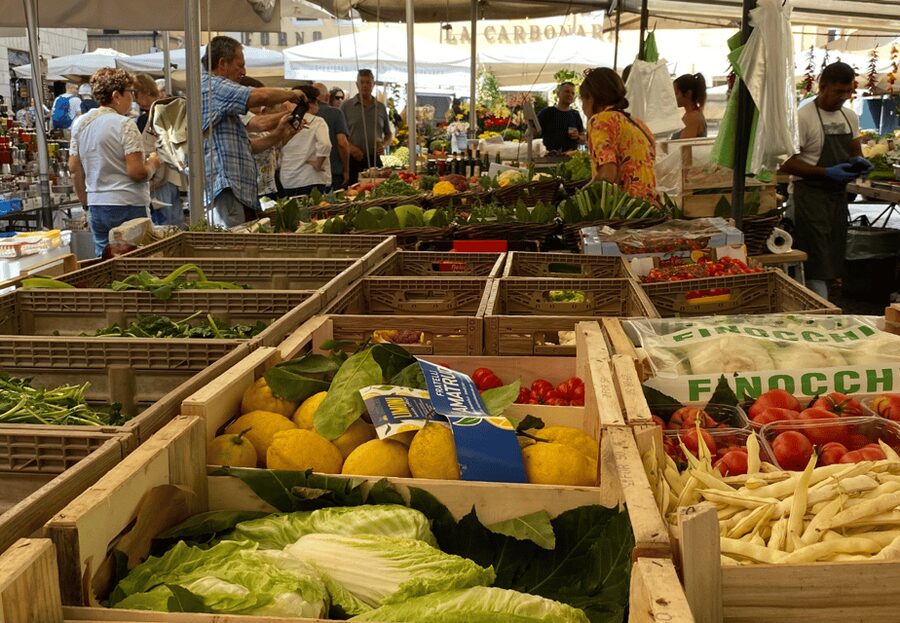
The morning route begins with Campo de’ Fiori Market, one of the most recognizable food stops in central Rome. The market setting gives you a useful first look at the raw materials behind Roman cooking: produce, herbs, spices, and other grocery items arranged for local shoppers and curious passersby.
I like starting here because the market helps you think about Roman food before you taste prepared dishes. The emphasis is not only on restaurants. You get a sense of how ingredients are selected, displayed, and used in the kitchen.
The market is also one of the clearest reasons to choose the morning departure. The afternoon option does not include it because of opening hours. Instead, you visit a typical grocery store and enjoy an aperitif. That substitute still keeps the tour focused on local shopping and eating, but it is not the same experience.
You should also expect the market to be more of a guided introduction than a long shopping session. The value comes from the guide’s explanations and the chance to connect what you see with later tastings.
Pizza bianca, mortadella, and Roman shopping habits
One of the signature bites is pizza bianca with thin slices of mortadella. This is a classic Roman combination, simple in appearance but satisfying because of the contrast between the airy bread and the savory meat.
This stop gives the guide a chance to explain why bread is more than a side dish in Italy. Pizza bianca can be a quick snack, a breakfast-style bite, or a mid-morning meal, especially when filled with mortadella.
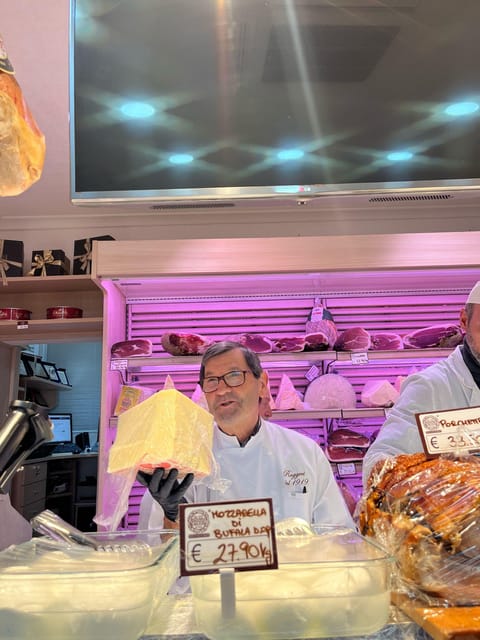
You will also taste mozzarella with Roman salami. These products may seem familiar, but the point is to pay attention to texture, salt, freshness, and balance. The tasting helps you understand why Italians often let a few good ingredients carry the dish rather than covering everything with sauces or heavy seasoning.
I would listen closely during this section if you plan to shop for picnic supplies later in your trip. The tour is designed to show you how to order and choose food with more confidence, not just how to eat what appears in front of you.
Roman classics in the Jewish Ghetto
The Jewish Ghetto is the most distinctive food stop on the route. Here, the tasting may include fried artichoke, supplì, and fried codfish, three foods that show different sides of Roman cooking.
The fried artichoke is closely tied to Roman Jewish cuisine. It is particularly seasonal, so the experience may feel different depending on the time of year. If you visit during artichoke season, this is the place to pay attention to preparation and texture.
Supplì is one of Rome’s great street foods: a browned, fried rice ball with tomato flavor and a center of melted mozzarella. The cheese gives the snack its memorable pull, while the crisp outside makes it easy to eat while walking or standing.
Fried codfish adds another layer to the stop. It is a reminder that Roman food is not limited to pasta and pizza. The Jewish Ghetto has its own cooking traditions, and the guide uses the tasting to explain how food, faith, migration, and neighborhood life have shaped Rome.
This is also where the walking portion becomes especially useful. A guide can point out the relationship between the food shops, restaurants, streets, and local customs. You get more from the neighborhood than you would by arriving only for a meal.
More Wine Tours in Rome
- Rome: Gourmet Food Tour with Dinner & Barolo Wine
★ 4.9 · 2,347 reviews - Rome: Award Winning Trastevere Group Food Tour with Wine
★ 5.0 · 2,273 reviews - Rome by Night – Ebike Small Group Tour – Food and Wine (Option)
★ 5.0 · 1,275 reviews - Rome by Night: E-bike Small Group Tour -Food & Wine (Option)
★ 4.9 · 1,233 reviews
Pasta in Trastevere, with lessons you can use
The route continues to Trastevere, a neighborhood known for its narrow streets, small squares, and restaurant life. Here, the tasting includes pasta and a lesson in what separates well-made pasta from the rest.
The information is practical. You can expect discussion of pasta quality, preparation, and the habits that help you order better in Rome. Since the exact pasta selection may vary, it is best to think of this as a guided tasting rather than a promise of one fixed dish.
I like this part because pasta is where many visitors need the most help. Menus can look familiar while hiding major differences in preparation, portion, and regional style. A guide can explain the Roman approach and help you recognize why one bowl feels balanced while another is merely filling.
The pasta stop also breaks up the fried foods and bread earlier in the day. That matters, because the tour includes a lot of food. You are not tasting one category over and over. Instead, the route moves through bread, cured meat, cheese, fried specialties, pasta, wine, and dessert.
Finishing with gourmet gelato
The final sweet stop is gourmet gelato in Trastevere. After pizza bianca, salami, fried food, and pasta, gelato gives the tour a cool and lighter finish.
The guide may explain how to judge gelato and how to distinguish a carefully made product from a brightly colored tourist version. This is useful for the rest of your stay, since gelato shops can look similar from the street.
Several people found room for gelato even after feeling full, which tells you something important about the portion sizes. I would not schedule a large dinner immediately afterward. The tour works better as a substantial meal replacement, particularly if you choose an afternoon departure.
Trastevere is also a pleasant place to end because you can return to the neighborhood later for another meal. The tour gives you a short list of places and food shops worth marking on your map. One practical advantage is that you can ask the guide where to return and what to try next.
The guides shape the experience
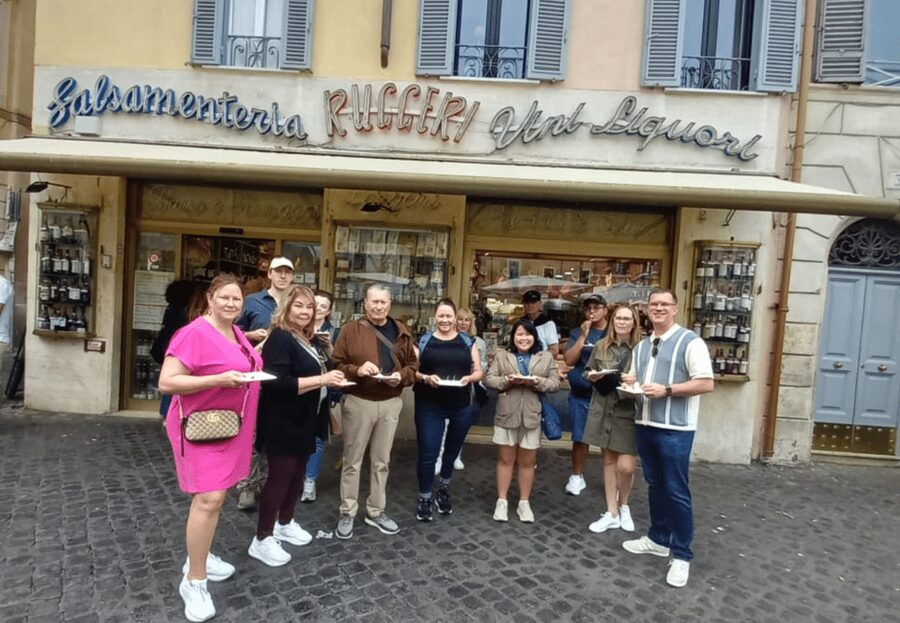
The food matters, but the guide controls the pace and the atmosphere. The strongest part of this experience is the personal explanation between stops.
Guides named in the feedback include Natasha, Lisa, Mariel, Anastasia, Gloria, Valeria, Federica, Chiara, Luca, and others. Natasha received particular praise for combining Roman food details with neighborhood history and for keeping the group engaged. Lisa was described as warm and accommodating, while Mariel was valued for knowing the participating shops and restaurants well.
That range of guide styles means the exact tone may vary. You might get a guide who leans toward recipes and food customs, or one who gives more attention to architecture and local history. The common thread is an English-speaking foodie guide who knows how to explain the stops and involve the group.
The group limit of 15 is a real benefit. It is large enough to create conversation but small enough that you can hear the guide and ask questions. Solo visitors may find the setup especially useful because the shared tastings create an easy way to meet people.
How much food should you expect?
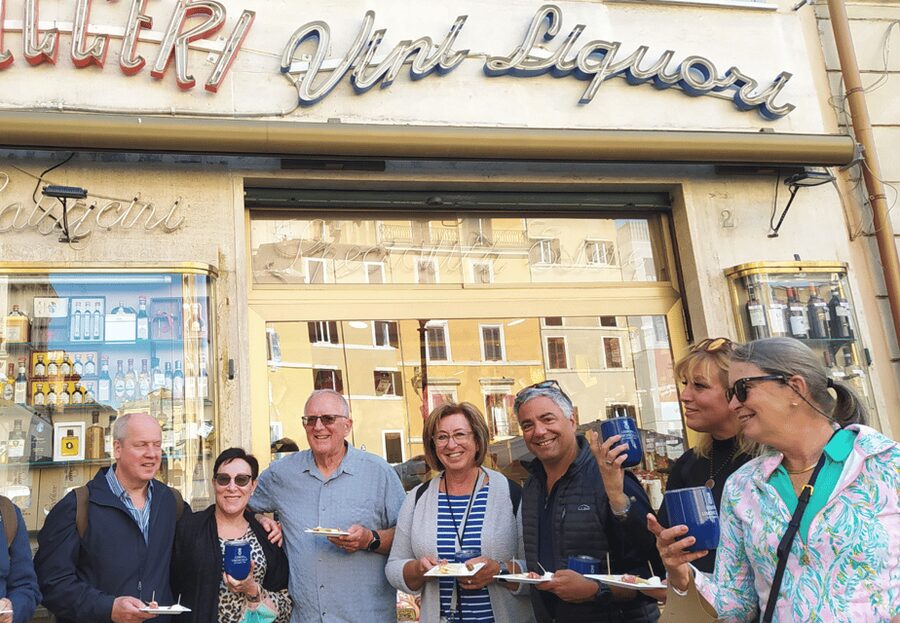
Plan this as a meal, not a snack tour. The listed tastings cover several savory courses, wine, and gelato, and the food is described as plentiful.
I would eat a light breakfast or skip it if you are taking the morning route. Arriving hungry makes it easier to enjoy the full range of tastings. If you have a large lunch before an afternoon tour, you may find the final stops difficult.
The tour includes wine, but the material does not promise a fixed number of pours or a formal wine class. Think of wine as part of the meal and the local food culture rather than the central subject.
Additional food is not included. That should not be a problem for most people, since the included tastings are substantial. Still, bring a little extra money if you want to buy something from a shop or return to a favorite stop later.
Walking, weather, and comfort
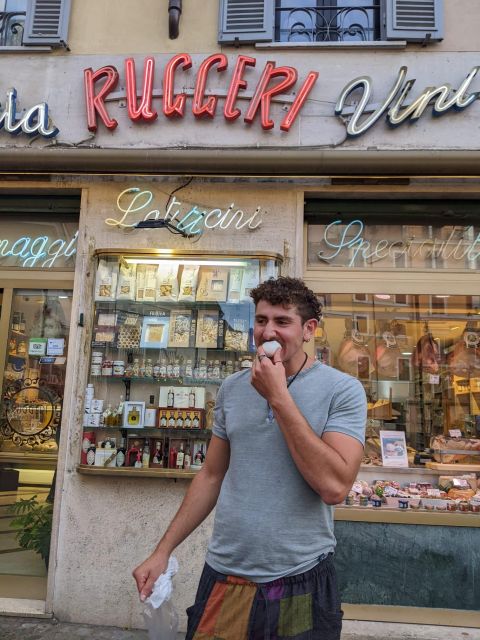
You will walk through several neighborhoods and stop at markets, bakeries, restaurants, food shops, and gelaterias. Comfortable shoes are essential. Sunglasses, a hat, sunscreen, and an umbrella are sensible because the tour runs in all weather.
The route is described as manageable, with opportunities for bathroom breaks. Even so, Rome’s streets can be uneven, and the activity is not suitable for wheelchair users. Large bags and luggage are not allowed, so arrive with only what you need for the walk.
The weather policy is straightforward: the tour operates in rain or shine. Dress for the forecast and avoid carrying anything bulky. In hot weather, water, light clothing, and sun protection will make a noticeable difference.
Who should book this tour?
I would recommend it to first-time visitors who want food and neighborhood context together. It is especially useful near the beginning of a Rome stay, since you leave with ideas about where to eat, what to order, and how to read the city’s food habits.
It also suits solo visitors, couples, and families who enjoy trying many small portions. The group format makes it social without requiring you to commit to a full dinner with strangers.
Food-focused visitors will get the most from it, but you do not need to be an expert. The guide explains the basics, and the range of tastings keeps the experience accessible.
I would not book it if you are vegan, have serious food allergies, or need guaranteed dietary changes. Vegetarian visitors may sometimes receive accommodation, but that cannot be promised. Contact the provider before booking if your diet has strict requirements.
Is $81 a fair price?
At $81, the price is reasonable if you count the included food as a full meal and value the guide’s local orientation. Buying pizza, fried specialties, pasta, wine, and gelato separately could add up quickly, and you would lose the explanations and neighborhood connections.
The tour is less appealing if you mainly want one long restaurant meal or prefer to explore independently. You are paying for several stops, conversation, and guidance, not a formal sit-down dinner.
The best value comes when you use the information afterward. Mark the shops and restaurants you like, return to Trastevere or the Jewish Ghetto, and apply the ordering tips during the rest of your stay.
Should you book the Campo de’ Fiori food tour?
Book it if you want a filling introduction to Roman food with a strong neighborhood focus. The combination of market produce, pizza bianca, Jewish Roman specialties, pasta, wine, and gelato gives you a broad first taste of the city.
Choose the morning option if Campo de’ Fiori Market matters to you. Pick the afternoon route if you prefer a later start and do not mind replacing the market with a grocery shop and aperitif.
Skip it if dietary restrictions make the fixed tastings difficult, if you need step-free access, or if you would rather spend three hours at one restaurant. For most food-minded visitors, though, this is a practical way to get your bearings fast and eat very well while doing it.
FAQ
How long does the food tour last?
The tour lasts between two and three and a half hours, depending on the option booked. You should check the available start times when choosing your date.
Which neighborhoods does the tour visit?
The route includes Campo de’ Fiori, the Jewish Ghetto, and Trastevere. The exact meeting point may vary according to the option you book.
What food is included?
Included tastings feature pizza bianca with mortadella, mozzarella with Roman salami, fried artichoke, supplì, codfish, pasta, gourmet gelato, and wine.
Does every tour visit Campo de’ Fiori Market?
No. The morning option includes the market visit. The afternoon tour replaces it with a visit to a typical grocery store and an aperitif because of market opening hours.
Is the tour suitable for vegetarians?
A vegetarian visitor may sometimes receive accommodation, but special food restrictions are not guaranteed. The activity is not suitable for vegans, and people with food allergies should not rely on the tour to meet their needs.
What language is the tour conducted in?
The live tour guide speaks English.
What should I bring?
Bring comfortable shoes, sunglasses, a sun hat, sunscreen, and an umbrella. Large bags and luggage are not allowed, and the tour operates in all weather conditions.
New food tours we have reviewed in Rome
- Rome: 3-Hour Guided Food Tour with Tastings★ 4.9 · 41 reviews
- Rome: Vatican Street Food and Wine Tour with Farmers Market★ 5.0 · 37 reviews
- Rome: Vegan Street Food Tour with Local Guide★ 5.0 · 37 reviews
- Rome Trastevere Walking Food Tour★ 4.8 · 97 reviews
- Rome: Trionfale and Prati Food and Wine Tasting Tour★ 4.8 · 115 reviews
- Rome: Trastevere Quarter Street Food Tour with Sightseeing★ 4.9 · 21 reviews
- Rome: Trastevere & Tiber Island Street Food Tour at Sunset★ 4.9 · 71 reviews
- Rome: The Ultimate Trastevere Food Tour with a Local★ 4.9 · 114 reviews
Wine Tours, compared.
Montserrat Half-Day Tour with Tapas and Gourmet Wines
Read our review →
Winner 2025 Undiscovered Lisbon Food & Wine Tour by Eating Europe
Read our review →
From Porto: 2 Wine Regions, Farm-to-Table Lunch & Boat
Read our review →
Winner 2025 Florence Sunset Food & Wine Tour by Eating Europe
Read our review →
Authentic Parisian Gourmet Food Tour with 10 Local Dishes & Wines
Read our review →
Barcelona: Tapas Walking Tour with Food, Wine, and History
Read our review →
Lisbon: Food and Wine Small Group Walking Tour
Read our review →
Lisbon Small-Group Portuguese Food and Wine Tour
Read our review →Browse the lists this tour appears in