
Review · FRANCE FOOD TOURS
Strasbourg: Culinary Tour
Strasbourg’s food story makes sense only when you see its French and German influences side by side. This two-hour walk links the city’s streets, landmarks, and local cooking, with tastings such as flammekueche, Alsatian cheese, and artisanal bread. The final stop can be the best part: a shared food moment rather than a rushed bite in the street.
I like the small group of six because you can ask questions without shouting across a crowd. I also like the practical finish, with a food guide, personal favorites list, and tips for the rest of your stay. The main drawback is the short schedule: three samples are useful introductions, but not a full meal, and the tour is not suitable for people with food allergies, lactose intolerance, or nut allergies.
Key points at a glance
- A two-hour walk with only six participants, giving you time to ask about Strasbourg’s food and local customs.
- Three food samples selected in advance, with possible regional favorites including flammekueche, cheese, and bread.
- A route through Place de la République, Neustadt, the city center, and Ponts Couverts.
- A personal guide in four languages: English, French, German, or Portuguese.
- Useful extras after the tasting, including a favorites list, food secrets document, city tips, and a souvenir diploma.
- A poor match for several dietary restrictions, since allergies and lactose intolerance are specifically excluded.
Why Strasbourg Works So Well as a Food City
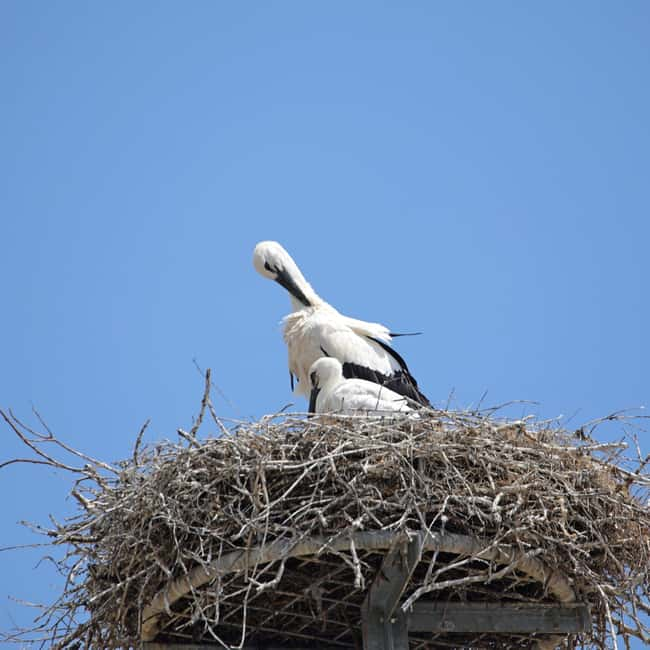
Strasbourg sits in Alsace, close to the French-German border, and its food reflects that position. You are not simply sampling French dishes with a local label. You are seeing how two traditions meet in pastries, breads, cheeses, pork dishes, tarts, and the relaxed café culture of northeastern France.
That is why a walking food tour can be more useful than booking a restaurant alone. A meal gives you one menu and one setting. This experience connects food with streets, buildings, and local advice, so you get a clearer sense of what to look for during the rest of your visit.
The food is selected in advance with the group. That matters because you can discuss preferences before the walk rather than discovering too late that the samples do not suit you. Still, the restrictions are strict. If you have a food allergy, nut allergy, or lactose intolerance, you should not book this experience.
More food tours in France:
- Bateaux Parisiens Seine River Gourmet Dinner & Sightseeing Cruise
★ 4.5 · 6,930 reviews - Authentic Parisian Gourmet Food Tour with 10 Local Dishes & Wines
★ 5.0 · 4,754 reviews - Bateaux Parisiens Seine River Gourmet Lunch & Sightseeing Cruise
★ 4.5 · 2,680 reviews
Starting at the Palais du Rhin
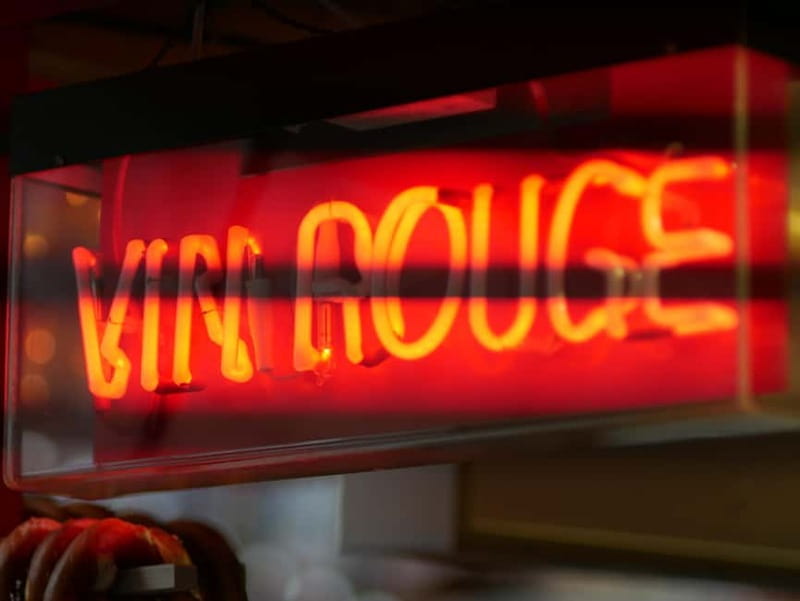
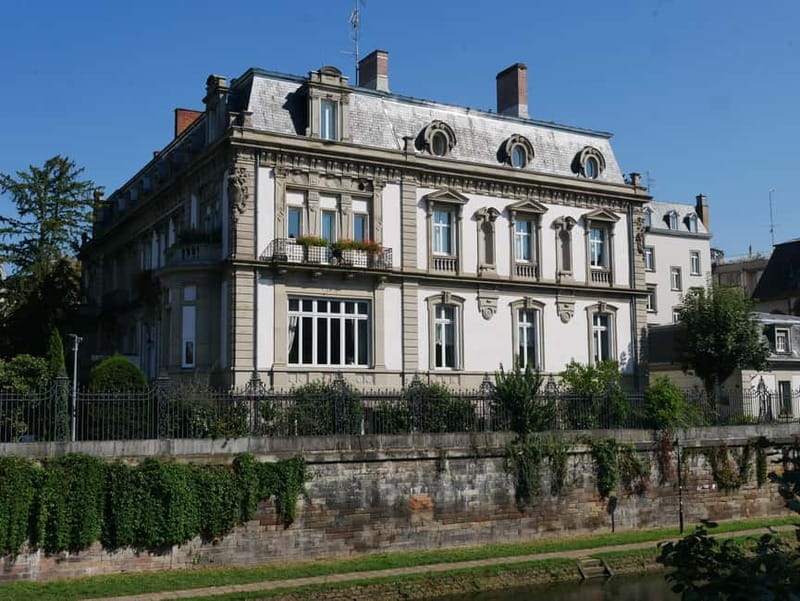
The meeting point is in front of the large Palais du Rhin building at Place de la République. This gives the tour a clear starting point in Strasbourg’s Neustadt area, away from the tight lanes of the old center.
You will begin with a guided walk lasting about an hour and a half. The guide explains the city and its food traditions while leading you toward the main tasting and sightseeing stops. Guide Mathieu is specifically associated with the experience, and the tour is also offered in French, German, English, and Portuguese.
I would arrive ready to walk, with comfortable shoes and enough room for food. The route includes historic streets and outdoor stops, and one January group found the cold manageable but worth preparing for. The guide adjusted the pace for older participants, so you can ask for a comfortable walking speed when you meet.
A small group changes the feel of the outing. Six people is large enough for conversation but small enough to hear the guide and ask about ingredients, restaurants, and neighborhoods. It also makes the personal advice more useful. You are not receiving a speech designed for dozens of people.
Neustadt and the City Center: Food With a Sense of Place
The route moves through Neustadt and Strasbourg’s city center. These areas help explain why Alsatian cuisine is not just a list of dishes. Architecture and local identity are part of the story, and the walk gives you those surroundings while you learn.
Expect anecdotes about Strasbourg, along with background on how French and German influences shaped local cooking. The guide also shares suggestions for the rest of your stay. This is where the tour has value beyond its three samples: you can ask what to order, where to continue eating, and which local specialties deserve your attention.
The exact food selection is seasonal and chosen in advance with the group. The advertised examples include flammekueche, Alsatian cheeses, and artisanal breads. The precise samples may change, so think of these as likely regional styles rather than a fixed menu.
Flammekueche, also called tarte flambée, is the obvious local favorite. It is a thin Alsatian specialty and a good introduction to the region’s simple, hearty cooking. The experience has also ended with flammekueche in a modern pub setting, which suggests that the final tasting may be more comfortable than a quick stand-up sample.
The tour emphasizes seasonal and sustainable products, with support for local farmers and producers. That does not mean you should expect a farm visit or a formal food lecture. It means the guide frames the tasting around fresh local ingredients and traditional craftsmanship.
Ponts Couverts and the Photo Stop
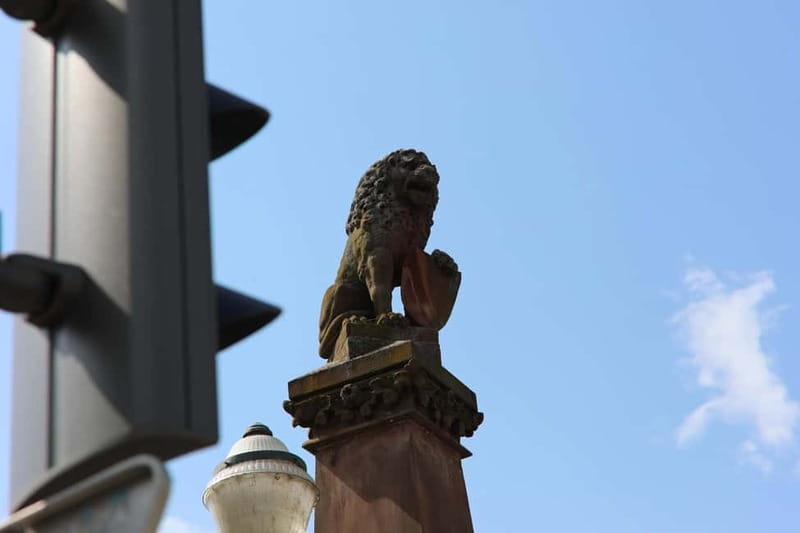
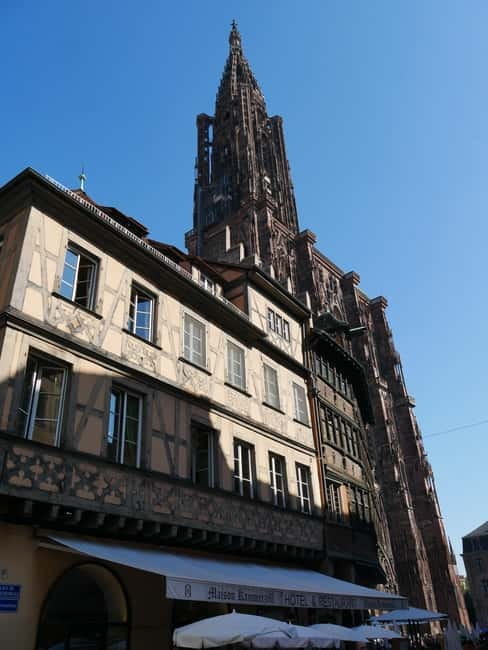
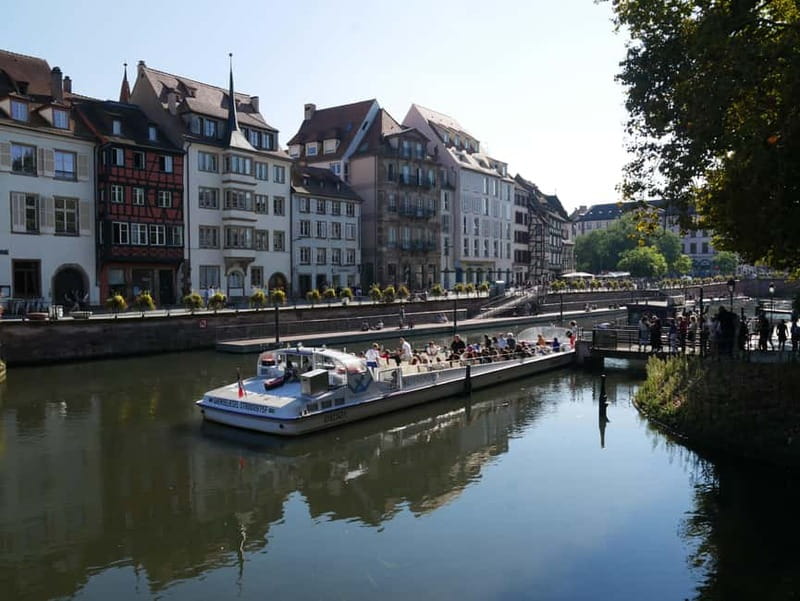
The route includes the Ponts Couverts, Strasbourg’s covered bridges. This is the sightseeing pause in the food walk, with about ten minutes set aside for photographs and views.
The stop breaks up the tasting and gives you a useful orientation point. You are not only moving from one bite to the next. You are seeing a recognizable part of Strasbourg and hearing why it matters while the guide keeps the pace moving.
Ten minutes is enough for photographs, but it is not a long independent visit. If you want extensive time around the bridges, plan to return later. The tour’s purpose is to connect the landmark with the city’s food culture, not to replace a full sightseeing visit.
This balance is one of the better features of the experience. Strasbourg has plenty of beautiful places to photograph, but a food tour can become less satisfying if it ignores the city itself. Here, the bridges and streets give the tasting a setting and help you build a mental map for later walks.
Same appetite, a different neighbourhood:
- Montmartre Hill French Gourmet Food and Wine Tasting Walking Tour
★ 5.0 · 2,588 reviews - Devour Paris Ultimate Food Tour
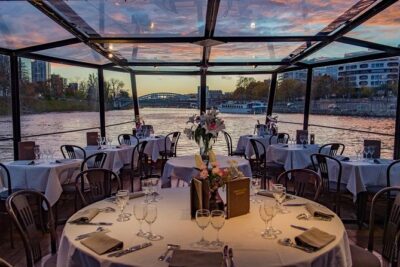
★ 5.0 · 2,087 reviews - Paris 3-Courses Gourmet Dinner Seine River Cruise with Champagne
★ 4.0 · 1,659 reviews - Paris Gourmet Dinner Seine River Cruise with Singer and DJ Set
★ 4.5 · 1,563 reviews
Three Tastings, Not Lunch
The formal food tasting lasts about twenty minutes. You receive at least three samples, selected in advance with the group. That is enough to compare a few local flavors, but you should not arrive expecting lunch or dinner.
This point matters when judging the $64 price. You are paying for more than the food itself. The cost includes two hours with a local guide, the walking route, background on Strasbourg and Alsace, three samples, restaurant and food advice, a written favorites list, a food secrets document, and a souvenir diploma.
If you value only the quantity of food, the price may feel high. Three tasting portions will not replace a restaurant meal. If you want a compact introduction, personal guidance, and a list of ideas for the rest of your stay, the value is easier to see.
The samples are also chosen with the group in mind. That small amount of flexibility is useful when several people have different tastes. It does not remove the allergy restrictions, but it lets the group agree on regional foods before the tasting begins.
Do not count on restaurant lunch or dinner being included. Paid museums, other activities, and a full restaurant meal are separate. I would book this early in a Strasbourg visit, then use the guide’s suggestions for later meals.
The Guide Makes the Difference
The strongest part of this experience is the human side. Mathieu is described as warm, funny, and generous with information. One group treated the walk like a conversation among friends and asked him many questions. That is a good sign for anyone who prefers an informal guide rather than a memorized script.
Another useful detail is the mix of French and German during one walk. Strasbourg’s border identity comes through naturally in that kind of setting. The guide can work in English, French, German, or Portuguese, so choose the language in which you will be most comfortable discussing food and asking follow-up questions.
A guide also makes the tour more accessible to different walking speeds. The route is wheelchair accessible, and the pace has been adjusted for older participants. You should still wear comfortable shoes, since the experience is primarily a city walk rather than a seated tasting.
At the end, you receive a personal diploma to remember the experience. It is a lighthearted extra, not a serious culinary certificate, but it suits the friendly tone of the tour. The practical documents matter more: the favorites list and guide for continuing your food exploration.
Who Will Get the Most From It
I would recommend this tour to a first-time visitor who wants food and city orientation in one short outing. It is also a good fit if you like asking questions, prefer small groups, and want a local person to point you toward regional dishes.
It works well for couples, families with older children, and small groups of friends, provided everyone can eat the selected foods. The personal approach should appeal to people who want a conversation rather than a large lecture.
You will get less from it if you already know Strasbourg’s food scene well or want a long, elaborate tasting menu. The tour is brief, and the food samples are limited. It is an introduction, not a complete culinary tour of Alsace.
It is also a poor choice for anyone with allergies, nut allergies, or lactose intolerance. The activity specifically says it is not suitable for those needs, so do not assume the guide can redesign the experience safely.
Timing, Booking, and Practical Details
The duration is two hours, but the starting time is confirmed together. That gives you some flexibility, especially if your arrival plans are still moving. You can also reserve now and pay later, which helps if you are arranging several activities before your Strasbourg visit.
Free cancellation is available up to 24 hours before the tour for a full refund. Check the confirmed time carefully, since the meeting point is at the Palais du Rhin and the route then continues through the city.
The activity is wheelchair accessible and limited to six participants. Comfortable shoes are the only item specifically requested. Alcohol and drugs are not allowed, which is hardly a surprise on a food walk but is part of the stated rules.
The current rating is 4.5 from 43 reviews. The most consistent strengths are the guide’s warmth, the relaxed pace, the useful city stories, and the enjoyable final food stop. A cold-weather walk can still be pleasant, but bring suitable clothing if you are visiting in winter.
Should You Book This Strasbourg Food Walk?
Book it if you want a friendly, compact introduction to Alsatian food, especially early in your stay. The small group, multilingual guide, three tastings, Ponts Couverts stop, and practical food advice give you more than a simple snack crawl.
Skip it if you need a full meal, a long restaurant experience, or strict allergy accommodations. At $64, the best value comes from the guide’s personal advice and the way the walk connects food with Strasbourg itself. Go with comfortable shoes, arrive hungry but not expecting dinner, and use the final food list to keep exploring after the two hours end.
FAQ
How long does the Strasbourg culinary tour last?
The tour lasts two hours.
Where does the tour meet?
You meet in front of the Palais du Rhin at Place de la République.
How many people can join the group?
The group is limited to six participants.
How many food samples are included?
Three food samples are included, selected in advance with the group.
What food might be sampled?
Possible regional foods include flammekueche, Alsatian cheeses, and artisanal breads. The selection is seasonal and agreed in advance.
Is a full meal included?
No. Restaurant lunch or dinner is not included. The tasting provides three samples.
Which languages are available?
The live guide can lead the experience in English, French, German, or Portuguese.
Is the tour wheelchair accessible?
Yes, the activity is wheelchair accessible.
Can I cancel for a refund?
Yes. You can cancel up to 24 hours in advance for a full refund.
New food tours we have reviewed in France
- Taste Cannes – A Full French Riviera Food Tour by Do Eat Better★ 5.0 · 63 reviews
- Cannes Ooh La La Croissant Tasting Tour★ 5.0 · 30 reviews
- Saint-Émilion day tour: village visit, Châteaux and lunch★ 5.0 · 121 reviews
- Bordeaux wines tasting workshop including Food & Wine pairings★ 5.0 · 31 reviews
- NO DIET CLUB – Unique food tour in Bordeaux !★ 5.0 · 201 reviews
- Historical Center, Bordeaux Food Tour★ 5.0 · 33 reviews
- Bordeaux Food and Wine Tour : Authentic Artisanal Flavors★ 5.0 · 62 reviews
- Bordeaux Gourmet Experience : tasting of French cheeses & wines★ 4.5 · 71 reviews
France Food Tours, compared.
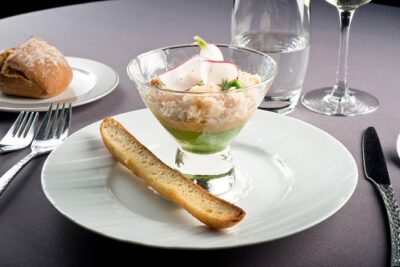
Bateaux Parisiens Seine River Gourmet Dinner & Sightseeing Cruise
Read our review →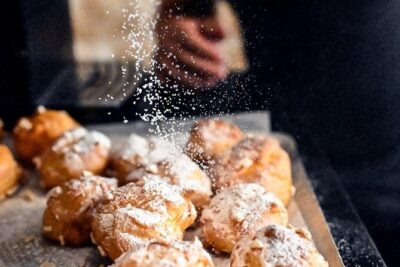
Authentic Parisian Gourmet Food Tour with 10 Local Dishes & Wines
Read our review →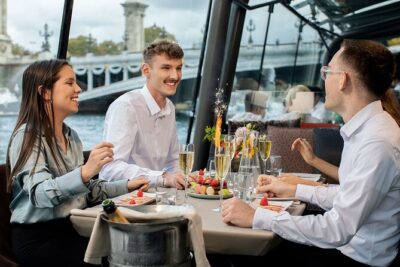
Bateaux Parisiens Seine River Gourmet Lunch & Sightseeing Cruise
Read our review →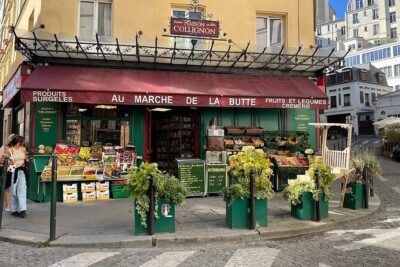
Montmartre Hill French Gourmet Food and Wine Tasting Walking Tour
Read our review →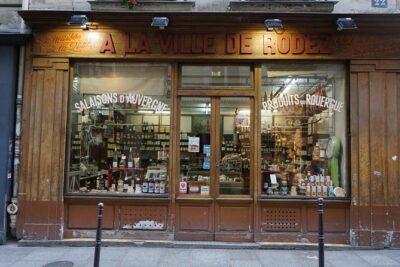
Paris 3-Courses Gourmet Dinner Seine River Cruise with Champagne
Read our review →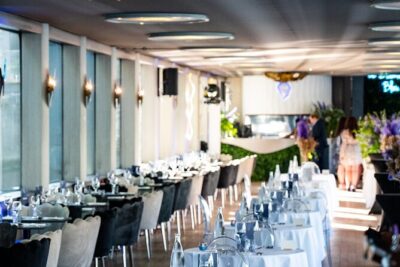
Paris Gourmet Dinner Seine River Cruise with Singer and DJ Set
Read our review →
Private Montmartre Food Tour with Wine, Cheese & Pastries
Read our review →Browse the lists this tour appears in