
Review · STREET FOOD TOURS
Cairo Street Food with a Local Family
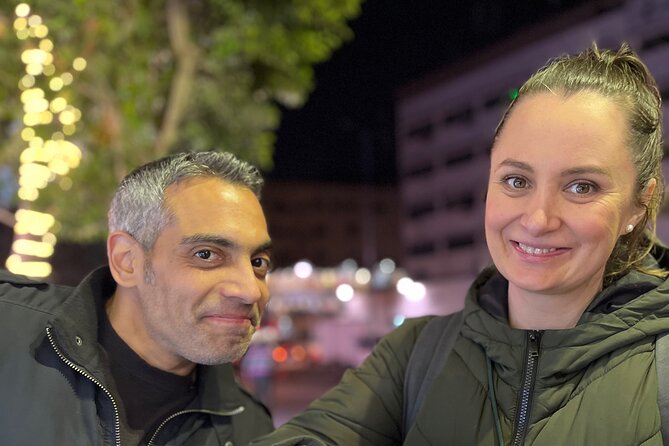
Cairo’s best food lesson may come not from a polished restaurant, but from a family table and a neighborhood stall. This three-hour evening with Ahmed and Shorouk moves through downtown and a local Cairo district, pairing home-cooked dishes with the foods people grab in daily life.
I like the small group limit of five, which gives the evening a personal feel, and I like the range: national drinks, grandmother-style cooking, taameya sandwiches, koshary, sweets, and more. The main consideration is that the exact dishes and stops are not fully spelled out, so you should enjoy some surprise and come ready for a generous amount of food.
Key things to know
- Six or more food stops: Expect a meal-sized progression rather than one tasting plate.
- Two sides of Cairo: The evening begins in West Elbalad downtown and continues through a more local neighborhood.
- Hosted by Ahmed and Shorouk: Their role goes beyond pointing out food. The experience centers on family welcome and conversation.
- Classic Egyptian staples: Taameya and koshary give you two essential tastes of everyday Cairo.
- Small evening group: A maximum of five people makes it easier to ask questions and keep up in crowded streets.
- Food-waste effort: Leftover food is offered to people in need instead of being thrown away.
Why this Cairo food walk feels personal
Many food tours take you from restaurant to restaurant. This one aims for something closer to being shown around by a local family. That matters in Cairo, where food is tied to home kitchens, quick street meals, neighborhood routines, and the warm habit of feeding people generously.
You begin at 71 Noubar Street in the Abdeen area at 7:00 pm. The location is near public transportation, and the activity returns to the same meeting point at the end. Since Cairo evenings can be active and crowded, returning to a known starting place is useful, especially if you are still learning the city.
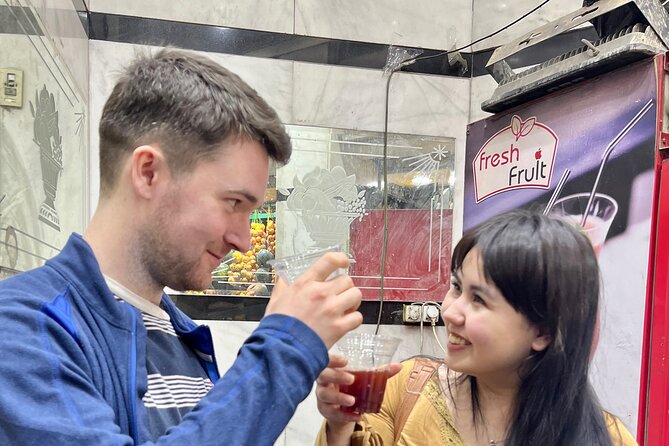
The first stop is in West Elbalad, downtown Cairo. The evening starts with national drinks, a gentle way to settle in before the food arrives. From there, the experience moves toward the flavors of home cooking, with dishes meant to recall the food prepared by Egyptian grandmothers.
I like this opening because it gives the meal a human setting. You are not simply ticking off famous dishes. You are hearing how food fits into Egyptian family life, and you have Ahmed and Shorouk nearby to explain what you are eating.
The group size is capped at five people. That is a real advantage here. A small group can fit more easily into family-run places and local food stops, and you can ask about ingredients, customs, or unfamiliar dishes without trying to speak over a bus full of people.
More Street Food Tours in Cairo:
- Dubai: Old Town, Creek, Museums, Souks, & Street Food Tour
★ 4.8 · 10,816 reviews - Ho Chi Minh City Street Food Tour & Sightseeing By Motorbike
★ 5.0 · 9,413 reviews - Dubai: Old Town, Souks, Street Food, Guided Tour & Abra Ride
★ 4.9 · 7,170 reviews
West Elbalad starts with drinks and home cooking

West Elbalad, in downtown Cairo, provides the first setting for the tour. The experience begins with national drinks, then moves into home-style food. The supplied details do not name each drink or dish, so do not book this expecting a fixed menu with every item listed in advance.
Instead, think of this as a guided introduction to Egyptian eating habits. The home-cooked portion is designed to feel like everyday food, not a special-occasion tasting menu. That can be more useful than a restaurant meal because it shows you what local cooking means beyond the familiar tourist staples.
Ahmed’s part in the evening appears to be especially important. He is described as friendly, enthusiastic, and easy to talk with, while Shorouk helps create the family-host atmosphere. The strongest praise centers on feeling welcomed and treated like an old friend rather than being processed through a standard tour.
That warmth is valuable, but it also means you should allow the evening to unfold at its own pace. Six or more stops in three hours is a full schedule. You may spend only a short time at some places, while the family meal or conversation may take longer.
Taameya shows Cairo’s answer to falafel
One of the clearest food highlights is taameya. Many visitors know falafel, but Egyptian taameya has its own local identity and is made from fava beans rather than the chickpea base common in much of the region.
Here, you try it in a sandwich, the way many Cairenes eat it. That detail matters. A taameya sandwich is not presented as a museum piece. It is a practical local meal, the kind of food that fits into ordinary city life.
The tour description places this stop among local people, which gives the food a useful context. You are not just tasting a fried patty and moving on. You are seeing how it is ordered, served, and eaten in Cairo.
If you are cautious about unfamiliar food, this should be one of the easier introductions. It is recognizable as a sandwich, but different enough to give you a proper Egyptian food experience. You should still tell the host about allergies or dietary restrictions before eating, since the available details do not explain ingredient substitutions.
Koshary brings the big Cairo comfort bowl
Koshary is another central stop. This famous Egyptian dish combines staples such as pasta, rice, lentils, chickpeas, tomato sauce, and fried onions, though the exact preparation at the stop is not specified here.
Koshary is filling, inexpensive, and strongly tied to everyday Egyptian eating. It is not delicate food, and that is part of its appeal. You get a hearty bowl with contrasting textures and a sauce that brings everything together.
I like that taameya and koshary appear on the same evening. One is a handheld sandwich, the other is a substantial bowl. Together, they show two different ways Cairo eats: quick food for the street and a satisfying dish that can carry much of a meal.
Pacing is worth noting. With drinks, home cooking, sandwiches, koshary, sweets, and other stops, you may need to take small portions when offered. You do not have to treat every stop as a full meal. Save room, because the whole point is variety.
More Food Tours with Locals in Cairo:
- Naples: Street Food Walking Tour with Local Guide
★ 4.9 · 4,976 reviews - Rome: Street Food Tour with Local Guide
★ 4.8 · 4,077 reviews - Eat Like a Local: Venice 3-Hour Small-Group Food Tasting Tour
★ 5.0 · 3,137 reviews - Marrakech: Street Food Tour with a Local Guide
★ 4.9 · 3,119 reviews
The second neighborhood shows everyday Cairo
After downtown, the group continues to an iconic local Cairo area away from the usual tourist paths. The experience is described as a chance to see ordinary local life, including tuk-tuks and neighborhood markets.
This is where the tour becomes more than a food crawl. The food gives you a reason to move through the area, but the setting helps explain how Cairo works at street level. You will encounter a side of the city shaped by local commerce, short rides, small shops, and people going about their evenings.
The phrase off the beaten pavement should not be taken as a promise of a quiet or carefully preserved district. Cairo is a large, energetic city, and local streets can feel crowded and rough around the edges. That is part of the setting, not a flaw to hide.
You should wear comfortable shoes and expect an evening walk between stops. The information provided does not state the exact walking distance or accessibility arrangements, so anyone with mobility concerns should ask the provider before booking.
Tuk-tuks and local markets add visual interest, but the focus remains food. You are not signing up for a full city sightseeing tour. The value comes from seeing how neighborhood food and daily routines connect.
Six or more stops make this a full meal
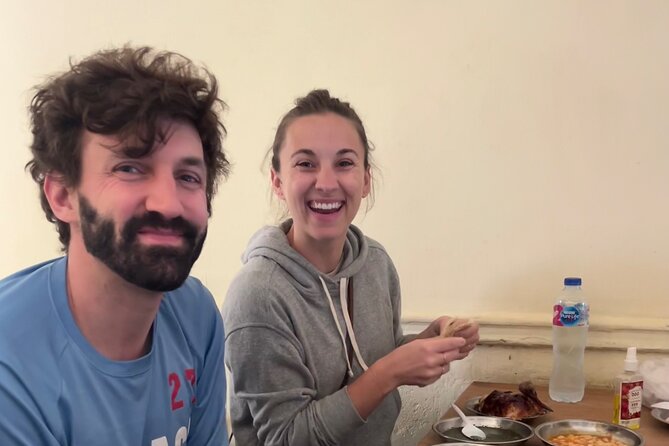
The tour includes more than six food stops. That is a strong value at $39 per person, provided you enjoy tasting several dishes rather than sitting down for one long meal.
The stops cover breakfast, lunch, dinner, and sweet foods typical for local people, according to the experience details. That wide range helps you understand Egyptian food as a daily pattern, not a short list of famous items.
The exact order is not given, and that is probably sensible. Food tours often need to adjust to what is being prepared and available that evening. You may receive a different mix of dishes from another group, but the central themes remain home cooking, street food, classic Egyptian staples, and sweets.
The drawback is predictability. If you need a confirmed menu, this experience may feel too open-ended. If you like trying food selected by someone who knows the neighborhood, the flexible format is a plus.
Come hungry, but not so hungry that you rush. Sampling several items works best when you take a few bites at each stop and pay attention to the differences in texture, seasoning, and setting.
The family welcome is the heart of the evening
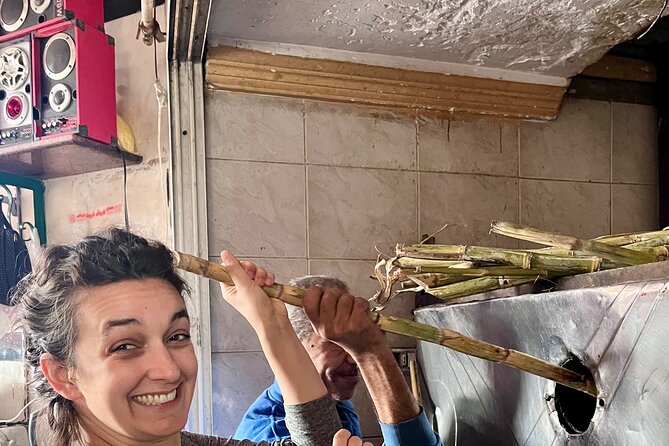
The food is important, but the host connection may be the strongest reason to book. Ahmed is described as a gracious city representative who shares Cairo through food and conversation. Shorouk is part of the family welcome, helping the evening feel social rather than formal.
The experience is built around hospitality. You may find yourself eating in family-run places, speaking with people connected to the food, and learning how dishes fit into Egyptian life. That is different from hearing a guide recite facts beside a restaurant entrance.
I also like the food-waste promise. Leftovers are offered to people in need, which gives the meal a practical social purpose. This does not change the food quality or make the price charitable, but it shows that the hosts have thought about what happens after the eating is finished.
Do not expect a luxury food setting. The appeal is local food, direct contact, and a sense of welcome. Some stops may be simple, busy, or less polished than the restaurants you would choose on your own. That is exactly why the evening can feel more connected to daily Cairo.
What $39 buys you in Cairo
At $39 per person, the tour sits in a reasonable range for a three-hour guided food experience. You are paying for more than food portions. The price also covers the host’s time, local knowledge, route planning, interpretation, and the chance to enter places you might not find easily on your own.
Six or more stops make the cost easier to justify. A self-guided evening could cost less if you already know where to go and can order confidently. But a first-time visitor may spend money on the wrong dishes, miss the best neighborhood stops, or feel unsure about how to approach a local food counter.
The small group is another part of the value. With no more than five people, Ahmed and Shorouk can give more attention to each person. This is especially helpful if you want to ask about ingredients, customs, or the difference between home cooking and street food.
The tour is best value for someone who wants a social evening and several tastings. It is less suited to someone seeking a formal cooking class, a luxury dining experience, or a detailed historical tour of Cairo.
Timing, meeting point, and practical details
The start time is 7:00 pm, and the activity lasts about three hours. That puts the food walk firmly in the evening, when you can expect to eat across the dinner period and continue into sweets or later snacks.
You meet at 71 Noubar Street, Al Balaqsah, Abdeen, Cairo Governorate, postal code 4280130. The experience ends back at this same meeting point. It is near public transportation, which makes the start and finish easier to manage.
A mobile ticket is provided, and confirmation arrives when you book. The maximum group size is five people, but the information does not specify a minimum number needed to run the activity.
Free cancellation is available up to 24 hours before the local start time for a full refund. Changes or cancellations made inside that 24-hour window are not accepted for a refund.
Because the tour involves food at several stops, tell the provider about dietary needs before the evening begins. The available information does not confirm vegetarian, vegan, halal, allergy, or gluten-free arrangements, so you should not assume a special menu.
Who will enjoy this most
I would recommend this experience to you if you want to eat like local Cairenes, meet hosts who care about sharing their city, and see neighborhoods beyond the standard sightseeing route.
It should suit:
- First-time visitors who want help ordering and understanding Egyptian food.
- Food-focused visitors who prefer many small tastings to one restaurant meal.
- Couples and solo visitors who like conversation and a very small group.
- People curious about home cooking as well as street food.
- Anyone who wants an evening activity with a social, family-hosted feel.
It may not suit you if you need a fixed menu, dislike crowded local streets, have serious dietary restrictions that require advance confirmation, or want a tour centered on monuments and formal Cairo history.
Should you book Cairo Street Food with a Local Family?
Yes, if your priority is local food, family hospitality, and a small group rather than polished dining. The strongest reasons to choose it are the six-plus tastings, the mix of home cooking and street food, Ahmed and Shorouk’s personal hosting, and the move from downtown West Elbalad into a more ordinary Cairo neighborhood.
I would book it early, since the experience is often reserved about 32 days ahead and has room for only five people. Contact the provider first if you need dietary adjustments or want to know the likely dishes.
At $39, this is a sensible way to spend an evening in Cairo. You get a guided path through taameya, koshary, drinks, sweets, and everyday local life, with enough variety to make the meal feel like a real introduction rather than a single restaurant stop.
FAQ
Where does the Cairo food experience begin?
It begins at 71 Noubar Street, Al Balaqsah, Abdeen, Cairo Governorate, postal code 4280130, Egypt.
What time does the tour start?
The activity starts at 7:00 pm local time.
How long does the experience last?
It lasts approximately three hours.
Where does the activity end?
It ends back at the meeting point on Noubar Street.
How many people can join the tour?
The maximum group size is five people.
What foods are included?
The experience includes national drinks, home-cooked Egyptian dishes, taameya sandwiches, koshary, sweets, and other local foods across six or more stops.
Are both street food and home cooking included?
Yes. The evening combines home-cooked food with street food and family-run local eating places.
Is the tour near public transportation?
Yes. The meeting point is near public transportation.
What is the cancellation policy?
You can cancel up to 24 hours before the start time for a full refund. Cancellations or changes made less than 24 hours before the start time are not accepted for a refund.
New food tours we have reviewed in Cairo
- food tour private tour from cairo or giza hotel★ 4.5 · 46 reviews
- Local Oriental Food Tour from Cairo or Giza hotels★ 4.5 · 27 reviews
- Private Cairo food tour &Great Food(Falafel, Shawarma& Koshari)★ 5.0 · 38 reviews
- Egypt Food Tour & Egyptian food★ 5.0 · 22 reviews
- Cairo Nights Food Tour with 15+ Tastings★ 5.0 · 84 reviews
- Cairo Food Tour- Shwarma, Falafel, Egyptian Koshare…★ 5.0 · 40 reviews
- Cairo food tour in Hidden Gems★ 5.0 · 28 reviews
- Cairo Food Tour★ 4.4 · 31 reviews
Street Food Tours, compared.
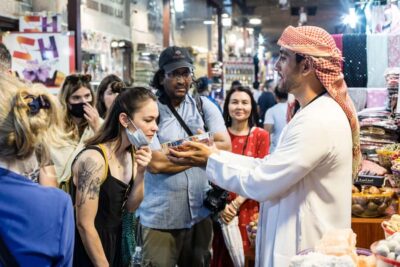
Dubai: Old Town, Creek, Museums, Souks, & Street Food Tour
Read our review →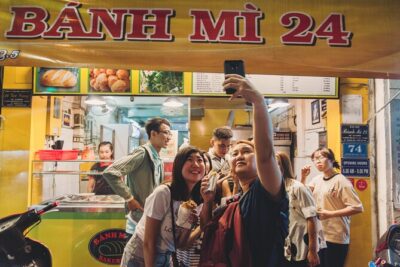
Ho Chi Minh City Street Food Tour & Sightseeing By Motorbike
Read our review →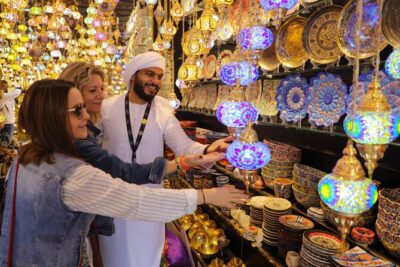
Dubai: Old Town, Souks, Street Food, Guided Tour & Abra Ride
Read our review →
Naples: Street Food Walking Tour with Local Guide
Read our review →
Small Group Hanoi Street Food Tour with a Real Foodie
Read our review →
Saigon By Night and Street Food By Motorbike | Opt: Ao Dai Riders
Read our review →
Private Street Food Tour by Motorbike/Car with Local Students
Read our review →Browse the lists this tour appears in