
Review · MARKET FOOD TOURS
Budapest: Central Market Hall Guided Food Tour with Tastings
Budapest’s Central Market Hall is at its best when you stop treating it as a place to buy souvenirs and start tasting your way through it. This short tour moves from shop to shop inside the 1895 market, introducing you to Hungarian salamis, sausages, cheeses, paprika and three kinds of honey.
I like the focused 40-minute format, which works well if you want a quick introduction before exploring the hall on your own. I also like the practical take-home material, especially the digital 12-site Budapest restaurant guide and WineGuide. The main catch is important: the tour is in German, and the tastings are cold dishes only, with no goulash or other warm food.
Key points to know before booking
- Taste several Hungarian staples: Salami, sausages, cheese, paprika and three local honeys form the core of the tasting.
- Learn the basics of Hungarian wine: A large 3D map helps explain the country’s wine regions and styles.
- Hear about pálinka and fröccs: The guide covers Hungarian fruit brandy and the local custom of mixing wine with soda water.
- Meet at Sóház utca 2: Use the side entrance of the market hall and look for the red GastroGuides Budapest sticker.
- Plan around a German-speaking guide: This is not an English-language tour.
- Expect a compact introduction: The activity lasts about 40 minutes and returns to the starting point.
Entering Budapest’s 1895 Central Market Hall
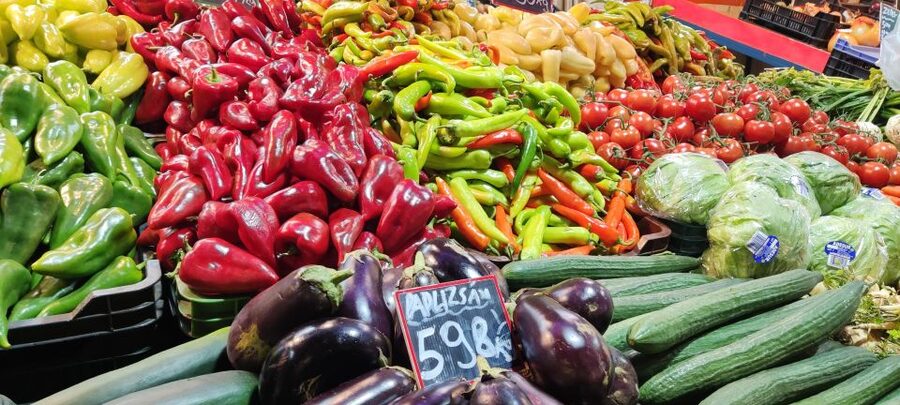
The tour begins at the side entrance of the Central Market Hall at Sóház utca 2. That detail matters because the building has several entrances, and a busy market is not the place to wander around hoping to spot your guide. Look for the guide with a red sticker marked GastroGuides Budapest.
The market hall itself gives the tour a useful setting. You are not sitting in a restaurant with a fixed menu. Instead, you walk from one stall or store to the next, seeing the products in the place where locals buy food. The architecture and market setting add context to the tasting without turning the activity into a formal museum visit.
Your guide is Gábor Glasner, listed as the experience provider. One review also refers to Mr. Gläser as a friendly and informative guide who offers other tours. The name may reflect a spelling difference, so check the booking details if identifying your guide matters to you.
The route ends back at Sóház utca 2. That makes this easy to fit into a morning or afternoon at the market. You do not need to arrange transport between stops, and the tour does not send you across different parts of Budapest.
More Market Food Tours in Budapest:
- Budapest Food Tour: Market to Tavern with 14+ Tasters & Wines
★ 5.0 · 434 reviews - Budapest: Food Tour Market to Tavern: 14+ Tasters & Wines
★ 4.9 · 375 reviews - Budapest Great Market Hall Chef‑Led Private Tasting Tour
★ 5.0 · 61 reviews
Salami, sausages and the meat-heavy side of Hungarian food
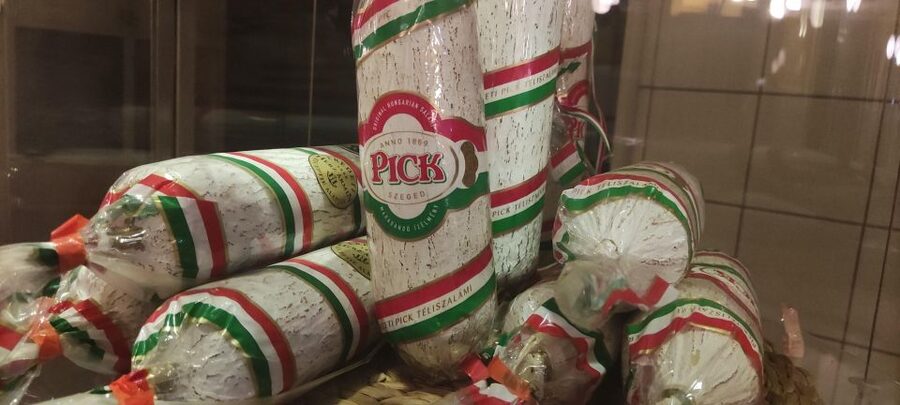
The first major taste of Hungary comes through cold meat products, including salamis and sausages. These are central to the country’s everyday food culture, and tasting them inside the market lets you compare the products where they are sold rather than encountering them as anonymous items on a restaurant plate.
You should arrive ready for a meat-focused experience. The tour notes that meat plays an important role in Hungarian cuisine, so it is only partly suitable for vegetarians and vegans. If you avoid meat, you may still find the paprika and honey sections useful, but this should not be your main food tour.
The cold tasting format is also worth understanding. You will sample prepared products, but you should not expect a bowl of goulash, a hot sausage, or a full meal. This is a lesson in ingredients and local specialties, not a replacement for lunch.
That distinction helps explain the $15 price. You are paying for a short guided walk, several small tastings, and an introduction to Hungarian food products. It is a fair entry price if you want orientation and samples, but it is not a bargain meal. Plan another stop afterward if you are hungry.
Paprika explained beyond the souvenir shelf
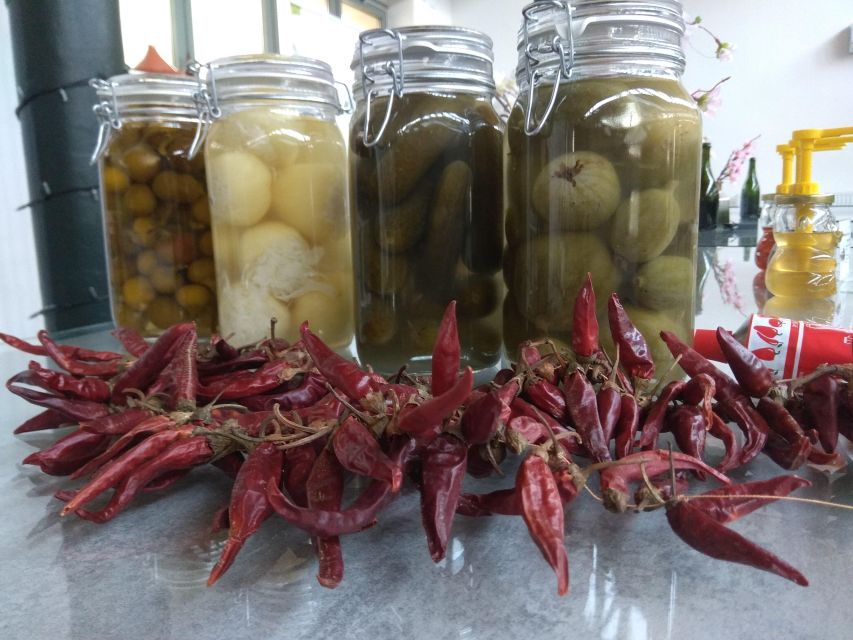
Paprika is one of the clearest ways to understand Hungarian cooking, yet market shelves can make it seem simple: red powder in decorative tins. The tour gives you a chance to look at different types of paprika and taste them.
That tasting is useful because paprika is not one single flavor. The differences between varieties can affect sweetness, heat and how the spice works in a dish. The supplied details do not specify every paprika style you will sample, so you should think of this as a guided introduction rather than a formal spice class.
I like this part for practical reasons. Paprika is easy to take home, but it is also easy to buy badly if you cannot tell the difference between attractive packaging and a product you will actually use. The guide can help connect the spice to Hungarian cooking and give you better context before you shop.
The same applies to the cheeses. You will taste typical Hungarian cheese as part of the cold food selection. Cheese receives less attention than paprika, salami or wine in most quick introductions to Budapest, so it adds another useful layer to the tasting.
Three honeys and a sweeter taste of Hungary
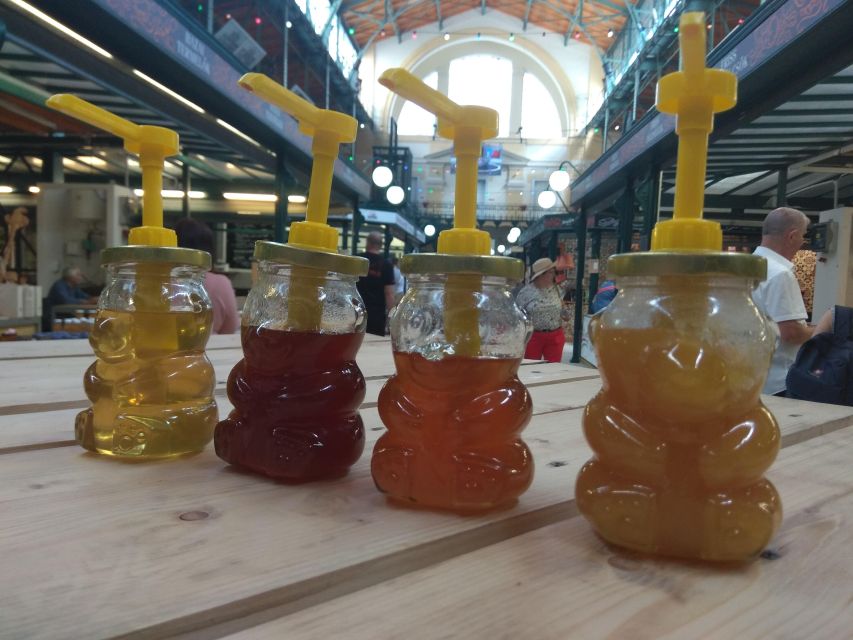
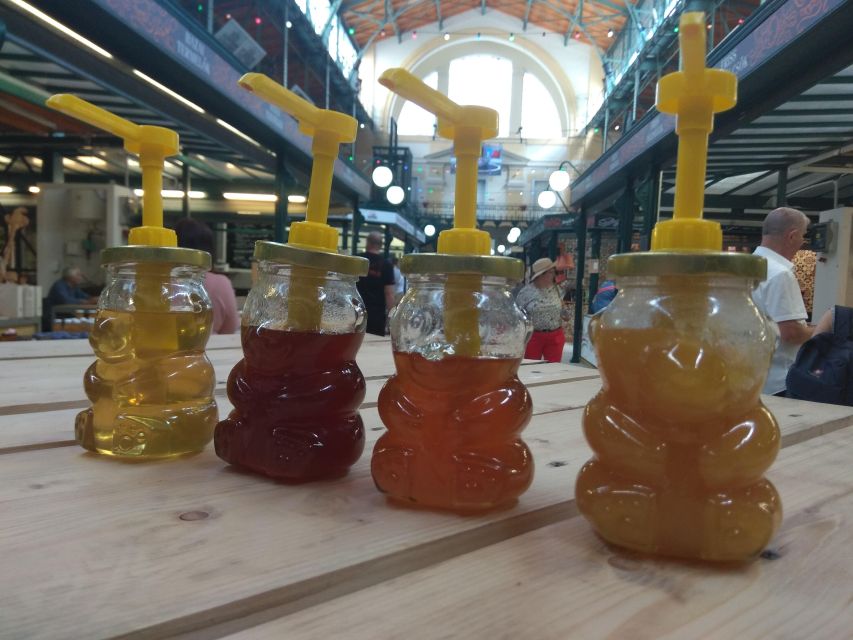
The tour includes three different local honeys. That is a small detail, but it gives the tasting a clear point of comparison. Sampling several honeys side by side makes it easier to notice differences than buying one jar and trying to remember it later.
The exact types are not specified, so you should not book this expecting a named honey workshop. Instead, treat it as a short look at another Hungarian food product that you might otherwise pass over in the market.
Honey also gives the tour some balance. Much of Hungarian cuisine leans toward meat, paprika and substantial dishes. A honey tasting adds a simple sweet element and makes the food walk more suitable for someone who wants more than sausage samples, though vegans should still note that honey is not vegan.
If you plan to buy food gifts, this section may help you decide what appeals to you. The tour is not a shopping service, and purchases are not listed as included, but tasting before buying is more useful than choosing solely by label.
More guided departures in Budapest:
- Budapest Guided Food Walking Tour with Drinks Included
★ 4.8 · 472 reviews - Budapest Tipsy Food Tour with Wines, Small Group & Local Guide
★ 5.0 · 234 reviews - Budapest: Guided Street Food Tour with Sweet Wine
★ 4.9 · 149 reviews - Budapest: Guided Food Tour with Wine, Beer, and Shots
★ 4.8 · 71 reviews
Hungary’s wine regions on a large 3D map
Wine is covered through a large three-dimensional map of Hungary. This is one of the more distinctive teaching tools in the experience. Rather than hearing a list of unfamiliar place names, you get a visual way to connect the country’s regions with its wine production.
You will learn about the main wine regions and Hungarian wines, but the wines themselves are not included in the tasting. That point should be clear before booking. The tour discusses wine culture, yet this is not a wine-tasting tour with pours.
For a first visit to Hungary, that can still be valuable. Hungarian wine is often less familiar to international visitors than the country’s paprika or pastries. A short explanation of the regions gives you a starting point if you later see Hungarian bottles in a restaurant or shop.
The separate digital WineGuide adds value after the tour. It gives you something to consult when choosing wine later in your stay, although the provided details do not list the guide’s exact contents or format beyond being digital.
Pálinka and the story of fröccs
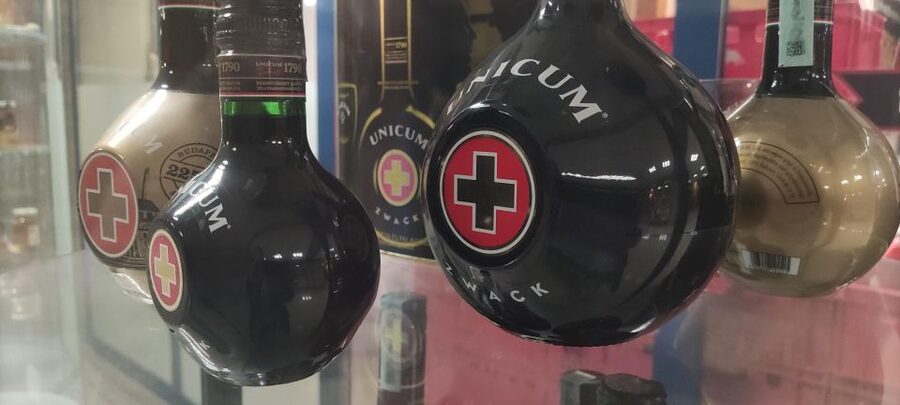
The food walk also introduces two parts of Hungarian drinking culture: pálinka and fröccs. Pálinka is Hungarian fruit brandy, while fröccs is wine mixed with soda water.
These subjects widen the tour beyond ingredients. You are learning not only what Hungarians eat, but also how local drinks fit into daily food culture. The guide explains the legend and tradition of fröccs, while pálinka gives you a basic introduction to a spirit closely tied to Hungary.
No wines or alcoholic samples are included in the listed price. That makes the experience suitable for someone who wants cultural context without committing to a drinking-focused activity. It also means you should not choose this tour expecting a series of wine or brandy tastings.
If you enjoy trying local drinks, use the lesson as a guide for later. You can look for fröccs or pálinka elsewhere in Budapest, but the tour itself is about explanation and food sampling rather than serving alcohol.
What the 40-minute route feels like
The stated duration is 40 minutes, while the stop description refers to roughly 45 minutes. Either way, this is a compact experience. You will cover the market hall, hear explanations, taste several cold products, and return to the entrance in well under an hour.
That short length is both its strength and its limit. I like it for a first morning in Budapest, especially if you want a quick introduction before visiting the market independently. It also works for people with a packed schedule who do not want a half-day food tour.
The tradeoff is that the guide cannot spend long on every product. You will not get an exhaustive tour of Hungarian cuisine, a full meal, or an extended market-shopping session. Think of this as a well-sized sampler.
The activity is listed as not suitable for wheelchair users. The tour also involves walking through the market hall, so anyone who has mobility concerns should check the current conditions before reserving.
What you receive after the tasting
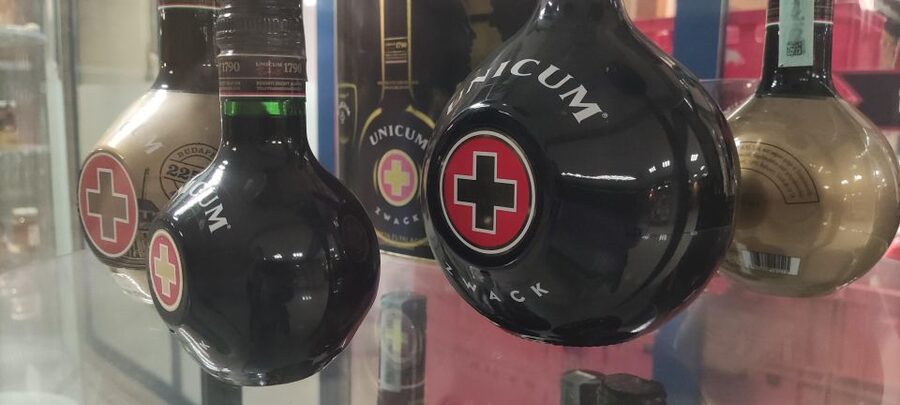
The take-home material is a strong part of the package. You receive a digital 12-site restaurant guide for Budapest, a small Hungarian recipe book in digital form, and a WineGuide.
The restaurant guide is especially useful because the tour itself does not include warm Hungarian dishes. You can use it to decide where to go later for specialties such as goulash or other foods that do not appear during the cold tasting.
The recipe booklet gives the food products some staying power. Instead of remembering only that you liked a certain sausage or paprika, you have a digital reference for Hungarian cooking. The details do not specify the recipes, so you should not assume it covers every major national dish.
The material is delivered digitally, not as a printed packet. That keeps the tour light and easy to carry, but you may want to save the files before heading out for the day.
Language, timing and practical fit
This is a German-language tour. The live guide is listed as German, and that should be your first booking check. If you do not understand German comfortably, the food samples alone may not justify choosing this experience, since much of the value comes from the explanations about wine, pálinka, fröccs and paprika.
The meeting point is precise: Sóház utca 2, at the side entrance of the Central Market Hall. The guide has a red GastroGuides Budapest sticker. Give yourself enough time to find the correct entrance, especially if this is your first visit to the market.
The tour ends at the same place, so you can continue exploring the hall afterward. You can also use the nearby location as a simple starting point for further food shopping, although the tour does not promise specific purchases or discounts.
Cancellation is free up to 24 hours before the start time, and you can reserve now while paying later. Starting times vary, so check availability for the date you want rather than assuming a fixed schedule.
Who will get the most from this market tour
I would choose this for a German-speaking visitor who wants a quick, inexpensive introduction to Hungarian food before making independent choices in Budapest. It suits couples, solo visitors and small groups who prefer tasting several products over sitting down for one long meal.
It is also a good match if you enjoy learning what a food means in its local setting. The market hall, 3D wine map, paprika tasting and explanation of fröccs give the tour more substance than a simple sample platter.
I would be cautious if you are vegetarian or vegan. The tour includes some non-meat products, but meat is an important part of the program, and the experience is only partly suitable for those diets.
You should also skip it if you want hot food, wine pours or a full restaurant meal. The listed inclusions are a walking tour, guide, cold food tasting and digital restaurant guide. Warm dishes and wines are specifically not included.
Should you book the Central Market Hall tasting?
Book it if you want a short, low-cost introduction to Hungarian specialties and you can follow German. The $15 price is reasonable for a guided market walk with several tastings, cultural explanations and useful digital guides, especially if you are planning to eat more Hungarian food during your stay.
The strongest reasons to go are the range of samples and the setting. You get salami, sausage, cheese, paprika and three honeys in one compact visit, then leave with practical ideas for restaurants and wine.
Do not book it as a substitute for lunch or as a traditional wine tour. It is a brief orientation, not a long meal. For a German-speaking visitor who wants to get the basics quickly, it is an efficient way to begin eating your way through Budapest.
FAQ
Where does the tour begin?
The tour begins at the side entrance of the Central Market Hall at Sóház utca 2. Look for the guide with a red GastroGuides Budapest sticker.
Where does the tour end?
The activity ends back at the meeting point at Sóház utca 2.
How long does the experience last?
The listed duration is 40 minutes. The Central Market Hall stop is described as lasting about 45 minutes, so check the available start time and current schedule when booking.
What language is the tour in?
The tour is conducted in German.
What food do you taste?
The tasting includes Hungarian salamis, sausages, typical cheese, different types of paprika and three local honeys. The food tasting consists of cold dishes.
Are warm dishes and wine included?
No. Warm dishes such as goulash and wines are not included.
Is the tour suitable for vegetarians and wheelchair users?
The tour is only partly suitable for vegetarians and vegans because meat is an important part of Hungarian cuisine. It is listed as not suitable for wheelchair users.
New food tours we have reviewed in Budapest
- The Award-Winning Private Food Tour of Budapest: 6 or 10 Tastings★ 4.5 · 185 reviews
- Budapest Food Tasting Tour with Nelli & her local guides★ 5.0 · 190 reviews
- Budapest Ruin Bars Evening Walking Tour with Drinks & Snacks★ 5.0 · 25 reviews
- Budapest Food Tour in Obuda with 8+ Tastings of Hidden Food Gems★ 5.0 · 94 reviews
- Small-Group Culinary Walking Tour in Budapest★ 5.0 · 148 reviews
- Budapest Ruin Bars Evening Walking Tour with Drinks & Street Food★ 5.0 · 104 reviews
- Food and Wine Tasting in Budapest City Center with Sommelier★ 5.0 · 57 reviews
- Budapest Food Tour: Market to Tavern with 14+ Tasters & Wines★ 5.0 · 434 reviews
Market Food Tours, compared.

Tokyo Tsukiji Fish Market Food and Culture Walking Tour
Read our review →
London Bridge & Borough Market Food Tour with 7 Authentic Dishes
Read our review →
Small Group Cooking Class & Market Food Tour in Florence
Read our review →
Nishiki Market Brunch Walking Tour (7 Tastings + Brunch)
Read our review →
Bologna Food & Market Tour with 6 Tastings, Pasta, Wines & More
Read our review →
Browse the lists this tour appears in