
Review · WINE TOURS
Verona: Food and Wine Tasting Walking Tour
Verona is best understood one bite and one glass at a time. This three-hour walk links Piazza Bra, Piazza delle Erbe, Ponte Pietra, small food stops, and local wine bars, so you get a city tour with lunch built in. The highlight is likely risotto all’Amarone, a deeply flavored Veronese dish made with the area’s famous red wine.
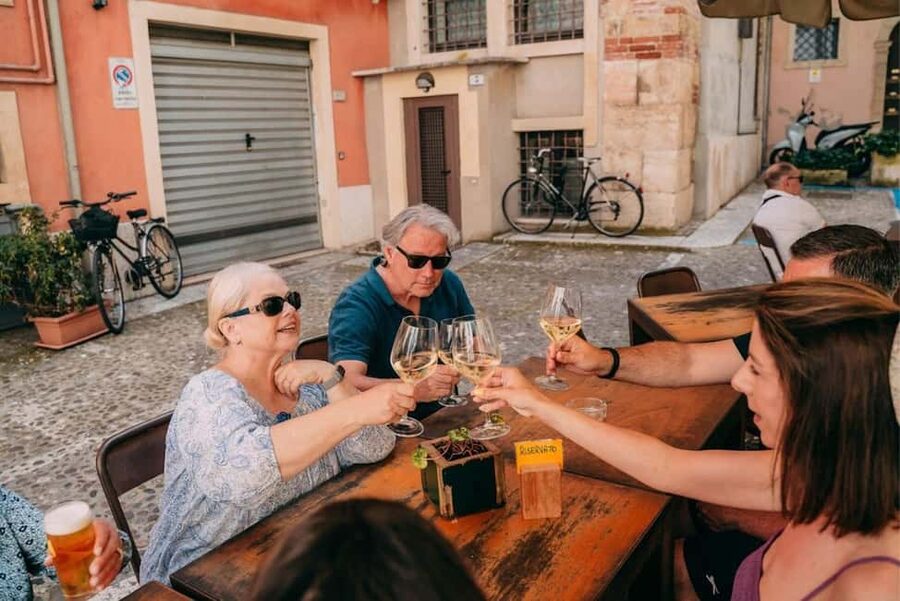
I like the way the tour mixes familiar sights with ordinary local places, especially the historic osteria, regional trattoria, and specialty wine shop. I also like the choice of a morning or afternoon start: begin with coffee and pastry, or finish with cicchetti, wine, and an Aperol Spritz.
The main consideration is price. At $96.29 per person, this is not a cheap snack crawl, and the three-hour route involves a fair amount of walking. Still, the food can cover breakfast and lunch, and the guide adds history, restaurant context, and help choosing what to order later.
Key points to know before booking
- Risotto all’Amarone is the signature bite: You taste one of Verona’s most distinctive dishes, made with Valpolicella’s celebrated red wine.
- The route connects major sights and local stops: Walk from Porta Borsari to Piazza Bra, Piazza delle Erbe, Ponte Pietra, and back.
- Morning and afternoon tours feel different: Morning includes coffee, pastry, savory dishes, wine, and gelato. Afternoon brings cicchetti, wine, meatballs, a wine tasting, and an Aperol Spritz.
- Guides are a major part of the experience: Stefano, Andrea, Laura, Isabella, Priscilla, Benedetta, Diana, and others have been praised for clear English, warm manners, and strong knowledge of Verona.
- The pace is easy but not fully accessible: Expect several walks of 10 to 20 minutes, uneven city streets, and stops where wheelchair access may be difficult.
- Dietary needs need advance notice: Children under six cannot join, minors need an adult, and the tour runs in rain or shine.
Why Verona makes such a good food-walking city
Verona’s old center is compact enough to explore on foot, but it has more than the famous arena. A food tour gives you a reason to cross the city in a useful order, rather than simply wandering from monument to monument.
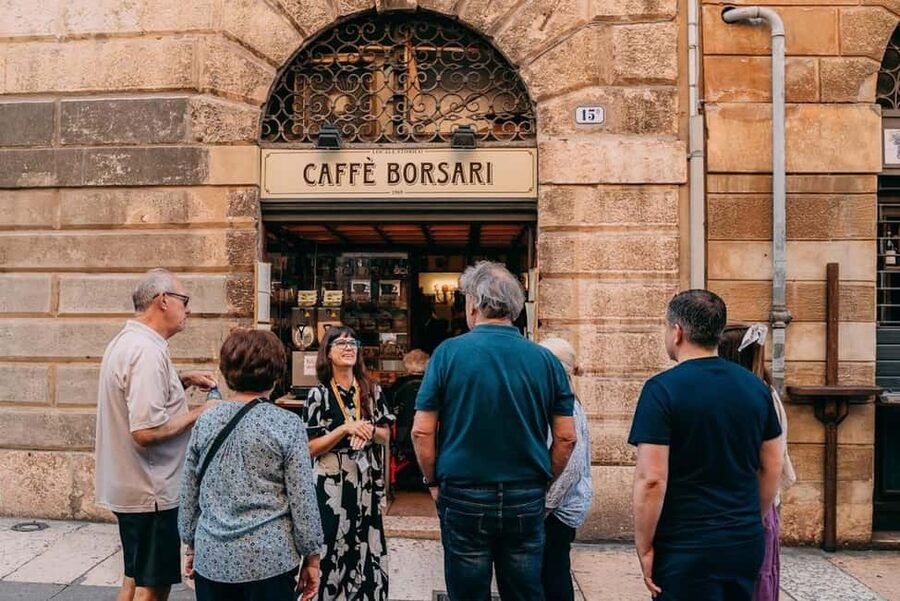
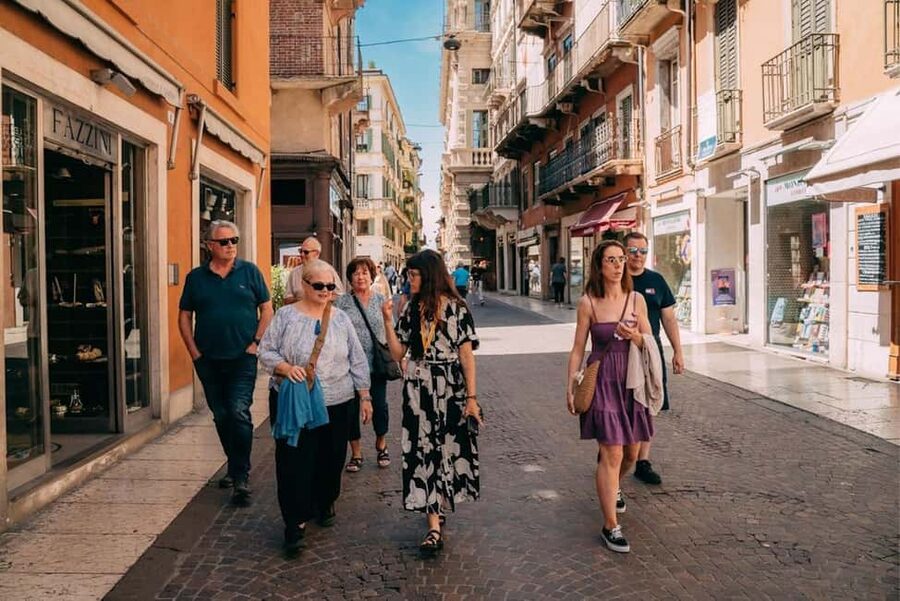
You begin at Porta Borsari, the ancient Roman gateway into the center. From there, the route moves toward Piazza Bra, where the Arena and broad public spaces give you an immediate sense of Verona’s scale. You are not sitting in a bus or being rushed between restaurants. You walk through the center, stopping for food while the guide explains what you are seeing.
That combination is the tour’s best idea. The guide can connect a dish to the place where you eat it, then connect the street outside to Verona’s Roman, medieval, and later history. Guides such as Stefano, Andrea, Laura, and Isabella have been praised for making the walk feel personal rather than scripted. Names and guides can change, of course, but the role matters here.
The group size is not stated, so you should not book expecting a private tour. Still, several past tours have been small, including one with only three people and another arranged for a couple. Small groups can make it easier to ask about food, wine, architecture, or the best places to return for dinner.
More Wine Tours in Italy
- Winner 2025 Florence Sunset Food & Wine Tour by Eating Europe
★ 5.0 · 5,015 reviews - From Florence: Small Group Wine Tasting Tour to Tuscany
★ 4.9 · 3,902 reviews - Rome Food Tour: Unlimited Tastings with Fine Wine & Barolo
★ 5.0 · 3,365 reviews
Starting with coffee near Piazza Bra
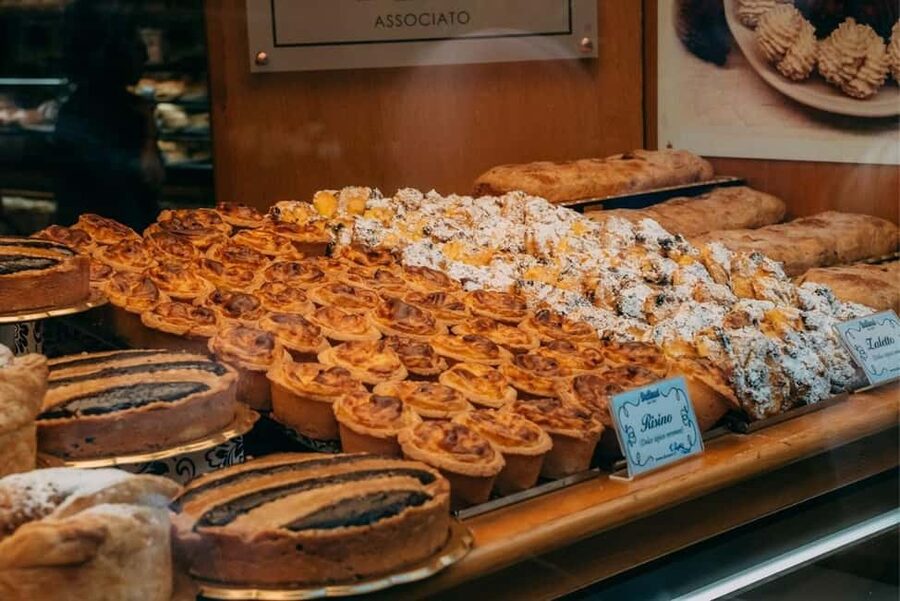
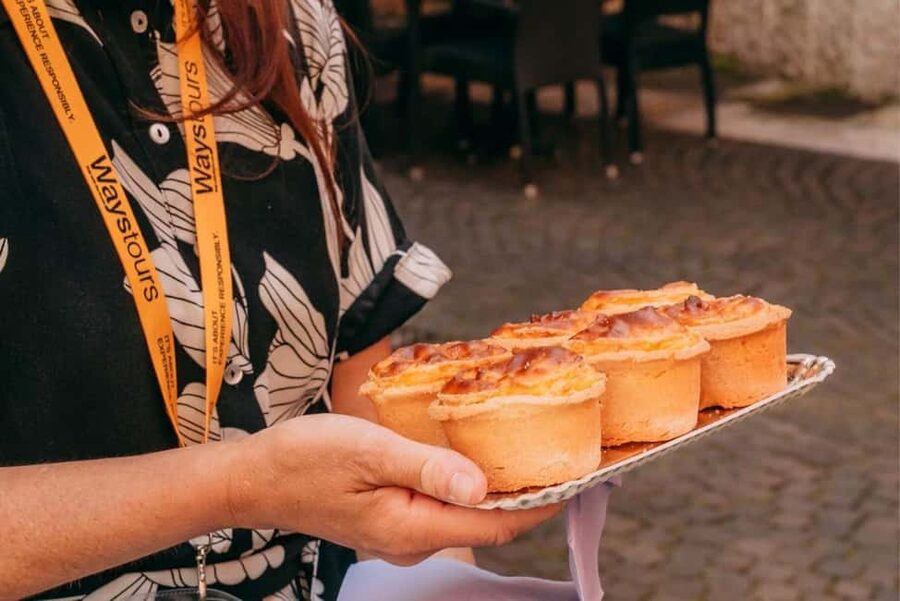
The morning route opens with an Italian breakfast: espresso and a risino, a local pastry made with rice. This is not a large meal, but it is a fine way to start. The stop takes place in a cozy café near Piazza Bra, giving you the classic Italian habit of a quick coffee paired with something sweet.
If you are used to a large breakfast, keep your expectations in check. The risino is a tasting, not a full hotel buffet. Its value is cultural as much as culinary. You get to try a pastry strongly tied to the area, in the sort of café setting where locals might begin the day.
The afternoon route skips this breakfast and starts with a non-alcoholic aperitivo and cicchetti at a local osteria. Cicchetti are small savory bites, often served with drinks, and they set a more social tone. Choose the morning if you like starting early and want coffee, sweetness, and a full sequence of food. Choose the afternoon if you prefer a slower start and the idea of ending near sunset with a drink.
Piazza delle Erbe and the first savory tastes
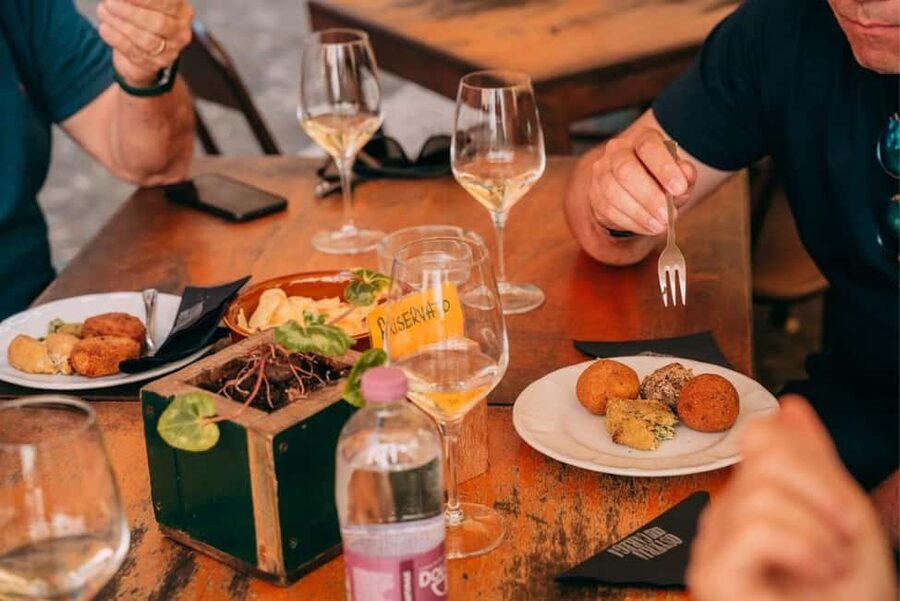
The walk continues to Piazza delle Erbe, one of Verona’s essential public squares. Here, the food stops become more substantial. The route includes local snacks and regional food, with the precise selection depending on the timing and participating venues.
The morning program includes a historic osteria and handmade meatballs prepared in the local style. The afternoon program offers a cone of handmade meatballs from a takeout spot, eaten as you continue walking. That small difference changes the mood: morning guests sit down in an old-fashioned setting, while afternoon guests get a true street-food moment.
I like this part because it avoids treating Veronese cuisine as only pasta and wine. Meatballs are humble, filling, and easy to understand. You can see how food functions in daily life, not just on a polished tasting menu.
The stops also provide a practical advantage. Your guide can explain what is traditional, what is regional, and what is simply a good local choice. Guides have been praised for answering questions about food, art, buildings, and shops, and some have helped visitors communicate with shop staff afterward.
Risotto all’Amarone at a regional trattoria
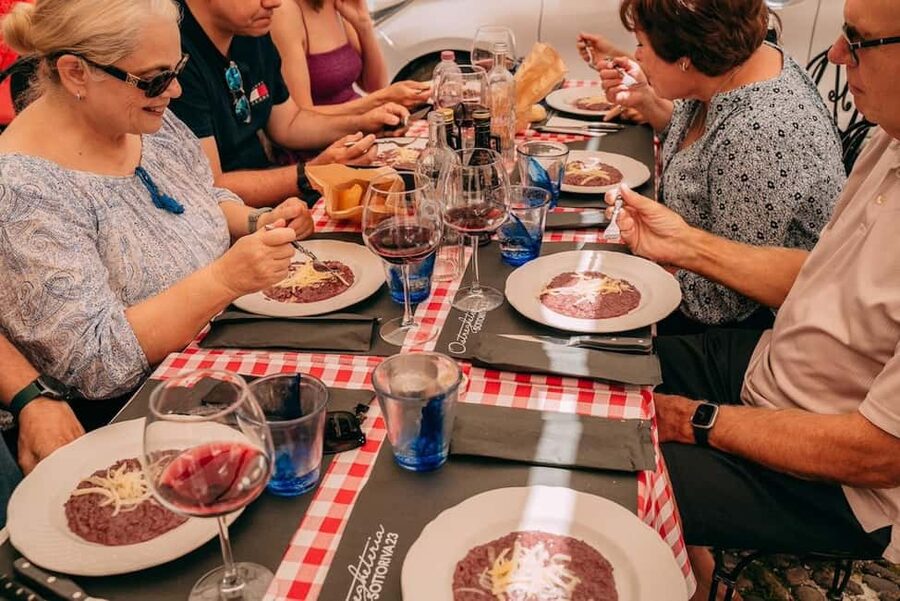
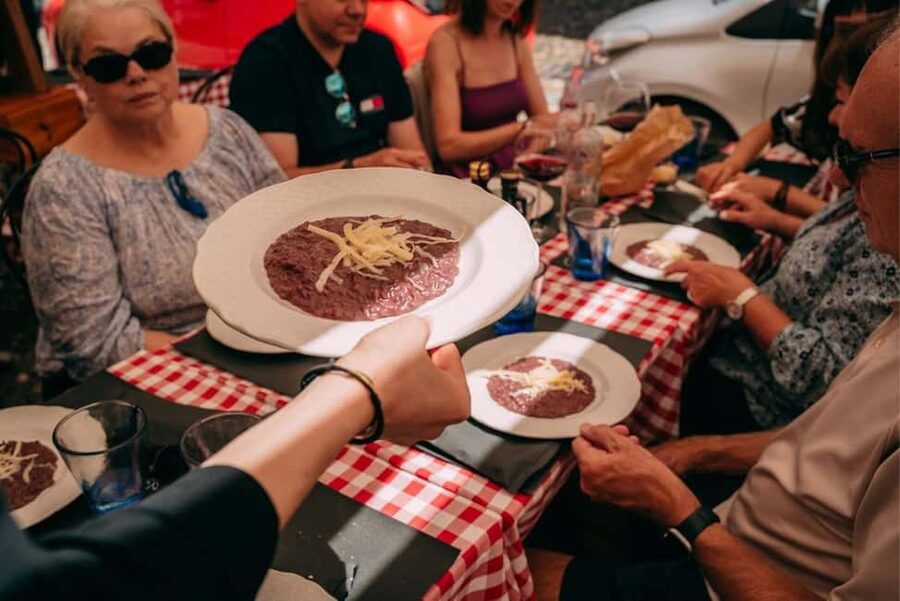
The morning route’s main meal is risotto all’Amarone, served at a regional trattoria. This is the dish I would most want to try on the tour. Amarone is a powerful red wine from the Valpolicella area north of Verona, and using it in risotto gives the rice a darker color and a strong wine character.
The dish also tells you something about local cooking. Risotto is central to northern Italian food, where rice dishes often take the place of pasta. Amarone adds a distinctly Veronese touch. It is not merely a glass of wine on the side. The wine becomes part of the cooking itself.
Past participants have described the dish as a highlight, and one tour included several types of handmade tortellini instead. That suggests the exact food selection can vary with the venue and tour format. You should expect a regional main course, but not treat one specific pasta or filling as guaranteed unless the provider confirms it for your date.
The portion sizes appear generous enough that the morning route can serve as breakfast and lunch for many people. That helps justify the cost, especially if you would otherwise pay separately for coffee, snacks, a main dish, wine, and dessert. Wine pours and tasting portions are not described in exact quantities, so do not assume a full restaurant lunch with unlimited drinks.
Same appetite, a different neighbourhood:
- Winner 2025 Rome Twilight Trastevere Food Tour by Eating Europe
★ 5.0 · 5,157 reviews - Naples: Street Food Walking Tour with Local Guide
★ 4.9 · 4,976 reviews - Rome: Street Food Tour with Local Guide
★ 4.8 · 4,077 reviews - Rome Food Tour: Campo de’ Fiori, Ghetto, Trastevere Winner 2024
★ 5.0 · 3,205 reviews
Three Valpolicella wines beside Ponte Pietra
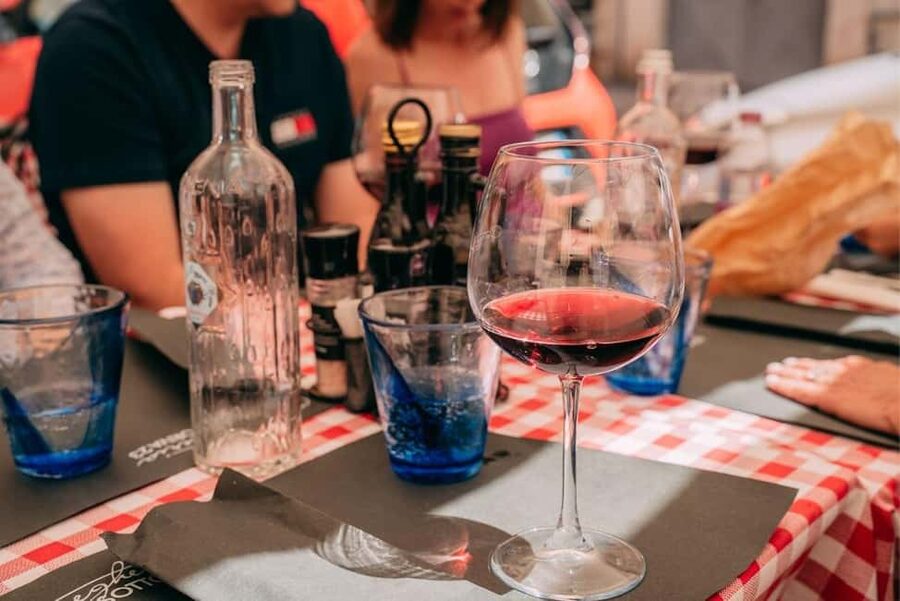
The wine portion takes place at a refined wine bar or specialty winehouse, with three local wines paired with small bites. The route places this part near Ponte Pietra, Verona’s old stone bridge over the Adige. The setting gives the tasting a pleasant sense of place, even if the focus remains on the wines rather than a formal vineyard visit.
You will taste wines from the local production area, including famous Valpolicella styles. The guide or wine specialist can help you notice the difference between bottles, rather than simply handing you three glasses and moving on. Several guides have been praised for explaining wine clearly without making the experience feel stiff.
Do not book this expecting a trip into the countryside. You stay in Verona’s center and taste the region through specialist venues. That is a good use of time if you have only a day or two in the city. If your priority is vineyard scenery, cellar tours, or a technical wine lesson, a separate Valpolicella excursion would suit you better.
The afternoon version also includes a glass of wine at a historic café or charming wine shop before the later three-wine tasting. That route may appeal to people who prefer several smaller stops instead of one sit-down main course.
Gelato in the morning, Aperol at the end
The morning tour finishes at an artisanal gelateria. After coffee, savory food, risotto, and wine, gelato is a sensible closing note. It gives you something sweet without adding another heavy meal, and it leaves you near the center for further sightseeing.
The afternoon route ends differently, at an artisanal focacceria with an Aperol Spritz. The drink fits Verona’s aperitivo culture and gives the later tour a more festive finish. You also get cicchetti earlier, so the afternoon route feels built around small plates and drinks rather than a traditional breakfast and lunch sequence.
This is one of the most useful choices to make before booking. Morning is better for food-first sightseeing and a substantial midday meal. Afternoon is better if you want a relaxed pre-dinner outing, local snacks, wine, and a final cocktail.
The stated itinerary ends at either Porta Borsari or Ponte Pietra, while the meeting details also say the activity returns to the meeting point. Confirm the exact end point and route for your selected departure when you reserve, especially if you have timed plans afterward.
What the $96.29 price really covers
At $96.29, the tour sits in the higher range for a three-hour city walk, but the price includes five food and wine tastings, a licensed local guide, and several food stops. If you enjoy sampling rather than ordering full meals, the cost can work well.
The value improves if you count the guide as part of the experience. You are paying for more than espresso and wine. You are also paying for a planned route, access to selected local venues, explanations of Veronese food traditions, and a chance to ask questions while walking through the old center.
The price works less well if you are a light eater, do not drink alcohol, or prefer to choose every restaurant yourself. Some past participants felt the tour was a little expensive, even after enjoying the food and guide. That is a fair caution.
Vegetarian guests have been accommodated successfully, but you must tell the activity provider about allergies or dietary requirements. The meal plan is built around regional food, so advance notice matters. Do not assume every stop can change dishes at the last moment.
Walking, weather, and practical limits
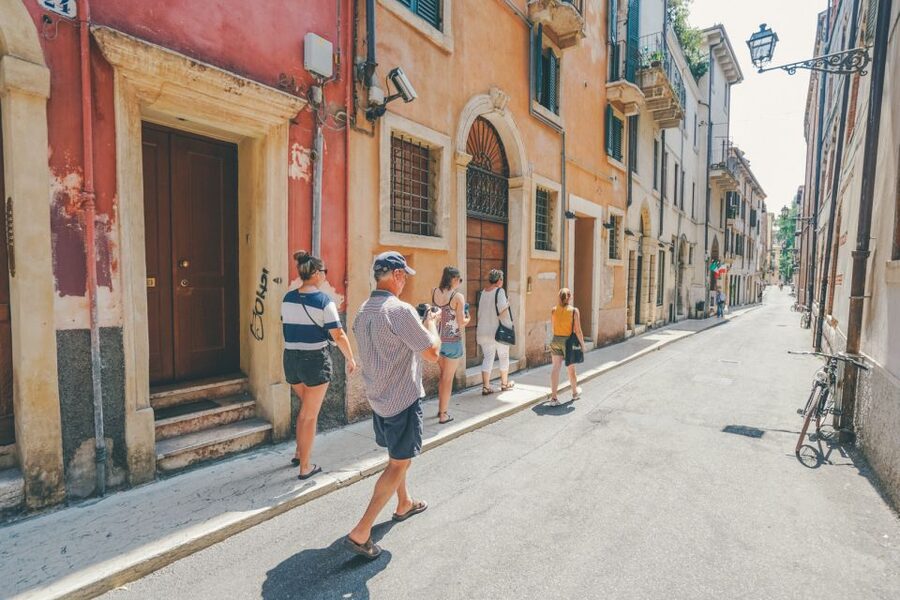
The tour lasts three hours and includes walks of about 10, 10, 15, and 20 minutes between stops in the listed route. That is manageable for most people who are comfortable walking in a historic center, but it is not a sit-down tasting.
Wear shoes suited to old city streets. The tour runs rain or shine, so bring protection in poor weather. There is no hotel pickup or drop-off, and you need to reach Porta Borsari, where the guide waits under the arcade with a yellow sign marked tour.
The activity is in English and requires at least two participants to operate. Children under six cannot join, and minors must stay with an adult. Pets are not allowed. The route is not suitable for wheelchair users, and some parts may be difficult for people with reduced mobility or other disabilities.
Free cancellation is available up to 24 hours before the activity for a full refund. You can also reserve and pay later, which helps if your Verona schedule is still shifting.
Who will enjoy this tour most
I would recommend this tour to first-time visitors who want food and sightseeing in one outing. It is especially useful early in a Verona stay, since the guide can point you toward dishes, wine shops, cafés, and streets worth revisiting.
Wine lovers will appreciate the three-wine tasting and the focus on Valpolicella. Food lovers will get a broader spread: pastry, meatballs, regional dishes, wine pairings, and gelato or aperitivo. Couples and small groups can make good use of the social format, and solo visitors may find the shared table stops an easy way to meet people.
It is less suitable if you want a formal cooking class, a countryside winery visit, or a long historical tour with very little food. It also requires flexibility. The morning and afternoon menus are different, and individual dishes can vary by venue.
Should you book the Verona food and wine walk?
Book it if you want a compact introduction to Verona that treats food as part of the city, not a break from sightseeing. The strongest reasons are the local guide, the chance to try risotto all’Amarone, the Valpolicella tasting, and the mix of famous squares with less obvious food stops.
Choose the morning for coffee, pastry, a substantial regional meal, wine, and gelato. Choose the afternoon for cicchetti, meatballs on the go, wine, and an Aperol Spritz. At $96.29, it is best value when you eat most of the tastings and take advantage of the guide’s local advice.
If those details sound like your kind of Verona, this is a well-planned way to get your bearings and fill your appetite at the same time.
FAQ
How long does the Verona food and wine tour last?
The tour lasts three hours. Starting times depend on availability.
Where does the tour meet?
The meeting point is Porta Borsari. Look for the guide under the arcade with a yellow sign marked tour.
What language is the tour conducted in?
The live tour guide speaks English.
Is hotel pickup included?
No. Hotel pickup and drop-off are not included, so you must make your own way to the meeting point.
What food and drinks are included?
The tour includes five food and wine tastings. Depending on the time of day, these can include espresso and risino, handmade meatballs, regional food, risotto all’Amarone, local wines, gelato, cicchetti, and an Aperol Spritz.
Are the morning and afternoon tours the same?
No. The morning route begins with coffee and pastry and includes a regional meal, wine tasting, and gelato. The afternoon route includes a non-alcoholic aperitivo, cicchetti, wine, handmade meatballs, a three-wine tasting, and an Aperol Spritz.
Can children join the tour?
Children under six cannot participate. Minors must be accompanied by an adult.
Is the tour suitable for wheelchair users?
No. The activity is not suitable for wheelchair users, and some parts may be difficult for people with reduced mobility or other disabilities.
New food tours we have reviewed in Italy
- Private tour of Etna and Winery Visit with Food and Wine Tasting from Taormina★ 5.0 · 221 reviews
- Street food tour of Catania by night★ 4.5 · 31 reviews
- Mt Etna and Wine tasting tour from Catania★ 5.0 · 282 reviews
- Catania Sicilian Street Food Tour: Small Group by Do Eat Better★ 5.0 · 293 reviews
- Cagliari: A Full Meal Sardinian Food Tour with Do Eat Better★ 5.0 · 265 reviews
- Small-Group Food and Wine Tour from Cagliari★ 5.0 · 237 reviews
- Taste Bolzano: Food Tour with Full Meal by Do Eat Better★ 5.0 · 21 reviews
- Devour Bologna Tastes & Traditions Food Tour with Market Visit★ 5.0 · 69 reviews
Wine Tours, compared.
Montserrat Half-Day Tour with Tapas and Gourmet Wines
Read our review →
Winner 2025 Undiscovered Lisbon Food & Wine Tour by Eating Europe
Read our review →
From Porto: 2 Wine Regions, Farm-to-Table Lunch & Boat
Read our review →
Winner 2025 Florence Sunset Food & Wine Tour by Eating Europe
Read our review →
Authentic Parisian Gourmet Food Tour with 10 Local Dishes & Wines
Read our review →
Barcelona: Tapas Walking Tour with Food, Wine, and History
Read our review →
Lisbon: Food and Wine Small Group Walking Tour
Read our review →
Lisbon Small-Group Portuguese Food and Wine Tour
Read our review →Browse the lists this tour appears in