
Review · ATHENS FOOD TOURS
Best Food Tasting Tour of Athens, taste 18+ iconic Greek foods!
The best part of this Athens food walk is its range. You move from a warm sesame bread ring and custard-filled bougatsa to cheese, olives, cured meats, coffee, sweets, and a generous spread of mezze. It is less a single meal than a four-hour edible tour of central Athens.
I like the small group limit of 12, which gives the guide room to answer questions and adjust tastings. I also like the route through bakeries, food shops, Varvakeios Market, and local eating places, since you get more than a plate of familiar Greek dishes. The main caution is simple: this is a lot of food, and some people find the experience closer to a long series of snacks than a formal restaurant meal.
Key points to know before booking

- Start with classic bakery food: Koulouri and bougatsa introduce two everyday Greek favorites right away.
- Expect far more than seven bites: The menu lists seven tasting categories, but several include multiple items, from spinach pie and feta to meatballs, beans, seafood, and sweets.
- Varvakeios Market is part of the route: It is included except on Sundays, when the market is closed.
- The food keeps coming: Several stops can leave you too full for dinner, so arrive hungry.
- Guides shape the experience: Lefteris, Kate, Maria, Elias, Filip, Penny, and Marie have all led versions of the tour.
- The price pays for guidance as much as food: At $94.33, you are paying for a four-hour route, local explanation, planning, and access to many tastings rather than simply buying lunch.
A four-hour introduction to Athens through food
This tour works best early in your Athens stay. It gives you a sense of the city center, introduces foods you might otherwise skip, and helps you decide what to eat for the rest of your visit.
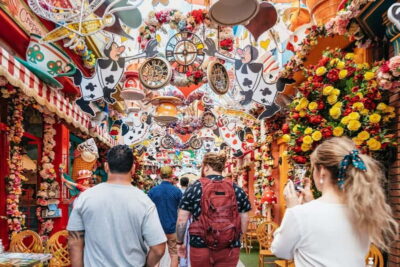
You walk between several food stops with a local guide. Along the way, you see central Athens and a few well-known landmarks. Depending on the route and time of day, the walk can include the Plaka and Acropolis area, market streets, neighborhood shops, and places where locals eat.
The pace is generally moderate. You need to walk between tastings, but the food gives the outing a natural rhythm. You are not marching from one major sight to another. The point is to pause, taste, ask questions, and learn what each food means in Greek daily life.
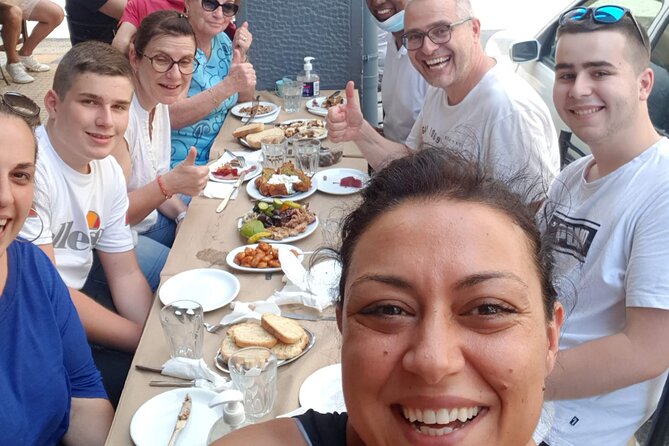
The tour is offered in English and uses a mobile ticket. It is capped at 12 people, though some departures have been smaller, with groups of six, eight, or nine. That matters here. Food tours work better when you can hear the guide and get a turn asking about ingredients, customs, and ordering advice.
More food tours in Athens:
- Greek Food Walking Tour in Athens
★ 5.0 · 4,740 reviews - Athens: Street Food Tasting Tour
★ 4.9 · 3,343 reviews - Athens: Guided Greek Food Walking Tour with Tastings
★ 4.9 · 2,859 reviews
Koulouri and bougatsa: the bakery opening
The first stop begins with freshly baked koulouri at one of Athens’ best-known bakeries. Koulouri is a ring-shaped bread covered in sesame seeds. It is simple, portable, and closely tied to the daily rhythm of Greek city life.
This is a useful first taste because it is not a special-occasion dish. You are starting with something people eat on the go, often in the morning. The sesame crust gives it a pleasant crunch, while the bread itself is mild and filling.
Next comes bougatsa, a pastry filled with custard cream. Its crisp layers and sweet center make it very different from koulouri, and the contrast helps explain the range of Greek bakery food. Depending on the day, the tasting may also include savory pies such as cheese pie or spinach pie.
Pies are a strong part of the tour because they show how much variety can fit inside thin pastry. You might taste spinach, feta, custard, or other fillings. These are not just side items. In Greece, a pie can be breakfast, a quick lunch, or a snack bought from a bakery.
If you have a sweet tooth, bougatsa and later loukoumades may be highlights. If you prefer savory food, ask the guide about the ingredients and preparation of the cheese and spinach pies.
Varvakeios Market and the working food city
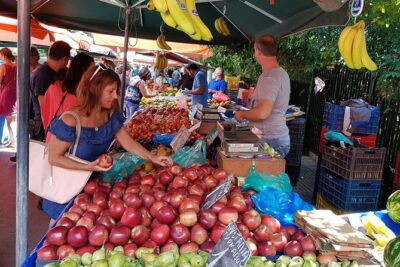
A visit to the Central Market adds some useful context to the tasting. Varvakeios Market is the main market included in the route, except on Sundays when it is closed.
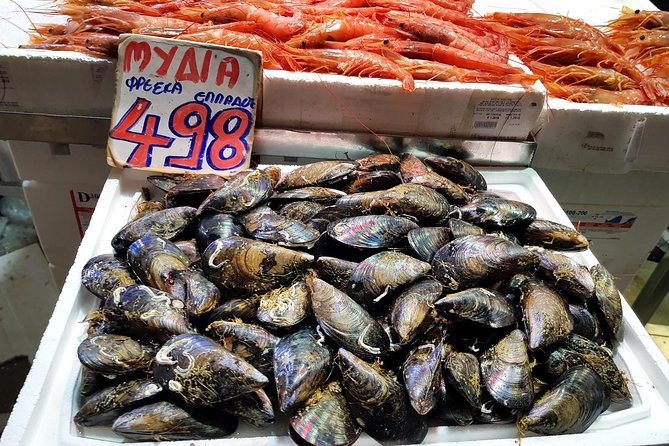
The market helps you connect the food on your plate with the products used to make it. The route may include views of meat and food stalls, along with the busy movement of shoppers and vendors. It is not polished for sightseeing, and that is part of its value. You see a working part of Athens rather than only the postcard version.
The market visit can also make the cheese, cured meat, olives, and mezze later in the tour easier to understand. You are not simply sampling isolated foods. You are seeing how ingredients move through the city and how food shops fit into local life.
Sunday visitors should set their expectations carefully. The market is closed then, but the tour still operates with other food stops. One Sunday outing followed a route around the Acropolis and Plaka area instead, with tastings and a meal continuing as planned.
Cheese, cured meats, olives, and olive oil
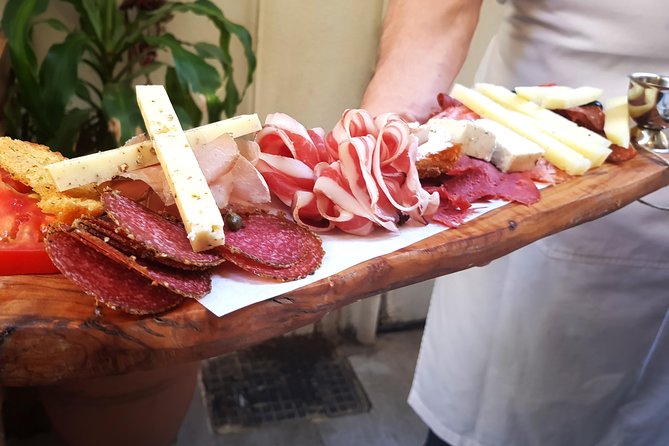
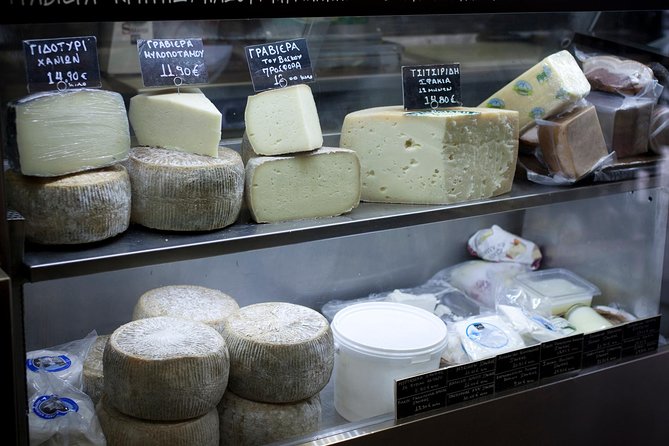
One of the strongest sections is the tasting of Greek cheeses and cured meats from family businesses. The point is not to identify one famous cheese and move on. You get a chance to compare textures, salt levels, and styles while the guide explains what you are eating.
Greek cheese is much broader than the feta served on tourist menus. Feta may appear, but you might also encounter other regional cheeses. The exact selection can change, so treat this as a guided sample rather than a fixed cheese board.
Cured meats add another layer. They are salty, savory, and useful with bread, olives, and a little olive oil. Together, these tastings begin to resemble the small shared plates that appear throughout Greek meals.
Olives and olive oil get their own stop. This is especially worthwhile if you normally treat olive oil as background seasoning. Tasting it on its own lets you notice its peppery, fruity, or grassy qualities. The olives offer a similar lesson in texture and flavor.
This part of the tour is also practical for shopping. If you find a cheese, cured meat, olive, honey, or oil you like, you can ask where to find something similar later. One useful habit is to make a note of names and flavors you enjoyed before visiting specialty shops on your own.
Same appetite, a different neighbourhood:
- Small Group Greek Traditional Food Tour in Athens 20+ Tastings
★ 5.0 · 1,759 reviews - Athens: Food Market Visit and Cooking Class with Wine
★ 4.9 · 1,087 reviews - Athens Authentic Greek Food Walking Tour (Small Group)
★ 5.0 · 809 reviews - Athens Greek Food Tour Small-Group Experience
★ 5.0 · 802 reviews
Greek coffee, honey, nuts, and mastiha
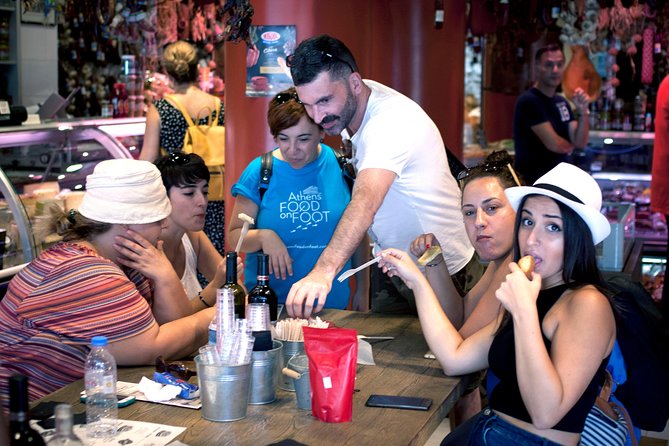
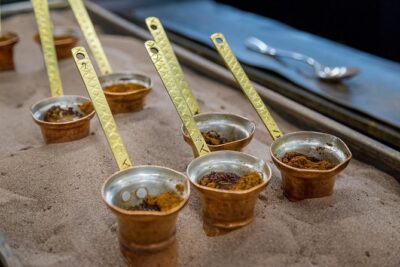
Greek coffee is more than a drink on this route. It is a small cultural lesson, and the preparation and serving style may be unfamiliar if you usually drink filtered coffee or espresso.
The coffee is strong and traditionally prepared with grounds that remain in the cup. Let it settle before drinking the last mouthful. The tour makes room for the social side of coffee as well as the taste, although the exact timing can vary.
Some departures have included honey, nuts, and mastiha. Mastiha has a distinctive resin-like flavor and is used in Greek sweets, drinks, and other products. These smaller tastings broaden the picture beyond the foods most visitors already know.
A minor point to note: Greek coffee is listed in the sample menu, but one itinerary did not include it. Food tours can change based on opening hours, timing, and the day’s route. If coffee matters to you, ask the guide during the tour.
Mezze: the biggest food stop
The main savory section is mezze, the Greek approach to small shared dishes. This is where the tour shifts from sampling individual products to eating a proper spread.
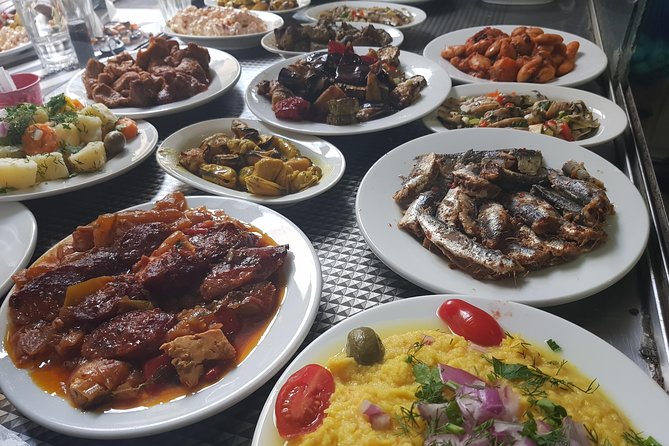
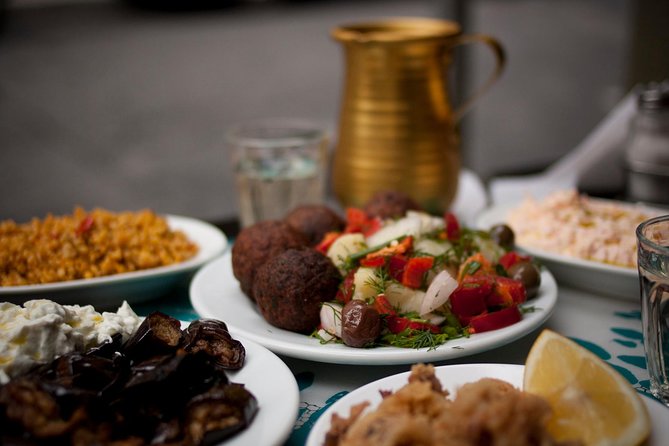
Possible dishes include zucchini fritters, tzatziki, butter beans, meatballs, fava, seafood, salads, stuffed peppers, stuffed grape leaves, moussaka, slow-cooked lamb, bread, and other family-style dishes. You will not necessarily receive every item on every departure, but the range explains why the tour can feel like several meals in one.
Mezze is a good fit for people who like to try many things. You can sample a spoonful of beans, a piece of meat, a little salad, and a dip without committing to one large entrée. It also reflects how Greek meals are often shared at the table.
This is usually the point when the amount of food becomes clear. Several people have found they did not need dinner after the tour, and some had leftovers from the final meal. For an afternoon departure, skip lunch or eat only a light breakfast. For a morning departure, plan a modest dinner afterward.
The sit-down meal also gives the tour a change of pace. After walking and tasting at shops, you have time to sit, talk, and ask the guide about food customs or local restaurants. It is more relaxed than the bakery and market stops.
Loukoumades and the sweet finish
Loukoumades are Greek fried doughnuts, usually served with honey and cinnamon. They are small, warm, and easy to keep eating long after you think you are full.
They provide a clear ending to the savory part of the tour. After cheese, meat, beans, dips, and pastries, the honey and cinnamon bring the experience back to dessert.
Other sweet foods may appear too, including yogurt with honey, baklava, gelato, or a custard dessert. The sample menu specifically lists loukoumades, while the foods served can vary by route. If you have dietary restrictions, give those details when booking and remind the guide at the start.
What the guides add to the experience
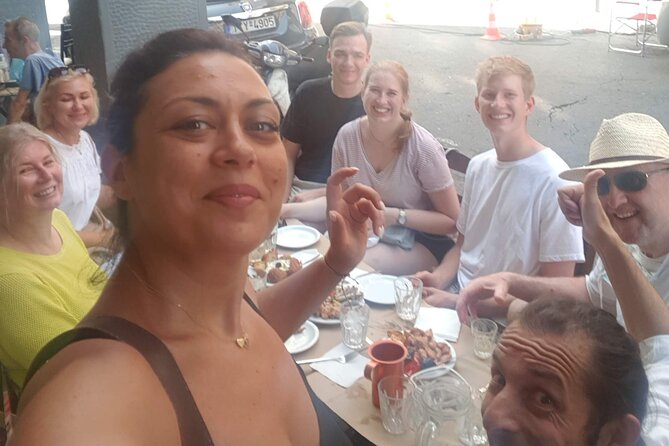
The guide is the difference between a string of tastings and a useful introduction to Athens food.
Lefteris, often called Lef, has led routes through the Plaka and central Athens. He is described as lively, able to keep the walk moving, and good at explaining both food and place. Kate has led small groups through cheese shops, coffee stops, markets, and neighborhood restaurants. She is also noted for giving visitors a helpful first-day orientation to Athens.
Maria has guided groups through food stops and local streets, with attention to Greek history, architecture, recipes, and practical needs. Elias has been praised for his enthusiasm for Athens and its food, along with a good sense of humor. Filip, also identified as Philippos or Filippos, has adjusted tastings to introduce foods people had not yet tried.
Penny and Marie have also led departures. The guide names are useful when choosing a date, but they are not a promise that you will receive a particular person. The important point is that the tour depends heavily on the individual guide’s energy and explanation.
Is $94.33 a fair price?
At $94.33 per person, this is not the cheapest way to eat in Athens. You could buy a koulouri, coffee, souvlaki, dessert, and a few other items for less if you planned the route yourself.
The value comes from the range and structure. You get breakfast-style bakery food, pies, cheese, cold cuts, olives, oil, mezze, sweets, coffee, and a market visit over about four hours. You also avoid guessing which places are worthwhile and what to order once there.
I would compare the price with a long lunch plus a guided city walk. If you only want a full restaurant meal, this is not the right purchase. If you want to sample many foods, learn the names, and see several parts of central Athens without planning every stop, the price is easier to justify.
Alcohol is not included. Extra drinks and alcoholic beverages cost more unless specifically stated otherwise. Keep that in mind if you imagine the tour as a food-and-wine outing.
Who should book this Athens food walk?
I would choose this tour if you are visiting Athens for the first time, enjoy trying small portions, or want help avoiding tourist-oriented restaurants. It is also a good first-day activity because it gives you food ideas, neighborhood orientation, and a list of places or products to revisit.
It suits people who want Greek food beyond gyros and a standard Greek salad. You will encounter familiar items such as tzatziki and feta, but also pies, mastiha, cured meats, fava, butter beans, Greek coffee, and other foods that may not be obvious from a restaurant menu.
You should think twice if you dislike walking, prefer one quiet sit-down meal, or want a tightly fixed menu. The food selection can change, and the tour’s strength is variety rather than a formal meal with one set of courses.
The route can work for many fitness levels, but it is still a walking activity. If you have a knee or mobility concern, mention it when booking. Guides have accommodated slower walking and found seating at stops when needed, but the experience remains a walk through the city.
Free cancellation is available if you cancel at least 24 hours before the start time. Poor weather or an insufficient number of bookings can also lead to cancellation, with another date or a full refund offered.
Should you book it?
Book this tour if you want to eat your way into Athens rather than simply sit down for lunch. The mix of koulouri, bougatsa, pies, cheese, olives, cured meats, market food, mezze, loukoumades, and coffee gives you a wide first look at Greek food culture.
I would especially recommend it for first-time visitors and anyone who wants a guide to explain what to order later. Go hungry, wear comfortable shoes, and do not schedule a large dinner afterward.
Skip it if your goal is a quiet, formal restaurant meal or the lowest possible food cost. At $94.33, the tour earns its price through variety, access, and local guidance, not through one expensive dish. For most food-focused visitors, that is a sensible trade.
FAQ
How much does the Athens food tasting tour cost?
The price is $94.33 per person.
How long does the tour last?
The tour lasts approximately four hours.
How many people can join the tour?
The tour accommodates a maximum of 12 people.
What language is the tour offered in?
The tour is offered in English.
What food is included?
Included tastings cover Greek pies, cheese and cured meats, olives and olive oil, koulouri, mezze, loukoumades, and coffee. The tasting categories can include several individual foods.
Is the Central Market included?
Yes. The tour includes a visit to Varvakeios Central Market, except on Sundays when the market is closed.
Are drinks included?
Breakfast and the listed food tastings are included. Extra beverages and alcoholic drinks cost more unless specifically stated otherwise.
Can I provide dietary requirements?
Yes. You should provide any dietary requirements when booking.
What is the cancellation policy?
You can cancel at least 24 hours before the start time for a full refund. Cancellations or changes made less than 24 hours before the start time are not refunded. If poor weather or an insufficient number of bookings cancels the tour, you can choose another date or receive a full refund.
New food tours we have reviewed in Athens
- Classic Athens Food Tour with Local Drink & Market Visit★ 5.0 · 34 reviews
- The Greek Food Experience (Max 8 persons)★ 5.0 · 181 reviews
- Athens: The Classic Food Tasting Tour★ 5.0 · 106 reviews
- Taste of Athens Small-Group Food Tour★ 5.0 · 33 reviews
- Athens Street Food Tour: Explore City’s Iconic Eateries★ 5.0 · 155 reviews
- Greek Gastronomy & Wine Pairing Cruise with a Sommelier in Athens★ 5.0 · 120 reviews
- Private Greek Food Tour in Athens★ 5.0 · 56 reviews
- Acropolis Mythology & Food Tour★ 5.0 · 26 reviews
Athens Food Tours, compared.

Small Group Greek Traditional Food Tour in Athens 20+ Tastings
Read our review →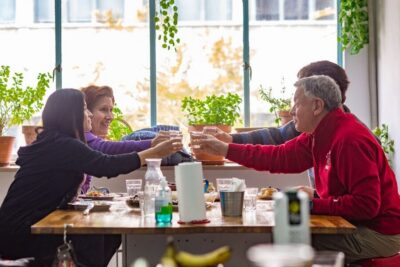
Food Market Visit and Cooking Class with Wine
Read our review →
Athens Authentic Greek Food Walking Tour (Small Group)
Read our review →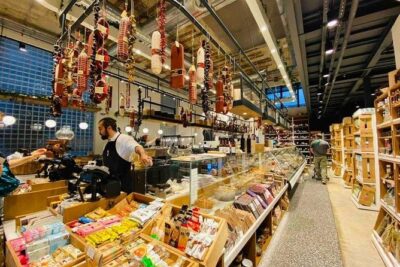
Browse the lists this tour appears in