
Review · WINE TOURS
Burgundy Wines Full-Day Tasting Tour from Dijon
Burgundy makes you work a little for its wine, which is part of the fun. This small-group day from Dijon takes you through the Côte de Beaune and Côte de Nuits, where tiny vineyard parcels, village names, soil, and family cellars matter as much as the grape itself. You taste up to 10 wines, including Premier Cru bottles, while driving through some of France’s most prized wine country.
I like the mix of serious tasting and ordinary local life. You visit a family-run estate with oak barrels and aging bottles, then get time in Beaune to eat lunch, browse mustard shops, or simply walk the old streets. The guide is the other big strength. Guides such as Max, Anna, Tom, Pierre, and Laurent have been praised for making complicated wine topics clear and entertaining.
The main consideration is the pace. Seven hours covers a great deal, and Beaune’s free time is useful but not unlimited. Lunch is not included, and the tour needs at least four participants to run. If you want a slow, private day at one estate, this is not the right format.
Key points at a glance
- Up to 10 Burgundy wines: Expect a mix of white wine and Pinot noir, with Premier Cru samples included in the tasting program.
- Two major wine areas: The route brings together the Côte de Beaune, including the Corton hills, and the Côte de Nuits, with time among the vines.
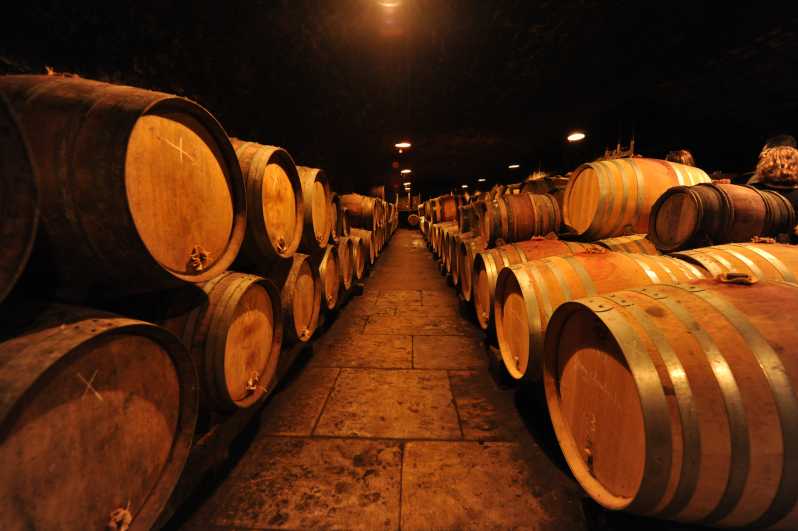
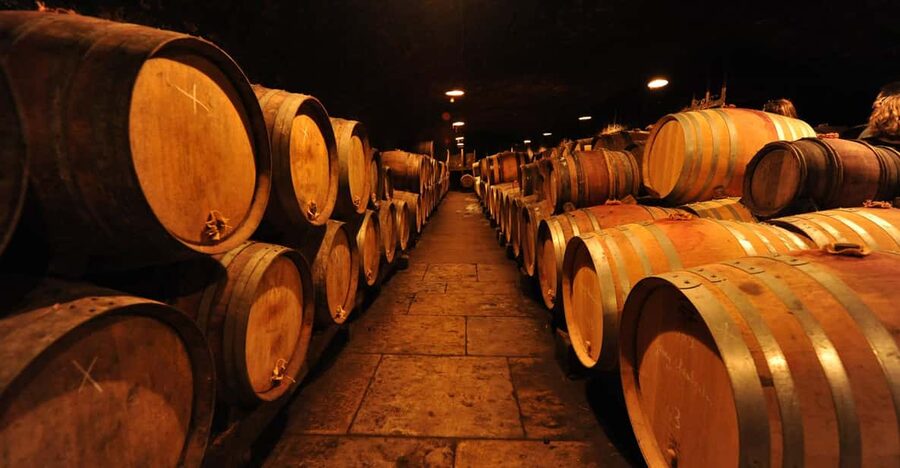
- A working family estate: See cellars, oak barrels, older vintages, and the practical side of Burgundian winemaking.
- Beaune at midday: Use free time for lunch, the old town, local shopping, or a visit to La Moutarderie Fallot.
- Small group transport: The group is limited to eight people, making it easier to ask questions and hear the guide.
- Strong guide-led experience: Max, Anna, Tom, Pierre, and other local guides have been praised for clear explanations, humor, and broad knowledge of Burgundy.
Why this Dijon wine day works
Burgundy is not a region you understand by tasting one famous bottle and checking off a vineyard. Its wines come from a patchwork of named plots, and the difference between an ordinary village wine, a Premier Cru, and a Grand Cru can depend on a narrow strip of soil.
That is why a guide matters here. The route is not only a series of tastings. As you drive, you can connect the names on the glass with the villages and slopes outside the window. The guide explains how the Côte de Beaune differs from the Côte de Nuits, why the same grape can taste so different from one parcel to the next, and how local producers work.
You do not need much wine experience. The tour suits beginners because the tasting is explained step by step, but it also gives experienced drinkers enough regional detail to make the day worthwhile. Tom, Max, Anna, and other guides have been singled out for combining wine knowledge with humor and practical local advice. That matters when the subject could otherwise become a lesson in French names and soil types.
The small group also improves the experience. With no more than eight people, you have a reasonable chance to ask about a wine, a village, or a bottle you are considering buying. It is a social format, but not a crowded bus excursion.
More Wine Tours in France
- Authentic Parisian Gourmet Food Tour with 10 Local Dishes & Wines
★ 5.0 · 4,754 reviews - Montmartre Hill French Gourmet Food and Wine Tasting Walking Tour
★ 5.0 · 2,588 reviews - Private Montmartre Food Tour with Wine, Cheese & Pastries
★ 5.0 · 1,027 reviews
Meeting in Dijon at 9:45 AM
The tour begins at Maison Divia, 16 Place Darcy, near the red English phone booth. That is a central and recognizable meeting point in Dijon, but arrive early enough to find it without rushing. The scheduled departure is 9:45 AM, with a return around 5:30 PM.
Round-trip transportation is included, so you can taste without worrying about driving. That is especially useful in Burgundy, where many vineyards are spread between small villages and are not set up for casual, unplanned visits. The vehicle is highly rated, and the compact group keeps the day more personal than a large coach tour.
The exact guide may vary. English and French are offered, and past guides have included Max, Anna, Tom, Pierre, Laurent, Jeremy, and others. The repeated praise is not simply for wine facts. Guides have also helped with restaurant suggestions, local food, shopping, history, and scenic stops.
The Corton hills and the Côte de Beaune
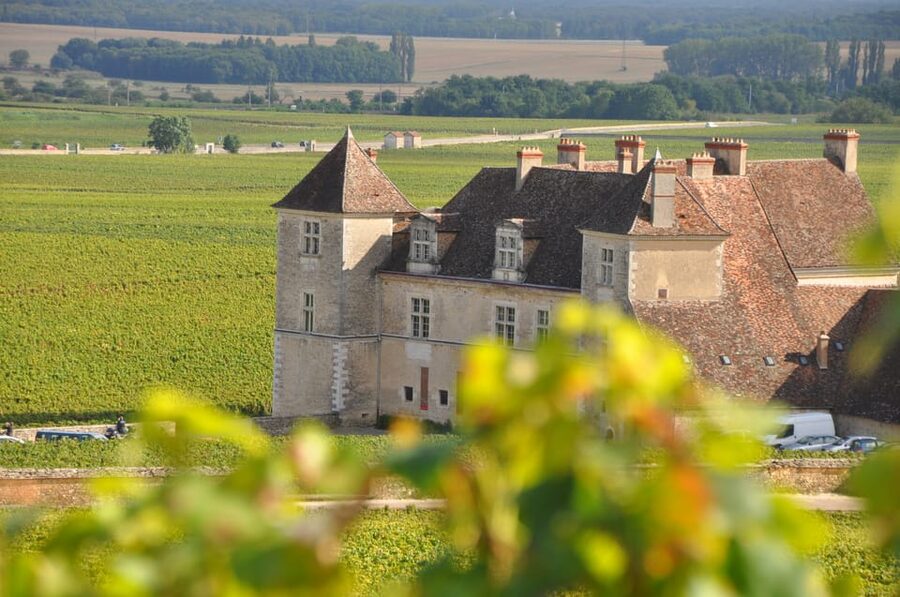
One of the first memorable parts of the route is the view over the Corton hills. This area is known for both red and white Grand Cru wines, so it gives you an early lesson in Burgundy’s range. The slopes also make the region easier to understand. Instead of hearing only about vineyards in the abstract, you see how the vines sit on hillsides and how the villages fit around them.
You may stop at viewpoints for photographs and explanations. The drive itself is part of the tour, with vineyard roads and small villages providing the setting. A guide can point out the difference between prestigious plots and less famous areas, along with the factors that shape the final wine.
This is a useful contrast with winery visits in places designed mainly for tourism. Burgundy’s producers are often small, and many estates require appointments. You cannot always pull into a vineyard and expect a tasting. A local company with established contacts gives you access that would be difficult to arrange during a short visit.
Cellars, barrels, and a family-run estate
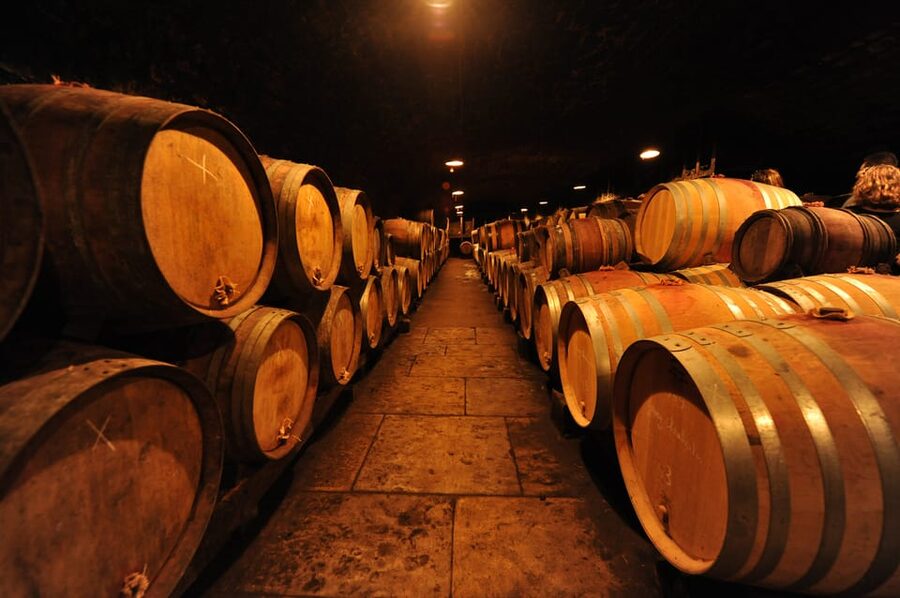
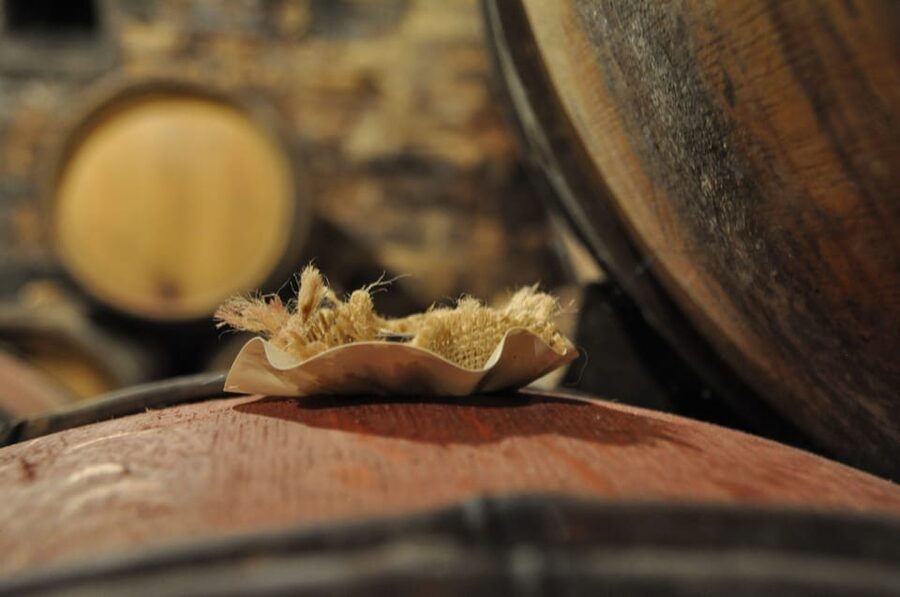
At a family-run wine estate, you go below ground or into the working cellar to see how the wine ages. Oak barrels and older bottles help explain the gap between grape harvest and the bottle on your table. The setting is practical rather than theatrical, which is exactly what makes it valuable.
The cellar visit also gives the tasting more meaning. You can ask how long wines remain in barrel, how vintages differ, and why some bottles cost far more than others. The answers will depend on the estate and the wines being poured, but the guide helps connect production choices with what you taste.
The wines are generally a mix of white Burgundy and Pinot noir. The day is designed to include up to 10 samples, with Premier Cru wines among them. One past itinerary included four whites and six reds across two wineries, though the exact selection can vary.
Do not expect every bottle to be a Grand Cru. That would not be realistic at this price, and Burgundy’s classification system is more interesting than a simple parade of expensive labels. A tasting with village wines, Premier Cru examples, and other regional bottles can show you how the categories differ. One past experience included only one Grand Cru among 12 wines, which is a fair reminder to check your expectations. The program is about understanding Burgundy, not drinking only its rarest bottles.
Same appetite, a different neighbourhood:
- Bateaux Parisiens Seine River Gourmet Dinner & Sightseeing Cruise
★ 4.5 · 6,930 reviews - Bateaux Parisiens Seine River Gourmet Lunch & Sightseeing Cruise
★ 4.5 · 2,680 reviews - Devour Paris Ultimate Food Tour
★ 5.0 · 2,087 reviews - Paris 3-Courses Gourmet Dinner Seine River Cruise with Champagne
★ 4.0 · 1,659 reviews
Walking through the Côte de Nuits
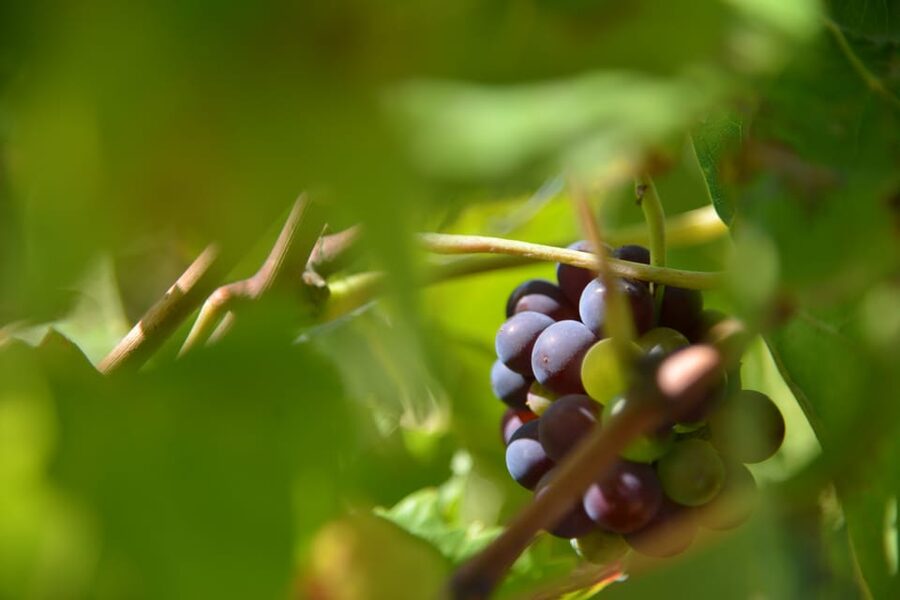
The route continues through the Côte de Nuits, the area especially associated with Pinot noir. You spend time among the vines and pass famous wine villages and vineyard sites. One reported route included a view near Vosne-Romanée and a pass by the Romanée-Conti vineyard, a name familiar to serious Burgundy drinkers.
Do not expect to enter every famous plot. Some of the most prestigious vineyards are working agricultural sites, not open-air attractions. Seeing them from the road or a viewpoint is still useful because you begin to understand how close together the famous parcels can be and how much attention Burgundy gives to small differences in place.
The Côte de Nuits portion is best for people who enjoy context. You learn why Pinot noir is central here and how village, Premier Cru, and Grand Cru labels relate to specific locations. Even if you forget some French names by dinner, you will have a clearer sense of why Burgundy prices and reputations vary so sharply.
Beaune: lunch, mustard, and old streets
Beaune is the midday anchor of the tour. Often called Burgundy’s wine capital, it gives you a break from tasting rooms and vineyards while adding food and town life to the day. You have free time for lunch, shopping, and a walk through the old center.
Lunch is not included, so plan to pay separately. The guide can suggest places and local dishes, which is useful when you have only a couple of hours and do not want to spend half of them choosing a restaurant. One particularly memorable option mentioned by a past participant was Le Conty, described as a small wine-cellar restaurant serving an authentic French meal. Availability and opening times can change, so treat it as an idea rather than a promise.
Beaune is also a good place to try something besides wine. You can visit La Moutarderie Fallot, a local mustard-maker, or browse shops selling Burgundy specialties such as mustard, blackcurrant liqueur, honey spice cake, and Flavigny aniseed.
That food stop gives the tour a broader sense of place. Burgundy is not only a wine label. Mustard, sweets, liqueurs, and regional cooking all belong to the same local culture. If you are not keen on spending your whole day tasting alcohol, Beaune helps keep the itinerary varied.
The tradeoff is choice. You cannot do everything in the town during the allotted free time. Pick one main goal, such as lunch and a short old-town walk, or lunch and mustard. If you try to visit several shops, a museum, and a long meal, you may feel rushed.
How the wine tasting is handled
The tasting is designed to teach, not simply to pour. You sample white wines and Pinot noir, compare styles, and hear how the soils, growing conditions, and vineyard locations affect the glass. The most useful guides make this understandable without assuming that you already know French wine terminology.
I like that the day includes both tasting-room conversation and visits to actual vineyards. You can look at the vines, see the hills, and then taste the result. That combination makes the wine easier to remember.
The number of pours can sound generous, and up to 10 is enough for most people. Pace yourself. Use the water provided during the day, eat lunch, and do not feel obliged to finish every sample. The point is to compare wines and learn what you prefer.
If your main goal is rare Grand Cru wine, ask about the planned tasting before booking. The tour includes prestige and Premier Cru wines, but the precise bottles change. Burgundy’s best-known names are scarce and costly, so a well-chosen mix of regional, village, and Premier Cru wines may offer more useful learning than one very expensive taste.
Is $171 a fair price?
At $171 per person, this is not a cheap sightseeing outing, but it combines several costs: transportation from Dijon and back, an English or French-speaking wine expert, entrance fees, cellar access, and a full tasting program. You also avoid the need to drive between villages or arrange separate appointments.
The price makes the most sense if you are staying in Dijon without a car, want to taste several wines, and value interpretation. Booking separate taxis, tastings, and estate visits could quickly become awkward in a region where appointments matter.
Lunch is extra, and wine purchases are not included. You may also want to budget for mustard or other local products in Beaune. Still, the package gives you a full seven-hour day with a small group and a route covering both the Côte de Beaune and Côte de Nuits.
For a wine beginner, the value comes from the explanation. For an experienced drinker, it comes from access, regional comparison, and the chance to see places such as the Corton hills and Vosne-Romanée without planning every stop yourself.
Who should book this tour?
You should consider it if you want:
- A first introduction to Burgundy wine from Dijon
- A mix of vineyard scenery, cellar visits, and town time
- A small group rather than a large coach
- Help understanding Pinot noir, white Burgundy, and Premier Cru labels
- A designated driver for the full day
- Local suggestions for lunch, shopping, and regional food
It is less suitable if you want a private itinerary, a long meal in Beaune, or an entire day at one producer. It may also disappoint anyone expecting a tasting made up almost entirely of Grand Cru wines.
The tour is wheelchair accessible, and pets are not allowed. Free cancellation is available up to 24 hours before departure, and you can reserve now and pay later. The tour needs a minimum of four participants, so it can be canceled if that number is not reached, with an alternative date or full refund offered.
Should you book it?
I would book this as a strong first wine day from Dijon, especially if you want more than a tasting room and less hassle than planning Burgundy on your own. The best feature is the balance: you see the vineyards, visit a family cellar, taste a broad selection, and still have time for Beaune’s food and shops.
Go in expecting a guided introduction rather than a private collector’s tour. Ask questions, take notes on the wines you prefer, and save room for mustard and lunch. If the idea of comparing several Burgundy styles while moving through the actual Côte d’Or appeals to you, $171 is a reasonable price for the access and guidance.
FAQ
Where does the tour start?
Meet at Maison Divia, 16 Place Darcy, 21000 Dijon, near the red English phone booth.
What time does the tour leave and return?
Departure is at 9:45 AM, with an expected return to Dijon at approximately 5:30 PM.
How many people are in the group?
The tour is limited to eight participants.
How many wines will I taste?
You can taste up to 10 wines, including white wines and Pinot noir. Premier Cru wines are included in the tasting program.
Is lunch included?
No. Lunch is not included, but you have free time in Beaune and the guide can recommend places to eat.
Is the tour available in English?
Yes. The tour is offered in English and French, with a live guide.
What happens if the tour does not reach four participants?
A minimum of four participants is required. If the tour is canceled because that number is not reached, you will be offered another date or a full refund.
More full-day outings in France
- Bordeaux Full Day Wine Tour – 3 Wineries & Gourmet Picnic Lunch
★ 5.0 · 307 reviews - From Bordeaux: Full-Day St Emilion Wine Tasting Tour
★ 4.8 · 280 reviews - Bordeaux : Full Day Wine Tastings & Gourmet Lunch
★ 5.0 · 27 reviews - Tokyo: Mount Fuji and Hakone Full Day Tour with Ramen Making
★ 4.5 · 476 reviews
New food tours we have reviewed in France
- Taste Cannes – A Full French Riviera Food Tour by Do Eat Better★ 5.0 · 63 reviews
- Cannes Ooh La La Croissant Tasting Tour★ 5.0 · 30 reviews
- Saint-Émilion day tour: village visit, Châteaux and lunch★ 5.0 · 121 reviews
- Bordeaux wines tasting workshop including Food & Wine pairings★ 5.0 · 31 reviews
- NO DIET CLUB – Unique food tour in Bordeaux !★ 5.0 · 201 reviews
- Historical Center, Bordeaux Food Tour★ 5.0 · 33 reviews
- Bordeaux Food and Wine Tour : Authentic Artisanal Flavors★ 5.0 · 62 reviews
- Bordeaux Gourmet Experience : tasting of French cheeses & wines★ 4.5 · 71 reviews
Wine Tours, compared.
Montserrat Half-Day Tour with Tapas and Gourmet Wines
Read our review →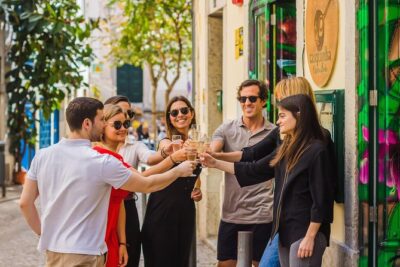
Winner 2025 Undiscovered Lisbon Food & Wine Tour by Eating Europe
Read our review →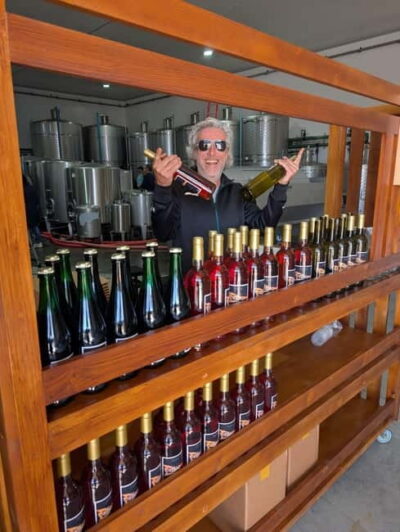
From Porto: 2 Wine Regions, Farm-to-Table Lunch & Boat
Read our review →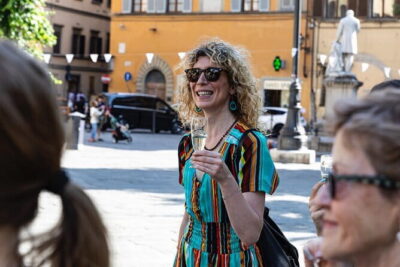
Winner 2025 Florence Sunset Food & Wine Tour by Eating Europe
Read our review →
Authentic Parisian Gourmet Food Tour with 10 Local Dishes & Wines
Read our review →
Barcelona: Tapas Walking Tour with Food, Wine, and History
Read our review →
Lisbon: Food and Wine Small Group Walking Tour
Read our review →
Lisbon Small-Group Portuguese Food and Wine Tour
Read our review →Browse the lists this tour appears in