
Review · HOI AN FOOD TOURS
Hoi An hiden food adventure
Hoi An’s best food is often served behind an ordinary doorway, down a narrow lane, or in a small family eatery that gives no clue from the street. This three-hour food walk takes you to those places, with stops for local specialties and stories about how each dish fits into the town’s past and daily life.
I like two things right away: you get a useful introduction to Hoi An on your first evening, and the food is spread across several small stops rather than one large meal. The visit to a family home and the century-old dumpling workshop gives the tour a human side. The main consideration is that you eat a lot, so arrive hungry and tell your guide about allergies or dietary needs at the start.
Key points at a glance
- Seven or more tastes in three hours: Expect dishes such as banh beo, Hoi An dumplings, wontons, banh mi, satay, cao lau, and black sesame soup.
- Family recipes, not just restaurant counters: Some stops take place in local homes or small family-run food shops.
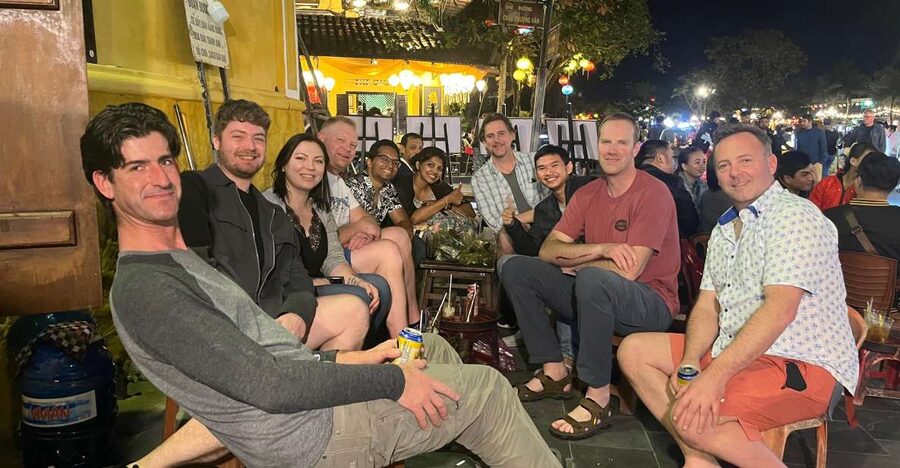
- A useful first-night orientation: Your guide explains Hoi An’s food traditions, old buildings, local customs, and places worth returning to.
- A walk beyond the postcard streets: The route includes back lanes, a market, local homes, and the old town near the Hoai River.
- Vegetarian food is available: Vegetarian versions can be arranged, and dietary restrictions should be explained before the first stop.
- Good value at $23: Food, an English-speaking guide, water, and one final drink are included, though the old town entrance ticket is separate.
Why this is a smart first night in Hoi An
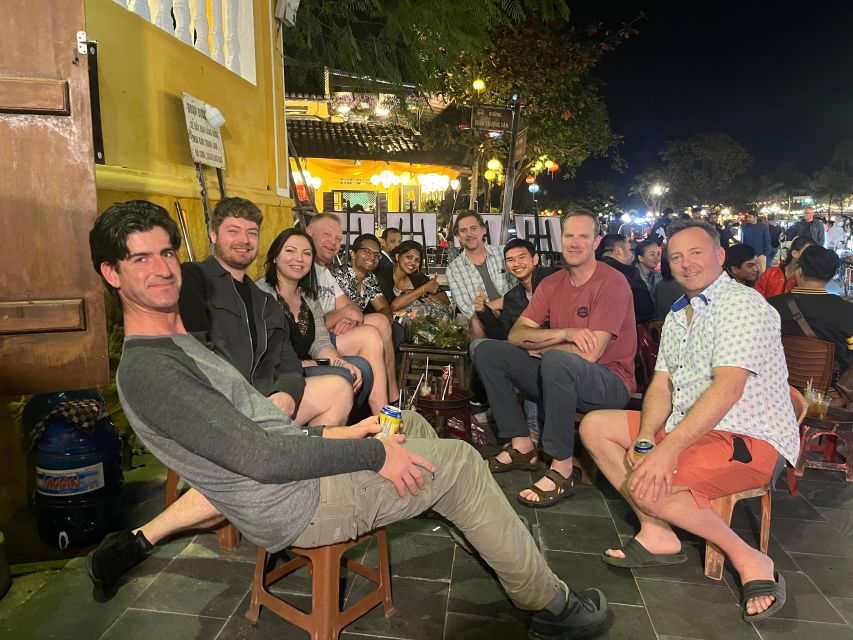
I would book this for my first evening in town. Hoi An is easy to admire but harder to eat well in without a little local help. The old town has plenty of menus aimed at visitors, while the most distinctive dishes can be tucked into family homes, market stalls, and small eateries away from the main pedestrian flow.
Your guide gives you more than a list of foods. You learn why cao lau is linked to Hoi An, how local families have kept recipes alive, and which places are worth finding again on your own. Several guides, including Tham, Vu, Uyen, Nhuoc, and Phi, have led this experience. The assigned guide can vary, but the format stays local and personal.
The walk also helps you get your bearings. You begin at one of two listed meeting points, Starbucks on Tran Hung Dao Street or 106 Nguyen Truong To, depending on the option you book. You finish at Chua Cau, the Japanese Covered Bridge, placing you right in the old town for an evening stroll.
There is one practical catch. The entrance ticket for Hoi An’s old town is not included. You should also allow for the possible $37 public holiday surcharge in Vietnam, which can change according to the selected option. At the regular $23 price, the tour offers a lot of food and guiding for the money. On a public holiday, check the final total carefully before booking.
More food tours in Vietnam:
- Ho Chi Minh City Street Food Tour & Sightseeing By Motorbike
★ 5.0 · 9,413 reviews - Hanoi: Guided Food Tour with Train Street Visit
★ 4.9 · 6,239 reviews - Small Group Hanoi Street Food Tour with a Real Foodie
★ 5.0 · 4,682 reviews
The opening walk through Hoi An’s back lanes
The experience begins with a guided walk through Hoi An rather than an immediate restaurant meal. That matters because food here makes more sense when you see the streets, buildings, wells, markets, and homes where local cooking still takes place.
You may pass through quieter lanes that are easy to miss when you stay on the main streets. The guide explains local stories and points out old buildings, while also giving you a look at how people live and work around the tourist center. This is not a formal architectural tour, so the focus remains on food and daily life.
The pace is one of the tour’s strengths. You are walking between several short tasting stops, not racing from one address to the next. Still, this is a walking experience in a warm town, with food at nearly every stage. Comfortable shoes and a sensible appetite will help.
The route can also change. The description promises a visit to the market, local homes, and old food-making places, but individual stops may vary by time, availability, and the option booked. Think of it as a guided food route with a clear theme, rather than a fixed restaurant itinerary.
Banh beo, dumplings, and Hoi An’s small specialties
The food list includes six to seven different foods and drinks, though some groups have tasted more dishes across seven or eight stops. That sounds modest until you remember that each stop adds another local portion. By the end, you should expect to be comfortably full rather than merely ready for dinner.
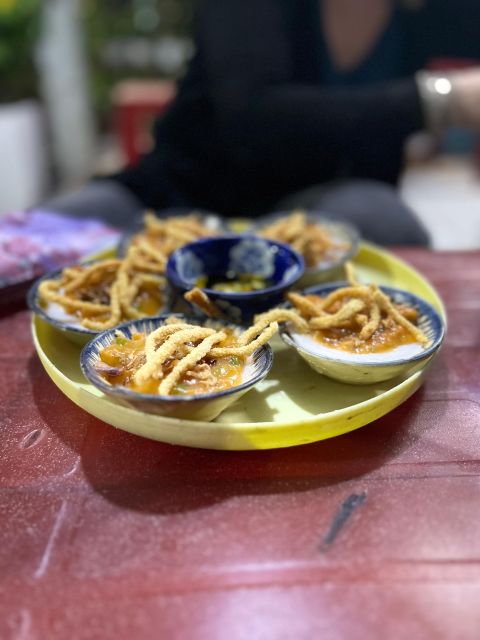
Banh beo, or water-fern cake, is one of the small dishes you may try. Hoi An dumplings and wontons are also central to the route. These foods are useful introductions because they show how much variety can come from rice flour, herbs, fillings, sauces, and careful steaming or shaping.
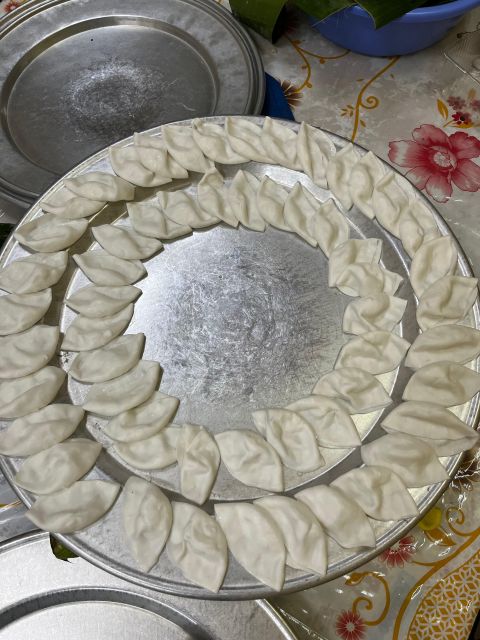
A special stop may involve a 100-year-old local factory that produces Hoi An dumplings using a family recipe. That is more interesting than simply being handed a dumpling at a restaurant. You can connect the finished food with the people and methods behind it, and see why a familiar-looking dish can taste different from one town to the next.
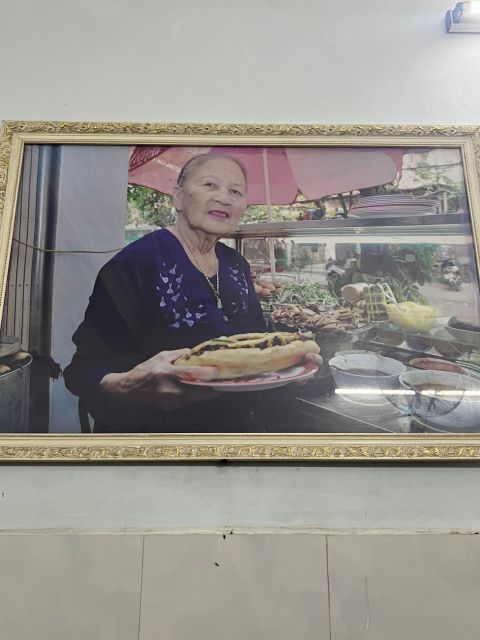
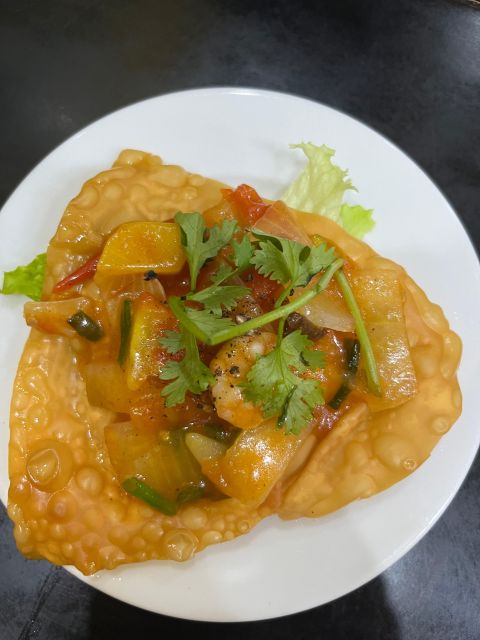
The tour may also include Hoi An satay and banh mi. The banh mi stop gives you a familiar reference point, while the smaller dishes let you try foods you might not recognize from a standard menu. If you enjoy trying several bites instead of ordering one safe main course, this format works well.
Cao lau and the well-water story
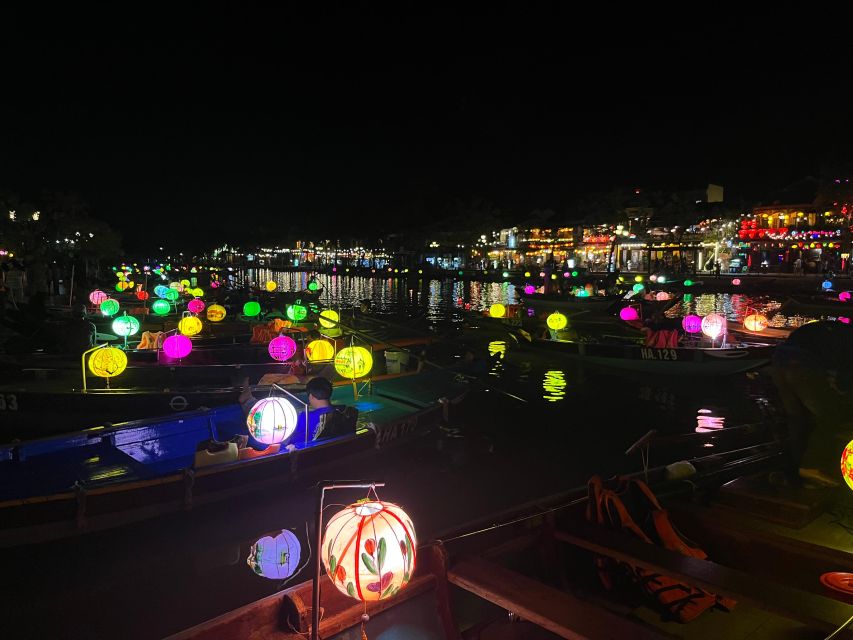
Cao lau is the dish most closely tied to the identity of Hoi An on this tour. It is a noodle dish with a recipe said to reach back around 300 years, and the guide explains why it is treated as a local specialty rather than just another bowl of noodles.
One especially useful detail is the connection with an ancient well and the water associated with making the noodles. The exact stop can vary, but the story gives you a better sense of why local cooks care about place, ingredients, and technique.
I like this part because it turns lunch or dinner into a small lesson in geography. You are not simply told that cao lau is famous. You learn how local conditions and inherited methods helped shape the dish. That context makes it easier to notice the texture, toppings, and seasoning when you eat it.
There is also a useful warning here: the food may come in a steady stream. Some people have described tasting seven dishes, while others have had around eleven dishes and snacks. If you are a light eater, ask your guide about portion sizes and pace yourself early. You do not want to reach the cao lau stop already defeated by banh beo.
Same appetite, a different neighbourhood:
- Saigon By Night and Street Food By Motorbike | Opt: Ao Dai Riders
★ 5.0 · 4,066 reviews - Private Street Food Tour by Motorbike/Car with Local Students
★ 5.0 · 3,950 reviews - Saigon: Street Food Tasting & Sightseeing Tour by Motorbike
★ 4.9 · 3,578 reviews - Private Street Food Evening Walking Tour in Ho Chi Minh City
★ 5.0 · 3,175 reviews
Black sesame soup and the sweetest finish
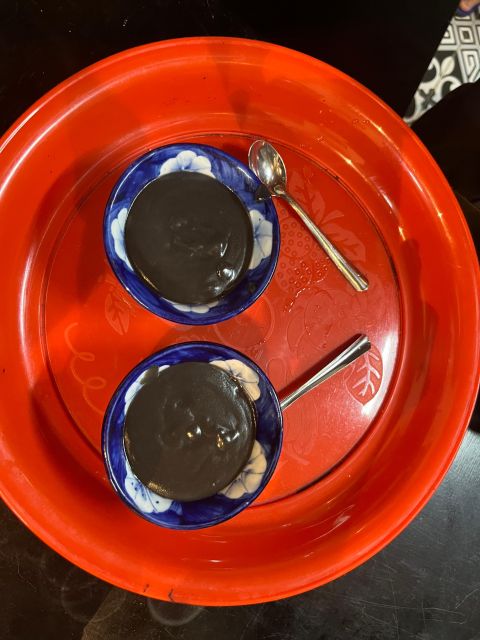
The final course may be black sesame soup, a traditional sweet dish that has become a favorite for many people on the route. It is not the sort of dessert every visitor would think to order without help, which makes it a good closing taste.
You also receive water and one drink at the end. The final drink has included iced tea, which can be welcome after an evening of walking and eating. Alcohol and other drinks are not included, so you pay separately if you want them.
I would save room for the sweet course. The tour is strongest when you let the guide choose the local sequence rather than treating every stop as a chance to fill up immediately. Small bites, steady walking, and curiosity are the right approach.
Local homes and the people behind the recipes
The most distinctive part of the experience is the contact with local food makers. You may visit a person’s home, meet older residents who still use their own recipes, or eat in a family-run establishment connected to the house.
That setting changes the tone. You are not sitting in a polished dining room with a large menu. You are seeing how food can be part of a family’s daily work and identity. The guide helps explain the connection between the dish, the people preparing it, and the history of the neighborhood.
The home visits also offer a glimpse of ordinary life in Hoi An. You may see how families live in the lanes behind the tourist center, not just the lantern-lit facades along the river. I value that balance. The food remains the main event, but the walk gives you a more grounded view of the town.
Privacy and timing can affect these stops, so the exact homes or makers are not guaranteed. That is reasonable for a local experience. The important point is that the tour aims to bring you to working food places rather than treating Hoi An as a collection of photo backgrounds.
How the guide shapes the evening
The guide is a major part of the value. Tham has led many groups and is praised for explaining food clearly, helping with dietary needs, and keeping the mood relaxed. Vu has also guided the route, sharing food, customs, local families, and the story of Ba Le Well. Uyen and Phi are other named guides associated with the experience.
Because the guide assignment can change, you should not book expecting one particular person unless the operator confirms it. What you can expect is an English-speaking local guide who leads the walk, introduces each dish, and gives advice about Hoi An.
English ability may vary slightly from one guide to another. One person found the first part of the conversation a little difficult, though communication became easier during the evening. That is a fair consideration for anyone who needs highly detailed historical commentary. For most people, the informal setting, food demonstrations, and direct contact with local families make the conversation easy to follow.
The guides also help with practical choices. They can explain unfamiliar dishes, adjust vegetarian portions, and check food concerns at each stop. If you have a serious allergy, state it before eating and repeat it when needed. Peanut and shrimp allergies have been accommodated on this route, but clear communication remains essential.
Vegetarian options and dietary planning
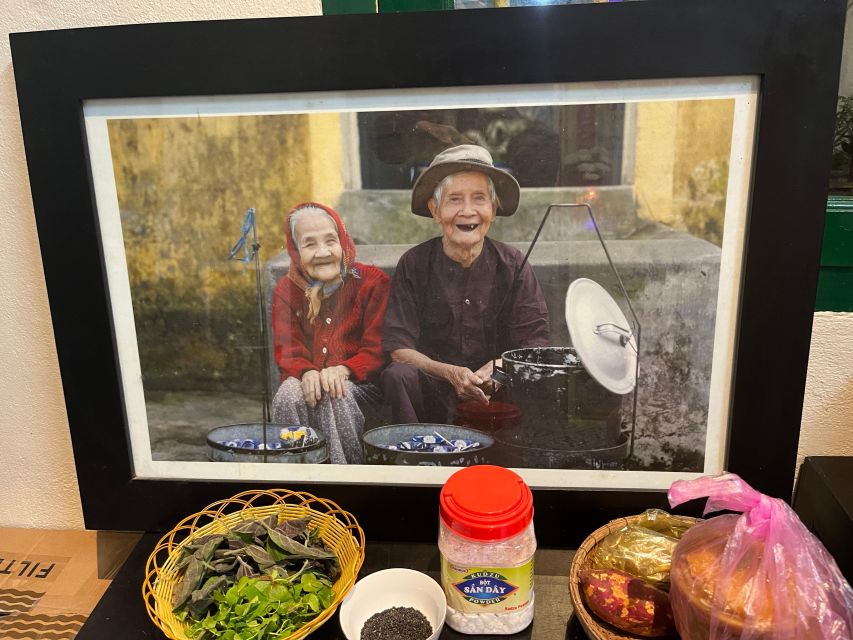
Vegetarian food is available, and the route can provide adjustments at different stops. Some groups have received a vegetarian alternative alongside a meat dish, while others have had vegetarian food at every location.
You should provide your dietary information when booking and remind the guide at the meeting point. This is especially important because sauces, broths, fillings, and garnishes can vary from dish to dish. The tour description supports vegetarian options, but it does not promise that every ingredient concern can be handled.
For someone who eats vegetarian food, this is a better choice than joining a tour built around one fixed tasting menu. The guide can make changes as the group moves along. Still, people with severe allergies should ask precise questions before consuming anything.
Walking, timing, and what the $23 covers
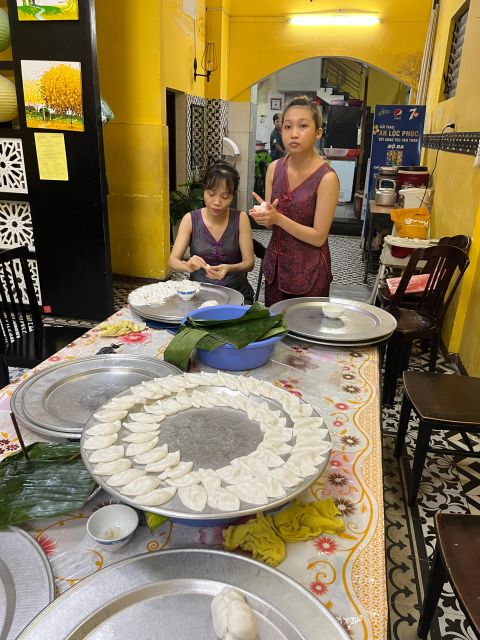
The tour lasts three hours and is available at different starting times. Evening departures are the natural fit for most visitors because the food becomes dinner and the route ends near the old town. A morning option has also been available, so check the start time carefully if you prefer daylight.
At $23 per person, the value is strong. You receive an English-speaking guide, all listed food, water, and one drink at the end. You also get local orientation, several food stops, and access to places you would be unlikely to identify from a regular restaurant search.
The cost does not include alcoholic drinks, extra beverages, tips, or the Hoi An old town entrance ticket. The possible $37 public holiday surcharge is the biggest price warning. It can make the tour much less of a bargain, so look at the final booking price for your date.
Private groups are available. That may suit families, couples, or small groups with strong dietary needs, though the price and exact arrangement depend on the option selected. The regular format is better for meeting other people and keeping the cost low.
Free cancellation is available up to 24 hours before the tour for a full refund, and you can reserve now and pay later. Those terms are useful if your Hoi An plans are still shifting.
Who should book this Hoi An food walk?
I would choose this tour if you want local dishes but do not know where to begin. It suits first-time visitors, curious eaters, couples, families, and anyone who prefers several small tastings to one formal dinner.
It is also a good fit if you want food and culture together. You hear about old recipes, see back lanes and homes, learn about local ingredients, and finish near Chua Cau and the Hoai River.
I would be more cautious if you dislike walking, eat very little, want a fixed menu, or need a tour focused on formal historical detail. The route can include many tastes, and the exact stops vary. It is best approached as a friendly local introduction rather than a carefully scripted culinary lecture.
Should you book the Hoi An Hidden Food Adventure?
Yes, I would book it for the first night, especially at the regular $23 price. The combination of family food stops, cao lau, dumplings, black sesame soup, old lanes, and local stories gives you both dinner and a useful map of Hoi An.
Go hungry, wear comfortable shoes, and tell the guide about allergies or vegetarian needs before the first dish. Check the meeting point, old town ticket, and holiday surcharge before paying. If those details suit your plans, this is an easy, good-value way to start eating your way through Hoi An.
FAQ
How long does the Hoi An food adventure last?
The tour lasts three hours.
What food is included?
The food can include banh beo, Hoi An dumplings, Hoi An wontons, banh mi, Hoi An satay, cao lau noodles, black sesame soup, and other local dishes. The experience includes six to seven different foods and drinks, though the number can vary.
Is a vegetarian option available?
Yes. Vegetarian options are available, and the guide can make adjustments for vegetarian participants.
Where does the tour start?
The listed starting points are Starbucks Tran Hung Dao Hoi An and 106 Nguyen Truong To. The meeting point may vary according to the option booked.
Where does the tour finish?
The tour finishes at Chua Cau, also known as the Japanese Covered Bridge.
Is the old town entrance ticket included?
No. The Hoi An old town entrance ticket is not included in the tour price.
Are drinks included?
Water and one drink at the end of the tour are included. Other beverages and alcohol are not included.
Is a guide included?
Yes. An English-speaking live guide is included.
Is this a private tour?
A private group option is available. Check the selected booking option for the exact group arrangement.
Can I cancel the booking?
You can cancel up to 24 hours in advance for a full refund. Reserve now and pay later is also available.
New food tours we have reviewed in Vietnam
- Ho Chi Minh City: Super Niche Walking Street Food Tour★ 5.0 · 438 reviews
- Hanoi: Street Food Walking Tour & Water Puppet Show★ 4.8 · 205 reviews
- Saigon: Private Food Tour Discovery & City Tour by Jeep★ 4.6 · 38 reviews
- Saigon: Night Craft Beer And Street Food Tour By Vespa★ 5.0 · 25 reviews
- Saigon: Private Backstreets Walking Food Tour★ 4.9 · 83 reviews
- Saigon at Sunset: Ultimate Street Food Experience★ 4.7 · 153 reviews
- Saigon: Michelin Guide Food Tour with Ao Dai Female Riders★ 4.9 · 25 reviews
- Saigon: Best Price Authentic Food Tour with Female Rider★ 5.0 · 37 reviews
Hoi An Food Tours, compared.
Evening Walking Food Tour, folk game and lantern boat
Read our review →
Hoi An at Sunset: Authentic Local Street Food Tour
Read our review →
Hoi An: Evening Food Tour with 7 Tastings and Boat Trip
Read our review →
Cook Like a Local: Your Personalized Vietnamese Culinary Journey
Read our review →
Browse the lists this tour appears in