
Review · STREET FOOD TOURS
Night Street Food Tour of Bangkok’s Chinatown
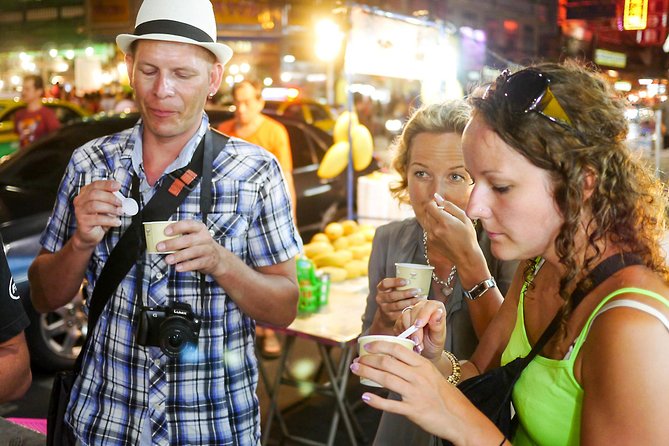
Bangkok’s Chinatown is best understood one bite at a time, and this evening walk gives you 12 tastings instead of leaving you to guess at every crowded stall. You’ll move through Yaowarat with a local guide, trying Thai-Chinese dishes, seafood, pepper soup, bitter tea, and sweets while learning how this old Chinese quarter fits into modern Bangkok. I like the practical food education and the way the tour turns dinner into a neighborhood walk, not just a string of restaurant stops.
Two things work especially well here: the food is enough for a full dinner, and the guide handles the ordering in places that can feel confusing on your first visit. Guides named G, Nudi, and Alice have led highly praised tours, with G and Nudi also helping with Bangkok transport and Grab. The main catch is that seafood is central, with no vegetarian or halal option, and the meeting-point details need care.
At a glance
- Twelve tastings form a full evening meal, from fish-ball noodles and dim sum to Thai ice cream and sesame dumplings.
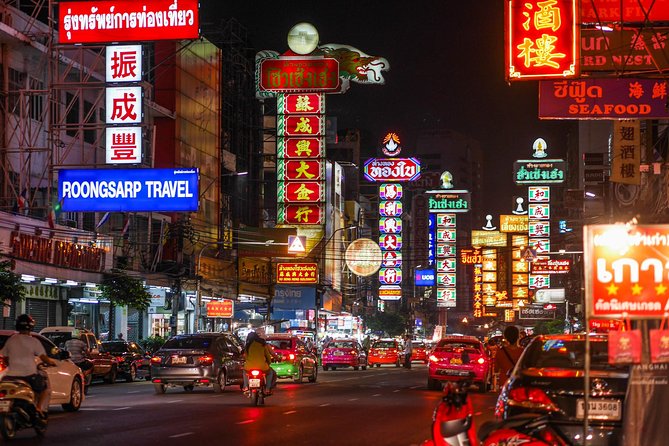
- The 6 pm start puts you in Chinatown after dark, when Yaowarat becomes a lively food corridor filled with lights, cooking smells, and foot traffic.
- Thai-Chinese cooking is the theme, so you are tasting the blend of Chinese techniques and Thai sauces rather than sampling unrelated snacks.
- Pepper soup with crispy pork is a key stop, and one guest particularly liked this dish.
- Guides add history and practical help, including Chinatown stories and advice on using the subway or Grab.
- The tour is private to your group, despite the small-group format, and runs for about three hours.
Starting near Hua Lamphong at 6 pm
The evening begins at 6 pm. The tour information points to the Bangkok Centre Hotel at 328 Thanon Rama IV as the start location, while the walking instructions say to meet at Hua Lamphong MRT station. Since those details do not match perfectly, I would confirm the exact meeting point before setting out.
That matters in Bangkok. Hua Lamphong and the Bangkok Centre Hotel are close to one another, but you do not want to spend the first part of your dinner hunting for a guide. Hotel pickup and drop-off are not included. You make your own way to the meeting point, and the tour finishes by walking back toward Hua Lamphong MRT station.
The route is near public transportation, which is useful if you are staying elsewhere in Bangkok. One useful feature of the guides is their willingness to explain local transport. G helped with the subway, while Nudi answered questions about using Grab. That sort of help can be worth as much as another snack, especially on your first Bangkok evening.
More Street Food Tours in Bangkok
- Bangkok: Michelin Guide Street Food Tour by Tuk Tuk
★ 4.4 · 1,274 reviews - Bangkok Tuk-Tuk Tour by Night with Chinatown Street Food Meal
★ 5.0 · 635 reviews - Bangkok: E-Scooter Night Tour with Local Street Food
★ 4.8 · 488 reviews
Why Chinatown works so well at night
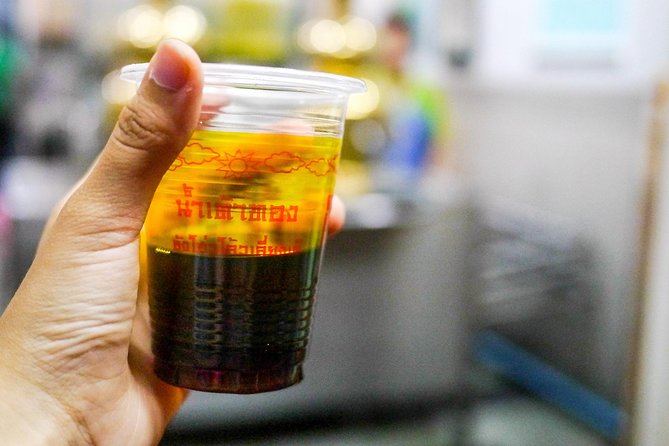
Bangkok’s Chinatown was founded by Chinese merchants in the late 18th century. The district still reflects that past through its food, temples, shopfronts, and cooking methods, but the experience is not a quiet historical walk. You will be moving through a busy evening food scene, with stalls and restaurants competing for attention.
A guide gives the streets some order. Instead of stopping at the first place that looks busy, you follow a route built around specific dishes. You also get context for the Thai-Chinese connection, which is the real subject of the tour. The food shows how Chinese noodles, dumplings, soups, and herbal drinks have become part of Bangkok’s own cooking culture.
The walk includes a stop at Wat Tri Mitr, home of the Temple of the Golden Buddha. This adds a cultural landmark to an evening that could otherwise feel like one long meal. The temple visit is part of the neighborhood route rather than a separate temple tour, so expect a food-focused experience with some history along the way.
The first bowl: noodles in tomato soup
The opening food stop is listed as Pa’jin Cockle Texas Yaowarat. Here you try noodles in tomato soup with fish balls, with about 30 minutes allowed.
This is a useful first dish because it introduces the tour’s basic idea: familiar Chinese-style noodles adjusted to local tastes. The tomato soup gives the bowl a bright, savory quality, while the fish balls add a different texture. Since this is the first tasting, it also gives you a gentle start before the richer dishes later in the evening.
You should not expect a large restaurant portion at every stop. The strength of this tour is variety. Each serving is part of a long dinner, so pace yourself and keep room for the later soup, seafood, and desserts.
Dim sum in Yaowarat
The second stop brings several small dim sum dishes, again with about 30 minutes set aside. This is one of the clearest examples of Chinatown’s Chinese influence, but the value is in trying a few items rather than ordering one large plate.
Your guide can explain what you are eating and help with the choices. That is useful when menus are unfamiliar or when a stall has no clear English description. The tour is designed to take away the guesswork, which is especially helpful if you are not used to ordering street food in Bangkok.
By this stage, the meal has already begun to feel substantial. If you tend to eat early, keep portions modest at the first two stops. The tour includes several more savory foods, and the final sweets are easy to miss if you fill up too soon.
More Street Food Tours in Thailand
- Bangkok Tuk-Tuk by Night with Chinatown Street Food Meal
★ 4.6 · 263 reviews - Bangkok: Chinatown Food Tour with Michelin Food Stalls
★ 4.8 · 226 reviews - Bangkok Street Food Variety Cultures Local Tasty
★ 5.0 · 100 reviews - Bangkok 3-in-1 Tour: Longtail Boat,TukTuk & Street Food Adventure
★ 5.0 · 73 reviews
Bitter tea and Chinese herbal flavors
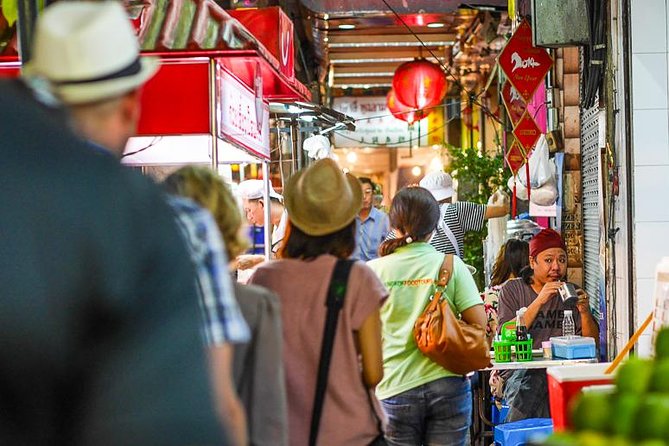
The Chinese herb drink comes next, with about 10 minutes at the stop. The description identifies it as bitter tea, a drink many local people take for its healthful properties.
This is one of the more useful tastings because it is not simply designed to please every palate. The bitterness is part of the point. You get a small lesson in the role of herbal drinks in Chinese-influenced food culture, and you can compare it with the sweeter drinks that are common elsewhere in Bangkok.
If you prefer only sweet or mild flavors, this may be the least comfortable stop. I would still keep it in the plan. A good food tour should show you something you might not order alone, and the herbal drink does exactly that.
Seafood with a Thai killer sauce
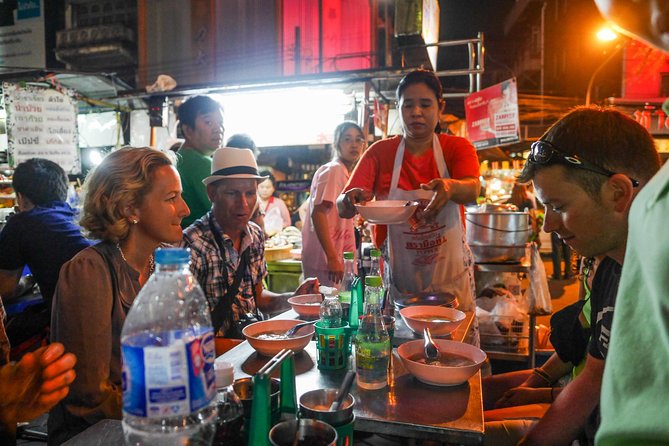
The seafood stop lasts about 30 minutes and brings several seafood dishes. The sauce is described as a Thai killer sauce, so you should expect bold seasoning rather than plain steamed seafood.
This is a major reason to book this particular tour only if you can eat seafood. The tour information is clear: it is not suitable for people who cannot have seafood, and there is no vegetarian or halal option. Dietary requirements should be given at booking, but that does not mean the menu can be rebuilt around every restriction.
The seafood also shows the Thai side of the district’s cooking. Earlier dishes lean toward noodles, dumplings, and herbal flavors. Here, strong Thai seasoning changes the character of the meal. I like that the menu does not treat Chinatown as purely Chinese. It presents the neighborhood as a place where food traditions have mixed over generations.
The peppery soup with crispy pork
The next stop returns to Pa’jin Cockle Texas Yaowarat for rolled noodles in peppery soup with crispy pork. About 25 minutes is allowed.
This sounds like the evening’s most memorable savory bowl. The peppery broth brings heat and fragrance, while the crispy pork adds a salty, crunchy contrast. One guest singled out the pepper soup as the dish they would choose again, which makes sense: it has the strong character that often makes a food tour stick in your memory.
You may find this soup more filling than the earlier tastings. By now, you will have had noodles, dim sum, seafood, and a drink. The portions are described as enough for a big dinner, so you do not need to eat a full meal before meeting the guide.
Thai ice cream and black sesame dumplings
The sweet course arrives in two parts. First comes Thai ice cream, with about 10 minutes at the stop. Then you try a black sesame dumpling in ginger soup, with about 20 minutes allowed.
Thai ice cream gives you a cold, sweet change after the soups and seafood. The black sesame dumpling is more distinctly Chinese in style, while the ginger soup adds warmth and spice. Together, the two desserts close the loop between Thai and Chinese food traditions.
The dumpling is also a good reminder that this is not a tour built only around famous dishes. You are trying small foods that can be hard to identify or locate on your own. That is where a local guide adds real value, especially when the evening route moves quickly and you want to spend your attention on the food and streets.
A guide who does more than order dinner
The guide is a licensed local professional, and the best feedback focuses on three jobs: explaining the food, adding history, and keeping the group moving through crowded streets.
G is praised for knowing Thai history, choosing strong dishes, guiding the group through busy streets, and helping with the subway. Nudi is noted for explaining Thai culture and Chinatown history, then answering practical questions about Grab. Alice is singled out for making the food selection broad and enjoyable.
Those details matter. A food guide does not need to lecture you, but the tour improves when someone can explain why a soup tastes different, point out a landmark, or help you get home afterward. You should expect a walking tour with conversation, not a formal classroom talk.
The tour is private to your group, which can make the pace and questions easier to manage. The supplied details also refer to a small-group walking tour and group discounts, so check the booking conditions if your party is larger. The important point is that you are not simply joining a huge procession through Yaowarat.
What the $58.70 price includes
At $58.70 per person, this is more expensive than choosing one street meal on your own. That comparison is not quite fair, since the price includes 12 tastings, bottled water, a licensed guide, local taxes, and about three hours of walking and food stops.
I would judge the value by how much help you need. If you already know Yaowarat, speak some Thai, and enjoy ordering at random, you can spend less on your own. If you want a full dinner, a planned route, explanations of unfamiliar dishes, and a guide who can help with transit, the price is easier to justify.
The tour is described in places as a half-day experience, but the stated duration is approximately three hours. That is long enough for a serious dinner and neighborhood walk without taking up your whole evening. You should still arrive hungry, but not starved. Twelve stops require some restraint at the beginning.
Who should book this food walk
I would recommend it most strongly to first-time visitors who want an easy introduction to Chinatown food. It also suits people who enjoy trying several small dishes instead of spending the evening at one restaurant.
The tour is a good match if you:
- Eat seafood and enjoy strong Thai flavors.
- Want a full dinner without planning every stop yourself.
- Like local history mixed with food.
- Need help understanding unfamiliar dishes or Bangkok transport.
- Prefer a private group experience.
- Can comfortably walk for about three hours.
I would choose something else if you need vegetarian, halal, or seafood-free food. The menu does not offer those options. I would also skip it if your main goal is a quiet temple visit, since the focus is food and evening street life.
Wear comfortable shoes and leave room in your schedule for walking. Bottled water is included, but hotel transport is not. Give any dietary requirements when booking, and confirm the start point because the information refers both to the Bangkok Centre Hotel and Hua Lamphong MRT station.
Should you book the Chinatown night tour?
Book it if you want a guided introduction to Yaowarat with enough food for dinner and a guide who can explain both the dishes and the district. The strongest parts are the wide range of tastings, the peppery soup with crispy pork, and the practical help from guides such as G, Nudi, and Alice.
Do not book it if seafood is a problem or if you need vegetarian or halal choices. Also confirm the meeting location before you go. For the right eater, this is a useful first-night Bangkok experience: three hours, twelve chances to try something new, and a clearer sense of why Chinatown tastes the way it does.
FAQ
How long does the Bangkok Chinatown food tour last?
The tour lasts approximately three hours.
What time does the tour start?
The stated start time is 6 pm.
Where does the tour meet?
The information gives the Bangkok Centre Hotel at 328 Thanon Rama IV as the start location, while the walking instructions refer to Hua Lamphong MRT station. Confirm the exact meeting point before departure.
Is hotel pickup included?
No. Hotel pickup and drop-off are not included. You make your own way to the meeting point, and the tour ends by walking back toward Hua Lamphong MRT station.
How many food tastings are included?
The tour includes 12 tastings and bottled water. The listed foods include noodles with fish balls, dim sum, Chinese herbal drink, seafood, pepper soup with crispy pork, Thai ice cream, and black sesame dumplings in ginger soup.
Is the food tour suitable for vegetarians?
No vegetarian option is available.
Is a halal option available?
No halal option is available.
Can people with seafood restrictions join?
The tour is not suitable for people who cannot have seafood. You should provide any dietary requirements when booking.
Is this a private tour?
Yes. Only your group participates, although the experience is also described as a small-group walking tour.
More after-dark experiences in Bangkok
- Bangkok Food Tour By Night
★ 5.0 · 241 reviews - Bangkok Tuk Tuk Food Tour By Night
★ 5.0 · 198 reviews - Bangkok Evening Food Tour by Tuktuk
★ 5.0 · 86 reviews - Bangkok Night Food Tour By Tuk Tuk
★ 5.0 · 75 reviews
More Chinatown food tours in Bangkok
- Bangkok Authentic Tasting Thai-Chinatown Walking Food Tour
★ 4.9 · 852 reviews - Bangkok: Tuk Tuk Adventure Chinatown Michelin Food & Temples
★ 4.3 · 725 reviews - Bangkok by Night Food Tour with 10+ Tastings in Chinatown
★ 5.0 · 545 reviews - Bangkok Night Michelin Foodie Tour in Chinatown with 15+ tastings
★ 5.0 · 189 reviews
New food tours we have reviewed in Bangkok
- Bangkok 3-in-1 Tour: Longtail Boat,TukTuk & Street Food Adventure★ 5.0 · 73 reviews
- 4-Hour Hidden Bangkok TukTuk Street Food Guided Tour★ 5.0 · 23 reviews
- Private Tuktuk Authentic Food Tour (Chinatown-Flower Market)★ 5.0 · 75 reviews
- Train & Floating Market Food Adventure + Scenic train ride★ 5.0 · 102 reviews
- Bangkok Tuk Tuk Food Tour By Night★ 5.0 · 198 reviews
- Timeless Thonburi Canal and Food Tour★ 5.0 · 31 reviews
- Authentic Street Food Tour in China Town Bangkok★ 5.0 · 25 reviews
- Bangkok Private Walking Food Tour with 10+ Tastings in Chinatown★ 5.0 · 67 reviews
Street Food Tours, compared.
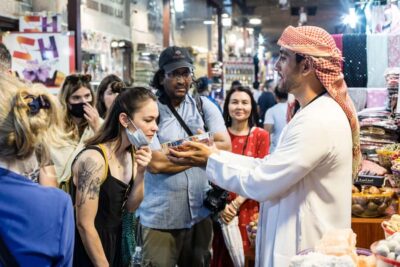
Dubai: Old Town, Creek, Museums, Souks, & Street Food Tour
Read our review →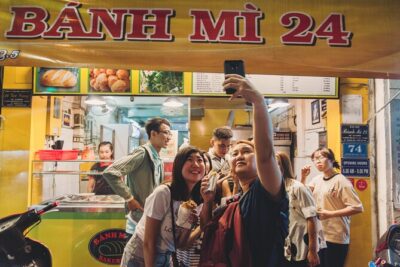
Ho Chi Minh City Street Food Tour & Sightseeing By Motorbike
Read our review →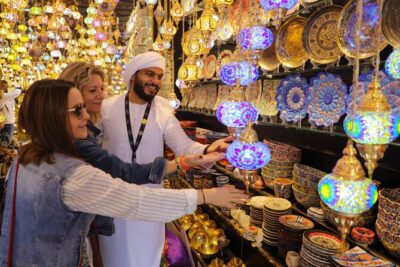
Dubai: Old Town, Souks, Street Food, Guided Tour & Abra Ride
Read our review →
Naples: Street Food Walking Tour with Local Guide
Read our review →
Small Group Hanoi Street Food Tour with a Real Foodie
Read our review →
Saigon By Night and Street Food By Motorbike | Opt: Ao Dai Riders
Read our review →
Private Street Food Tour by Motorbike/Car with Local Students
Read our review →Browse the lists this tour appears in