
Review · DESSERT AND CHOCOLATE TOURS
Passy-Grigny: Chocolate and Champagne Tasting Tour
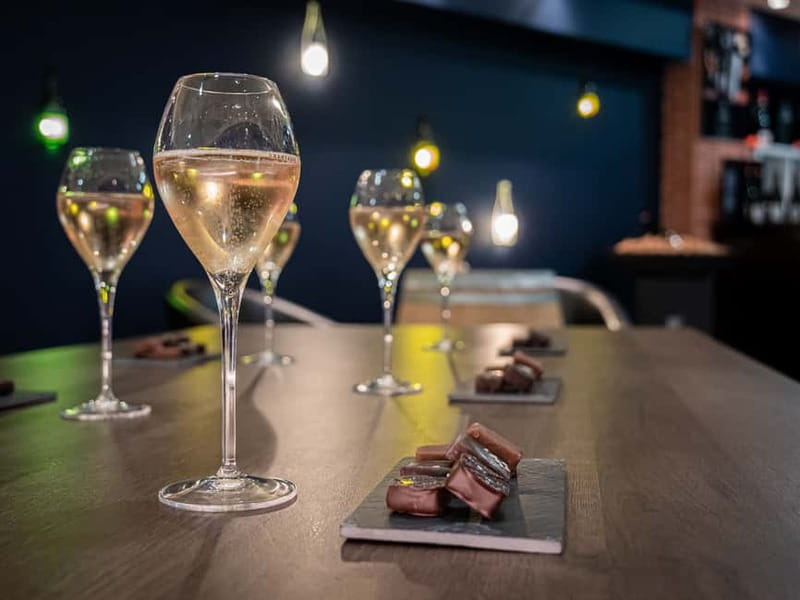
The best part of this experience is the Champagne and chocolate pairing at the end. You taste three Champagnes with three chocolates, rather than simply sipping a glass in a sales room. The combination gives the visit a clear purpose and makes the production tour easier to remember.
I like the small Champagne-house setting and the practical look at modern production. You also get an English-language guide, a short film, and plenty of room for questions. The main drawback is getting there: Passy-Grigny is not especially easy by public transport, so a car, taxi, Uber, or Bolt makes the visit far simpler.
- Three Champagnes and three chocolates give the tasting a useful structure.
- Passy-Grigny sits in the Marne Valley, away from the larger Reims and Épernay houses.
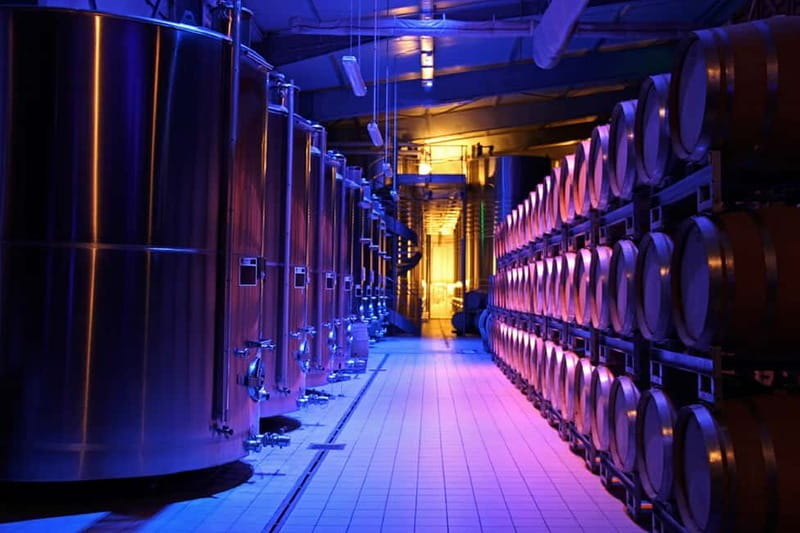
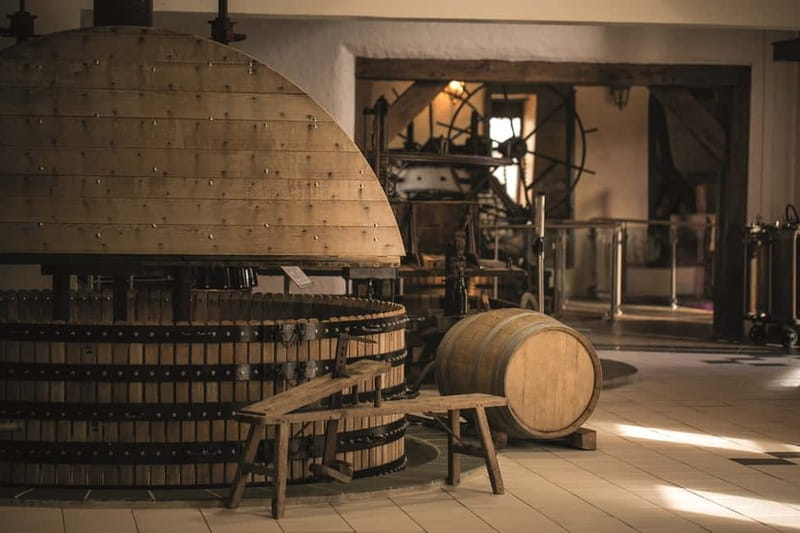
- The tour covers both the first press and modern vat house, linking local tradition with current production.
- Guides such as Clémentine, Fanny, and Katja have a reputation for warm, personal presentations.
- Families can take part, with juice offered to children.
- The $32 price is fair for a 90-minute guided visit with six tasting items.
A Small House With a Big Champagne Story
Champagne Dom Caudron is in Passy-Grigny, a village in the heart of the Marne Valley. This is a useful setting for understanding Champagne beyond the grand names of Reims and Épernay. You are visiting a grower-led house with strong local roots, not simply walking through a polished city showroom.
The story begins with Aimé Caudron, a priest from the village who saw promise in local wine production. In 1929, he brought the village winemakers together. The house still presents that cooperative spirit as part of its identity, with particular attention to the Meunier grape that is closely tied to the Marne Valley.
I like this introduction because it gives the tasting some context. You are not only sampling Champagne. You are learning why this village matters, why Meunier is important here, and how a local producer grew from its first press into a modern production facility.
Do not expect a grand, theatrical tour built around celebrity labels. The appeal is more direct. You see how Champagne is produced, hear the local story, and taste the finished wine in the place where it is made.
What Happens During the 90-Minute Visit
The visit lasts about 90 minutes, with around 75 minutes devoted to the guided tour. The exact rhythm can vary, but the experience generally moves from an explanation of the house and village into the production areas, followed by the tasting.
Your guide leads the tour in English or French. The English tour is intended for both beginners and people who already know something about Champagne. That balance matters. You can ask basic questions about pressing and bottling without feeling out of place, while more experienced drinkers can ask about the production choices and the role of Meunier.
Several guides have received especially warm praise over time. Clémentine is described as friendly and engaging, while Fanny made a strong impression with her presentation of the wines. Katja has also led the tasting with a polished, welcoming style. Guide assignments can change, so you should not book on the assumption that one particular person will lead your visit.
A short film forms part of the presentation. It covers the harvest and the Champagne-making process, giving you a visual explanation before or alongside the walk through the facility. One practical point: the film may feel less current than the rest of the visit, but it still helps put the stages of production in order.
More Dessert Tours in France
- Paris French Sweets Tasting Tour with Pastries and Chocolates
★ 4.5 · 947 reviews - A Morning in Paris Food Tour: Croissants, Baguettes & Chocolate
★ 5.0 · 556 reviews - Saint-Germain: Gourmet Chocolate & Pastry Walking Food Tour
★ 4.8 · 495 reviews
From the First Press to the Modern Vat House
The strongest part of the tour is the link between the old and new sides of production. You hear about the first press used by the Passy-Grigny growers, then see how the current modern vat house handles the wine.
That contrast helps explain how Champagne production has changed. The village’s roots are traditional, but the house is not presented as a museum frozen in the past. You get a look at working facilities and the equipment used in modern production.
The tour focuses more on how Champagne is made than on a long historical lecture. That is good news if you want to understand the process. You can expect explanations about the route from grapes to finished bottles, along with an account of the work done during harvest and production.
The experience does not promise access to every part of the operation or a lengthy cellar walk. Its value comes from the clear overview. In about an hour, you see the production setting, watch the film, and connect the technical steps with the wines you later taste.
I would choose this tour if you want a practical introduction. If your main interest is grand architecture, famous historic cellars, or the detailed history of a major Champagne brand, a large house in Reims or Épernay may suit you better.
The Meunier Connection in Passy-Grigny
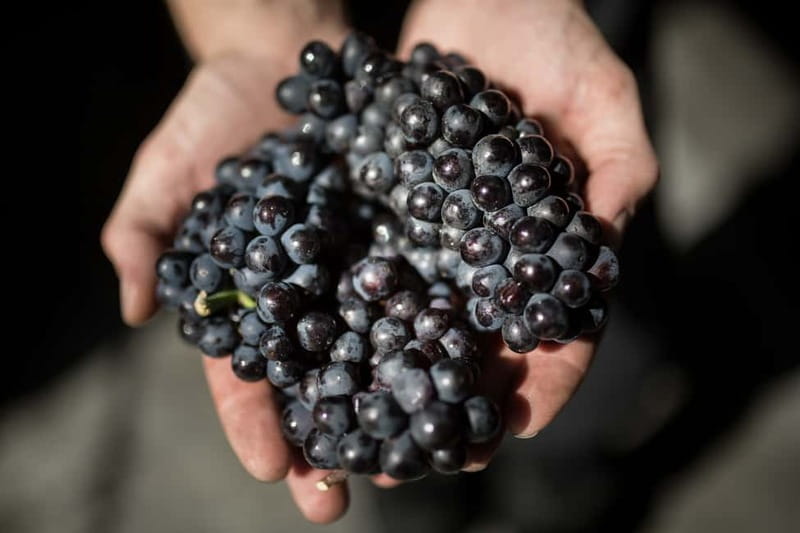
The local story gives the visit a useful sense of place. The Marne Valley is particularly associated with Meunier, one of the grapes used in Champagne. Aimé Caudron’s work in 1929 helped bring the village’s growers together around a shared future.
That background is more meaningful once you reach the tasting. You can think about the wine as a product of local growers and a cooperative effort, not just a bottle with a regional name on the label.
The guide explains this story in accessible language. The information is not aimed only at wine professionals. If you are new to Champagne, you will leave with a better grasp of why grape varieties matter and how a village producer fits into the wider Champagne region.
I also like the fact that the visit takes place in Passy-Grigny rather than only in the best-known tourist centers. It gives you a reason to see another part of the Marne Valley. One past visitor used the tour as a pleasant change from the larger houses and recommended exploring the surrounding villages by car.
Three Champagnes, Three Chocolates
The tasting is the payoff, and it is more thoughtfully arranged than a basic sample at the end of a tour. You taste three different Champagnes paired with three chocolates. The pairing lets you compare the wines while also seeing how sweetness, texture, and cocoa change the experience.
The tasting is designed to be enjoyable even if you are not confident with wine language. The guide explains what you are drinking and helps connect the samples to the chocolates. You do not need to arrive with a developed palate. Curiosity is enough.
The chocolates are not a minor extra. Several of the tasting comments singled them out as a highlight, with particular praise for their quality. The combination also makes this a good choice for mixed groups, since some people may be more excited about Champagne while others are there for the chocolate.
A child can take part in the family outing, though children do not receive Champagne. Juice was offered to one child during a visit, which is a thoughtful touch for families. The tour can therefore work for parents with older children or teenagers, especially if they enjoy food, production, and short guided visits.
You should still remember that this is an alcohol tasting. The experience is best for adults who want to compare three wines, and for families prepared to treat the tasting as an adult activity with a child-friendly alternative.
Same appetite, a different neighbourhood:
- Bateaux Parisiens Seine River Gourmet Dinner & Sightseeing Cruise
★ 4.5 · 6,930 reviews - Authentic Parisian Gourmet Food Tour with 10 Local Dishes & Wines
★ 5.0 · 4,754 reviews - Bateaux Parisiens Seine River Gourmet Lunch & Sightseeing Cruise
★ 4.5 · 2,680 reviews - Montmartre Hill French Gourmet Food and Wine Tasting Walking Tour
★ 5.0 · 2,588 reviews
Why the $32 Price Makes Sense
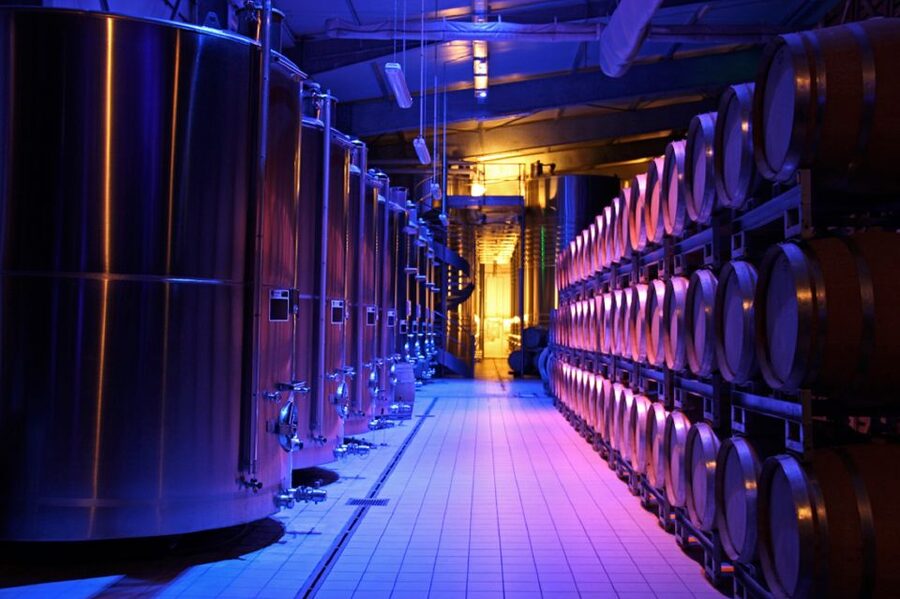
At $32 per person, this is not the cheapest way to taste Champagne. You are paying more than you would for a single glass at a bar. The difference is that the price includes a guided production visit, the English or French presentation, three Champagnes, and three chocolates.
For me, the value is strongest if you care about how the wine is made. The tour gives the tasting a framework, and the tasting gives the production tour a satisfying finish. You are not simply paying for samples.
The price also compares well with the larger Champagne-house experiences that can feel more formal or crowded. This visit offers a smaller-scale setting and a guide-led presentation that can feel personal. One visitor even described it as better value than a larger tour, especially because of the pairing and the modern production view.
Still, value depends on your plan for the day. If you are already visiting several Champagne houses, adding another 90-minute tour may feel repetitive. If this is your only Champagne visit, the combination of production explanation and tasting makes the cost easier to justify.
Getting to Passy-Grigny
The main practical weakness is location. The meeting point is at Champagne Dom Caudron, 10 Rue Jean York, though the exact meeting arrangement can vary with the option booked. The same address is used for the stated start and drop-off arrangements.
A car is the easiest choice. It gives you control over arrival time and lets you see more of the Marne Valley before or after the tour. The visit can also fit well into a driving day from Reims or Épernay.
Public transportation is limited. One practical account specifically warns that there is no regular public transport option to rely on, apart from services such as Uber or Bolt. Check your return plan before booking, especially if you are traveling outside the busiest hours.
Do not leave transportation until the last minute. The tour itself is straightforward, but a difficult journey can take the shine off a short tasting. If you are staying in Reims or Épernay without a car, compare the taxi cost with the $32 tour price before deciding.
The experience is listed as wheelchair accessible. If you need specific access arrangements, confirm the details when booking, since the route through the facility and the meeting setup can vary.
Who Will Enjoy This Tour Most
I would recommend this tour to you if you want a clear introduction to Champagne without spending half a day in a large house. The 90-minute format is long enough to explain the process but short enough to fit around another activity.
It is especially well suited to:
- First-time Champagne visitors who want to understand production
- Couples looking for a tasting with something more than wine
- Families with older children or teenagers
- Visitors staying in the Marne Valley by car
- Wine drinkers interested in Meunier and local growers
- People who prefer a personal guide to a large commercial presentation
You may want something else if you are seeking a very long cellar visit, a major brand’s historic rooms, or a highly technical wine seminar. The tour gives you a strong overview, but it does not claim to be an all-day study of Champagne.
The guide makes a real difference. English is available, and the best presentations combine clear facts with humor and personal warmth. You will get the most from the tour if you ask questions. The guides are there to explain the process, and the format leaves room for conversation.
A Good Alternative to Reims and Épernay
Reims and Épernay are natural bases for a Champagne trip, but they can also make every visit feel similar. Passy-Grigny offers a quieter change of pace and a more village-based setting.
I like this as a second or third Champagne stop. After visiting a large house, you can compare its scale and presentation with Dom Caudron’s local, grower-focused approach. Or you can use it as your main Champagne experience if you want one visit that combines history, production, and tasting.
The setting is part of the appeal, but do not expect the tour itself to be a scenic vineyard walk. The focus is the house, its equipment, its story, and its wines. Plan separate time for exploring the surrounding area if that is important to you.
One useful tip is to build in a little flexibility. The guided portion is advertised as 75 minutes, and some visits have run just over an hour before the tasting and finishing details. You will not need a full day, but you should avoid scheduling a tight connection immediately afterward.
Should You Book Champagne Dom Caudron?
Book it if you want good value in a compact format, especially if chocolate makes the tasting more appealing. The tour explains Champagne production without requiring prior wine knowledge, and the three-wine, three-chocolate finish gives it a clear identity.
I would be less quick to book if transportation is difficult or if you have already taken several production tours. The location requires planning, and the experience is more about making Champagne than telling a long, elaborate story about famous houses.
For most visitors with a car, the $32 price is reasonable. You get a local setting, an English or French guide, a look at both early and modern production, and a tasting that feels more memorable than three unrelated samples. If you can reach Passy-Grigny easily, this is a friendly, informative addition to a Champagne itinerary.
FAQ
Where does the Champagne and chocolate tour take place?
The tour takes place at Champagne Dom Caudron in Passy-Grigny, at 10 Rue Jean York.
How long does the experience last?
The experience lasts 90 minutes. The guided tour itself lasts about 75 minutes, followed by the tasting.
What languages are available?
The tour is available in English or French, with a live guide.
What is included in the price?
The experience includes the guided tour, a Champagne tasting, and a chocolate tasting.
How many Champagnes do you taste?
You taste three different Champagnes during the experience.
How many chocolates are included?
The tasting includes three chocolates, paired with the three Champagnes.
Is the tour suitable for children?
Yes. Families can attend, and juice was offered to a child during one visit. Children do not take part in the Champagne tasting.
Is the tour wheelchair accessible?
The experience is listed as wheelchair accessible.
Is public transportation available to Passy-Grigny?
Public transportation is limited. A car is the easiest option, while Uber or Bolt may be needed if you are not driving.
Can I cancel the booking?
You can cancel up to 24 hours in advance for a full refund. A reserve-now, pay-later option is also available.
New food tours we have reviewed in France
- Taste Cannes – A Full French Riviera Food Tour by Do Eat Better★ 5.0 · 63 reviews
- Cannes Ooh La La Croissant Tasting Tour★ 5.0 · 30 reviews
- Saint-Émilion day tour: village visit, Châteaux and lunch★ 5.0 · 121 reviews
- Bordeaux wines tasting workshop including Food & Wine pairings★ 5.0 · 31 reviews
- NO DIET CLUB – Unique food tour in Bordeaux !★ 5.0 · 201 reviews
- Historical Center, Bordeaux Food Tour★ 5.0 · 33 reviews
- Bordeaux Food and Wine Tour : Authentic Artisanal Flavors★ 5.0 · 62 reviews
- Bordeaux Gourmet Experience : tasting of French cheeses & wines★ 4.5 · 71 reviews
Dessert and Chocolate Tours, compared.
Award-Winning Geneva Chocolate &Old Town Tour with Boat Ride (3h)
Read our review →
Boston North End Food Tour of 6+ Tastings, Cannoli, Lobster Roll
Read our review →
Paris French Sweets Tasting Tour with Pastries and Chocolates
Read our review →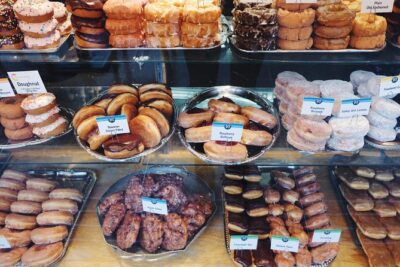
Seattle Delicious Donut Adventure & Walking Food Tour
Read our review →
Rome Afternoon Sightseeing Vespa Sidecar Tour with Gourmet Gelato
Read our review →

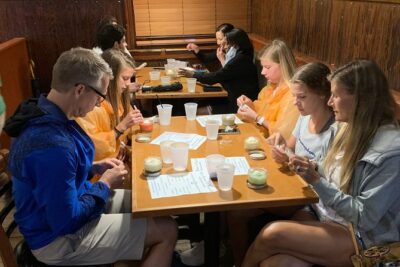
Southern Flavors of Savannah Walking Dessert Tour
Read our review →Browse the lists this tour appears in