
Review · HISTORICAL TOURS
Rome Food Tour in the Historic Centre with 8+ Food Tastings
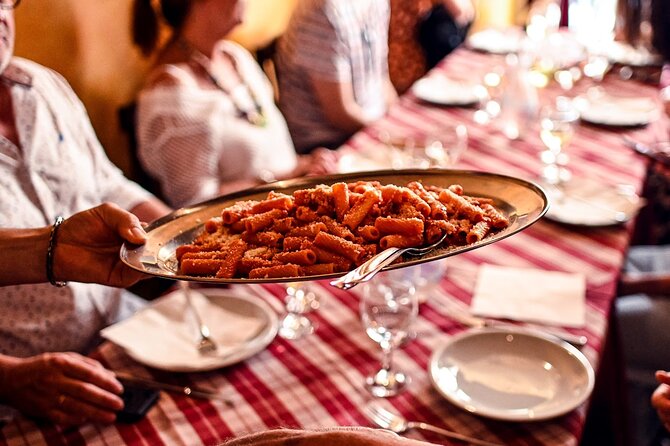
Rome is at its best when a plate of food explains the street outside the restaurant. This three-hour walk links five courses and more than eight tastings with Piazza Navona, the old Jewish Ghetto, Campo de’ Fiori, and Largo di Torre Argentina. You get pizza, pasta, supplì, cured meats, cheese, cannoli, gelato, and one surprise dish, all while moving through the historic center.
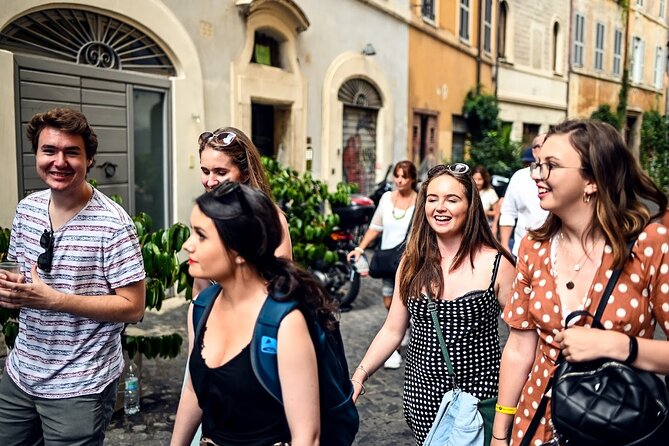
I like the small maximum of 12 people, which keeps the stops personal and makes it easier to hear the guide in busy streets. I also like the balance of familiar Roman favorites and local context. Guides including Massimiliano, Rocio, Luda, Federico, Eduardo, and Robbie have been praised for making the history easy to follow and the meal feel social.
The main caution is simple: this is a lot of food in only three hours, with steady walking between stops. You should arrive hungry, wear comfortable shoes, and avoid scheduling a large meal immediately afterward.
Key details to know before booking
- Start in Piazza Navona: Meet at Sant’Agnese in Agone, Piazza Navona 14, then begin with one of Rome’s grandest public squares.
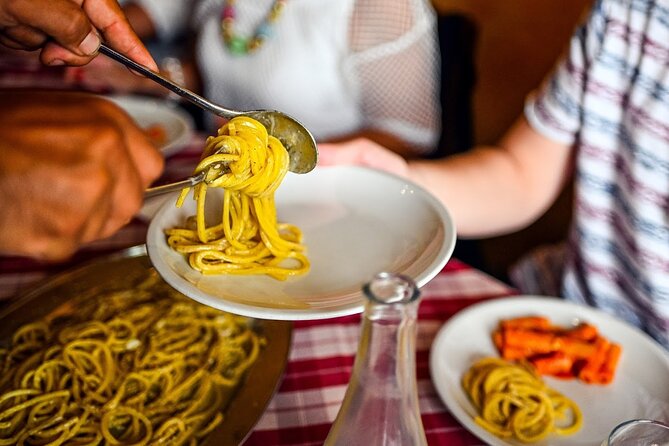
- Eight or more tastings: The menu includes two kinds of homemade pizza, supplì, cold cuts, cheeses, two Roman pastas, cannoli, gelato, and a secret dish.
- Historic center on foot: The route includes the French Embassy area, the Jewish Ghetto, Campo de’ Fiori, Largo di Torre Argentina, and several ancient monuments.
- Small group format: No more than 12 people join the walk, a useful size for conversation and questions.
- Three hours, but filling: The food is substantial rather than a string of tiny samples. Plan your day around a late breakfast or light meal.
- $118.51 per person: The price is high for a three-hour outing, but it covers a full food tour, several courses, guide service, and a concentrated introduction to Roman cuisine.
Why this Rome food walk works
This experience does more than take you from one snack to another. It gives you a practical way to understand Roman food while you are standing in the neighborhoods that shaped it.
The route begins at Piazza Navona, one of the city’s most recognizable squares. From there, it moves through areas with very different personalities and stories. You see Baroque Rome, the former Jewish Ghetto, Campo de’ Fiori, and the ancient Roman remains at Largo di Torre Argentina.
That pairing matters. A food tour can feel shallow if it only lists dishes. Here, the food is connected to streets, buildings, fountains, markets, and old neighborhoods. You get a useful first look at how Romans eat and where those habits fit into the city.
The tour is offered in English and has a maximum of 12 people. That makes it more appealing than a large coach-style outing. You can ask about ingredients, cooking methods, or places to eat later in your stay without shouting across a crowd.
The guide also matters a great deal. Massimiliano has been especially praised for combining Roman history with food stories, while Rocio, Luda, Federico, Eduardo, and Robbie have each been noted for humor, warmth, clear explanations, or good restaurant suggestions. Guide assignments can change, so book this for the structure and menu rather than for one particular person.
More history tours in Rome:
- Rome: Food Tour of the Historic Center with Rooftop Spritz
★ 4.7 · 43 reviews - Barcelona: Tapas Walking Tour with Food, Wine, and History
★ 4.8 · 4,261 reviews - Sevilla Food Tour: Tapas, Wine, History & Traditions
★ 5.0 · 3,468 reviews
Piazza Navona sets the table
The meeting point is Sant’Agnese in Agone at Piazza Navona 14. Give yourself enough time to locate the church and meeting area, since Piazza Navona is large and often crowded.
Piazza Navona was built on the site of an ancient stadium. Its long, open shape still hints at that earlier use, while the surrounding Baroque buildings and fountains give it the appearance of a grand outdoor stage.
The tour description allows about 20 minutes here. That is enough time for the guide to establish the setting and begin the food discussion without turning the first stop into a full sightseeing visit.
This is also where the link between food and place becomes clear. The square is lined with cafés, trattorias, gelato shops, and street-food options. The tour itself includes classic bites such as pizza and supplì, but the key benefit is learning how those foods fit into everyday Roman eating.
You may pass cafés selling espresso and gelato, but do not fill up before the tour. The full menu is generous, and several stops are still ahead.
Pizza, supplì, and the first Roman flavors
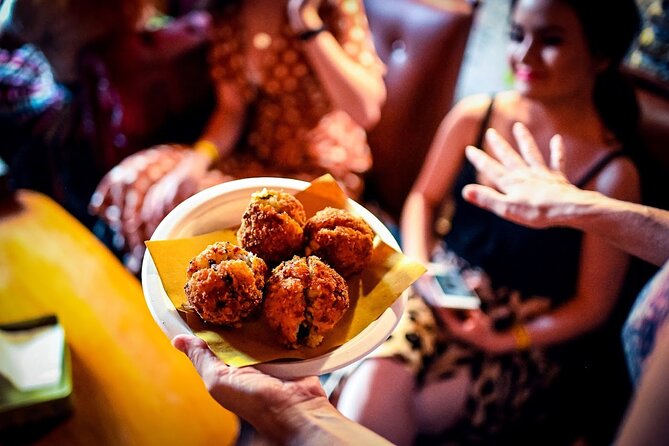
The food selection begins with items that are easy to understand but still distinctly Roman. You receive two different types of homemade pizza, along with supplì, a fried rice croquette often associated with Roman street food.
Two pizza preparations give you a useful comparison. The point is not simply to eat pizza twice. It is to notice how dough, toppings, texture, and serving style can change the experience.
Supplì adds something different: crisp, hot, and centered on rice rather than bread. It is the kind of snack that makes sense between sightseeing stops, especially when you want something more substantial than a pastry.
The precise shops and menu order can change because of weather, availability, and other circumstances. That flexibility is worth remembering. You should expect the food categories listed, but not treat the route as fixed down to every address.
The French Embassy and Rome’s grander side
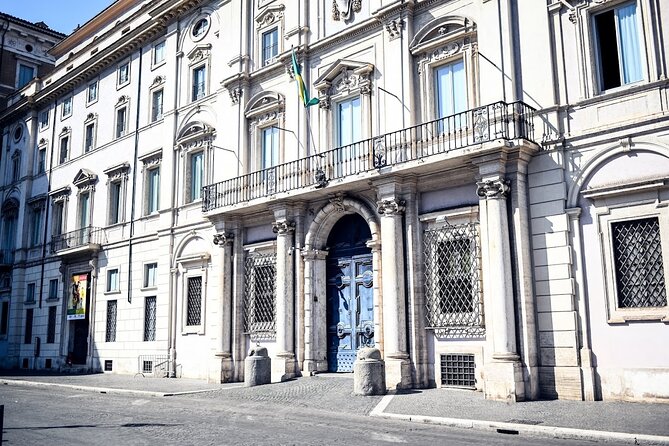
One stop is an important High Renaissance palace that now serves as the French Embassy in Italy. The building adds architectural context to the walk and helps show how Rome’s center mixes old palaces with daily commercial life.
You may not enter the palace, and this is not a palace tour. Its value is in the street-level explanation and the chance to connect the food route with the city’s political and architectural past.
This kind of short stop suits the tour’s format. You are not spending an hour at each monument. Instead, the guide uses the buildings around you as conversation points, then gets you moving toward the next bite.
More food tours in Rome:
- Winner 2025 Rome Twilight Trastevere Food Tour by Eating Europe
★ 5.0 · 5,157 reviews - Rome: Street Food Tour with Local Guide
★ 4.8 · 4,077 reviews - Rome Food Tour: Unlimited Tastings with Fine Wine & Barolo
★ 5.0 · 3,365 reviews - Rome Food Tour: Campo de’ Fiori, Ghetto, Trastevere Winner 2024
★ 5.0 · 3,205 reviews
The Jewish Ghetto adds depth to the meal
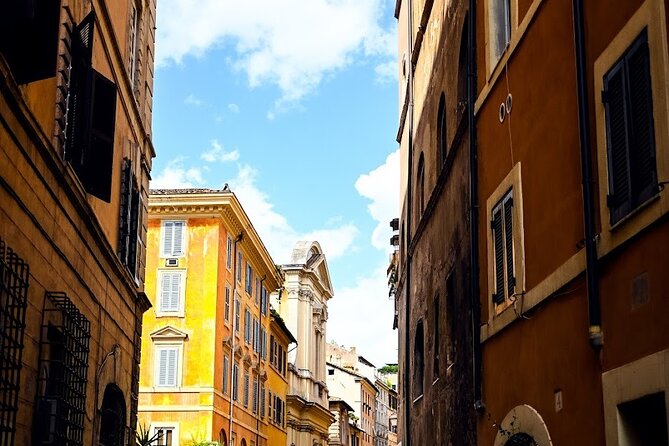
The route continues into Rome’s ancient Jewish Ghetto in Rione Sant’Angelo. Established in 1555, the neighborhood has a distinct identity shaped by centuries of Jewish Roman life, religious tradition, and food culture.
This is one of the most useful parts of the walk because it broadens your idea of Roman cuisine. Roman food is not one uniform menu. Different communities, ingredients, and traditions have helped shape what you find in the city today.
The Ghetto is also a good place to slow down and pay attention to the surroundings. Narrow streets, old buildings, and small food businesses make the neighborhood feel different from the theatrical scale of Piazza Navona.
Food tours can sometimes rush through historic areas on the way to the next tasting. Here, the Ghetto is one of the central themes, not just a backdrop. Still, remember that the tour is about food and walking, not a full Jewish Ghetto history lesson.
Ancient fountains and Roman engineering
The itinerary includes a classical 17th-century fountain honoring four rivers, with a Roman obelisk topped by a dove. This is Bernini’s Fountain of the Four Rivers in Piazza Navona, one of the square’s most famous landmarks.
The fountain gives the guide an easy way to talk about Rome’s Baroque period, papal power, sculpture, and the city’s habit of placing grand art in public spaces. You get a quick cultural lesson without leaving the food route.
Another stop features remains of an ancient walkway built in the second century B.C. to connect two Roman temples. This is the sort of fragment that can be easy to overlook when you are walking alone.
With a guide, the stones gain a purpose. You understand that Rome is not arranged in neat historical layers. Ancient remains, Renaissance palaces, Baroque fountains, and modern eateries often sit within a few minutes of one another.
Campo de’ Fiori brings market energy
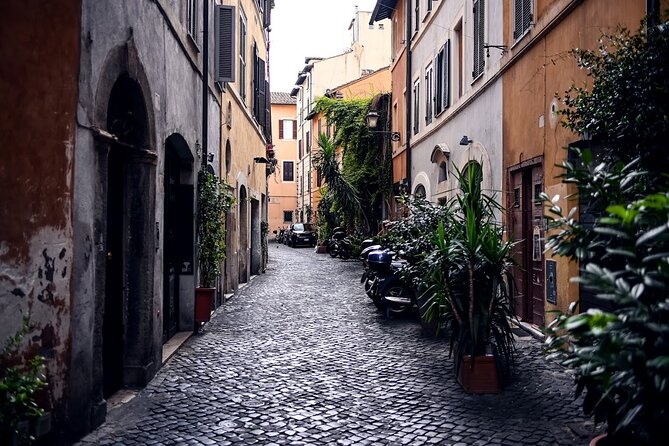
The route includes Campo de’ Fiori, a rectangular square south of Piazza Navona. Its name translates as field of flowers, and the square has long been associated with market life and public gathering.
Campo de’ Fiori is a natural setting for a food walk because it connects shopping, produce, prepared foods, and street life. The tour may not follow a fixed market schedule, so do not assume every stall will be operating during your visit.
Even so, the square helps explain why food is so visible in Rome. Eating is not hidden away in formal restaurants. It appears in bakeries, markets, counters, cafés, and small shops that serve people moving through the city.
The main drawback is that popular central squares can feel crowded and noisy. Stay close to the guide, especially if your group is moving through a busy passage.
Roman pasta becomes the main meal
The tour includes two Roman pastas. This is where the experience shifts from snack sampling to a proper meal.
The exact preparations are not specified, and the menu can change. You might find familiar Roman styles such as cacio e pepe, amatriciana, carbonara, or gricia, but you should not book expecting one particular recipe unless the provider confirms it.
Two pasta tastings are useful because Roman pasta depends on small details. Sauce texture, cheese, pepper, cured pork, and cooking time all matter. A guide can explain those details in a way that makes the dish easier to appreciate when you order it again later.
This part also explains why you need to arrive hungry. The tour includes pizza and supplì before the pasta, followed by meat, cheese, and dessert. The portions are described as generous, not token samples.
Vegetarians are not left out. One outing included vegetarian pasta and alternatives at other stops, but you should communicate dietary needs in advance rather than assume every menu change can be made on the spot. The supplied information does not promise a fully vegetarian or allergy-specific menu.
Cold cuts, cheeses, and the social side of Rome
Italian cold cuts and cheeses add a slower, more communal part to the route. These foods are ideal for sharing and comparing, especially in a small group where you can discuss favorites with the people around you.
The social element is one of the quiet strengths of this experience. You are not only eating at counters. You may sit with the group at some stops, and the compact size makes it easier to meet people without the awkwardness of a huge tour.
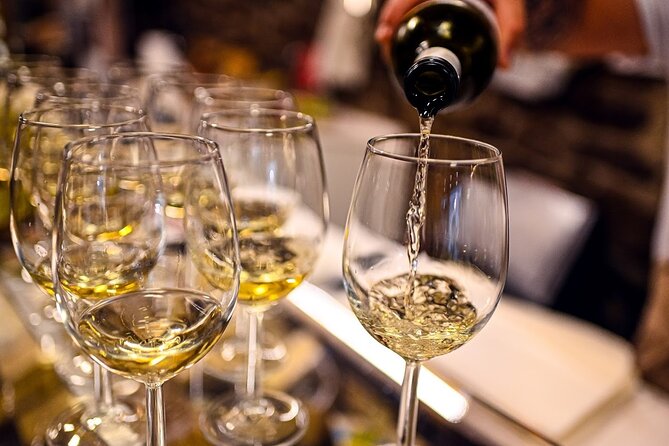
Some outings have included wine and coffee, and the minimum drinking age is 18. However, the official included menu lists the foods rather than promising specific beverages. If wine is important to you, confirm what is included before booking.
The food is also practical. A guide may suggest places to eat later during your stay, which gives the tour value beyond the scheduled three hours.
Cannoli and gelato finish the route
Dessert comes in two forms: cannoli and artisanal gelato. Cannoli can be divisive, especially if you have only tried mass-produced versions. A well-made one has a crisp shell, a creamy filling, and a better balance than many people expect.
Gelato provides a cool finish after several savory stops. It is also one of the most popular parts of the tour, and the final stop can feel especially welcome on a hot day.
Do not underestimate the quantity. The menu includes dessert after pizza, supplì, pasta, and cold cuts and cheese. If you eat a large breakfast first, you may struggle to enjoy the later stops.
Largo di Torre Argentina ends the walk
The tour ends at Largo di Torre Argentina. This square contains four Roman Republican temples and remains connected with Pompey’s Theatre, in the ancient Campus Martius.
It is a strong ending because it leaves you among major archaeological remains rather than at a random street corner. You can continue exploring from here, find public transportation nearby, or walk onward through the center.
The end point is not the same as the start. That is helpful if you are planning another activity in the area, but it means you should not leave a bag or expect hotel drop-off. Hotel pickup and return are not included.
Is $118.51 a fair price?
At $118.51 per person, this is not a bargain snack crawl. It costs more than buying individual slices, gelato, and pasta on your own.
The value comes from the combination of a full meal’s worth of food, a three-hour walking route, an English-speaking guide, and the historical explanations. You are paying for organization, access to multiple food stops, and the chance to taste widely without spending time researching each place.
The small group also matters. A maximum of 12 people is a reasonable balance between price and personal attention. If you want the cheapest way to eat in Rome, skip the tour. If you want a guided introduction that can shape the rest of your meals, the cost is easier to justify.
A group discount may be available, and mobile tickets make the booking side simple. Confirmation is sent within 48 hours, subject to availability. Free cancellation is available up to 24 hours before the start time, but changes or cancellations inside that window are not refunded.
Who should book this Rome food tour?
I would recommend it to first-time Rome visitors who want a quick orientation through food. It also suits couples, families with older children, and solo visitors who enjoy meeting a small group.
The format worked for families with children as young as four and six in one outing, although the walk and food volume still require patience. Guides have made drink adjustments for children at stops where adults had coffee or wine.
You should also consider it if you want more than restaurant recommendations. The strongest guides connect ingredients and dishes with Roman history, architecture, and neighborhood life.
I would be more cautious if you have strict dietary restrictions, dislike group activities, or prefer long, quiet meals. The menu and route can change, pets are not allowed, and the tour involves several stops rather than one relaxed restaurant sitting.
Should you book it?
Book this tour if you want to taste a broad range of Roman food in one afternoon and learn how the historic center fits together. The combination of pizza, two pastas, supplì, cured meats, cheese, cannoli, gelato, and a secret dish gives you a substantial introduction.
Skip it if your priority is the lowest food cost, a fixed menu, or a private tour with no walking. For most visitors who arrive hungry and comfortable with a group, the tour offers a useful, filling start to eating well in Rome.
FAQ
How long does the Rome food tour last?
The tour lasts approximately three hours.
Where does the tour begin?
It begins at Sant’Agnese in Agone, Piazza Navona 14, 00186 Rome.
Where does the tour end?
The walk ends at Largo di Torre Argentina in Rome.
How many people can join the tour?
The maximum group size is 12 people.
What food is included?
The menu includes two types of homemade pizza, supplì, Italian cold cuts and cheeses, two Roman pastas, cannoli, artisanal gelato, and a secret dish.
Is the tour offered in English?
Yes. The tour is offered in English.
Are drinks included?
Drinks are not specifically listed among the included items. The minimum drinking age is 18, and the menu or stops may change.
Can I cancel for a full refund?
Yes. You can cancel at least 24 hours before the experience start time for a full refund. Cancellations or changes made less than 24 hours before the start time are not refunded or accepted.
New food tours we have reviewed in Rome
- Rome: 3-Hour Guided Food Tour with Tastings★ 4.9 · 41 reviews
- Rome: Vatican Street Food and Wine Tour with Farmers Market★ 5.0 · 37 reviews
- Rome: Vegan Street Food Tour with Local Guide★ 5.0 · 37 reviews
- Rome Trastevere Walking Food Tour★ 4.8 · 97 reviews
- Rome: Trionfale and Prati Food and Wine Tasting Tour★ 4.8 · 115 reviews
- Rome: Trastevere Quarter Street Food Tour with Sightseeing★ 4.9 · 21 reviews
- Rome: Trastevere & Tiber Island Street Food Tour at Sunset★ 4.9 · 71 reviews
- Rome: The Ultimate Trastevere Food Tour with a Local★ 4.9 · 114 reviews
Historical Tours, compared.
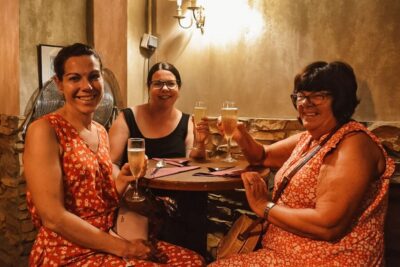
Barcelona: Tapas Walking Tour with Food, Wine, and History
Read our review →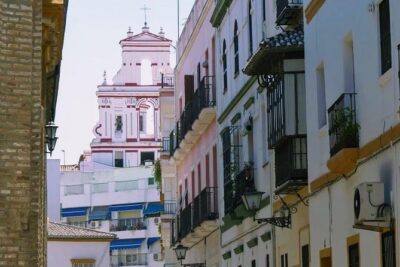
Sevilla Food Tour: Tapas, Wine, History & Traditions
Read our review →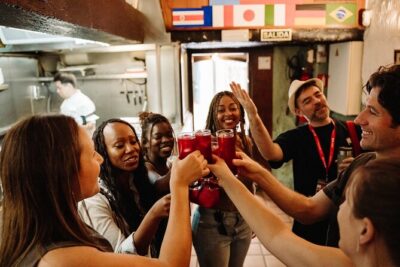
Madrid Tapas & Taverns Small Group Food & History Tour
Read our review →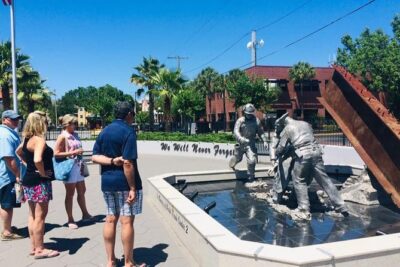
Barcelona Tapas Walking Tour: Food, Wine & History
Read our review →

Boston Food & History: Pizza, North End & Freedom Trail
Read our review →Browse the lists this tour appears in