
Review · WINE TOURS
Rome: Pizza & Tiramisu Class with Free Flowing Fine Wine
Making pizza in Rome is more satisfying than simply ordering another slice. You work the dough, spread the sauce, add your toppings, and then sit down to eat what you made. I like the small maximum of 12 people, which gives the chef a fair chance to help each person, and I like that the class includes tiramisu, wine, and soft drinks, not just a quick pizza lesson.
The main caution is the setting. This class takes place in the back of a working restaurant, so the room can feel lively or crowded when other diners arrive. The best sessions seem to depend heavily on the instructor, with names such as Julia, Mattia, Fiammy, Elena, and others appearing across the schedule.
Key points to know before booking
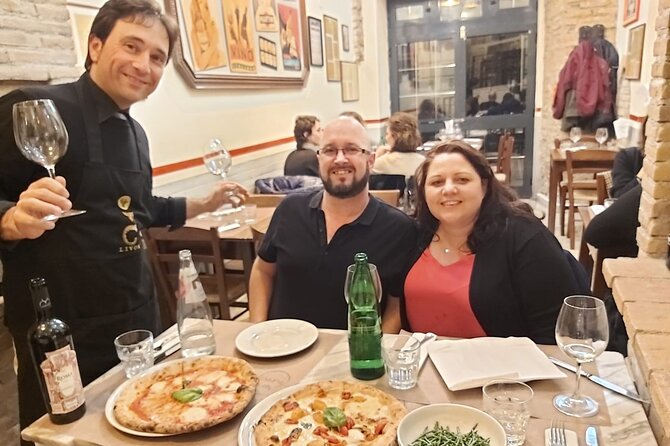
- You make two classic dishes: tiramisu usually comes first, followed by Roman-style pizza.
- The meal is included: Eat the pizza and tiramisu you prepare, with wine and soft drinks served during the class.
- The class is social: You cook at shared tables, making it a good choice for families, couples, and solo visitors.
- The group can reach 12 people: That is still manageable, but one instructor may be doing a lot of work.
- The restaurant setting is informal: You may be seated near regular diners, and noise can rise during busy periods.
- Food restrictions need care: Substitutions may be possible, but the class follows recipes containing gluten, dairy, and eggs, with no guarantee against cross-contamination.
A three-hour food break near Trevi Fountain
The class meets at La Panetteria Ristorante on Via della Panetteria, close to Rome’s central sights. That location makes it easy to pair with a morning visit to the Trevi Fountain or a walk through the historic center. One family booked the 10 a.m. session after stopping at Trevi Fountain, then had lunch ready around noon.
The advertised duration is about three hours. That gives you time to cook, ask questions, drink, eat, and talk with the people at your table. It is not a rushed demonstration where you watch a chef make one pizza and then leave.
You should allow some flexibility, especially for an evening booking. One session reportedly ran from about 6:30 p.m. until 10:30 p.m. That is longer than the stated duration, so do not schedule a tight dinner reservation afterward.
The start and finish are at the same restaurant. There is no tour vehicle, and you make your own way there. The venue is near public transportation, but the supplied information does not specify a particular bus or Metro stop, so check the route from your hotel before setting out.
More Pizza and Pasta Tours in Rome
- Rome: Food Tour and Wine Tasting in a Traditional Trattoria
★ 4.7 · 962 reviews - Rome: Pizza Making Class Small Group Experience
★ 5.0 · 487 reviews - Rome Food Tour: Trastevere Aperitivo, Wine & Pasta Dinner
★ 4.7 · 113 reviews
First comes tiramisu, then the pizza
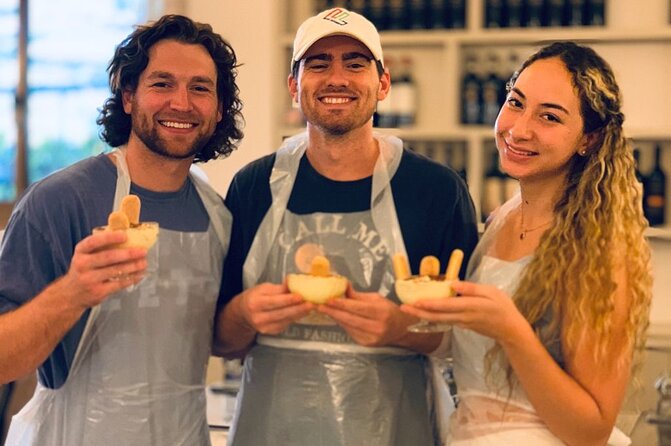
The usual order begins with tiramisu. This is a smart arrangement because the dessert can rest while you work on the main course. You prepare the components, assemble the dessert, and set it aside before turning to the dough.
For many people, tiramisu is the easier part of the class. You get a clear introduction to the ingredients and steps, but the hands-on work is still enough to make the dessert feel like your own. Children can take part, and the class has worked well for groups ranging from school-age children to older adults.
The food restrictions here matter. Traditional tiramisu uses eggs and dairy, and the class also works with gluten. Substitutions may be offered for allergies or preferences, but the teaching remains focused on the standard recipe. The kitchen cannot guarantee complete protection from cross-contamination.
If you have an egg, gluten, or dairy allergy, this is not a carefree choice. The same warning applies to vegans and anyone with lactose intolerance. Ask about your needs before booking, rather than assuming a substitute will make the entire session suitable.
Learning the feel of Roman pizza dough
After dessert, the focus shifts to pizza. You work with artisanal ingredients and learn the basic process for making Roman-style pizza. The useful part is not simply learning which ingredients to place on top. You get a feel for dough, which is often the hardest thing for a home cook to judge from a printed recipe.
The class includes an introduction to local ingredients and traditional cooking methods. The supplied details do not promise a long lecture on Italian food culture, so think of this as a practical kitchen lesson rather than a formal culinary school course.
Your chef may help with the texture of the dough, shaping, topping, and preparation for baking. The exact balance of demonstration and hands-on work can vary by instructor. Julia, Mattia, Fiammy, Elena, Giulia, and others have led sessions, and the strongest descriptions emphasize patience, clear answers, and individual coaching.
One useful lesson from the class is that pizza is not always as easy as it looks. The dough needs handling, and getting the right feel takes practice. That small struggle is part of the fun. You leave with a better sense of why a good pizza base depends on more than sauce and cheese.
The sauce may already be prepared. That keeps the class moving, but it also means you should not expect to make every component from the beginning. If you want a full lesson in sauce preparation, ask before booking.
Eating what you make with wine at the table
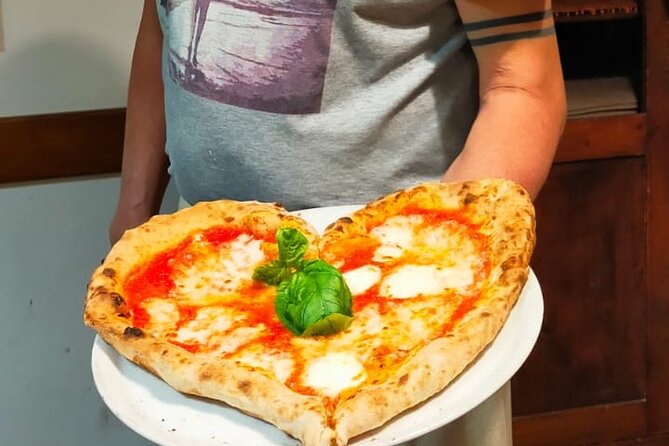
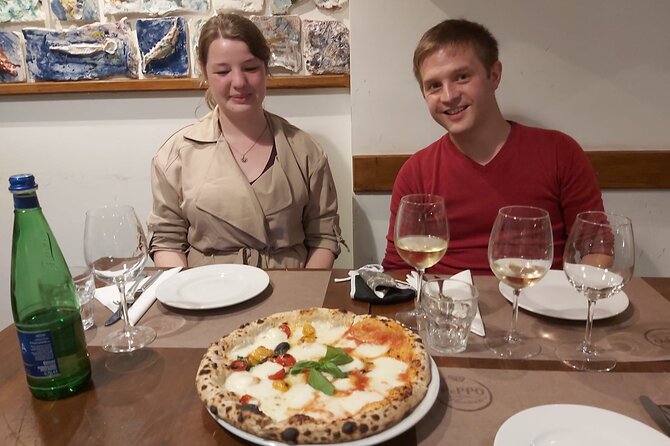
The reward comes at the end, when you eat the pizza and tiramisu you prepared. Lunch or dinner is included, along with wine and soft drinks. The wine is presented as free flowing, and it is topped up regularly in some sessions.
That can make the class feel like a long Italian meal rather than a technical workshop. You cook, sit, talk, and eat. Solo visitors can meet people at the shared table, while families get a relaxed activity that everyone can do together.
Still, keep the wine service in perspective. One person felt there could have been more wine, while another described the supply as ample. The amount may vary with the pace of the class and the person serving. It is also worth keeping an eye on children and anyone who does not drink, since a long session with regular refills can change the mood of the room.
The finished food is generally the point of the class, not a separate restaurant meal. You are eating what you made, so the result can vary slightly with your group’s cooking. That gives the meal a personal quality, but it also means you should not expect a chef-prepared tasting menu.
More Wine Tours in Italy
- Rome Food Tour: Unlimited Tastings with Fine Wine & Barolo
★ 5.0 · 3,365 reviews - Rome: Guided Food Walking Tour with Wine in Trastevere
★ 4.9 · 3,105 reviews - Rome: Trastevere Food tour with Free-Flowing Fine Wine
★ 5.0 · 2,853 reviews - Rome: Gourmet Food Tour with Dinner & Barolo Wine
★ 4.9 · 2,347 reviews
What the restaurant setting is really like
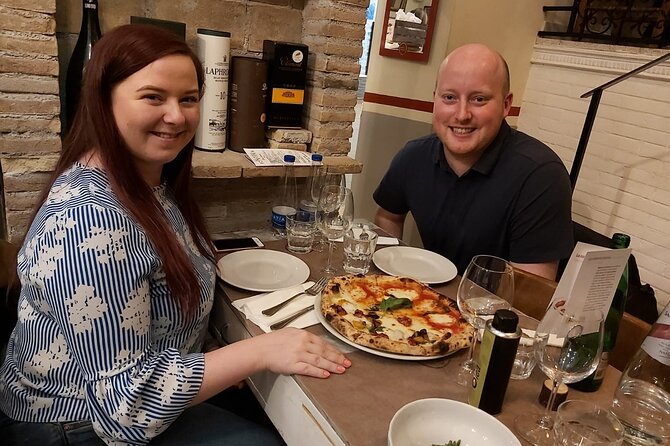
La Panetteria Ristorante is a working restaurant, and the class uses part of its back dining area. This gives the lesson a real restaurant feel, but it also creates the main weakness of the experience.
During quieter periods, the arrangement can feel private and comfortable. A family of four once found itself alone in the class, with the back room becoming calmer between the lunch and dinner periods. That setup allowed plenty of personal attention and family conversation.
At busier times, other diners may sit only a few feet away. A large party or tour group can arrive halfway through the class, making it harder to hear the instructor. You may also find diners watching or taking pictures of the cooking activity.
This is not necessarily a problem if you want a lively, informal Rome evening. It is a drawback if you expect a quiet cooking studio with polished workstations and a dedicated teaching kitchen. I would choose a daytime session if you prefer a calmer room, though the exact crowd level can change.
The class may also place a lot of responsibility on one person. The instructor might teach, answer questions, refill wine, serve food, clear plates, and clean up. Several sessions have been praised for handling this well, especially when the teacher kept the group involved and moving. A less experienced instructor could make the start feel disorganized.
The instructors shape the whole experience
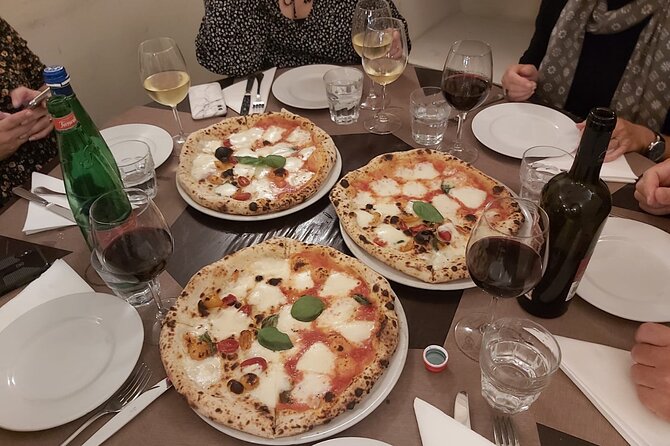
The most important variable is likely to be the chef or teacher on duty. Julia has been praised for her energy, patience, and personal coaching. Mattia has been described as friendly, polite, and able to manage a full group while keeping people involved. Fiammy has been praised for her English, cooking tips, and ability to keep the mood light.
Other instructors named in the supplied information include Elena, Mia, Thiara, Irene, Chiara, and Giulia. The details indicate that the teaching team can change, so you should not book solely for one specific person unless the provider confirms who will lead your date.
The English-language format is useful for visitors who want to ask questions as they work. Some instructors also share recipes or cooking tips for home use. Do not assume you will automatically receive every recipe in writing, though. One person had to follow up repeatedly for the pizza dough recipe.
I suggest keeping a few notes on your phone during the class, even if the instructor says you do not need to write things down. Focus on dough texture, ingredient amounts, and timing. Those are the details most likely to help when you try the recipes at home.
Is $47.16 a good price?
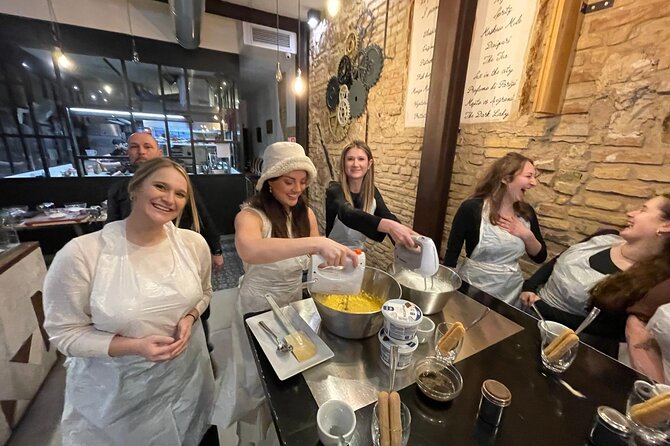
At $47.16 per person, this is good value if you want a meal and a social activity in one booking. You receive roughly three hours of instruction, two dishes, wine, soft drinks, and the chance to eat what you prepare. A standard restaurant meal would not give you the cooking lesson or the shared activity.
The price is especially fair for families. Children can take part, and the food is familiar enough to keep younger participants interested. The class has suited groups with children around nine and eleven, teenagers, couples, and adults across a wide age range.
The value is less clear if your main goal is serious culinary training. The class takes place in a restaurant dining area, not a specialist school, and the level of explanation can depend on the instructor. You are paying for a fun Roman food activity with practical cooking, not a professional qualification or advanced dough workshop.
A class size of up to 12 is small enough for questions, but a full group can feel different from a private lesson. If only four people book, you might receive much more individual attention. If all 12 places are filled, expect a more shared experience.
Who should book this Roman cooking class?
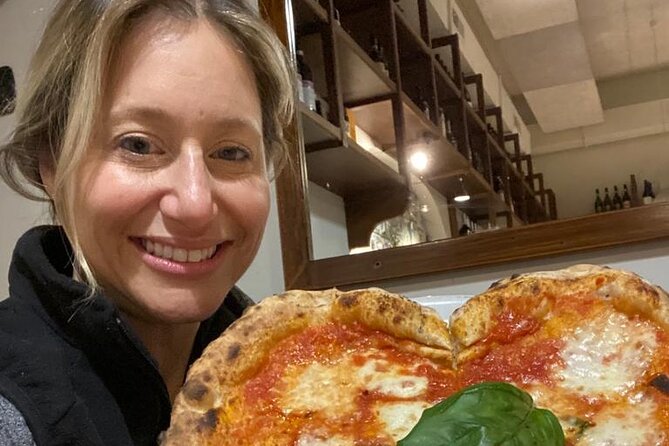
I would recommend it to families who want an activity beyond monuments and museums. Pizza and tiramisu offer an easy entry point, and the process gives children something concrete to do. It also works well for couples looking for a relaxed date activity and solo visitors who enjoy meeting people over food.
It suits you if you like informal group settings, do not mind a restaurant atmosphere, and want to eat lunch or dinner during the class. It is also useful for a first introduction to Italian cooking because you learn two familiar dishes rather than an unfamiliar menu.
I would hesitate if you need strict allergy control, want a silent teaching kitchen, or have an important appointment immediately afterward. The traditional recipes contain gluten, dairy, and eggs, and cross-contamination cannot be ruled out.
Book at least a day ahead if your plans are firm, since cancellation is free only until 24 hours before the start time. The activity is often reserved well in advance, so popular morning or evening slots may not remain open close to your visit.
The final call: book it for fun, not perfection
Book this class if you want to make Roman pizza, prepare tiramisu, drink wine, and share a meal with other people in central Rome. The combination of hands-on work, included food, and friendly instructors makes it a strong choice for families, couples, and solo visitors.
Go in expecting an informal restaurant class, not a polished culinary studio. The room may be noisy, the instructor may be managing several jobs at once, and the evening could run long. With those limits in mind, the $47.16 price offers a pleasant and memorable way to spend part of a Roman day.
FAQ
Where does the pizza and tiramisu class meet?
The class starts and ends at La Panetteria Ristorante, Via della Panetteria, 13a/14, 00187 Rome, Italy.
How long does the class last?
The stated duration is approximately three hours. One evening session took longer, so allow extra time if you have plans afterward.
What food will I make?
You will prepare tiramisu and authentic Italian pizza, including Roman-style pizza.
Is a meal included?
Yes. The pizza and drinks are included, and you eat the food prepared during the class. Wine and soft drinks are served.
Is the class taught in English?
Yes. The experience is offered in English.
How many people can join the class?
The maximum group size is 12 people.
Can I join if I have a food allergy or dietary restriction?
Substitutions may be offered for allergies or preferences, but the traditional instruction uses gluten, dairy, and eggs. Cross-contamination cannot be guaranteed against. The class is not recommended for egg allergies, vegans, lactose intolerance, or gluten intolerance or allergy.
Can I cancel for a refund?
You can cancel up to 24 hours before the start time for a full refund. Cancellations or changes made less than 24 hours before the experience are not accepted for a refund.
More hands-on workshops in Rome
- Rome: Hands-On Pizza Making Class near the Vatican with Wine
★ 4.8 · 102 reviews - Rome: Pizza Making Cooking Class With Spritz Cocktails
★ 4.9 · 61 reviews - Rome: Pizza Making Class with Gelato & Drinks Included
★ 4.8 · 23 reviews - Sushi Making Tokyo Roll and Authentic Japanese Sushi Class
★ 5.0 · 3,971 reviews
More Wine Tours in Rome
- Rome: Award Winning Trastevere Group Food Tour with Wine
★ 5.0 · 2,273 reviews - Rome by Night – Ebike Small Group Tour – Food and Wine (Option)
★ 5.0 · 1,275 reviews - Rome by Night: E-bike Small Group Tour -Food & Wine (Option)
★ 4.9 · 1,233 reviews - Rome Food Tour: Hidden Gems of Trastevere with Dinner & Wine
★ 5.0 · 1,166 reviews
New food tours we have reviewed in Rome
- Rome: 3-Hour Guided Food Tour with Tastings★ 4.9 · 41 reviews
- Rome: Vatican Street Food and Wine Tour with Farmers Market★ 5.0 · 37 reviews
- Rome: Vegan Street Food Tour with Local Guide★ 5.0 · 37 reviews
- Rome Trastevere Walking Food Tour★ 4.8 · 97 reviews
- Rome: Trionfale and Prati Food and Wine Tasting Tour★ 4.8 · 115 reviews
- Rome: Trastevere & Tiber Island Street Food Tour at Sunset★ 4.9 · 71 reviews
- Rome: Trastevere Quarter Street Food Tour with Sightseeing★ 4.9 · 21 reviews
- Rome: The Ultimate Trastevere Food Tour with a Local★ 4.9 · 114 reviews
Wine Tours, compared.
Montserrat Half-Day Tour with Tapas and Gourmet Wines
Read our review →
Winner 2025 Undiscovered Lisbon Food & Wine Tour by Eating Europe
Read our review →
From Porto: 2 Wine Regions, Farm-to-Table Lunch & Boat
Read our review →
Winner 2025 Florence Sunset Food & Wine Tour by Eating Europe
Read our review →
Authentic Parisian Gourmet Food Tour with 10 Local Dishes & Wines
Read our review →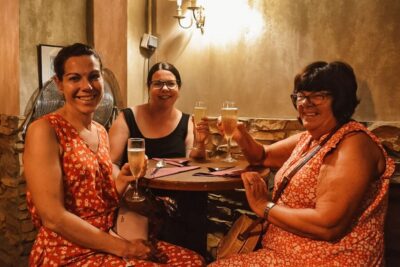
Barcelona: Tapas Walking Tour with Food, Wine, and History
Read our review →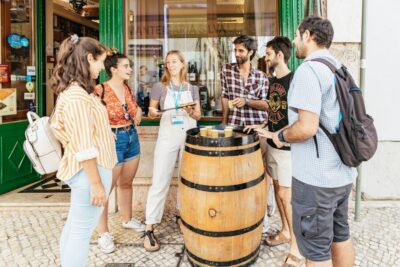
Lisbon: Food and Wine Small Group Walking Tour
Read our review →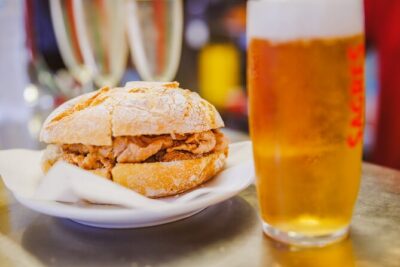
Lisbon Small-Group Portuguese Food and Wine Tour
Read our review →Browse the lists this tour appears in