
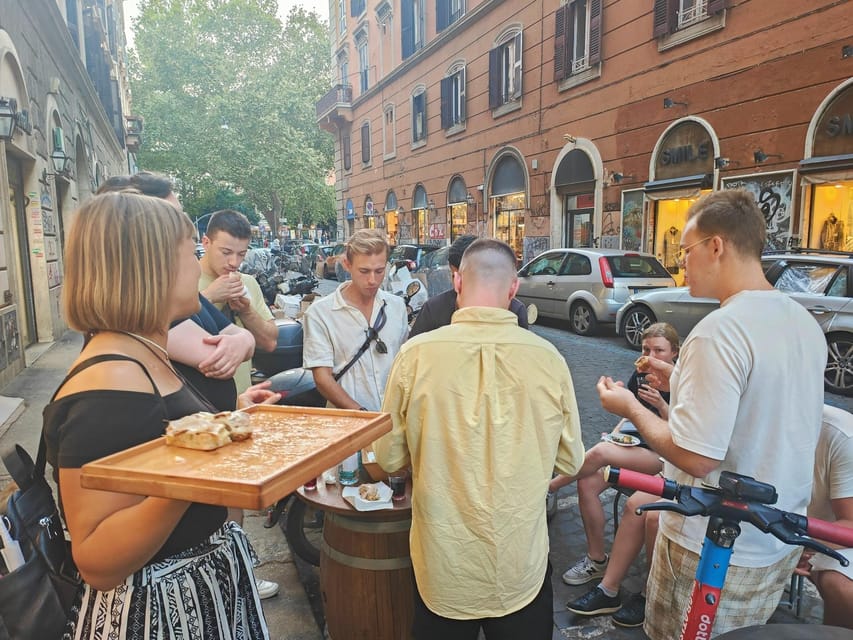
Review · STREET FOOD TOURS
Rome: Trastevere & Campo de Fiori Street Food Walking Tour
Rome’s best food lessons often happen standing at a counter, napkin in hand. This tour links Campo de’ Fiori and Trastevere through a satisfying run of pizza, supplì, sandwiches, gelato, and other Roman bites. I like the mix of food and street-level history, especially the look at Santa Maria in Trastevere and the walk across Ponte Sisto.
I also like that the guides make the tour useful beyond its 2.5 hours. Daniele, Alessandra, Leonardo, Fiammetta, and several other guides are praised for humor, local insight, and practical restaurant advice. The main catch is that vegans and people with gluten intolerance cannot be accommodated, and the exact food stops can change with the season or local holidays.
Key points to know
- Roman classics in generous portions: Expect food such as pizza, supplì, porchetta, sandwiches, maritozzo, and gelato, though the exact selection can change.
- A useful route across central Rome: The walk connects Campo de’ Fiori, Ponte Sisto, Piazza Trilussa, and Trastevere without using transport.
- History with your lunch: Santa Maria in Trastevere, Piazza Farnese, and the streets around the Tiber give the food a strong sense of place.
- Small groups help: The maximum group size is 14, with private options also available.
- Best booked early in your stay: Guides regularly share restaurant and sightseeing tips that can shape the rest of your Rome visit.
- Vegetarians can ask for help: Vegetarian diets are supported, but vegan and gluten-free needs are not.
Why this food walk works in Rome
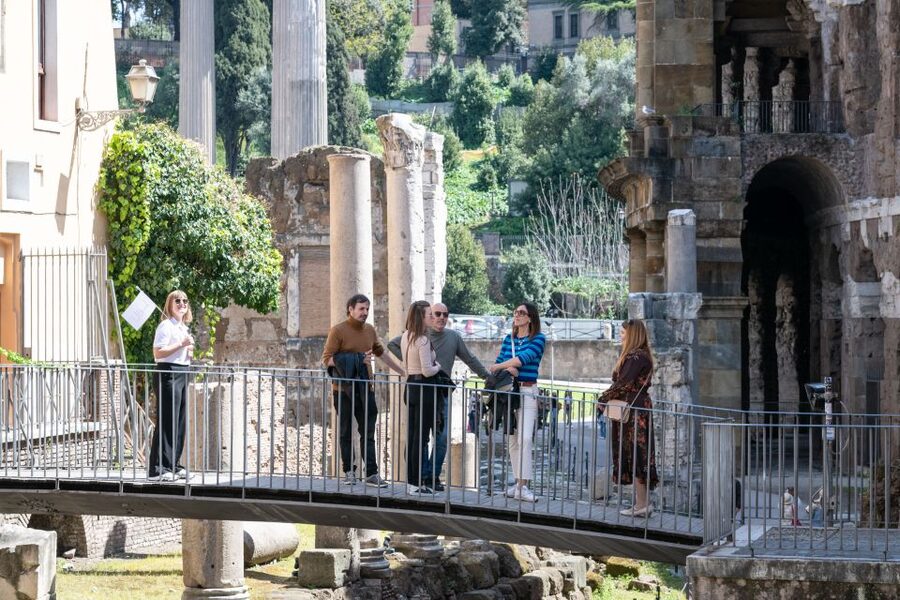
At $51 per person, this is not the cheapest way to eat lunch in Rome. It is a good price if you want several tastings, a licensed guide, neighborhood orientation, and a full meal’s worth of food in one outing.
You are paying for more than a list of snacks. The guide explains what you are eating, where the traditions come from, and how Roman food fits into daily life. That matters in Rome, where a fried rice ball or a slice of pizza can look simple until someone explains why locals eat it, how it is made, and which version belongs to the city.
The tour lasts 2.5 hours and covers a fair amount of ground. It is not a formal restaurant meal with long pauses. You walk, stop, taste, listen, and walk again. I would think of it as a moving introduction to two of Rome’s most enjoyable neighborhoods.
The group limit of 14 is another reason the price makes sense. You should have enough space to ask questions without the slow pace of a very large tour. Private and small-group options are available if you want more control over the experience.
More Food Walking Tours in Italy
- Rome: Guided Food Walking Tour with Wine in Trastevere
★ 4.9 · 3,105 reviews - Rome: Trastevere Street Food Walking Tour with Local Expert
★ 4.8 · 1,784 reviews - Rome: Trastevere and Jewish Ghetto Street Food Walking Tour
★ 4.8 · 142 reviews
Starting beside the fountain in Piazza San Simeone
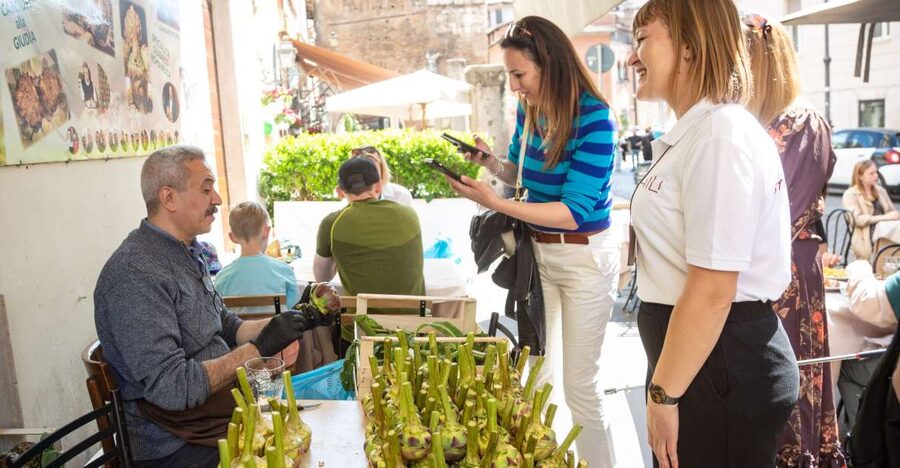
The meeting point is the fountain in the middle of Piazza San Simeone. This is a practical start because you begin in a compact square rather than beside a major traffic road or a confusing transit hub.
From here, the route passes the Chiostro del Bramante before reaching the first food stop. You do not spend a long time inside the cloister on this tour, but the brief pass helps set the tone: Rome is full of important art and architecture tucked between ordinary streets, bakeries, bars, and shops.
The first tasting takes place at a local restaurant and lasts about 15 minutes. Food is included, while drinks are not. The stop is short, so expect a focused tasting rather than a relaxed sit-down meal.
That format keeps the walk moving. It also means you should arrive ready to eat promptly and listen while standing or sharing food with the group.
Supplì, Roman pizza, and the stories behind them
The early part of the walk introduces the basic Roman street-food vocabulary. The selection can vary, but the planned tastings include classics such as crispy Roman-style pizza and supplì, the fried rice ball often filled with tomato and cheese.
Supplì is especially useful for understanding Roman food culture. It is humble, portable, filling, and made for eating without ceremony. You may also encounter other local specialties at the stops, including mortadella or porchetta, both mentioned among the foods served on recent tours.
The food is not presented as a museum display. You eat it while the guide talks about the neighborhood, the vendors, and the people who have worked there for generations. That connection between the bite and the place is one of the tour’s strongest features.
One bakery stop is associated with Roman-style pizza and has been operating since 1870. The attraction is not only its age. Roman pizza is typically thinner and crunchier than the soft, airy style many people associate with Naples. This is a chance to compare the texture and learn why it belongs to Rome’s own food identity.
The second tasting stop is described as a secret stop, with another 15 minutes for street food and regional specialties. The name may be withheld in advance, but the purpose is clear: you are being taken to a local place rather than simply following the most obvious tourist route.
Exact tastings are not guaranteed. Seasonal supply, business schedules, and local holidays can change the stops. That flexibility is worth accepting, since it allows the guide to work with what is fresh and open rather than forcing one fixed menu all year.
Campo de’ Fiori is more than a photo stop
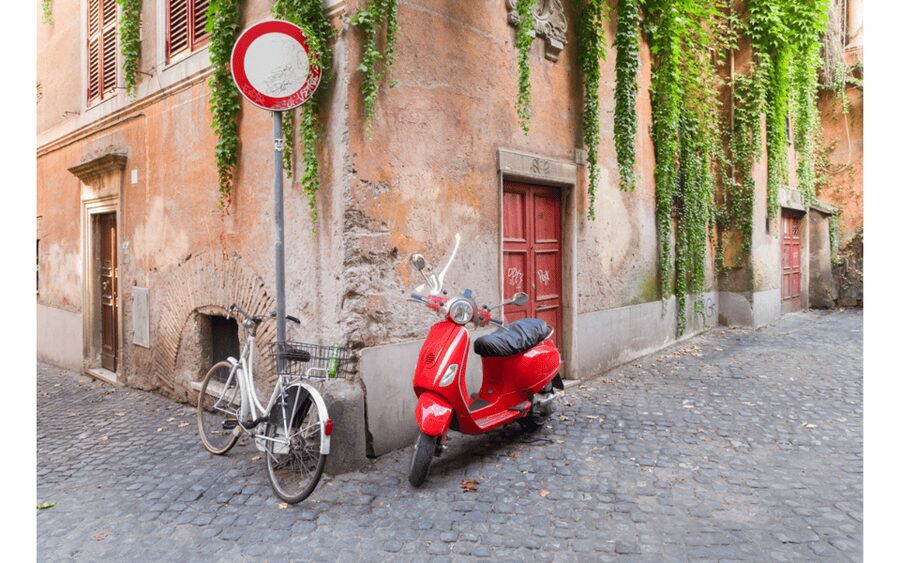
The route reaches Campo de’ Fiori for a 25-minute market visit. This is the longest single sightseeing pause on the walk, and it gives you time to look around instead of rushing through with food in your hand.
Campo de’ Fiori is one of central Rome’s best-known outdoor market areas. The visit helps you see ingredients and local commerce in the same setting where many Roman food traditions begin. You can ask the guide what to look for, which products make sense to buy, and which foods are better enjoyed at a prepared-food stop.
The market can be lively and crowded, especially at popular times. Keep your group together and pay attention to the guide’s meeting instructions. This is also a place where expectations matter. It is a central market in a heavily visited part of Rome, not a quiet village market untouched by tourism.
The guide’s advice can make the stop more useful. Rather than simply pointing out stalls, the tour aims to explain how Roman food is bought, prepared, and served. You may not have time to shop extensively, so treat the visit mainly as a lesson in the city’s ingredients and food habits.
More Food Walking Tours in Rome
- Rome Trastevere Walking Food Tour
★ 4.8 · 97 reviews - Rome: Trastevere Food Walking Tour with Beer and Wine
★ 4.9 · 71 reviews
Piazza Farnese and the walk toward Ponte Sisto
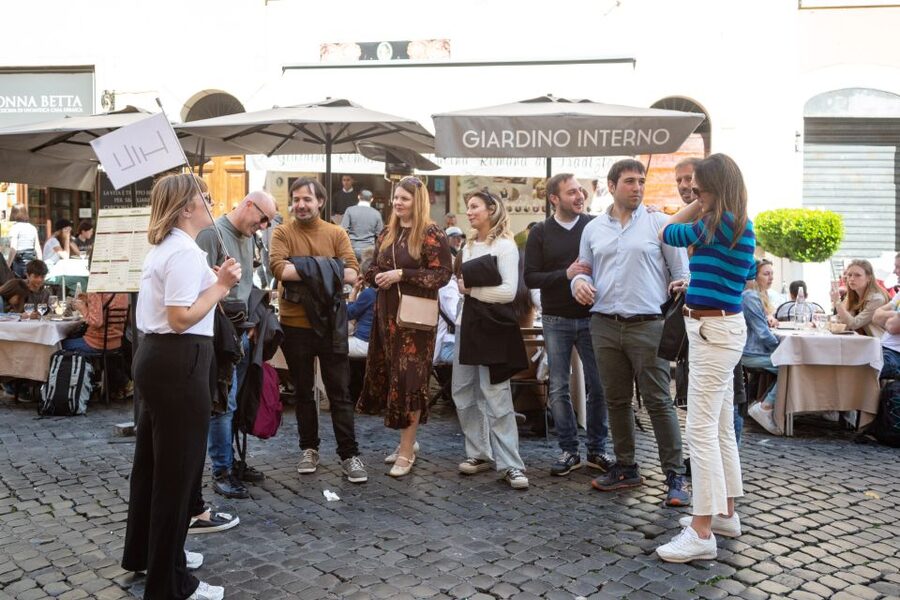
After Campo de’ Fiori, you pass through Piazza Farnese. The square is a natural bridge between the market and the river, giving the tour another architectural pause without turning into a full sightseeing lecture.
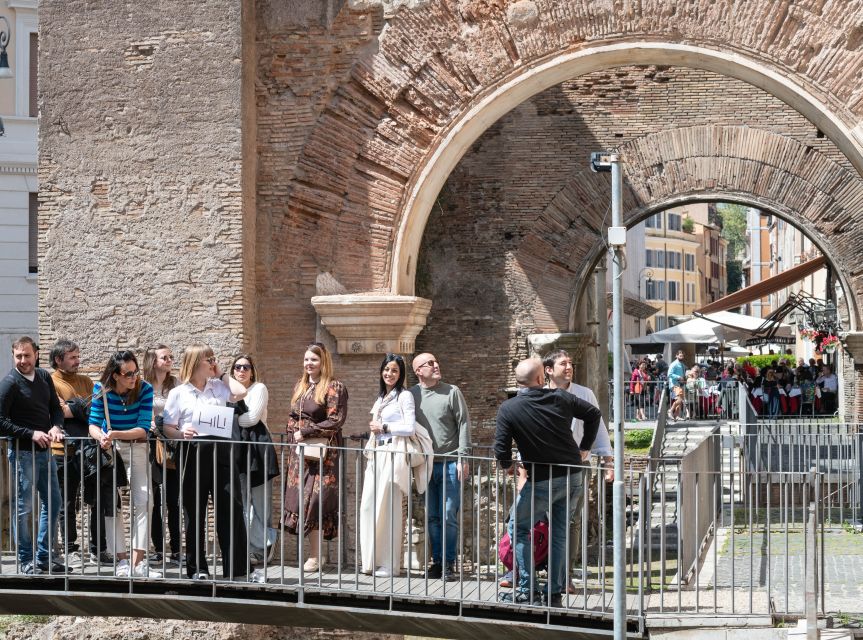
The walk then continues for about 10 minutes toward Ponte Sisto. This is one of the most pleasant parts of the route because you get a change of pace after the market. The bridge provides views along the Tiber and a clear sense of moving from the historic center into Trastevere.
You will want comfortable shoes. The total route includes repeated walking sections of three, five, and ten minutes, plus the time spent moving between tastings. Rome’s paving can be uneven, and the food is more enjoyable when you are not worrying about sore feet.
Ponte Sisto also helps explain Trastevere’s appeal. The neighborhood is across the Tiber, yet it is close enough to reach on foot from Campo de’ Fiori. You get a useful orientation to the city rather than being delivered directly to a restaurant by vehicle.
Piazza Trilussa and Trastevere after dark
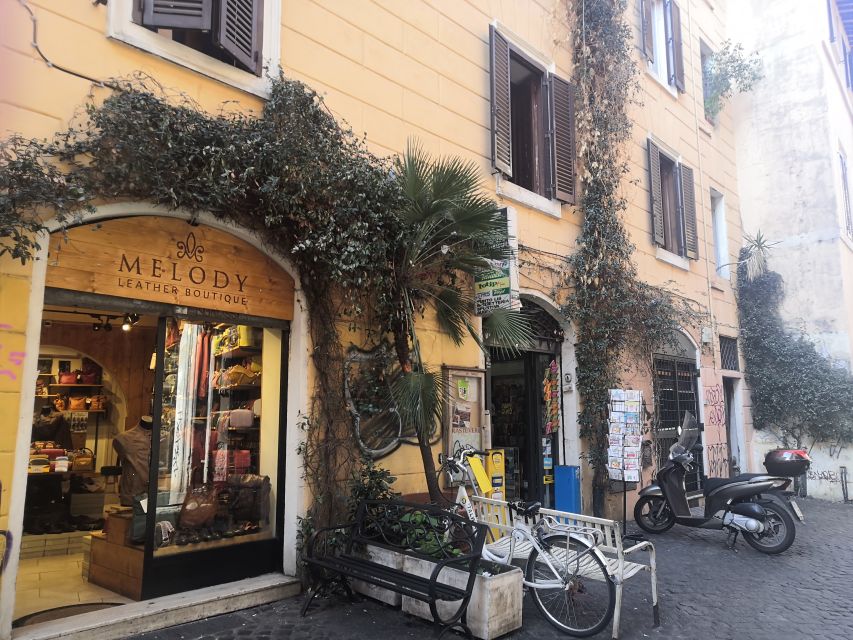
The route continues past Piazza Trilussa, a popular gathering point near the Trastevere side of the river. The square gives you a quick look at the social energy of the neighborhood before the next tasting.
Trastevere is known for local restaurants, wine shops, small hangouts, and narrow streets. The area has plenty of tourist traffic, but it still rewards a guide who knows which businesses have served the neighborhood for years.
The third food stop lasts about 15 minutes at another local restaurant. Depending on the day, this is where you might try a traditional Roman sandwich, porchetta, mortadella, or another savory specialty. The experience is designed around sharing, so you are likely to taste several things without ordering a full dish for yourself.
Past food tours can be difficult for people with strong preferences because the menu is not entirely fixed. If you eat meat, cheese, and gluten, you should have the widest choice. Vegetarians should tell the provider in advance so alternatives can be arranged.
The tour is not suitable for vegans or people with gluten intolerance. That limitation is important, since pizza, fried foods, bread, and sandwiches are central to the experience. Vegetarian support is available, but you should not assume every stop will offer a large separate menu.
Santa Maria in Trastevere adds the cultural layer
The tour also explores the history of Santa Maria in Trastevere, one of the neighborhood’s major landmarks. Its ancient Byzantine-style design gives the walk a welcome change from food talk.
This stop matters because Roman cuisine makes more sense when you see the layers around it. Trastevere is not only a collection of restaurants. It is a historic neighborhood shaped by religious buildings, river crossings, markets, workshops, and ordinary Roman life.
The guide’s approach seems to vary by personality. Daniele is described as a Rome-born archaeologist who uses images and videos to explain the city. Other guides, including Alessandra, Leonardo, Fiammetta, Simone, and Caterina, are praised for warmth, humor, and clear explanations.
You should not expect the same style on every departure. That is normal for a tour with several guides. The consistent aim is a mix of local food, neighborhood history, and advice you can use during the rest of your stay.
Finishing with gelato at Gelateria Regusto
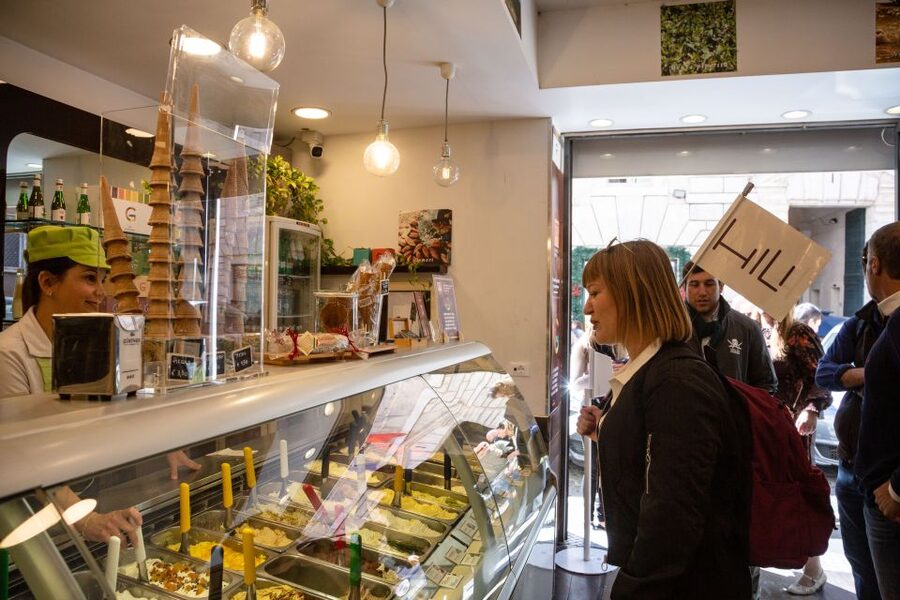
The final tasting comes at Gelateria Regusto and lasts about 15 minutes. Gelato is a smart ending because it gives the group something sweet after the savory food and provides a relaxed final stop.
The tour describes this as artisanal gelato at a local bar. You may have a chance to choose a flavor or ask the guide for a recommendation, but the exact serving and selection can change. Food is included, while drinks are not, so do not assume that a coffee, wine, or soft drink is part of the price.
The finish is at Piazza di San Giovanni della Malva. That puts you inside Trastevere, where you can continue eating, drinking, or exploring on your own. Ask your guide for specific suggestions before saying goodbye. Restaurant recommendations are one of the most useful extras of this tour, especially if you have booked it near the beginning of your trip.
Several guides are praised for remembering names, helping families, and keeping groups involved. That personal touch matters at the end, when you can ask a direct question about dinner rather than searching blindly through a long list of restaurants.
How much food should you expect?
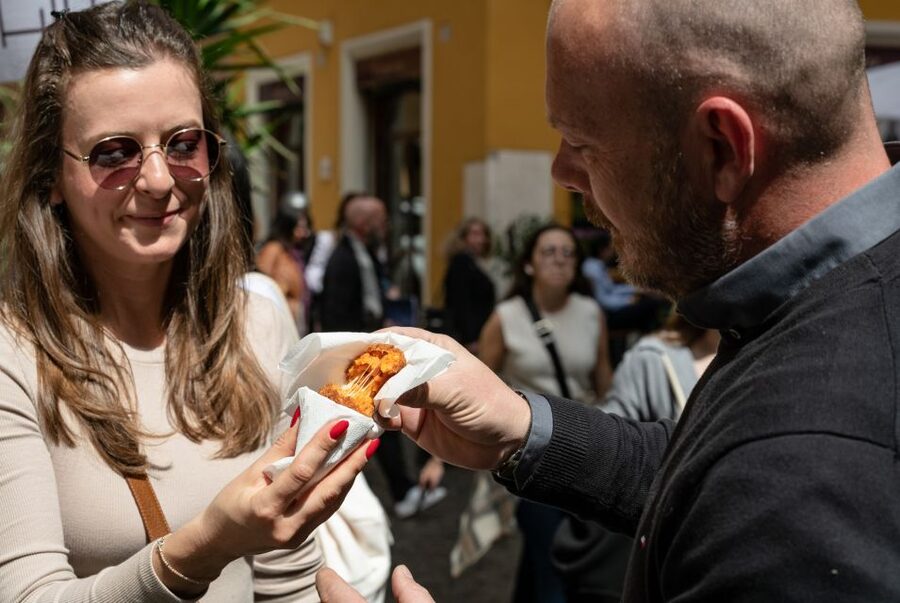
You should arrive hungry. The food is described as generous, and the tastings can add up to a full meal. Common examples include pizza, supplì, a Roman sandwich, gelato, porchetta, maritozzo, and wine or another drink at some departures, although drinks are officially not included.
Do not plan an elaborate dinner immediately afterward. A light evening meal may be enough, depending on your appetite and the actual menu that day.
The generous portions are good value at $51, but they may be too much for someone who prefers small samples. The tour is better for people who want to taste several Roman staples and learn how they fit together.
The food also comes in different forms. You are not simply eating the same pasta dish at four restaurants. The route offers fried food, baked food, cured or roasted meat, bread, and dessert. That variety is one of the clearest reasons to choose a street-food walk over a single restaurant meal.
Who should book this 2.5-hour walk?
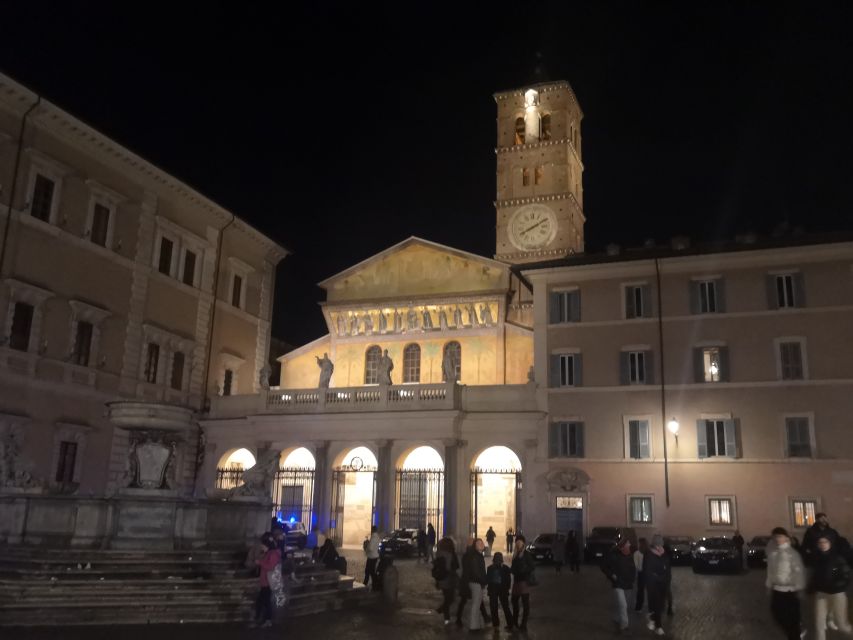
I would recommend it to first-time visitors who want to get their bearings quickly. The route covers central Rome, the river crossing, Campo de’ Fiori, and Trastevere, while the guide points out places you can return to later.
It also suits repeat visitors. One person who had visited Rome several times still found the food walk fresh because it reached local food stops and added a different way to understand the city.
Families can do well here if children enjoy trying small portions and walking between stops. One guide was specifically praised for working well with young children, while another helped accommodate a fussy eater. Still, the food is shared and the pace is active, so this is not ideal for children who need a fixed meal or frequent rests.
Couples, solo visitors, and friends will benefit from the social setup. The group shares food and conversation, which makes it easy to meet people without the forced feeling of a formal group dinner.
You should skip it if you are vegan, gluten intolerant, or looking for a quiet seated meal. You may also prefer another format if you want a fixed menu, precise restaurant names in advance, or a tour focused only on monuments.
The tour is offered in English and Portuguese. Dietary needs and allergies should be reported when booking. Vegetarian options are supported, but the provider specifically excludes vegan and gluten-free participants.
Cancellation is free up to 24 hours before the start, and you can reserve now and pay later. Starting times vary, so check availability for the date you want.
Is the Trastevere and Campo de’ Fiori food tour worth booking?
I think this is a strong first or second-day activity in Rome. You get a filling introduction to Roman food, a manageable walk through two central neighborhoods, a look at Santa Maria in Trastevere, and advice that can improve the rest of your trip.
The biggest value comes from the guides. Daniele is repeatedly praised for combining archaeology, jokes, and Roman pride, while Alessandra, Leonardo, Fiammetta, and the other guides bring their own local style. The exact guide cannot be guaranteed, but the format gives you a good chance to learn where to eat next.
Book it if you want generous tastings and local context, not just a checklist of monuments. Skip it if your diet excludes gluten or animal products, or if you want a strictly planned menu.
For most omnivorous visitors who enjoy walking and arrive hungry, $51 is a fair price for a meal-sized tasting route with a guide who can help you eat better for the rest of your time in Rome.
FAQ
How long does the Rome food tour last?
The tour lasts 2.5 hours, including walking, food tastings, the Campo de’ Fiori market visit, and neighborhood sightseeing.
Where does the tour meet?
The guide meets you in Piazza San Simeone, next to the fountain in the middle of the square.
Where does the tour finish?
The tour finishes at Piazza di San Giovanni della Malva in Trastevere.
What food is included?
Food is included. Possible tastings include Roman pizza, supplì, sandwiches, gelato, porchetta, maritozzo, and other regional specialties. The exact selection can change with seasonal availability and local holidays.
Are drinks included?
No. Drinks are not included in the activity price.
Can people with dietary restrictions join?
Vegetarian options are supported, but the activity is not suitable for vegans or people with gluten intolerance. Tell the provider about allergies or dietary restrictions when booking.
More Street Food Tours in Rome
- Rome E-Bike Tour: Ultimate Street Food and Market Feast
★ 4.9 · 50 reviews - Rome: Vatican Street Food and Wine Tour with Farmers Market
★ 5.0 · 37 reviews - Rome: Vegan Street Food Tour with Local Guide
★ 5.0 · 37 reviews - Rome: Jewish Quarter and Campo de’ Fiori Street Food Tour
★ 4.8 · 36 reviews
More Street Food Tours in Italy
- Rome: Street Food Tour with Local Guide
★ 4.8 · 4,077 reviews - Rome Street Food Tour with Local Guide
★ 5.0 · 2,361 reviews - Hidden Rome: Small Group E-Bike Tour with Street Food Stops
★ 4.9 · 144 reviews - Rome: Trastevere & Tiber Island Street Food Tour at Sunset
★ 4.9 · 71 reviews
New food tours we have reviewed in Rome
- Rome: 3-Hour Guided Food Tour with Tastings★ 4.9 · 41 reviews
- Rome: Vatican Street Food and Wine Tour with Farmers Market★ 5.0 · 37 reviews
- Rome: Vegan Street Food Tour with Local Guide★ 5.0 · 37 reviews
- Rome Trastevere Walking Food Tour★ 4.8 · 97 reviews
- Rome: Trionfale and Prati Food and Wine Tasting Tour★ 4.8 · 115 reviews
- Rome: Trastevere & Tiber Island Street Food Tour at Sunset★ 4.9 · 71 reviews
- Rome: Trastevere Quarter Street Food Tour with Sightseeing★ 4.9 · 21 reviews
- Rome: The Ultimate Trastevere Food Tour with a Local★ 4.9 · 114 reviews
Street Food Tours, compared.
Dubai: Old Town, Creek, Museums, Souks, & Street Food Tour
Read our review →
Ho Chi Minh City Street Food Tour & Sightseeing By Motorbike
Read our review →
Dubai: Old Town, Souks, Street Food, Guided Tour & Abra Ride
Read our review →
Naples: Street Food Walking Tour with Local Guide
Read our review →
Small Group Hanoi Street Food Tour with a Real Foodie
Read our review →
Saigon By Night and Street Food By Motorbike | Opt: Ao Dai Riders
Read our review →
Private Street Food Tour by Motorbike/Car with Local Students
Read our review →Browse the lists this tour appears in