
Review · STREET FOOD TOURS
Street Food, Cultural & Historical Tour of 3 Ethnic Quarters
Singapore’s food culture makes the most sense when you see where the ingredients, people, and old neighborhoods fit together. This six-hour tour links Chinatown, Little India, and Kampong Glam, with market visits, hawker food, family-run eateries, and stories about the immigrant communities that shaped the city.
I like the way Gerry, a Singapore-born Chinese Peranakan guide, uses old photographs and personal stories to explain what you are seeing. I also like that public transport is part of the experience, not just a way to get from one stop to another. The main consideration is stamina: you will walk about 6,000 steps, spend much of the day on your feet, and sample foods that may not suit vegans or people with gluten intolerance.
Key points to know before booking
- Gerry’s family connection: His great grandparents arrived from Fujian, China, in 1910, giving his stories a personal link to Singapore’s Chinese community.
- Three distinct districts: The route covers Chinatown, Little India, and Kampong Glam, each with its own food, faith, markets, and built character.
- Food is part of the lesson: You sample local dishes and drinks at UNESCO-recognized hawker centres, markets, and family-run eateries, with some food listed in the Michelin Guide.
- Small group setting: The group is limited to eight people, making it easier to ask questions and follow Gerry through busy public places.
- Public transport included: Tickets are covered, and short rides connect the three areas in a practical way.
- Come hungry, but walk ready: Food and drink are included, yet comfortable shoes and loose clothing will serve you better than a large breakfast or heavy luggage.
Why this tour works as an introduction to Singapore
Singapore can feel polished and modern at first glance. Glass towers, spotless streets, and efficient trains tell only part of the story. This tour takes you into the older quarters, where food stalls, religious buildings, textile shops, wet markets, and old shophouses show how different communities built daily life here.
The structure is especially useful if you have limited time. Instead of spending a full day in one neighborhood, you see three of Singapore’s main ethnic settlements in a single outing. The British laid out these quarters in 1822, and each area still carries traces of the community that developed there, even as the city has changed around it.
Gerry’s role is important. He was born in Singapore six years after independence in 1965, and his family connection reaches back to Fujian immigrants who arrived in 1910. He also brings old images to the stops, which helps you compare past and present rather than simply hearing dates and names.
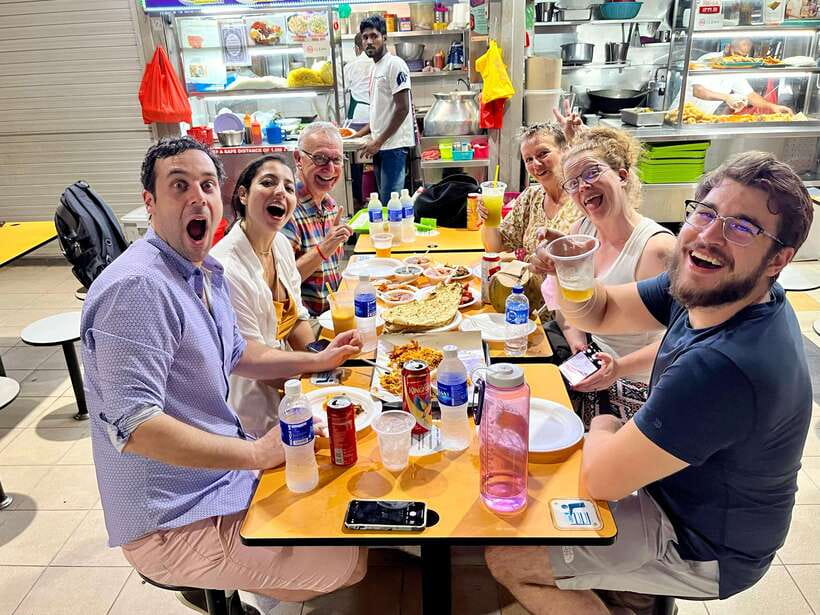
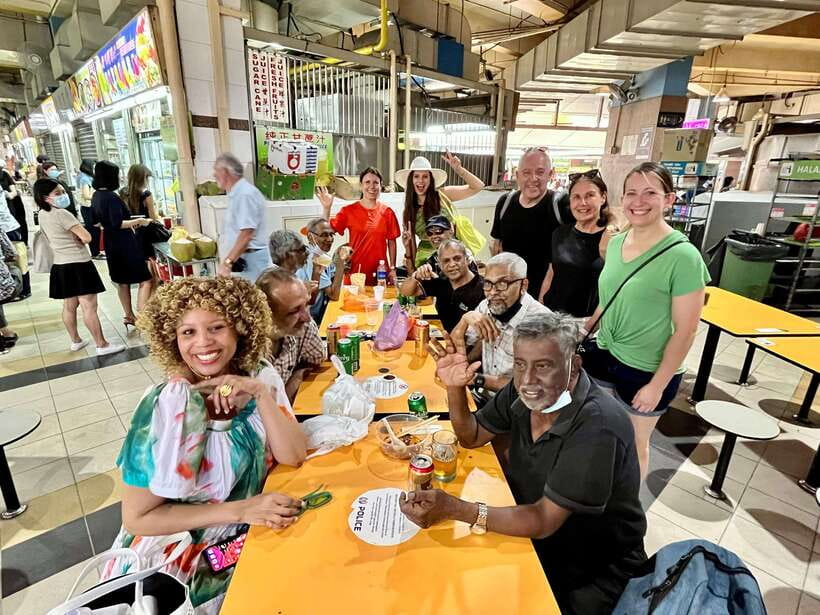
The tour is limited to eight people. That is a good size for a market and food walk. You can hear the guide, ask questions, and keep track of the group without the feel of a large coach excursion. Gerry’s humor is another part of the appeal. The tone appears to be friendly and conversational rather than formal, with plenty of room for questions.
More Street Food Tours in Singapore:
- Small Group: Michelin and Local Hawker Food Tour with 9 tastings
★ 5.0 · 1,890 reviews - Small Group: Singapore Street Food & Night Tour with 9 tastings
★ 5.0 · 1,240 reviews - Singapore: UNESCO Street Food & Cultural Experience
★ 5.0 · 524 reviews
Chinatown: food, faith, and difficult beginnings
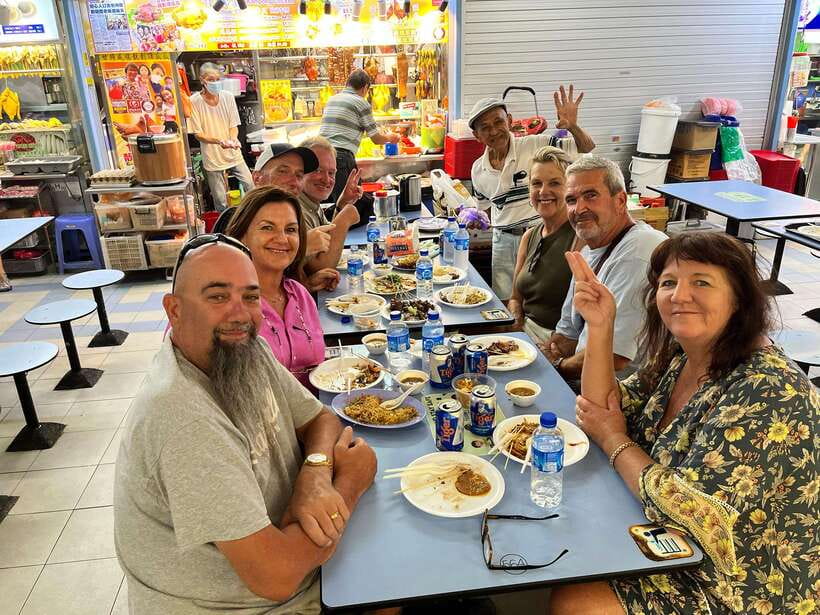
The Chinatown portion begins with local Chinese food and drink at a hawker centre. Singapore’s hawker centres are not just inexpensive places to eat. They are public dining rooms, workplaces, and meeting places where generations of residents have eaten side by side.
Some of the food stops include items recognized by the Michelin Guide. That does not mean a formal restaurant meal. You should expect the practical, quick-service style that makes hawker food so useful: a stall, a dish, a place to sit, and the chance to taste something you may not have ordered on your own.
Gerry connects the food to the people who prepare and sell it. You get a chance to know some hawkers, traders, and members of the local community, rather than treating Chinatown as a backdrop for photographs. That human contact gives the food more meaning.
The walk also includes a Buddhist temple and lively street market stalls. Along the way, Gerry covers subjects tied to the older quarter, including the Street of the Dead, red lanterns and private chambers, and opium dens. These are not decorative stories. They point to the hardships faced by early immigrants, including crowded living conditions, difficult work, and the social problems that grew around port life.
The Chinatown stop is listed at about one hour, though the whole experience also includes the time spent eating and moving through the area. Wear shoes that can handle uneven walking and standing. The streets and stalls are easy to enjoy at a slower pace, but you should not expect a quiet museum visit.
Little India: markets that explain the meal
A short public transport ride, about 10 minutes, takes you to Little India. The ride is part of the plan, and your ticket is included. Singapore’s public transport is clean and efficient, so this is a comfortable way to connect districts while seeing how residents move around the island.
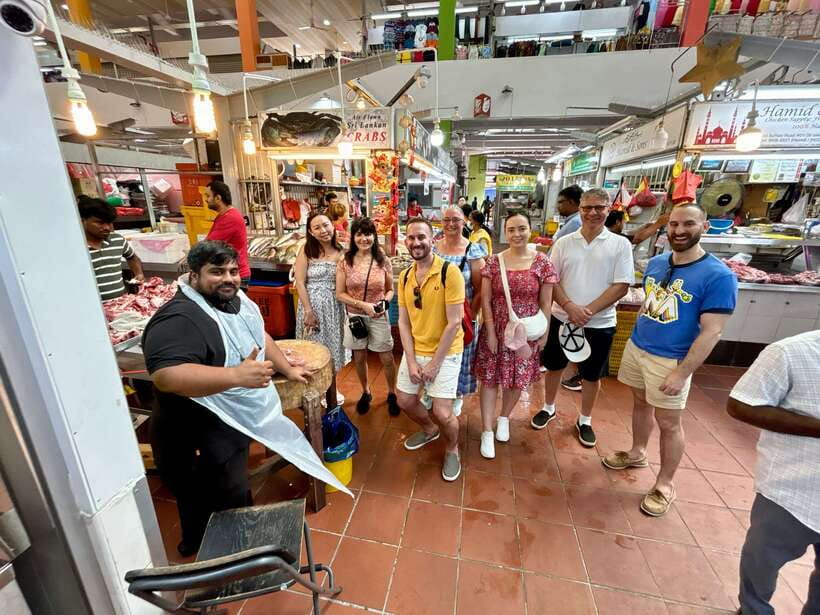
Little India brings a different set of sights and smells. The route includes a wet and dry produce market with seafood, meat, fruit, vegetables, and spices. These are useful stops because they show the ingredients behind the meal. Instead of seeing Indian food only on a plate, you see the raw materials, the market trade, and the clothing and street commerce that support the neighborhood.
You also visit an Indian clothing market and local stalls. This part of the tour may be the most sensory, with spices, produce, fabrics, and prepared food close together. If you enjoy markets, it gives you more than a quick pass through a shopping street. If you dislike strong smells or crowded trading areas, it is worth knowing that this is an active market visit, not a polished retail district.
The meal here includes local Indian and Malay food and drink at a family eatery. Beer, coffee, tea, snacks, and other refreshments may be part of the food spread during the day. The exact dishes can vary, so do not book this expecting a fixed restaurant menu.
I like this stop because it broadens the idea of Singaporean food. Singapore’s eating culture is not divided into neat national boxes. Chinese, Indian, Malay, and other traditions have influenced one another, and a food walk gives you a clearer sense of that mix than a single restaurant meal can.
If you have dietary restrictions, ask before booking. The experience is specifically not suitable for vegans or people with gluten intolerance. It is also not designed for people with a low level of fitness, back problems, vertigo, or mobility impairments.
Kampong Glam: textiles, street art, and a sweet finish
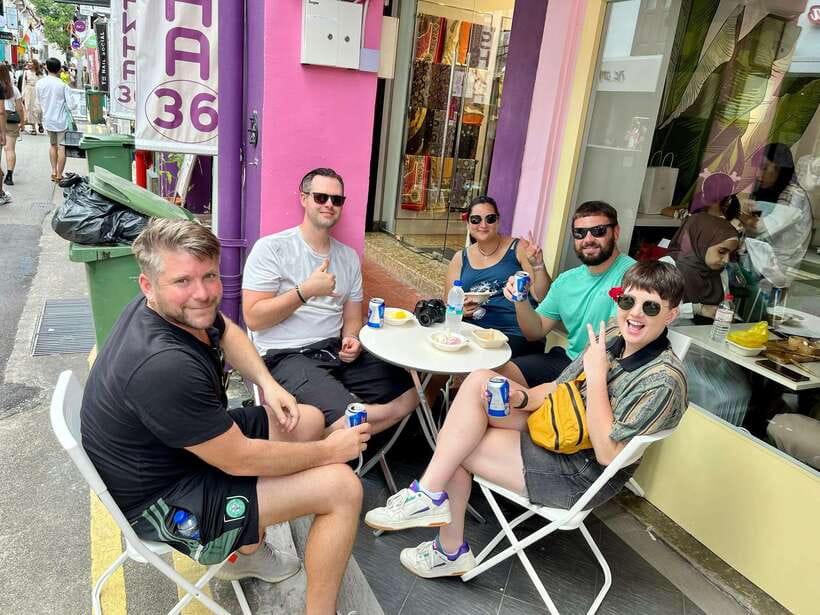
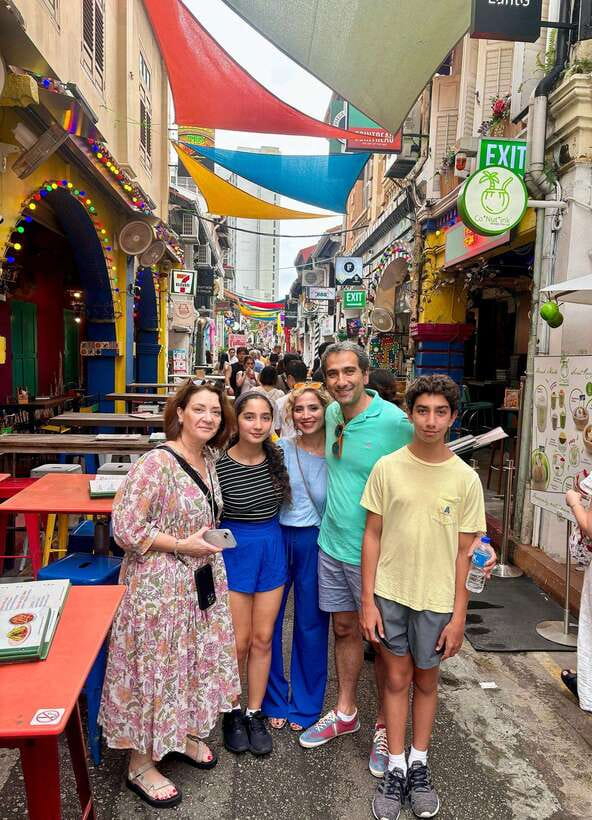
Another short public transport ride brings you to Kampong Glam, the Malay quarter. This final neighborhood has a different mood from Chinatown and Little India, with textile shops on Arab Street, the colorful walls of the neighborhood, and Haji Lane’s independent shops and street art.
The route introduces you to Singapore’s first Sultan Mosque. The tour information does not promise a full interior visit, so think of this as an introduction to the site and its place in the district. The area’s Muslim heritage is also reflected in the old shophouse used by 19th-century Muslim pilgrims, where dessert is served.
That dessert stop is a pleasant way to close the food portion. It also gives you a chance to see how old accommodation and commercial buildings have been reused. One point to keep in mind is that the last neighborhood may offer more dessert than substantial food. If you expect another full savory meal in Kampong Glam, you may find the ending lighter than the earlier stops.
Haji Lane and the graffiti walls add a more modern note. After the market stalls and historical stories, you see a neighborhood that has adapted to newer shops, design, and street culture. This contrast is one of the better features of the route. Singapore’s older quarters are not frozen museum pieces. They continue to change while retaining links to their founding communities.
More history tours in Singapore:
- Barcelona: Tapas Walking Tour with Food, Wine, and History
★ 4.8 · 4,261 reviews - Sevilla Food Tour: Tapas, Wine, History & Traditions
★ 5.0 · 3,468 reviews - Madrid Tapas & Taverns Small Group Food & History Tour
★ 5.0 · 2,664 reviews - Historic Ybor City Food Walking Tour
★ 5.0 · 2,210 reviews
What you will eat and drink
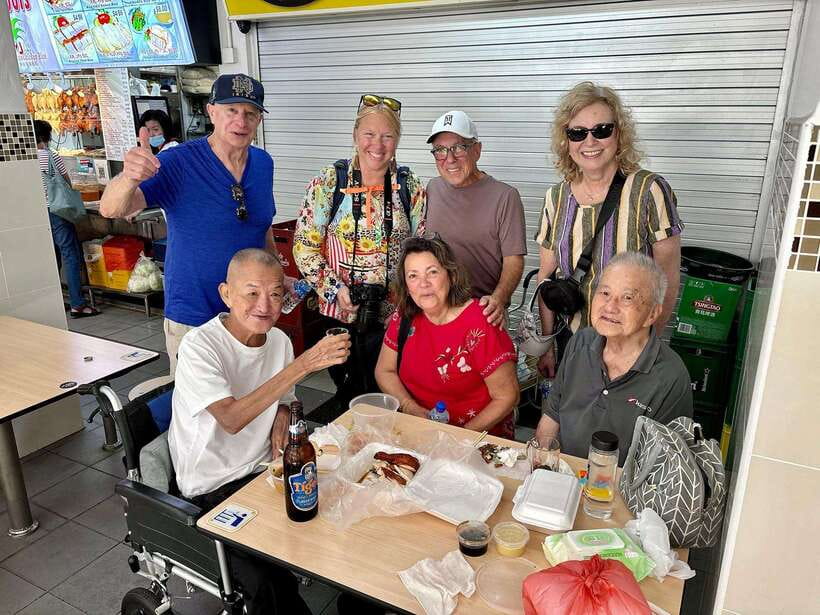
The tour is described as all-inclusive for food and drink, including beer, and the price covers public transport tickets. The food ranges from hawker dishes and local Chinese drinks to Indian and Malay food, snacks, coffee, tea, beer, and dessert.
You should treat the menu as a broad tasting rather than a list of guaranteed dishes. The tour visits working food businesses, markets, and family eateries, so the selection may depend on the day and what is being served. That approach can be more interesting than a rigid menu because you see how local food is actually bought and eaten.
The food quantity appears generous. Several people found they did not need much breakfast before starting, which is useful advice. I would still have a light meal or snack if you are prone to hunger early in the day, but leave room for repeated tastings.
The Michelin connection adds interest, though it should not be misunderstood. You are not paying for a fine-dining meal. You are sampling accessible street food that has received attention in a major food guide. For the $148 price, the value comes from the combination of food, transport, guiding, historical context, and access to places you might miss on your own.
Six hours, 6,000 steps, and the practical details
The tour lasts six hours and begins from one of two pickup points at City Hall MRT or Raffles City. Hotel pickup and drop-off can be included for some city-area locations, but this depends on where you stay. You can also meet at the first stop in Chinatown or Little India, or at a nearby MRT station after confirming the details.
The day ends at Raffles City or City Hall MRT. This central finish is handy if you want to continue sightseeing or return to your hotel by train.
Public transport is a real strength here. You do not spend the day sealed in a vehicle, and the short rides help you understand the layout of Singapore. You also learn a useful local skill: how the city’s connected rail and transport network links its older neighborhoods.
Bring comfortable shoes and comfortable clothes. Do not bring oversize luggage, large bags, a stroller, a mobility scooter, a non-folding wheelchair, or a walking frame. The experience is not suitable for babies under one year, pregnant women, wheelchair users, or people with respiratory issues.
The cancellation terms are flexible: you can cancel up to 24 hours before the tour for a full refund, and you can reserve now and pay later. Starting times vary, so check availability when choosing your date.
Who will enjoy it most
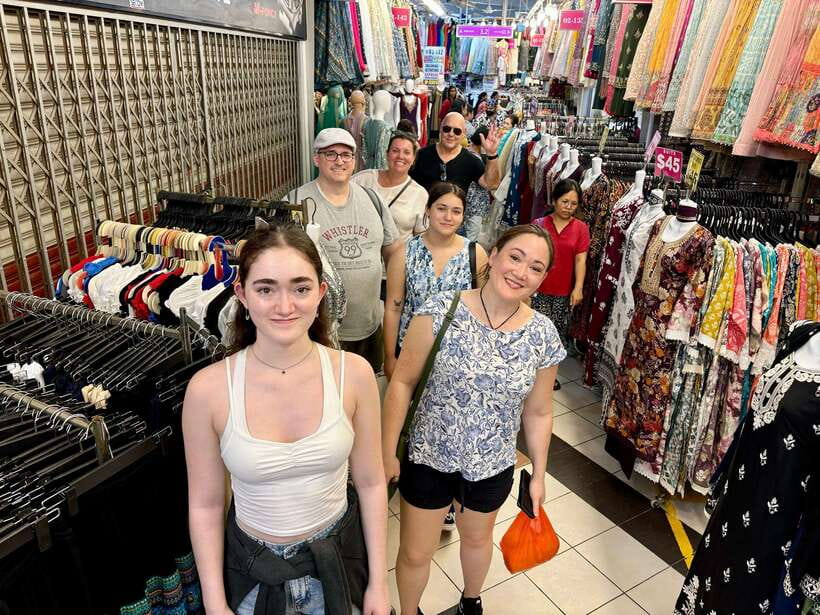
I would recommend this tour to first-time visitors who want food and context in equal measure. It suits you if you like asking questions, trying several small portions, walking through markets, and learning why a neighborhood looks the way it does.
It is also a good choice for families with older children and teenagers. One 15-year-old enjoyed the mix of food and culture, and the constant change of setting should help hold a young person’s attention better than a long lecture in one building.
Solo visitors and couples may appreciate the small group, especially if they want company without joining a large bus tour. You will meet people from different countries, but the group remains small enough for conversation.
This is not the best fit if you want a leisurely restaurant lunch, a fully air-conditioned sightseeing day, or a tour focused only on famous landmarks. It also does not suit strict vegans, people avoiding gluten, or anyone who finds six hours of walking and standing too demanding.
Is the $148 price fair?
At $148 per person, this is not Singapore’s cheapest food outing. You can eat at hawker centres for far less if you are confident choosing stalls and navigating the city yourself.
The price becomes more reasonable when you count what is included: a six-hour guided route, food and drink, beer, public transport, three major districts, market access, historical interpretation, and help with pickup arrangements when available. You are also paying for Gerry’s local knowledge and for the time it takes to connect the food to Singapore’s social past.
I would not book it simply to get a cheap lunch. I would book it if you want a full introduction to Singaporean food culture and do not want to spend your first days working out which neighborhoods and stalls to visit.
Should you book this Singapore food tour?
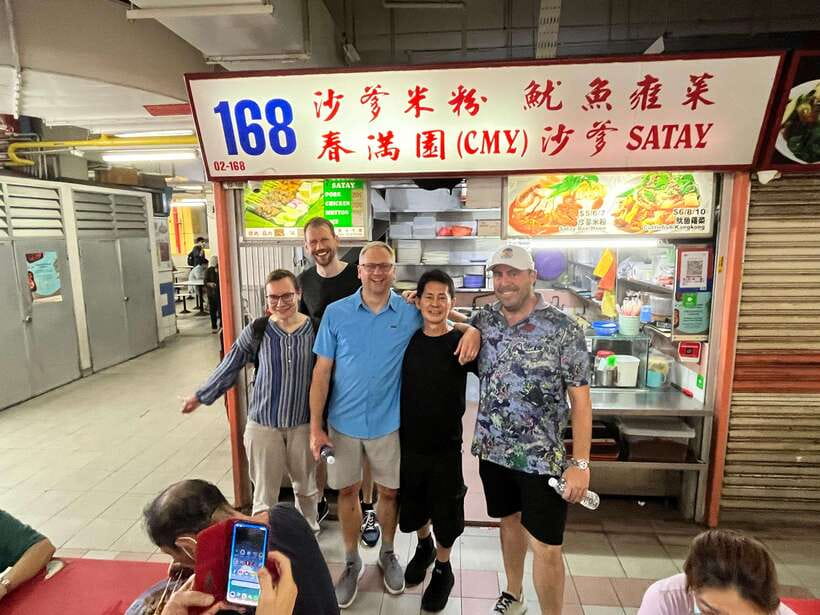
Book it if you want a lively, personal introduction to Singapore through food, markets, and immigrant stories. Gerry’s family link to Fujian, his old photographs, humor, and concern for small local businesses give the day a human focus.
Skip it if your diet rules out much of the included food, if you have mobility or stamina concerns, or if you prefer to explore at your own pace. For most visitors who can walk 6,000 steps and enjoy a wide range of local flavors, the tour offers a strong mix of eating, history, and practical city orientation.
FAQ
How long does the tour last?
The experience lasts six hours and includes visits to Chinatown, Little India, and Kampong Glam.
How many people are in the group?
The group is limited to eight participants.
Who guides the experience?
The guide is Gerry, a Singapore-born Chinese Peranakan whose great grandparents arrived from Fujian, China, in 1910. The tour is conducted in English.
Is food and drink included?
Yes. Food and drink are included, including beer, coffee, tea, local snacks, meals or tastings, and dessert.
Is public transport included?
Yes. Public transport tickets between the three quarters are included.
Where does the tour begin and end?
Pickup options include City Hall MRT and Raffles City. Hotel pickup and drop-off may be available for some city-area locations. The tour ends at Raffles City or City Hall MRT, with alternative meeting arrangements possible at the first stop or a nearby MRT station.
Is the tour suitable for dietary or mobility restrictions?
It is not suitable for vegans or people with gluten intolerance. It is also not suitable for wheelchair users, people with mobility impairments, back problems, vertigo, respiratory issues, low fitness, or pregnant women. Baby strollers, large bags, oversize luggage, mobility scooters, and non-folding mobility equipment are not allowed.
New food tours we have reviewed in Singapore
- Singapore: Local Hawker Food Tour with Tastings★ 4.7 · 181 reviews
- Singapore: Local Street Food Tasting Tour★ 4.8 · 36 reviews
- Singapore: Private Food Tour – 10 Tastings with Locals★ 4.7 · 194 reviews
- Singapore: Guided Street Food Tour at Night★ 4.5 · 393 reviews
- Singapore: Chinatown Hawker Guided 8-Dish Tasting Tour★ 4.9 · 41 reviews
- Singapore: Foodie Experience Guided Tour with 5 Tastings★ 4.7 · 291 reviews
- Singapore: Hawker Culture Food Tour and Sightseeing★ 4.8 · 23 reviews
- Singapore: Little India Hawker Street Food Tour★ 4.8 · 27 reviews
Street Food Tours, compared.
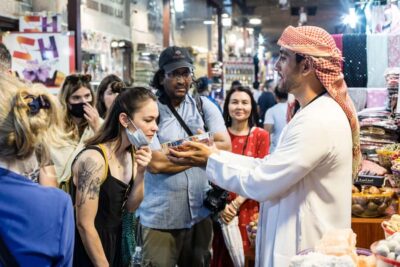
Dubai: Old Town, Creek, Museums, Souks, & Street Food Tour
Read our review →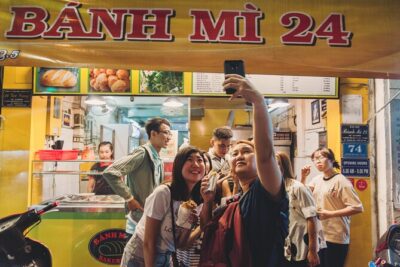
Ho Chi Minh City Street Food Tour & Sightseeing By Motorbike
Read our review →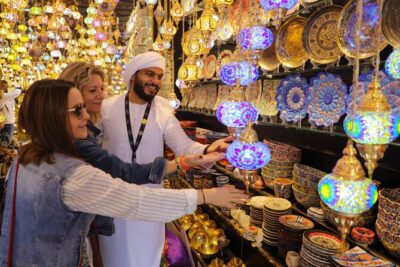
Dubai: Old Town, Souks, Street Food, Guided Tour & Abra Ride
Read our review →
Naples: Street Food Walking Tour with Local Guide
Read our review →
Small Group Hanoi Street Food Tour with a Real Foodie
Read our review →
Saigon By Night and Street Food By Motorbike | Opt: Ao Dai Riders
Read our review →
Private Street Food Tour by Motorbike/Car with Local Students
Read our review →Browse the lists this tour appears in