
Review · STREET FOOD TOURS
Sydney: Chinatown Street Food & Culture Guided Walking Tour
Sydney Chinatown is best understood with something tasty in your hand. This 150-minute food and history walk links four or five Chinese snacks with the district’s red gates, Friendship Garden, and story of Chinese-Australian life. It is not a giant banquet. Think a lunch-sized series of small bites, eaten on the move.
I like two things especially. The food guide at the end gives you useful restaurant suggestions and tells you what to order, while the small-group format lets guides such as Justin, Bunny, and Eddie keep the history lively. I also like the balance of regional Chinese food rather than one narrow style. The main caution is the heat: on a hot day, you may spend a fair amount of time standing outdoors listening, and the food may feel light for the $56 price.
Key points at a glance
- Four or five regional tastes: The samples represent different parts of China and usually add up to about a lunch, though this is not a heavy food tour.
- A Chinatown bingo card: You finish with restaurant recommendations and specific ordering ideas, a useful tool for returning on your own.
- A clear meeting point: Start outside Paddy’s Markets, across from the southern end of Dixon Street mall, with the red gates and Emperor’s Garden restaurant across the light rail tracks.
- History with local focus: The walk explains how Chinese-Australian life began in Chinatown and how the area keeps changing.
- Friendly, energetic guides: Justin, Bunny, Eddie, Lucy, and Liz have all led tours, with Justin and Bunny receiving especially warm praise for mixing facts, food, and good humor.
- Dietary needs need planning: Vegetarian, vegan, and gluten-free options are available with advance notice, but vegan and gluten-free together cannot be catered for.
Starting outside Paddy’s Markets, not inside Chinatown
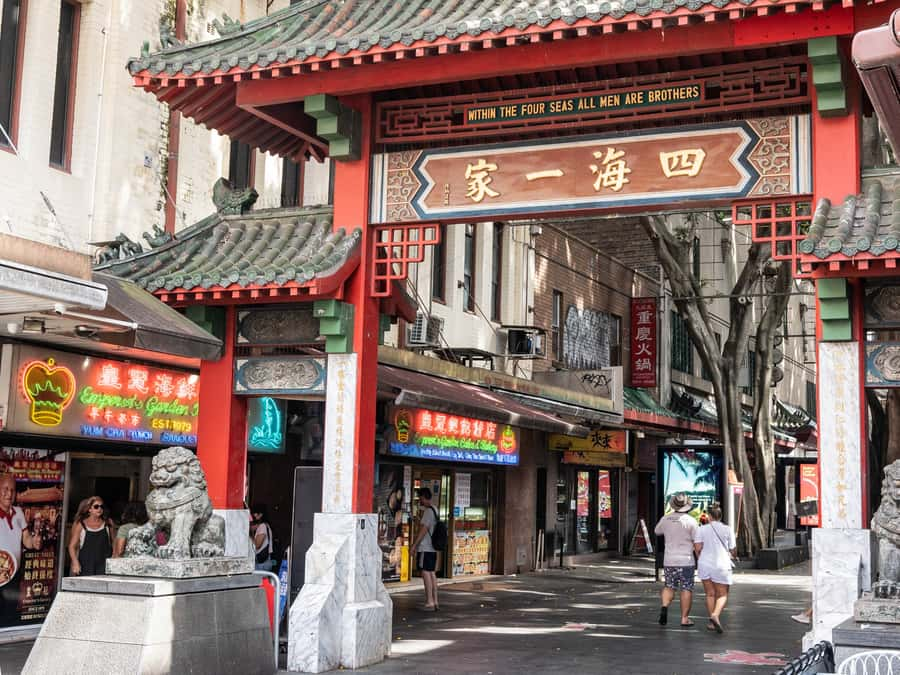
The meeting point is easy to miss if you arrive on autopilot. The tour begins outside Paddy’s Markets, directly across from the southern end of Dixon Street mall. You should be looking across the light rail tracks toward Emperor’s Garden restaurant, the Covent Garden hotel, and Chinatown’s red gates.
There are two restaurants with similar names in the area. The correct landmark is Emperor’s Garden, not Emperor’s Garden BBQ. This is worth checking before you leave your hotel, because waiting on the wrong side of the road can mean a rushed start or a missed group.
I would arrive a little early. The tour involves walking and standing, and you will have a better time if you are not trying to identify the meeting spot while everyone else is ready to go. Comfortable shoes, a hat, sunscreen, and a reusable water bottle are sensible choices. Bottled water is not included.
The tour lasts 150 minutes and runs in English. It is wheelchair accessible, which is useful for anyone who needs a more considered route through the city. The supplied details do not promise a specific group size, but one small group had four people plus the guide, a size that allowed plenty of conversation. Your group may be different.
More Chinatown food tours in Australia:
- NYC: Chinatown & Little Italy Food Tour with 7 Flavorful Tastings
★ 5.0 · 2,733 reviews - Original NYC Guided Food Tour of Chinatown and Little Italy
★ 5.0 · 2,194 reviews - Chinatown & North BeachLittle Italy: 7 Tastings & History
★ 5.0 · 1,070 reviews
Red gates, Dixon Street, and the shape of Chinatown
The early part of the walk gives you the visual markers most people associate with Chinatown: the red gates and Dixon Street mall. These sights are more useful when you understand why they matter, rather than simply stopping for a photograph.
Your guide uses the area to explain how Chinese-Australian life developed in Sydney and how Chinatown has changed over time. The emphasis is not only on old stories. You also hear about the community’s achievements and the way the district continues to evolve.
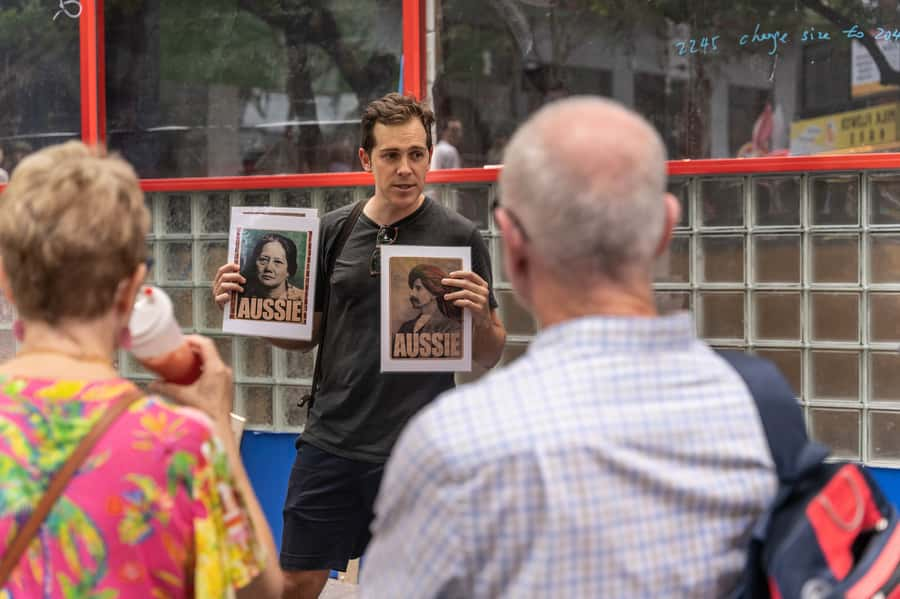
That context is one reason I would not treat this as a food crawl alone. A plate of dumplings tells you something about a cuisine, but the guide’s explanation helps place that food within the wider life of the neighborhood. Guides have used photographs and printed documents to explain Chinese history in Australia and Sydney, giving the talk something concrete to point at.
The best guides keep this section moving. Justin has been praised for linking history and food without losing the group, while Bunny is known for bringing energy and getting everyone involved. Eddie has also led the walk, bringing strong local food knowledge and a lively manner. The guide can make a real difference here, since the history portion includes periods of standing.
The Friendship Garden and the changing neighborhood
The Chinese Garden of Friendship is one of the tour’s named sights. It provides a calmer visual counterpoint to the streets around Dixon Street and helps show how Chinatown is presented as both a cultural district and a living part of central Sydney.
You should not expect a long garden visit unless the guide’s route allows it. The tour has several jobs to do in two and a half hours: explain the district, show key sights, visit food stops, and keep the group moving. Still, seeing the garden alongside the gates gives you a useful sense of Chinatown’s public face.
The guide also addresses change. That matters because Chinatown is not a museum frozen in one period. Businesses, food styles, and the community’s identity continue to shift. I like that the tour includes this idea rather than presenting a postcard version of the neighborhood.
For you, the practical benefit is simple: after the walk, you can return with a better idea of which parts deserve a second look. You may want to revisit the garden, explore a side street, or use the food recommendations to spend another evening in the district.
Four or five bites from different parts of China
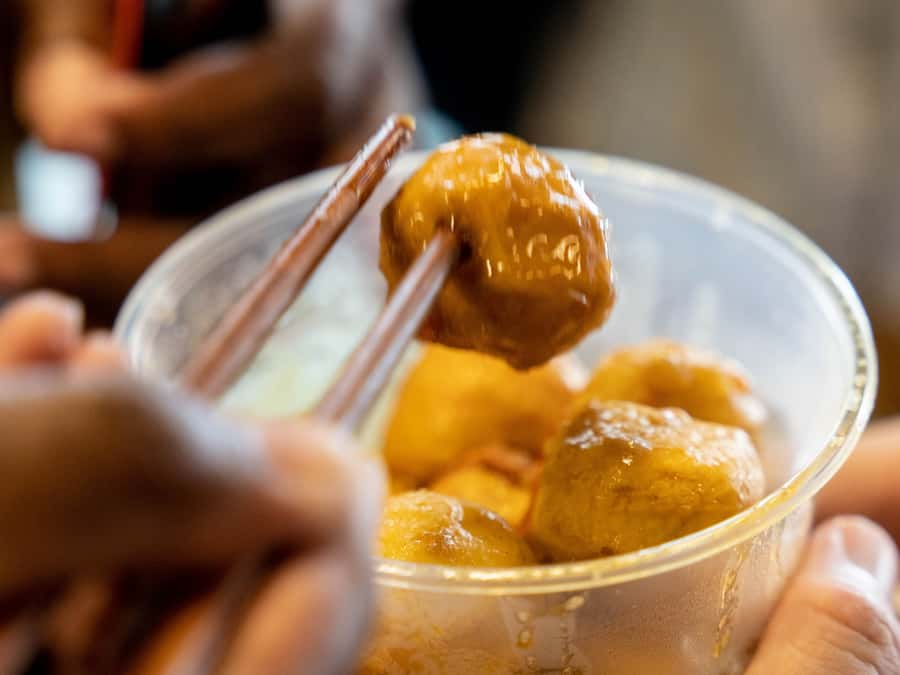
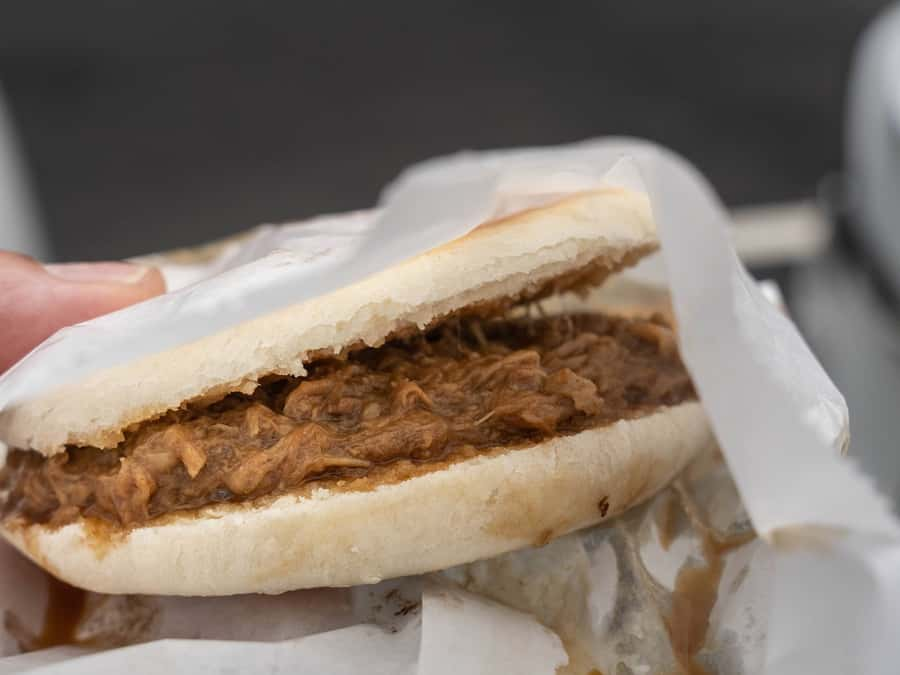
The food is served as snacks or street foods designed to be eaten while walking. You receive at least four samples, with the usual promise described as four or five regional Chinese foods. The exact dishes can vary, so you should not book this expecting a fixed menu.
That variety is the central food appeal. Instead of concentrating on one famous dish, the tour introduces food traditions from across China. The point is comparison: different flavors, textures, and styles in a short period, with the guide explaining what you are eating and where it fits.
Soup dumplings have been a particular favorite on the route. One detailed account singled them out as outstanding, and other comments praised the food stops, timing, and amount served. That gives you a useful expectation: you are likely to encounter familiar Chinese favorites alongside less obvious regional choices, but the supplied information does not guarantee any single dish.
The food is enough to equal lunch for most people, but the wording matters. This is not a heavy food tour. You will not be sitting down to several full restaurant courses. If you arrive very hungry, you may want to plan another meal afterward. The guide will give you suggestions for what to try next, which is where the restaurant card becomes particularly handy.
I see the lighter format as both a strength and a weakness. At $56, it is more affordable than a long tasting menu, and a smaller amount leaves room for dinner later. But if you judge value by volume, you may feel short-changed, especially after a hot walk or if you expected generous portions. One person specifically hoped for more food for the price, and another felt the chosen food did not meet expectations. Those are fair cautions.
More Street Food Tours in Australia:
- Dubai: Old Town, Creek, Museums, Souks, & Street Food Tour
★ 4.8 · 10,816 reviews - Ho Chi Minh City Street Food Tour & Sightseeing By Motorbike
★ 5.0 · 9,413 reviews - Dubai: Old Town, Souks, Street Food, Guided Tour & Abra Ride
★ 4.9 · 7,170 reviews - Naples: Street Food Walking Tour with Local Guide
★ 4.9 · 4,976 reviews
A food tour with a substantial history section
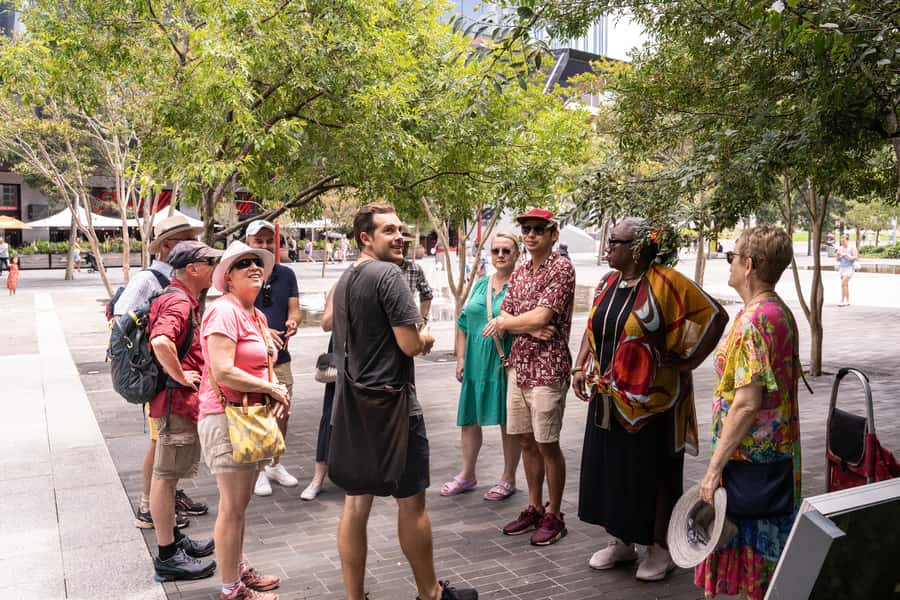
The experience gives serious time to Chinatown’s past and to the contributions of Chinese-Australians. That is good news if you want the neighborhood explained, not merely sampled. It is less ideal if you want to eat constantly.
Some visitors have found the history thorough and interesting, with the guide’s food expertise adding useful detail. Others would have preferred more conversation over food and less standing in the heat. I would think of this as a history walk with food built into it, rather than a restaurant crawl with a few facts added.
The guide’s style helps. Justin has been praised for using laminated photographs and documents, while Bunny has been praised for making the information entertaining and involving the whole group. A strong guide can turn a pause outside a restaurant into a lively conversation. On a very hot day, though, even an engaging talk can feel long if there is no shade or air conditioning.
If weather is warm, bring water and sunscreen. The tour information asks you to bring a reusable bottle, and that is practical advice rather than a formality. You may also want to avoid scheduling the walk when you are already tired from a full day of sightseeing.
The Chinatown bingo card is useful beyond the tour
At the end, you receive a Chinatown restaurant bingo card. It covers recommended restaurants and what to order at them. This is more useful than a generic list of addresses because it gives you a starting point for choosing dishes.
I especially like this feature for first-time visitors who find Chinatown menus hard to navigate. You can take the card with you, choose one recommendation later, and order with more confidence. It also turns the tour into a two-part experience: a guided introduction now, followed by independent eating later.
The card does not replace your own judgment. Restaurants change, menus shift, and your dietary needs may narrow the choices. Still, it gives you practical direction at the moment you are most likely to need it, after you have seen the streets and learned some basic food context.
The guide’s suggestions may also help you decide how much to eat during the tour. Since the samples are not meant to be a full heavy meal, you can use the card to plan a second stop if you want more.
How the $56 price works for different visitors
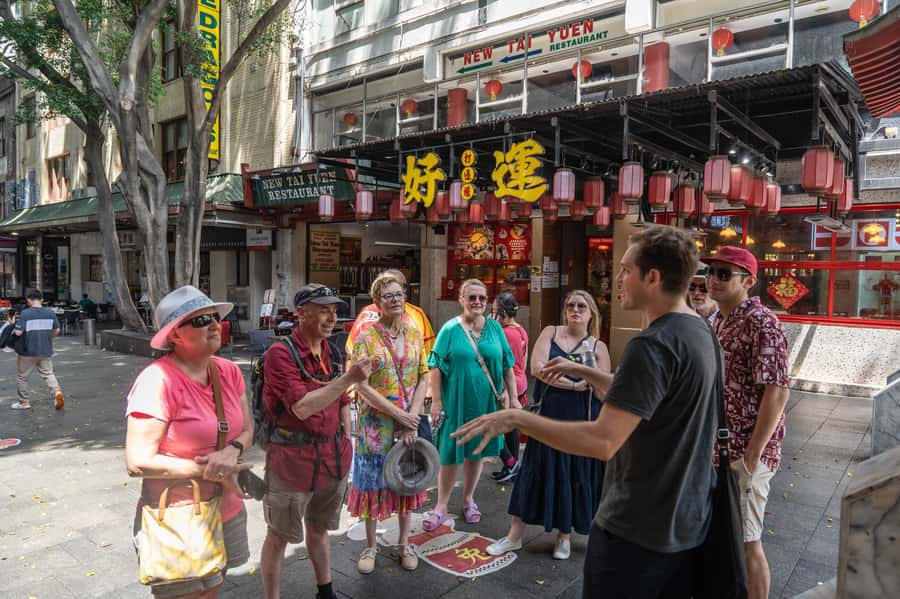
At $56 per person, the value depends on what you want from a Chinatown visit. If you want four or five small tastings, a local guide, historical background, shared post-tour photos, and restaurant advice, the price is reasonable. You are paying for interpretation and orientation as well as food.
If your main goal is quantity, the calculation looks less favorable. A self-guided visit lets you buy larger portions and choose exactly what you want. The tour’s food stops are limited, and one drink is not included. A tea stop has involved an optional beverage that participants paid for themselves, so bring a little extra money if you want to buy something along the way.
The strongest value comes from using the tour as a first afternoon in Chinatown. You get a quick education, taste a range of foods, and leave with a plan for later meals. The price makes less sense if you already know the area well, already have a list of restaurants, or want a full sit-down feast.
The shared photos are a pleasant extra, but I would not make them the reason to book. The history, guide, tastings, and restaurant card are the real package.
Dietary needs and comfort on the walk
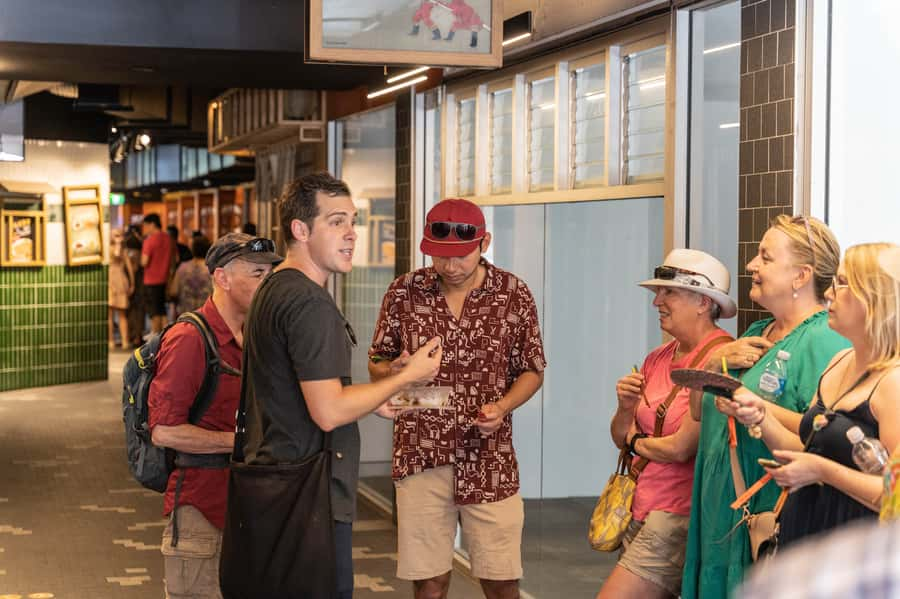
Vegetarians and vegans are welcome, as are people with gluten intolerance and other dietary requirements. You must contact the operator in advance. The one stated limitation is important: the tour can cater to vegan or gluten-free needs separately, but not both together.
That restriction should guide your booking decision. Do not wait until the morning of the tour to mention an allergy or dietary rule. Advance notice gives the food stops a chance to prepare suitable samples, though the precise replacement dishes are not listed.
Because the food is eaten on the move, you should also consider your comfort with standing and walking. The experience is wheelchair accessible, but individual needs can vary, so it is sensible to share relevant information when booking.
The heat issue is worth repeating. A hot afternoon can make the history stops feel more demanding, especially because some of the talk takes place outside. A hat, sunscreen, water, and comfortable shoes will make a noticeable difference.
Who should book the Chinatown food walk
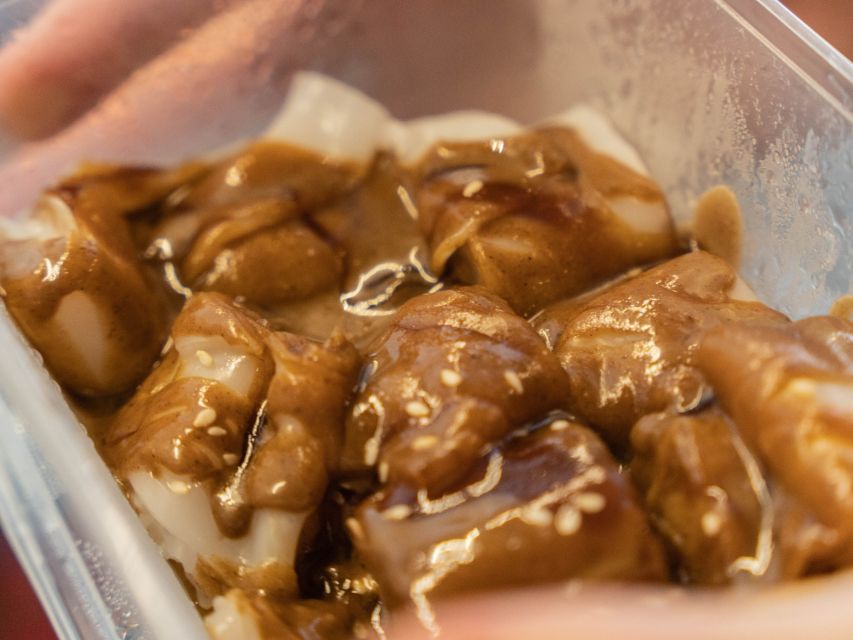
I would recommend this tour to a first-time Sydney visitor who wants a friendly introduction to Chinatown without spending an entire day on it. It also suits anyone who enjoys learning why a district looks and eats the way it does.
It is a good choice for couples, small groups, and curious locals. One small group used it as part of a weekend in Sydney, and the format also works well as a gift or a gentle afternoon activity. The English guide keeps the experience accessible, and the food portions leave you free to make dinner plans afterward.
I would be more cautious if you want a serious food marathon. Four or five snacks will not satisfy everyone, and the $56 price may feel high if you compare it with buying meals directly. I would also think twice on a very hot day unless you are prepared for outdoor standing.
The guide matters. Justin, Bunny, and Eddie have each brought strong food and area knowledge, while Lucy and Liz have also led enjoyable walks. You cannot choose the guide from the information provided, but the repeated praise for the guiding style is a reassuring sign.
Booking details worth knowing
You can cancel up to 24 hours before the start for a full refund, and the reserve-now, pay-later option keeps your plans flexible. Check the available start times when booking, since the tour runs for 150 minutes and the schedule can affect your meal plans.
The walk starts at the clearly specified Paddy’s Markets location, not at your hotel. Hotel pickup and drop-off are not included. The guide speaks English, and shared photos are provided after the tour.
The published rating is 4.9 from 48 reviews, with repeated praise for the guides, the mix of food and history, the timing of the stops, and the restaurant recommendations. The less favorable comments focus on two practical points: some people wanted more food, and hot weather made the history sections feel long. Those are the two issues I would weigh most carefully.
Should you book it?
Book this Sydney Chinatown tour if you want context with your snacks. You will see the district’s key public sights, taste several regional Chinese foods, learn about Chinese-Australian life, and leave with specific ideas for returning on your own.
Skip it if you want a large meal, a drink included with the price, or a mostly seated food experience. For everyone else, the tour offers a smart first look at Chinatown, especially if you arrive ready to walk, listen, and keep dinner open for the restaurant card’s recommendations.
FAQ
How long does the Sydney Chinatown food tour last?
The tour lasts 150 minutes, or two and a half hours.
What food is included?
You receive four or five regional Chinese street foods or snacks. For most people, the total amount is similar to lunch, but it is not a heavy food tour.
Is a drink included?
Bottled water is not included. A tea stop may be part of the route, but the beverage must be paid for separately.
Where does the tour begin?
It begins outside Paddy’s Markets, directly across from the southern end of Dixon Street mall. Look across the light rail tracks toward Emperor’s Garden restaurant, the Covent Garden hotel, and the Chinatown red gates.
Is the tour available in languages other than English?
The tour is conducted in English.
Can vegetarians and vegans join?
Yes. Vegetarian and vegan options are available, but you must provide your dietary requirements in advance.
Can the tour cater to gluten intolerance?
Yes, if you contact the operator in advance. The stated limitation is that vegan and gluten-free requirements cannot both be accommodated together.
Is the tour wheelchair accessible?
Yes, the activity is listed as wheelchair accessible.
Can I cancel for a refund?
You can cancel up to 24 hours in advance for a full refund. You can also reserve now and pay later.
New food tours we have reviewed in Australia
- Hook-a-Barra Gourmet Farm Tour★ 5.0 · 25 reviews
- Private Helicopter Tour: Reef Island Snorkeling and Gourmet Picnic Lunch★ 4.5 · 22 reviews
- Adventure &Taste Atherton Tablelands Food & Wine Tour from Cairns★ 5.0 · 277 reviews
- Margaret River Winery, Brewery Tour with Gourmet Lunch.★ 5.0 · 401 reviews
- SCENIC AND PREHISTORIC CRUISE – Sparkling Wine & Gourmet Platters★ 5.0 · 203 reviews
- Hop on Hop off Wine tasting tour to Tamborine Mountain★ 4.5 · 38 reviews
- Mount Tamborine Wine Tasting Tour from Brisbane or the Gold Coast★ 5.0 · 456 reviews
- All Inclusive Barossa Valley Food and Wine Tour★ 4.5 · 126 reviews
Street Food Tours, compared.
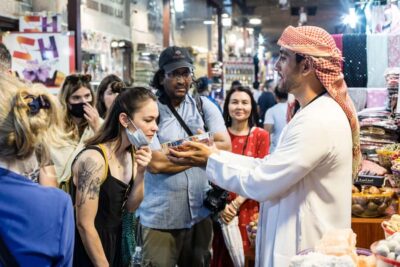
Dubai: Old Town, Creek, Museums, Souks, & Street Food Tour
Read our review →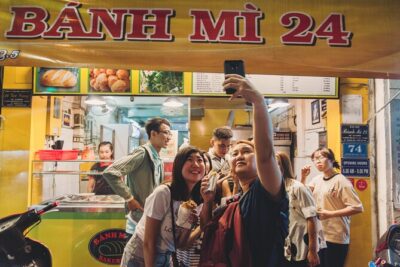
Ho Chi Minh City Street Food Tour & Sightseeing By Motorbike
Read our review →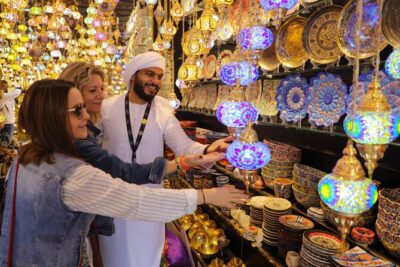
Dubai: Old Town, Souks, Street Food, Guided Tour & Abra Ride
Read our review →
Naples: Street Food Walking Tour with Local Guide
Read our review →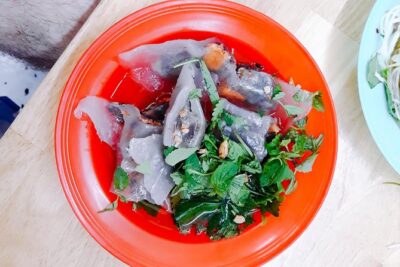
Small Group Hanoi Street Food Tour with a Real Foodie
Read our review →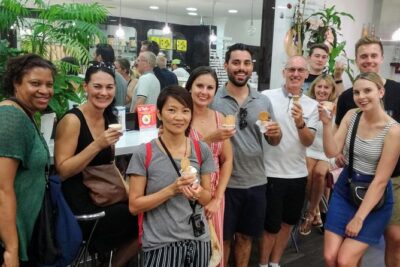
Saigon By Night and Street Food By Motorbike | Opt: Ao Dai Riders
Read our review →
Private Street Food Tour by Motorbike/Car with Local Students
Read our review →Browse the lists this tour appears in