
Review · SECRET AND HIDDEN GEM FOOD TOURS
Secret Food Tours Hong Kong
Hong Kong’s food culture makes the most sense when you eat it street by street. This three-hour walk through Tin Hau takes you from a famous bowl of beef brisket to roast goose, local tea, dim sum, and dessert, with a stop at Tin Hau Temple along the way. It is a compact East meets West tour, shaped by northern and southern Chinese cooking and Hong Kong’s own urban habits.
I like the seven-stop format, which gives you a broad taste without turning lunch into one long sitting. I also like the small-group limit of ten, since guides such as Sandy, Siu Wai, and Ginny Chan have been able to explain dishes, temple customs, markets, and ordering habits in a personal way.
The main drawback is that the tour is not suitable for wheelchair users or people with mobility impairments. You should also arrive hungry, wear comfortable shoes, and tell the company about dietary restrictions before booking.
Key points to know before you book
- Seven food stops in about three hours: You get a wide sample of Hong Kong cooking rather than one large meal.
- Tin Hau is the setting: The route connects local eateries, a food market, and Tin Hau Temple.
- Beef brisket starts the meal: Expect a popular stop where queuing is part of the experience.
- Roast goose, tea, milk tea, dim sum, and dessert: The menu moves from savory dishes to sweets and drinks.
- Small groups of no more than ten: The format suits questions and conversation with an English-speaking guide.
- Come hungry and wear good shoes: Food and drinks are included, but transportation and pickup are not.
Why Tin Hau makes a good food-tour base
Tin Hau gives you a useful slice of Hong Kong in a short time. It is not presented as a staged food district built only for visitors. Instead, the route moves through places tied to daily life, including a local market, long-running food shops, and a temple that remains part of the neighborhood.
You meet outside Tin Hau MTR station at Exit A1 on King’s Road. That makes the starting point fairly simple to reach if you are already using Hong Kong’s Island Line. The tour ends at the same meeting point, so you do not need to arrange a separate ride back to your hotel.
The neighborhood also helps explain the tour’s central idea. Hong Kong food is not just one regional Chinese cuisine. It reflects food traditions from northern and southern China, local Cantonese habits, and western influence shaped by the city’s past. You will not study that story in a classroom. You will taste it through dishes and hear the background as you walk.
The route involves some movement through busy city streets and food-market areas. That gives the outing a useful sense of place, but it also means this is not a seated restaurant tour with a smooth, level path throughout. If you have trouble walking or standing, this is a poor fit.
More Hidden Gem Food Tours in the world:
- Alicante: Secret Flavors Food Tour
★ 4.8 · 1,514 reviews - Southern & Secret Walking Food Tour
★ 4.5 · 1,413 reviews - Edinburgh Food Tour with Scotch, Haggis, a Secret Dish & More
★ 5.0 · 1,172 reviews
Beef brisket first, with a likely queue
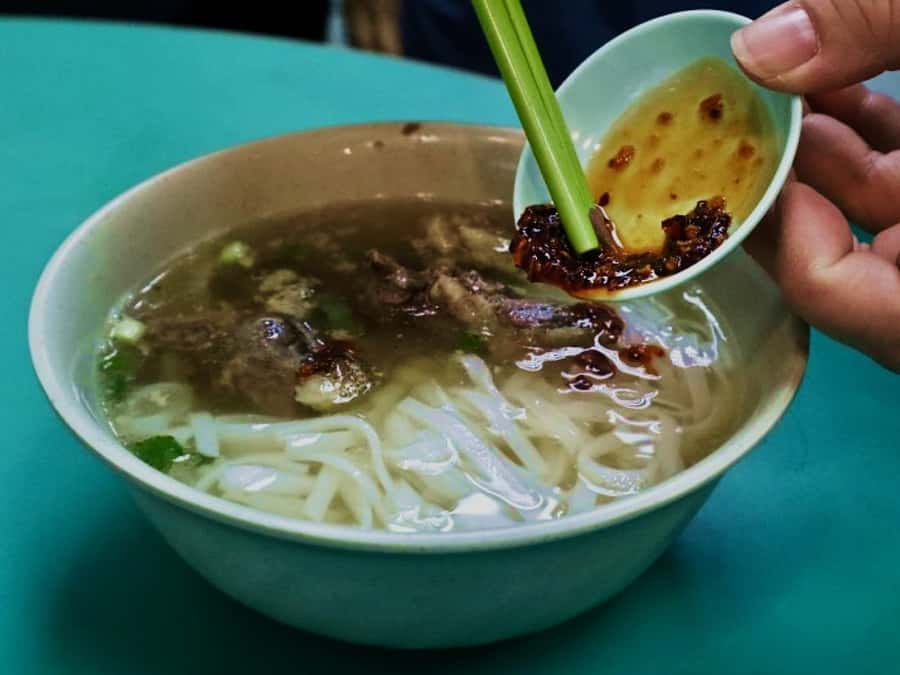
The opening food stop focuses on beef brisket. The shop is popular enough that people travel across districts for a bowl, so queuing is expected.
That wait is part of the point. A food tour can easily take you to places chosen for convenience, but this stop is meant to show you a dish with a real local following. You get a chance to see why a simple bowl of tender beef and broth can become a destination in its own right.
The brisket also gives you a filling start. This matters because the rest of the route keeps feeding you. If you eat a full breakfast before meeting the guide, you may spend the final hour picking at dishes instead of enjoying them. The most useful advice here is simple: keep your stomach empty.
A queue can make the first stop less predictable. The stated tour length is about three hours, and a popular shop may affect the pace. I would not schedule a tightly timed activity immediately afterward.
Roast goose and plum sauce at the local market
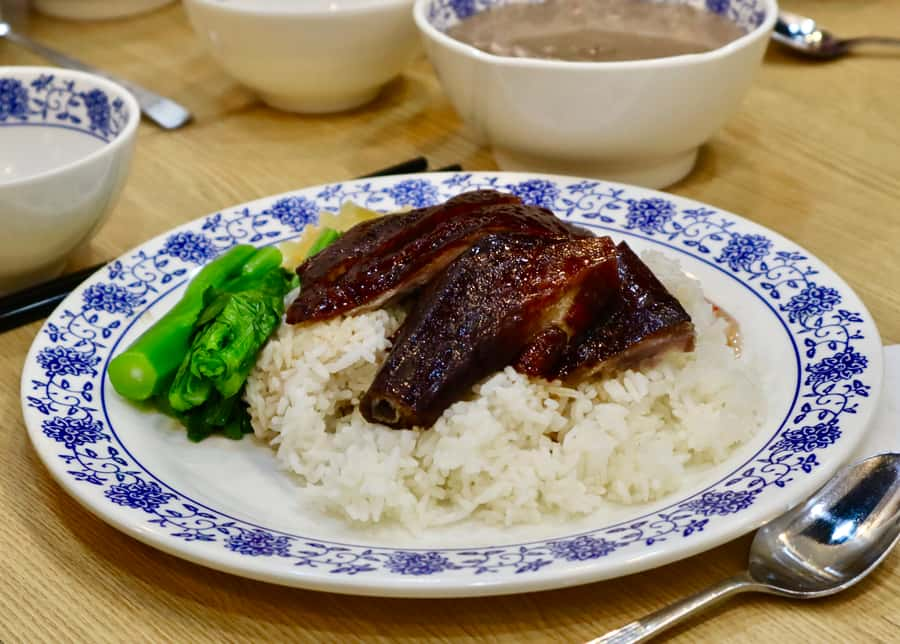
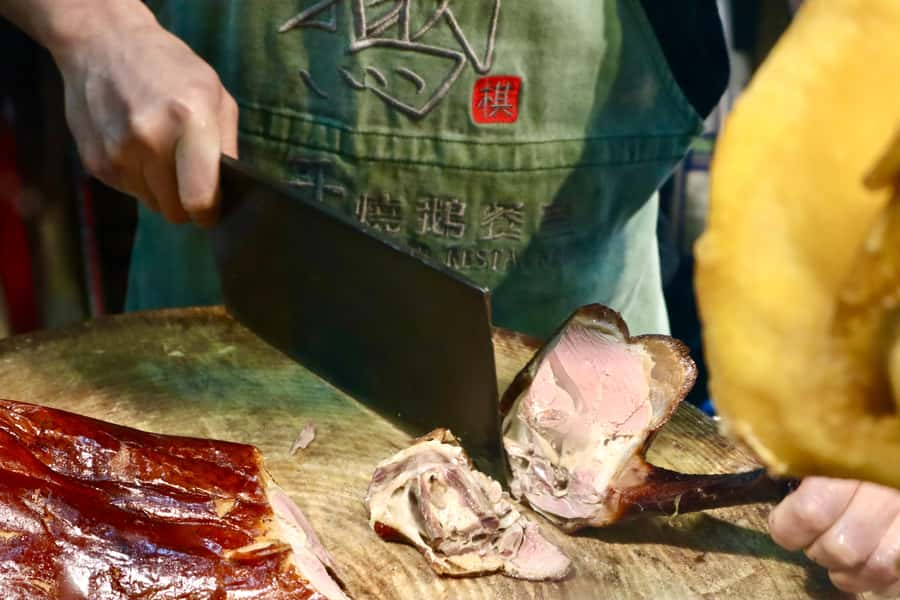
The next major food stop takes you through a local food market for roast goose served with plum sauce. This is one of the stronger parts of the route for anyone who wants food and neighborhood life together.
Roast goose brings a different texture and flavor from the opening beef brisket. The plum sauce adds a sweet counterpoint, and the market setting lets you see the kind of place where local food shopping happens. You are not simply being handed a plated sample in a quiet dining room. You are moving through the working side of the neighborhood.
The market can also make the tour feel less polished and more direct. That is a benefit if you want to see ordinary food culture, though it may not suit someone who prefers calm surroundings. The pace and setting require attention, especially if the area is crowded.
Guides have also used the market to explain how dishes are prepared, where ingredients come from, and how food moves from market to kitchen. One particularly involved tour included a look behind the scenes of a live market and a kitchen. That access should not be treated as a guaranteed feature, but it shows the kind of practical explanation the guide may add when circumstances allow.
Seasonal fruit and a stop at Tin Hau Temple
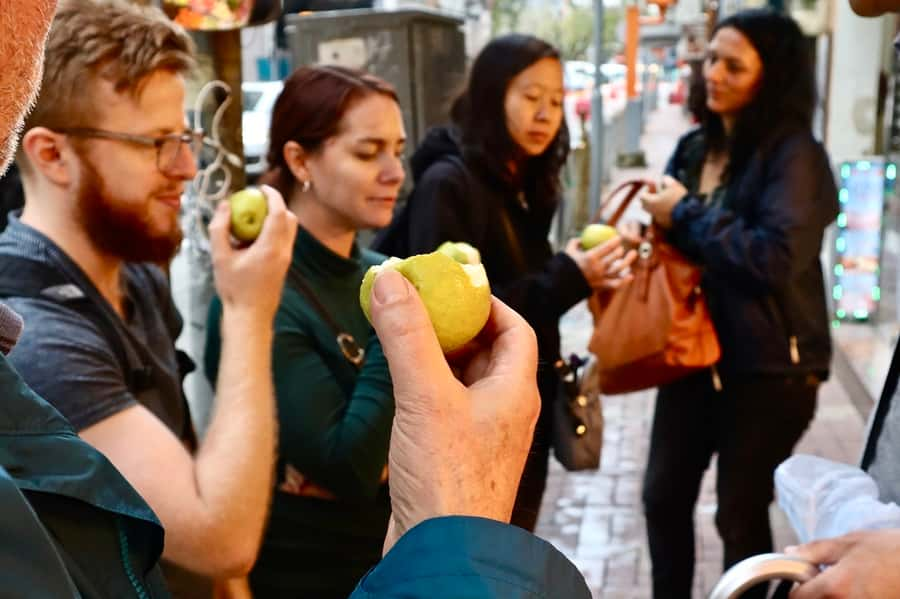
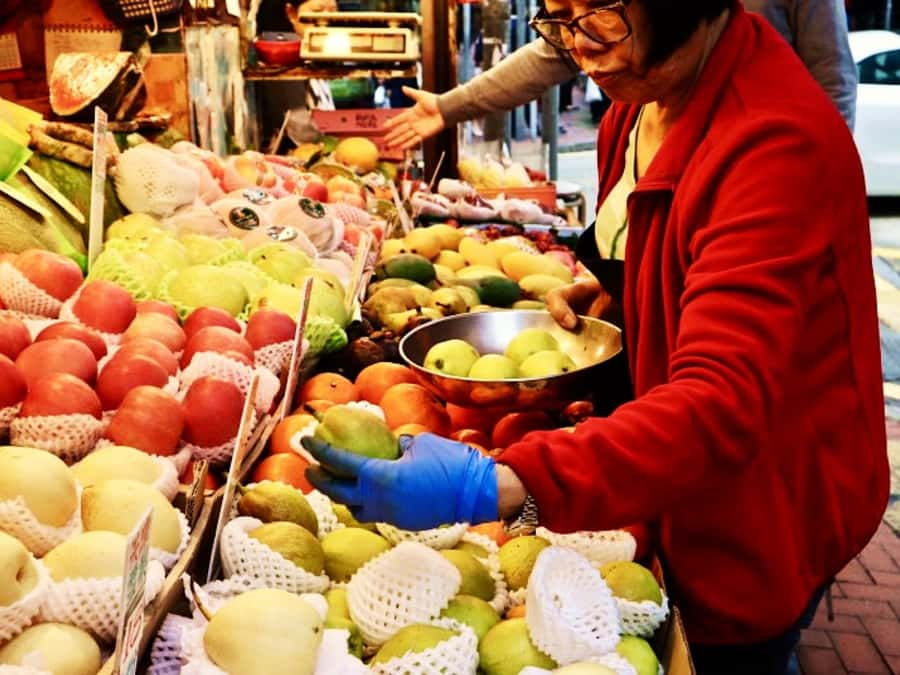
Between savory stops, the group samples seasonal fruit while walking toward Tin Hau Temple. This small pause matters. It clears the palate, breaks up the heavier dishes, and gives the guide room to talk about Hong Kong beyond restaurant menus.
The temple adds the cultural side of the outing. Tin Hau is connected to local worship and traditional temple customs, and the stop gives you a chance to see the neighborhood from a local point of view. The experience is not only about identifying ingredients. It also links food, belief, and daily routines.
This is where the guide can make a big difference. Sandy has been praised for explaining customs and offering practical suggestions for the rest of a Hong Kong visit. Ginny Chan has also been singled out for helping the temple visit make sense from a local perspective. The guide assigned to your date may differ, but the format leaves room for that kind of conversation.
Seasonal fruit is, by nature, less fixed than the other dishes. You should expect a changing sample rather than one guaranteed fruit. That is a small plus for freshness, but it means the exact item is not part of the promise.
More food tours in the world:
- Reykjavik Food Walk – Local Foodie Adventure in Iceland
★ 5.0 · 18,952 reviews - Dubai: Old Town, Creek, Museums, Souks, & Street Food Tour
★ 4.8 · 10,816 reviews - Ho Chi Minh City Street Food Tour & Sightseeing By Motorbike
★ 5.0 · 9,413 reviews - Montserrat Half-Day Tour with Tapas and Gourmet Wines
★ 5.0 · 7,359 reviews
Tea, milk tea, and a local sweet
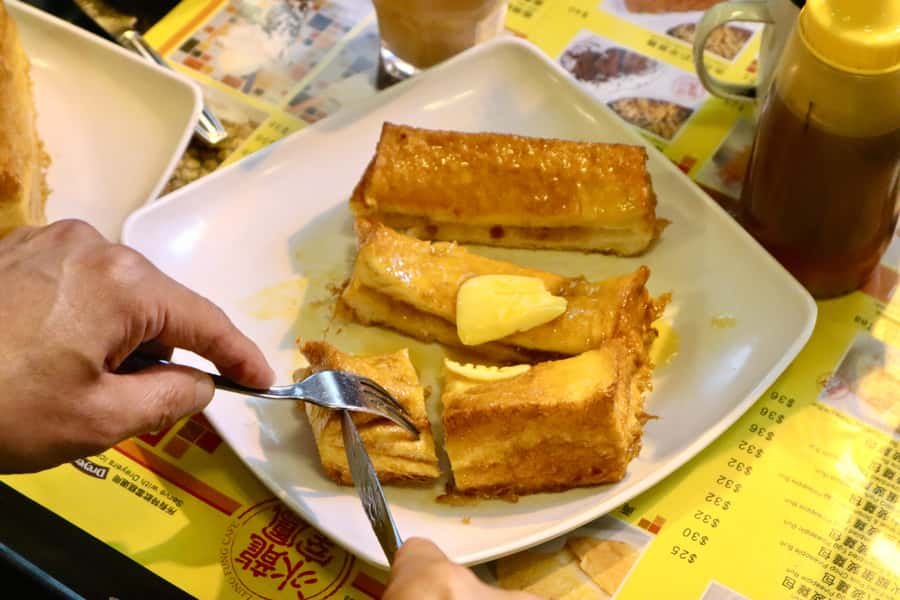
The tea and milk tea stop shows another side of Hong Kong food culture. Tea is not treated as a decorative extra here. It is part of the way people take breaks, meet friends, and finish a meal.
You will visit a local tea and milk tea shop and try a sweet alongside the drink. The combination gives you a lighter stop after the meat and before the final round of dim sum and dessert.
Milk tea is especially useful for understanding Hong Kong’s East meets West character. It reflects the city’s westernized urban culture while remaining firmly part of local eating habits. The tour does not ask you to choose between Chinese and western influence. It shows how the two have been adapted together.
This stop may be less exciting if you already know Hong Kong milk tea well, but the guide’s explanation can add value. You can ask about local preferences, how tea fits into everyday life, and what makes the city’s version distinct.
Dim sum, Chinese dessert, and the secret dish
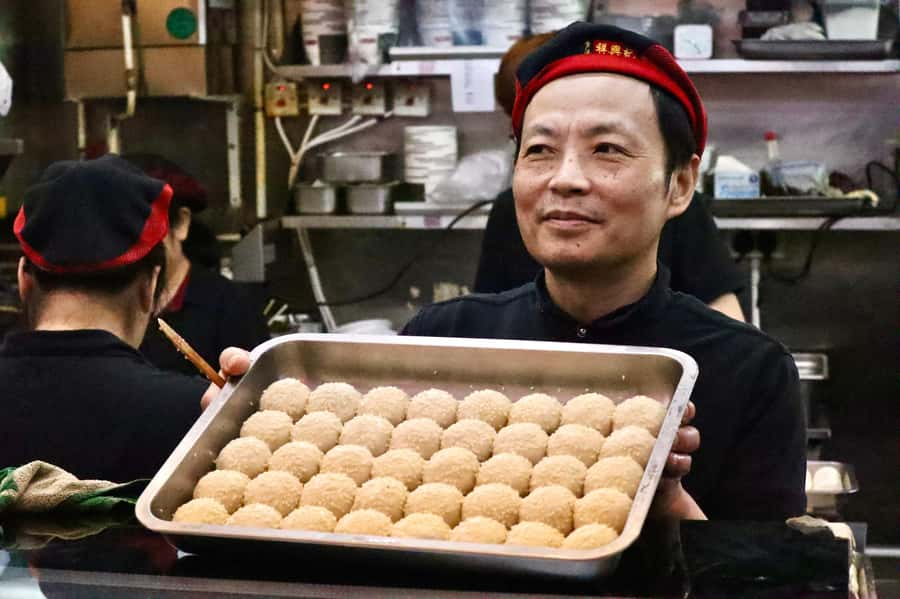
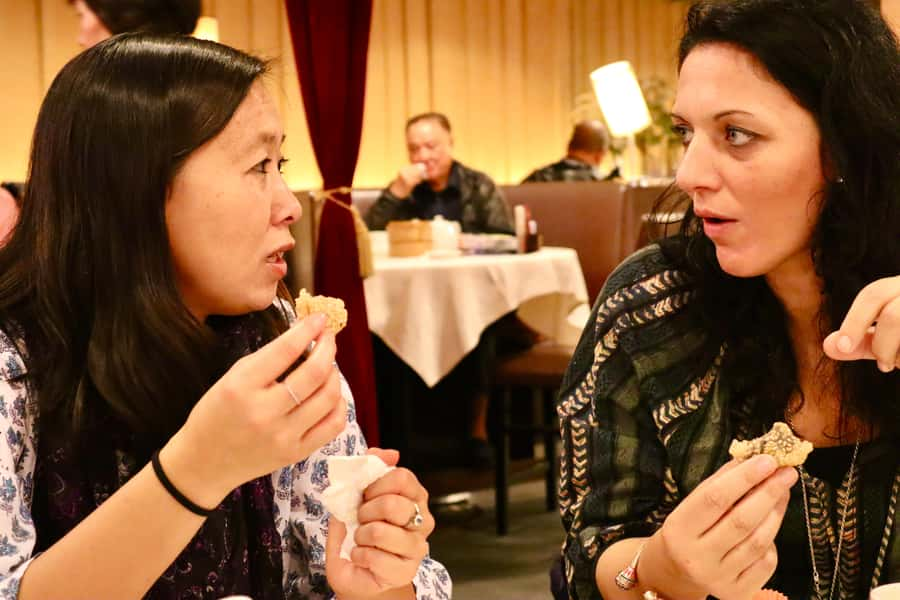
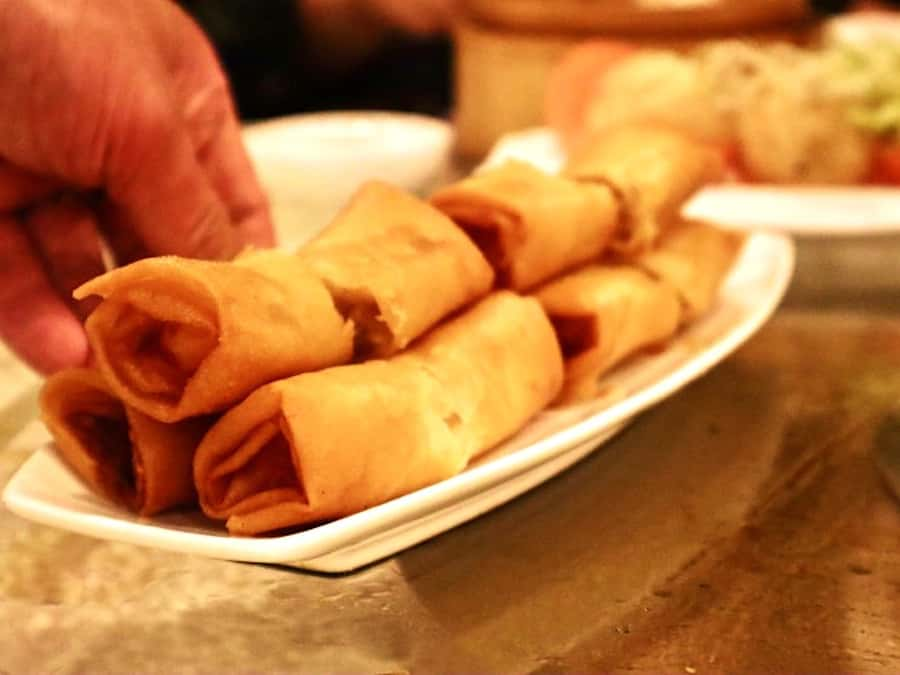
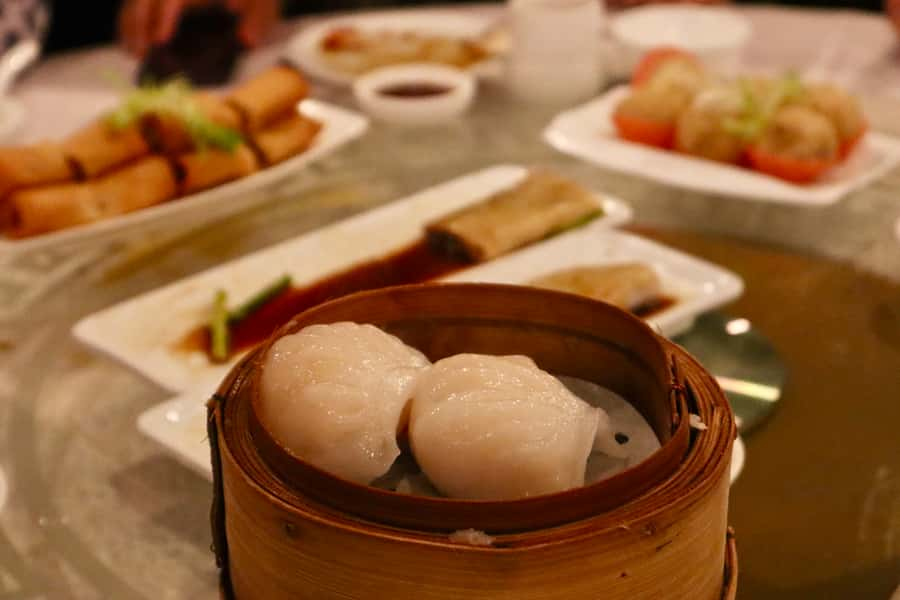
The final food stretch brings a variety of dim sum and a Chinese dessert. Dim sum works well as a closing meal because it lets you try several small items rather than commit to one large plate. It also gives the guide a chance to explain the way shared dishes fit into Hong Kong dining.
The wording is intentionally broad: you are promised a variety of dim sum, not a fixed list of individual pieces. That is worth keeping in mind if you have a particular favorite in mind. The selection may change, and the value lies in the range rather than in one signature item.
Dessert provides a clear finish, though the exact Chinese dessert is not specified. If you have a sweet tooth, this gives the route a better balance than a tour focused only on meat, noodles, and dumplings.
There is also a Secret Dish. You are not told what it will be in advance, which adds a bit of fun to the final course. In practical terms, the surprise means you should tell the company about dietary restrictions before booking. Do not wait until the meeting point, especially if you avoid meat, seafood, dairy, or other ingredients.
One guide encouraged a solo participant to try chicken foot soup and explained how dishes were made and where items were imported from. That kind of adventurous tasting may happen, but chicken foot soup is not listed as a guaranteed stop. Treat it as a possible example of the guide encouraging you to try something outside your usual order, not as part of the fixed menu.
The guide is a major part of the value
Food tours live or die by the person leading them. Here, the guide is not just there to point at a restaurant and keep the group moving. The experience is designed around local explanation, and the strongest guide reports describe hosts who were warm, organized, flexible, and ready to answer questions.
Sandy has led tours that covered food, temple customs, markets, and practical advice about what to do next in Hong Kong. Siu Wai has been described as gracious and welcoming, with a good eye for worthwhile food stops. Ginny Chan has been praised for making the afternoon feel personal and friendly while explaining local eating habits.
Those names do not guarantee who will lead your tour. They do show the level of human contact the format can offer. With a maximum group size of ten, you should have a better chance to ask about ingredients, etiquette, and restaurants than you would on a large coach outing.
The language is English. That makes the tour especially useful if you want help understanding menus and food customs without relying only on translation apps.
What the $115 price buys you
At $115 per person, this is not the cheapest way to eat in Hong Kong. You could buy individual bowls, roast meats, tea, and dim sum for less if you already know where to go and can order with confidence.
The price makes more sense if you count the food and the local guidance together. Seven stops in just over three hours cover several parts of a meal, plus drinks, fruit, a market visit, temple context, and the guide’s help with unfamiliar dishes. You are paying for a planned route and for the chance to try places you might not identify on your own.
The value is strongest during your first Hong Kong visit, when you want to build a food map quickly. It also suits solo visitors. One person who ended up alone with the guide received a more personal walk, though that is not something you can count on for your date.
The value is weaker if you are already an experienced Hong Kong eater, dislike group activities, or have strict dietary limits. The company asks you to report dietary restrictions before booking, but the tour’s appeal rests on trying a broad mix of local dishes, including a secret item. Ask before you pay if your diet makes several stops difficult.
Timing, walking, and what to bring
The tour lasts about three hours, with starting times shown when you check availability. Food is included, as are drinks and the local guide. Transportation and hotel pickup are not included.
You should meet outside Tin Hau MTR station at Exit A1 on King’s Road. The activity returns to that same meeting point. That makes the end easy to plan, but you will need to handle your own journey to Tin Hau and your next destination.
Wear comfortable shoes. You will walk between food stops, pass through a market, visit the temple, and spend some time standing. The route is not described as a heavy walking tour, and one food-focused visit was noted for not involving too much walking, but the operator still lists the activity as unsuitable for people with mobility impairments and wheelchair users.
Rain may not ruin the outing, but it can make market streets and walking less pleasant. A guide has helped make the route work in poor weather, yet you should still dress for the forecast and avoid pairing the tour with an important appointment.
Free cancellation is available up to 24 hours before the start for a full refund. You can also reserve now and pay later, which helps if your Hong Kong schedule is still shifting.
Who should book this Tin Hau food walk?
I would recommend it to first-time visitors who want a fast, guided introduction to Hong Kong food. It is also a good match for solo visitors, couples, and small groups who prefer tasting several dishes rather than spending three hours at one restaurant.
You will get the most from it if you arrive hungry, ask questions, and are open to dishes you might not order alone. The guide can explain what you are eating and why it matters, which makes unfamiliar food easier to approach.
I would hesitate if you need a fully accessible route, want hotel pickup, or follow a strict diet that has not been cleared in advance. I would also skip it if you want a quiet, formal meal, since the market and city streets are part of the experience.
For most food-curious visitors, the $115 cost is reasonable for the amount of tasting and explanation packed into three hours. Book it near the start of your stay, then use the guide’s suggestions to shape the rest of your meals in Hong Kong.
FAQ
How long does Secret Food Tours Hong Kong last?
The tour lasts about three hours. Starting times vary, so check availability when booking.
Where does the tour begin?
Meet outside Tin Hau MTR station at Exit A1 on King’s Road, Hong Kong.
Where does the tour end?
The activity ends back at the Tin Hau meeting point.
What food is included?
The tour includes beef brisket, roast goose with plum sauce, seasonal fruit, a sweet, tea, milk tea, a variety of dim sum, a Chinese dessert, and a Secret Dish. The exact seasonal fruit, dessert, dim sum selection, and Secret Dish are not specified.
Are drinks included?
Yes. Foods and drinks are included in the tour price.
Is transportation or hotel pickup included?
No. Transportation and pickup are not included. You are responsible for getting to the meeting point.
What language is the tour conducted in?
The live tour guide speaks English.
How large can the group be?
The maximum booking group size is ten people.
Can I join if I use a wheelchair or have mobility limitations?
No. The activity is listed as unsuitable for wheelchair users and people with mobility impairments.
What should I bring, and when should I share dietary restrictions?
Bring comfortable shoes. You should email the company about dietary restrictions before booking.
New food tours we have reviewed in the world
- ChattaBrunch Food Tour★ 5.0 · 87 reviews
- Downtown Chattanooga Food Tour★ 5.0 · 290 reviews
- Tastes Through Time – Charleston’s Best Food & History Tour★ 4.5 · 95 reviews
- Charlottetown waterfront SOLAR PartyBike food & drink experience!★ 4.0 · 92 reviews
- Historic Southside Food Tour in Chattanooga★ 5.0 · 32 reviews
- Charleston’s Savor the Flavors of Upper King Street Walking Food Tour★ 4.5 · 130 reviews
- Charlottetown Food Walking Tour★ 5.0 · 59 reviews
- Charleston Private Brunch Tour: Biscuits, Shrimps, Grits and More★ 5.0 · 48 reviews
Secret and Hidden Gem Food Tours, compared.

Edinburgh Food Tour with Scotch, Haggis, a Secret Dish & More
Read our review →
Rome Food Tour: Hidden Gems of Trastevere with Dinner & Wine
Read our review →
Discover Barossa: 4 Wine Tastings, Gourmet Lunch, and Hidden Gems
Read our review →

Flavors of Fremont: Downtown Vegas Food Tour & Local Secrets
Read our review →
Barcelona Old Town Tapas Tour: Vermouth, Bites & Hidden Gems
Read our review →Browse the lists this tour appears in