
Review · HISTORICAL TOURS
Tastes Through Time – Charleston’s Best Food & History Tour
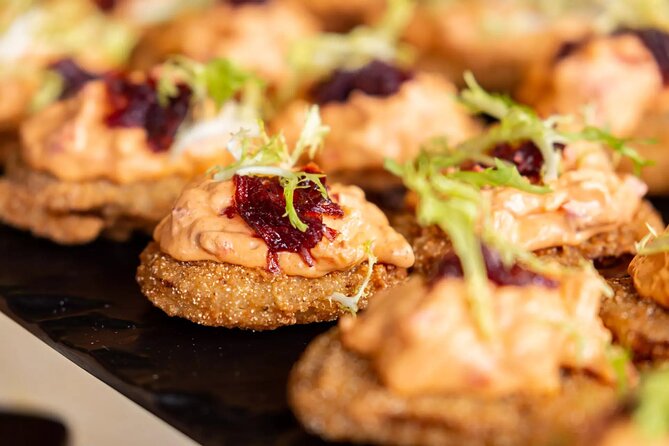
Charleston’s food tells its story, and this tour makes that connection its main event. In about two hours, you walk between three restaurants in the Historic District while guide Page, sometimes listed as Paige, explains how local cooking grew from Indigenous, African, European, and Caribbean influences. You also see an important church, the city’s original shopping district, and a mysterious old passageway.
I like the native Charleston guide and the way the stops are tied to local culture rather than treated as random restaurant visits. I also like the practical format: a maximum of 12 people, reserved seating, nonalcoholic drinks, and enough food to replace dinner for many people. The main catch is simple: this is three restaurant stops, not a five-stop grazing tour, and the history sometimes gets more attention than the flavors.
Key points at a glance
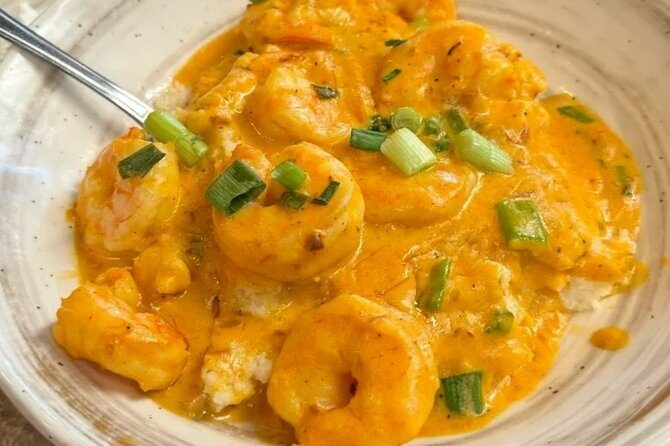
- Three full restaurant stops: You receive Charleston and Lowcountry dishes in portions that many people find sufficient for dinner.
- A history-first food tour: Page or Paige connects the food to Charleston’s past, including Gullah Geechee culture and the city’s culinary development.
- Historic District walking: The route includes the original shopping district, an important church founded in 1680, and an atmospheric passageway.
- Small group format: The maximum is 12 people, which helps keep the guide’s explanations personal and makes restaurant seating easier.
- Drinks included: Water, fountain drinks, tea, and lemonade are included, while alcohol and specialty drinks cost extra.
- A useful first-day activity: The tour begins at 164 Church Street and ends at 184 East Bay Street, putting you in a good area to continue exploring on foot.
Charleston food with the city’s story attached
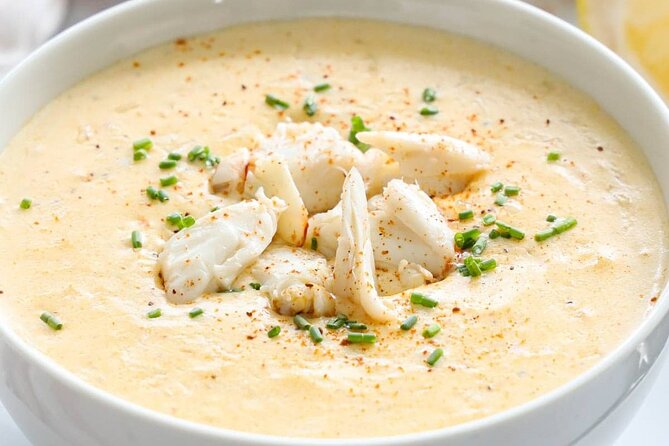
The best reason to book Tastes Through Time is that it treats food as evidence. Instead of simply handing you samples, the guide explains why certain dishes belong to Charleston and how different cultures shaped Lowcountry cooking.
That approach gives the experience a clear identity. You are not just checking off restaurants. You are learning why Charleston’s food looks and tastes the way it does, with special attention to the Gullah Geechee people and their role in the region’s cuisine.
Page, also identified as Paige in some tour descriptions, is the guide most often associated with this experience. The strongest part of the guiding is the local perspective. She has lived in Charleston for much of her life and brings personal pride to the stories, along with humor and details about architecture, neighborhoods, and food.
I especially value the attention given to Gullah Geechee culture. This is not a side note. It is central to understanding Lowcountry food, including the traditions often connected with soul food and Southern cooking. If you want only restaurant recommendations, the history may feel like a lot. If you want context, it is the reason this tour is different from a basic tasting walk.
More history tours in Charleston:
- Charleston’s Historic Downtown Food Tour
★ 4.5 · 349 reviews - Charleston: Historic Downtown Food Tour
★ 4.7 · 67 reviews - Barcelona: Tapas Walking Tour with Food, Wine, and History
★ 4.8 · 4,261 reviews
Three stops, but portions built as a meal
The tour visits three restaurants in Charleston’s Historic District. That number needs to be clear before you book. Some food walks advertise more stops, but those may include very small samples or a quick dessert counter. Here, the plan is fewer locations with more substantial food and time to sit down.
At the first restaurant, you begin tasting Charleston cuisine while the guide sets the larger story in motion. You can expect a regional dish rather than a generic snack, though the exact menu can change. The guide uses the food to explain how Charleston’s ingredients and cooking methods developed.
The second stop continues the historical thread and gives you another chance to sit, eat, and ask questions. Nonalcoholic drinks are included at two of the three restaurants according to the available details. Water, fountain drinks, tea, and lemonade are part of the package, but you pay separately for alcohol or specialty beverages.
The final restaurant is associated with smokehouse food and a sweet finish. A cookie or another Lowcountry-specific dessert may be served at the end, either to eat there or take with you if you are already full. One useful feature is that you are not forced to eat dessert immediately. That matters on a food tour where the earlier portions can add up quickly.
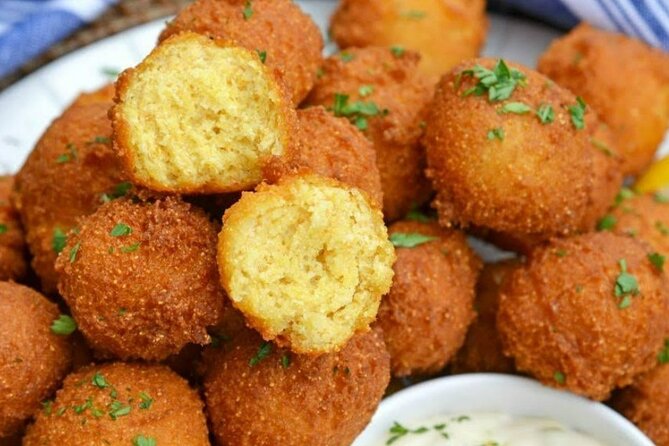
The food has received mixed reactions, which is worth taking seriously. Many people find the portions generous and leave without needing another dinner. Others expect more variety, larger meat portions, or more elaborate dishes for the price. One weaker experience described the food as modest apart from the soup and found the meat selection limited to a small slider.
My advice is to approach this as a regional meal with three tastings, not a luxury restaurant crawl. The value rests on the combination of food, reserved restaurant seating, and a substantial history walk. If you measure value by the number of plates alone, you may come away less impressed.
Church Street and Charleston’s first shopping district
The route begins at 164 Church Street, a central location in the Historic District. From there, you stroll rather than ride, so you can look up at buildings and notice the city’s compact layout as the guide talks.
One focus is Charleston’s original shopping district. This gives the food story a useful setting. Trade, commerce, shipping, and the movement of people all shaped what was available in Charleston kitchens. The guide uses the streets themselves to explain how the city’s commercial life helped form its dining culture.
You also pass one of Charleston’s grand churches, connected with the first congregation established in the city in 1680. The church stop adds architectural interest and a reminder that Charleston’s food story is tied to religion, trade, migration, labor, and power.
This is not a long-distance walk. The route covers a few blocks, and most people should find it manageable. Still, wear comfortable shoes. The tour lasts about 2 hours and 10 minutes, and the walking takes place between seated meals. Charleston weather can also affect comfort, so check the forecast before you go.
The passageway and the city beneath the postcard
Another stop introduces an old Charleston passageway with its own mysteries. The exact name is not provided in the tour details, so I would not book expecting a particular landmark or a theatrical ghost presentation. Instead, expect the guide to use the setting to discuss Charleston’s less polished stories.
That balance matters. Charleston’s Historic District can look tidy and charming, but its past includes conflict, inequality, slavery, and cultural loss. A good food tour should not separate the pleasant dishes from the people and systems that made the cuisine possible.
This is where the guide’s focus on Gullah Geechee culture becomes especially important. The tour presents the food as part of a living culture, not simply as a collection of Southern flavors. I appreciate that the experience gives this subject real space. You may find the discussion more serious than expected for a restaurant outing, but that seriousness adds value and honesty.
More food tours in Charleston:
- Charleston French Quarter or Brunch Food Tour with 7+ Tastings
★ 5.0 · 1,853 reviews - Downtown Charleston Food Tour
★ 4.5 · 1,376 reviews - Savor the Flavors of Charleston Walking Food Tour
★ 4.5 · 881 reviews - Charleston Brunch Food Tour: Biscuits, Shrimps, Grits and More
★ 5.0 · 239 reviews
Why the guide makes or breaks this tour
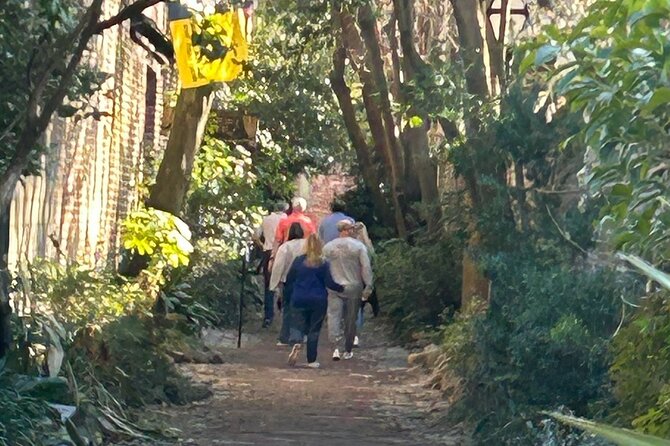
The guide is the central feature. Page or Paige brings local experience, humor, and a strong command of Charleston’s food and architectural story. The best parts of the experience come when she connects a dish, a building, and a historical event in one clear explanation.
You should also expect a prepared schedule. Restaurant reservations are timed, and the group needs to move on together. This keeps the tour running on time and helps the restaurants serve everyone efficiently, but it limits lingering.
That schedule can create a small point of friction. Ordering extra food at a stop is not part of the plan, since it can slow service for the whole group. If you want a second helping or a full menu item, save that order for after the tour.
The guide also has a firm point of view about Charleston’s past, particularly the importance of Gullah Geechee culture. I consider that a strength, but it may not suit someone who wants a light, purely entertaining food outing. You are being asked to think about where the food came from and whose traditions shaped it.
Is $94.50 a fair price?
At $94.50 per person, this is not a cheap way to grab lunch. The price includes food at three restaurants, water, fountain drinks, tea, lemonade, and an expert-led history and architecture walk.
The value improves if you treat the food as dinner. Several portions can be substantial, and the final sweet item can be saved for later. You also avoid choosing three restaurants yourself, guessing what to order, and arranging reservations across the Historic District.
The price looks less attractive if you expected five substantial tastings, alcohol, or a polished fine-dining menu. Alcohol and specialty drinks cost extra. Parking and transportation are also not included, so add those costs if you are driving into downtown Charleston.
I would compare this tour with the cost of a normal dinner plus a separate history walk. If you already plan to spend about $95 on a meal and want local context, the package makes sense. If your main goal is to eat as many different dishes as possible, another food tour with more advertised stops may fit better.
Timing, group size, and the best way to prepare
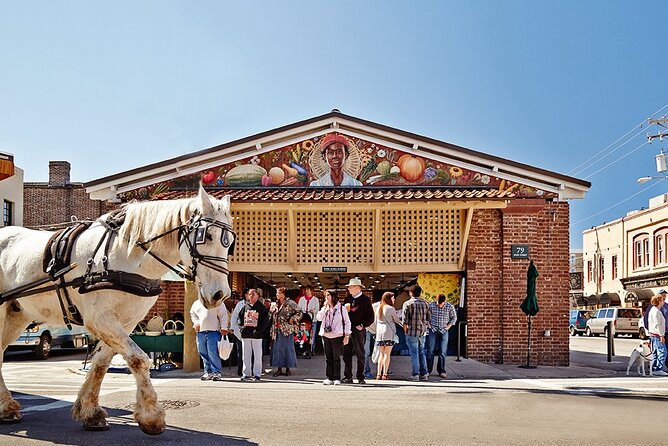
The tour lasts approximately 2 hours and 10 minutes. It is long enough to provide a real meal and a proper walk, but short enough to fit into a busy Charleston day.
The group maximum is 12 people. That is a useful limit for a historic walking tour. You can hear the guide more easily than in a large group, and the restaurants can seat everyone without the awkward shuffle that often comes with bigger parties.
Try not to eat a large meal before you arrive. The food can be enough for dinner, and pacing yourself will let you enjoy the later stops. You can ask questions during the walk, but keep in mind that the restaurant schedule is fixed.
The meeting point is 164 Church Street. The tour ends at 184 East Bay Street, so you finish several blocks from where you started. That is helpful if you want to continue toward the waterfront or explore more of the Historic District afterward.
A mobile ticket is provided, and confirmation arrives when you book. Service animals are allowed, the route is near public transportation, and most people can take part. Parking fees and transportation are your responsibility.
Who will enjoy this Charleston tour most?
I would choose this experience for someone who wants food and context in equal measure. It suits first-time visitors who need an introduction to Charleston, as well as repeat visitors who want a closer look at the culture behind familiar Southern dishes.
Families can also make good use of the format. The walk is manageable, the group is small, and the food comes in stages rather than as one long formal meal. A young adult can follow the stories at his or her own pace, though the historical material may appeal more to some family members than others.
Couples and friends should like the combination of seated food stops and outdoor sightseeing. It is social without requiring you to spend the entire evening at one table.
I would hesitate to recommend it to someone who wants a high-end culinary tour, a cocktail-focused outing, or a long list of tiny samples. I would also warn anyone who dislikes serious historical discussion that the Gullah Geechee material is a meaningful part of the tour, not a passing mention.
Practical booking advice and cancellation terms
This experience is often booked about 26 days ahead, so reserve early if your Charleston dates are fixed. The tour requires a minimum number of participants and good weather. If the provider cancels for either reason, you are offered another date or experience, or a full refund.
You can cancel for a full refund up to 24 hours before the start time. Cancellations or changes made within 24 hours are not refunded or accepted. That policy makes travel insurance or a flexible schedule useful if your plans may change.
Should you book Tastes Through Time?
Book it if you want a history-led food tour with three proper restaurant stops, a small group, and a guide who cares about Charleston’s cultural roots. The strongest reason to go is the link between the dishes and the city’s past, especially the attention given to Gullah Geechee culture.
Skip it if your definition of a food tour means the maximum number of stops, large meat portions, alcohol, or a tasting menu built around chef-driven specialties. At $94.50, you should expect a full meal and a serious walking lesson, not endless samples.
For the right visitor, this is a sensible first or second day activity. You eat enough to count it as dinner, learn how Charleston’s food developed, and finish near more of the city’s sights. Just arrive hungry, wear good shoes, and remember that the history is not decoration. It is the main ingredient.
FAQ
How long does Tastes Through Time last?
The tour lasts approximately 2 hours and 10 minutes.
How many restaurants does the tour visit?
The experience visits three restaurants in Charleston’s Historic District.
Is dinner included?
Yes. Charleston cuisine, water, fountain drinks, tea, and lemonade are included. The food portions may be enough to serve as dinner.
Are alcoholic drinks included?
No. Alcohol and specialty beverages are not included, but you may order them separately for an additional charge.
Where does the tour begin?
The tour begins at 164 Church Street, Charleston, South Carolina 29401.
Where does the tour end?
The tour ends at 184 East Bay Street, Charleston, South Carolina 29401.
What historical sights are part of the walk?
The tour includes Charleston’s original shopping district, a major church connected with the first congregation established in the city in 1680, and a historic passageway with local stories and mysteries.
How large is the tour group?
The maximum group size is 12 people.
What is the cancellation policy?
You can cancel at least 24 hours before the start time for a full refund. Cancellations or changes made less than 24 hours before the start time are not accepted or refunded. If poor weather or an insufficient number of participants causes the provider to cancel, you are offered another date or experience, or a full refund.
New food tours we have reviewed in Charleston
- Charleston’s Savor the Flavors of Upper King Street Walking Food Tour★ 4.5 · 130 reviews
- Charleston Private Brunch Tour: Biscuits, Shrimps, Grits and More★ 5.0 · 48 reviews
- Charleston Farm-to-Table Food Tour and Chef’s Challenge★ 5.0 · 110 reviews
- Private Charleston Walking Food Tour at the French Quarter★ 5.0 · 201 reviews
- Charleston Upper King Street Food Tour★ 4.5 · 200 reviews
- Charleston Brunch Food Tour: Biscuits, Shrimps, Grits and More★ 5.0 · 239 reviews
- Charleston: Small Group Food Tour – Savor the Flavors★ 4.7 · 169 reviews
- Charleston: Downtown Culinary Walking Tour★ 5.0 · 53 reviews
Historical Tours, compared.
Barcelona: Tapas Walking Tour with Food, Wine, and History
Read our review →
Sevilla Food Tour: Tapas, Wine, History & Traditions
Read our review →
Madrid Tapas & Taverns Small Group Food & History Tour
Read our review →
Barcelona Tapas Walking Tour: Food, Wine & History
Read our review →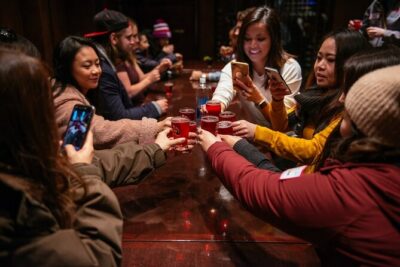
Boston Food & History: Pizza, North End & Freedom Trail
Read our review →Browse the lists this tour appears in