
Review · HISTORICAL TOURS
Charleston’s Historic Downtown Food Tour
Charleston’s food story is told best one bite at a time. This walking tour links the French Quarter, Rainbow Row, the Pineapple Fountain, the Old Exchange, and City Market with four restaurant stops, turning a sightseeing walk into a full lunch. Along the way, your guide explains how French cooking, African ingredients, slavery, the slave trade, and piracy shaped what Charleston eats today.
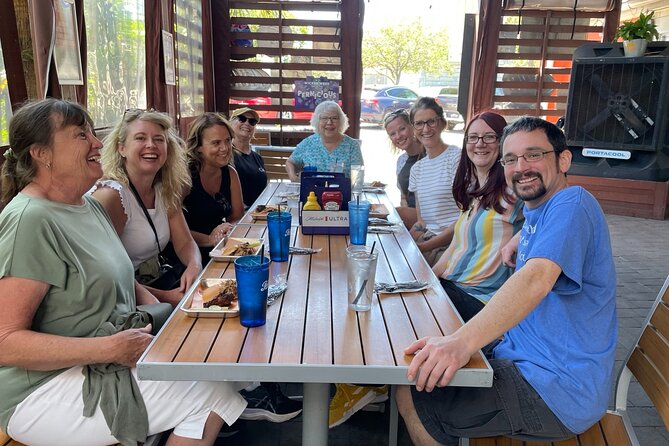
I like the small group cap of 15, which gives you a fair chance to ask questions, and I like the mix of sit-down tastings and outdoor history. The food has included she-crab soup, rice and chicken, a pulled pork slider, and dessert, with enough served to replace lunch.
The main caution is timing and changing menus. The tour is sold as about two and a half hours, but some departures have finished closer to two hours, and shrimp and grits may not be included despite appearing in promotional material. Leave space before your next activity.
Key Points Before You Book
- Four restaurant stops provide a full lunch: Tastings can include she-crab soup, rice dishes, barbecue, and dessert.
- Charleston’s food history gets serious: Expect discussion of French influence, African ingredients, Gullah Geechee culture, slavery, and the slave trade.
- The walk includes major landmarks: Rainbow Row, the Pineapple Fountain, the Old Exchange and Provost Dungeon, and City Market all form part of the route.
- Guides bring different strengths: Paige has been praised for linking food to local history, while Jeff and Emerson have also led departures.
- The pace is brisk: You walk, listen, eat, and move on, rather than lingering over a long restaurant meal.
- Plan for schedule wiggle room: The advertised duration is about two and a half hours, though some tours have lasted about two hours.
Why This Tour Works as a First Taste of Charleston
Charleston can be a tricky city to understand through buildings alone. You see grand houses, churches, market halls, and waterfront views, but food gives those sights a more human connection.
This tour helps tie the pieces together. You might hear about French influence near Rainbow Row, southern hospitality at the Pineapple Fountain, piracy near the Old Exchange, and African contributions to local cooking around City Market. The route is not just a series of restaurant visits. It gives you a framework for understanding why Lowcountry food tastes the way it does.
I especially like that the history is not limited to comfortable subjects. Charleston’s connection to slavery and the slave trade is part of the discussion, and the food cannot be separated from that past. If you want only light stories and pretty buildings, this may feel more serious than expected. If you want an honest introduction to the city, that is a strength.
The group size matters, too. With a maximum of 15 people, the guide can usually handle questions without turning the walk into a large parade. Paige has led some departures and is often praised for her clear explanations of Lowcountry cuisine and Gullah Geechee culture. Jeff and Emerson have also guided tours, bringing their own approach to Charleston and American history.
More history tours in Charleston:
- Tastes Through Time – Charleston’s Best Food & History Tour
★ 4.5 · 95 reviews - Charleston: Historic Downtown Food Tour
★ 4.7 · 67 reviews - Barcelona: Tapas Walking Tour with Food, Wine, and History
★ 4.8 · 4,261 reviews
Starting Near East Bay Street
The meeting point is 195 East Bay Street, in the heart of Charleston’s historic district. The tour ends back at the same meeting point, which makes planning simple if you are staying downtown or using nearby public transportation.
You do not need to arrange a separate meal before starting. The included tastings at four restaurants are intended to add up to lunch. That makes the $110 price easier to assess, especially in a city where separate restaurant meals can quickly become expensive.
Still, keep your expectations in line. This is a tasting walk, not a slow three-course meal at one restaurant. Portions are meant to be satisfying across several stops, and the group needs to keep moving. You will have food at each venue, but you may not have much time to sit, sip, and linger.
Wear comfortable shoes. The route uses city streets and combines walking with stops indoors. The tour also requires good weather, so a rain-related cancellation or rescheduling is possible.
Rainbow Row and the French Food Connection
The first landmark is Rainbow Row, one of Charleston’s most recognizable stretches of historic houses. You pass by rather than enter, so this stop is mainly about the setting and the story.
Here, the guide discusses the French influence on Charleston’s food and the dishes associated with French culture. That is a useful opening because it shows you that local cuisine was not formed from one tradition. Charleston cooking grew through contact among different cultures, ingredients, and communities.
This section is brief, about 15 minutes. That is enough to establish the theme, but not enough for a long architectural talk. If you want detailed information about every house on Rainbow Row, you may need a separate walking tour. On this experience, the buildings serve as a backdrop for the food story.
The practical benefit is that you begin with context before the meal takes over. Instead of simply being told that a dish is local, you get clues about how outside influences became part of Charleston’s cooking.
Pineapple Fountain and the Meaning of Hospitality
The walk continues to the Pineapple Fountain, a familiar Charleston landmark and a symbol of Southern hospitality in South Carolina. The stop lasts about 20 minutes and connects the idea of welcome with local cooking.
This is one of the better places to pause and let the city’s public image meet its food culture. Charleston often presents itself through hospitality, gracious buildings, and polished restaurants. The guide uses the fountain to discuss how those ideas have influenced cooking in the city.
The fountain is also a useful break in the route. You are still outside, but the stops are not all about eating. That helps keep the tour from feeling like a string of restaurant entrances with no sense of place.
Do not expect a long visit to the fountain itself. The value comes from the explanation, not from a special access experience. You see the landmark, hear its connection to Charleston, and continue toward the next food and history stop.
More food tours in Charleston:
- Charleston French Quarter or Brunch Food Tour with 7+ Tastings
★ 5.0 · 1,853 reviews - Downtown Charleston Food Tour
★ 4.5 · 1,376 reviews - Savor the Flavors of Charleston Walking Food Tour
★ 4.5 · 881 reviews - Charleston Brunch Food Tour: Biscuits, Shrimps, Grits and More
★ 5.0 · 239 reviews
The Old Exchange and the Pirate Chapter
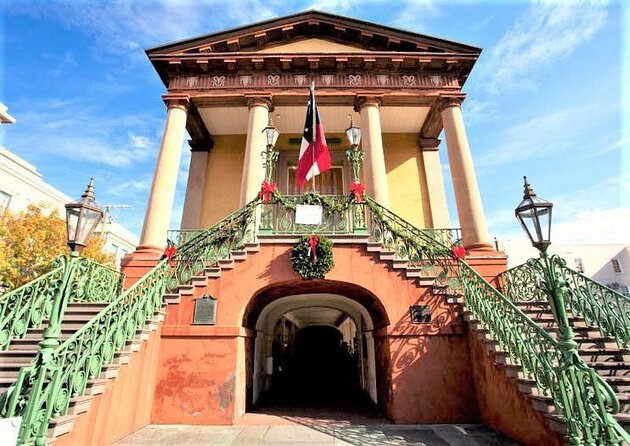
At the Old Exchange and Provost Dungeon, the discussion turns to pirates, privateering, and their effect on Charleston’s early diet. This is an unusual angle, and it gives the tour some personality.
Many city food tours stay with famous dishes and restaurant recommendations. This one adds a less obvious question: how did the movement of people, goods, and ships affect what locals could eat? The guide connects privateering and piracy with Charleston’s food supply and early history.
The stop lasts about 15 minutes. You pass the historic site rather than take a dedicated dungeon tour, so think of it as an outdoor history talk. If you have children with you, the pirate subject may hold their attention, but the larger historical context is aimed at adults.
This part also shows why the tour is more than a simple restaurant crawl. Food is treated as a record of trade, conflict, migration, and power. That approach makes the meal more interesting because you begin to ask where ingredients came from and who brought them into local kitchens.
City Market and African Food Traditions
The final listed landmark is Charleston City Market, where the guide explains African influences on local cuisine and the ingredients introduced to Charleston residents. This is an important part of the experience, not a footnote.
Charleston food cannot be understood without talking about the people whose labor, cooking skills, and food traditions shaped the city. The tour includes discussion of slavery, the slave trade, and Gullah Geechee culture. You should be ready for a serious conversation alongside the more pleasant parts of the day.
The City Market section lasts about 20 minutes. The market itself is a major downtown sight, but the tour does not promise a full market shopping experience or a dedicated vendor visit. The focus is on the food history connected to the place.
I appreciate this balance. Charleston’s cuisine is often sold through attractive dishes and old-fashioned charm, but the origins are more complicated. A good guide can explain that without losing the human scale of the tour. Paige, in particular, has been praised for handling this subject directly and clearly.
What You May Eat at the Four Restaurants
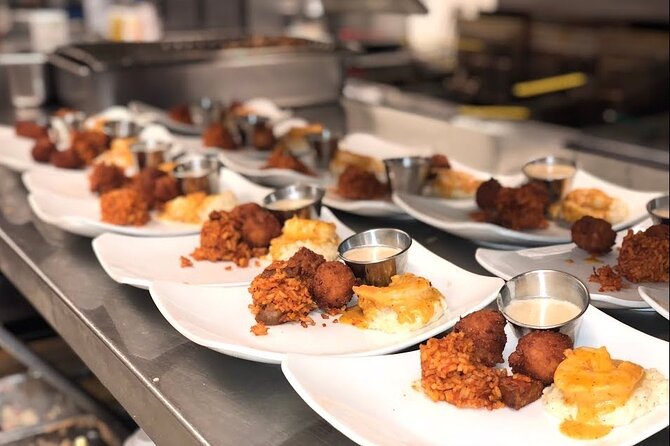
The exact menu can change, so do not book this expecting one guaranteed dish. Past food selections have included several strong examples of Lowcountry and Southern cooking:
- She-crab soup
- A rice and chicken dish
- Carolina Gold rice
- Rice jollof
- A pulled pork slider
- Dessert
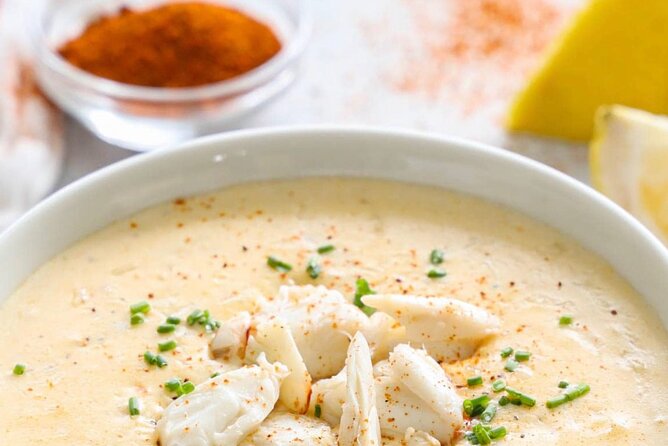
The she-crab soup is often the dish people remember most. It gives you a direct taste of Charleston’s seafood tradition, and the guide explains its local connection while you eat. If you like creamy seafood soup, this may be the highlight of the meal.
The rice dishes are useful because they show how a familiar staple can carry several cultural influences. Carolina Gold rice points to the region’s agricultural past, while rice jollof connects the discussion to African food traditions. The guide uses the food to explain the history rather than presenting each plate as an isolated sample.
The pulled pork slider brings a more casual Southern note. Dessert finishes the meal and helps make the tastings feel like lunch rather than scattered appetizers.
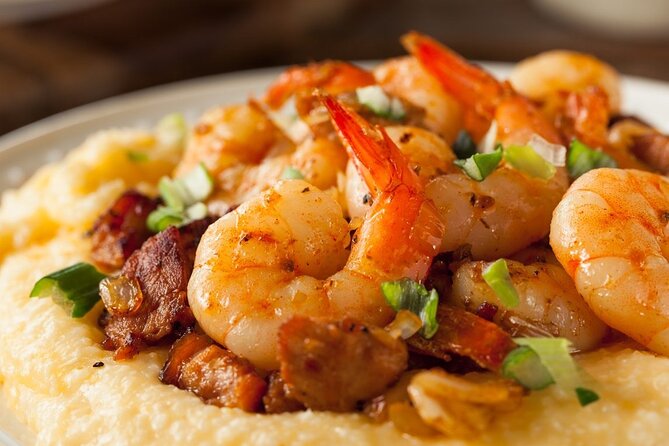
One important warning: shrimp and grits have appeared in the tour’s promotional presentation, but some departures have not served them. If that dish is the main reason you are booking, confirm the current menu before paying. The safer approach is to view the tour as a changing sample of Charleston food, not a fixed menu.
The Pace: Eat, Walk, Listen, Repeat
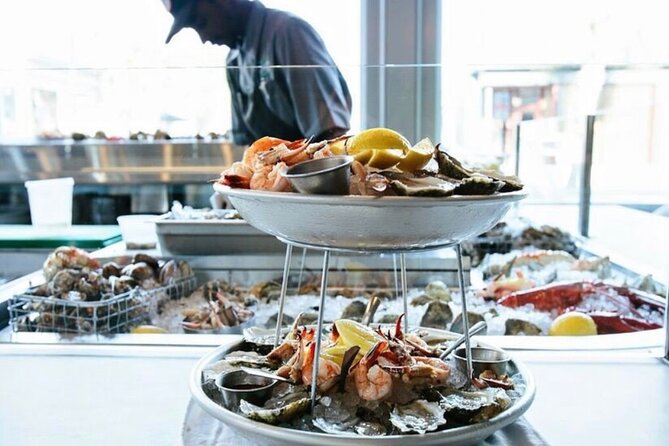
This experience moves at a steady clip. You walk to a landmark, hear a short talk, eat at a restaurant, and then move on. That rhythm keeps the tour lively, but it leaves little time for a cocktail or a slow conversation over the food.
Alcohol is not included. You may buy a cocktail or another alcoholic drink at the venues if available, but doing so could make the schedule feel even tighter. I would treat the included food as the priority and order extra drinks only if the group has enough time.
The stated duration is about two hours and 30 minutes. Some departures have finished in about two hours, so do not schedule a 3:30 activity based on the assumption that this will always end at 4:00. Give yourself a generous buffer, especially if you have a reservation, show, or transportation connection afterward.
The fast pace is not automatically a flaw. It lets you sample several places and cover a good section of downtown in one outing. But if your ideal food experience is sitting at one table and taking your time, choose a longer restaurant meal instead.
Is $110 a Fair Price?
At $110, this is not a bargain walking tour. The value depends on how much you want from the experience.
You are paying for four restaurant tastings, a meal-sized amount of food, a guide, the walking route, and the history woven through it. If you would otherwise pay for lunch plus a separate historic walking tour, the price can make sense. The food also has more purpose than a generic tasting menu because each stop connects to Charleston’s culture.
The price is less convincing if you mainly want a large meal or a list of restaurant recommendations. The portions are spread across stops, and the schedule is designed for movement. You are buying access to a guided food-and-history experience, not simply $110 worth of dishes.
I would book it early in your Charleston stay. The guide can help you understand local dishes before you order them elsewhere, and the historic orientation makes later walks through downtown easier to follow. With a 15-person maximum, the smaller group format also adds value compared with a large bus or crowded public tasting.
Who Will Like This Food Walk?
This tour suits first-time visitors who want an introduction to Charleston through both food and place. It is also a good fit if you like learning while you eat and want more substance than a sightseeing route built only around photo stops.
Families can enjoy it, though the food allowance for children ages 0 to 6 is not included. Older children may respond well to the pirate stories and restaurant stops, but the discussion of slavery and the slave trade requires an age-appropriate conversation.
History-minded eaters will get the most from the tour. You will hear about French influence, African ingredients, Gullah Geechee culture, piracy, privateering, and Charleston’s complicated past. The food gives those subjects a concrete connection.
You may want to skip it if you need a fixed menu, a guaranteed serving of shrimp and grits, a leisurely pace, or a strict two-and-a-half-hour schedule. You should also reconsider if bad weather is likely, since the experience requires good conditions.
Practical Details That Matter
You receive a mobile ticket, and confirmation is sent at booking. The tour is near public transportation, and service animals are allowed. Most people can take part, although the route does involve walking through the historic district.
Alcohol is extra, and young children ages 0 to 6 do not receive included food. The group maximum is 15 people, which helps keep the guide’s explanations and restaurant transitions manageable.
Free cancellation is available up to 24 hours before the local start time for a full refund. Cancellations or changes made within 24 hours are not refunded or accepted. If the operator cancels because of poor weather, you are offered another date or a full refund.
Should You Book Charleston’s Historic Downtown Food Tour?
Book this tour if you want a full lunch with a Charleston history lesson built into the walk. The strongest parts are the food connections, the direct discussion of African and French influences, the inclusion of slavery and the slave trade, and the chance to sample several local styles in one outing.
Go in with flexible expectations. Menus can change, shrimp and grits may not appear, and the tour may finish closer to two hours than two and a half. If that works for you, the $110 price buys a useful first look at Charleston, with enough food to keep you satisfied and enough history to give the city sharper meaning.
FAQ
Where does the tour start?
The tour starts at 195 E Bay St, Charleston, SC 29401, USA.
Where does the tour end?
The activity ends back at the meeting point.
How long does the tour last?
The stated duration is approximately two hours and 30 minutes. Some departures have lasted about two hours, so allow extra time before your next plan.
How many people can join the tour?
The maximum group size is 15 travelers.
Is food included?
Yes. Lunch food tastings at four different restaurant stops are included.
Is alcohol included?
No. Alcoholic beverages are not included, though you may purchase your own drinks at the venues if you wish.
Are children ages 0 to 6 included in the food tastings?
Children ages 0 to 6 may attend, but their food is not included in the ticket.
What landmarks are included in the walking route?
The route passes Rainbow Row, the Pineapple Fountain, the Old Exchange and Provost Dungeon, and Charleston City Market.
What is the cancellation policy?
You can cancel at least 24 hours before the local start time for a full refund. Cancellations or changes made within 24 hours are not accepted or refunded. If poor weather causes the operator to cancel, you are offered another date or a full refund.
New food tours we have reviewed in Charleston
- Tastes Through Time – Charleston’s Best Food & History Tour★ 4.5 · 95 reviews
- Charleston’s Savor the Flavors of Upper King Street Walking Food Tour★ 4.5 · 130 reviews
- Charleston Farm-to-Table Food Tour and Chef’s Challenge★ 5.0 · 110 reviews
- Private Charleston Walking Food Tour at the French Quarter★ 5.0 · 201 reviews
- Charleston Private Brunch Tour: Biscuits, Shrimps, Grits and More★ 5.0 · 48 reviews
- Charleston Upper King Street Food Tour★ 4.5 · 200 reviews
- Charleston Brunch Food Tour: Biscuits, Shrimps, Grits and More★ 5.0 · 239 reviews
- Charleston: Small Group Food Tour – Savor the Flavors★ 4.7 · 169 reviews
Historical Tours, compared.
Barcelona: Tapas Walking Tour with Food, Wine, and History
Read our review →
Sevilla Food Tour: Tapas, Wine, History & Traditions
Read our review →
Madrid Tapas & Taverns Small Group Food & History Tour
Read our review →
Barcelona Tapas Walking Tour: Food, Wine & History
Read our review →
Boston Food & History: Pizza, North End & Freedom Trail
Read our review →Browse the lists this tour appears in