
Review · FOOD TOURS WITH LOCALS
Singapore: Private Food Tour – 10 Tastings with Locals
Singapore’s best food lesson may be the one that keeps moving. This three-hour tour links Kampong Glam, Little India, and Chinatown, pairing local dishes with the streets, religious buildings, murals, and daily routines that give those foods meaning.
I like two things right away: you get 10 food and drink tastings, not one sit-down meal, and the guide helps you understand what you are eating. I also like the use of the MRT between neighborhoods, which lets you cover more ground without turning the tour into a long, tiring march.
The main consideration is appetite and pace. Portions can be generous, so a full breakfast is a mistake. You will also walk, use public transport, and keep to a schedule, and the tour is not suitable for wheelchair users or people with mobility impairments.
Key points to know before booking
- Three cultural quarters in three hours: Visit Kampong Glam, Little India, and Chinatown, with food stops woven between historic sights.
- Ten tastings, including local drinks: Teh tarik and rojak are named highlights, with vegetarian alternatives available.
- Guides make the difference: Marcus, Arthur, Jack, Grayson, Teng, and others are praised for food knowledge, city history, and practical tips.
- MRT travel is part of the route: You may ride between districts rather than walking the entire distance.
- Small group size: The tour is limited to eight participants, though the word private should not make you expect a completely exclusive booking.
- Come hungry, but wear sensible shoes: Food portions can be large, and comfortable footwear matters on the walking sections.
A food tour that also explains Singapore
This is not simply a hunt for ten snacks. The route uses food to explain how Singapore developed through Malay, Indian, Chinese, and other cultural influences. That gives the tour more value than a list of dishes eaten without context.
Your guide may talk about why certain neighborhoods formed, how different communities shaped Singapore, and how food traditions remain part of everyday life. The strongest guides, including Marcus, John Tan, Jack, Teng Ching Meng, Arthur, and Grayson, have been praised for connecting the meal on the table with the street outside.
I would book this early in a Singapore stay. You get an introduction to several central districts, learn how the MRT works, and collect ideas for places to revisit later. One guide, Jack, has even been praised for sending practical MRT advice before the tour, including the useful reminder that each person should use one payment card and avoid double tapping.
The tour begins in front of Arabica Singapore Coffee Shop. Hotel pickup is not included, so you need to reach the meeting point yourself. Check the exact starting time when booking, since several departure times may be available.
More Food Tours with Locals in Singapore:
- Naples: Street Food Walking Tour with Local Guide
★ 4.9 · 4,976 reviews - Rome: Street Food Tour with Local Guide
★ 4.8 · 4,077 reviews - Eat Like a Local: Venice 3-Hour Small-Group Food Tasting Tour
★ 5.0 · 3,137 reviews
Kampong Glam: Malay flavors beside Sultan Mosque
Kampong Glam is a strong opening because it combines food, architecture, and neighborhood identity in a compact area. The route includes the area around Sultan Mosque and Arab Street, where the guide sets the scene before or alongside the first tastings.
The food here helps introduce Malay and Muslim influences in Singapore. Teh tarik, the traditional pulled tea named in the tour description, is one of the clear highlights. It is not just tea for the sake of having a drink. The preparation and local setting give your guide a natural way to explain everyday food culture.
Rojak is another named tasting. The word covers a mixed dish, and that idea suits the tour well: sweet, savory, and contrasting flavors gathered in one bowl or plate. The precise version served is not stated, so if you have allergies or strong dislikes, tell the guide at the start.
Sultan Mosque adds visual weight to this first section. You are not being taken only from stall to stall. You get a landmark, a neighborhood, and an explanation of how the district fits into Singapore’s cultural story.
Arab Street can also be a good place for photographs, especially if your guide knows how to frame the group. One guest specifically praised Jack’s ability to take memorable pictures, while another noted that the guide helped create useful family photos. Photography is not listed as a formal feature, but several guides appear comfortable helping people record the day.
Little India: food, murals, and a change of rhythm
The next major area is Little India. The route includes the Cow murals, a detail that gives the walk a clear visual marker and keeps the neighborhood visit from feeling like a generic pass-through.
Here the emphasis shifts toward Indian food and the role of Indian culture in Singapore. The exact tasting list is not provided, and that is worth noting. The tour promises ten hand-picked local tastings, but you should not book it expecting a published menu with ten fixed dish names.
That flexibility can work in your favor. A local guide can explain what is being served, how it is normally eaten, and why it belongs in the city’s food culture. The vegetarian option is especially useful here, though you need to mention your preference at the beginning so the menu can be adapted.
Several people who took the tour with vegetarian companions said the adjustment worked well. That does not mean every dietary restriction is covered, so tell the guide clearly about allergies and food rules before eating. The stated provision is for vegetarian alternatives.
Little India also gives the tour a change of pace. Kampong Glam offers Malay and Muslim history, while Little India brings a different set of customs, colors, and food habits. Moving between these districts makes the central point of the tour easy to grasp: Singapore’s food identity is not one tradition but several traditions living close together.
Chinatown: food at the end of the route
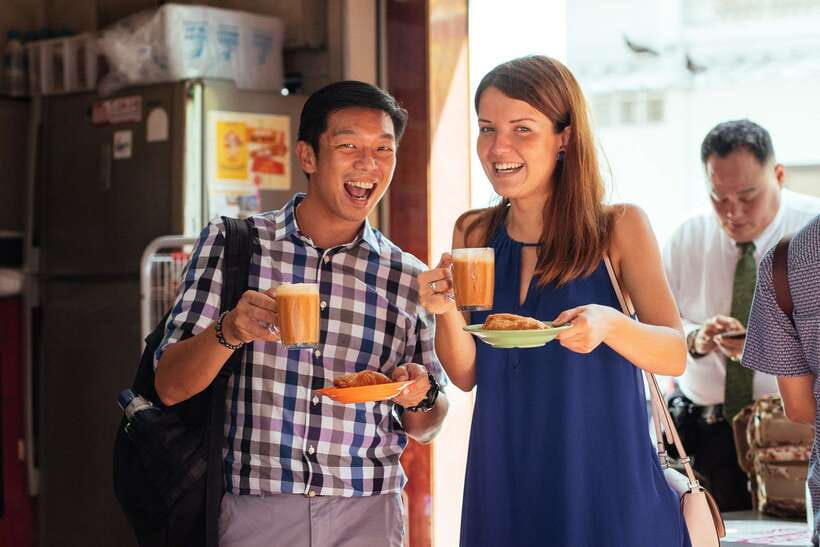
Chinatown is the final named district and often the place where the tasting count feels most substantial. The route includes the Elderly Corner, along with other notable stops, and may end at a hawker center.
That ending matters. A hawker center is not presented as a polished restaurant experience. It is a place connected with ordinary local eating, shared tables, quick service, and a wide choice of dishes. You get a better sense of daily food culture when the setting is as important as the recipe.
One account describes ending in Chinatown with a large amount of food still to eat. Another says the food was so generous that you should arrive very hungry. Taken together, the practical advice is simple: eat a light breakfast, or skip it if your tour begins early.
The Elderly Corner adds a human detail to the Chinatown visit. Rather than treating the district as a backdrop for food photos, the route points to a place connected with local residents and community life. The guide can use stops like this to explain how Singapore has changed and how older and newer parts of the city sit beside one another.
You may also visit a Buddhist temple during or near the Chinatown portion. This is not listed as a guaranteed formal stop in the main description, so treat it as something that can form part of the route rather than a promise.
More Private Food Tours in Singapore:
- The Award-Winning PRIVATE Food Tour: 10 Tastings of 3 Cultures
★ 4.5 · 1,017 reviews - Lisbon Exclusive PRIVATE Food Tour with 6 or 10 Tastings
★ 4.5 · 1,113 reviews - Rome Private Food Tour with 6 or 10 Tastings
★ 4.5 · 902 reviews - Lisbon Private Food Tour – Taste 10+ Local Dishes & Wines
★ 5.0 · 896 reviews
How the ten tastings work
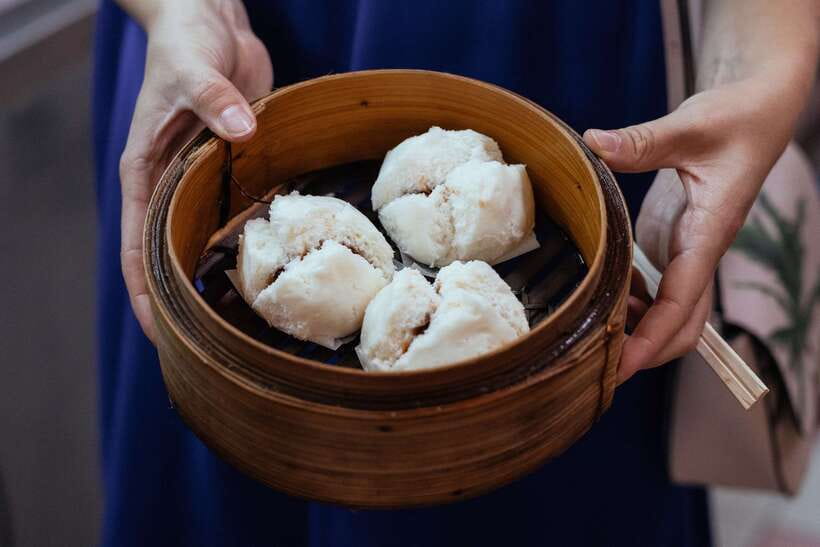
The tour includes ten food and drink tastings, with both savory and sweet items and local drinks. Teh tarik and rojak are specifically named, but the other items are not listed in advance.
That is both a strength and a limitation. If you want a surprise-filled introduction to Singaporean food, the hand-picked format is appealing. You can try things you might not order alone and ask questions while the food is in front of you.
If you are planning around a particular dish, this tour is less certain. Ask the guide or booking service for the current tasting plan before paying if there is one food you consider essential.
The tastings are described as local and authentic, but you should not confuse ten tastings with ten tiny samples. The available accounts repeatedly describe generous portions. You may finish the tour comfortably full rather than merely ready for lunch.
That makes the $160 per-person price easier to assess. You are paying for ten tastings, a three-hour guided route, interpretation across three districts, and help using the city between stops. You are not paying for hotel transfers, a formal restaurant meal, or an all-day private car.
For someone who would otherwise pay separately for several meals and spend time finding the right stalls, the price can be reasonable. For a person who mainly wants a cheap hawker-center lunch, it is expensive. The value rests in the guide and the structure, not just in the food itself.
The guide is the real variable
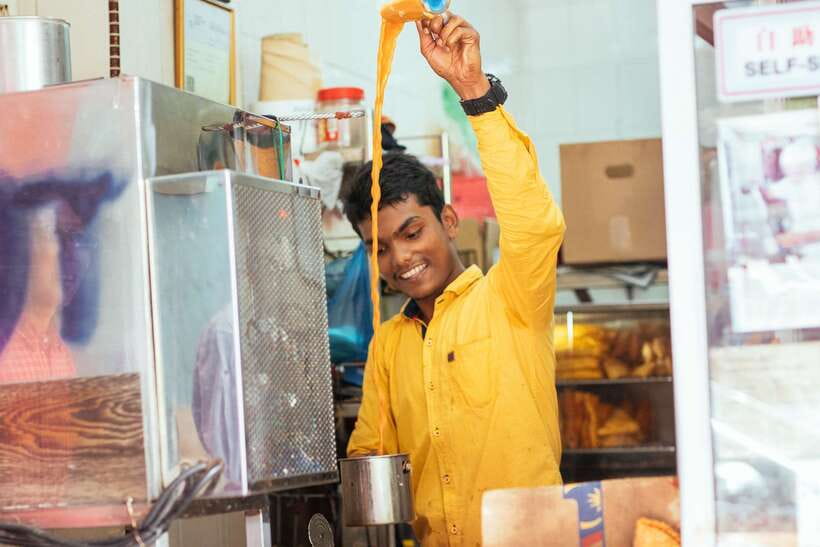
The experience depends heavily on the person leading it. The food stops matter, but the repeated praise is aimed at guides who explain history, answer questions, handle dietary needs, and keep the group moving.
Marcus appears often in the available feedback. He is praised for combining food with the development of Singapore, offering directions for the MRT afterward, and adjusting his pace for a participant with limited sight. Arthur is described as funny, engaging, and helpful, with the practical warning about eating only a light breakfast.
Jack receives praise for pre-tour communication, MRT advice, cultural explanations, and photography. Grayson is repeatedly described as warm, informative, and good at linking food with daily life. Teng Ching Meng is praised for his food knowledge, historical explanations, and ability to make the route feel local.
Other named guides include Chin Meng, Stefan, John Tan, Vincent, Royston, Ron, Ang, William, and Marcus Yeo. You are not guaranteed one particular guide unless the booking arrangement says so, but these names give you a sense of the guide-led character of the tour.
A good guide will do more than identify a dish. You want someone who explains why the food matters, how the neighborhood formed, and what to notice while walking. That is where this experience earns its place above a self-guided list of hawker centers.
Walking, trains, weather, and pace
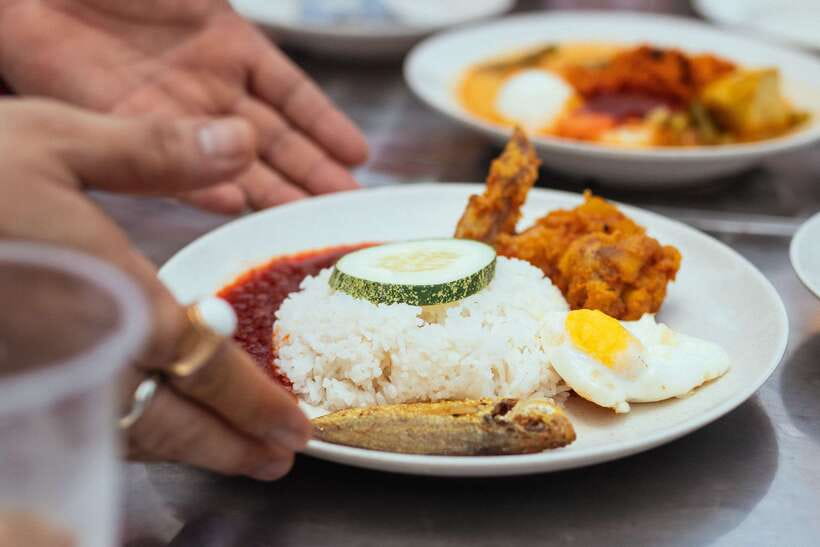
Three hours sounds short, but this is an active three hours. You walk between food stops, move through public areas, and may take the MRT from one district to another. Comfortable shoes are specifically recommended, and you should take that advice seriously.
The route is not described as difficult hiking, but it is not fully seated either. One account says a guide sometimes walked fast, then waited for the group. That is a useful warning for anyone who needs extra time.
Singapore’s weather can also affect comfort. The tour continues through outdoor streets and transport connections, so light clothing, water, and protection from heat or rain may help, though only comfortable shoes are formally listed as something to bring.
The tour is not suitable for people with mobility impairments or wheelchair users. This is important because the route combines walking and MRT travel rather than using an accessible vehicle throughout.
Small groups are limited to eight participants. That is small enough for questions and personal conversation, but the tour may not be just you and your companions. Some bookings may feel almost private when attendance is low, while others can include several people.
Vegetarian options and other food concerns
Vegetarian alternatives are available. Tell your guide at the beginning, and the menu will be adjusted.
The information provided does not promise vegan, halal, gluten-free, nut-free, or allergy-safe substitutions. Kampong Glam includes Muslim cultural sites and food traditions, but do not treat that alone as a guarantee about every tasting. Be specific about your needs before accepting anything.
The best way to approach the food is with curiosity and a sensible appetite. You do not need to love every flavor, but you should be ready to try a broad mix of local food and drinks. The tour is built around variety rather than one carefully controlled meal.
Who will get the most from this tour
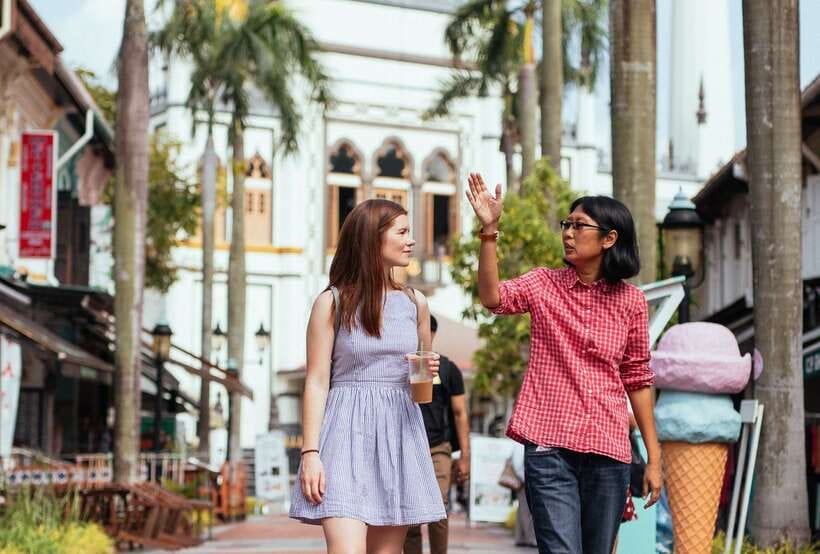
I would recommend it most strongly for a first visit to Singapore, especially if you have only a day or two. It gives you a working introduction to three important districts and may help you decide where to return for a longer meal or independent walk.
It also suits people who like context with their food. If you want to know how Malay, Indian, and Chinese traditions shaped Singapore, the guide-led format is much more useful than simply following a restaurant map.
Families can benefit from the photos, short food stops, and changing scenery, provided everyone can manage the walking and public transport. Couples and solo visitors may appreciate the small group and the chance to ask questions without arranging a completely separate guide.
I would be more cautious if you dislike surprises, have strict dietary limits, need step-free access, or prefer a slow restaurant meal. The ten tastings can be filling, and the exact menu is not spelled out.
Cancellation, booking, and practical value
The tour costs $160 per person and lasts three hours. You can cancel up to 24 hours before the start for a full refund, and the reserve-now, pay-later option lets you hold a place without paying immediately.
Those terms help if your Singapore schedule is still changing. Hotel pickup and drop-off are not included, so allow time to reach the Arabica Singapore Coffee Shop meeting point in front of the shop.
The tour is conducted in English. Check the starting time and current availability before booking, since the duration and language are fixed but departure slots can vary.
Should you book it?
Book this tour if you want Singapore explained through food, not just eaten. The strongest reason to go is the combination of ten tastings, three cultural districts, MRT travel, and a local guide who can connect everyday dishes with the city’s past and present.
At $160, it is not a bargain meal. It can be good value if you would otherwise waste time searching for food stops and miss the story behind them. Come with a light breakfast, comfortable shoes, an open mind, and enough energy for a moving three-hour lesson.
Skip it if you need wheelchair access, want a fixed menu, or prefer to spend the same money on independent hawker-center meals. For most first-time visitors who want a friendly introduction to Singapore’s food and neighborhoods, this is a strong choice.
FAQ
How long does the Singapore food tour last?
The tour lasts three hours.
How much does the tour cost?
The listed price is $160 per person.
How many tastings are included?
The tour includes 10 food and drink tastings.
Which foods and drinks are specifically mentioned?
Teh tarik and rojak are specifically named. The full ten-item menu is not provided in the tour details.
Which neighborhoods does the tour visit?
The route includes Kampong Glam, Little India, and Chinatown.
Will the tour visit Sultan Mosque?
Sultan Mosque is listed among the sights visited along the route.
Does the tour include vegetarian food?
Yes. Vegetarian alternatives are available. Tell your guide at the beginning so the menu can be adapted.
Is hotel pickup included?
No. Hotel pickup and drop-off are not included.
Where does the tour meet?
You meet the guide in front of Arabica Singapore Coffee Shop.
How large is the group?
The tour is limited to eight participants.
What language is the tour conducted in?
The live tour guide speaks English.
Is the tour suitable for wheelchair users?
No. The tour is not suitable for wheelchair users or people with mobility impairments.
What should you bring?
Comfortable shoes are recommended.
Can you cancel for a refund?
Yes. You can cancel up to 24 hours in advance for a full refund.
Do you have to pay when booking?
The reserve-now, pay-later option allows you to book without paying immediately.
New food tours we have reviewed in Singapore
- Street Food, Cultural & Historical Tour of 3 Ethnic Quarters★ 5.0 · 23 reviews
- Singapore: Local Hawker Food Tour with Tastings★ 4.7 · 181 reviews
- Singapore: Local Street Food Tasting Tour★ 4.8 · 36 reviews
- Singapore: Guided Street Food Tour at Night★ 4.5 · 393 reviews
- Singapore: Chinatown Hawker Guided 8-Dish Tasting Tour★ 4.9 · 41 reviews
- Singapore: Foodie Experience Guided Tour with 5 Tastings★ 4.7 · 291 reviews
- Singapore: Hawker Culture Food Tour and Sightseeing★ 4.8 · 23 reviews
- Singapore: Little India Hawker Street Food Tour★ 4.8 · 27 reviews
Food Tours with Locals, compared.
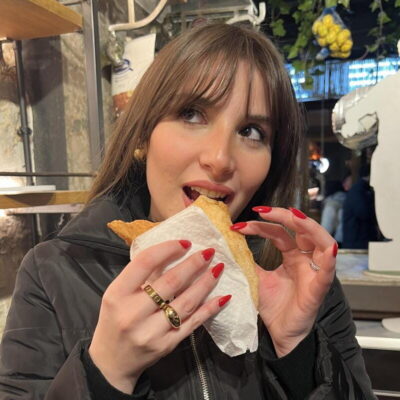
Naples: Street Food Walking Tour with Local Guide
Read our review →
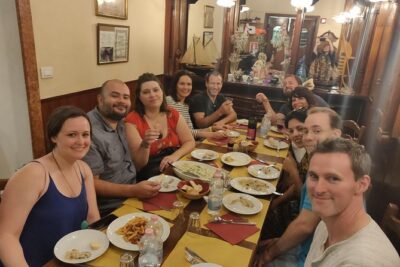
Eat Like a Local: Venice 3-Hour Small-Group Food Tasting Tour
Read our review →
Marrakech: Street Food Tour with a Local Guide
Read our review →
Venice: Street Food Tour with a Local Guide and Tastings
Read our review →
Madrid: Tapas & Wine Tasting Tour with Local Guide
Read our review →
Hungry Osaka Street Food Tour:15 Tastings & 3 Drinks with a Local
Read our review →Browse the lists this tour appears in