
Review · STREET FOOD TOURS
Singapore: Local Hawker Food Tour with Tastings
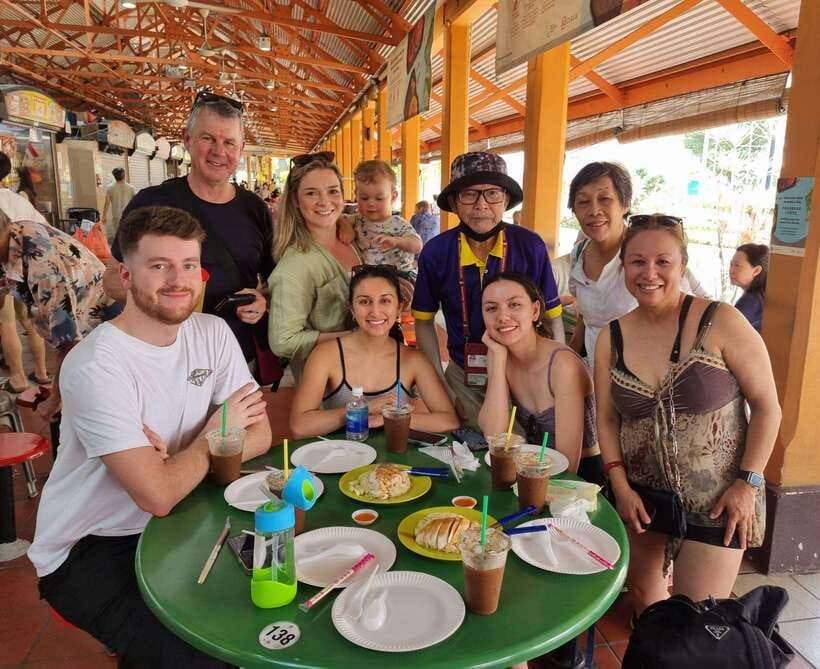
Singapore’s best food often comes from a tray at a hawker centre, not a polished restaurant. This three-hour tour takes you to Hong Lim Market, Maxwell Food Centre, and Chinatown stalls for 9 to 10 tastings, including food from Michelin Guide-listed and Bib Gourmand hawkers. The useful trick is that a guide or assistant handles the long queues while you learn what is on the table.
I like the mix of serious eating and Chinatown sightseeing, especially the walks past Jamae Mosque, Sri Mariamman Temple, South Bridge Road, Sago Street, and the Buddha Tooth Relic Temple. I also like the small-group format and guides such as William, Richard, Swee Lin, and Jon, who explain how immigration, colonial rule, and daily life shaped Singapore’s food.
The main caution is the fixed menu. This is not a good choice if you have food allergies, strict dietary rules, or need walking assistance. The three hours can also feel food-heavy, so arrive hungry and bring water.
Key points at a glance
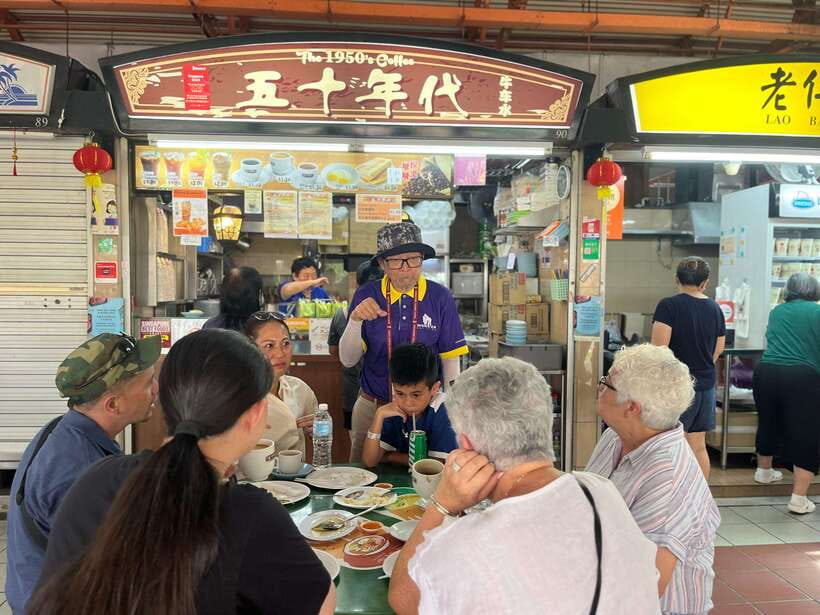
- Queue-free access to popular stalls: An assistant may go ahead to order food and arrange seating, saving you from standing in long lines.
- Three Chinatown food centres and markets: Hong Lim Market, Maxwell Food Centre, and Chinatown Complex give you different views of local eating.
- A proper meal, not a token sample: The included 9 to 10 foods and drinks can be enough to replace breakfast or lunch.
- Food linked to Singapore’s past: Your guide explains Chinese, Malay, Indian, and other influences behind the dishes.
- Easy pace for most walkers: The route includes sitting and eating breaks, but it still involves outdoor walking and some stairs.
- Best for curious first-time eaters: You gain the confidence to return to hawker centres on your own and order more later.
Why this hawker tour works for a first taste of Singapore
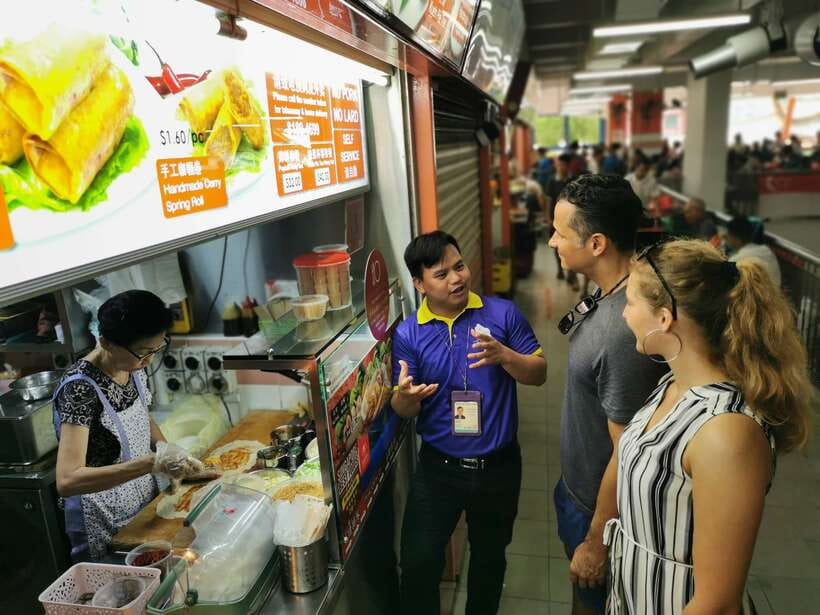
Hawker food can be confusing at first. Several food centres may sit close together, stalls can have long lines, and a dish name tells you little if you have never seen it before. This tour removes much of that guesswork.
Your guide explains what you are eating, where it comes from, and why certain stalls matter. The food is not treated as a simple checklist. You also hear about the people who run the stalls, Singaporean customs, and the way different communities shaped the city’s cooking.
That context is the tour’s strongest feature. Guides including William, Swee Lin, Richard, Lin, and Jon have been praised for linking food with Singaporean life and history. Jon, in particular, is described as combining the origins and preparation of dishes with stories about the country in a funny, easy-to-follow way.
The group size is another plus. The supplied details describe a small group limited to 10 people, while the highlights also refer to a maximum of 12. Either way, this is much more personal than a large coach excursion. A smaller group makes it easier to ask what a dish contains, hear the guide, and share a table without feeling lost in a crowd.
More Street Food Tours in Singapore:
- Small Group: Michelin and Local Hawker Food Tour with 9 tastings
★ 5.0 · 1,890 reviews - Small Group: Singapore Street Food & Night Tour with 9 tastings
★ 5.0 · 1,240 reviews - Singapore: UNESCO Street Food & Cultural Experience
★ 5.0 · 524 reviews
Meeting at Chinatown MRT and getting oriented
The meeting point is outside Starbucks at Chinatown MRT Exit E, at street level. Look for the guide wearing a purple shirt. This is a clear meeting place, but do not cut it close. The tour starts on time and is not extended for late arrivals.
Starting at Chinatown MRT makes sense. You are near several important food and cultural sites, and the route quickly moves from transport hub to neighborhood streets. If you are staying elsewhere, Singapore’s MRT makes Chinatown easy to reach, but transport is not included in the ticket.
The English-speaking guide leads the walk. Past guide names include William, Richard, Swee Lin, Jon, Heng, Marcus, Linda, Joyce, and YC, so your exact style will depend on who is assigned that day. The common thread is food explanation, local history, and help ordering or sharing the tastings.
Wear comfortable shoes. Bring water, cash, and an umbrella or poncho. Singapore’s weather can change quickly, and part of this route is outdoors.
Hong Lim Market starts the eating
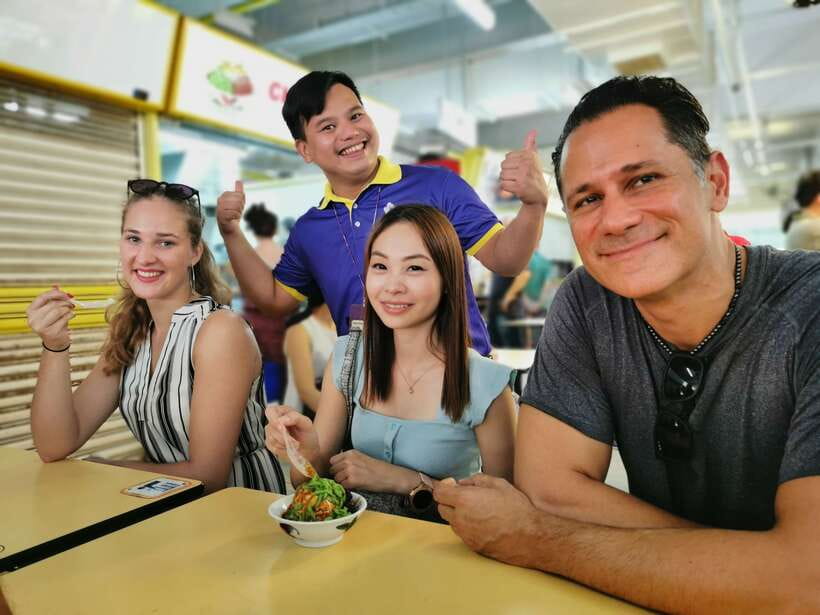
Hong Lim Market and Food Centre is the first major food stop. This is where the tour begins to show you how Singapore’s hawker system works: many independent stalls, each with its own specialty, reputation, and following.
Expect an opening round of tastings rather than one large plate. The precise dishes can vary, and the menu is fixed rather than chosen by each person. That is useful for a first visit because you are guided toward foods you might not order by yourself, but it also means you cannot swap items to suit allergies or strong dislikes.
This stop may include a local breakfast favorite. The tour is designed to work as a morning experience, and several people have noted that the portions are generous. I would treat the included food as a substantial meal, not a few decorative bites.
Your guide should explain how to eat the dish and what flavors to notice. If you are new to hawker food, ask questions early. This is the point to learn how stalls operate and how to return later without a guide.
Chinatown’s religious buildings add useful context
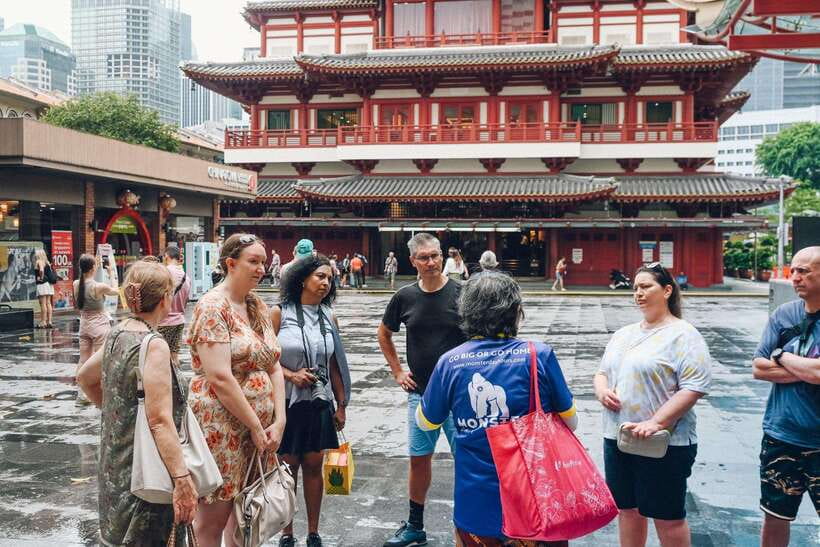
Between food stops, the route passes Jamae Mosque and Sri Mariamman Temple. You do not appear to enter these sites as a formal visit, but their presence gives the walk more depth than a food-only crawl.
Jamae Mosque and Sri Mariamman Temple sit within Chinatown’s mix of cultures and faiths. Passing them helps connect the food to the community around it. Singapore’s cooking did not develop in isolation, and the tour’s explanations address the effects of immigration, colonialism, and contact between different groups.
The walk continues along South Bridge Road, where you get scenic views on the way to the next food centre. This is not a long sightseeing tour of every building, so keep your expectations sensible. The landmarks add context and variety, but the food remains the main event.
The pace has earned praise for giving you time to walk, listen, and sit. In hot weather, that matters. A guide named Heng was noted for finding shade when possible, and Swee Lin was considerate with someone who found stairs difficult. Still, the tour is not suitable for wheelchair users or anyone who requires walking assistance.
More food tours in Singapore:
- The Award-Winning PRIVATE Food Tour: 10 Tastings of 3 Cultures
★ 4.5 · 1,017 reviews - Singapore: Chinese, Indian & Arabic Quarters, Culture & Food Tour
★ 5.0 · 789 reviews - Singapore: Guided Street Food Tour at Night
★ 4.5 · 393 reviews - Singapore: Foodie Experience Guided Tour with 5 Tastings
★ 4.7 · 291 reviews
Maxwell Food Centre brings the famous stalls
Maxwell Food Centre is likely the most anticipated stop. It is a major Chinatown food hall with famous and high-demand stalls, including Michelin Guide-listed or Bib Gourmand-recognized hawkers.
The queue service is a real part of the value here. A guide or assistant may go ahead, order the selected dishes, and arrange a table before the group arrives. That means you can spend your time hearing the story behind a stall instead of standing in line in the heat.
Do not read skip the queue as skip every wait in Singapore. It means the tour team handles the ordering process for the included tastings. Popular stalls still operate at their own pace, and the group may need to wait briefly while food is prepared.
The food is shared. One practical point is to pay attention when plates are divided, since shared portions can feel uneven if everyone reaches at once. The guides generally organize this, but you can politely ask how each plate is meant to be split.
This is also where you may notice the difference between a food tour and eating alone. You receive a range of dishes, but you also learn which stalls are worth returning to. Several people found the tour useful as a first-day introduction because it gave them the confidence and recommendations to come back independently.
South Bridge Road, Sago Street, and the Buddha Tooth Relic Temple
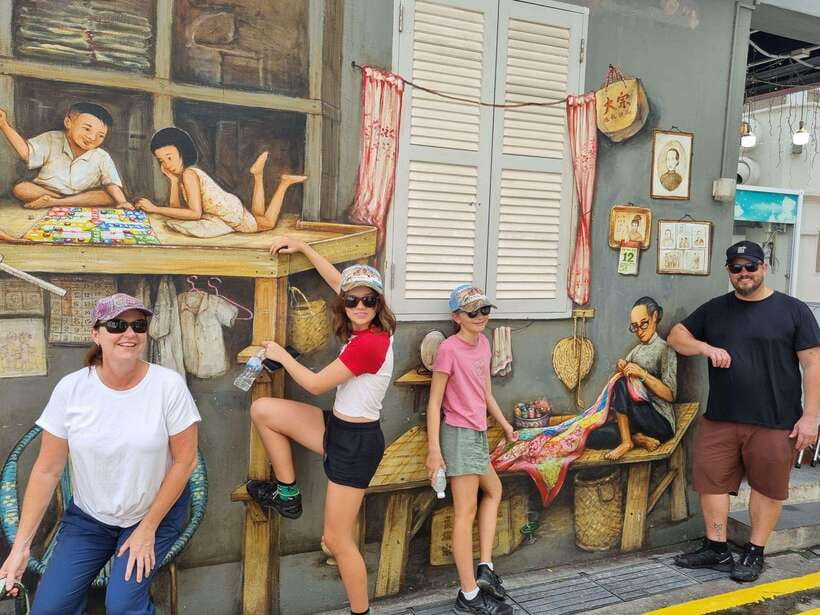
After Maxwell, the route continues through Chinatown, passing Sago Street and the Buddha Tooth Relic Temple before finishing with a walk toward Chinatown Complex. These sections break up the eating and help the three hours feel like a neighborhood tour rather than a series of restaurant stops.
Sago Street gives you another look at Chinatown’s older lanes and local character. The Buddha Tooth Relic Temple is one of the area’s most recognizable buildings. The tour information describes it as a pass-by stop, though one account notes a visit inside the colorful Buddhist temple. Treat the temple as a possible viewing point rather than a guaranteed guided interior visit.
This part of the route is valuable after a heavy meal. You have time to walk, ask about Singaporean traditions, and let the food settle. It also gives your guide space to explain daily life beyond the dishes.
The final walk reaches Chinatown Complex. Depending on timing and the assigned guide, this may be more of a concluding neighborhood walk than another full tasting stop. The included food count is 9 to 10 local foods and drinks overall, so you should not assume every listed location offers a separate meal.
What you actually eat, and how much
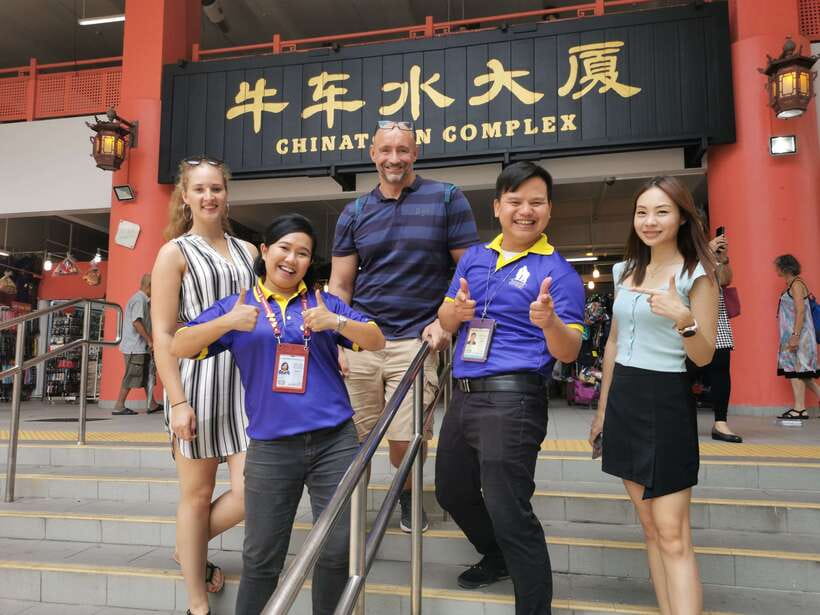
The exact menu is not provided in advance, and the operator describes the food as fixed. You should expect a broad introduction to local hawker cooking, including long-established breakfast items and dishes from stalls recognized by the Michelin Guide.
The portions are a major reason to arrive hungry. People have found the food plentiful enough that some could not imagine eating much more afterward. The tasting format spreads the meal over walking and sitting, which helps, but this is still a serious amount of food in three hours.
The tour can work for a cautious eater because the guide explains each item and the shared format lets you taste several things. It is less suitable for someone who needs complete control over ingredients. Dishes may contain peanuts, soy sauce, seafood, or other ingredients, and the menu cannot be customized.
Bring wipes or napkins. Hawker food can be saucy and messy, and although a guide may carry wipes, you should not rely on that. Cash is also sensible for optional drinks, extra food, or personal purchases.
The guides make or break the morning
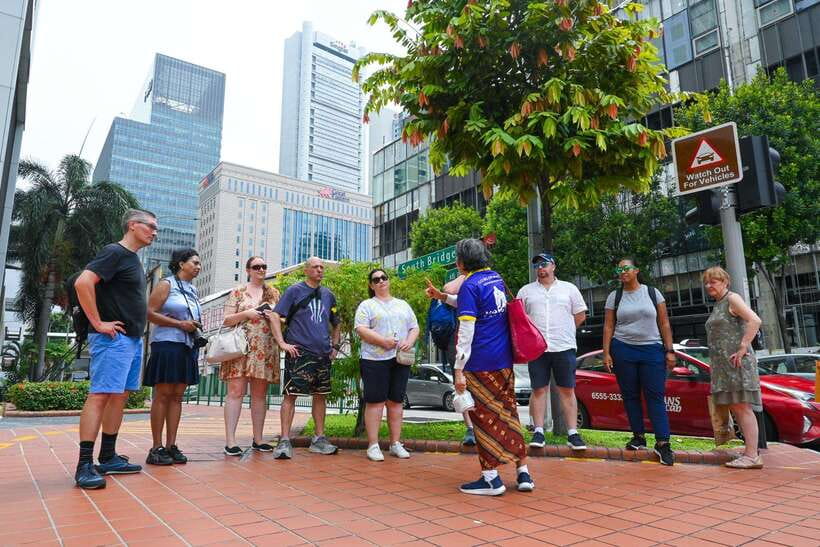
The strongest part of this experience is the human guide. A good guide turns a plate of noodles, rice, pastry, or dessert into a story about work, family, migration, and survival in a changing city.
William has been praised for explaining both food culture and Singaporean society, while Richard is known for warmth and enthusiasm. Swee Lin has been singled out for connecting food origins to Singapore’s multicultural life. Guides such as Marcus add humor, and Jon is particularly good at tying ingredients and preparation to national history.
The quality can vary by person. One guide was described as speaking too quickly and too softly, making some explanations hard to follow. If you cannot hear, say so early rather than missing half the tour. A smaller group helps, but hawker centres are noisy places.
There was also one report of a last-minute booking not reaching the guide correctly, although the matter was sorted out before departure. I would avoid booking at the last possible minute if your plans are tight, and I would save the meeting details before leaving your hotel.
Is the $72 price good value?
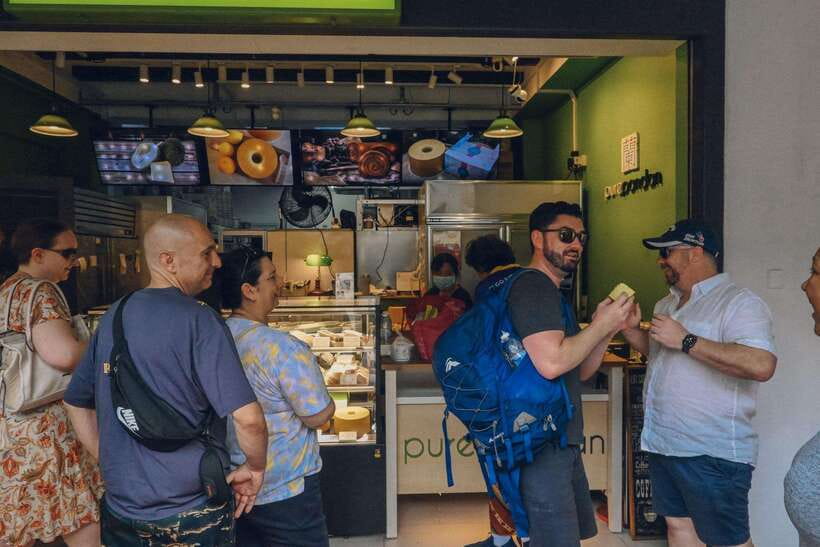
At $72 per person, this is not the cheapest way to eat in Singapore. You could visit a hawker centre alone and pay much less for individual dishes. The price makes more sense if you value the explanation, stall selection, queue handling, and the chance to sample 9 to 10 foods without researching the city first.
The Michelin Guide and Bib Gourmand angle also adds practical value. You are not simply being taken to random stalls. The route focuses on established names and high-demand places, where ordering and seating can be awkward for a first-time visitor.
I would compare the cost with what you would otherwise spend on a private guide, several meals, and the time needed to find the right stalls. For a couple or family who wants a smooth introduction, the price is reasonable. For an experienced Singapore eater who already knows Chinatown well, it may feel expensive.
The value rises if you take it early in your stay. You can return to the food centres later, order the dishes you liked, and try stalls that were not part of the tasting. It is less compelling as your final activity, when you have already eaten your way through Chinatown.
Who should book this experience?
This tour suits first-time visitors, food-focused couples, families with children aged 7 and older, and anyone who wants local orientation without a demanding full-day excursion. The walking is moderate, and the route includes regular food and sitting breaks.
It is also a good fit if you feel uncertain about hawker centres. You will learn how the places work, what to order, and how different foods fit into Singapore’s cultural story.
Think twice if you have food allergies, major dietary restrictions, or need a wheelchair-accessible route. The food cannot be changed for individual needs, and the tour is specifically not suitable for people with allergies or walking assistance requirements.
The activity is in English. If you prefer a quiet, private meal with lots of personal choice, this small-group tour may not be your best match. A private option is suggested for people who need a more personalized menu.
Should you book the Chinatown hawker food tour?
I would book it if you want a generous introduction to Singaporean food and culture, especially near the start of your trip. The combination of famous stalls, queue assistance, local stories, and Chinatown landmarks gives you more than a meal and less than an exhausting full-day tour.
Go hungry, wear light comfortable clothing, carry water and rain protection, and keep an open mind about the fixed menu. If allergies or mobility needs are part of your planning, skip this one and choose a private experience with food choices agreed in advance.
FAQ
Where does the Singapore hawker food tour meet?
Meet at Chinatown MRT Exit E, at street level outside Starbucks. Look for the guide in a purple shirt.
How long does the tour last?
The tour lasts three hours. Starting times vary, so check availability when booking.
How many foods and drinks are included?
The tour includes 9 to 10 local hawker foods and drinks.
Which food centres are included?
The route includes tastings at Hong Lim Market and Food Centre and Maxwell Food Centre. It also includes a walk through Chinatown Complex and nearby streets.
Is transport included?
No. Transport to and from the meeting point is not included.
Is the food menu customizable?
No. The food items are fixed and cannot be customized for individual preferences or dietary needs.
Can people with food allergies join?
No. The tour is not suitable for people with food allergies because items may include ingredients such as peanuts, soy sauce, and seafood.
Is the tour suitable for wheelchair users?
No. The activity is not suitable for wheelchair users or people who require walking assistance. A moderate amount of walking is required, including outdoor sections.
What should I bring?
Bring cash, water, comfortable footwear, and an umbrella or poncho. Singapore’s weather can be wet and hot, and optional food, drinks, personal expenses, and tips are not included.
New food tours we have reviewed in Singapore
- Street Food, Cultural & Historical Tour of 3 Ethnic Quarters★ 5.0 · 23 reviews
- Singapore: Local Street Food Tasting Tour★ 4.8 · 36 reviews
- Singapore: Private Food Tour – 10 Tastings with Locals★ 4.7 · 194 reviews
- Singapore: Guided Street Food Tour at Night★ 4.5 · 393 reviews
- Singapore: Chinatown Hawker Guided 8-Dish Tasting Tour★ 4.9 · 41 reviews
- Singapore: Foodie Experience Guided Tour with 5 Tastings★ 4.7 · 291 reviews
- Singapore: Hawker Culture Food Tour and Sightseeing★ 4.8 · 23 reviews
- Singapore: Little India Hawker Street Food Tour★ 4.8 · 27 reviews
Street Food Tours, compared.
Dubai: Old Town, Creek, Museums, Souks, & Street Food Tour
Read our review →
Ho Chi Minh City Street Food Tour & Sightseeing By Motorbike
Read our review →
Dubai: Old Town, Souks, Street Food, Guided Tour & Abra Ride
Read our review →
Naples: Street Food Walking Tour with Local Guide
Read our review →
Small Group Hanoi Street Food Tour with a Real Foodie
Read our review →
Saigon By Night and Street Food By Motorbike | Opt: Ao Dai Riders
Read our review →
Private Street Food Tour by Motorbike/Car with Local Students
Read our review →Browse the lists this tour appears in