
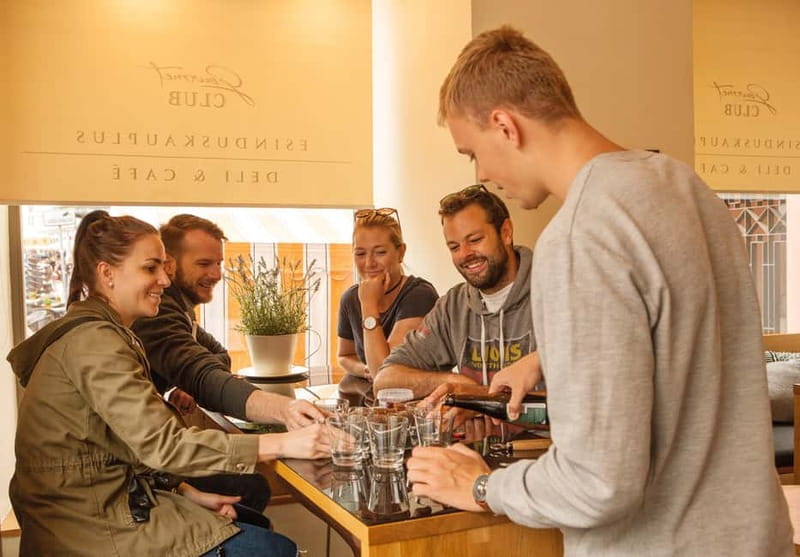
Review · HISTORICAL TOURS
Tallinn: Food and History Walking Tour
Tallinn’s food story makes most sense when you eat your way through it. This three-hour walk links the Old Town with Baltic Station Market and nearby Kalamaja, using soup, rye bread, sprat sandwiches, sweets, and local drinks to explain how Estonia has changed. I especially like the mix of traditional and modern food and the way guides such as Paul and Peter tie each bite to local history.
I also like the gentle pace and useful sightseeing. You get a solid look at some of Tallinn’s prettiest streets while still making time for about six or seven tastings. The main caution is practical: the route is not suitable for wheelchair users or people with mobility impairments, and the $140 price needs to make sense for you if you are mainly seeking a cheap meal.
Key points
- Elk soup and local staples: Expect a soup or broth, dark rye bread, spiced sprat sandwiches, sweets, and samples of newer Estonian cooking.
- Old Town to Baltic Station Market: The walk combines major city sights with a working food market and the nearby Kalamaja quarter.
- Drinks are part of the story: You may taste kali, kama, sea buckthorn or birch juice, coffee, cake, beer, or berry and fruit wine.
- Strong guide-led history: Paul, Peter, Riin, and other English-speaking guides have made the food meaningful by explaining Estonia’s past and present.
- About three hours on foot: The pace is generally easy, though you should wear good shoes and dress for the weather.
- Seasonal menu: Exact stops and dishes can change, so come ready for a tasting route rather than a fixed restaurant menu.
Starting with Tallinn’s food story on Niguliste Street

Meet at the Tallinn Tourist Information Centre at Niguliste 2. This is a sensible starting place in the Old Town, and the tour gets moving on foot rather than wasting time on a bus or transfer.
The first part lasts about 75 minutes and combines sightseeing with an introduction to Estonian food culture. You will see attractive parts of the Old Town while your guide explains how food connects with the country’s past, daily life, and changing identity.
That link is the real point of the experience. A food tour can easily become a string of snacks with no context. Here, the aim is to explain why certain ingredients and dishes matter, and how Estonia’s kitchen has moved from simple local staples toward more modern cooking.
The Old Town portion is also useful if you have just arrived in Tallinn. You get basic historical and cultural bearings before moving beyond the postcard center. The tour does not promise an exhaustive history lesson, but it gives you a practical introduction to the city and country.
I would pay close attention to the guide here. Paul has been praised for connecting Tallinn’s past with its cuisine, while Peter has received similar credit for making the history and food easy to follow. The experience depends heavily on that storytelling, so a strong guide adds real value to the price.
More history tours in the world:
- Barcelona: Tapas Walking Tour with Food, Wine, and History
★ 4.8 · 4,261 reviews - Sevilla Food Tour: Tapas, Wine, History & Traditions
★ 5.0 · 3,468 reviews - Madrid Tapas & Taverns Small Group Food & History Tour
★ 5.0 · 2,664 reviews
Rye bread, sprats, and the taste of everyday Estonia
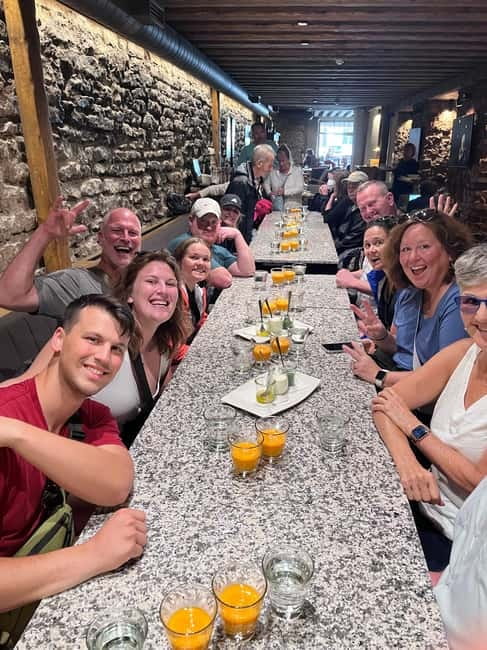
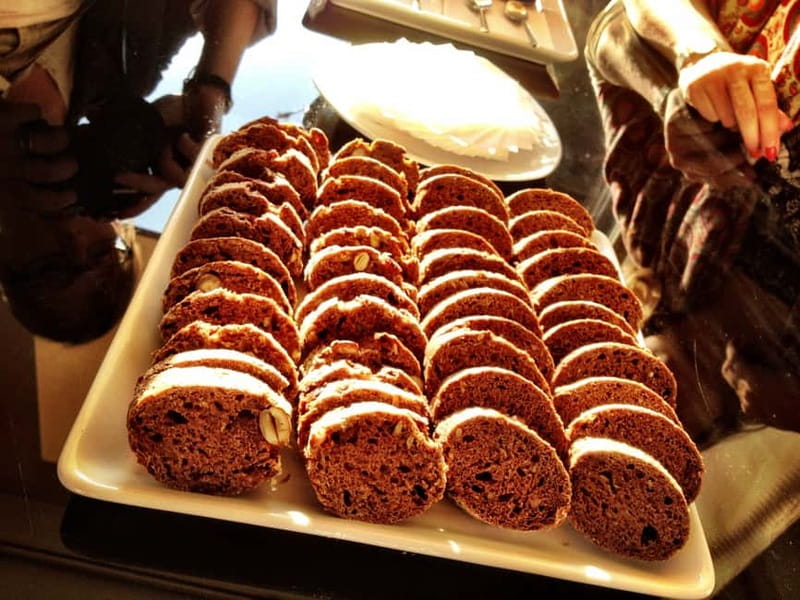
The food stops begin with the sort of items that tell you more about local life than a fancy plate does. Expect dark rye bread, one of the clearest signs of the region’s food traditions, along with traditional open-faced sandwiches topped with spiced sprats.
Sprats are small fish, and the sandwich gives you a direct taste of Estonia’s northern setting and practical food habits. It is not a dish designed to win over every hesitant eater, but it is exactly the kind of local sample that makes a food walk worthwhile. You get something tied to place, not just a safe international snack.
A soup or broth is also included. The exact version changes, but elk soup has been a favorite stop for some participants. If that is offered on your visit, it gives you a chance to try a distinctly regional meat in a simple, warming form.
I like the balance here. The route is not built only around unusual ingredients. You get familiar forms such as bread, soup, sandwiches, and sweets, but the ingredients and preparation give them an Estonian character.
The menu can change with the season, so do not treat the listed dishes as a guaranteed set course. Food and drink stops may vary, which is normal for a walk that uses local products. Tell the operator about allergies or dietary restrictions in advance. They will do their best to accommodate them, though the available substitutions are not specified.
From the Old Town to Baltic Station Market
After the Old Town section, the food focus expands toward Tallinn’s Baltic Station Market. This is an important change of scene. Instead of seeing only preserved buildings and formal squares, you get a look at a place connected with everyday shopping and contemporary food culture.
The market stop is part tasting session and part orientation. You may encounter local snacks, street food, regional products, and newer Estonian flavors. The supplied details do not name every stall, so I would expect variety rather than a fixed list of vendors.
This is one of the tour’s strongest choices. Estonia’s food identity is not frozen in the past, and a market helps show that. Traditional rye bread and sprat sandwiches can sit in the same three-hour experience as modern cooking, craft drinks, and more current ideas about local ingredients.
The route also includes nearby Kalamaja. The tour description presents this area as one of the attractive parts of the walk, and it gives you a broader view of Tallinn than a strict Old Town circuit would. You get a chance to connect the historic core with a nearby neighborhood while walking between food stops.
The pace is generally described as easy or slow, though one past participant enjoyed a quicker rhythm because it covered plenty of ground. That tells you the route is active but not a forced march. You will be on your feet for most of the three hours, so comfortable shoes matter.
Local drinks from kali to sea buckthorn
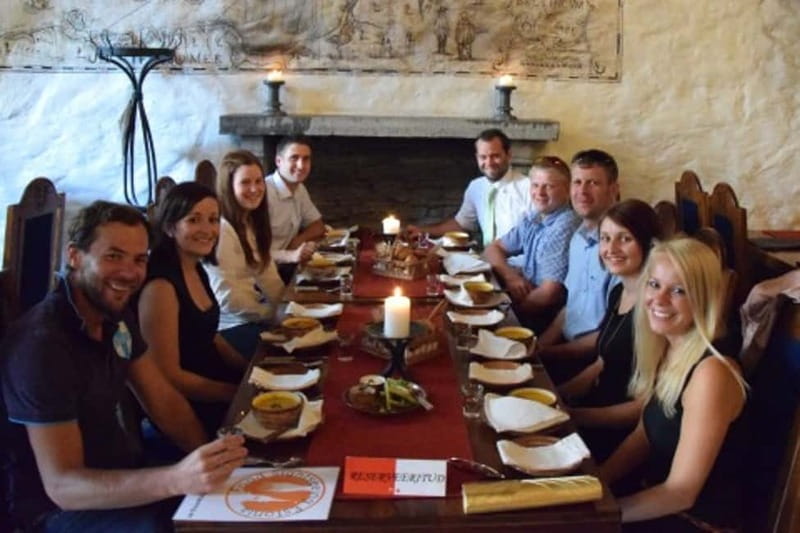
Drinks are not an afterthought here. You may be served kali or kama, both local choices that add another layer to the meal.
You may also taste sea buckthorn or birch juice. These are especially useful for people who want to understand local flavors without ordering a full dish. Sea buckthorn brings a sharp berry note, while birch juice offers a different expression of the northern landscape.
The final drink and dessert stop depends on the season and the version of the tour running that day. The finish may be locally roasted coffee with cake or ice cream. It may instead be local craft beer or a tasting of berry and fruit wines.
That range makes the experience suitable for more than one kind of eater. You can finish with coffee and something sweet, or explore Estonia’s small-scale drink culture. The tradeoff is that you cannot plan around one exact ending.
If alcohol is important to you, do not assume beer or fruit wine is guaranteed. If you prefer nonalcoholic drinks, the listed choices include kali, kama, sea buckthorn juice, birch juice, coffee, and ice cream or cake at the finish, but exact availability can vary.
More food tours in the world:
- Reykjavik Food Walk – Local Foodie Adventure in Iceland
★ 5.0 · 18,952 reviews - Dubai: Old Town, Creek, Museums, Souks, & Street Food Tour
★ 4.8 · 10,816 reviews - Ho Chi Minh City Street Food Tour & Sightseeing By Motorbike
★ 5.0 · 9,413 reviews - Montserrat Half-Day Tour with Tapas and Gourmet Wines
★ 5.0 · 7,359 reviews
Why the guide matters more than the food list
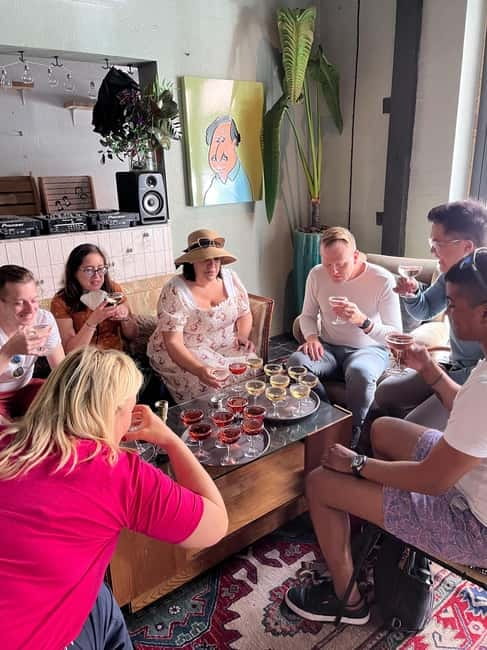
The food itself is appealing, but the guide is what turns a tasting into a useful introduction to Estonia. Paul is repeatedly singled out for his warmth, flexibility, and command of both Tallinn’s history and its food. Peter is another guide associated with strong explanations and an enjoyable pace.
Riin led an earlier version of the experience and was praised for explaining both food culture and history. Jesper was also noted for helping with Tallinn’s cuisine, history, and culture. Since guides can change, you should not book solely on the hope of getting one particular person, but these names show the kind of guide-led approach the operator uses.
I value the way this format lets you ask questions as you go. If you are curious about how food changed over time, the guide can connect a dish to Estonia’s past instead of treating it as a random sample.
The best moments are likely to come when a basic food opens up a larger subject. Rye bread can lead into daily life and local agriculture. Sprat sandwiches can introduce regional eating habits. A modern dish can show where Estonian cooking is heading. That is more useful than simply collecting small plates.
Is $140 a fair price for three hours?
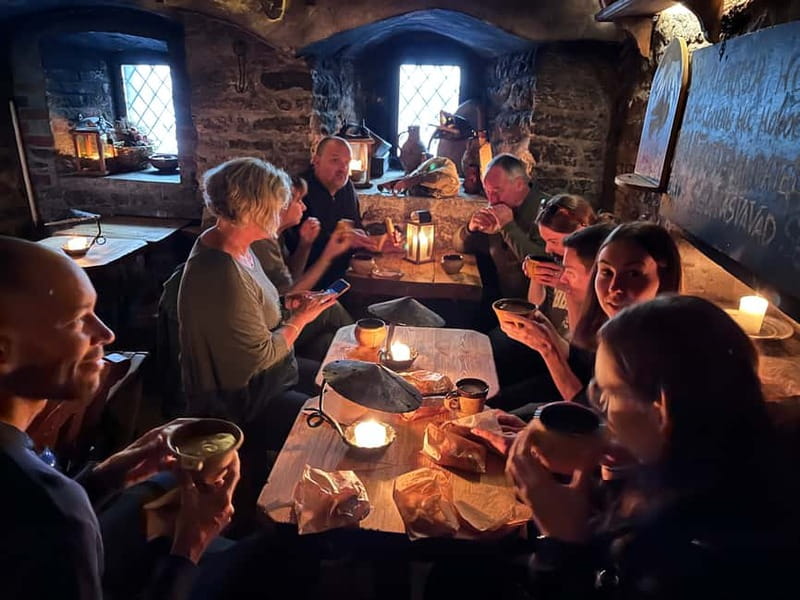
At $140 per person, this is not a budget lunch. You are paying for about three hours of guiding, sightseeing, a market visit, and roughly six to seven food and drink tastings. The value depends on how much you want the explanation and structure.
If you were going to buy a meal, visit the market, and explore the Old Town on your own, you could likely spend less on food. But you would need to build your own route, choose unfamiliar dishes, and supply the historical context yourself.
I think the price is easier to justify for a first visit to Tallinn, a short stay, or a cruise stop. One participant even received help with a delayed ship arrival, and Paul adjusted to the situation. That suggests some useful flexibility, although you should not count on special pickup arrangements unless you confirm them in advance.
The tour also spreads the food across several stops. That gives you more range than sitting down for one meal, and it lets you compare old and new Estonian tastes. If your priority is a large restaurant dinner, this is not the best use of $140. If your priority is a guided introduction with food built in, the value is stronger.
Who will enjoy this Tallinn food walk?
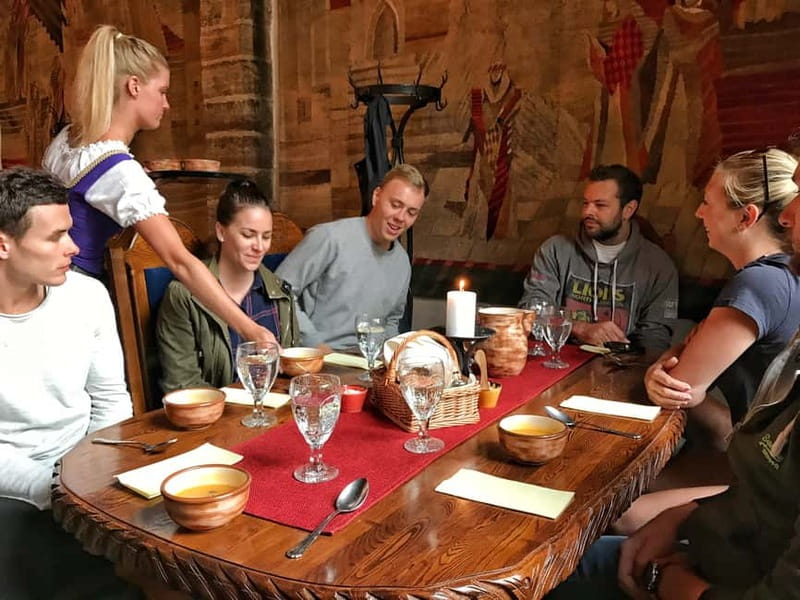
I would recommend it most strongly to first-time visitors who want a quick, well-organized introduction to the city. You get Old Town sights, nearby neighborhoods, a market, local history, and a broad sample of food without having to plan each piece yourself.
It also suits couples and curious eaters who enjoy trying unfamiliar dishes. The mix of savory food, sweets, traditional items, and newer cooking keeps the route from becoming repetitive.
The tour can work well for cruise passengers because it is compact and begins in the central Old Town. Still, allow enough time to reach the meeting point and return to your ship. Hotel pickup and drop-off are not included.
You should think twice if you dislike walking, need step-free access, or want complete control over the menu. Large bags and luggage are not allowed, and the route is not suitable for wheelchair users or people with mobility impairments.
Food allergies and dietary restrictions should be shared before the tour. The operator will try to help, but the seasonal nature of the stops means no particular replacement can be promised.
Practical details that make the day easier

Wear comfortable shoes. You will walk through the Old Town, continue toward Baltic Station Market and Kalamaja, and remain on foot for most of the experience.
Dress for the weather and bring a camera. Tallinn’s streets and food displays provide plenty to photograph, but the route is still an outdoor walking tour, not an indoor tasting class.
The guide speaks English, and the activity lasts about three hours. The food section is described as roughly two hours after the Old Town sightseeing portion, so expect a steady sequence of stops rather than long breaks.
The route finishes at Kopli 1, 10149 Tallinn. That is different from the starting point at Niguliste 2, so plan your onward route from the finish rather than assuming you will return to the Tourist Information Centre.
You can cancel up to 24 hours before the start for a full refund, and you can reserve now and pay later. Those policies help if your Tallinn plans are still shifting, especially around cruise schedules.
Should you book the Tallinn Food and History Walking Tour?
Book it if you want Tallinn explained through what people eat and drink. The strongest reasons are the broad tasting range, the Old Town and market route, and guides who connect dishes with Estonia’s past and current food scene.
I would be especially happy choosing it early in a Tallinn stay. It gives you basic city bearings, points you toward local flavors, and may help you decide where to eat later.
Skip it if you want a low-cost meal, cannot walk comfortably, or need a fixed menu. For everyone else, the tour offers a practical and flavorful introduction to Estonia, with enough history to make the food memorable and enough variety to justify its place in a short visit.
FAQ
Where does the Tallinn food tour start?
It starts at the Tallinn Tourist Information Centre, Niguliste Street 2.
Where does the tour finish?
The tour finishes at Kopli 1, 10149 Tallinn, Estonia.
How long does the experience last?
The walking tour lasts three hours.
What language is the tour conducted in?
The live guide conducts the tour in English.
How many tastings are included?
You can expect around six food and drink tastings, with the full route described as including about six to seven stops.
What foods might be included?
Possible tastings include soup or broth, black rye bread, traditional open-faced spiced sprat sandwiches, local snacks, sweets, and samples of modern Estonian cuisine. The exact menu can change by season.
What drinks might be served?
Possible drinks include kali, kama, sea buckthorn juice, birch juice, locally roasted coffee, craft beer, and berry or fruit wine. The final choices depend on the season and tour menu.
Is the tour suitable for wheelchair users?
No. The experience is not suitable for wheelchair users or people with mobility impairments.
Can food allergies or dietary restrictions be accommodated?
You should inform the operator in advance. They will do their best to accommodate allergies and dietary restrictions, but the exact alternatives are not specified.
New food tours we have reviewed in the world
- ChattaBrunch Food Tour★ 5.0 · 87 reviews
- Downtown Chattanooga Food Tour★ 5.0 · 290 reviews
- Historic Southside Food Tour in Chattanooga★ 5.0 · 32 reviews
- Tastes Through Time – Charleston’s Best Food & History Tour★ 4.5 · 95 reviews
- Charlottetown waterfront SOLAR PartyBike food & drink experience!★ 4.0 · 92 reviews
- Charleston’s Savor the Flavors of Upper King Street Walking Food Tour★ 4.5 · 130 reviews
- Charlottetown Food Walking Tour★ 5.0 · 59 reviews
- Charleston Private Brunch Tour: Biscuits, Shrimps, Grits and More★ 5.0 · 48 reviews
Historical Tours, compared.
Barcelona: Tapas Walking Tour with Food, Wine, and History
Read our review →
Sevilla Food Tour: Tapas, Wine, History & Traditions
Read our review →
Madrid Tapas & Taverns Small Group Food & History Tour
Read our review →
Barcelona Tapas Walking Tour: Food, Wine & History
Read our review →

Boston Food & History: Pizza, North End & Freedom Trail
Read our review →Browse the lists this tour appears in