
Review · STREET FOOD TOURS
Taste of Chiang Mai: Michelin Guide & Street Food Tour
Chiang Mai’s food story is best understood one plate at a time, and this small-group tour does that with three Michelin Guide selected dishes rather than a frantic parade of tiny samples. You’ll eat around Warorot Market, hear how Chinese, northern Thai, and trade-route influences shaped the city’s cooking, and get useful food tips from guides such as Natt.
I like the full-size portions and the relaxed pace. I also like that the guide explains what you are eating, not just where to put the next bite. The main drawback is simple: two hours and three substantial dishes can feel short for a food tour, and some people may find the portions too filling.
Key points at a glance
- Three Michelin Guide selected dishes: Lunch includes Hakka pink noodles, Thai fried dough, and steamed rice skin dumplings. Dinner includes khao soi, roast chicken, and papaya salad.
- Warorot Market setting: The lunch route uses Chiang Mai’s historic market as part food stop, part cultural walk.
- Guides who explain the food: Natt is especially noted for connecting dishes with Thai, Chinese, and northern Thai culture. Anan and Pupe have also led tours.
- A proper meal, not a nibble trail: Expect substantial servings, so arrive hungry and skip a large breakfast.
- Good first-day activity: The local advice can help you choose restaurants, snacks, markets, and sights for the rest of your stay.
- A walking tour with limits: You need comfortable shoes and reasonable mobility. The experience is not suitable for wheelchairs, strollers, or several dietary restrictions.
Three dishes, six years of Michelin Guide recognition
The strongest idea here is focus. Many food tours rush you through ten or twelve bites, leaving you with a blur of sauces and a stomach that is still asking for dinner. This experience gives you three selected dishes and enough time to sit, taste, ask questions, and understand what makes each one important.
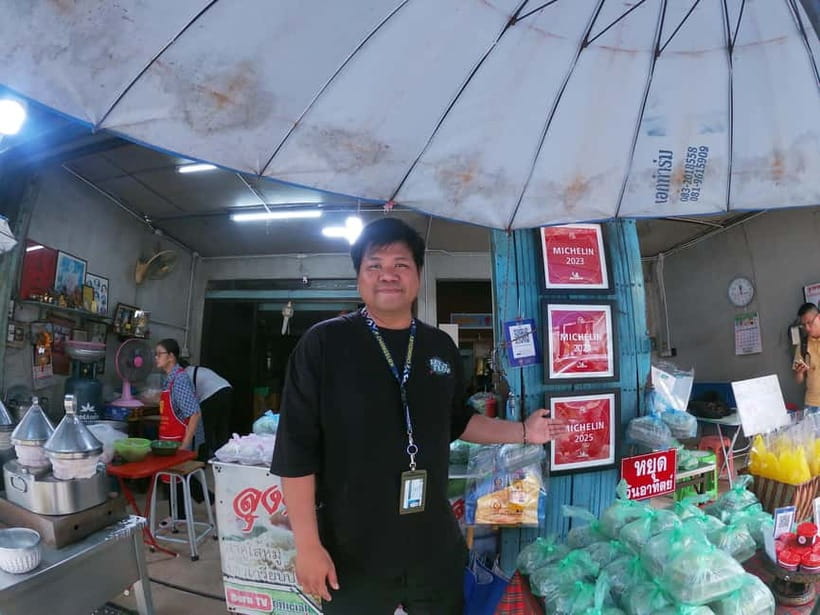
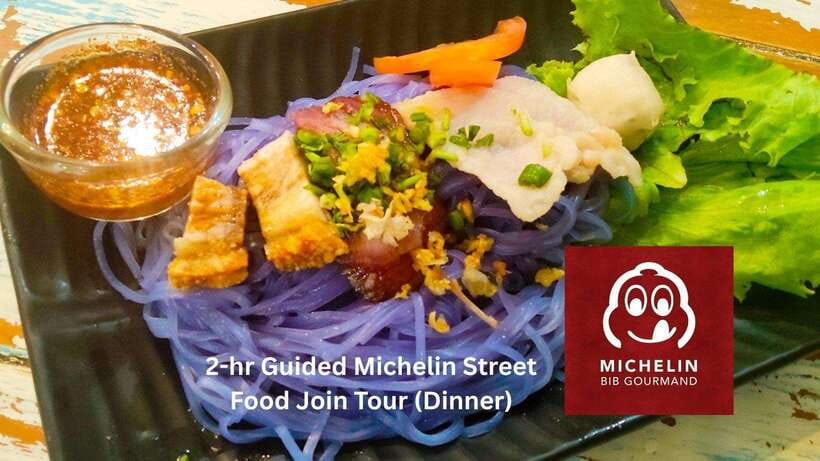
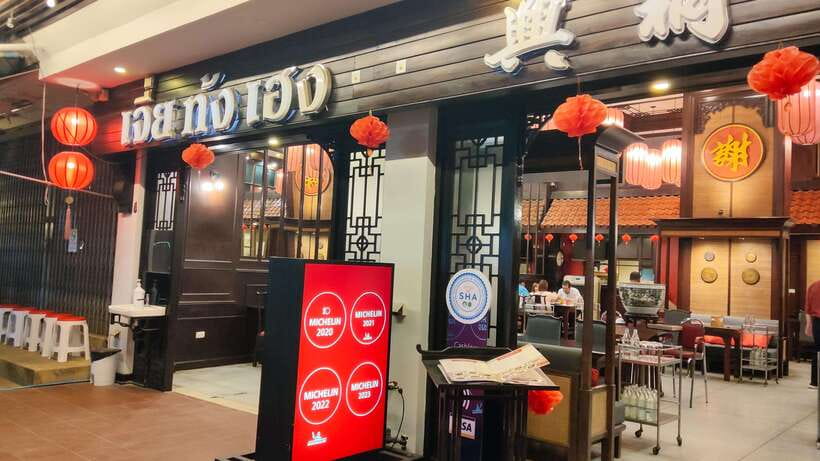
The Michelin Guide recognition covers six years of Chiang Mai food champions. That does not mean you are eating in formal fine-dining rooms. The appeal is the opposite: these are local noodle shops, food stalls, and modest eateries where reputation comes from consistent cooking.
At $31 per person, the value depends on what you want from a food tour. If you want a long list of tiny samples, this may feel limited. If you want three filling dishes, a guide, bottled water, and local food context, the price is fair, particularly if you use the recommendations later in your trip.
A useful point from the experience is that the food is not treated as a separate attraction. Your guide links ingredients and cooking styles to Chiang Mai’s location and its connections with Chinese communities and old trade routes. That turns lunch into a way to understand the city.
More Gourmet Food Tours in Thailand
- Bangkok: Michelin Guide Street Food Tour by Tuk Tuk
★ 4.4 · 1,274 reviews - Bangkok: Tuk Tuk Adventure Chinatown Michelin Food & Temples
★ 4.3 · 725 reviews - Bangkok Michelin Food by Tuk Tuk – Hotel-pickup Lunch or Dinner
★ 5.0 · 324 reviews
Starting near Tha Pae Road
For the lunch option, meet at Wat Saen Fang, at the entrance beside The Story 106 Co-Working Space & Cafe on Tha Pae Road. The meeting point is about 600 meters from Tha Pae Gate, and you should look for the GetYourGuide signage.
This is a practical starting point for a first morning in Chiang Mai. Tha Pae Gate is easy to locate, and the short walk toward Warorot Market gives you a gentle introduction to the area. You are not being picked up at your hotel, so allow time to reach the meeting point on your own.
The guide may be Natt, who is often described as friendly, funny, and deeply informed about Thai food and history. He has a family connection to the restaurant business in Bangkok and studied in Chiang Mai. Other guides, including Anan and Pupe, have also led this experience, so the exact personality of your tour can vary.
That variation is worth keeping in mind. The consistent feature is the food-focused format and English or Thai guiding, but the guide’s personal stories and style will shape the outing.
Walking to Thana Ocha Noodle
The first food stop is Thana Ocha Noodle, reached after roughly a ten-minute walk. You spend about forty minutes here, including the tasting and explanation.
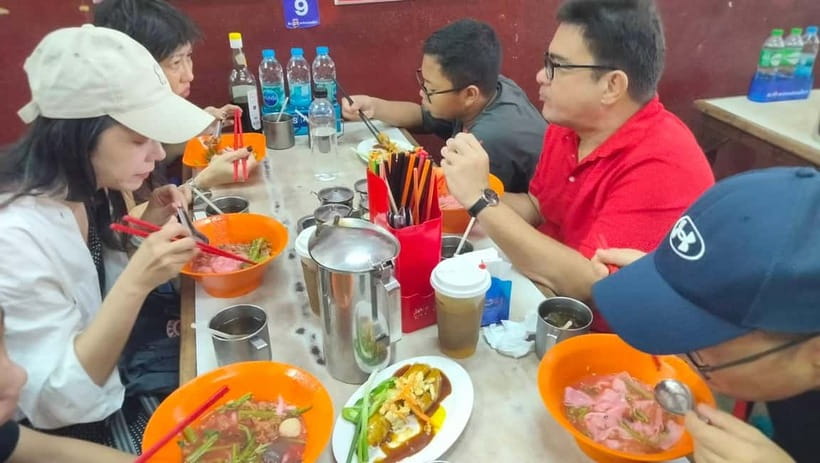
The featured dish is Hakka pink noodle, also known as yen ta fo. Its pink color comes from fermented red bean curd, which gives the broth and sauce a sweet, salty, fermented character. The dish reflects Chinese influence on local eating habits and shows why Chiang Mai food cannot be reduced to one single Thai style.
This is where the guide’s explanation matters. A bowl of noodles can look familiar at first glance, but the ingredients, sourness, sweetness, and fermented notes create a different balance from the more famous northern Thai dishes. You’ll have time to ask what you are eating and how the dish fits into Chiang Mai’s food culture.
The stop is also a good test of your own expectations. The tour uses Michelin Guide recognition as a sign of quality and local importance, not as a promise of luxurious surroundings. You are here for a dish with a strong local identity, served in the setting where people actually eat it.
Warorot Market, also called Kad Luang
After the noodle stop, the route returns toward Warorot Market. The market visit takes around twenty minutes, followed by more walking through the area.
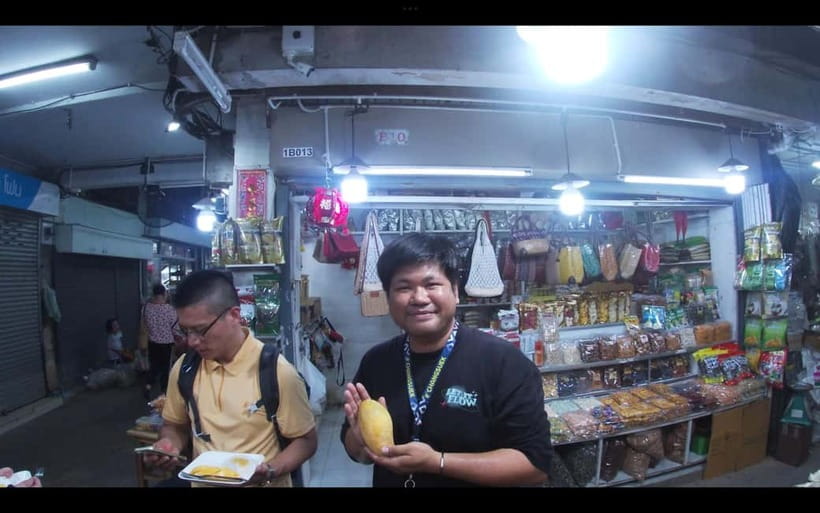
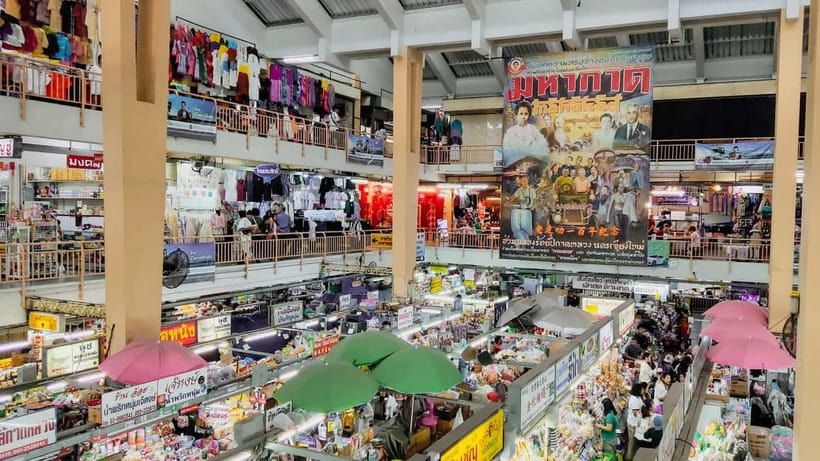
Warorot, or Kad Luang, is one of Chiang Mai’s best places to see food as daily life rather than a staged cultural show. You may encounter dried goods, sweets, snacks, fresh produce, and prepared food, though the exact market activity will depend on the day and the pace of the group.
Your guide helps you read the market. That can mean pointing out ingredients, explaining unfamiliar snacks, discussing local shopping habits, or showing where Chiang Mai’s Chinese and northern Thai influences meet. This is one reason the lunch option offers more than three plates. The market gives the food a setting and a social context.
The market portion may be the most useful part for the rest of your trip. You can ask what to buy as a gift, which foods are worth trying, and where to look for snacks later. Several people have also received suggestions for restaurants and sights beyond the tour, which makes this a sensible activity near the beginning of a Chiang Mai visit.
There is a practical tradeoff. Markets can be crowded and warm, and the route involves walking between stops. Wear light clothing, use sunscreen, and bring a hat. A camera is useful, but keep your hands free and your belongings compact.
More Street Food Tours in Thailand
- Small-Group Chiang Mai Evening Street Food Tour
★ 4.5 · 826 reviews - Bangkok Tuk-Tuk Tour by Night with Chinatown Street Food Meal
★ 5.0 · 635 reviews - Chiang Mai: Evening Local Street Food Market Tour
★ 4.8 · 604 reviews - Bangkok: E-Scooter Night Tour with Local Street Food
★ 4.8 · 488 reviews
Patongo Ko Neng and the dinosaur fried dough
The lunch route includes Thai fried dough from Patongo Ko Neng. The playful reference to dinosaur fried dough describes the large, shaped pieces served at this well-known stop.
Fried dough is easy to underestimate. It is crisp outside, soft inside, and best understood as a snack with a long place in Thai breakfast and street-food culture. The guide can explain how it is eaten and how it fits with other dishes, rather than treating it as a novelty photo.
This is also where the tour’s portion size becomes important. The food is not presented as one bite for a camera. You may receive a serving that adds real weight to the meal, so pacing yourself is wise. If you normally eat lightly in the morning, arrive with an appetite but do not assume you need to rush through every plate.
The fried dough stop may be brief compared with the noodle visit, but it gives the meal a different texture and mood. You move from broth and noodles to something crisp, rich, and snack-like.
Lung Khajohn Wat Ket and steamed rice skin dumplings
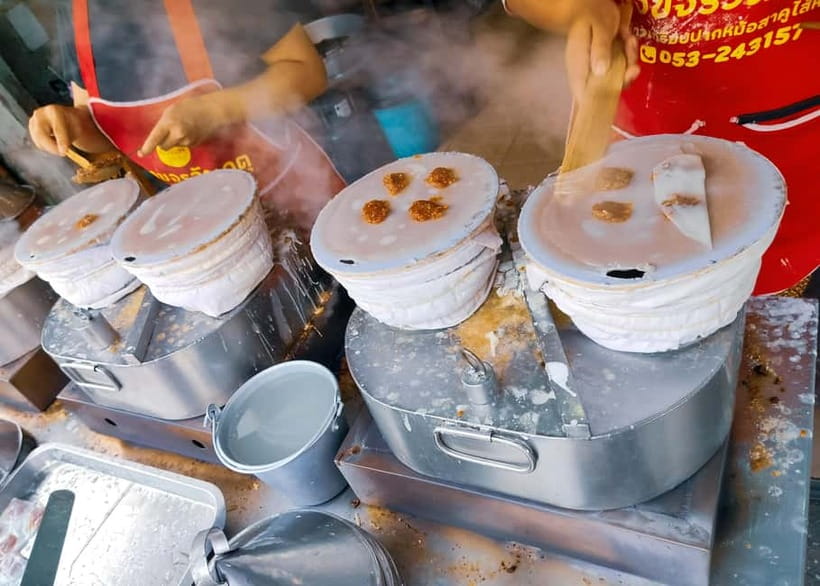
The final lunch dish is khao kriab pak moh at Lung Khajohn Wat Ket. These are steamed rice skin dumplings, a delicate dish that gives the tour a softer, more carefully prepared finish.
The dumplings are particularly useful for understanding the variety within northern Thai food. The thin rice wrapper and savory filling make them different from the noodle bowl and fried dough, so the three stops do not simply repeat the same flavors.
The stop at Lung Khajohn Wat Ket takes about twenty minutes. By this point, you will probably have a good sense of whether you prefer a quick sampling tour or a slower meal-based format. This route favors conversation and full portions over a checklist of ten foods.
You finish at Warorot Market, with a final walk of about ten minutes. There is no hotel drop-off, so you are free to continue shopping, explore the river area, or make your own way back to the Old City.
The dinner route is a different experience
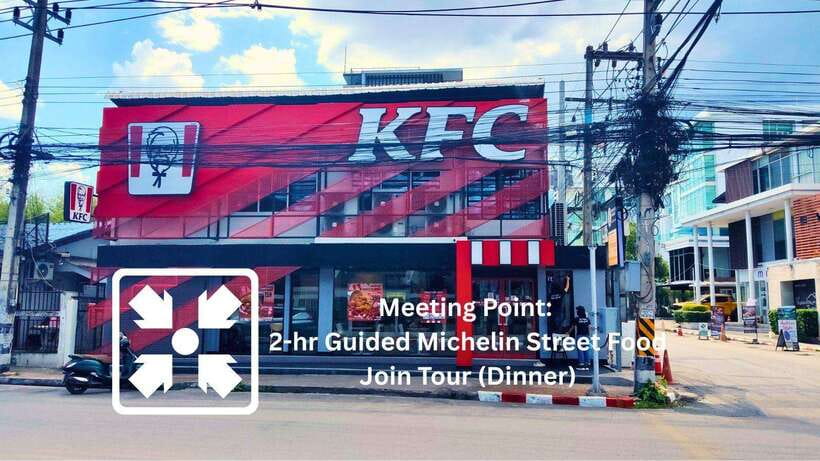
Do not book the dinner option expecting the same market walk. Dinner begins at McDonald’s Nimmanhaemin and takes place around Nimmanhaemin Road. There is no market visit, and the tour ends in the Nimman area.
The three dinner dishes are khao soi, roast chicken, and papaya salad. This combination gives you a broad introduction to familiar northern Thai flavors: coconut curry noodles, smoky or savory roasted meat, and the sharp, fresh heat of green papaya salad.
Khao soi is the dish most closely linked with Chiang Mai in the minds of many first-time visitors. It combines noodles with a curry broth and is usually finished with crisp noodles and condiments. Papaya salad provides a contrasting texture and acidity, while roast chicken adds a hearty dish to the set.
The dinner route may suit you better if you are staying near Nimmanhaemin or want an evening activity without going across town. Afterward, you can visit One Nimman, which is specifically suggested as an option after the tour.
The dinner experience is less about the old market and more about eating in one of Chiang Mai’s modern social areas. Choose lunch if Warorot and local market culture matter most to you. Choose dinner if you want khao soi and a convenient evening around Nimman.
Why the guide makes the difference
Food tours live or die by the guide. Here, the most praised feature is not simply friendliness. It is the guide’s ability to explain food, geography, trade, history, and everyday customs in plain language.
Natt is often described as easy to talk with, funny, and generous with practical advice. He has discussed Thai and Chinese food culture, local ingredients, Chiang Mai’s development, and the way flavors changed through outside influence. He has also used maps and photographs while explaining the city, which can help you make sense of the places you are walking through.
That information is useful because it stays connected to what is on the table. You are not listening to a detached lecture about history. You are learning why a noodle dish tastes the way it does, why a particular snack matters, or how different communities shaped local cooking.
The guide can also help with the rest of your trip. If you enjoy the conversation, ask for restaurant suggestions, snacks, markets, and nearby places to visit. Several people have used the experience to get their bearings during the first few days in Chiang Mai.
Full portions, not a grazing menu
You should arrive hungry. Several accounts describe the portions as full-sized, and one person found the amount almost too much. That is good news if you want lunch or dinner included, but less good news if you hoped to eat lightly and continue sampling on your own afterward.
The experience can include three main food stops, with some additional tastes or market discoveries depending on the guide and the day. The exact amount beyond the three listed dishes should not be treated as guaranteed. Plan around the included dishes first.
For this reason, I would not schedule a major meal immediately after the tour. You may finish full and satisfied, especially on the lunch route. If you are someone who prefers ten small tastings, you may need to adjust your expectations.
Dietary flexibility is limited. The tour is not suitable for vegans or vegetarians, and it is also not recommended for people with food allergies, gluten intolerance, lactose intolerance, kidney problems, high blood pressure, or several other medical concerns. Ask before booking if your diet or health needs are complex.
Walking, comfort, and group size
The total experience lasts two hours, but it includes several walks of about ten minutes. Comfortable shoes are important. Bring sunscreen, a hat, cash, and a camera, along with the provided bottle of water.
The experience is available as a private or small-group tour. A small group makes it easier to ask questions and keep a relaxed pace. A private booking is the better choice if you want the guide’s full attention or have a particular interest in food history, though the supplied price is listed as $31 per person and may vary by option or group arrangement.
The activity is not designed for wheelchair users, people with mobility impairments, baby strollers, baby carriages, or electric wheelchairs. It is also not suitable for children under two, pregnant people, or people with certain heart, respiratory, neurological, or recent-surgery concerns.
These limits are not minor footnotes. Market paths, street-food seating, heat, and repeated walking can make the experience tiring. If you move slowly or need guaranteed seating and accessible routes, ask the operator before paying.
How to get the best value from $31
The best way to judge the price is to count more than the food. You are paying for three selected dishes, a local guide, bottled water, explanations, and the time saved by not having to find or order unfamiliar foods yourself.
A first-time visitor can also gain several days of value from the advice. Knowing which dishes to seek out, how to approach a market, and what to order next may be worth more than one extra snack stop.
Still, $31 is not a bargain if you only want a quick bowl of noodles. Chiang Mai is full of affordable food, and you could spend less by exploring alone. The tour earns its price through access, guidance, and context, not through a huge number of dishes.
You can cancel up to 24 hours in advance for a full refund, and reserve now while paying later. Starting times depend on availability, so check the exact option before booking.
Should you book this Chiang Mai food tour?
Book it if you want a well-explained introduction to Chiang Mai food, prefer three substantial dishes to many tiny samples, and enjoy walking through a real market. It is especially useful during your first few days, when local advice can shape the rest of your meals.
Choose the lunch option if you want Warorot Market, Chinese and northern Thai food connections, and a daytime look at local shopping. Choose dinner if khao soi, roast chicken, papaya salad, and Nimmanhaemin suit your plans better.
Skip it if you need vegetarian or vegan food, have serious food restrictions, dislike walking in market areas, or want a long tasting menu with many different bites. For most omnivorous food lovers, though, the relaxed format and strong guide-led explanation make this a sensible $31 introduction to Chiang Mai’s cooking.
FAQ
How long does the Chiang Mai food tour last?
The experience lasts two hours. It includes walking, guided food stops, and time for tasting.
What dishes are included in the lunch option?
The lunch option includes Hakka pink noodles, Thai fried dough, and steamed rice skin dumplings. These are described as Michelin Guide selected dishes.
What dishes are included in the dinner option?
The dinner option includes khao soi, roast chicken, and papaya salad. Dinner does not include the Warorot Market visit.
Where does the lunch tour meet?
For lunch, meet at Wat Saen Fang, at the entrance beside The Story 106 Co-Working Space & Cafe on Tha Pae Road. The meeting point is about 600 meters from Tha Pae Gate. Look for GetYourGuide signage.
Where does the dinner tour meet and finish?
The dinner option meets at McDonald’s Nimmanhaemin and takes place around Nimmanhaemin Road. It finishes in the same general area, and you can visit One Nimman afterward.
Is the tour suitable for vegetarians, vegans, or people with food allergies?
No. The activity is not suitable for vegans, vegetarians, people with food allergies, gluten intolerance, lactose intolerance, or several other medical and mobility conditions. Check with the provider before booking if you have specific dietary or health needs.
New food tours we have reviewed in Thailand
- Bangkok 3-in-1 Tour: Longtail Boat,TukTuk & Street Food Adventure★ 5.0 · 73 reviews
- 4-Hour Hidden Bangkok TukTuk Street Food Guided Tour★ 5.0 · 23 reviews
- Private Tuktuk Authentic Food Tour (Chinatown-Flower Market)★ 5.0 · 75 reviews
- Train & Floating Market Food Adventure + Scenic train ride★ 5.0 · 102 reviews
- Bangkok Tuk Tuk Food Tour By Night★ 5.0 · 198 reviews
- Timeless Thonburi Canal and Food Tour★ 5.0 · 31 reviews
- Authentic Street Food Tour in China Town Bangkok★ 5.0 · 25 reviews
- Night Street Food Tour of Bangkok’s Chinatown★ 5.0 · 173 reviews
Street Food Tours, compared.
Dubai: Old Town, Creek, Museums, Souks, & Street Food Tour
Read our review →
Ho Chi Minh City Street Food Tour & Sightseeing By Motorbike
Read our review →
Dubai: Old Town, Souks, Street Food, Guided Tour & Abra Ride
Read our review →
Naples: Street Food Walking Tour with Local Guide
Read our review →
Small Group Hanoi Street Food Tour with a Real Foodie
Read our review →
Saigon By Night and Street Food By Motorbike | Opt: Ao Dai Riders
Read our review →
Private Street Food Tour by Motorbike/Car with Local Students
Read our review →Browse the lists this tour appears in