
Review · STREET FOOD TOURS
Cali: Street Food Tour
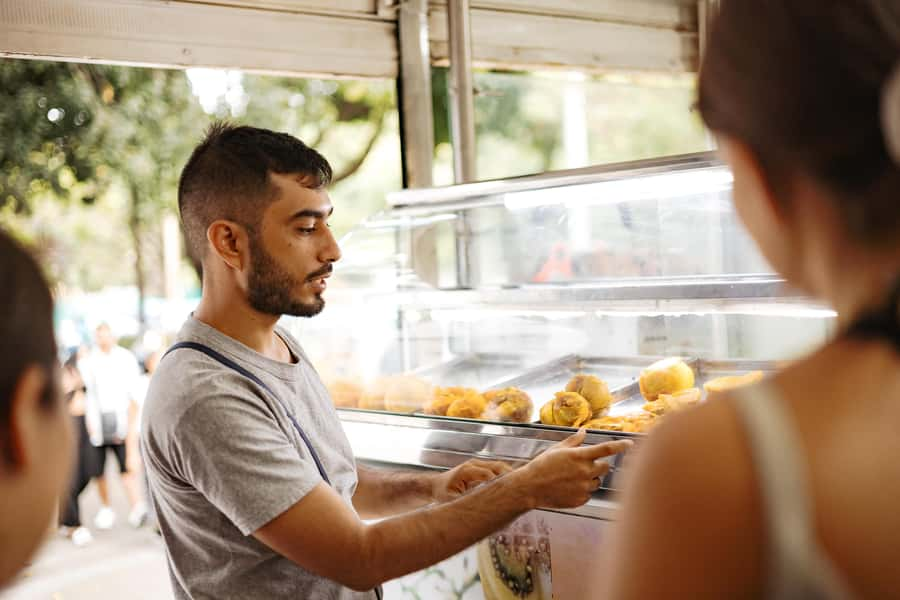
Cali’s best introduction may come on foot, one small bite at a time. This two-hour food walk links family-run food stops with murals, salsa corners, craft shops, and landmarks around central Cali, so you get much more than a plate of snacks. Guide Juan personally chooses the stops for taste, price, and local character, while other tours may be led by Andrés or Juan Camilo.
I like the wide range: sweet and salty, hot and cold, fried and fresh, with unusual local drinks such as champús and lulada. I also like the relaxed pace and the cultural detours, especially the Salsa Plaza and the stories behind Cali’s murals. The main drawback is that the tastings are snack-sized and the route includes several drinks, so you may prefer a lighter breakfast and should expect to walk between stops.
Key things to know before you book
- Start with murals and city stories: Learn about Cali’s culture, local events, a national martyr, and Colombia’s first Black vice-president before the eating begins.
- Try foods you might skip alone: Pandebono, marranita, champús, chontaduro, cholado, and other regional specialties can be hard to identify without a guide.
- The tour is built around variety: Expect bakery goods, fried snacks, fruit drinks, shaved ice, fruit salad, and ice cream.
- Dietary needs are covered well: Vegetarian, vegan, gluten-free, and meat-based choices are available, though you should tell the guide what you need.
- You get a small city tour too: The walk includes Bulevar del Río, Túnel Mundialista, Calle de la Escopeta, a craft market, La Linterna, and salsa-related stops.
- The $29 price is strong value: You receive two choices at every food stop, a guided walk, cultural background, and enough tastings to replace a meal for many people.
Why this food walk works as a first taste of Cali
I like tours that explain a city through ordinary places, not just grand buildings. This one starts outside the Subway Sandwich Store on Bulevar del Río and quickly shifts your attention to the city’s public life, street art, bakeries, juice stands, and neighborhood food habits.
The route stays in and around central Cali. You walk from the river boulevard toward Túnel Mundialista, Calle de la Escopeta, local craft displays, a bakery, a champús stop, La Linterna, and an artisan ice cream shop before returning to the starting point.
That compact route matters. You do not spend half the tour sitting in a vehicle, and you can see how food spots fit into the city rather than treating each tasting as an isolated restaurant visit. The walking is part of the lesson.
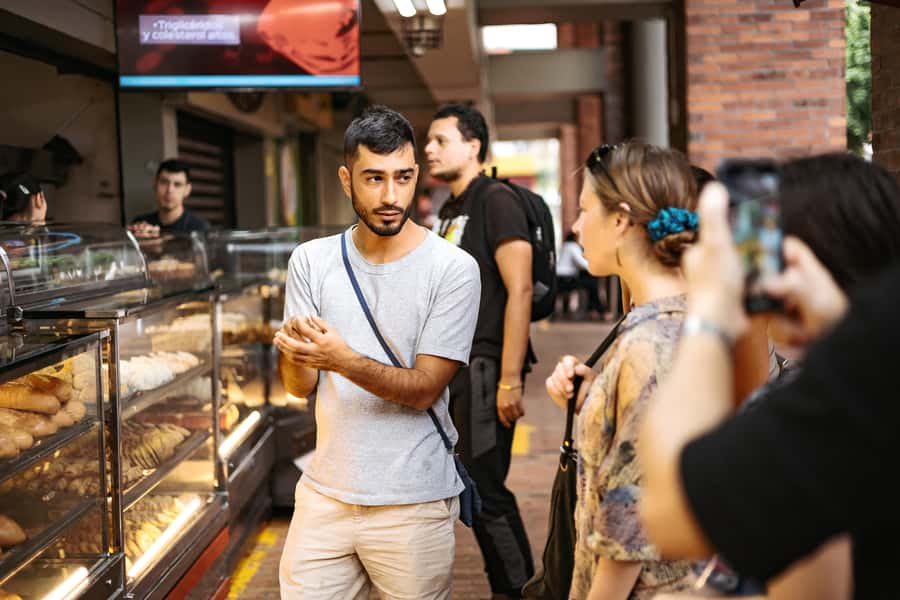
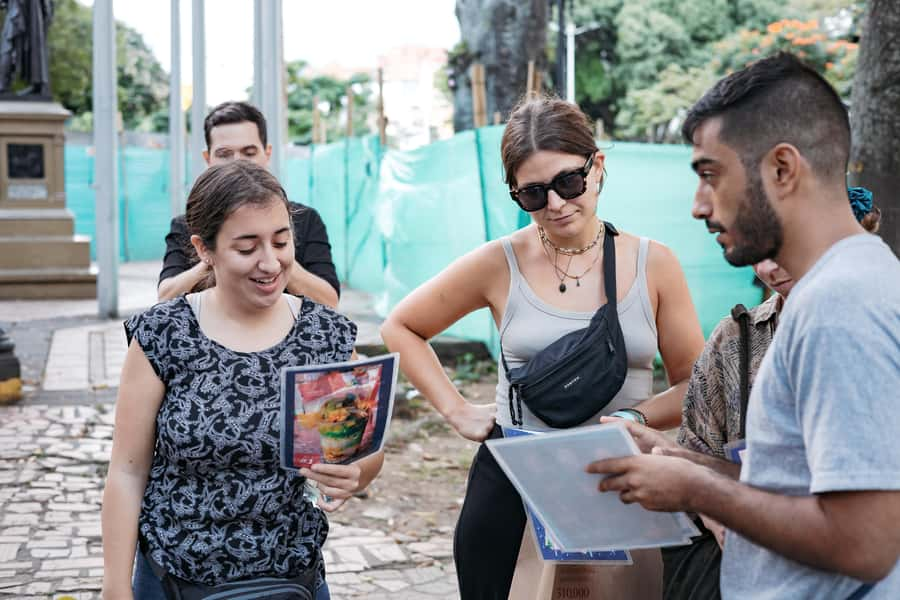
The guides add another layer. Juan introduces himself as the person who selects the food stops, and the guiding team has also included Andrés and Juan Camilo. The strongest praise focuses on their warmth, clear English, patience with Spanish practice, and ability to answer questions about food, music, history, and daily life in Cali.
This is not a formal lecture. You can ask questions as you walk, decide what to taste, and sometimes adjust the route. Solo visitors may get especially personal attention if the group is small.
More Street Food Tours in Colombia:
- Medellín: Comuna 13 True Story and Street Food Tour
★ 4.9 · 1,779 reviews - Cartagena: Guided Street Food Tour with Tastings
★ 4.9 · 833 reviews - Medellin: Street Food and Poblado Rooftop Tour with a Local
★ 4.8 · 317 reviews
Murals, salsa, and landmarks before the first pastry
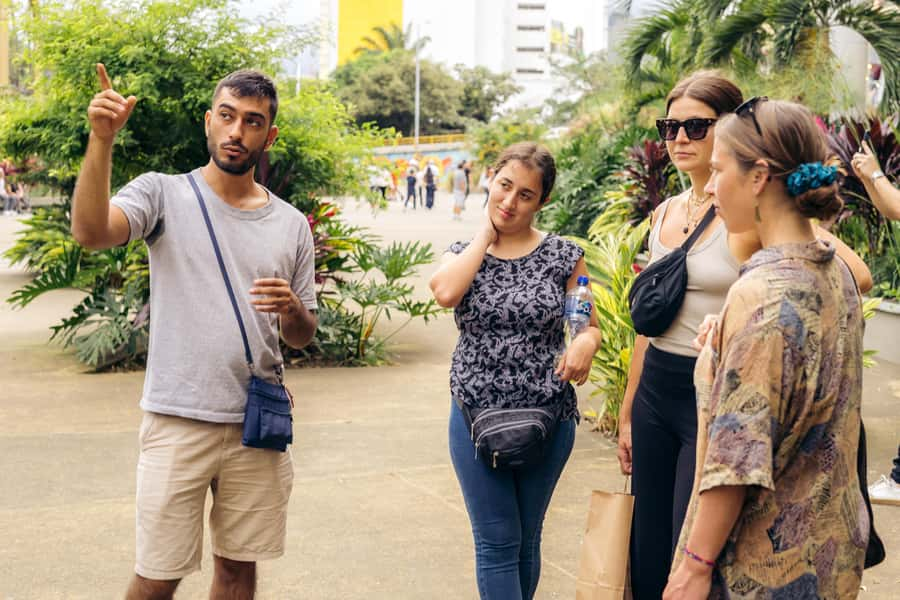
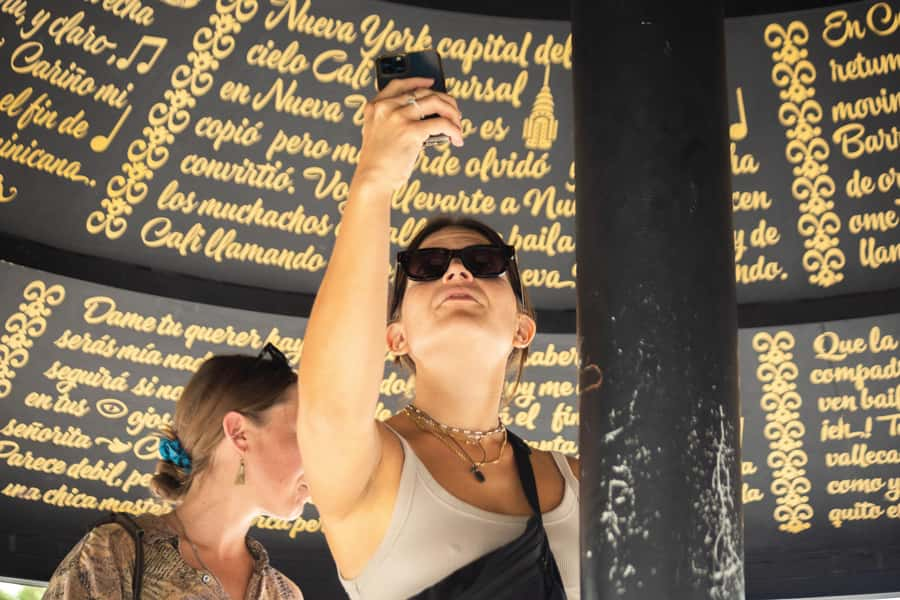
The first part of the experience gives the food some context. At the murals, your guide discusses local culture and events, a national martyr, and Francia Márquez, Colombia’s first Black vice-president. Those subjects help turn painted walls into useful clues about Cali and Colombia.
You also pass through Túnel Mundialista, stop along Calle de la Escopeta, and visit Artesanías Chila Gamboa House, a place for local arts and crafts. These are short visits, not long museum stops, but they break up the eating and give you photographs and orientation.
The Salsa Plaza is another important pause. You listen to music and get a few salsa steps, a friendly way to feel less awkward before a night out. The tour may also take you near places where people gather to dance in the street, depending on the route and timing.
I would not book this expecting a full salsa class or a detailed museum tour. The cultural stops are brief. Their value is that they show you several sides of Cali in one morning or afternoon, and they help you recognize places you may want to revisit later.
Stop one: Colombian bakery classics at Quinta con Quinta
At Panadería Quinta con Quinta, the tour settles into Colombian baking. You may choose from pandebono, buñuelo, roscón, or pan galleta, with fillings and additions such as guava, milk caramel, coconut, cheese, sausage, and coffee.
These are useful foods to try early in your trip because they work as breakfast, a snack, or a quick bite between sightseeing stops. The guide explains what you are eating and which combinations are most typical, so you are not left pointing at an unfamiliar pastry and hoping for the best.
The bakery stop lasts about 25 minutes, making it one of the longer food pauses. You have time to compare textures and fillings rather than swallowing one item and moving on.
On weekdays, there may be an extra stop for fried plantain chips, potato chips, and salchipapa. This bonus is not guaranteed every day, so do not plan your entire appetite around it. It does, however, add another salty and fried element to a route that already leans generously toward comfort food.
Stop two: Fried snacks, tropical drinks, and regional flavor
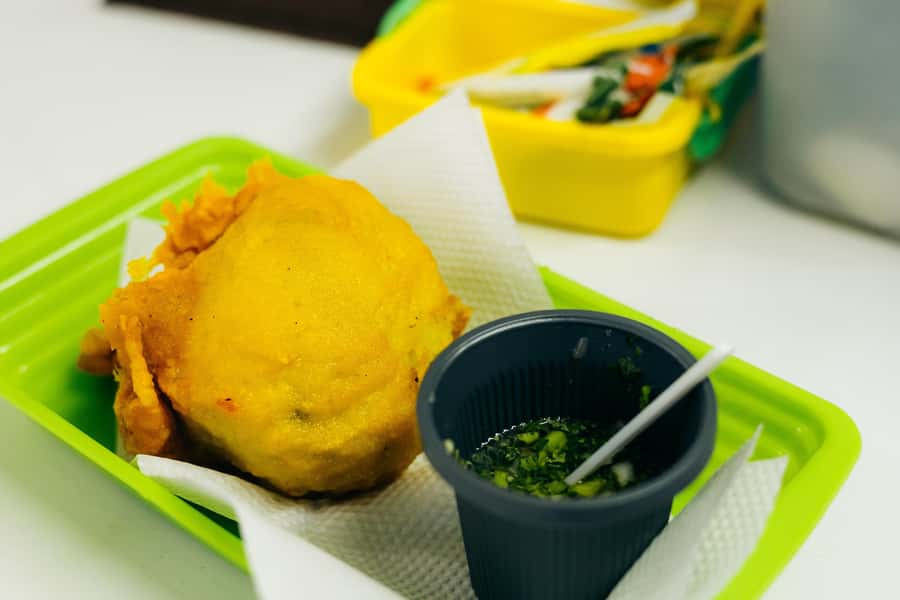
The next main food stop centers on salty fried goods and fruit drinks. The choices include an empanada with a fried corn crust and meat and potato inside, papa aborrajada, papa rellena filled with rice and meat, and two sweet plantain specialties.
A marranita combines sweet plantain with fried pork. An aborrajado combines sweet plantain and cheese, making it the clearest vegetarian choice in this group. The mix shows how Colombian snacks move between sweet and savory rather than keeping those categories neatly apart.
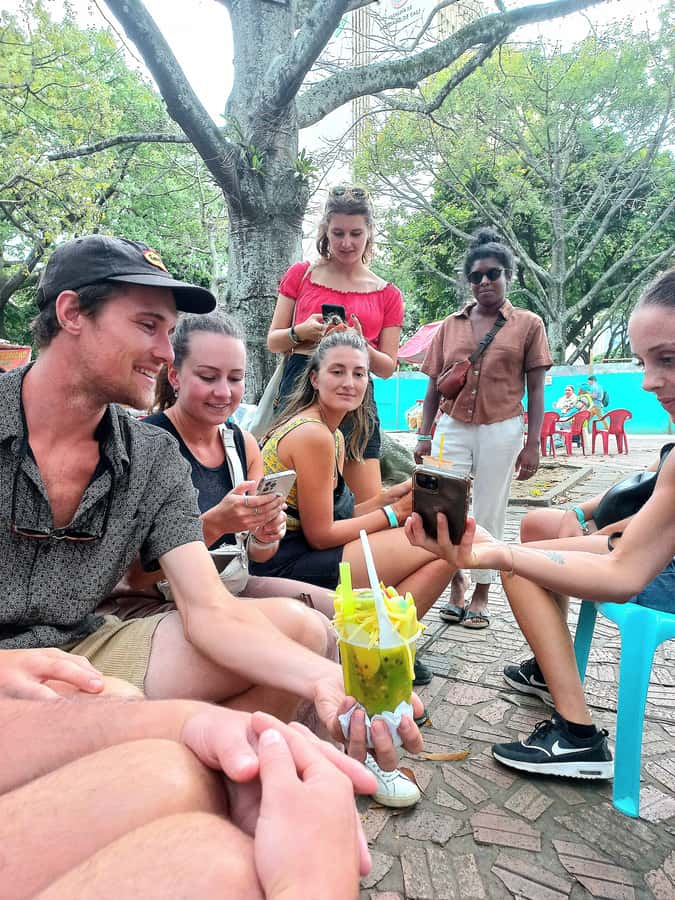
For drinks, look for champús, lulada, and assorted fruit juices. Champús is made with corn, pineapple, lulo, bitter orange leaves, and cinnamon sticks. Lulada uses lulo, ice, and condensed milk. These drinks are not just refreshments. They are part of the regional food vocabulary, and tasting them with an explanation makes the ingredients easier to remember.
There is also a weekday bonus stop for chontaduro, a regional fruit served as fruit or juice. The tour presents it as a good choice for vegetarians and vegans because it contains a lot of protein, and it is often described locally as an aphrodisiac.
One practical point: the route can include several drinks. One person specifically found the four drinks a little much, even while enjoying the variety. If you do not want every beverage, ask the guide about smaller portions or substitutions at the stop.
More food tours in Colombia:
- Bogota Food Tour with over 12 Tastings & Tejo
★ 4.9 · 454 reviews - Medellin: Party Bus with DJ & Street Food Tastings
★ 4.5 · 112 reviews - Medellín: E-bike and Foodie Tour
★ 4.8 · 102 reviews - The Cali Street Food Walking Tour
★ 5.0 · 81 reviews
Stop three: Shaved ice, ten fruits, and unusual desserts
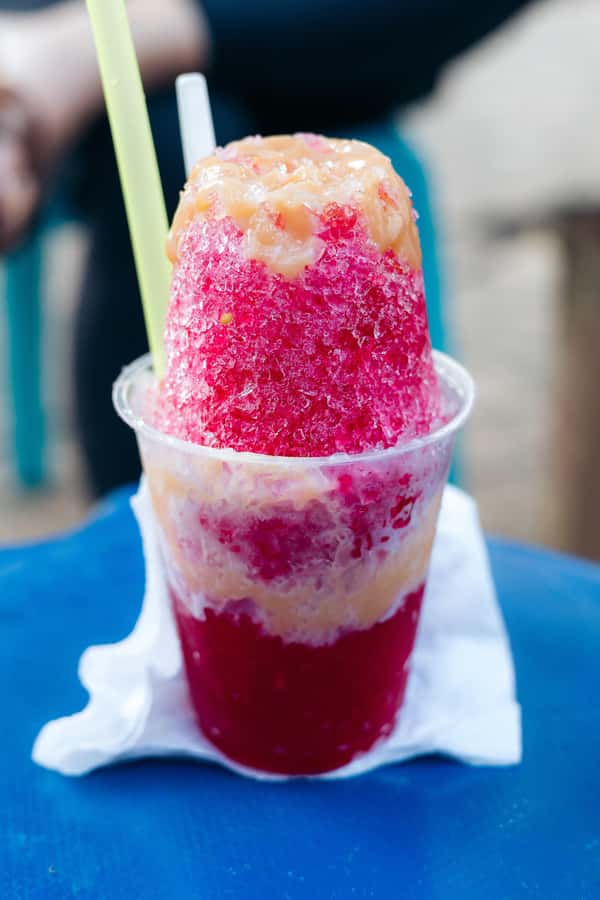
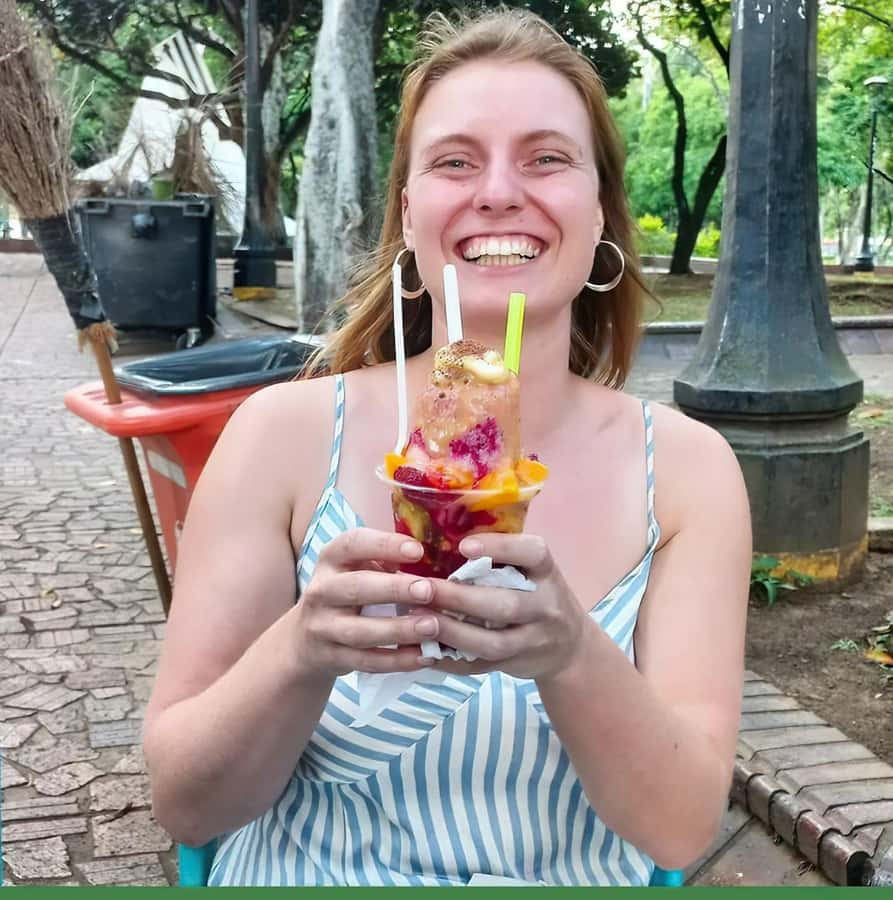
The final main food section is devoted to cold treats. Raspado is scraped ice with blackberry syrup. Cholado adds an assortment of about ten fruits and ice cream. The cholado explosión cítrica uses green mango syrup and acidic, citrusy fruits for a sharper finish.
You may also try lulada or maracuyada, made with passion fruit, ice, and condensed milk. The fruit salad combines about ten fruits with cheese and condensed milk. This is a generous ending, and the tour points out that these choices are vegetarian and gluten-free.
At Butterfly Tongue Artisan Ice Cream Parlor, the dessert stop lasts about 20 minutes. The unusual flavors are part of the fun, and ice cream was a particular favorite for one participant. Since the exact flavors can change, treat this as a chance to try something unfamiliar rather than expecting a fixed menu.
The cold food is a smart counterpoint to the fried snacks. It also shows Cali’s fondness for fruit, ice, sweet sauces, and creamy toppings. Still, the combination of bakery goods, fried items, drinks, shaved ice, and ice cream can add up quickly. Arrive hungry, but not desperate.
How much food do you really get for $29?
The price is $29 per person, and the package includes two choices at every stop. The food is described as snacks rather than full dishes, but several portions are substantial enough that you may not want dinner afterward.
That makes the price good value if you are willing to sample broadly. You are paying not only for food, but also for a local guide, several small businesses, cultural stops, and a walk through central Cali. Buying each item separately would not give you the same explanations or confidence about what to order.
The value is strongest for first-time visitors who want a fast orientation. You learn the names of foods, identify places worth returning to, and get recommendations for the rest of your stay. Several guides have also offered practical advice about restaurants, music, and other places around town.
The value is weaker if you want one large, carefully plated meal or a sit-down culinary lesson. This is a moving tasting route, and the food comes from bakeries, vendors, juice stops, and dessert shops. Expect local and casual, not polished restaurant service.
Dietary choices and appetite planning
The tour makes a real effort to welcome different diets. Vegetarians can choose aborrajado, fruit, shaved ice, ice cream, and other meat-free items. Vegans have options including fruit and chontaduro, though you should confirm ingredients in drinks and desserts because condensed milk, cheese, or ice cream appear in several choices.
Gluten-free diners have suitable options, especially the fruit and ice selections. The empanada is specifically identified as a gluten-free choice, but ask the guide about preparation if cross-contact is a concern.
Meat-eaters have plenty to choose from, including meat-filled empanadas, papa rellena, and marranita. The range is broad enough that mixed groups should not have trouble finding something appealing.
I would eat lightly beforehand and keep dinner flexible. You may taste two items at each stop, and the tour’s own warning is sensible: these are snacks, but they are not always small.
Pace, language, and the guide’s role
The scheduled route lasts two hours, with short walking sections and stops of roughly 5 to 25 minutes. That is enough time to sample food and hear stories, but not enough for long visits at each landmark.
The pace is generally relaxed. A four-star assessment described the tour as compact and a good way to begin a Cali visit, which is a fair description. You cover a lot, but you are not spending long stretches at any one attraction.
Tours are available in English and Spanish. English-speaking visitors have found the guides easy to understand and helpful with Spanish food names. One useful tip is to ask for the names to be written down. Food vocabulary can be hard to remember after several tastings, especially when the explanations move between English and Spanish.
Before the tour, contact the provider through WhatsApp and confirm the meeting details. Meet outside the Subway Sandwich Store at the Calle 8 crossing on Bulevar del Río. The tour ends back at the same location, which makes it easy to continue sightseeing or return to your hotel.
You can cancel up to 24 hours before the start for a full refund, and the reserve-now, pay-later option keeps your plans flexible.
Who should book this Cali food tour?
I would choose this tour if you are visiting Cali for the first time, enjoy trying foods you cannot easily identify on your own, or want a friendly introduction to local customs. It also suits solo visitors, couples, and mixed groups with different diets.
It is particularly useful at the start of a stay. You can ask where to eat later, learn how to order familiar snacks, and get a better sense of which parts of central Cali appeal to you.
Families and cautious eaters may appreciate having a guide explain each item before they commit. People who dislike fried food, sweet drinks, or condensed milk should look closely at the food list first. Much of the route involves those flavors, even though fruit and lighter choices are available.
I would also recommend it to anyone interested in Cali beyond food. The murals, salsa, craft stop, and conversations about Colombian culture make this a small city orientation with tastings attached.
Should you book it?
Book it if you want local snacks, easy cultural context, and a strong amount of food for $29. The best parts are the variety, the personal guidance from Juan, Andrés, or Juan Camilo, and the way the route connects everyday food with music, art, and city life.
Skip it if you want a single large meal, a long salsa class, or a quiet restaurant experience. For everyone else, arrive hungry, wear comfortable shoes, bring a phone for the WhatsApp contact, and ask for the food names in writing. You will leave with a full stomach and a much clearer idea of what to order in Cali.
FAQ
How long does the Cali Street Food Tour last?
The tour lasts two hours, including walking, food tastings, cultural stops, and the return to Bulevar del Río.
Where does the tour start?
Meet outside the Subway Sandwich Store on Bulevar del Río, at the Calle 8 crossing.
Where does the tour finish?
The tour returns to the Subway meeting point on Bulevar del Río.
What foods can I taste?
Choices may include Colombian bakery items, empanadas, papa aborrajada, papa rellena, marranita, aborrajado, champús, lulada, fruit juices, raspado, cholado, fruit salad, and artisan ice cream.
Are vegetarian and vegan options available?
Yes. Vegetarian and vegan options are available, including fruit, chontaduro, shaved ice, and selected plantain or dessert choices. Tell the guide about your diet.
Are gluten-free options available?
Yes. Gluten-free choices are available, especially among the fruit and shaved ice options. The empanada is also identified as a gluten-free choice.
Is the tour offered in English?
Yes. The tour is offered in English and Spanish.
What is the cancellation policy?
You can cancel up to 24 hours before the tour for a full refund. You can also reserve now and pay later.
New food tours we have reviewed in Colombia
- Private Cartagena city and street food tour.★ 5.0 · 31 reviews
- Street Food Tour – Live A Unique Gastronomic Experience★ 5.0 · 34 reviews
- The Cali Street Food Walking Tour★ 5.0 · 81 reviews
- Street Food Tour in Bogotá with Tastings★ 5.0 · 34 reviews
- Food Tour in La Candelaria Bogotá★ 5.0 · 63 reviews
- PALOQUEMAO MARKET FOOD TOUR. EXOTIC FRUIT. LOCAL SNACKS. /Min 2 pax★ 5.0 · 70 reviews
- Bogota´s Gastronomic Wonders – Experience the best traditional food★ 4.5 · 30 reviews
- Santa Marta: Guided Walking Food Experience★ 4.8 · 33 reviews
Street Food Tours, compared.
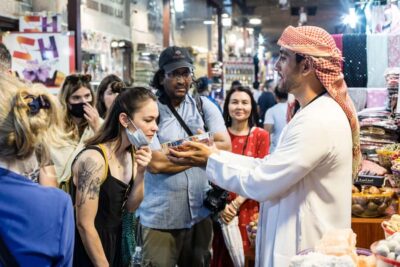
Dubai: Old Town, Creek, Museums, Souks, & Street Food Tour
Read our review →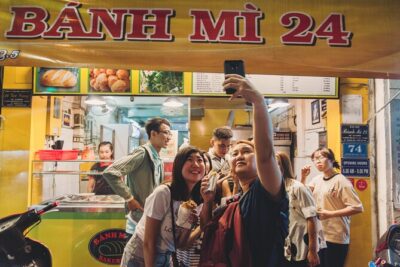
Ho Chi Minh City Street Food Tour & Sightseeing By Motorbike
Read our review →
Dubai: Old Town, Souks, Street Food, Guided Tour & Abra Ride
Read our review →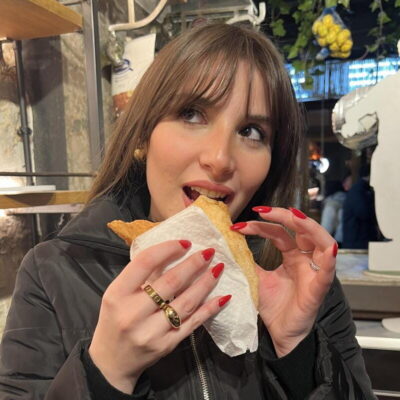
Naples: Street Food Walking Tour with Local Guide
Read our review →
Small Group Hanoi Street Food Tour with a Real Foodie
Read our review →
Saigon By Night and Street Food By Motorbike | Opt: Ao Dai Riders
Read our review →
Private Street Food Tour by Motorbike/Car with Local Students
Read our review →Browse the lists this tour appears in