
Review · GOURMET AND MICHELIN FOOD TOURS
Athens Gourmet Food Small Group Walking Tour
Athens reveals itself through its food, and this four-hour walking tour takes you well beyond a single plate of souvlaki. You move from coffee and pastries to meze, market stalls, olive oil, honey, sweets, and a full meal’s worth of Greek specialties, with stops in districts you might not seek out alone.
I like the way the route mixes eating with neighborhood walking, especially through Evripidou Street and the Central Market. I also like the small-group format, capped at 15 people, and the guides’ personal touch. Adele, Katarina, Nicoletta, Panos, Tonya, Irene, and others have been praised for their warmth, local stories, and practical restaurant advice.
The main caution is simple: this is a generous amount of food, not a light snack crawl. The pace can be brisk, the pavement uneven in places, and the phrase come hungry is meant literally. Also, the word gourmet may set expectations too high if you are hoping for a formal fine-food experience. Much of the tour is excellent Greek street food and market fare.
Key points to know before booking
- Expect a full meal’s worth of tasting: Coffee, pies, meze, gyros, sweets, wine, ouzo, beer, honey, yogurt, olive oil, and aged vinegars may all appear.
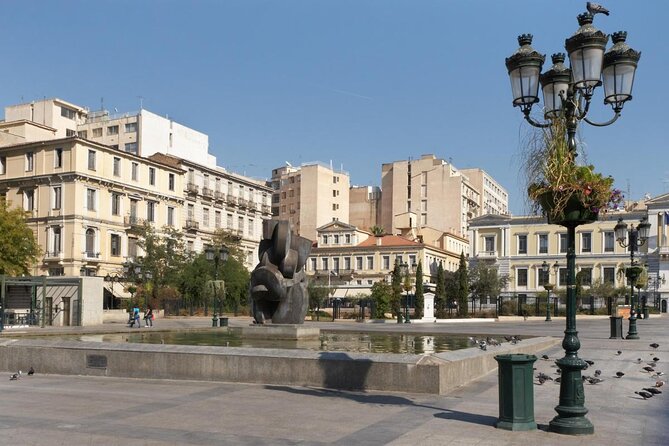
- The route covers central Athens on foot: You visit Monastiraki, Aiolou Street, Agia Irini, Evripidou, Varvakeios Market, Theatrou Square, and Psirri.
- Small groups make the food stops easier: The maximum is 15 people, with some departures forming groups of about eight.
- The Central Market is a real working market: You see fish, meat, produce, herbs, spices, and local products, not a polished tourist display.
- Save breakfast for later: The food is plentiful enough that some people take away the final gyro or other portions.
- Tell the guide about allergies: Vegetarians are welcome, but alcohol-free substitutions are not guaranteed.
Why this Athens food walk works so well
I see this tour as two experiences joined together. One is a moving lunch with plenty of samples. The other is a useful introduction to the central neighborhoods around Monastiraki, Psirri, and the market district.
That combination matters. Food alone can leave you full but disoriented. A city walk alone can leave you staring at menus without knowing what to order. Here, your guide connects the dishes to the streets, shops, markets, and everyday eating habits around you.
The food is the star, but the guide makes the difference. Guides including Adele, Katarina, Nicoletta, Panos, Irene, Alexandra, and Anabelia have been singled out for clear explanations, humor, patience, and personal stories. The best guides do more than name a dish. They explain how it fits into Greek life, show you how to drink ouzo properly, describe local ingredients, and point out places you may want to return to later.
The advertised price is $87.11 per person. That is not a bargain if you compare it with buying one gyro and a coffee. But the value looks better when you count the number of tastings, the guide, the neighborhood walk, the market visit, and the restaurant tips you receive. Since the tastings can amount to more than one ordinary meal, you may also save money by making this your main meal of the day.
More Gourmet Food Tours in Greece
- Rhodes Exclusive Swim Cruise Cocktail Open bar & Gourmet Buffet
★ 5.0 · 1,230 reviews - Rhodes: Boat Tour with Snorkeling, Gourmet Buffet & Open Bar
★ 4.8 · 595 reviews - Rhodes: Sunset Cruise w/ Gourmet Buffet, Drinks & Live Music
★ 4.7 · 321 reviews
Starting at Monastiraki Square
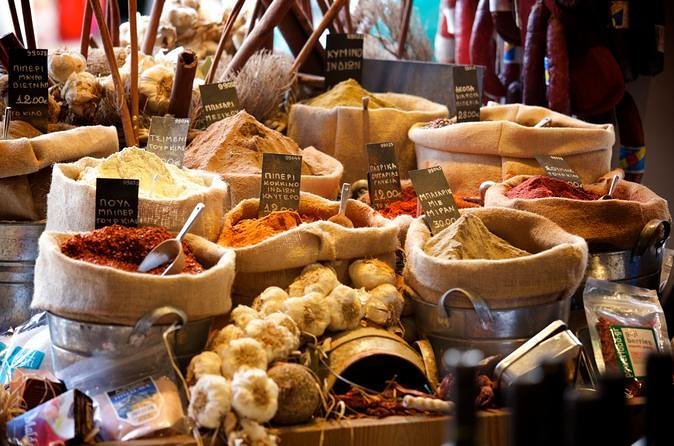
The meeting point is Pl. Monastirakiou 2, at Monastiraki Square. Find the small church at the entrance and look for a guide holding a sign marked Athens Walks The Food Tour.
Monastiraki is a practical starting point because it is easy to reach by public transport and familiar to most people staying in central Athens. It is also a good place to get your bearings. The square brings together ancient sights, market streets, cafés, and a steady flow of people.
The first 15 minutes are not a major tasting stop. Think of them as an introduction and a chance to meet the guide and the other members of your group. If you are prone to wandering off in crowded areas, pay attention here. One person once missed a large part of the tour after turning away briefly in a shop area, so keeping the group in sight is wise.
Aiolou Street and the Agia Irini area
From Monastiraki, the walk continues along pedestrian Aiolou Street, named for Aiolos, the god of winds. This part gives you a gentle introduction to the way central Athens shifts from major sightseeing routes to everyday shopping and eating streets.
The next stop is around Agia Irini Church. The square is lined with cafés and provides a useful setting for seeing how Athenians use public spaces for coffee, conversation, and quick meals. Your guide may also begin building the food story here, explaining why Greek eating is often social and spread across several small plates rather than centered on one large course.
Because these early sections are mostly walking and orientation, the tour does not begin with four straight hours of standing at food counters. That helps the pace, though you should still expect to be on your feet for most of the morning or afternoon.
Evripidou Street, where Athens smells like a spice shop
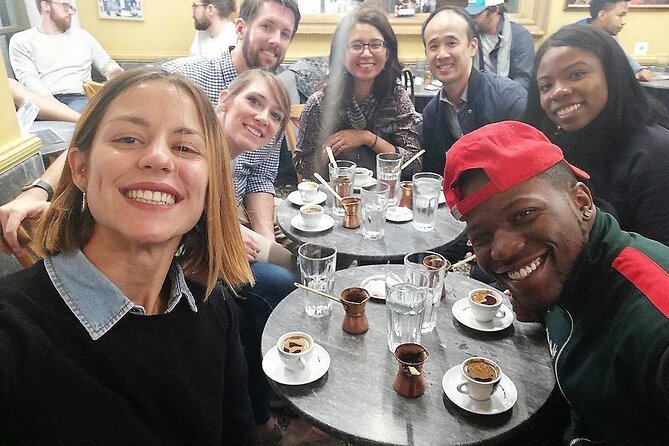
Evripidou is one of the more distinctive parts of the route. It is known for deli goods, herbs, spices, and strong food smells that announce the market district before you reach it.
This is where the tour becomes especially useful for anyone who wants to bring Greek ingredients home. You may see products that are easy to miss when shopping alone, including spices, cured or prepared foods, honey, and other local goods. The guide can explain what you are looking at and how such items are used.
The tastings here and nearby may include honey, yogurt, aged vinegars, and olive oil. One stop includes an olive oil tasting along with honey and beeswax products, with time to buy something if you wish. That shopping opportunity is useful, but it can also make the tour feel less purely food-focused if you prefer to sit and eat at every stop.
More Gourmet Food Tours in Athens:
- Montserrat Half-Day Tour with Tapas and Gourmet Wines
★ 5.0 · 7,359 reviews - Bateaux Parisiens Seine River Gourmet Dinner & Sightseeing Cruise
★ 4.5 · 6,930 reviews - Authentic Parisian Gourmet Food Tour with 10 Local Dishes & Wines
★ 5.0 · 4,754 reviews - Queenstown: Walter Peak Gourmet BBQ & Lake Whakatipu Cruise
★ 4.8 · 2,713 reviews
Varvakeios Market and the working side of Athens
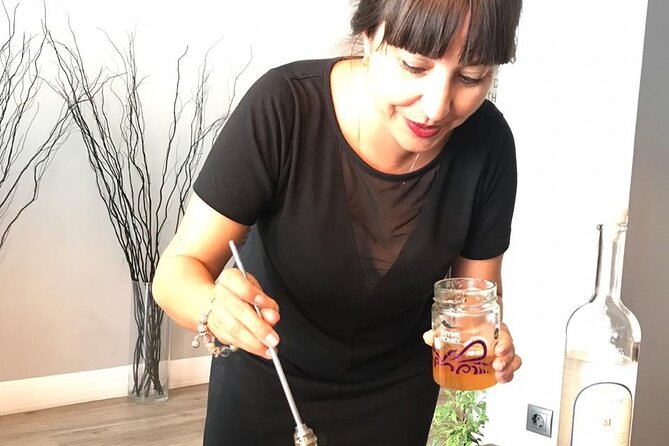
The Central Market, also called Varvakeios Market, is the route’s most direct look at food as daily business. Inside, you find fish, meat, produce, and other locally sourced products.
This is not a quiet museum market. You may see large cuts of meat, fish counters, vegetables, and the tools of a working food trade. Some people love that directness. If you are vegan, squeamish around meat, or uncomfortable around large cleavers, this may be the least pleasant part of the walk.
For everyone else, the market adds useful context. You see the raw ingredients behind the dishes you have been tasting. The guide can point out the difference between a prepared tourist snack and the foods people buy for home cooking. It is also a good place to ask questions about Greek herbs, seafood, meat, and seasonal produce.
Theatrou Square and local restaurant stops
The route then reaches Platia Theatrou, or Theatrou Square. This area has become a destination for small, local restaurants, and it gives the tour a change of rhythm after the market.
Here, you may sit down for mezedes, the small Greek plates often compared with tapas. Expect several tastes rather than one oversized main dish. Meze can show off different textures and flavors in a way a single entrée cannot, and it gives you a better idea of how to order when you eat out on your own.
The tour also includes traditional pies and souvlaki gyros. These are not decorative tasting portions in the usual sense. The food is substantial, and the total amount can surprise you. Some people finish the tour carrying takeaway because they simply cannot eat the last serving.
This is one reason I would schedule the experience early in your Athens stay. You get restaurant ideas for later, and you learn which foods you want to order again. Several guides also offer practical suggestions for the rest of your trip, which can be more useful than a long list of famous restaurants.
Psirri, sweets, coffee, and the final stretch
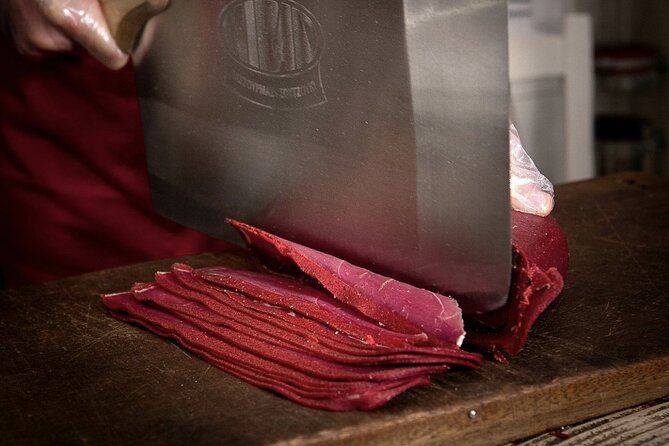
The longest portion of the route is in Psirri, where you spend about an hour wandering through an art-filled neighborhood with cafés, restaurants, and smaller food businesses.
Psirri is a strong finish because it feels less like a checklist of monuments and more like a neighborhood you can return to. Your guide may point out places that are easy to miss from the main sightseeing paths. The combination of street art, small eateries, and old central streets gives the walk plenty of character without requiring a separate sightseeing tour.
The tasting list can include Greek coffee, tea, desserts, wine, ouzo, beer, olive oil, honey, yogurt, and vinegars. Greek coffee may be prepared on a sand table, an interesting detail that turns a simple drink into a short lesson in technique and custom.
Desserts provide a welcome sweet finish, but the tour does not follow a strict fine-dining sequence. You may eat savory foods, drink something, walk, taste something sweet, and then return to another substantial item. That informal order fits the food culture, though people expecting a polished gourmet progression may find it casual.
The tour returns to Monastiraki Square after roughly four hours. Since the end is the same as the start, you do not have to arrange transport from a distant neighborhood.
How much walking and eating should you expect?
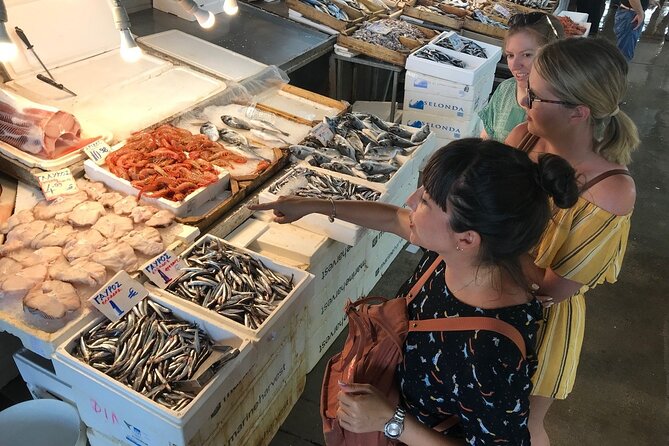
You should plan to walk for most of the four hours. The route is generally flat, but some surfaces are uneven, and the pace can be brisk. Wear shoes that can handle stone, pavement, and crowded streets.
The food quantity is the bigger issue. Do not eat a full breakfast before a morning departure. Coffee, pastries, pies, meze, souvlaki, sweets, and other tastings can add up to far more than a normal snack. If you have a small appetite, share where appropriate or ask the guide what can be saved.
The tour suits most people who can comfortably walk and stand for several hours. It may be tiring if you have mobility limits, and the market requires a tolerance for crowded food stalls and meat and fish displays.
Vegetarians are welcome, but you should state your needs when booking and remind the guide at the start. Tell the guide about food allergies as well. An alcohol-free replacement is not guaranteed beyond water, so ask directly if wine, ouzo, or beer is part of your concern.
Group size, guide quality, and value
The maximum group size is 15, and some departures have only eight people. That is small enough for a guide to answer questions and keep the group together at food counters. It also makes shared plates and cramped market stops easier than they would be with a large bus group.
The strongest part of the experience is the human element. Adele is praised for being friendly and well prepared. Katarina is noted for her enthusiasm and excellent English. Nicoletta has helped late-arriving members catch up by arranging takeaway from missed stops. Panos has been especially attentive in hot weather, providing extra bottled water.
Guide assignments can change, so you should not book solely because you hope for one particular person. Still, the repeated pattern is clear: this company’s guides tend to shape the experience through warmth, humor, and local knowledge. A good guide can turn a simple olive oil tasting into a useful lesson, and can help you understand why one neighborhood stop matters.
At $87.11, I would call this a fair value for a heavy four-hour food experience, especially if you treat it as lunch plus a city walk. It is less compelling if you only want a few refined tastings or if you dislike shopping stops. The experience delivers quantity, variety, and access to everyday Athens more than luxury.
Who should book this Athens food tour?
I would recommend it for a first or second day in Athens. You get an overview of several central areas, learn the names of foods, and gather ideas for later meals. It also helps you get comfortable ordering Greek dishes beyond the familiar gyro.
It works particularly well for couples, families with older children, and small groups of friends who enjoy trying many things. The small group can also make it easier to chat with fellow participants without the feel of a large organized excursion.
You may want another option if you want a formal gourmet meal, a slow sit-down tasting, or a tour built around wine alone. The word gourmet here includes excellent everyday products and classic Greek street foods. That is a strength for some people and a mismatch for others.
Free cancellation is available up to 24 hours before the start time. After that point, the amount paid is not refunded, so keep your plans firm before the cutoff.
Should you book it?
Book this tour if you want to eat your way through central Athens, see the Central Market, and learn what to order from a guide who can add stories and practical advice. Come with an empty stomach, comfortable shoes, and a willingness to try both polished products and very ordinary local food.
Skip it if you want a quiet meal or a tightly controlled gourmet menu. For most visitors who value generous portions, neighborhood walking, and Greek specialties that are hard to find alone, the combination is strong. Just remember that this is a food-heavy street and market tour, not a fine-dining event.
FAQ
Where does the Athens Gourmet Food Small Group Walking Tour start?
It starts at Pl. Monastirakiou 2 in Monastiraki Square, Athens. Look near the entrance of the small church for the guide holding an Athens Walks The Food Tour sign.
Where does the tour end?
The tour ends back at Monastiraki Square, the same area where you meet the guide.
How long does the tour last?
The experience lasts approximately four hours.
How much food is included?
Included tastings can cover coffee or tea, wine, yogurt, aged vinegars, honey, desserts, olive oil, traditional pies, souvlaki gyros, and mezedes plates. The amount is substantial, so you should avoid eating beforehand.
Are vegetarians welcome?
Yes. Vegetarians are welcome, but you should tell the guide about your dietary needs. You should also report any food allergies before tasting.
How many people can join the tour?
The maximum group size is 15 travelers. Some departures may be smaller, with groups of around eight people.
Is hotel pickup included?
No. Hotel pickup is not included. You must make your own way to the Monastiraki meeting point.
New food tours we have reviewed in Athens
- Best Food Tasting Tour of Athens, taste 18+ iconic Greek foods!★ 5.0 · 448 reviews
- Classic Athens Food Tour with Local Drink & Market Visit★ 5.0 · 34 reviews
- The Greek Food Experience (Max 8 persons)★ 5.0 · 181 reviews
- Taste of Athens Small-Group Food Tour★ 5.0 · 33 reviews
- Athens: The Classic Food Tasting Tour★ 5.0 · 106 reviews
- Athens Street Food Tour: Explore City’s Iconic Eateries★ 5.0 · 155 reviews
- Greek Gastronomy & Wine Pairing Cruise with a Sommelier in Athens★ 5.0 · 120 reviews
- Private Greek Food Tour in Athens★ 5.0 · 56 reviews
Gourmet and Michelin Food Tours, compared.
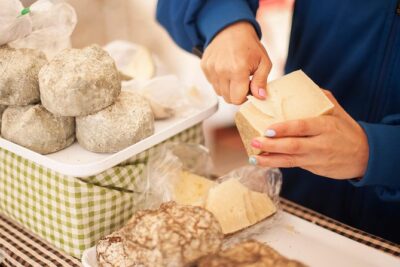
Montserrat Half-Day Tour with Tapas and Gourmet Wines
Read our review →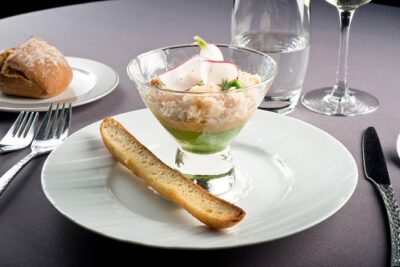
Bateaux Parisiens Seine River Gourmet Dinner & Sightseeing Cruise
Read our review →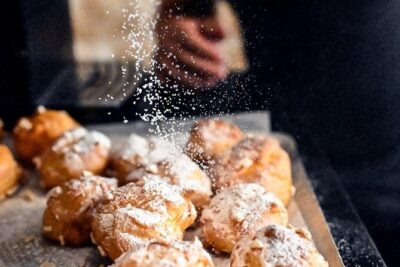
Authentic Parisian Gourmet Food Tour with 10 Local Dishes & Wines
Read our review →
Queenstown: Walter Peak Gourmet BBQ & Lake Whakatipu Cruise
Read our review →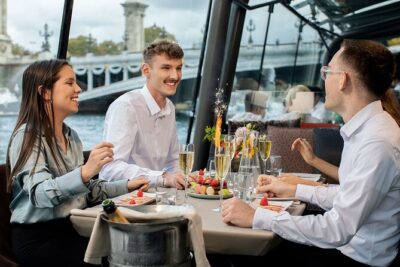
Bateaux Parisiens Seine River Gourmet Lunch & Sightseeing Cruise
Read our review →
Montmartre Hill French Gourmet Food and Wine Tasting Walking Tour
Read our review →
Rome: Gourmet Food Tour with Dinner & Barolo Wine
Read our review →
Small Group: Michelin and Local Hawker Food Tour with 9 tastings
Read our review →Browse the lists this tour appears in