Review · WINE TOURS
Lebanon Wine Tasting Tour From Beirut
Lebanon’s Bekaa Valley gives this tour its real appeal: in one long day, you can connect ancient wine traditions with working family wineries and Lebanon’s oldest commercial winery. You’ll taste red, white, and rosé wines, with arak appearing at some stops as well. Chateau Ksara supplies the strongest historical anchor, while Chateau Rayak offers a more personal look at modern production.
I like the three-winery format, which gives you a useful range instead of tying the whole day to one label. I also like the Beirut pickup and climate-controlled transport, since the Bekaa Valley is far easier to enjoy when someone else handles the road. The main caution is that the guide-led explanation may vary: some visitors had Robin, who added history and humor, while one unhappy customer felt the day worked more like a transfer between wineries than a fully guided wine lesson.
Key points to know before booking
- Three distinct winery visits: Chateau Heritage, Chateau Ksara, and Chateau Rayak each offer a different angle on Lebanese wine.
- Bekaa Valley setting: You leave Beirut for the country’s best-known wine-producing area and spend about eight hours away from the capital.
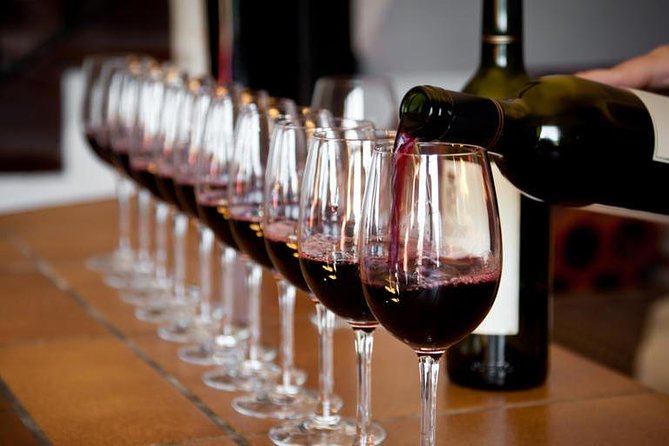
- Included tastings: Red, white, and rosé wines are part of the day, with arak also available at some wineries.
- Lunch in Zahle: The schedule includes an hour at a local restaurant, but the meal itself is not included in the admission details.
- Small-group setup: The tour is promoted as limited to 10 people, while the additional conditions allow up to 15.
- Guide quality matters: Robin earned praise for explaining wine and Lebanese history, but the level of commentary may depend on the assigned guide.
From Beirut to the Bekaa Valley
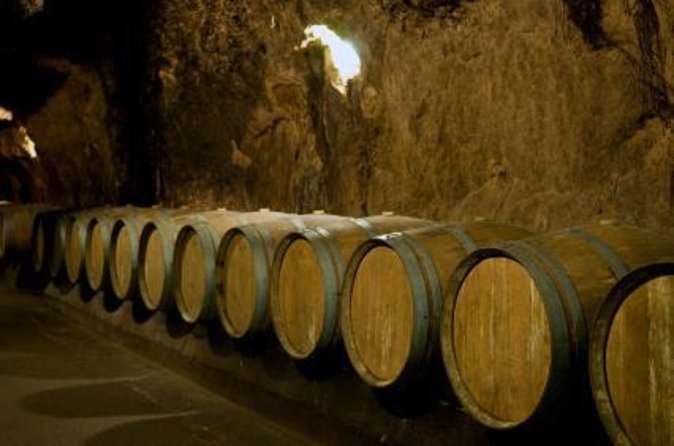
The tour starts at 9:00 a.m. in Beirut and returns to the same meeting point after roughly eight hours. Pickup and drop-off at your hotel are offered, which removes one of the day’s biggest chores: arranging transport across the country before you have even tasted a glass.
That matters here. The route is not a short city excursion, and the value of the tour begins with the vehicle. You can sit in an air-conditioned car or van, watch the scenery change, and leave the driving to someone else. For a wine day, that is more than a small convenience.
The tour also gives you a look at how quickly Lebanon changes from urban Beirut to the agricultural Bekaa Valley. The schedule leaves room for conversation about the region, wine production, and Lebanese culture, though you should not assume every guide will provide the same amount of explanation.
Robin is the guide name most closely associated with the strongest praise. He was described as funny, informative, and able to discuss both wine and modern Lebanese life. Another guide took over after a vehicle problem affected the original plan and still delivered a very good day. That tells me the operator can recover from a hitch, but it also reminds you that transport and guide assignments are not entirely fixed.
More Wine Tours in the world:
- Montserrat Half-Day Tour with Tapas and Gourmet Wines
★ 5.0 · 7,359 reviews - Winner 2025 Undiscovered Lisbon Food & Wine Tour by Eating Europe
★ 5.0 · 6,390 reviews - From Porto: 2 Wine Regions, Farm-to-Table Lunch & Boat
★ 4.9 · 5,724 reviews
Chateau Heritage and Lebanon’s wine story
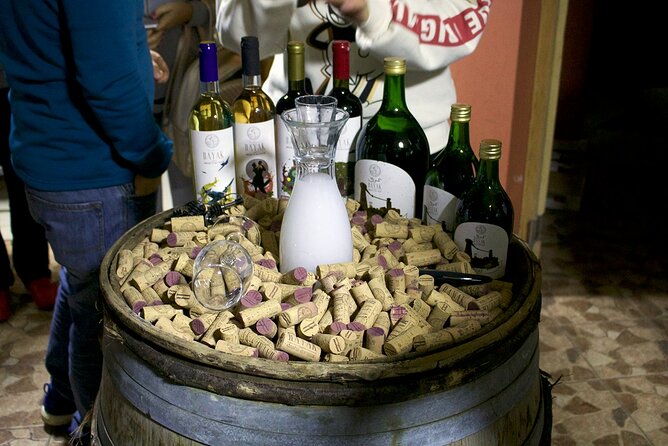
Your first winery is Chateau Heritage, located near Kab Elias in the Bekaa Valley. The Touma family established the winery and distillery in 1888, making it one of Lebanon’s early modern wine producers. The family also produces Arak Touma, a Lebanese drink made in the same broad tradition of grape cultivation and distillation.
This stop helps you place the tasting in a larger story. Wine in Lebanon is not a recent import designed only for modern tourism. The region links its wine culture to biblical figures, Roman sites such as Baalbek, and the Phoenicians, who may have helped spread grape varieties beyond the eastern Mediterranean.
Some of that history is traditional and interpretive, so I would treat it as cultural context rather than a strict classroom lecture. Still, it adds meaning to the glass in front of you. At Chateau Heritage, you are not just sampling a local product. You are seeing how a family winery connects wine with arak, agriculture, and Lebanon’s long relationship with grapes.
The stop lasts about an hour, and admission is included. You can expect wine tasting as part of the visit, with red and white styles included across the day. If you are new to Lebanese wine, this first stop gives you a useful starting point before the larger wineries later on.
Chateau Ksara, Lebanon’s oldest winery
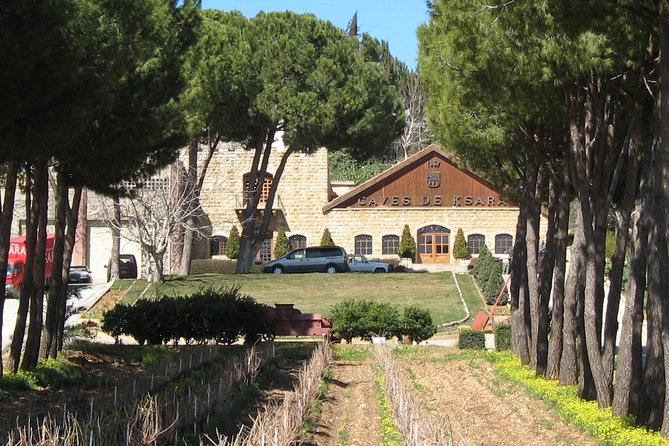
Chateau Ksara is the historical centerpiece of the itinerary. Jesuit fathers began working a 25-hectare plot here in 1857, producing what is described as Lebanon’s first non-sweet red wine. That effort helped establish the modern Lebanese wine industry.
The name Ksara comes from ksar, a fortress associated with the Crusades. The property now produces a broad range of wines, including dry white, rosé, red, and sweet styles. Arak is also part of the product range, so this visit can show you more than a single expression of Lebanese grape growing.
I like the contrast between this stop and Chateau Heritage. Chateau Heritage offers a family winery story tied to 1888 and arak production. Chateau Ksara gives you a larger historical frame and a chance to compare more wine styles. If you normally drink only red wine, this is a good place to pay attention to the white and rosé pours as well.
The visit is scheduled for one hour, with admission included. That is enough time for a guided introduction and tasting, but not enough for a slow, technical study of every cellar, vineyard, and grape variety. You should think of the day as a broad introduction to Lebanese wine, not an advanced wine course.
Lunch in Zahle breaks up the tasting day
The schedule includes a one-hour lunch stop at a local restaurant in Zahle. This is a sensible pause after two winery visits, especially if you are tasting several wines and want solid food before the final stop.
The meal itself is not listed as included, so budget separately for lunch. The supplied details do not specify the restaurant, menu, or price. That lack of detail is not a major problem, but it means you should ask the guide about the lunch arrangement if food choices matter to you.
Zahle gives the day a local town stop instead of making the experience one long chain of winery gates. It also gives you time to reset. I would use the break to drink water, eat properly, and note which wines you preferred before the final tasting.
The pace is fairly full. You have three wineries, lunch, and the drive to and from Beirut within about eight hours. That works well for you if you want a productive day outside the capital. It may feel rushed if your ideal wine visit means lingering over every bottle and asking detailed technical questions at each stop.
More food tours in the world:
- Reykjavik Food Walk – Local Foodie Adventure in Iceland
★ 5.0 · 18,952 reviews - Dubai: Old Town, Creek, Museums, Souks, & Street Food Tour
★ 4.8 · 10,816 reviews - Ho Chi Minh City Street Food Tour & Sightseeing By Motorbike
★ 5.0 · 9,413 reviews - Dubai: Old Town, Souks, Street Food, Guided Tour & Abra Ride
★ 4.9 · 7,170 reviews
Chateau Rayak and the final tasting
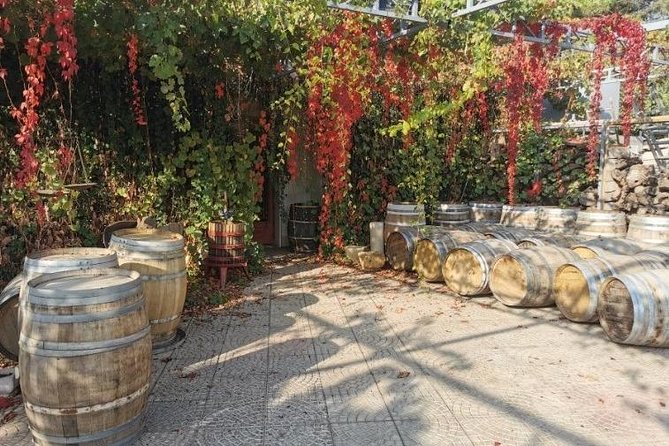
Chateau Rayak is the last winery and receives the longest scheduled visit, at about two hours. The family behind it combines traditional wine-making methods with modern technology, using grapes from the Bekaa Valley to produce several wines.
That blend of old and new makes Chateau Rayak a useful finale. By this point, you have already heard about Lebanon’s ancient wine connections, visited an early family producer, and seen the country’s oldest winery. Chateau Rayak brings the story into the present by showing how a family operation can retain traditional methods while using current equipment.
The longer visit also gives the guide more room to explain how wine is made. The details supplied do not promise a particular cellar tour, production demonstration, or vineyard walk, so you should not book expecting a highly technical behind-the-scenes program. You will, however, have the most time here for tasting and discussion.
One of the strongest impressions from the available feedback was that the third winery made a particularly good finish. I can see why. The longer slot and family focus offer a more relaxed close to a day that begins with history and ends with current production.
What the $91.03 price really covers
At $91.03 per person, the tour offers fair value if you want three winery visits without arranging a private driver. The price includes the wine tastings, winery admissions, round-trip transport from Beirut, and the structure of a full day in the Bekaa Valley.
It does not appear to include lunch, and the exact number or size of pours is not specified. That matters if you are comparing the price with a luxury tasting program. This is better understood as an accessible regional wine outing than as a premium food-and-wine experience.
The value improves for small groups. One booking had only two people, which made the day feel almost private. The advertised group size is limited to 10, although the additional tour information gives a maximum of 15. I would ask about the expected group size before booking if personal attention is important to you.
A guide who adds local history can also change the value considerably. Robin was praised for explaining the Bekaa Valley and Lebanon along with the wine. One customer, however, felt the tour was mostly transport between wineries and wanted more instruction. That difference is worth taking seriously. The itinerary is strong, but the experience depends partly on how much commentary your guide provides.
Tasting red, white, rosé, and arak
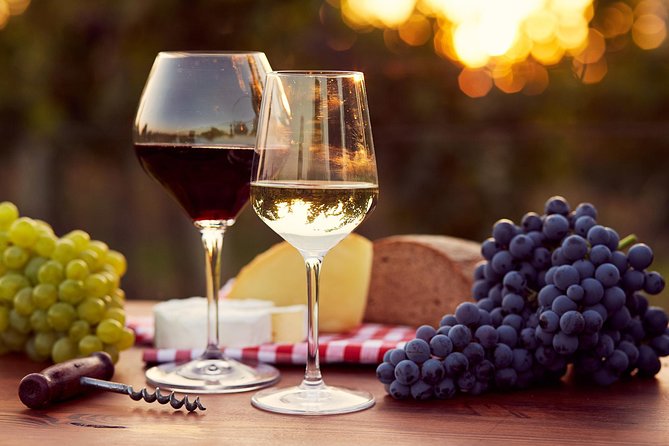
The included tastings cover red, white, and rosé wines. That range lets you compare the Bekaa Valley beyond the heavy reds often associated with Lebanese wine. Chateau Ksara also produces sweet wine, and several stops have a connection to arak, Lebanon’s national drink.
You do not need to arrive as a wine expert. The better approach is to pay attention to contrasts. Notice which wines you prefer, how the same region can produce different styles, and how the wineries present their family or institutional history.
Arak is especially useful as a cultural point of comparison. It is not simply another wine style, but a distilled grape-based drink with a distinct place in Lebanon’s food and drink culture. At Chateau Heritage, the connection is especially direct because the Touma family produces Arak Touma alongside wine.
If you are sensitive to alcohol or plan to taste every pour, pace yourself. The tour is long, and the final visit comes after two wineries and lunch. Water and food will help you enjoy the full day rather than fading before Chateau Rayak.
Group size, comfort, and the pace of the day
The tour is suitable for most people, and mobile tickets make access simple. Hotel pickup is offered, while the listed start and end point is Beirut. The vehicle is climate-controlled, an important comfort detail during a long day on the road.
The schedule is structured but not extreme. Each winery gets about an hour except Chateau Rayak, which gets two. Lunch adds another hour. That leaves the remaining time for transport and transitions.
I like this balance for a first visit to Lebanese wine country. You see enough to form an opinion without spending the entire day at one property. On the other hand, you should not expect a slow rural retreat. This is a day trip with a clear timetable.
The group-size information needs a little care. The highlights describe a limit of 10 for personal service, while the booking conditions state a maximum of 15. That is still a modest group compared with a large coach tour, but the exact number may vary. If the operator confirms a group of 10 or fewer, the format should feel more personal.
Who should book this Bekaa Valley day trip?
I would choose this tour if you are staying in Beirut and want an easy first introduction to Lebanese wine. It suits couples, small groups, and curious drinkers who want to combine tastings with regional history rather than spend the day at a single estate.
It also works well if you do not want to rent a car or arrange a private driver. The included transport is a major part of the appeal, especially after a full day of tastings.
You may want something else if you are a serious wine student seeking detailed instruction, rare vintages, or a highly polished food pairing program. The available information does not promise those features. You should also be comfortable with a guide experience that may vary from one booking to another.
The tour is non-refundable and cannot be changed after booking. I would confirm your schedule, hotel pickup details, expected group size, and lunch arrangement before paying, since the price cannot be recovered if plans change.
FAQ
How long does the Lebanon wine tasting tour take?
The tour lasts about eight hours, starting at 9:00 a.m. and ending back at the Beirut meeting point.
Which wineries does the tour visit?
The itinerary includes Chateau Heritage, Chateau Ksara, and Chateau Rayak in the Bekaa Valley.
Are wine tastings included?
Yes. Included tastings feature red, white, and rosé wines. Some wineries also produce and serve arak.
Is lunch included in the price?
Lunch takes place at a local restaurant in Zahle, but the meal is not listed as included. Plan to pay for lunch separately.
Does the tour include transport from Beirut?
Yes. Hotel pickup and drop-off are offered, with round-trip transport in a climate-controlled vehicle.
How many people can join the tour?
The experience is promoted as limited to 10 people, while the additional booking information gives a maximum of 15 travelers.
Should you book this wine tour?
Book it if you want a practical, good-value way to reach the Bekaa Valley from Beirut and taste across three wineries in one day. The combination of Chateau Ksara’s long wine history, Chateau Heritage’s family and arak connection, and Chateau Rayak’s traditional-meets-modern approach gives the day more substance than a simple tasting stop.
I would book with realistic expectations. You are paying for access, transport, tastings, and a broad introduction, not a private sommelier course. If you confirm the guide and group size, and you are happy to buy your own lunch, the $91.03 price is a sensible way to see Lebanon’s wine country without taking on the logistics yourself.
New food tours we have reviewed in the world
- ChattaBrunch Food Tour★ 5.0 · 87 reviews
- Downtown Chattanooga Food Tour★ 5.0 · 290 reviews
- Charlottetown waterfront SOLAR PartyBike food & drink experience!★ 4.0 · 92 reviews
- Historic Southside Food Tour in Chattanooga★ 5.0 · 32 reviews
- Tastes Through Time – Charleston’s Best Food & History Tour★ 4.5 · 95 reviews
- Charleston’s Savor the Flavors of Upper King Street Walking Food Tour★ 4.5 · 130 reviews
- Charlottetown Food Walking Tour★ 5.0 · 59 reviews
- Charleston Private Brunch Tour: Biscuits, Shrimps, Grits and More★ 5.0 · 48 reviews
Wine Tours, compared.
Montserrat Half-Day Tour with Tapas and Gourmet Wines
Read our review →
Winner 2025 Undiscovered Lisbon Food & Wine Tour by Eating Europe
Read our review →
From Porto: 2 Wine Regions, Farm-to-Table Lunch & Boat
Read our review →
Winner 2025 Florence Sunset Food & Wine Tour by Eating Europe
Read our review →
Authentic Parisian Gourmet Food Tour with 10 Local Dishes & Wines
Read our review →
Barcelona: Tapas Walking Tour with Food, Wine, and History
Read our review →
Lisbon: Food and Wine Small Group Walking Tour
Read our review →