
Review · WINE TOURS
Traditions in Bucharest: Village Museum and Wine Tasting Tour
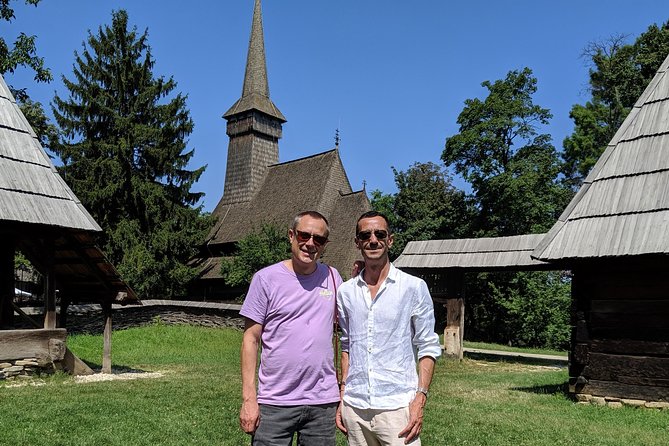
Romania’s past comes into focus at the Dimitrie Gusti National Village Museum, where old homes, churches, mills, and farm buildings from across the country are gathered beside Herăstrău Park. Instead of seeing Bucharest only through grand avenues and Communist-era landmarks, you get a look at how ordinary Romanian families once lived.
I like the clear regional focus, especially the chance to compare Danube Delta cottages with Moldavian, Wallachian, and Transylvanian buildings. I also like the relaxed finish: three Romanian wines, local cheese, and sausage in a central wine bar. The main consideration is price: at $148.19 per person, this costs more than a basic museum visit, though private transport and a private guide make it good value for a first day in Bucharest.
Key points to know
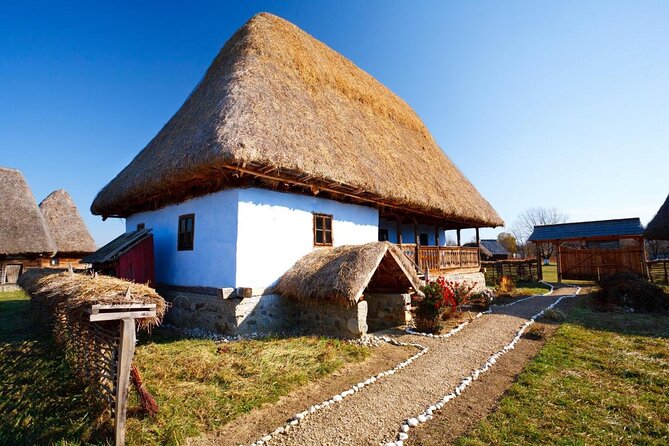
- Regional Romania in one museum: See traditional buildings from several historical provinces without leaving Bucharest.
- A private guide makes the difference: Guides such as Mihai Vataselu, Michael, and Emma have been praised for clear English, lively storytelling, and thoughtful pacing.
- Wine tasting is part of the cultural lesson: Taste three Romanian wines, including possible examples of local grapes such as Feteasca Neagra or Negru de Dragasani.
- Useful hotel pickup: Your guide can meet you in your accommodation lobby anywhere within Bucharest’s city limits.
- A gentle walking schedule: The tour involves less than one mile of walking, though the museum is outdoors.
- Easy central finish: The wine bar is near the Romanian Athenaeum and about 15 minutes from Bucharest’s Old Town on foot.
Why this tour gives Bucharest more meaning
Bucharest can be a tricky city to understand on a short visit. Its grand buildings, broad boulevards, Orthodox churches, and Communist traces tell only part of the story. The Village Museum supplies the missing rural side of Romania.
The museum is not a preserved village in its original location. It is an open-air collection of historic buildings moved or reconstructed from different parts of the country. That arrangement lets you compare regional styles in a few hours. You can look at the shape of a roof, the materials used for a wall, or the decoration on a church and connect those details to local weather, available resources, and village customs.
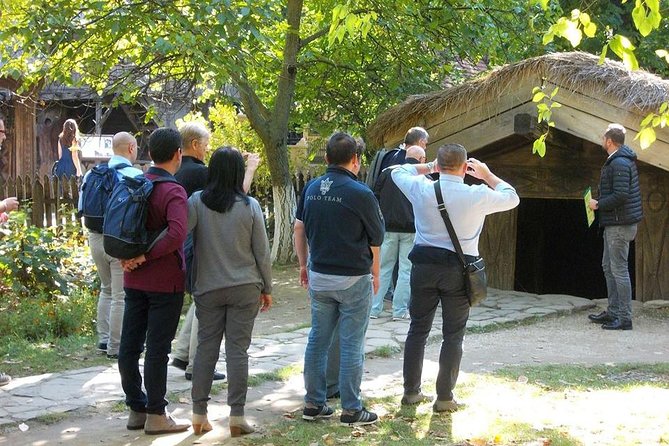
The private format matters here. A guide can point out why one house has a steep roof, why another uses a different kind of wood, and how religious buildings fit into village life. Mihai Vataselu is especially well regarded for combining architecture with stories about Romanian history, politics, family life, and rural work. Other guides named in the experience include Michael and Emma.
This is not a tour built around rushing from one photo stop to the next. The schedule gives about two hours to the museum, followed by a short craft stop and about two hours in the Old Town area for wine and conversation.
More Wine Tours in the world:
- Montserrat Half-Day Tour with Tapas and Gourmet Wines
★ 5.0 · 7,359 reviews - Winner 2025 Undiscovered Lisbon Food & Wine Tour by Eating Europe
★ 5.0 · 6,390 reviews - From Porto: 2 Wine Regions, Farm-to-Table Lunch & Boat
★ 4.9 · 5,724 reviews
The Village Museum: Romania in houses, churches, and mills
The first stop is the heart of the experience. The National Village Museum brings together examples of traditional architecture from Romania’s historical regions, with some structures dating back to the 17th century.
You might see reed-roofed homes linked to the Danube Delta, where local building methods responded to wet conditions. Moldavian and Wallachian homes show a simpler, more restrained style, while Transylvanian houses are known for carved wooden facades and strong craftsmanship.
The collection includes more than houses. Look for thatched barns, log cabins, watermills, windmills, oil presses, roadside crucifixes, and wooden churches. The churches are a highlight for many visitors because their painted interiors and carved details offer a direct link between everyday village life and religious practice.
A guide adds context that labels alone cannot provide. You can ask why rural homes were arranged in certain ways, how families used different buildings, and what local materials reveal about each region. A printed map or photographs may also be used to show where the buildings originated. That is especially helpful if Romanian geography is still new to you.
Allow yourself to look beyond the most decorative buildings. A barn, mill, or simple peasant house can explain as much about village life as a church. The museum’s value comes from the whole collection, not just its prettiest facade.
The visit does require outdoor walking. The total amount is described as less than one mile, so it is not a demanding walking tour, but the museum grounds can still mean uneven surfaces and time on your feet. One guide has adjusted the visit for gentle walkers, which suggests that the pace can be discussed with your guide.
Two hours is enough for a guided introduction, though not for every building. If you are fascinated by folk architecture, you may want to return on your own after the tour. The experience is best for getting a strong overview rather than examining every room in detail.
A 30-minute stop for Romanian crafts
The second stop is a handmade art and craft shop on Calea Victoriei. It lasts about 30 minutes, so think of it as a short cultural pause rather than a full shopping excursion.
You can see Romanian blouses known as ie, painted glass icons, Moldavian Easter eggs, Horezu pottery from Wallachia, Transylvanian wooden masks, books, traditional sweets, and small souvenirs. Dracula-themed items are also available, which may appeal if you want a playful reminder of Romania’s most famous fictional export.
This stop gives you a chance to connect the museum’s older buildings with living craft traditions. The ie, painted eggs, and pottery are not just decorative objects. Their patterns and methods reflect regional customs that continued long after village homes began to change.
You do not have to buy anything. The value is in seeing how different parts of Romania are represented in one small shop. If you do shop, this is a useful place to ask your guide about the difference between a handmade item and a mass-produced souvenir.
The short timing keeps the tour moving, but it also means you may feel hurried if you want to browse carefully. I would treat this stop as an introduction and save serious souvenir shopping for another part of your Bucharest visit.
Romanian wine and a plate of local food
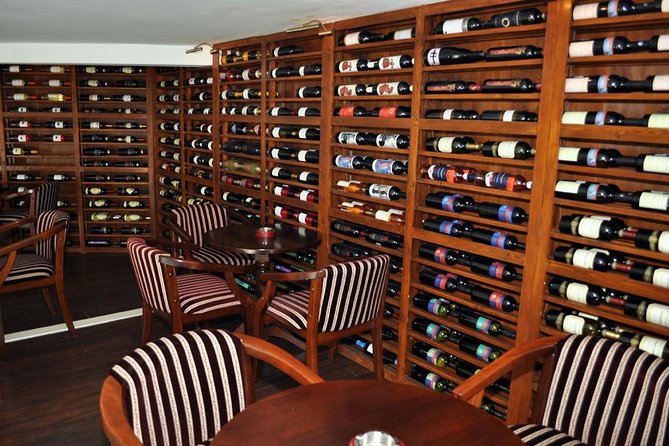
The final stop takes place at a local wine bar in the historic center. Romania has more than 2,000 years of winemaking tradition and is one of the world’s major wine-producing countries. This tasting gives that fact a practical meaning.
You receive three glasses of wine per person, along with a plate of traditional cheese and charcuterie. The focus is on Romanian varieties and the Dealu Mare wine region, one of the country’s best-known wine areas. You may taste grapes such as Feteasca Neagra or Negru de Dragasani, both associated with Romania’s own winemaking identity.
The tasting is not presented as a formal lesson only for wine experts. The format suits casual drinkers, too. Your guide can explain how local wine connects to soil, climate, farming, and regional food. That makes the cheese and smoked sausage more than a snack. They become part of the cultural picture.
Some guides have offered four wines instead of the three specified in the tour details, but you should plan on three glasses per person. Additional food and drinks are not included, so ask about the cost before ordering beyond the provided plate.
This is also the most social part of the afternoon. Several guides have been praised for making the tasting feel like a friendly conversation rather than a lecture. If you enjoy asking questions, this is a good place to talk about Romanian food, modern life, regional customs, and places you may visit later in the country.
After the tasting, you can remain at the wine bar at your own expense or walk toward the Old Town. The tour ends near the Romanian Athenaeum, making it easy to continue sightseeing, find dinner, or return to a nearby hotel.
More museum visits in the world:
- Dubai: Old Town, Creek, Museums, Souks, & Street Food Tour
★ 4.8 · 10,816 reviews - Munich: Beer and Food Tour with Dinner & Oktoberfest Museum
★ 4.7 · 1,086 reviews - Dubai.Discover Old town,Markets,street food,Abra &Museums
★ 4.9 · 181 reviews - Takua Pa: Food Market, Tsunami Museum, Temple, & Old Town
★ 4.9 · 165 reviews
Private transport and pickup in Bucharest
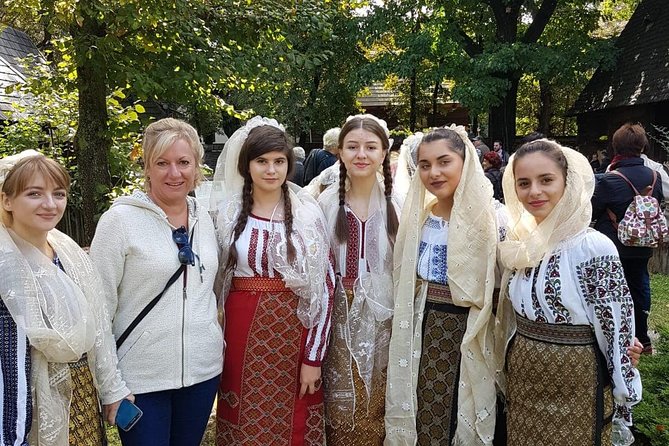
Hotel pickup is included within Bucharest’s city limits. Your guide meets you in the lobby near reception, then drives you in a private, air-conditioned vehicle. This removes the need to work out public transport or a taxi connection before visiting the museum.
That convenience is worth more in Bucharest than it may first appear. Traffic can be heavy and unpredictable, and the museum is outside the main Old Town sightseeing zone. A private vehicle also lets you leave directly from your hotel rather than meeting at a fixed point.
The official meeting and return point is the Romanian Athenaeum, on Strada Benjamin Franklin. In practice, the tour can begin with accommodation pickup if you provide the exact hotel name or address. The final wine bar is only a few minutes from the Athenaeum and roughly 15 minutes from the Old Town area.
One useful detail comes from a pickup arranged for an accommodation with an incorrect address online. The company checked the location and called ahead to confirm the correct meeting place. That sort of communication matters when you are staying in a small apartment or a property with confusing directions.
The tour is private, so only your group participates. That makes it easier to request a slower pace, ask detailed questions, or spend more time on the buildings and subjects that interest you. It also explains part of the higher price.
Is $148.19 a fair price?
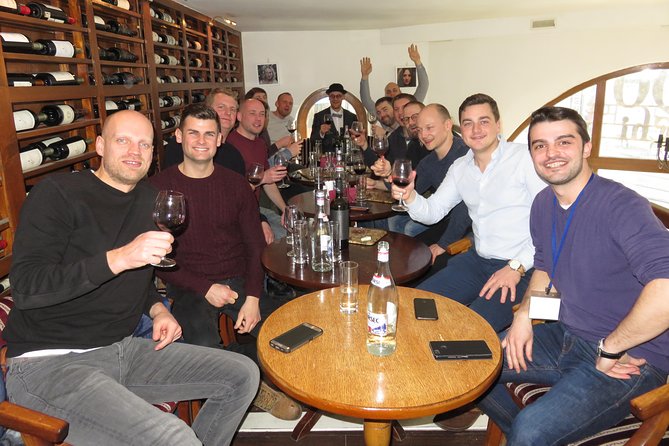
The cost is $148.19 per person. That is a serious amount for a five-hour Bucharest activity, especially if you are traveling alone or as a couple on a tight budget.
You are paying for more than entry to the Village Museum. The price includes a licensed private guide, private transportation, hotel pickup, the museum admission ticket, three wine glasses, cheese, and charcuterie. It also buys you a connected experience rather than three unrelated stops.
For two people, the cost may make sense if you value comfort and personal attention. A family or small group can also benefit from the private format, since the same vehicle and guide serve the group. Group discounts are available, though the exact savings depend on the booking arrangement.
If your main aim is simply to see the Village Museum, you can find a cheaper way to visit. This tour earns its price through interpretation, door-to-door transport, and the wine tasting. I would book it when you have limited time in Bucharest and want an organized introduction to Romanian culture.
Who will enjoy this Bucharest experience?
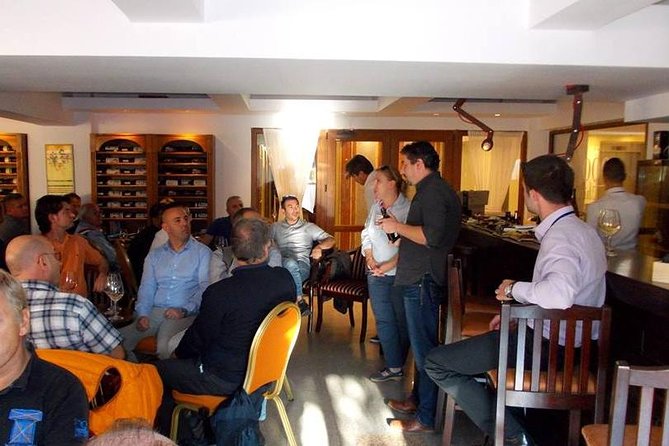
This tour suits first-time visitors who want history explained in plain language rather than a list of dates. It is also a good fit for anyone interested in architecture, rural life, craft traditions, or wine.
Families can take part. The museum and wine bar have both been described as family-friendly, though only adults aged 18 and over may drink. Children can still join the museum and craft portions, but the wine tasting itself is for adults.
Gentle walkers should find the distance manageable, especially if they tell the guide about their pace. The museum is outdoors, so you still need comfortable shoes and clothing suited to the weather.
Wine enthusiasts will get more from the final stop than someone who does not drink. Still, the tasting is not limited to specialists. The local grapes and regional food make it worthwhile for curious beginners.
I would not choose this tour if you want a full day of palace interiors, Communist history, or Old Town sightseeing. Its focus is narrower: rural traditions, handmade objects, and Romanian wine.
Practical details before you book
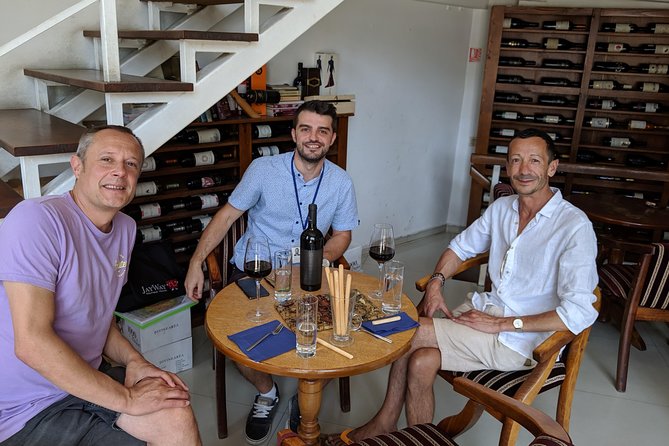
The experience lasts about five hours. It is offered in English and confirmation is provided at booking. Public transportation is nearby, but private transportation is included if you use the pickup option.
Only a small amount of walking is involved, listed as less than one mile. The Village Museum is an outdoor site, and the route may include uneven ground. Most people can participate, but tell the operator in advance if your group needs a slower pace.
The minimum drinking age is 18. Extra drinks and food cost more than the included tasting. You can cancel for a full refund up to 24 hours before the start time. Cancellations or changes made within 24 hours are not accepted for a refund.
Should you book it?
Book this experience if you want a guided introduction to Romania that connects buildings, crafts, food, and wine. The Village Museum is the strongest part, while the wine tasting gives the afternoon a pleasant and useful finish.
The tour is particularly good on your first day in Bucharest. A guide such as Mihai, Michael, or Emma can help you understand the country before you set off for Transylvania or other regions. You also get hotel pickup, a private vehicle, and a central finish.
Skip it if you prefer independent museum visits or need to keep costs low. For everyone else, the price is justified by the private format and the chance to see much more than Bucharest’s famous central buildings.
FAQ
Where does the tour start?
The listed meeting point is the Romanian Athenaeum at Strada Benjamin Franklin 1-3 in Bucharest. Free pickup is also available from accommodations within Bucharest’s city limits.
Where does the tour end?
The tour ends at the wine bar on historic Calea Victoriei, near the Romanian Athenaeum and about 15 minutes from the Old Town area.
How long does the experience last?
The tour lasts approximately five hours. The Village Museum visit takes about two hours, the craft shop about 30 minutes, and the wine tasting stop about two hours.
Is hotel pickup included?
Yes. Free pickup is available from hotels or accommodations within Bucharest’s city limits. Your guide meets you in the lobby near reception.
Is transportation private?
Yes. The tour includes private transportation in an air-conditioned vehicle.
Is the Village Museum admission included?
Yes. The Village Museum entrance fee is included in the tour price.
How many wines are included?
Three wine glasses per person are included. Some tasting arrangements may offer four wines, but three glasses are the stated inclusion.
Is food included with the wine tasting?
Yes. A plate of traditional cheese and charcuterie is included. Additional food and drinks are not included.
Can children join the tour?
Most people can participate, and the museum and wine bar are family-friendly. The minimum drinking age is 18, so only adults aged 18 and over may take part in the wine tasting.
Can I cancel the booking?
You can cancel up to 24 hours before the experience begins for a full refund. Cancellations or changes made less than 24 hours before the start time are not refunded.
New food tours we have reviewed in the world
- ChattaBrunch Food Tour★ 5.0 · 87 reviews
- Downtown Chattanooga Food Tour★ 5.0 · 290 reviews
- Charlottetown waterfront SOLAR PartyBike food & drink experience!★ 4.0 · 92 reviews
- Historic Southside Food Tour in Chattanooga★ 5.0 · 32 reviews
- Tastes Through Time – Charleston’s Best Food & History Tour★ 4.5 · 95 reviews
- Charleston’s Savor the Flavors of Upper King Street Walking Food Tour★ 4.5 · 130 reviews
- Charlottetown Food Walking Tour★ 5.0 · 59 reviews
- Charleston Private Brunch Tour: Biscuits, Shrimps, Grits and More★ 5.0 · 48 reviews
Wine Tours, compared.
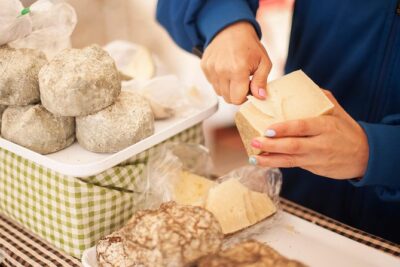
Montserrat Half-Day Tour with Tapas and Gourmet Wines
Read our review →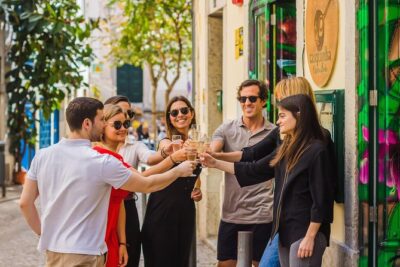
Winner 2025 Undiscovered Lisbon Food & Wine Tour by Eating Europe
Read our review →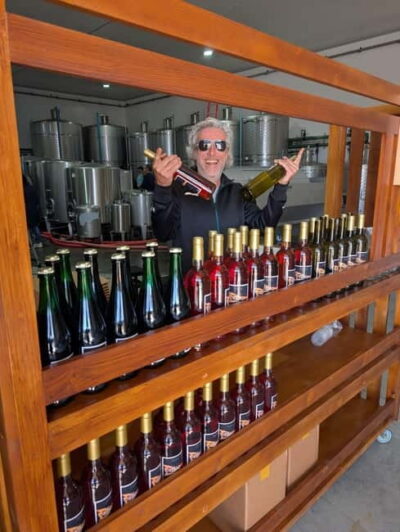
From Porto: 2 Wine Regions, Farm-to-Table Lunch & Boat
Read our review →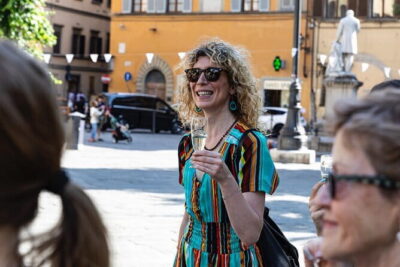
Winner 2025 Florence Sunset Food & Wine Tour by Eating Europe
Read our review →
Authentic Parisian Gourmet Food Tour with 10 Local Dishes & Wines
Read our review →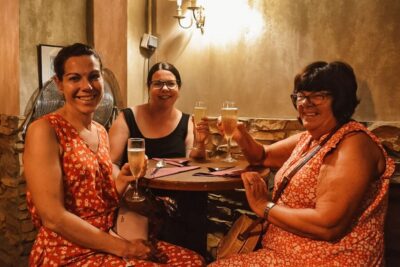
Barcelona: Tapas Walking Tour with Food, Wine, and History
Read our review →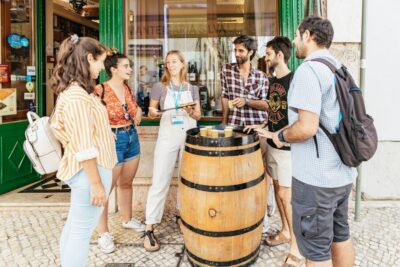
Lisbon: Food and Wine Small Group Walking Tour
Read our review →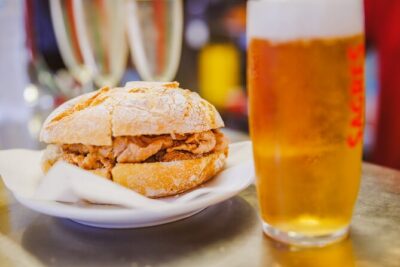
Lisbon Small-Group Portuguese Food and Wine Tour
Read our review →Browse the lists this tour appears in