
Review · CHINATOWN FOOD TOURS
Chicago: Taste of Chinatown Food and Cultural Walking Tour
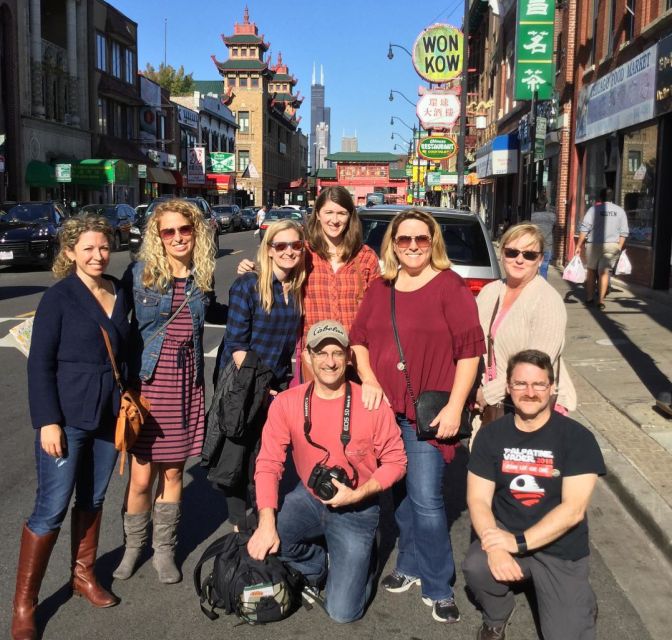
Chicago’s Chinatown food tour is really five meals in miniature, not a quick sample of one restaurant. Over three relaxed hours, you try dim sum, Xi’an-style lamb, dry chili chicken, hand-pulled noodles, and a custard-filled egg tart, with enough food to replace lunch or dinner. I like the wide regional range and the way the food is tied to migration, family, and neighborhood life. The main caution is simple: come very hungry, and tell the operator about dietary needs before you arrive.
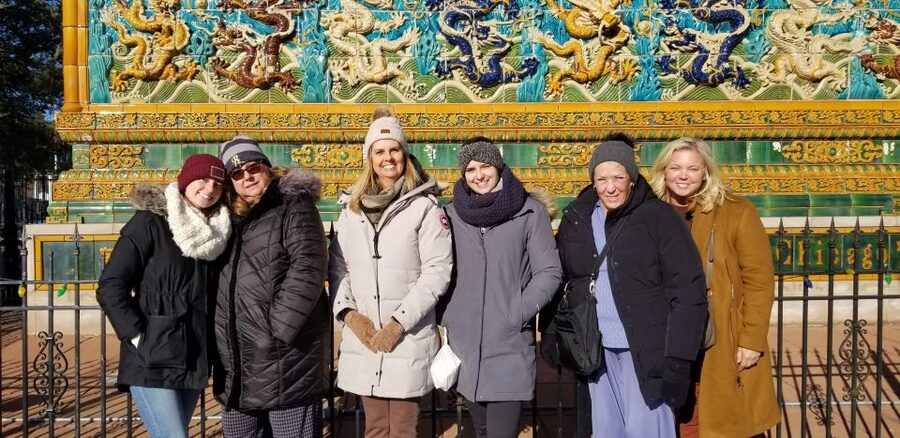
I also like the human side of this tour. Guides such as Jeff, York, Alex, and Philip have earned praise for mixing Chicago history with food stories, learning names, and helping solo guests feel part of the group. The one drawback is timing: five food stops plus several sightseeing stops can feel brisk, especially with a group of 15.
Five things to know before you book
- Five substantial tastings: Dim sum, dry chili chicken, cumin lamb flatbread, hand-pulled noodles, and a Portuguese-style egg tart make up a full meal.
- Regional Chinese cooking: The food reaches beyond the familiar takeout menu, with Xi’an street food, Sichuan-style heat, handmade noodles, and traditional tea.
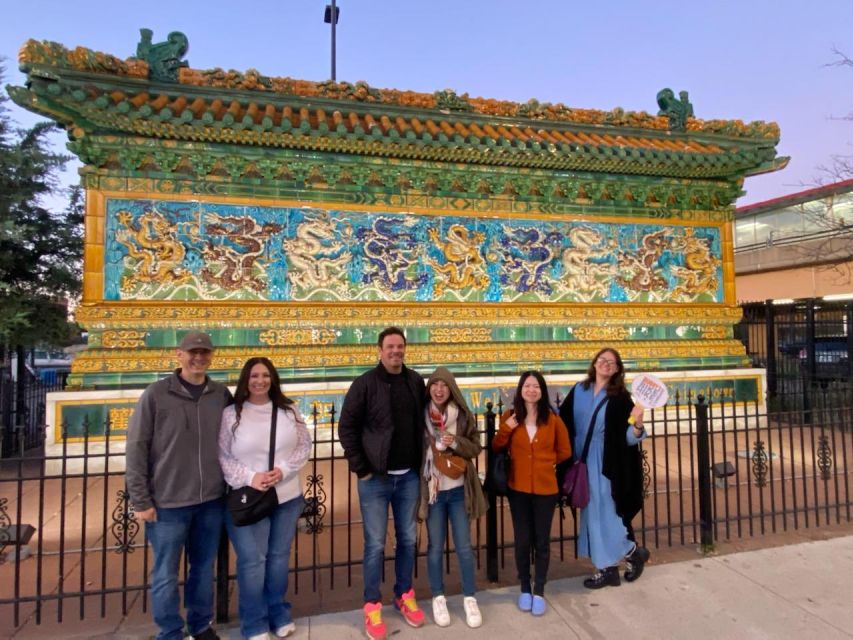
- Chinatown landmarks included: You visit the Gateway Arch, Nine Dragon Wall, Zodiac Plaza, and Pui Tak Center while walking between restaurants.
- Guides add real local color: Jeff, York, Alex, Philip, and other guides bring personal stories, ordering help, and context about Chicago’s Chinese-American community.
- Plan for the weather: The tour runs in rain or snow, so wear walking shoes and dress for the forecast.
- Budget beyond the ticket: The tour costs $84 per person. A suggested cash tip is listed as $10 or 15 percent, and an optional drink package costs $19.99.
Why five small meals beat one Chinatown dinner
A regular Chinatown dinner gives you one restaurant and one style of cooking. This tour gives you a guided introduction to several food traditions, which is useful if you do not know what to order or if you have only one visit to the neighborhood.
The tastings are not just token bites. The portions are described as generous enough for a full lunch or dinner, and several people found they did not need breakfast beforehand. That makes the $84 price easier to judge. You are paying for five food stops, a three-hour guided walk, restaurant coordination, and neighborhood interpretation, not just the food on your plate.
I would still compare the cost with your plans for the day. If you are happy choosing your own restaurants and ordering full dishes, you may spend less on your own. If you want to taste several specialties without guessing, the price is more reasonable. The guide removes the language and ordering hurdles, which is especially useful for first-time visitors.
The drink upgrade is optional. For $19.99 per person, you can add three beverage pairings, described as local Chinese beer, selected wine, or sweet boba tea. I would treat this as a nice extra rather than part of the core value. The food is the reason to book.
More Chinatown food tours in the USA:
- NYC: Chinatown & Little Italy Food Tour with 7 Flavorful Tastings
★ 5.0 · 2,733 reviews - Original NYC Guided Food Tour of Chinatown and Little Italy
★ 5.0 · 2,194 reviews - Chinatown & North BeachLittle Italy: 7 Tastings & History
★ 5.0 · 1,070 reviews
Starting with dim sum at Phoenix Restaurant
The tour begins at Phoenix Restaurant, 2131 S Archer Avenue. Arrive 15 minutes early and look for a guide wearing a Bobby’s Bike, Hike & Food Tour shirt and carrying a paddle.
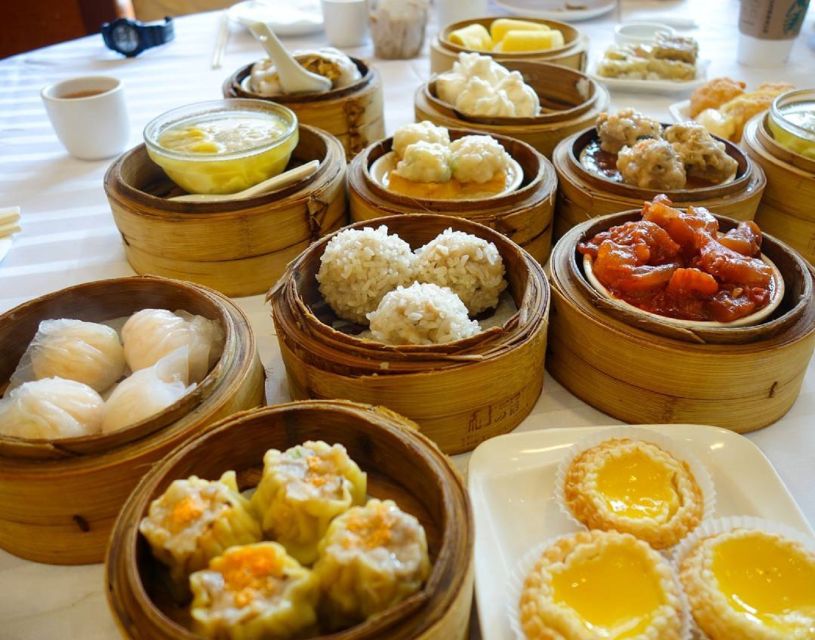
The first food stop includes a tea ceremony and handmade dim sum. Expect warm dumplings with savory fillings, served with Chinese tea. This opening works well because it introduces you to the basic rhythm of the tour: taste, listen, ask questions, then walk to the next stop.
Dim sum can be familiar to many American diners, but the guide helps explain what you are eating and how it fits into Chinese food culture. You do not need to manage the ordering yourself. That is a small but useful benefit when a menu is unfamiliar or when the group needs several dishes at once.
The 15-minute tasting listed for each stop is a guide, not a leisurely restaurant meal. You will eat, hear the story behind the dish, and move on. If you prefer long meals with lots of time at the table, this format may feel fast.
Walking through Chinatown’s symbols and stories
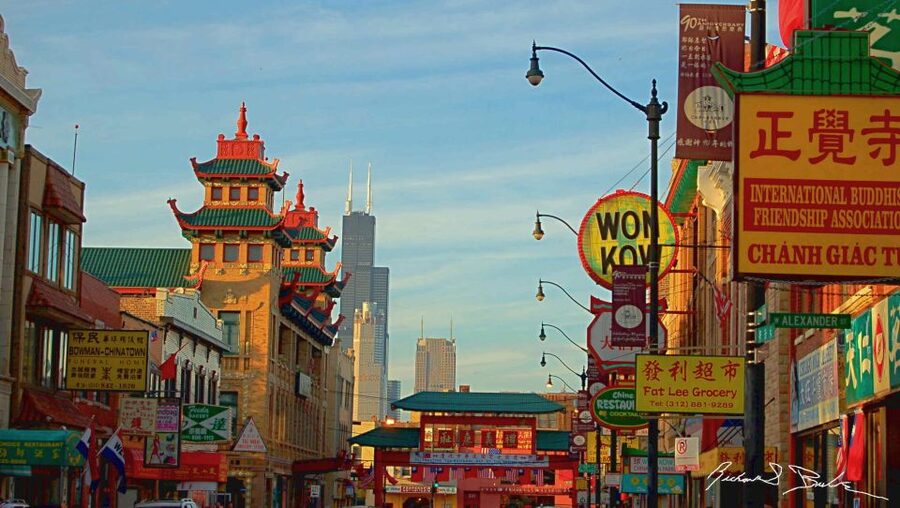
Between food stops, the tour becomes a walking tour of Chinatown. The pace is relaxed and intended for a range of fitness levels, but you should still wear comfortable shoes. The exact route moves among restaurants, plazas, and landmarks, so the experience feels like a neighborhood walk rather than a series of disconnected tastings.
The Chinatown Gateway Arch is one of the first major visual markers. Built in 1975 by Chinese artisans, it represents welcome and arrival. It is also a useful place to understand that Chinatown is not only a dining district. Its public art and architecture express community identity.
At Chinatown Square, you see 12 bronze zodiac statues. Each animal carries meaning in Chinese tradition, and the statues give the guide a natural way to explain symbols, birthdays, luck, and cultural customs. This is one of the better parts of the tour for families, since the zodiac animals give children something concrete to look for.
The Nine Dragon Wall is another strong photo stop. It is a glazed-tile replica of Beijing’s original and features mythical dragons linked with power, luck, and protection. The stop is brief, but it adds visual context to the food. You begin to see how symbols, architecture, and cooking all carry stories from different parts of China.
The route also includes the Pui Tak Center, built in 1928 with pagoda-like towers and terra-cotta decoration. The center once supported immigrants settling into life in Chicago and remains a major emblem of the community. You do not simply pass an old building. You get a short explanation of why support organizations mattered to Chinese immigrants and why this site still has meaning.
Xi’an cumin lamb and the pleasure of trying something new
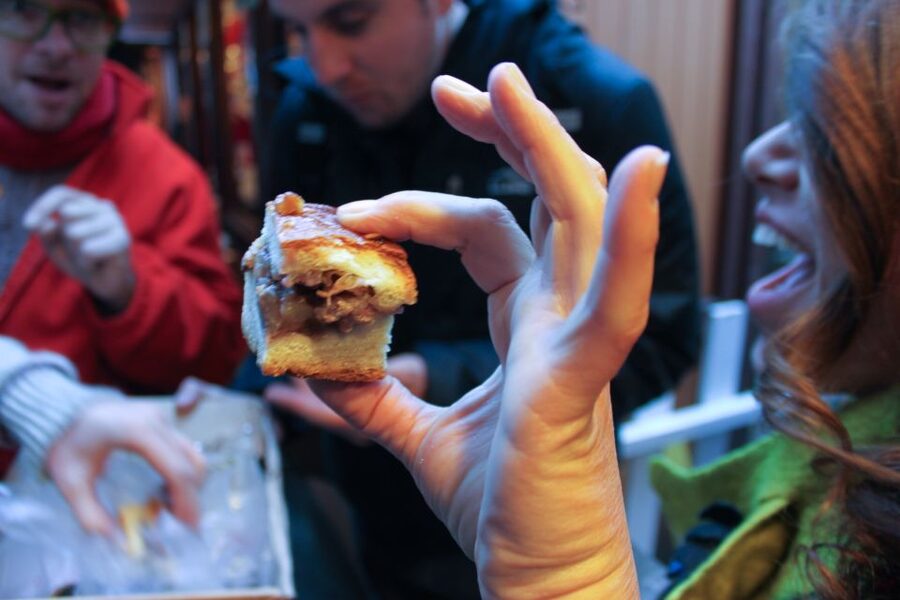
One of the most distinctive tastings is a crispy cumin lamb flatbread sandwich from the Xi’an region of northwestern China. It combines spiced lamb with a crisp, flaky bread, making it closer to street food than to the sweet-and-sour dishes many people first associate with Chinese-American dining.
This is the sort of food a guide can make easier to appreciate. Cumin, lamb, and flatbread point to the food traditions of China’s northwest, where influences differ from those in coastal Cantonese cooking. The tasting is also practical: you get a focused sample without ordering a large portion of a dish you may not know.
If you avoid lamb, this could be a limitation, so ask about substitutions when booking. Vegetarian choices are available, but you need to mention dietary needs in advance. Do not wait until the group reaches the restaurant.
More food tours in the USA:
- New Orleans Food Walking Tour of the French Quarter with Small-Group Option
★ 5.0 · 6,118 reviews - Chef Guided Food Tour of Pike Place Market
★ 5.0 · 3,733 reviews - Savannah First Squares Culinary & Cultural Walking Food Tour
★ 5.0 · 3,229 reviews - Nashville: Food Tour with 5+ Tastings of Local Delicacies
★ 5.0 · 2,704 reviews
Dry chili chicken and a controlled hit of heat
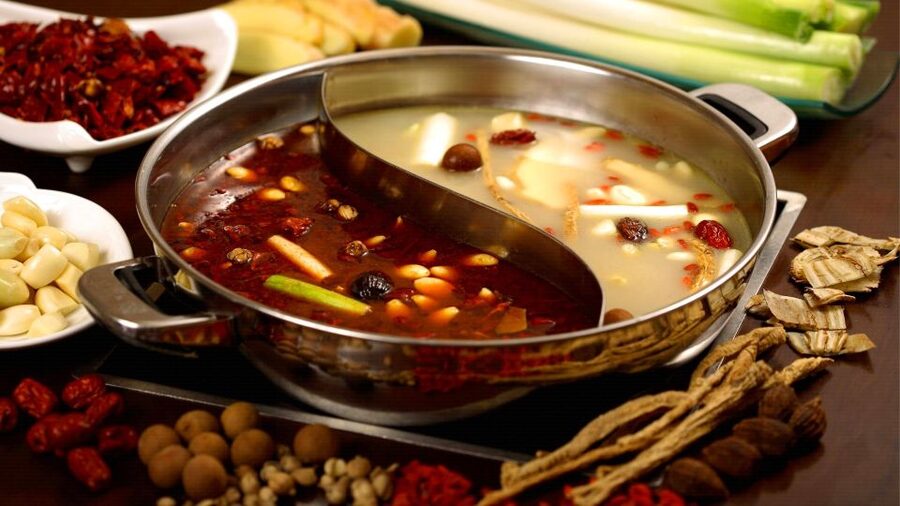
The dry chili chicken brings a different flavor profile. It is crispy, spicy, and built around heat and crunch rather than a thick, sweet sauce. The dish is a good reminder that Chinese cooking is not one single style. Even within one neighborhood, you can move from delicate dumplings to assertive chili seasoning in a few blocks.
The guide explains the ingredients and gives you a sense of how the dish is meant to taste. If you are sensitive to spice, say so before the food arrives. The description promises a bold level of heat, and the tour is designed to introduce regional specialties rather than soften every flavor for cautious eaters.
This is one reason I would avoid eating a large meal before the tour. The tastings may be small in appearance, but the spice, noodles, bread, dumplings, and dessert add up quickly.
Hand-pulled noodles and the craft behind the bowl
Fresh hand-pulled noodles provide another change of pace. They come with house-made sauces and are meant to be slurped, not treated as a side dish. The appeal is both texture and preparation. Handmade noodles have a spring and thickness that packaged noodles cannot quite match.
The stop also gives the guide a chance to explain how regional noodle dishes differ. You may already know Chinese noodles from restaurant menus, but tasting them alongside dim sum, lamb flatbread, and chili chicken makes the contrast clearer.
The 15-minute stop means you likely will not sit through a full demonstration of noodle-making. Think of it as a tasting with explanation rather than a cooking class. If you want a long, slow meal, save time after the tour to return to a favorite stop.
Ending with an egg tart at Chiu Quon Bakery
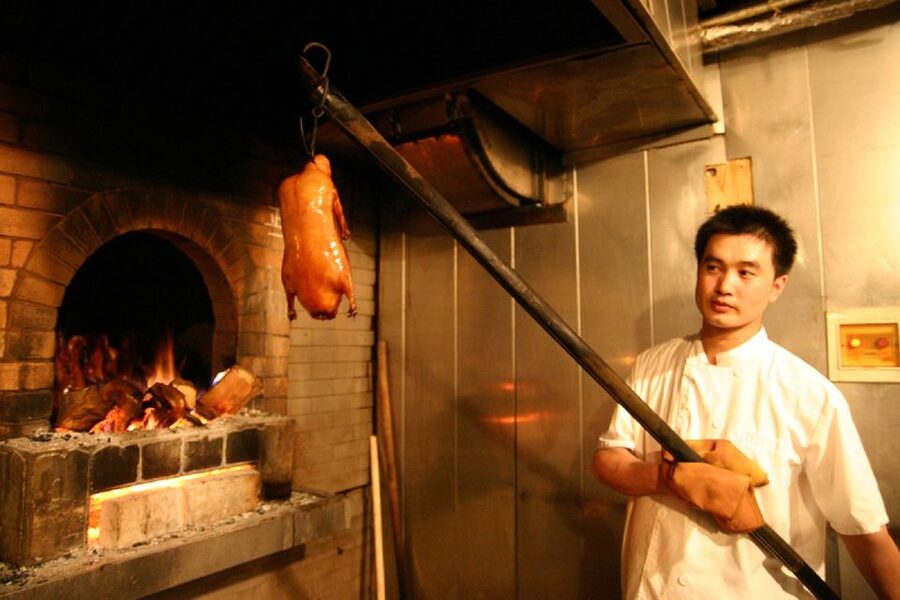
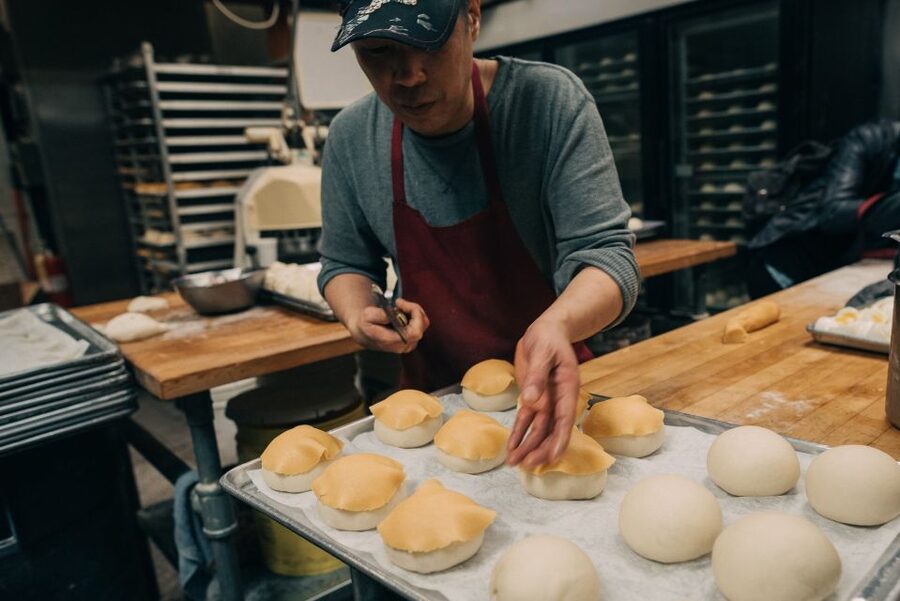
Dessert comes at a local bakery, with a Portuguese-style egg tart. The pastry is flaky and buttery, while the custard filling is soft and sweet. It is a smart finish because it shifts the tour away from savory food and shows another layer of Chinatown’s food culture.
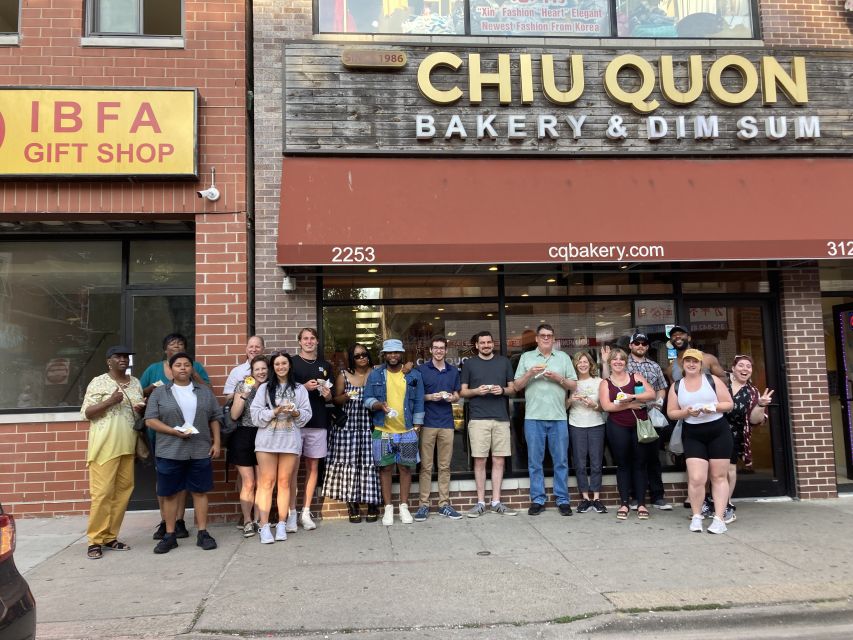
The tour ends at Chiu Quon Bakery, described as Chinatown’s oldest bakery. That gives you a chance to pick up something for later, though additional purchases are not listed as part of the ticket. Ending here also puts you in a good position to continue exploring Chinatown on your own.
By this point, most people should feel well fed. The final tart is not just a dessert sample. It helps make the point that Chinese food in Chicago includes local adaptations and cross-cultural influences, not only dishes tied to one province.
The guide can make or break the experience
The food is carefully chosen, but the guide is the part that connects everything. Jeff is often described as an entertaining storyteller who combines Chinese and Chicago history, food explanations, and personal recommendations. He has also been praised for learning everyone’s name, welcoming solo guests, and making a group tour feel more personal.
York has received similar praise for food descriptions and Chinatown stories. Other guides named in tour experiences include Alex, Philip, Ria, Teddy, and Eric. The style may vary by guide, but the job is consistent: keep the group moving, explain each dish, handle ordering, and give you the neighborhood background you would likely miss alone.
That service matters when a group is large. One group had 15 people, and the guide still had to keep everyone together through restaurants and streets. You should expect some waiting and a few moments when conversation is harder. The relaxed pace helps, but this is still a scheduled walking tour rather than a private food crawl.
The tour is offered in English. If you want the most from it, ask questions as you go. Guides have been praised for giving restaurant suggestions that helped shape the rest of a Chicago visit, so it is worth asking what to return to later.
Group size, weather, and dietary planning
You can register alone, but the tour needs at least three participants to operate. If that minimum is not met two hours before the start, the operator may contact you about rescheduling or cancellation with a full refund. Solo booking is still possible, but keep that minimum in mind when planning a tight itinerary.
The tour runs rain, snow, or shine. Bring an umbrella, a reusable water bottle, and clothing suited to the weather. Large bags and luggage are not allowed, so leave suitcases elsewhere.
Vegetarian options are available with advance notice. The supplied information does not promise that every dietary restriction can be handled, so be specific when you contact the operator. Because the tastings are spread across several restaurants, last-minute changes may be harder to arrange.
The walk is described as suitable for all fitness levels, with a relaxed pace. Even so, you will spend three hours moving between stops, standing during tastings, and walking outdoors. Comfortable shoes matter more than dressing up.
What the $84 ticket really covers
At $84, this is not the cheapest way to eat in Chinatown. It can still be good value if you want a full meal made from five different regional specialties and a guide who handles the logistics.
The ticket includes the walking tour, five tastings, tea with the dim sum stop, and visits to the major cultural sights. A suggested guide tip is listed as $10 per person, or 15 percent in the practical notes, and it should be cash because there is no on-site ATM. Build that into your budget.
You may also pay $19.99 for the adult drink package at check-in. The package includes three beverage pairings, but it is not needed to enjoy the food. With the optional drink and tip, your total can rise noticeably above the advertised price.
Free cancellation is available up to 24 hours before the tour, and you can reserve now and pay later. Those policies help if your Chicago schedule is still shifting, but the three-person minimum and weather policy are still worth noting.
Who should book this Chinatown walk
I would recommend it to first-time visitors who want an easy introduction to Chinatown without spending an hour studying menus. It is also a good choice for curious eaters who want more than familiar orange chicken, and for Chicago residents who have visited the neighborhood but never learned the stories behind its landmarks.
Families can enjoy the zodiac statues and short tasting format. Solo visitors can join without needing a dining companion, and the guide helps the group feel social. Couples and small groups should like the variety, especially if one person is adventurous with food and another wants cultural background.
I would hesitate if you need a very slow meal, dislike walking outdoors in poor weather, or have strict dietary restrictions that were not discussed in advance. I would also skip the drink upgrade if your main goal is value.
Should you book the Taste of Chinatown Food and Cultural Walking Tour?
Book it if you want a filling three-hour introduction to Chicago Chinatown, with five different tastings and enough history to make the neighborhood feel connected rather than merely scenic. The strongest reasons are the generous food portions, the range from dim sum to Xi’an lamb and egg tarts, and guides who bring warmth and useful local advice.
Skip it if you prefer choosing your own restaurants, need a private pace, or want to spend most of the afternoon seated. For everyone else, this is a practical first step into Chinatown. Arrive hungry, wear shoes you can walk in, bring cash for a tip, and give the operator your dietary information before the day of the tour.
FAQ
Where does the tour begin?
The tour begins at Phoenix Restaurant, 2131 S Archer Avenue, Chicago, Illinois 60616. Look for a guide wearing a Bobby’s Bike, Hike & Food Tour shirt and carrying a paddle.
Where does the tour end?
The tour ends at Chiu Quon Bakery in Chicago’s Chinatown.
How long does the experience last?
The food and cultural walking tour lasts three hours. Individual tastings and sightseeing stops are generally planned in short segments of about 15 minutes.
What food is included?
The five tastings include handmade dim sum, dry chili chicken, a crispy cumin lamb flatbread, fresh hand-pulled noodles with house-made sauces, and a Portuguese-style egg tart. Traditional Chinese tea is included with the dim sum stop.
Are vegetarian options available?
Yes. Vegetarian options are available, but you must notify the operator about dietary needs in advance.
Can I add drinks to the tour?
Yes. An optional adult drink package costs $19.99 per person at check-in and includes three beverage pairings. Options may include local Chinese beer, wine, or sweet boba tea.
New food tours we have reviewed in the USA
- ChattaBrunch Food Tour★ 5.0 · 87 reviews
- Downtown Chattanooga Food Tour★ 5.0 · 290 reviews
- Historic Southside Food Tour in Chattanooga★ 5.0 · 32 reviews
- Tastes Through Time – Charleston’s Best Food & History Tour★ 4.5 · 95 reviews
- Charleston’s Savor the Flavors of Upper King Street Walking Food Tour★ 4.5 · 130 reviews
- Charleston Private Brunch Tour: Biscuits, Shrimps, Grits and More★ 5.0 · 48 reviews
- Charleston Farm-to-Table Food Tour and Chef’s Challenge★ 5.0 · 110 reviews
- Private Charleston Walking Food Tour at the French Quarter★ 5.0 · 201 reviews
Chinatown Food Tours, compared.
NYC: Chinatown & Little Italy Food Tour with 7 Flavorful Tastings
Read our review →
Original NYC Guided Food Tour of Chinatown and Little Italy
Read our review →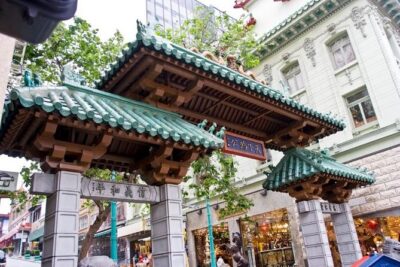
Chinatown & North BeachLittle Italy: 7 Tastings & History
Read our review →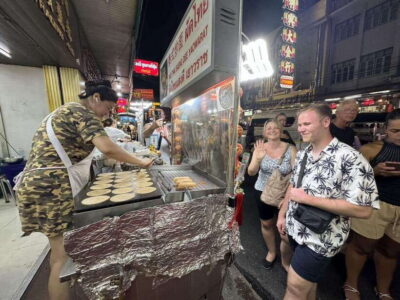
Bangkok Authentic Tasting Thai-Chinatown Walking Food Tour
Read our review →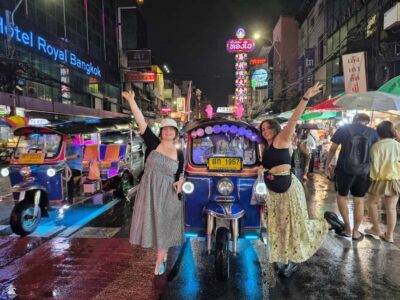
Bangkok: Tuk Tuk Adventure Chinatown Michelin Food & Temples
Read our review →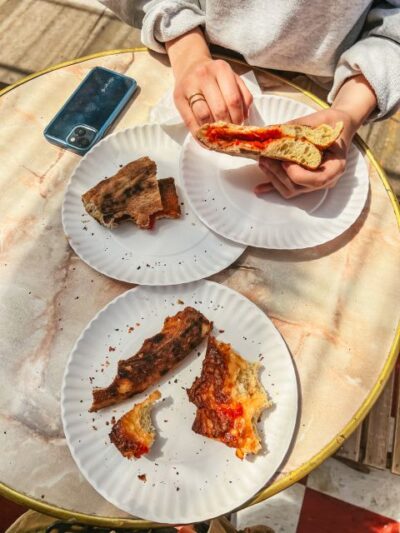

Bangkok Tuk-Tuk Tour by Night with Chinatown Street Food Meal
Read our review →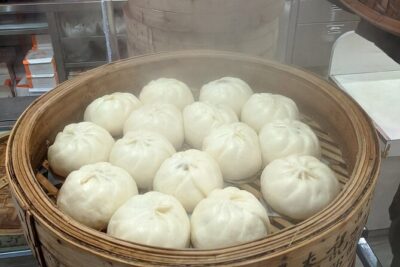
A Wok Around Chinatown: Culinary and Cultural Walking Tour Led by a Chef
Read our review →Browse the lists this tour appears in