
Review · MARKET FOOD TOURS
Denpasar: Museum, Traditional Market and Food Tasting Tour
Denpasar’s best introduction may be found not on a beach, but among market stalls, temple courtyards, old monuments, and plates of local food. This private five-hour tour connects the city’s main cultural sights with Pasar Badung, where you can see the everyday business of Bali rather than a polished resort version of the island.
I like the personal guiding, especially when your guide is someone such as Dayu, Widi, or Sagita, who can explain customs and daily life as you go. I also like the mix of museum displays, tropical fruit, and local snacks. The main catch is timing: the market is liveliest in the morning, and the museum can feel dated, while food tasting has not always gone exactly as planned.
Key points at a glance
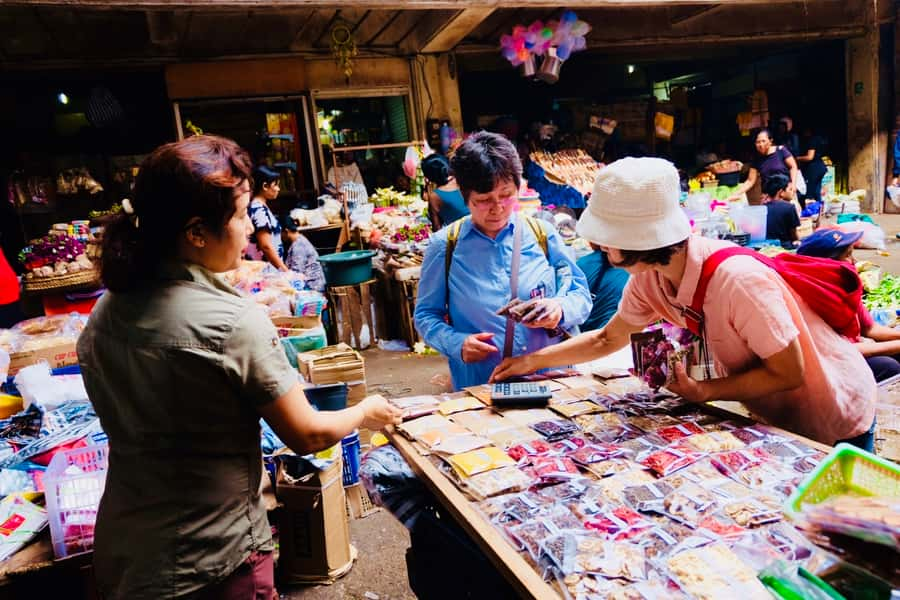
- Pasar Badung gives you a direct look at Denpasar life: Expect fruit, spices, food products, bargaining, and plenty of movement.
- The tour is private and hotel-based: Pickup is at your hotel lobby, with a guide and driver focused on your pace and questions.
- Bajra Sandhi may be the strongest history stop: Its displays and dioramas explain Bali’s resistance to Dutch colonial rule.
- The food portion is local rather than formal: Tasting centers on snacks and unusual fruits, with local cuisine available during the visit.
- Morning is the smart choice: Cooler weather and fuller market activity should give you a better experience.
- Extras can change the shape of the day: Coffee tasting and traditional massage are available for some tour options at an additional cost.
Why Denpasar makes a worthwhile half-day
Many Bali itineraries skim past Denpasar on the way to the coast. That is a mistake if you want to understand how the island’s capital works. This tour gives you five hours to look at Denpasar through several lenses: public memory at Puputan Square, religion at Jagatnatha Temple, museum collections, commerce at Pasar Badung, and the independence struggle at Bajra Sandhi Monument.
I like this arrangement because the stops are not all variations of the same attraction. A market shows you what people buy and sell. A temple shows you religious practice. A monument turns political history into something you can see. The combination helps you connect Bali’s ceremonial side with its daily routines.
The private format matters here. You are not tied to a large group moving at one speed, and you can ask for more explanation when something catches your attention. Several guides have been praised for their warmth, patience, and personal stories, with Dayu and Widi receiving particular praise for explaining Balinese culture in a friendly, easy-to-follow way.
The tour costs $54 per person. That is not the cheapest way to see Denpasar, but it includes hotel transfer, a private guide, entrance fees, mineral water, and food tasting. If you are traveling alone or with a small party, the price buys convenience and interpretation as much as sightseeing. You are paying for the driver, transport, admissions, and a guide who can help you make sense of what you see.
More Market Food Tours in the world:
- Chef Guided Food Tour of Pike Place Market
★ 5.0 · 3,733 reviews - Tokyo Tsukiji Fish Market Food and Culture Walking Tour
★ 5.0 · 3,184 reviews - London Bridge & Borough Market Food Tour with 7 Authentic Dishes
★ 5.0 · 1,972 reviews
Puputan Square and the city’s public memory
The tour begins at Puputan Square, a central urban park connected with Denpasar’s colonial past. This is a useful opening because it gives you a sense of the city before you enter museums or religious sites.
Your guide can explain why the square matters and how Bali’s relationship with Dutch colonial power shaped the city. The setting also draws local residents, so you are not looking only at a preserved historic site. You are seeing a public space still used by people who live in Denpasar.
Do not expect an enormous sightseeing complex. The value is in the context. If you arrive knowing little about Denpasar’s political past, a good guide can turn an ordinary-looking city square into a place with a clearer story.
Because the tour runs for only five hours, your time here will be part of a larger route rather than a long formal lecture. Keep your questions ready. Private touring works best when you use the guide as a cultural interpreter instead of simply following from one stop to the next.
Jagatnatha Temple and the former royal center
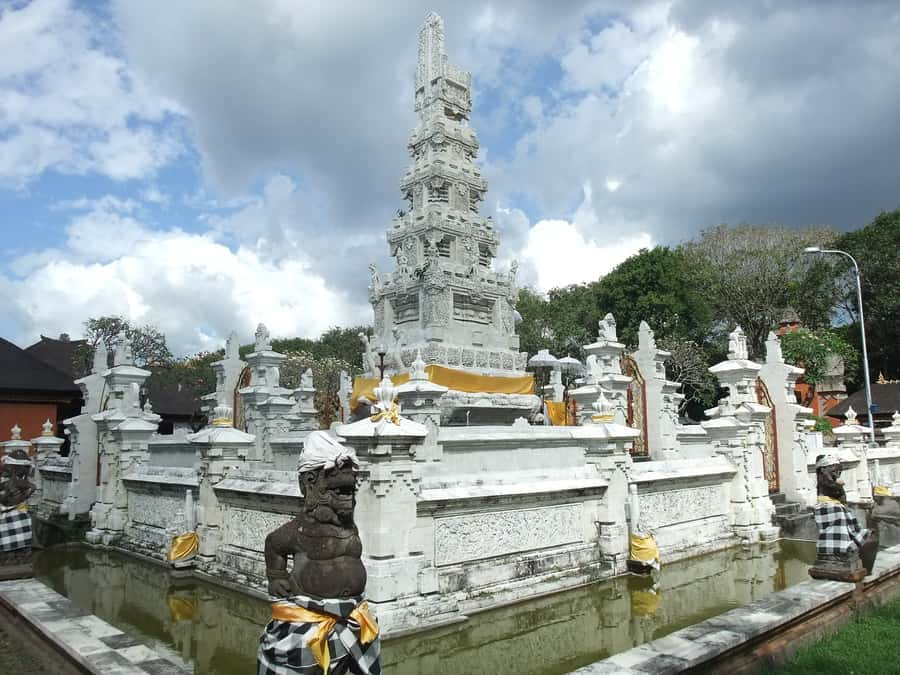
Pura Jagatnatha is near the Bali Museum and the former royal palace area of Denpasar. Its location makes it an efficient stop, but the temple is not just a convenient addition to the schedule. It gives you a chance to see how religious life fits into the city center.
Temple access can vary. One booking found the temple closed because of construction, so you should be prepared for a changed visit if work or local conditions restrict entry. The tour provider arranged an alternative program in another case when museums were closed for a public holiday.
That flexibility is useful, but it also means you should not treat every stop as guaranteed in exactly the same form. Wear clothing suitable for cultural sites, follow instructions from your guide, and respect any restricted areas. Comfortable clothes are sensible for the whole day, especially since the itinerary combines outdoor walking with indoor visits.
The Bali Museum in 30 to 40 minutes
The Bali Museum is planned as a 30 to 40 minute visit. It occupies four main buildings and presents objects connected with Indonesian history and Balinese cultural heritage.
This is a compact introduction rather than an all-day museum visit. You can expect displays that help explain local traditions, material culture, and the past of the island. A guide adds real value here because some descriptions are brief, and a person who can explain the setting may help you get more from the objects.
I would keep your expectations measured. One guide noted that some museum descriptions are short and that the exhibits have not been updated recently. If you prefer polished, modern museums, this may feel less satisfying than the Bajra Sandhi Monument later in the route.
Still, I would not dismiss it. The museum works well for someone who wants basic orientation before seeing the market and monument. It also gives you a shaded indoor stop during a warm Denpasar morning or afternoon.
Opening conditions matter. A bank holiday once closed the museums, and another visit found the temple unavailable because of construction. If a museum visit is central to your plans, confirm the timing with the provider after booking. If not, treat it as one part of a flexible city tour.
More museum visits in the world:
- Dubai: Old Town, Creek, Museums, Souks, & Street Food Tour
★ 4.8 · 10,816 reviews - Munich: Beer and Food Tour with Dinner & Oktoberfest Museum
★ 4.7 · 1,086 reviews - Dubai.Discover Old town,Markets,street food,Abra &Museums
★ 4.9 · 181 reviews - Takua Pa: Food Market, Tsunami Museum, Temple, & Old Town
★ 4.9 · 165 reviews
Pasar Badung, where Denpasar shops
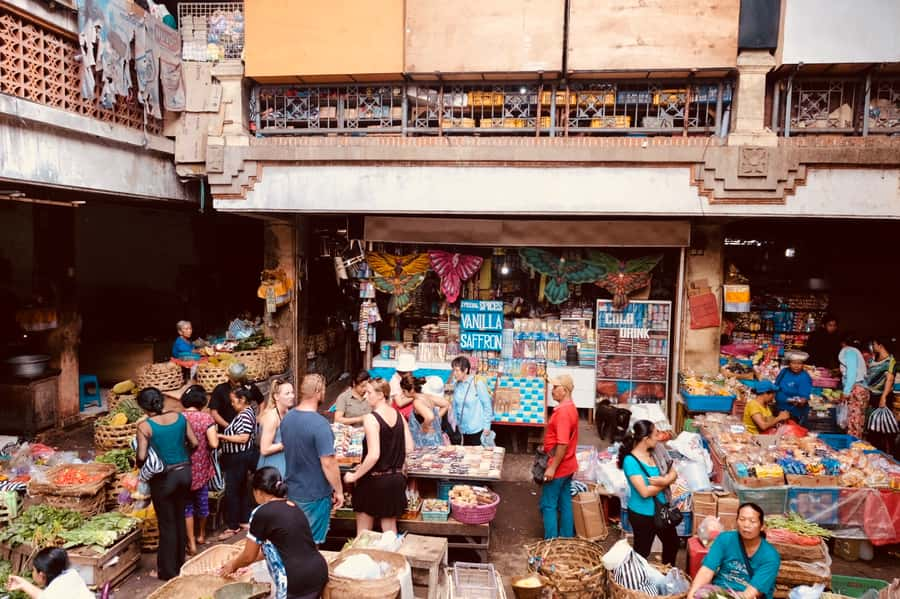
Pasar Badung is the heart of the food portion. It is Bali’s largest food market, with produce and ingredients sourced from around the island. You can expect fruits, spices, and other edible goods, along with sellers negotiating prices and locals buying what they need.
This is the stop where the tour feels most connected to daily life. You are not looking at a staged food demonstration. You are seeing goods arrive, change hands, and move into kitchens and homes.
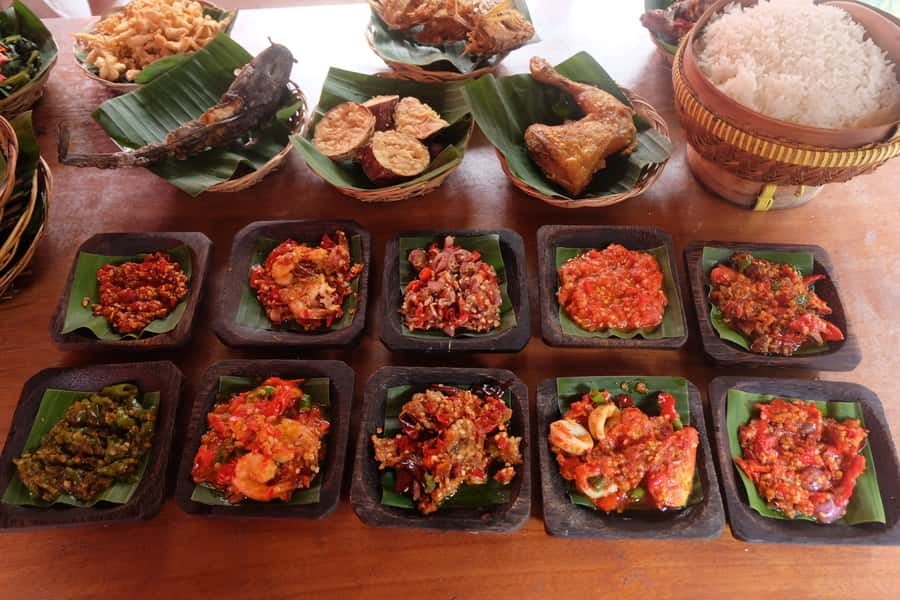
Your guide can help you identify unfamiliar fruit and explain how local ingredients fit into Balinese cooking. The tasting includes local snacks and fruit, and past food stops have included Indonesian cuisine at a local place. Some people have been surprised by the range of fruit on offer, including items they had never seen or eaten before.
Bring cash. You may want to buy fruit, spices, or other personal items, and cash is also useful because personal expenses are not included. Keep your belongings secure, since markets can be crowded and distracting.
Timing makes a real difference. A morning visit should give you cooler temperatures and more activity. An afternoon visit may find some stalls winding down, as happened on one tour. If you want the full market atmosphere, request the earliest available start time.
The food tasting also deserves a small caution. It is included in the stated tour price, but one visit did not include a food tasting, and another guide suggested that a traditional restaurant could sometimes work better than the museum. I would confirm what food is planned, especially if tasting local dishes is your main reason for booking.
If you have allergies, tell the guide before eating. The tour is not considered suitable for people with food allergies, and unusual fruit or prepared food may contain ingredients you do not expect.
Bajra Sandhi Monument and Bali’s struggle
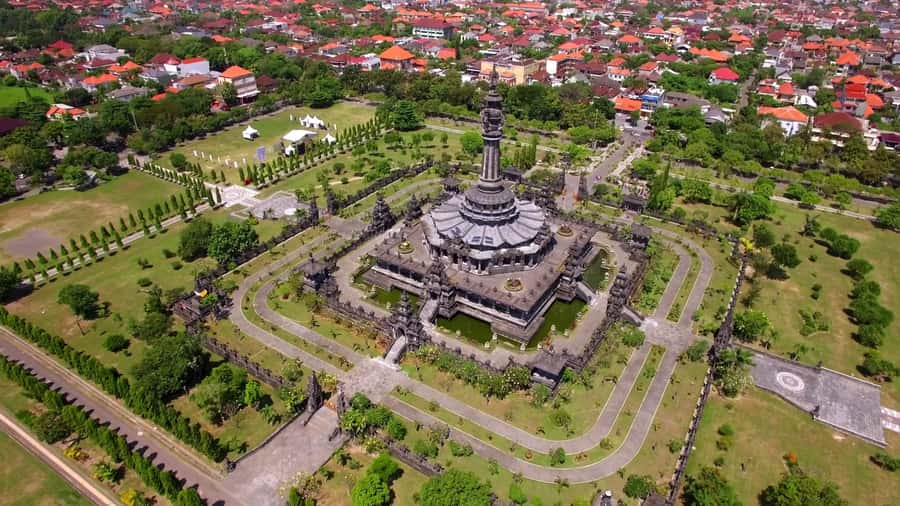
The final major stop is Bajra Sandhi Monument in Jalan Raya Puputan Niti Mandala, opposite the Denpasar Governor’s office. The monument commemorates Balinese resistance to Dutch colonization and includes a museum with dioramas.
For many people, this will be the most effective history stop of the day. The dioramas offer a visual account of Bali’s struggle, which can be easier to understand than short museum labels. One guide felt the monument offered a better overview of Bali’s past than the Bali Museum, and I can see why the two stops serve different purposes.
The monument also gives the day a strong finish. You have already seen public space, religion, commerce, and museum collections. Here, those pieces come together around the question of how Bali responded to outside control.
Allow for walking and follow any instructions about restricted areas. The tour runs in rain or shine, though outdoor parts can be less comfortable in bad weather. Bring sunscreen, a hat, and water. Mineral water is included, but your own sun protection is still essential.
Guides, vehicles, and the private format
The guide is the main reason to choose this experience instead of arranging the same stops independently. The tour is available in English or Korean, and the guide travels with you rather than simply handing you a route.
Dayu has been praised for explaining women’s roles and Balinese culture, while also helping with photographs. Widi has been described as kind and careful about showing both famous sights and ordinary local life. Sagita has been especially appreciated for her positive attitude, personal stories, and clear communication when a same-day booking needed to fit a visitor’s schedule.
Other guides, including Gede, Gusde, and Sukir, have been praised for their food explanations, history talks, and help with photography. The exact person assigned to you will depend on availability, so you should not assume you will receive one particular guide. Still, the pattern is clear: the experience depends heavily on the human connection.
Transport is by private vehicle with hotel pickup and drop-off. The vehicle was described as clean with effective air conditioning, a welcome detail in Denpasar’s heat. The driver may also assist as an informal guide, but your main cultural explanations come from the tour guide.
The private setup suits you if you want to ask many questions, need a slower pace, or prefer not to negotiate city traffic and parking yourself. It is less compelling if you only want a quick market visit and are happy to arrange short taxi rides between sites.
Add-ons and how they change the day
Optional extras can include coffee tasting and traditional massage, though availability depends on the tour option you choose. One booking included a massage arranged by the guide, while another person found that the guide helped organize a broader local experience.
These additions can be useful after several hours of walking, but they are not part of the base price. Check the exact cost and timing before adding anything. If you have only five hours, an extra could shorten your time at the market or museum.
I would choose an add-on for a specific reason, not simply because it appears on the booking page. Coffee tasting makes sense if you want to focus on Balinese drinks and farming traditions. Massage makes sense if you want a more relaxed finish. If your priority is Denpasar’s history, keep the basic route and use the time for the monument and market.
Who should book it
I would recommend this tour to a first-time Bali visitor who wants a city-based cultural morning away from the beach districts. It is also a good fit if you prefer a private guide, want hotel pickup, or feel unsure about visiting a traditional market on your own.
You should be comfortable walking through museums, monuments, temples, and market lanes. The tour is not suitable for wheelchair users or people with mobility impairments, and food allergies are a serious concern because tasting is part of the plan.
This is not the right pick if you want a perfectly fixed schedule or a modern museum with extensive English explanations. The temple may be closed, museum displays may feel old, and market activity can vary by time of day. The best version of the tour is a flexible one, with a morning start and a guide who can adjust the route.
Practical advice before you go
Wear comfortable shoes and light, comfortable clothes. Add a sun hat and sunscreen, since Puputan Square, the monument grounds, and parts of the market route are outdoors.
Bring cash for purchases and personal expenses. Tell your guide about allergies before any tasting, and keep bags and valuables close in the market.
The tour operates in wet weather as well as dry weather. Outdoor stops may be affected by rain, so a flexible attitude helps. Museum and temple access can also change because of holidays, construction, or local rules.
You can cancel up to 24 hours before departure for a full refund, and the reserve-now, pay-later option lets you keep your plans flexible. Starting times vary, so check availability and choose a morning slot if possible.
Should you book the Denpasar tour?
Book it if you want personal cultural explanation, a private vehicle, and a useful mix of Denpasar’s market life, religious sites, museums, food, and colonial-era history. At $54 per person, the package is fair when you value hotel pickup, entrance fees, a guide, and tasting rather than simply counting attractions.
I would be especially keen to book it for a first Denpasar visit, with an early start and a clear request for the planned food stop. I would also ask what will happen if the temple or museum is closed.
Skip it if your main goal is a formal food tour, a fully updated museum, or a physically effortless sightseeing day. For everyone else, this is a thoughtful way to see a side of Bali that many beach-based schedules miss, provided you accept that the market and cultural sites work best with some flexibility.
FAQ
How long does the Denpasar tour last?
The tour lasts five hours. Starting times vary, so check availability when booking.
Is hotel pickup included?
Yes. The host picks you up at the main lobby of your hotel.
What languages are available?
The live guide is available in English or Korean.
What does the price include?
The $54 price includes a private tour guide, hotel transfer, entrance fees, food tasting, and mineral water. Optional add-ons, meals, and personal expenses are not included.
Is food tasting included?
Yes, food tasting is listed as included and covers local snacks and fruit. You should tell your guide about allergies before eating. One reported visit did not include a tasting, so confirm the food plan if this is especially important to you.
Is the tour suitable for wheelchair users?
No. The experience is not suitable for wheelchair users or people with mobility impairments. It is also not considered suitable for people with food allergies.
New food tours we have reviewed in the world
- ChattaBrunch Food Tour★ 5.0 · 87 reviews
- Downtown Chattanooga Food Tour★ 5.0 · 290 reviews
- Charlottetown waterfront SOLAR PartyBike food & drink experience!★ 4.0 · 92 reviews
- Historic Southside Food Tour in Chattanooga★ 5.0 · 32 reviews
- Tastes Through Time – Charleston’s Best Food & History Tour★ 4.5 · 95 reviews
- Charleston’s Savor the Flavors of Upper King Street Walking Food Tour★ 4.5 · 130 reviews
- Charlottetown Food Walking Tour★ 5.0 · 59 reviews
- Charleston Private Brunch Tour: Biscuits, Shrimps, Grits and More★ 5.0 · 48 reviews
Market Food Tours, compared.
Tokyo Tsukiji Fish Market Food and Culture Walking Tour
Read our review →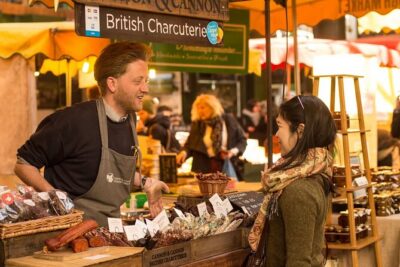
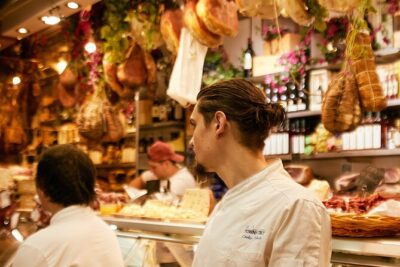
London Bridge & Borough Market Food Tour with 7 Authentic Dishes
Read our review →
Small Group Cooking Class & Market Food Tour in Florence
Read our review →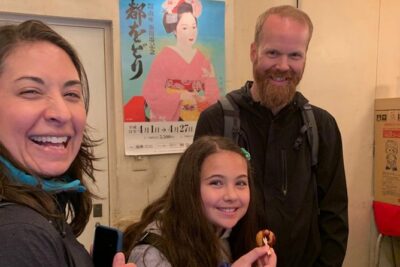
Nishiki Market Brunch Walking Tour (7 Tastings + Brunch)
Read our review →
Bologna Food & Market Tour with 6 Tastings, Pasta, Wines & More
Read our review →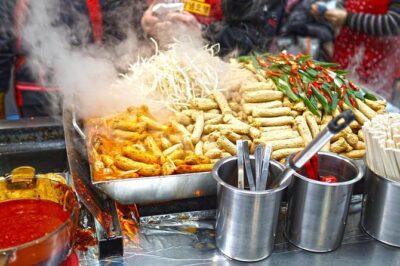
Browse the lists this tour appears in