
Review · SINGAPORE FOOD TOURS
Singapore: Chinese, Indian & Arabic Quarters, Culture & Food Tour
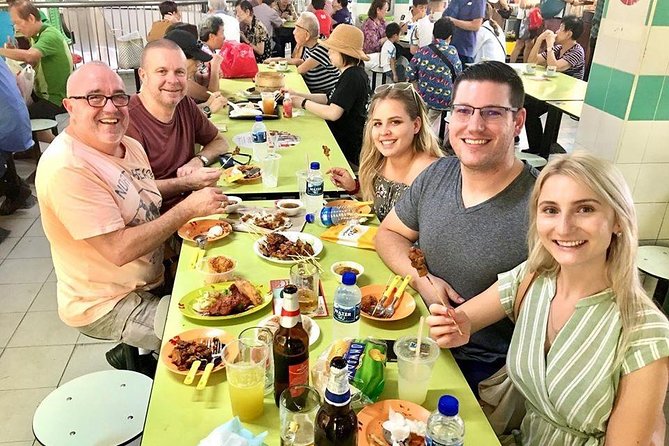
Singapore’s story is easiest to understand one plate at a time. This five-and-a-half-hour tour moves from Chinatown to Little India and Kampong Glam, pairing hawker food with street-level history, old photographs, markets, temples, shops, and the grand Sultan Mosque.
I especially like the small maximum of eight people and the way guide Gerry connects food with the people who cook and sell it. I also like that the route helps you get comfortable with Singapore’s MRT and buses, rather than keeping you inside a sightseeing bubble. The main drawback is simple: this is a long, food-heavy walking day in the heat, and it is not a good match for strict dietary restrictions, gluten intolerance, vegetarians, strollers, or personal mobility devices.
Key Points at a Glance
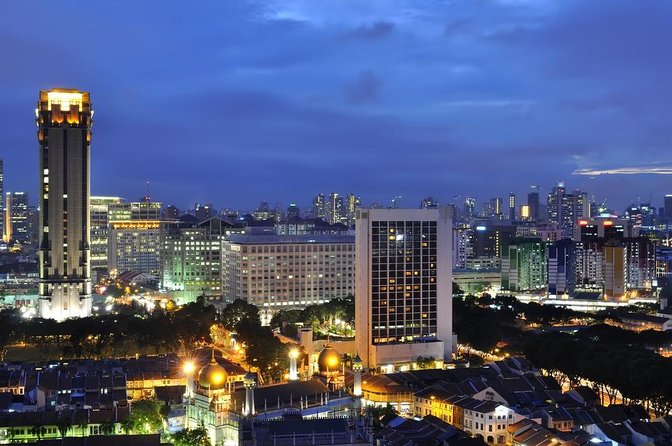
- Three cultural districts in one morning and afternoon: Chinatown, Little India, and Kampong Glam each bring a different part of Singapore’s story to life.
- Generous hawker-centre food: Tastings come from UNESCO-inscribed hawker centres, with meals, snacks, drinks, coffee or tea, soda, water, and alcoholic beverages included.
- A guide with a personal connection: Gerry is a fourth-generation Singapore-Chinese-Peranakan guide who explains the city through family, food, and local life.
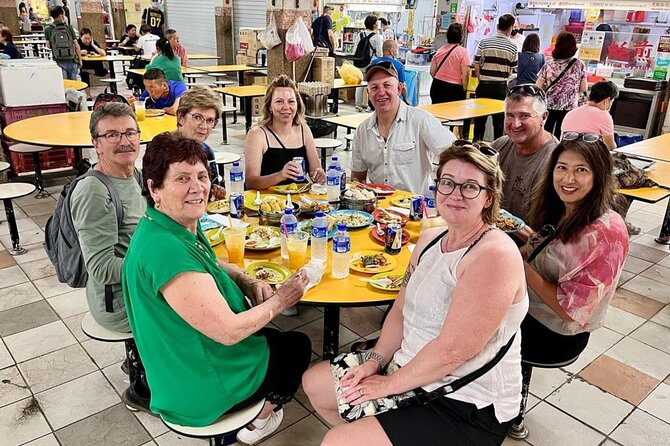
- Small-group format: The tour accepts no more than eight people, allowing room for questions and easier movement through markets and food halls.
- Expect a serious appetite: Several people found the portions so generous that they wished they had eaten less before the tour, or skipped breakfast altogether.
- Walking and public transport are part of the day: You may cover roughly 6,000 steps or more, with some groups reaching around 9,000 steps.
Why This Tour Makes Sense on Your First Day
Singapore can feel easy to visit but harder to understand. The streets are clean, the transport system is efficient, and the major sights are well marked. Yet the city’s real character often appears in food stalls, wet markets, religious buildings, family businesses, and old neighborhood lanes.
This tour gives you that context early in your stay. Gerry explains how Chinese, Indian, Malay, Muslim, and Peranakan influences shaped Singapore, then points out details you might otherwise pass without noticing. The route is not just a march between famous buildings. It is a way to connect the food on your table with the communities around you.
I would book this near the start of a Singapore visit. You get a useful introduction to three districts, several local dishes, and the basics of moving around by MRT and bus. One particularly helpful detail is Gerry’s use of older images on an iPad, showing how streets and buildings looked in the past compared with what you see today.
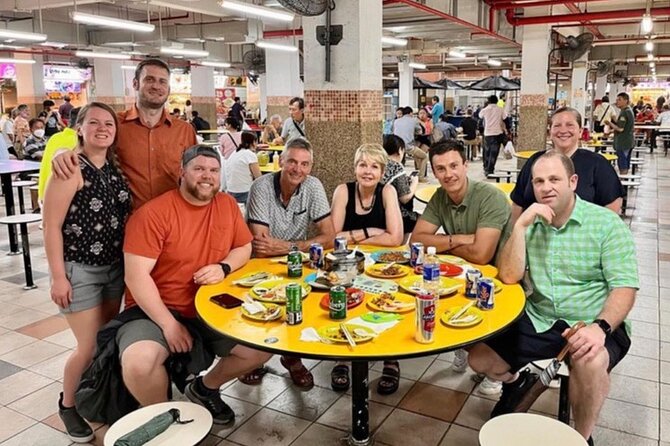
The group size matters here. With eight people or fewer, you can hear explanations in busy public places, ask questions without holding up a large crowd, and share dishes without needing a table the size of a conference room. It also makes the experience feel more personal, especially if you are traveling alone.
More food tours in Singapore:
- Small Group: Michelin and Local Hawker Food Tour with 9 tastings
★ 5.0 · 1,890 reviews - Small Group: Singapore Street Food & Night Tour with 9 tastings
★ 5.0 · 1,240 reviews - The Award-Winning PRIVATE Food Tour: 10 Tastings of 3 Cultures
★ 4.5 · 1,017 reviews
Starting in Chinatown with Food and Family Stories
The tour begins in Chinatown at 9:00 a.m. The first portion lasts about an hour and 15 minutes, though the full outing continues much longer because of the food stops, walking, and transfers between districts.
Chinatown introduces the Chinese side of Singapore’s story, including the difficulties faced by early Chinese immigrants. Gerry’s own background as a fourth-generation Singapore-Chinese-Peranakan gives this section a personal angle. You are not simply looking at decorative shop houses or taking photographs of a temple. You are hearing how families, work, migration, and food shaped the neighborhood.
The food begins early, which is why you should arrive hungry. The tastings are sourced from a UNESCO-inscribed hawker centre, and the portions are not token samples. You may be offered enough food to feel that the first stop is already a full meal, even though Little India and Kampong Glam are still ahead.
The Chinatown portion is also a good place to learn how hawker culture works. You get more than a list of dishes. You learn how to approach the food centres, how the stalls fit into daily life, and why these places matter to Singapore’s identity.
A practical warning: do not treat this as a light breakfast walk. Several people found there was a lot of food at every stage. If you eat a full breakfast beforehand, you may spend the rest of the day trying to make room.
Little India’s Markets, Flavors, and Religious Color
The second district is Little India, with about an hour and 15 minutes devoted to its streets and food. The change from Chinatown is immediate. Expect fruit and vegetable stalls, flower garlands, traditional clothing shops, incense stores, and the constant movement of a working neighborhood.
This part of the tour is valuable because it shows Little India beyond the most photographed streets. Gerry takes you through market areas and explains what you are seeing, including the role of fresh produce, flowers, clothing, and religious goods in local life.
The food here can be more strongly seasoned and spicy than what you have eaten in Chinatown. If you enjoy bold flavors, this may be one of the most memorable sections. If you are cautious with spice or rich food, ask questions before taking a large serving. Since the tastings are shared and plentiful, you usually have a chance to try several things without ordering a full plate of everything.
A wet market and vegetable market are part of the route described by people who took the tour on a Saturday. That timing can mean a more active shopping scene, but also more people in the aisles. The tour also includes a Buddhist temple just outside the market area, adding a quieter place for reflection after the busy food stops.
This is where the tour’s balance of food and history works well. You are not left to guess why the market looks the way it does. Gerry explains the background of the neighborhood as you walk, then lets the smells, colors, and sounds do their part.
The walking can be tiring by this stage. Singapore’s heat and sun are real factors, and the tour is not designed for someone who wants to remain indoors. Wear comfortable shoes, bring sun protection, and pace yourself with the food. You do not need to rush from one bite to the next.
Kampong Glam and the Sultan Mosque
The final district is Kampong Glam, Singapore’s Malay and Muslim quarter. Its history includes Malay royalty, which helps explain the area’s older identity and its distinctive streets.
The highlight is the Sultan Mosque, whose large golden domes and broad façade make it one of the most memorable buildings on the route. The tour is about the surrounding district as much as the mosque itself. You explore older streets, learn how the area developed, and see shops selling fabrics and carpets alongside restaurants offering Middle Eastern food.
Kampong Glam gives the day a different rhythm. Chinatown focuses heavily on Chinese Singaporean history and hawker food. Little India brings markets, flowers, produce, clothing, and spice. Kampong Glam adds Malay heritage, Muslim traditions, textiles, and the legacy of the old royal quarter.
It is worth paying attention to the transitions between these districts. Singapore is often presented as a polished modern city, but this route shows how separate communities retained their foodways, places of worship, trades, and neighborhood character while becoming part of one city.
The final food stop may include ice cream, along with more drinks. By then, the challenge may not be finding something delicious. It may be finding enough appetite to enjoy it. A nap after the tour is not an unreasonable plan.
Same appetite, a different neighbourhood:
- Singapore: UNESCO Street Food & Cultural Experience
★ 5.0 · 524 reviews - Singapore: Guided Street Food Tour at Night
★ 4.5 · 393 reviews - Singapore: Foodie Experience Guided Tour with 5 Tastings
★ 4.7 · 291 reviews - Singapore: Private Food Tour – 10 Tastings with Locals
★ 4.7 · 194 reviews
A Food Tour That Is Also a City Orientation
The food is the headline, but I think the transport lesson is one of the most useful parts. Moving between Chinatown, Little India, and Kampong Glam involves more than walking the whole way, and the tour uses Singapore’s public transport during the day.
That gives you practical confidence. You can watch how Gerry handles the MRT and buses, then use those same systems later when visiting other parts of the city. For a first morning in Singapore, this is worth real money because it reduces the uncertainty of getting around.
The route also helps you understand distance. On a map, the three districts may look close. On foot, especially in warm weather and after several meals, the day feels substantial. One account estimated around 9,050 steps, even though the tour was advertised at about 6,000. Treat the step count as a rough guide, not a promise.
The tour returns to the starting meeting point in Chinatown. Pickup is offered, but the stated start is in Chinatown, so check the exact arrangements when booking if you are counting on pickup from your hotel.
What the $148 Price Includes
At $148 per person, this is not a cheap snack walk. The value depends on how much you want from the day.
You are paying for about five and a half hours, a small group capped at eight, a local guide, food across three districts, and a wide range of drinks. Included items are lunch, dinner, snacks, coffee or tea, soda, bottled water, and alcoholic beverages. The exact sequence and quantity can vary, but the overall offering is substantial rather than symbolic.
The drinks make a difference to the calculation. Alcoholic beverages are included, and some people enjoyed beers during the day. If you do not drink alcohol, the non-alcoholic choices still include water, coffee or tea, and soda. You are not paying for alcohol you must consume.
You should also count the value of the neighborhood orientation. A self-guided day could certainly take you to Chinatown, Little India, and Kampong Glam. It would not necessarily help you choose the right hawker stalls, understand the districts, find the food in the right order, or move between them with the same ease.
If your goal is simply to eat the cheapest possible meals, $148 is a lot. If you want a guided food-and-culture day with enough food to replace several meals and enough context to shape the rest of your visit, the price is easier to justify.
The Best and Worst Fit for Your Travel Style
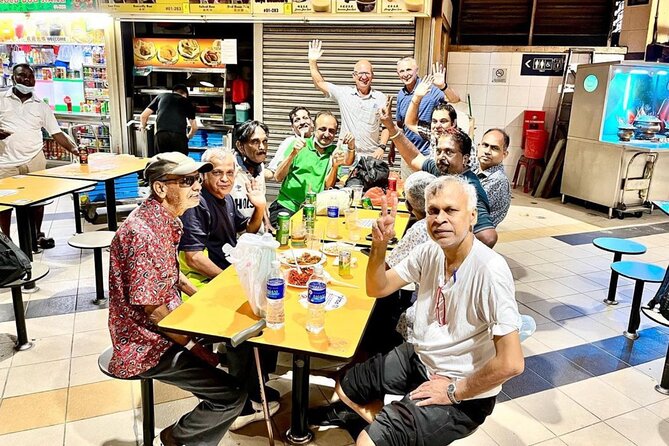
This tour suits you if you like to eat broadly, ask questions, and walk through working neighborhoods. It is especially useful for a first visit, solo travelers who want a social day, and food-focused visitors with only a short time in Singapore.
It also works well if you want a guide who brings personal background to the subject. Gerry’s Singapore-Chinese-Peranakan identity and his links with local vendors are central to the experience. His humor and upbeat style are frequently highlighted, but the more important point is that he connects dishes and districts to real people.
You should think twice if you have a narrow diet. The experience is specifically not recommended for people with gluten intolerance, significant dietary restrictions, or vegetarians. It is also not recommended for children in prams or strollers, or for people using personal mobility aids or devices.
The day requires moderate physical fitness. You will walk, stand, move through public markets, and use public transportation. Heat and sun can make the distance feel longer, so comfortable shoes and sensible hydration are important.
Timing, Group Size, and Weather
The official start time is 9:00 a.m., and the experience lasts about five hours and 30 minutes. Plan to keep the rest of the day flexible. The food alone can make you want a quiet afternoon, and the route may extend well beyond the advertised step estimate.
The small group is one of the strongest practical features. A group of no more than eight is manageable at hawker centres and markets, where large tour parties can become awkward. It also gives you a better chance to speak with Gerry and to ask about food, language, religion, family history, or public transport.
The tour needs good weather. If poor weather cancels it, you are offered another date or a full refund. You can also cancel for a full refund up to 24 hours before the start time. Changes or cancellations inside that 24-hour window are not accepted, so do not leave the decision until the last minute.
The activity also requires a minimum number of participants. If that minimum is not reached, you are offered another date or experience, or a full refund.
Should You Book This Singapore Food Tour?
Book it if you want an energetic introduction to Singapore through food, neighborhoods, and local stories, not just a checklist of sights. The combination of three cultural districts, UNESCO-inscribed hawker-centre food, included drinks, public transport practice, and a maximum of eight people gives the day real substance.
I would make it one of my first activities in Singapore, then use the rest of the trip to return to the dishes and neighborhoods I liked best. Come hungry, skip breakfast, wear good walking shoes, and leave your afternoon open.
Do not book it if you need a vegetarian or highly controlled diet, have difficulty walking in heat, or prefer short tasting visits with lots of downtime. For everyone else, especially food lovers who want a human explanation of Singapore’s many communities, Gerry’s tour offers a strong and unusually full first look at the city.
FAQ
Where does the tour start?
The tour starts in Chinatown, Singapore, at 9:00 a.m. The activity ends back at the meeting point.
How long does the experience last?
The tour lasts approximately five hours and 30 minutes.
How many people can join the tour?
The maximum group size is eight travelers.
Are food and drinks included?
Yes. Included items are lunch, dinner, snacks, coffee or tea, soda, bottled water, and alcoholic beverages.
Which neighborhoods does the tour visit?
The route includes Chinatown, Little India, and Kampong Glam. It also includes time near the Sultan Mosque in Kampong Glam.
Is the tour suitable for dietary restrictions or vegetarians?
The experience is not recommended for people with gluten intolerance, dietary restrictions, or vegetarians, since avoiding the included food would compromise the experience.
New food tours we have reviewed in Singapore
- Street Food, Cultural & Historical Tour of 3 Ethnic Quarters★ 5.0 · 23 reviews
- Singapore: Local Hawker Food Tour with Tastings★ 4.7 · 181 reviews
- Singapore: Local Street Food Tasting Tour★ 4.8 · 36 reviews
- Singapore: Private Food Tour – 10 Tastings with Locals★ 4.7 · 194 reviews
- Singapore: Guided Street Food Tour at Night★ 4.5 · 393 reviews
- Singapore: Chinatown Hawker Guided 8-Dish Tasting Tour★ 4.9 · 41 reviews
- Singapore: Foodie Experience Guided Tour with 5 Tastings★ 4.7 · 291 reviews
- Singapore: Hawker Culture Food Tour and Sightseeing★ 4.8 · 23 reviews
Singapore Food Tours, compared.
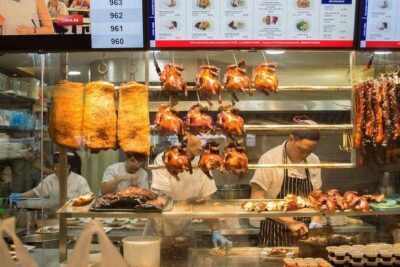
Small Group: Michelin and Local Hawker Food Tour with 9 tastings
Read our review →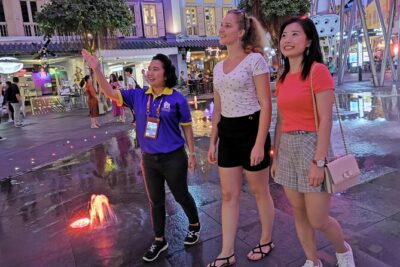
Small Group: Singapore Street Food & Night Tour with 9 tastings
Read our review →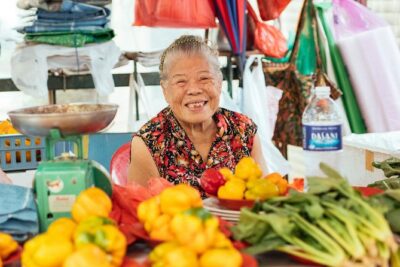
The Award-Winning PRIVATE Food Tour: 10 Tastings of 3 Cultures
Read our review →
Singapore: UNESCO Street Food & Cultural Experience
Read our review →
Singapore: Foodie Experience Guided Tour with 5 Tastings
Read our review →
Singapore: Private Food Tour – 10 Tastings with Locals
Read our review →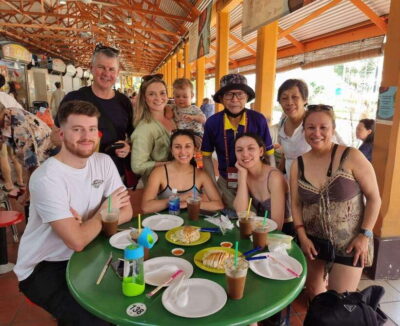
Singapore: Local Hawker Food Tour with Tastings
Read our review →Browse the lists this tour appears in