Review · GUIDED
Valletta: Maltese Food and Drink Guided Walking Tour
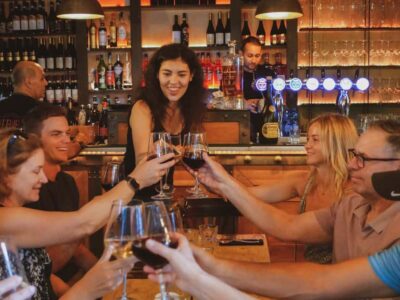
Valletta’s story makes more sense when you eat it. This three-hour walk links the city’s Knights of St. John beginnings, foreign influences, and harbor trade with pastizzi, ftira, local drinks, sweets, and other Maltese staples. It is part food tasting and part city orientation, with stops at small businesses, coffee shops, markets, and a final sit-down meal.
I like two things in particular: the food portions are generous, so the $59 price can cover something close to a full meal, and guides such as Matthew, Julia, and Alizea bring history down to street level. I also like that the route can help you find shops and restaurants to revisit later.
The main caution is simple: arrive hungry, and tell the operator about vegetarian needs when booking. The tour cannot cater to food intolerances or allergies, and some people found the meeting instructions too vague.
Key points at a glance
- Pastizzi, ftira, and timpana: Expect a useful sampling of familiar Maltese street foods rather than one single meal.
- History with every bite: Learn how the Knights of St. John, foreign rule, and Valletta’s harbor shaped the food and language.
- A good first-day choice: The route gives you a practical feel for central Valletta and points out places to return to.
- More food than the price suggests: Several people found the tastings generous enough to replace lunch.
- Vegetarian option available: Request it when booking, but other dietary restrictions cannot be handled.
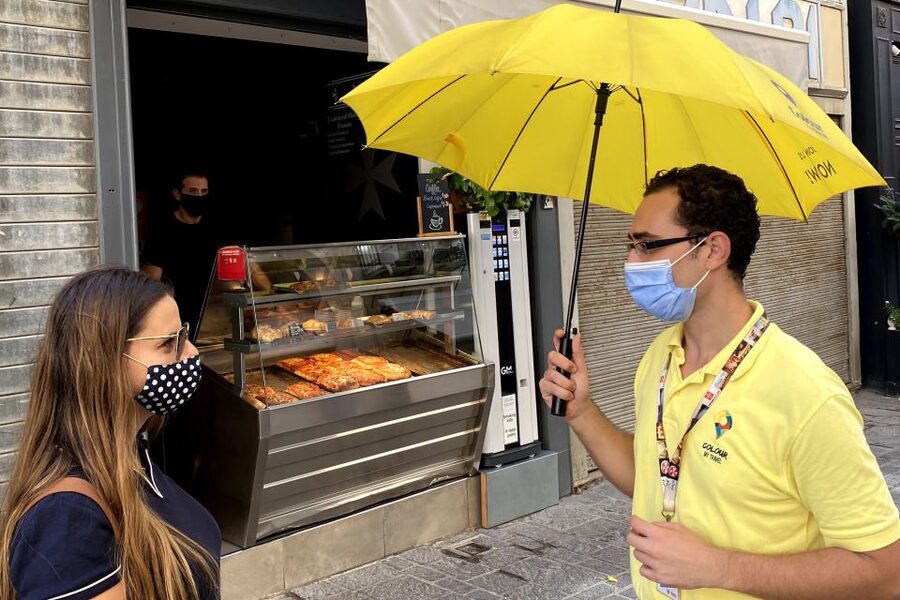
- Meet at the City Gate: Look for a guide in a yellow shirt with a yellow umbrella, beside Parliament.
Why food is the right key to Valletta
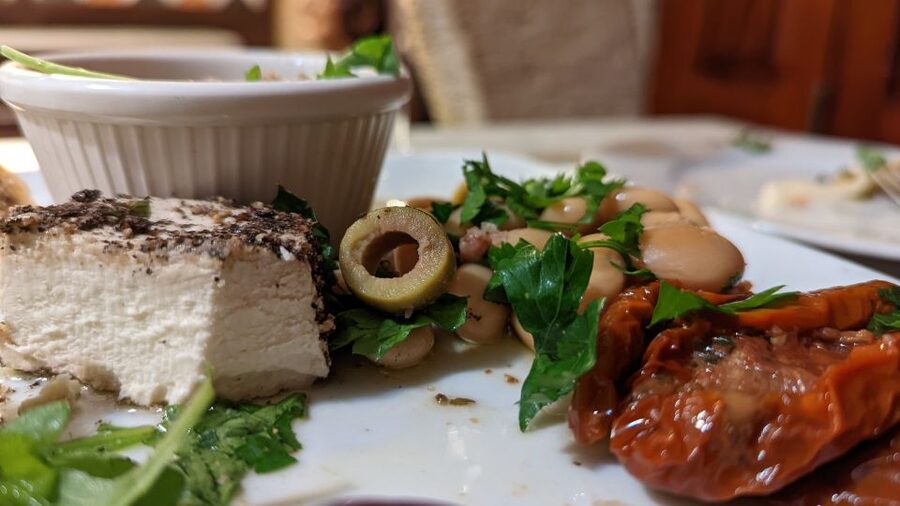
Valletta can look like a compact stone city at first glance, but its food tells a broader story. The island has absorbed influences from nearby Mediterranean cultures and from the foreign powers that controlled Malta over the centuries. The result is a cuisine that may not fit neatly into one box, and that is exactly what makes this tour useful.
Your guide explains how history left marks not only on recipes, but also on the Maltese language, customs, and city streets. The story reaches back to the Knights of St. John, who founded Valletta in the mid-16th century, then follows the city as it grew into a major harbor center with strong links to the outside world.
I like this approach better than a food walk that simply hands you snacks. You learn why a dish looks or tastes the way it does, then see the buildings and streets that give that explanation a setting. The result is a more practical understanding of Malta’s culture, even if you have only a short stay.
This is also a useful introduction to Valletta itself. You pass landmarks, artistic details, and architectural styles while moving between food stops. Several participants used the walk to mark restaurants, shops, and sights they wanted to revisit later.
More guided departures in the world:
- Dubai: Old Town, Souks, Street Food, Guided Tour & Abra Ride
★ 4.9 · 7,170 reviews - Hanoi: Guided Food Tour with Train Street Visit
★ 4.9 · 6,239 reviews - Naples: Street Food Walking Tour with Local Guide
★ 4.9 · 4,976 reviews
Meeting at the City Gate and finding your guide
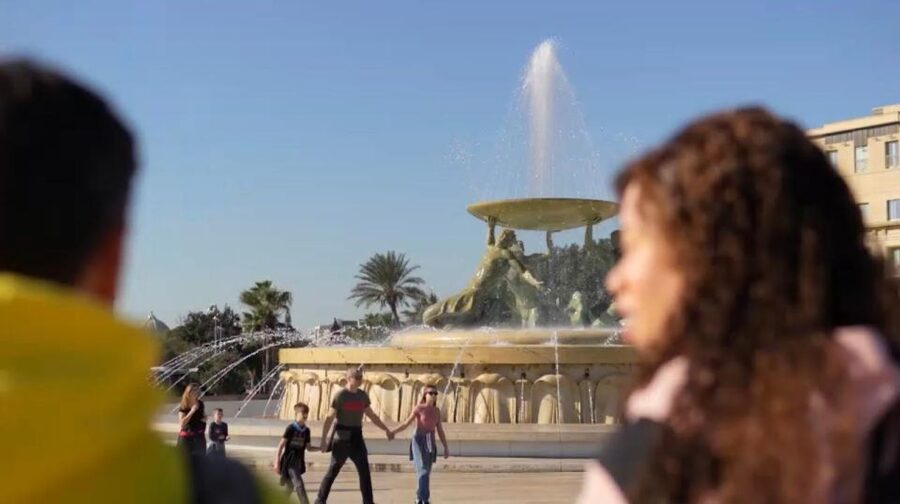
The tour begins at the Triton Fountain, near the entrance to Valletta. Once you enter through the City Gate, go to the right-hand side beside the Parliament building and look for the guide in a yellow shirt carrying a yellow umbrella.
That meeting point deserves attention. The instructions are specific, but a few people still found them less clear than they should be. Allow yourself enough time to locate the group, especially if this is your first morning in Valletta or you are arriving from outside the city.
The guide speaks English, and the experience lasts about three hours. There is no hotel pickup or drop-off, so you need to reach Valletta on your own. If you are coming from elsewhere on Malta, allow extra time for traffic. One participant had trouble getting to Valletta on schedule because of road congestion.
Pastizzi, ftira, and the first tastes
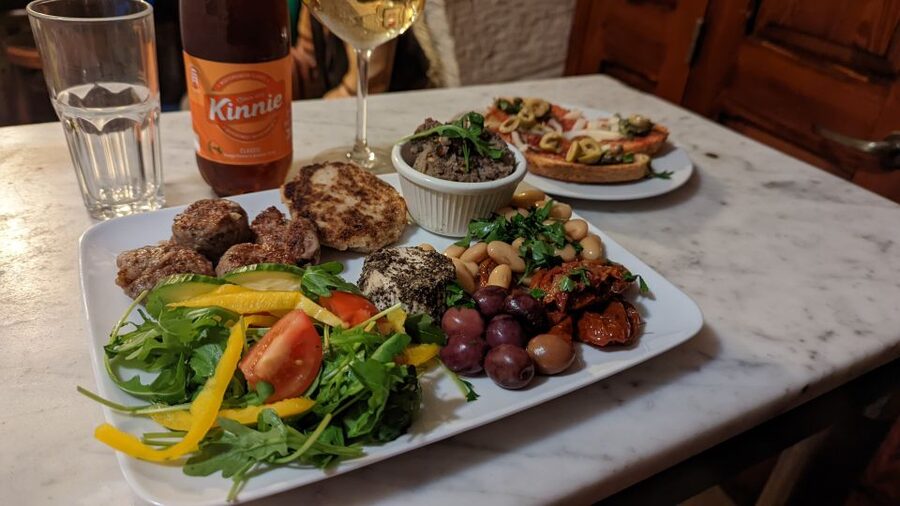
The food starts early, so do not treat this as a light snack tour after a large breakfast. One person wished there had been more warning because the first tasting came soon after the meeting. The best plan is to eat lightly beforehand and leave room for the full run of samples.
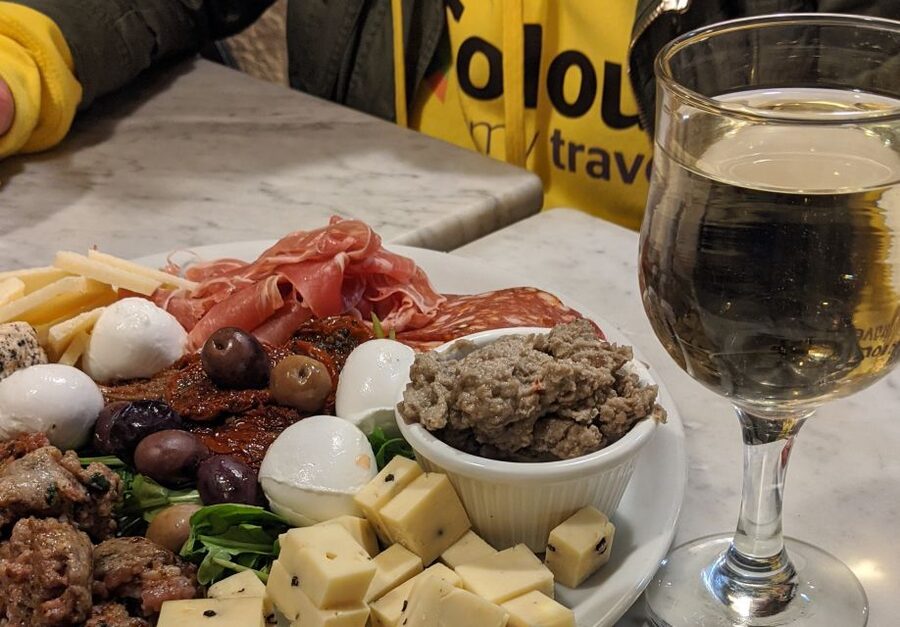
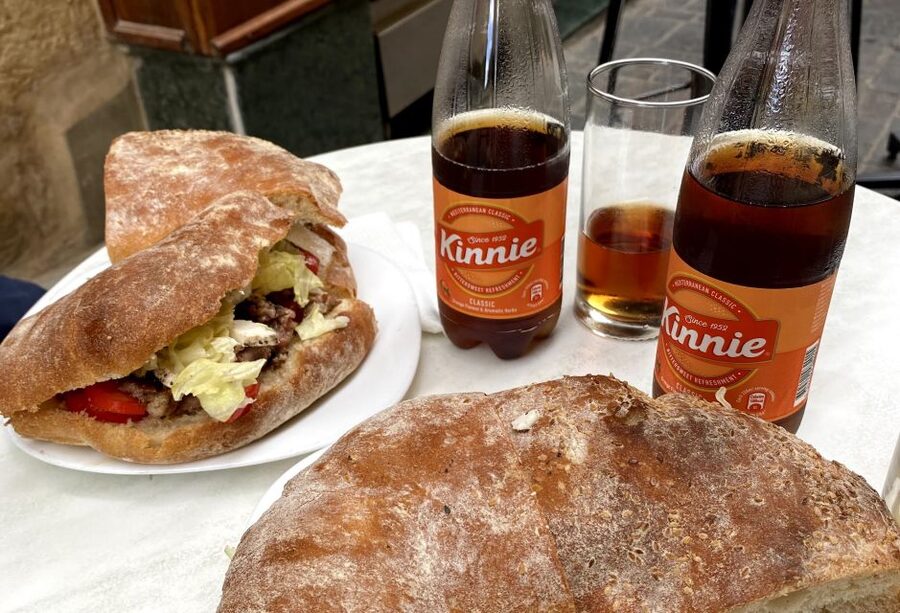
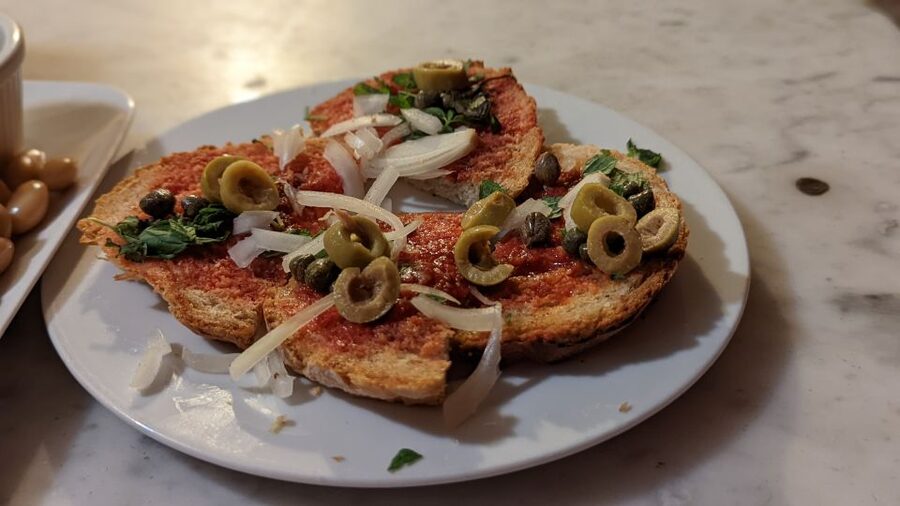
Pastizzi are among the first foods many people associate with Malta, and they give you a quick introduction to the island’s casual bakery culture. You also get to try ftira, a Maltese bread with a long local tradition, and timpana, a baked pasta dish. These are not just decorative samples. Portions tend to be substantial, and the food builds toward a proper lunch.
The exact stops can vary, but the experience includes several kinds of places rather than one large restaurant. You might visit a coffee shop, a market, a small food business, or a shop selling sweets and chocolate. That variety helps you see how people eat in ordinary city settings, not just how food is presented for tourists.
I especially like the chance to try foods you may not order with confidence on your own. A guide can explain what you are eating and point out which shops are worth remembering. If you find a favorite, you can return later with a clearer idea of what to buy.
Valletta’s streets between the food stops
The walking itself is not especially demanding. This is useful in hot weather, when a long uphill city walk can drain your appetite before lunch. The route includes time indoors and opportunities to sit down, and guides have been careful about finding shade on very warm days.
Do not expect a nonstop sightseeing march. The food stops break up the route, and the historical talk often happens while you are standing near a building or moving between businesses. One advantage is that the pace leaves room for questions. Matthew, in particular, is repeatedly praised for speaking clearly and giving information in manageable amounts.
The walk is a good fit if you want a general orientation rather than a detailed monument tour. You see landmarks and architectural details, but the focus remains on the link between the city and its food. If you want extended time inside major museums or churches, this is not the right format.
A pleasant extra may be the midday cannon at the battlements, which one group enjoyed as part of the city experience. It is not the reason to book the tour, but it shows how the route can connect food with Valletta’s public spaces and military past.
More food tours in the world:
- Reykjavik Food Walk – Local Foodie Adventure in Iceland
★ 5.0 · 18,952 reviews - Dubai: Old Town, Creek, Museums, Souks, & Street Food Tour
★ 4.8 · 10,816 reviews - Ho Chi Minh City Street Food Tour & Sightseeing By Motorbike
★ 5.0 · 9,413 reviews - Montserrat Half-Day Tour with Tapas and Gourmet Wines
★ 5.0 · 7,359 reviews
Local drinks, sweets, and the chocolate stop
Food is only half the title. The tour includes Maltese drinks, and the tastings help you compare sweet, savory, baked, and liquid flavors across the morning. The drinks are woven into the stops rather than treated as a separate tasting session.
The sweet course is more personal than the savory one. Some people loved the local sweets, while others found them mixed for their tastes. That is not a flaw in the tour. A food walk should give you the chance to discover what you like, not guarantee that every item will become a favorite.
The chocolate shop is a memorable stop for many people. It adds a change of texture and setting after the pastries and savory foods, and it gives you an obvious place to browse for gifts. The tour also offers tips on where to shop for authentic Maltese food, so bring a short list of items you may want to take home.
You should think of these samples as an introduction, not a formal tasting course with detailed flavor notes. The value is in trying several local foods and learning their place in Maltese life.
The final meal at the indoor market
The tour finishes on Melita Street, with a sit-down meal at or around an indoor market setting. The ending matters because it turns a string of samples into a more social meal. You have time to sit, eat Maltese street food, and talk with the people in your group.
This final stop also solves a common problem with food walks: small tastings can leave you hungry. Here, the portions throughout the tour and the closing meal are usually enough to make this your main meal of the day. Several people described finishing full, so breakfast should be modest.
The market setting gives you a useful look at how food is sold in modern Valletta. It is not the same as eating in a quiet, old family restaurant, but it provides a relaxed finish and may help you decide where to eat later.
The route ends on Melita Street rather than returning to the City Gate. That is worth noting when planning the rest of your day. You can continue exploring from there, but arrange your onward plans with the end point in mind.
What the guides add to the experience
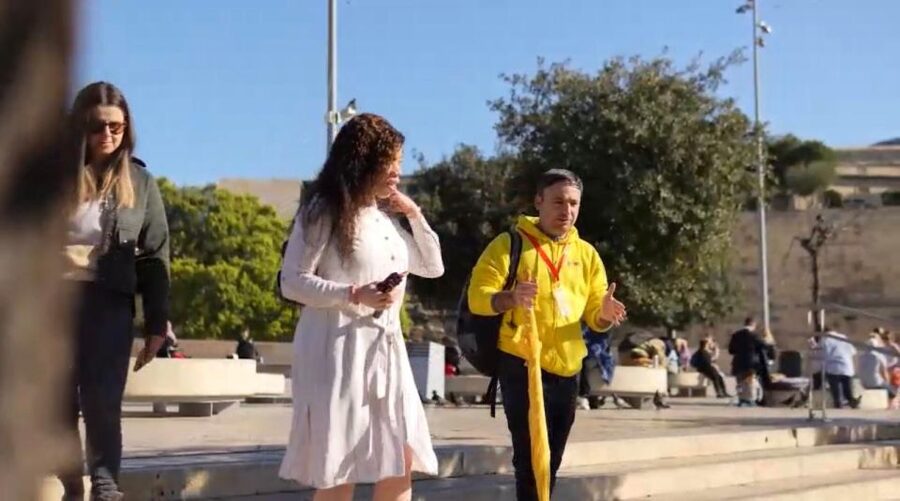
The guide can make or break a food walk, and this one has drawn strong praise for its presentation. Matthew is frequently singled out for being clear, friendly, attentive, and well informed about both food and Maltese history. He also keeps the stories concise enough to follow while you are moving through a busy city.
Julia has been described as an engaging speaker with a good sense of humor, while Alizea brings a strong background in Maltese food history and handled vegetarian arrangements well. The quality of the tour should not depend on one person, but these guides give you a sense of the tone to expect: conversational, organized, and open to questions.
I like that the guides include small historical anecdotes that you might not find in a standard guidebook. They explain the city through specific buildings, traditions, and food customs rather than delivering a long lecture. That makes the information easier to remember.
Group size can affect the experience, but the available feedback points to groups that are manageable rather than unwieldy. One person specifically praised the good-sized group, and the sit-down finish gives you a chance to meet others without forcing constant conversation during the walk.
Vegetarian visitors and dietary limits
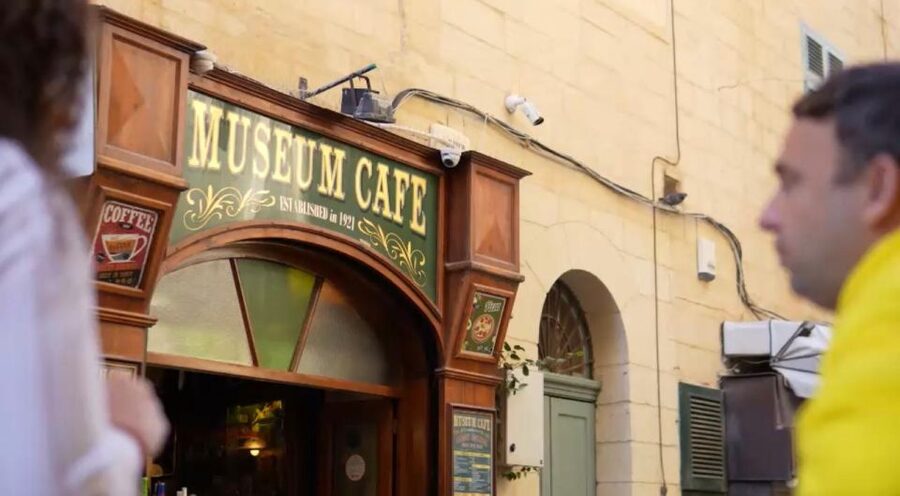
A vegetarian menu is available, but you must request it when booking. The vegetarian option has worked well for people who gave advance notice, including separate dishes at the final meal when some standard items contained meat.
The tour cannot cater to other dietary restrictions and is not suitable for people with food allergies. It also does not handle food intolerances. This is a firm planning point, not a minor footnote. If you need strict control over ingredients, choose another experience where the operator can confirm each dish in advance.
The food selection may suit someone who dislikes seafood, since one participant noted that no seafood appeared on their tour. Still, menus can vary, so you should not book on the assumption that every departure will contain exactly the same items.
Is $59 a fair price?
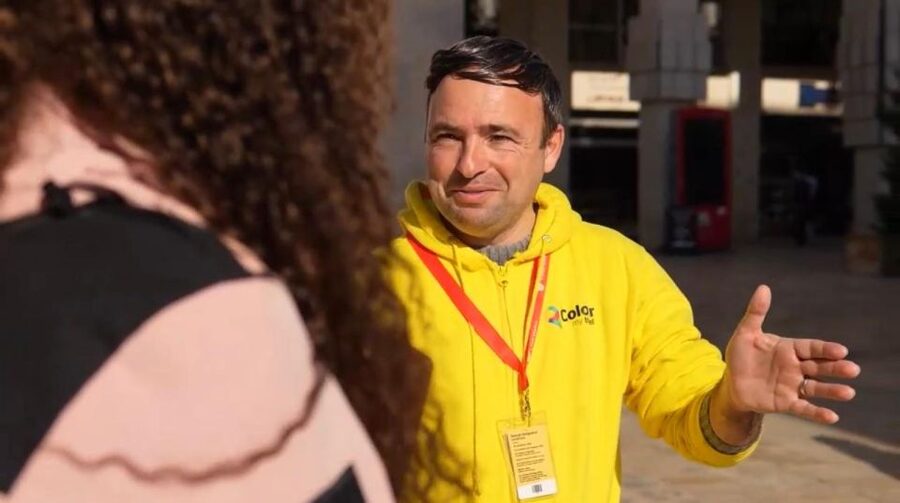
At $59 per person, the price is reasonable if you plan to eat the tastings as lunch and use the walk for city orientation. You are paying for three hours with a guide, food samples, drinks, a final meal, and historical context. Buying the same number of dishes separately would also cost money, and you would miss the explanations and route planning.
The value is strongest for a first visit. You get a quick introduction to Valletta, a list of places to return to, and a better sense of what to order during the rest of your stay. Several people used the tour to identify restaurants and food shops they later visited again.
The value is weaker if you already know Valletta well, dislike trying unfamiliar foods, or want a pure sightseeing walk. You may also feel the price is less attractive if you cannot eat most of the menu because of allergies or intolerances.
Free cancellation is available up to 24 hours before the tour, and you can reserve now and pay later. Those policies make it easier to fit the experience into a changing Malta itinerary, but the important practical issue remains the same: get to the correct meeting point on time.
Who should book this Valletta food walk?
I would choose this tour early in a Malta visit, ideally near the start of your stay in Valletta. It helps you get your bearings, gives you foods to look for later, and points out streets and businesses you might otherwise pass without noticing.
It suits:
- First-time visitors who want food and city history together
- People who prefer small tastings over one long restaurant meal
- Couples, families, and solo visitors who enjoy a social group setting
- Vegetarians who notify the operator in advance
- Anyone who wants a gentle walking route in hot weather
- Food-focused visitors who want practical shopping and restaurant tips
It is less suitable for people with food allergies, intolerances, or strict dietary needs. It is also not ideal if you want a long, strenuous walk or extended time at major historical sites.
Should you book the Valletta Maltese Food and Drink Tour?
Book it if you want to eat your way into Valletta’s story. The strongest parts are the generous food, the clear historical explanations, the mix of small businesses and market stops, and the practical advice about where to eat and shop afterward.
Go with a light breakfast, wear comfortable shoes, bring water for warm weather, and confirm the meeting point before setting out. Request a vegetarian menu in advance if needed. For $59, this is a solid introduction to Valletta, especially on a first visit, as long as you can eat the standard menu and do not expect a full monument tour.
FAQ
How long is the Valletta food and drink tour?
The tour lasts three hours and includes guided walking, food tastings, and drink tastings.
Where does the tour meet?
Meet at the Triton Fountain area by the Valletta City Gate. After entering the City Gate, go to the right-hand side beside the Parliament building and look for a guide in a yellow shirt with a yellow umbrella.
Where does the tour finish?
The tour finishes on Melita Street.
Is the tour available for vegetarians?
Yes. A vegetarian menu can be provided, but you must request it when booking.
Can the tour cater to food allergies or intolerances?
No. The tour does not cater to food intolerances and is not suitable for people with food allergies.
What language is the tour conducted in?
The live tour guide speaks English.
New food tours we have reviewed in the world
- ChattaBrunch Food Tour★ 5.0 · 87 reviews
- Downtown Chattanooga Food Tour★ 5.0 · 290 reviews
- Charlottetown waterfront SOLAR PartyBike food & drink experience!★ 4.0 · 92 reviews
- Historic Southside Food Tour in Chattanooga★ 5.0 · 32 reviews
- Tastes Through Time – Charleston’s Best Food & History Tour★ 4.5 · 95 reviews
- Charleston’s Savor the Flavors of Upper King Street Walking Food Tour★ 4.5 · 130 reviews
- Charlottetown Food Walking Tour★ 5.0 · 59 reviews
- Charleston Private Brunch Tour: Biscuits, Shrimps, Grits and More★ 5.0 · 48 reviews
Guided, compared.
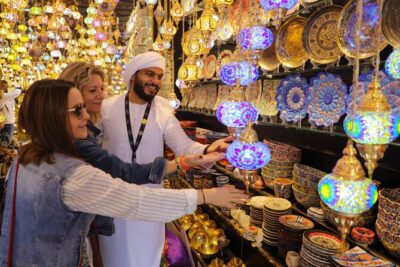
Dubai: Old Town, Souks, Street Food, Guided Tour & Abra Ride
Read our review →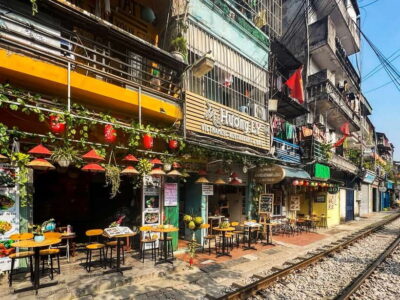
Hanoi: Guided Food Tour with Train Street Visit
Read our review →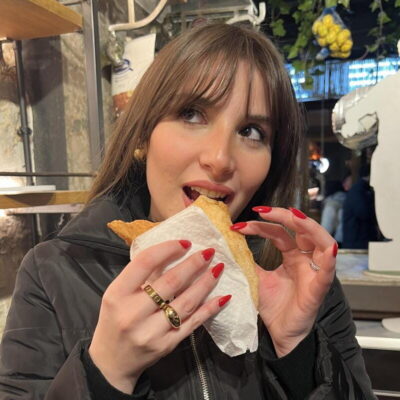
Naples: Street Food Walking Tour with Local Guide
Read our review →
Amsterdam: Guided Zaanse Schans, Windmills & Cheese Tour
Read our review →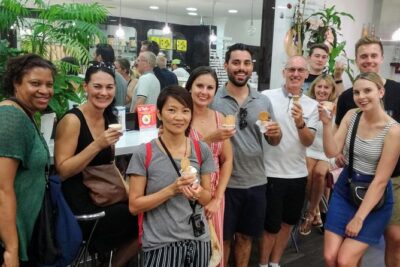

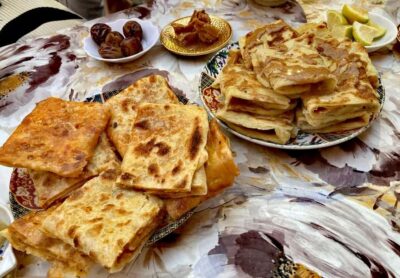
Marrakech: Street Food Tour with a Local Guide
Read our review →