
Review · FOOD WALKING TOURS
Granada: Walking Food Tour
Granada’s food story is served one plate at a time: mountain-cured ham, regional wine, olive oil, tapas, and recipes shaped by Roman, Sephardic, Berber, and Nasrid traditions. This 3.5-hour walking tour gives you a useful way to connect the city’s streets with what people eat and drink there.
I like the small maximum of 10 people and the fact that the food is enough for a full lunch or dinner. I also like the mix of eating and explanation, from ham production in the Alpujarras to the old meeting place of artists and writers at Chikito. The main drawback is that this is not ideal for wheelchair users, and Saturday evening tours do not include the Iberian ham tasting.
- Mountain ham and Iberian cuts: Compare Serrano from Granada with prestigious Iberian ham from Andalusia.
- A full meal in several stops: Expect tapas, regional dishes, wine, vermouth, and dessert-sized portions rather than token samples.
- Chikito’s literary past: Visit one of Granada’s best-known traditional restaurants, linked to local artists, writers, and poets.
- Food beyond tapas: Learn about olive oil, spices, turrón, local wines, and the way Granada’s cuisine was shaped by several cultures.
- A guide-led orientation: Guides such as Katia, Laura, Bruce, Marcel, and Emma combine food knowledge with practical advice about central Granada.
- Small-group format: With no more than 10 participants, you can ask questions and keep the conversation personal.
Granada’s food story begins with ham, wine, and olive oil
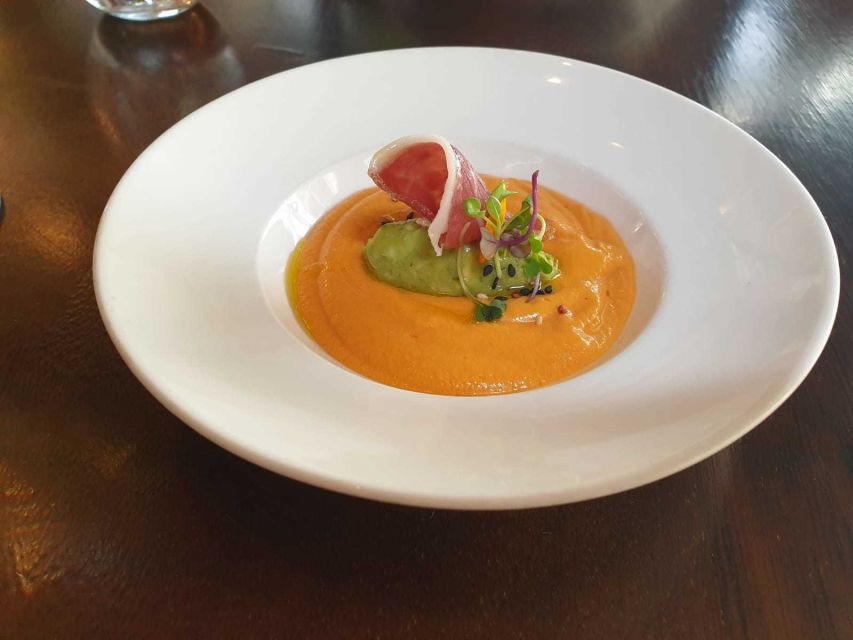
I like food tours when they explain why a dish belongs to a place, not just where to eat it. This one uses Granada’s best-known staples as a doorway into the province: cured ham from mountain villages, wine from the local region, olive oil, traditional tapas, and recipes that carry traces of several past cultures.
You will not simply sit in one restaurant for three hours. The route moves through central Granada, linking family-run shops, tapas bars, restaurants, and food-focused stops. That walking matters. It helps you see how ordinary food businesses fit into the city, rather than treating cuisine as a staged performance.
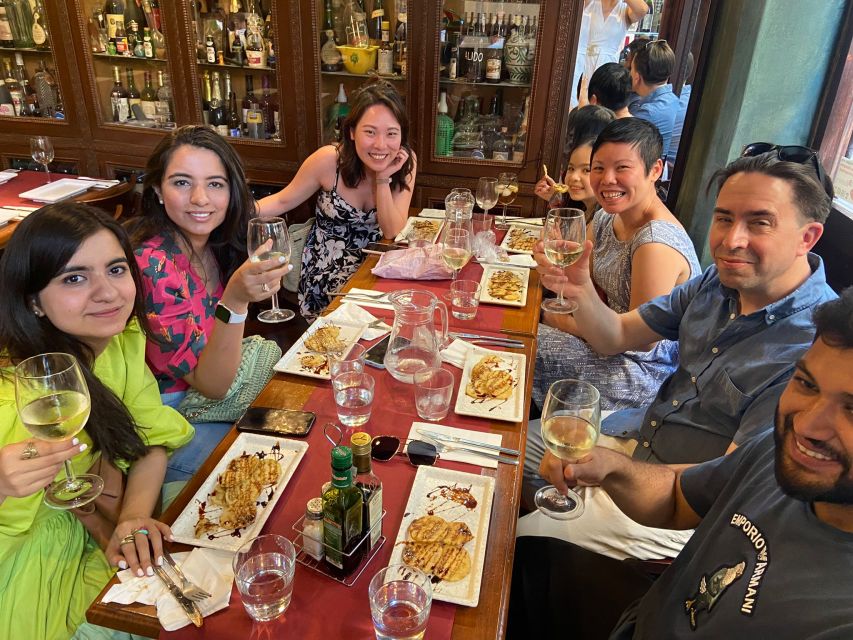
The strongest feature is the amount of food. Portions are described as sufficient for a full lunch or dinner, and the menu can include several hams, cheese, tapas, cooked dishes, wine, vermouth, Tinto de Verano, and dessert. You should arrive hungry, because this is much more than a quick nibble between sightseeing stops.
Meeting near Puerta Real, then heading into central Granada
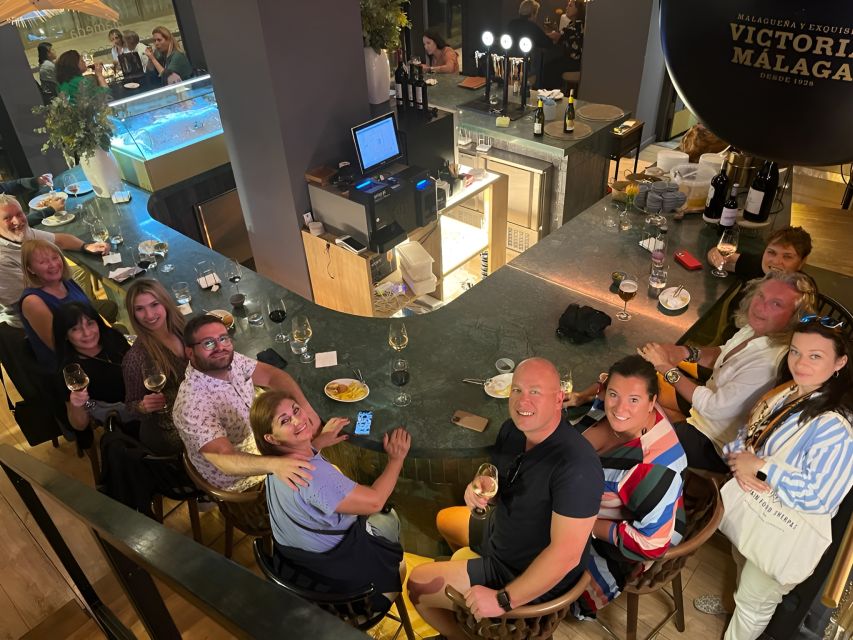
The tour begins at the kiosk beside Teatro Isabel La Catholica, on the Casino sidewalk near Puerta Real. Get there five minutes early. The operator allows a maximum wait of 15 minutes, which is not much time if you are coming from the Alhambra, the Albaicín, or a hotel on the edge of the center.
The meeting point is practical for a food walk because Puerta Real sits close to several central dining areas. You will spend the tour on foot, so comfortable shoes are sensible. The provided information does not give a fixed route or promise the same businesses on every departure, but the stops are built around local food shops, taverns, restaurants, and small businesses in central Granada.
I would book this near the beginning of your stay if you can. The guides give restaurant and bar suggestions at the end, and several participants used those ideas later in their visit. You also get a quick sense of how locals order, what products are worth buying, and which dishes deserve another try.
More Food Walking Tours in Spain
- Barcelona: Food Walking Tour with Tapas and Wine
★ 4.9 · 2,180 reviews - Barcelona: Guided Food Walking Tour with Tapas and Wine
★ 5.0 · 848 reviews - Barcelona: El Born Food Walking Tour with Tapas and Drinks
★ 4.9 · 662 reviews
Ham from the Alpujarras and the air of Sierra Nevada
Ham is one of the most useful parts of the tour because the guide explains production rather than simply putting slices on a plate. You learn how ham is cured in mountain villages in the Alpujarras and dried with the cool, clean air associated with the Sierra Nevada.
The tasting can include Serrano ham from Granada and Iberian ham made in Andalusia. The point is comparison. These are not interchangeable labels, and the guide can help you notice differences in curing, texture, flavor, and price.
The Iberian ham tasting is not included on Saturday evenings, so check your chosen departure before booking if that tasting matters to you. This is a small but important detail. The tour still includes other food and drink, but Saturday evening may not offer the same ham progression.
I also like that this section connects food with geography. Granada’s mountain setting is not just a pretty backdrop. It helps explain why curing developed in particular villages and why local producers take pride in the air, climate, and time involved.
Wines, Tinto de Verano, and the first taste of local drinking culture
Drinks are part of the meal, not an afterthought. You may taste wines from the Granada region and local favorites such as Tinto de Verano, a refreshing mixture of red wine and soft drink that is common across Spain. Vermouth may also appear as an aperitif.
The guide explains how the drinks fit with the food, which is more useful than a list of tasting notes. Regional wine is often overlooked by visitors focused on Rioja or Sherry. This tour gives you a chance to see what Granada produces and to learn how locals pair drinks with ham, tapas, and cooked dishes.
Additional drinks are not included, so keep that in mind if you tend to order beyond the planned tastings. The supplied price covers food and drinks sufficient for a full meal, but not every drink you might want along the way.
The alcohol focus also means you should tell the operator about any preference or restriction when booking. One participant who did not drink wine still found the tour worthwhile because the food, olive oil, history, and shopping stops carried the experience. Still, if you do not drink, make your needs clear in advance.
Family businesses, spice shops, and small food discoveries
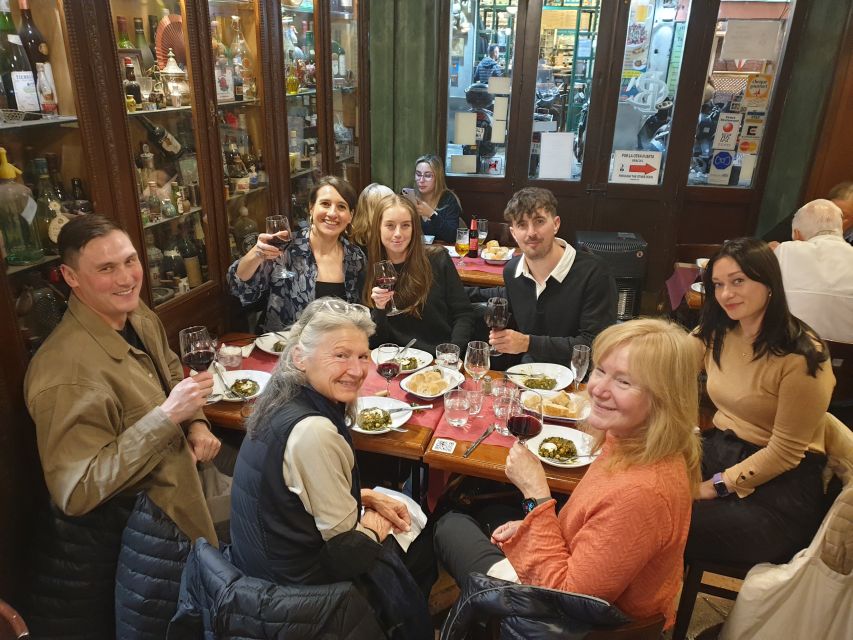
The tour’s character comes from the range of places visited. Instead of focusing only on famous restaurants, the route can include family-run food businesses, spice shops, sweet shops, a local olive oil shop, and the souk area.
The olive oil portion is especially useful. You can learn how Spanish olive oil is made and taste different types side by side. That turns a familiar pantry item into something you can judge with more confidence. If you want to take home a bottle, the olive oil stop can also help you avoid buying blindly.
Spice shops and sweet shops add another layer. They show how Granada’s food culture is not limited to restaurant plates. The city’s past connections with Sephardic, Berber, and Nasrid cultures help explain the presence of spices, sweets, and cooking methods that feel different from the food of northern Spain.
Shopping is not the main purpose, and you should not expect a dedicated market tour. These stops work best as short parts of a moving meal. Their value is that they give you a better feel for everyday food culture and may point you toward useful souvenirs.
Same appetite, a different neighbourhood:
- Montserrat Half-Day Tour with Tapas and Gourmet Wines
★ 5.0 · 7,359 reviews - Barcelona: Tapas Walking Tour with Food, Wine, and History
★ 4.8 · 4,261 reviews - Madrid Tapas & Wine Tasting Walking Tour – Small Group Local Bars
★ 5.0 · 3,644 reviews - Sevilla Food Tour: Tapas, Wine, History & Traditions
★ 5.0 · 3,468 reviews
Tapas and cooked dishes, not just bar snacks
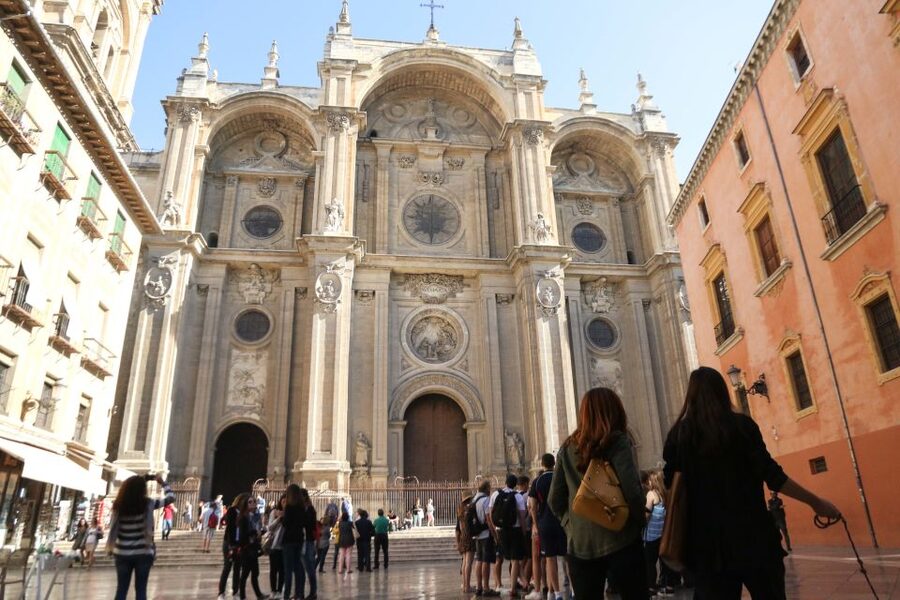
Granada is famous for tapas, but this tour goes beyond the basic idea of receiving a small snack with a drink. Depending on the route and guide, you may try local recipes in several bars and restaurants, with dishes such as oxtail croquettes, pork with saffron, presa ibérica, cheese, and other traditional preparations.
One of the strengths here is variety. You might begin with cured products, move to tapas, then sit down for a more substantial plate. That progression makes the food feel like a meal rather than a series of unrelated samples.
The restaurant choices are also part of the lesson. Guides with restaurant experience, including Katia, can explain how dishes are prepared and why certain ingredients matter. Other guides, including Laura, Bruce, Marcel, and Emma, have been praised for mixing food information with stories about Granada and Spain.
Do not expect every dish to suit every palate. Cured pork, wine, and traditional meat dishes feature heavily. If you have allergies or dietary requirements, state them when booking. The operator specifically asks for this information, and it is much easier to adjust a meal before the tour begins than after food is served.
Chikito and Granada’s early twentieth-century food scene
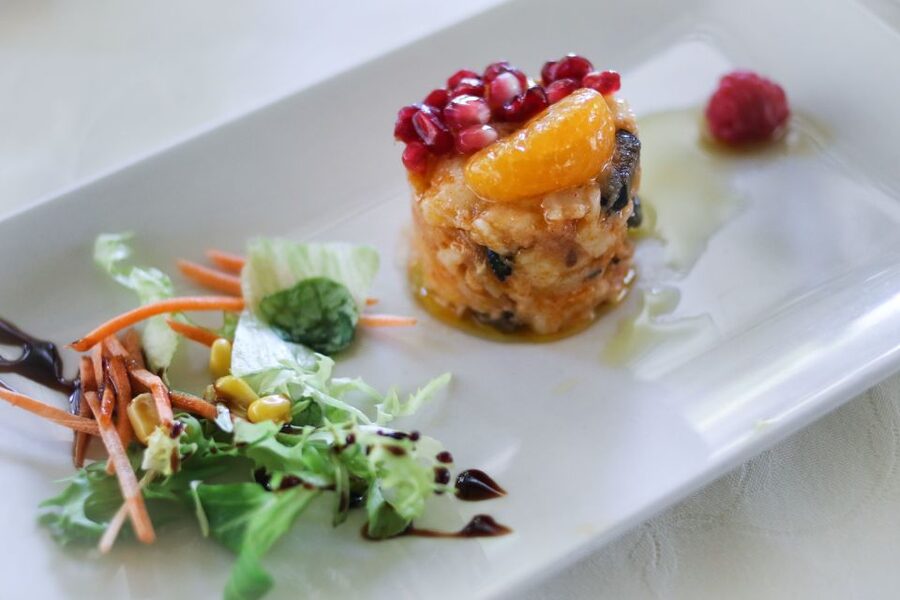
Chikito gives the tour a strong historic stop. This traditional restaurant was a meeting place for local artists, writers, and poets in the early 1900s. The setting links dining with Granada’s cultural life, rather than treating the restaurant as just another place to eat.
You may sample regional recipes there, and the dishes can include substantial meat preparations such as presa ibérica. It is a good contrast to the more casual atmosphere of a tapas bar. You get a sense of how Granada’s food culture works at different levels, from quick bites and aperitifs to a seated meal.
I like this stop because it gives context to the food. A restaurant with a literary past helps explain why eating in Granada can feel social and conversational. The meal is not only about ingredients. It is also about where people gathered and how food fit into the city’s creative life.
The exact dishes can change, so you should not book this expecting one fixed menu. The lasting value is the chance to try local cooking in a restaurant with a documented connection to Granada’s cultural scene.
The guides make the difference
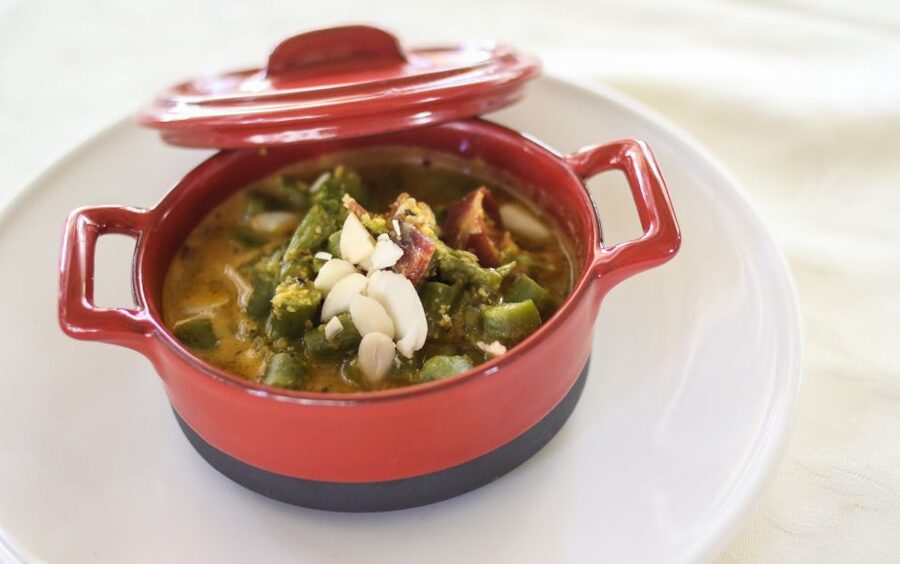
The tour is delivered in English, and the guide’s personality shapes the evening. Katia has restaurant experience in Granada and a strong background in food, wine, and olive oil. Laura is a local guide who has been praised for her warmth, clear explanations, and ability to make the walk feel relaxed.
Bruce is a good fit if you want plenty of background on Granada’s past and culture along with the food. Marcel brings a forceful personality and broad knowledge of Spanish food and society. Emma has also led departures that combine regional history with dishes and wine.
Guide assignments can change, so you cannot necessarily request one particular person. What you can expect is a guide focused on food, local customs, and conversation rather than a scripted sightseeing lecture.
The small-group limit of 10 helps. You have a better chance to ask about an ingredient, pause for a question, or explain an allergy. Some departures may be smaller, which can make the experience feel almost like eating with a local guide. The tradeoff is that the tour depends on the chemistry of the group and the guide.
Is $82 a fair price for 3.5 hours?
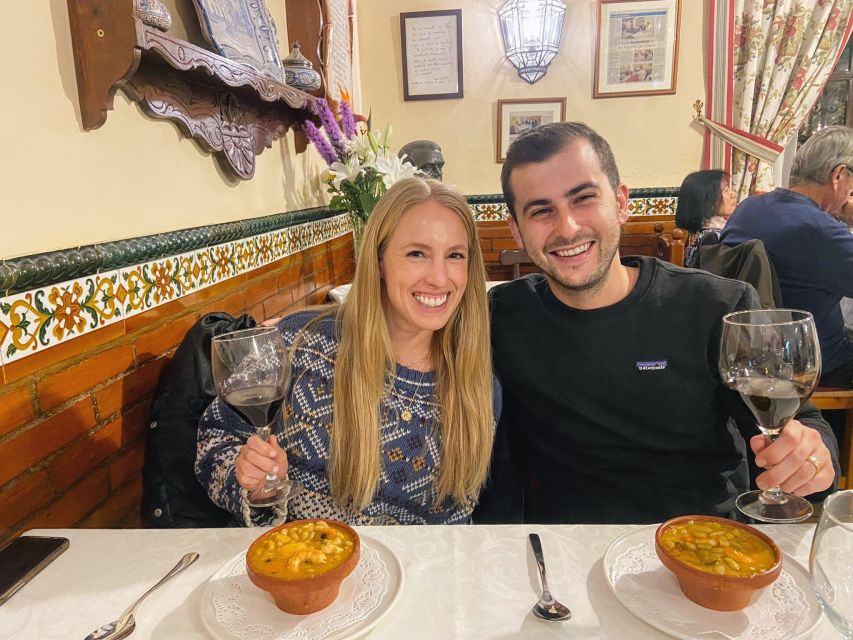
At $82 per person, this is not the cheapest way to eat in Granada. But the price includes enough food and drink for a full lunch or dinner, several stops, an English-speaking guide, and the explanation that ties the meal together.
If you ordered every item separately, you would still be paying for food and drinks. The added value is the access and judgment: someone else chooses a sequence of places, explains the products, translates food customs, and helps you avoid spending your first evening guessing.
I would consider it good value for people who care about regional food and want a guided introduction to Granada. It is less compelling if you only want a cheap tapas crawl or prefer to choose every restaurant yourself.
The tour also saves time. In 3.5 hours, you can cover ham, wine, olive oil, tapas, sweets, and traditional dishes without researching each stop. That matters on a short visit, especially if you are also fitting in the Alhambra and a flamenco performance.
Who should book this food walk?
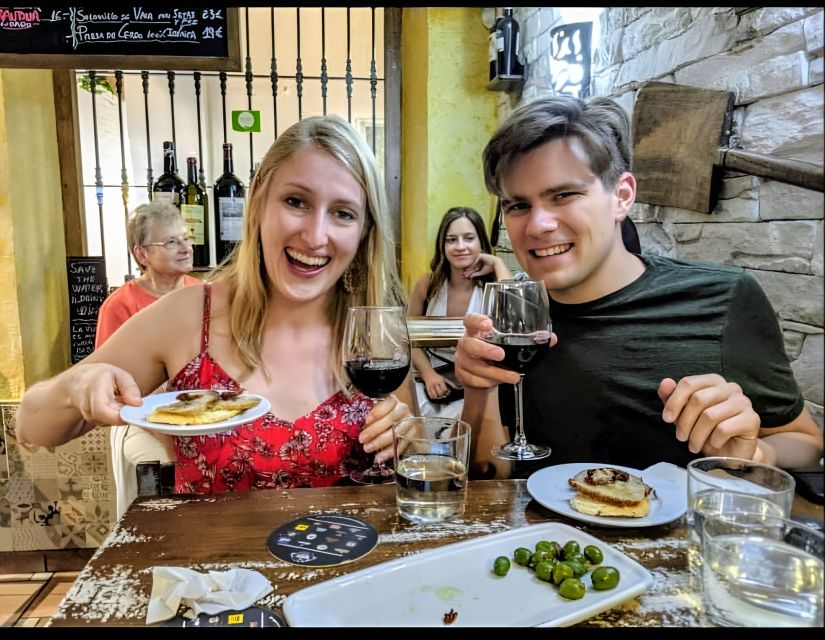
I would recommend it to first-time visitors who want to get their bearings in central Granada. Several guides give practical restaurant advice at the end, and you can return to the places or dishes that appeal to you.
It is also a strong choice for food lovers who want more than a standard tapas list. You will learn about curing, production, regional exports, olive oil, wine, and the cultural forces that shaped local cooking.
Families can enjoy it too, provided children are comfortable with walking, shared food, and adult-oriented drink stops. One family with children found the experience worthwhile even though wine was not part of their own diet.
You should think twice if you have strict dietary limits, dislike pork, avoid alcohol, or want a fully accessible route. Dietary needs can be discussed at booking, but the published information does not promise a vegetarian, vegan, or alcohol-free menu. The tour is also not suitable for wheelchair users.
Practical details before you reserve
The tour costs $82 per person and lasts 3.5 hours. It includes food and drinks sufficient for a full meal, plus an English-speaking guide. Pickup and drop-off are not included, so make your own way to the kiosk near Puerta Real.
Arrive five minutes early. A 15-minute maximum wait means a late arrival can easily become a missed tour. Wear shoes suited to walking and leave room in your appetite.
Cancellation is free up to 24 hours before the start time, and you can reserve now and pay later. That flexibility helps if your Granada schedule depends on Alhambra tickets or changing travel plans.
The overall rating is 4.8 from 460 reviews, and the strongest pattern is clear: people value the generous food, the local guides, the relaxed small-group setting, and the mix of culinary and cultural explanation. The most useful criticism is practical rather than dramatic: walking is limited for some participants, Saturday evening misses the Iberian ham tasting, and extra drinks cost more.
Should you book the Granada Walking Food Tour?
Book it if you want a proper meal, local food education, and a useful first look at Granada’s center in one outing. I especially recommend it for a first or second day, when advice about bars, restaurants, and dishes can improve the rest of your stay.
Skip it if your priority is a low-cost snack crawl, a fixed menu, or a fully accessible tour. For most food-minded visitors, though, the combination of mountain ham, regional wine, olive oil, tapas, Chikito, and a lively guide makes $82 a reasonable investment in eating Granada with more confidence.
FAQ
How long does the Granada Walking Food Tour last?
The tour lasts 3.5 hours.
How much does the tour cost?
The listed price is $82 per person.
Where does the tour meet?
The meeting point is the kiosk at Teatro Isabel La Catholica, on the Casino sidewalk near Puerta Real.
How early should I arrive?
Arrive five minutes before the scheduled start. The operator cannot wait longer than 15 minutes after departure time.
What food and drinks are included?
Food and drinks are provided in quantities sufficient for a full lunch or dinner. The experience can include local ham, tapas, traditional dishes, regional wines, Tinto de Verano, vermouth, olive oil, and other local products.
Is the Iberian ham tasting offered on every tour?
No. Iberian ham tasting is not included on Saturday evening departures.
Is the tour available in English?
Yes. The tour includes an English-speaking live guide.
Can I cancel the booking?
Yes. You can cancel up to 24 hours in advance for a full refund. You can also reserve now and pay later.
New food tours we have reviewed in Spain
- Cadiz Food Tour: Tapas, Drinks and Delights with a Local★ 5.0 · 174 reviews
- Tapas Food Tour in Jerez de la Frontera★ 4.5 · 28 reviews
- Basque Best Bites – #1 Food & Wine tour of Bilbao★ 5.0 · 268 reviews
- Pintxo and Tapas tour with local Food Expert★ 5.0 · 50 reviews
- Bilbao Food Tour – Basque Gastronomy Experience★ 5.0 · 79 reviews
- Bilbao Food Tour: Pintxos, Drinks, and Tapas with a Local★ 5.0 · 88 reviews
- Food & Drink Private Tour of Barcelona in Traditional Taverns★ 4.5 · 32 reviews
- Vidavivida Wine Journey Food and Culture Tour in Barcelona★ 5.0 · 23 reviews
Food Walking Tours, compared.
Reykjavik Food Walk – Local Foodie Adventure in Iceland
Read our review →
New Orleans Food Walking Tour of the French Quarter with Small-Group Option
Read our review →
Naples: Street Food Walking Tour with Local Guide
Read our review →

Savannah First Squares Culinary & Cultural Walking Food Tour
Read our review →
Rome: Guided Food Walking Tour with Wine in Trastevere
Read our review →
Rome: Trastevere & Campo de Fiori Street Food Walking Tour
Read our review →Browse the lists this tour appears in