
Review · BEER AND BREWERY FOOD TOURS
Beijing: Hidden Gems Guided Food Tour with Beer and Tastings
Beijing’s best food stories often begin behind an unmarked doorway. This evening tour leads you through 2.5 kilometers of old hutong lanes to four small eateries, where you can try copper-pot mutton hotpot, handmade noodles, spring pancakes, and a rare Muslim dish once favored by Empress Cixi. I like the way the food and neighborhood history work together, especially during the evening walk. I also like that the meal is filling enough to replace dinner, not just a string of tiny samples. The main drawback is the walking: narrow lanes, uneven surfaces, and all-weather conditions make this a poor choice if you have mobility problems.
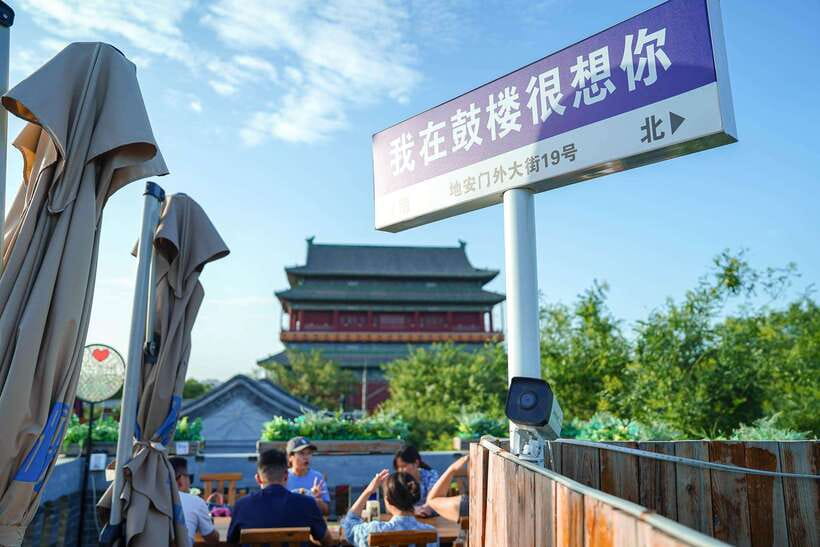
I’m especially fond of the rooftop hotpot stop, where a view of Beijing’s historic bell tower gives the meal a memorable setting. The noodle shop is another strong point because it is the sort of small place you could easily pass without knowing what to order. Guides such as Janice, Tony, Winnie, Yoyo, and Haitao have been singled out for clear English, warmth, and strong local knowledge. Plan to arrive hungry, and arrive early enough to find the meeting point without a last-minute dash.
Key points to know before booking
- Four food stops replace dinner: You receive substantial tastings at four neighborhood restaurants rather than a few token bites.
- The 2.5-kilometer route adds local context: Your guide explains hutong life, buildings, food customs, and Beijing’s past as you walk.
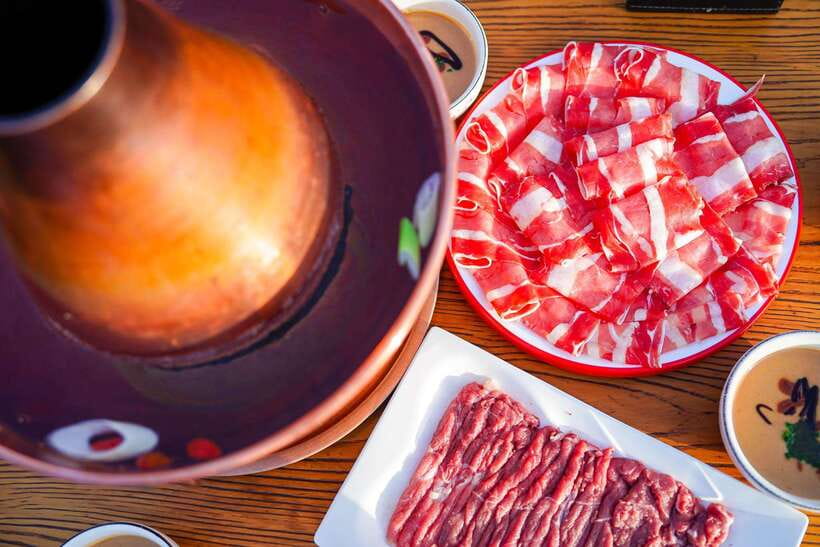
- The hotpot comes with a view: Thin-sliced mutton and beef cook in a clear broth in a traditional copper pot, with sesame dipping sauce and local craft beer.
- Several dishes are hard to find alone: The route includes a tucked-away noodle shop and a rare Beijing Muslim specialty.
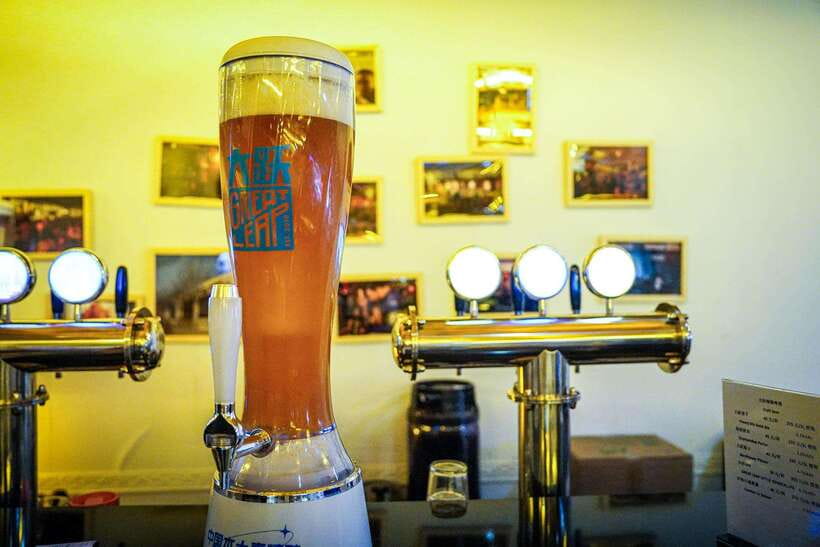
- It is a social evening out: One pint of local craft beer is included, along with unlimited beer and sodas as specified, though the food remains the main event.
Why this Beijing food walk works so well
A good food tour should do more than feed you. It should help you understand why a dish belongs in a city, how people eat it, and where it fits into daily life. This one uses Beijing’s hutongs as the dining room corridor, linking food with the old residential lanes around Shichahai.
You meet your English-speaking guide at Shichahai Subway Station, Exit C, at street level. The tour begins at 6:30 PM, so plan to be there by 6:20. Shichahai is on Line 8, and the subway is the sensible way to arrive. Road traffic can be heavy near the meeting point, especially at rush hour.
The route covers about 1.5 miles, or 2.5 kilometers, at an easy sightseeing pace with stops for food. It is not a formal historical walking tour, but the alleyways give the evening its character. Your guide explains what hutong means, how these lanes formed between courtyard homes, and how the neighborhoods around the Forbidden City have changed.
The best guides make this part feel personal rather than academic. Janice has been praised for clear English and for helping people feel comfortable. Tony is often described as warm and entertaining, while Winnie and Haitao are noted for adding background about food, society, and Beijing beyond the plate. The guide you receive will vary, but the format depends heavily on having someone who can explain both the meal and the streets.
More Beer and Food Tours in Beijing:
- Porto Craft Beer Tour: 7 Beers + 3 Food Pairings in a Small Group
★ 5.0 · 1,725 reviews - Munich: Beer and Food Tour with Dinner & Oktoberfest Museum
★ 4.7 · 1,086 reviews - Cancun Taco Tour, Local Beer and Night Market with Transportation
★ 5.0 · 816 reviews
Copper-pot hotpot beneath the bell tower
The first major food stop brings you to Beijing-style hotpot. This is not the thick, heavily seasoned soup you may associate with other Chinese hotpot traditions. The broth is clear, allowing the ingredients to carry the flavor.
Thin slices of mutton and beef are cooked quickly in a traditional copper pot. You swish the meat through the simmering broth, then dip it into a sauce based on sesame paste. That combination is simple but satisfying: tender meat, gentle broth, and a nutty, savory sauce.
This stop also includes a locally brewed craft beer. The rooftop setting gives you a view toward Beijing’s historic bell tower, adding a welcome sense of place to the meal. It is one thing to eat hotpot in a modern restaurant; it is another to sit above the old lanes with the city’s historic roofline in view.
I would pay attention to the pace here. Hotpot is a shared meal, and the pleasure comes from cooking and eating together rather than receiving one finished plate. If you are traveling alone, the minimum operating requirement is two people, so this is not a tour to count on as a solo booking unless another participant joins.
Beijing noodles in a courtyard hideaway
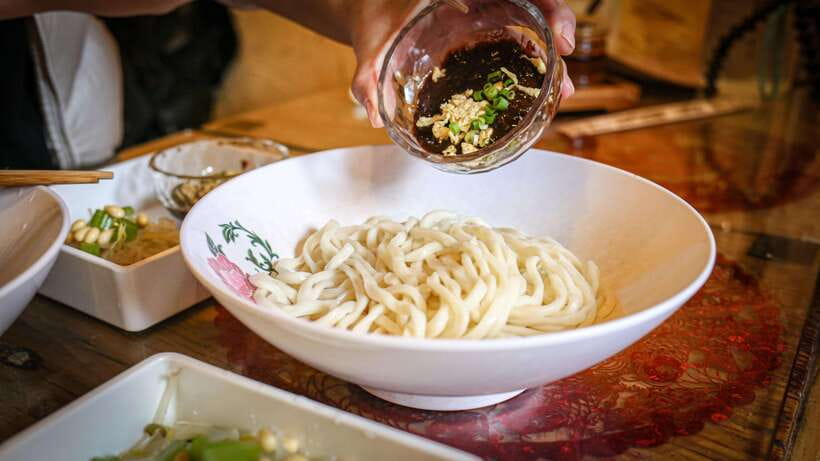
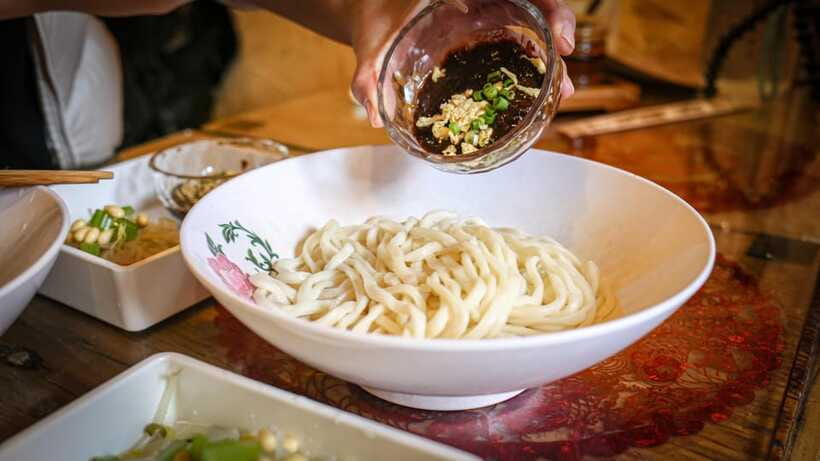
The noodle stop offers a different side of the city. Beijingers commonly refer to their favorite noodle dish simply as Beijing noodles, a sign of how strongly local pride is tied to the food. The restaurant is described as a small, hole-in-the-wall place tucked inside a hutong courtyard.
The appeal is not fancy presentation. It is the chance to try a made-from-scratch recipe in a setting that feels connected to the neighborhood. Your guide explains what makes the dish important to local diners and helps bridge the gap between a familiar-looking bowl and the way people in Beijing think about it.
This is exactly the kind of place that can be hard to find independently. Even if you locate the courtyard, you might not know which dish to order, how it is prepared, or why it matters. The guide gives you that missing context.
The noodle stop also offers a useful lesson in expectations. You are not visiting four restaurants chosen for polished decor. Some are small and plainly arranged. That is part of the point, but anyone seeking formal dining rooms and elaborate service should choose a different evening.
A rare Muslim dish tied to Empress Cixi
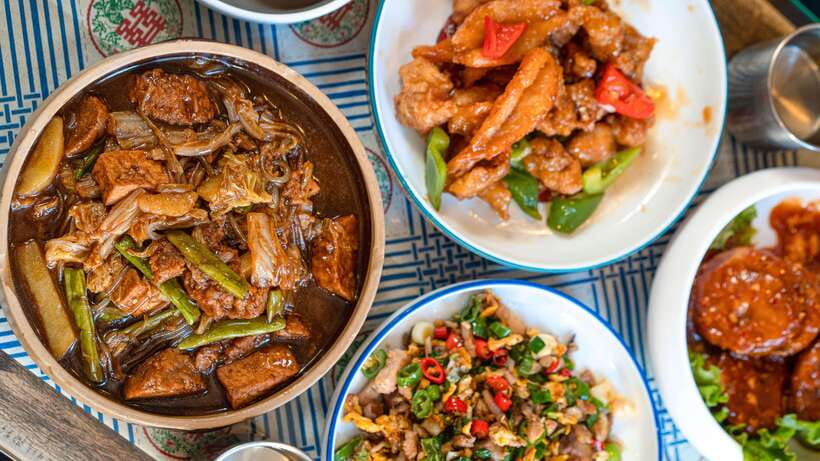
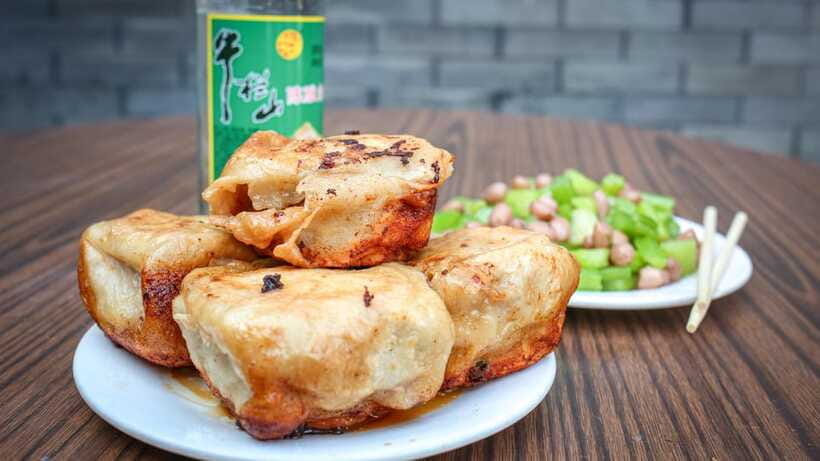
One of the more unusual stops is a Muslim neighborhood diner serving a rare Beijing specialty. The dish is described as endangered, with only a small number of places still serving it. It was also known as a favorite of Empress Cixi, the powerful Qing-era ruler often called the Dragon Lady.
The restaurant is mainly used by local men from the neighborhood. Bottles of baijiu are kept behind the counter, giving you a glimpse of the informal drinking culture associated with this kind of eatery. Some evenings may also include local spirits or rice wine, though the exact food and drink lineup can change.
This stop matters because it moves beyond the standard Beijing menu. Visitors often know about roast duck, dumplings, and noodles, but a city’s food culture also includes dishes that are less widely advertised and harder to preserve. Here, the story is as important as the taste.
You should keep an open mind. The dish is included because it is unusual and culturally specific, not because it is guaranteed to suit every palate. Your guide can explain the ingredients and background, but you should mention dietary requirements when booking so the operator can advise what is suitable.
More Hidden Gem Food Tours in Beijing:
- Alicante: Secret Flavors Food Tour
★ 4.8 · 1,514 reviews - Southern & Secret Walking Food Tour
★ 4.5 · 1,413 reviews - Edinburgh Food Tour with Scotch, Haggis, a Secret Dish & More
★ 5.0 · 1,172 reviews - Rome Food Tour: Hidden Gems of Trastevere with Dinner & Wine
★ 5.0 · 1,166 reviews
Spring pancakes and the meaning of reunion
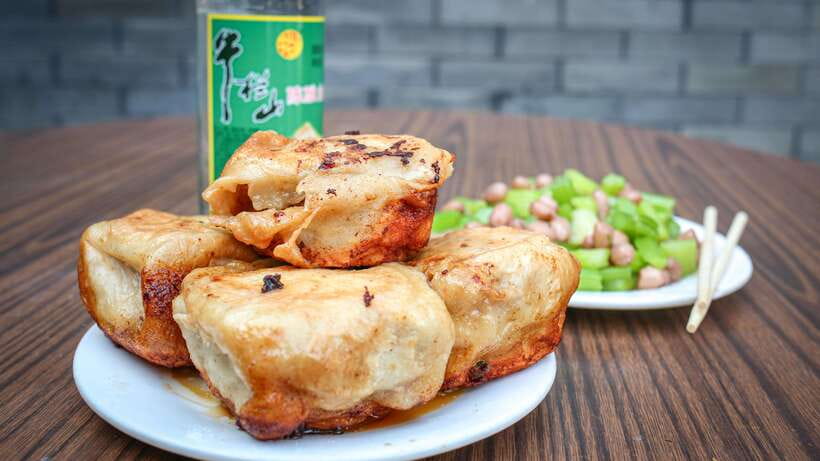
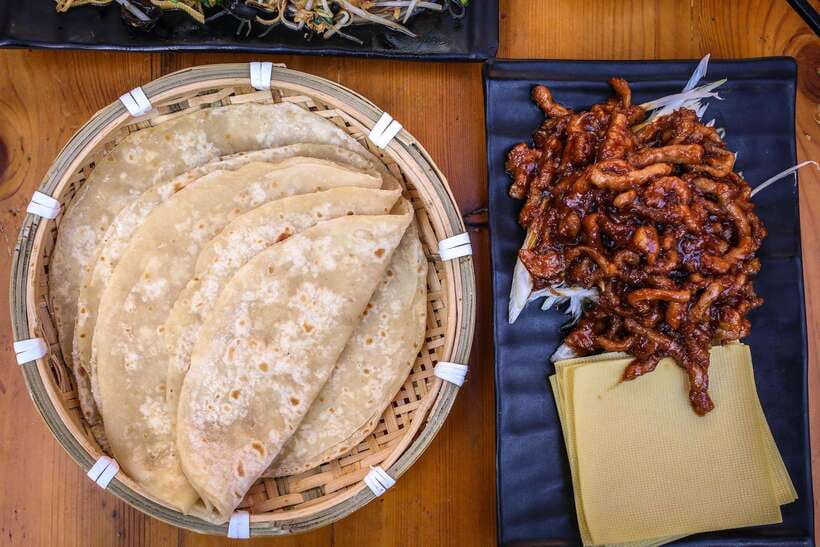
The final featured dish comes from a husband-and-wife-run restaurant specializing in spring pancakes. These thin pancakes are made fresh to order and eaten like a burrito, filled with other ingredients and folded by hand.
Spring pancakes are traditionally linked with Chinese New Year and the arrival of spring. They also carry a family meaning, symbolizing reunion and togetherness. That gives this stop a warm cultural angle, especially if you are visiting during a holiday period or want to understand how food marks the calendar in China.
The cooking style is straightforward and comforting. You get to eat the pancakes while they are fresh, rather than receiving something prepared long before the group arrives. The meal also helps balance the more distinctive noodle and Muslim dishes, giving the evening a familiar, hands-on food experience.
By this point, you should expect to be full. The four tastings are described as the equivalent of dinner, and several people have found the portions generous enough that they could barely eat more afterward. Do not plan a second full meal immediately after the tour.
The hutongs are part of the meal
The walking route is not simply a way to move between restaurants. It gives you a look at old Beijing away from the grand scale of the Forbidden City, Tiananmen Square, and the major temple sites.
Hutongs date back to the 12th century and developed around rows of courtyard homes. Their lanes spread through the historic center, often creating a maze of narrow passages. Your guide explains how these areas were formed and how they have changed over time.
The evening timing works well. You walk after dark rather than in the strongest heat of the day, and the food stops create regular breaks. In warmer months, the rooftop view at the hotpot restaurant should be particularly pleasant. In winter, you will want a warm coat because the tour operates outdoors between restaurants.
Do not treat the route as a smooth urban promenade. The tour is not suitable for people with mobility impairments, and the operator advises dressing for all weather. Comfortable shoes are essential. The distance is manageable for most people who are used to city walking, but you should be comfortable with narrow lanes and changing surfaces.
How much food and drink do you receive?
The price is $75 per person. That is more than you would spend ordering one simple meal in Beijing, so the value depends on how much you want from the experience.
You are paying for four food stops, a local guide, the walking route, the explanations, and a pint of locally brewed craft beer. The food is intended to equal dinner, not a light tasting menu. Beer and sodas are also listed as unlimited, which can make the price more reasonable for people who would otherwise order several drinks. The exact drink offerings can vary with the day’s vendors.
The bigger value is access. You could spend less by eating at ordinary restaurants on your own, but you would need to find these specific places, order confidently, navigate the hutongs, and understand what you were tasting. The tour gathers those tasks into one evening.
I would call it good value for a first night in Beijing, particularly if you want a relaxed introduction to local food and neighborhoods. It is less compelling if you already know Beijing well, speak Chinese, and enjoy hunting down small restaurants independently.
What the strong guide feedback tells you
The experience depends on the person leading it, and the guide names appearing repeatedly include Janice, Tony, Winnie, Yoyo, Haitao, Joe, Uyi, Teagan, and Zoe. Their strengths are consistent: clear English, enthusiasm for local dishes, an ability to explain the surrounding streets, and a friendly manner that helps a small group settle in.
Janice is praised for making the food and history easy to follow. Tony is described as lively and personable. Winnie is particularly associated with broader explanations of Beijing’s history, economy, and society, while Haitao is valued for useful tips and an easygoing style.
You should still remember that guides are individuals. The tour is not a scripted lecture, and the personality of your guide will shape the evening. That flexibility is generally an advantage, since you can ask questions and spend more time on the dishes that interest you.
Several people have used the tour as an introduction on their first or second day in China. That timing makes sense. You get practical food ideas, learn how local dishes are eaten, and receive recommendations you can use later in the trip.
What can change from one evening to the next?
The food route may be adjusted according to vendor operations and availability. That means a restaurant could change, a dish might be substituted, or the order of stops could shift.
This is worth understanding before you book. The promised structure is four food stops, drinks, a guide, and the hutong walk, but a specific dish should not be treated as absolutely fixed. The operator says the itinerary will remain enjoyable even when changes are needed.
Dietary requirements should be reported when you make the booking. This is especially important because the menu includes meat, Muslim dishes, shared hotpot, and sauces that may contain ingredients you need to avoid. The available substitutions are not specified, so ask before committing if your diet is strict.
The tour requires at least two people to operate. If that minimum is not reached, the operator may cancel after confirmation and offer another date or a full refund. Free cancellation is available up to 24 hours before the tour, and you can reserve now and pay later.
Who should book this evening?
I would recommend it to first-time visitors, food-minded couples, small groups, and anyone who wants local restaurants without spending hours researching them. It is also useful if you have only a short stay in Beijing and want one evening to cover food, history, drinks, and neighborhood walking.
You will get the most from it if you enjoy trying unfamiliar dishes and asking questions. The rare Muslim specialty and traditional hotpot are more interesting when you are curious about origins and customs, not just looking for familiar comfort food.
Families may enjoy the spring pancakes and relaxed format, but parents should consider the walking distance, evening start time, and the presence of beer and spirits at some stops. People with mobility limitations should skip this tour because it is specifically listed as unsuitable for them.
Should you book the Beijing food tour?
Book it if you want a full dinner with stories attached. The strongest parts are the small restaurants, the 2.5-kilometer hutong route, the bell tower view over hotpot, and the chance to taste a rare dish you would probably miss on your own.
Skip it if you dislike shared meals, need a fixed menu, cannot manage uneven walking, or prefer a polished restaurant evening. For most first visits, though, $75 buys more than food. It gives you a practical introduction to how Beijing eats, where local people gather, and how old neighborhoods still shape the city after dark.
FAQ
Where does the Beijing food tour meet?
Meet your English-speaking guide at Shichahai Subway Station, Exit C, at street level. The station is served by Line 8.
What time does the tour begin?
The tour begins at 6:30 PM. You should arrive at the meeting point 10 minutes early, by 6:20 PM.
How long does the tour last?
The food tour lasts 3.5 hours.
How far do you walk?
The route covers about 1.5 miles, or 2.5 kilometers, through Beijing’s historic hutong lanes.
How many food stops are included?
Four food stops with tastings are included. The amount of food is intended to be equivalent to dinner.
Is beer included?
Yes. One pint of locally brewed craft beer is included, and the tour information also specifies unlimited beer and sodas. Drink availability may vary with the day’s restaurant operations.
What foods are served?
The featured foods include Beijing mutton hotpot, Beijing noodles, a rare Beijing Muslim dish associated with Empress Cixi, and spring pancakes. The itinerary can change based on vendor availability.
Is the tour suitable for people with mobility impairments?
No. The experience is listed as unsuitable for people with mobility impairments because it involves walking through hutong lanes.
Can I cancel or pay later?
You can cancel up to 24 hours in advance for a full refund. The booking option also allows you to reserve now and pay later.
More drinks tours in Beijing
- Madrid Tapas & Wine Tasting Walking Tour – Small Group Local Bars
★ 5.0 · 3,644 reviews - Best of Shinjuku: Izakaya Food Tour (4 Stops, 14+ Tastings)
★ 5.0 · 1,863 reviews - Kyoto Night Foodie Tour in Gion (9+ dishes + 6 Sake tastings)
★ 5.0 · 1,762 reviews - Rhodes Exclusive Swim Cruise Cocktail Open bar & Gourmet Buffet
★ 5.0 · 1,230 reviews
New food tours we have reviewed in Beijing
- Experience Beijing Walking Food Tour Private★ 5.0 · 56 reviews
- Online Cooking Class Beijing Dumplings and Cuisine by Sunflowerli Renowned Chef★ 5.0 · 65 reviews
- 4-Hour Private Tour: Lama Temple, Confucius Temple, Guozijian Museum with Dim Sum★ 5.0 · 21 reviews
- Half-Day Private Beijing Hutong Walking Tour with Dim Sum★ 5.0 · 48 reviews
- Authentic Local Food Tour in Center Beijing★ 5.0 · 26 reviews
- Beijing Hutong Breakfast Food Tour★ 5.0 · 120 reviews
- Beijing Walking Food Tour with a Local Friend★ 5.0 · 73 reviews
- 3-Hour Private Night Tour: Beijing Foodie Experience★ 5.0 · 53 reviews
Beer and Brewery Food Tours, compared.
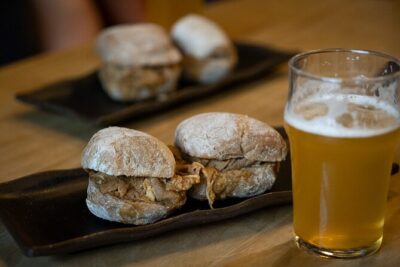
Porto Craft Beer Tour: 7 Beers + 3 Food Pairings in a Small Group
Read our review →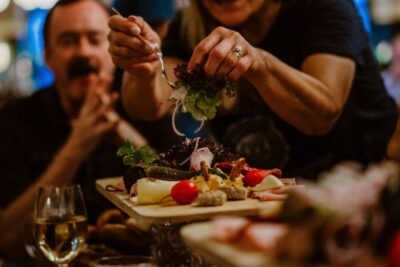
Munich: Beer and Food Tour with Dinner & Oktoberfest Museum
Read our review →
Cancun Taco Tour, Local Beer and Night Market with Transportation
Read our review →

Margaret River Winery, Brewery Tour with Gourmet Lunch.
Read our review →
Brussels: Beer Tasting Tour with 7 Beers and Snacks
Read our review →
Brussels: Walking Food Tour with Chocolate, Beer, & Waffles
Read our review →Browse the lists this tour appears in