
Review · BEIJING FOOD TOURS
Beijing Hutong Breakfast Food Tour
Beijing’s best breakfast is often found away from the grand avenues, in small shops where workers stop for a quick bite before work. This tour takes you into the hutongs behind the Lama Temple, where you can try baozi, jianbing, silken tofu, and almond pudding without having to guess what to order.
I like the small group, capped at eight, and the way the food comes with useful context about daily life. I also like the route, which links breakfast stops with the Temple of Confucius, Guozijian, and the Bell and Drum Towers. The main drawback is the early start and the sheer amount of food, so arrive hungry and avoid planning lunch soon afterward.
Key points at a glance
- Breakfast begins at 8:00 am near the Lama Temple, in one of Beijing’s most atmospheric hutong areas.
- The food is substantial, with enough tastings to replace breakfast and possibly delay your next meal for several hours.
- Garth may lead the tour, offering clear explanations of dishes, ordering, payment, and local customs in excellent Mandarin.
- The group has a maximum of eight people, which makes small food shops easier to enter and keeps the walk personal.
- The route ends near the Bell and Drum Towers, about a 15-minute walk from Beixinqiao or Andingmen Metro stations.
- Dietary needs require advance notice, and hotel pickup is not included.
Why a Beijing breakfast tour is worth your morning
Most people first meet Beijing through imperial sights, wide roads, and grand gates. Those places matter, but breakfast shows you another side of the city. It is quick, practical, social, and often eaten in modest rooms or at street-side counters.
This three-hour walk gives you a useful look at that everyday rhythm. You follow your guide through old alleyways, stop at local cafes and small food shops, and taste several dishes rather than committing to one unfamiliar order. That matters in Beijing, where menus can be hard to read and portion sizes are not always obvious.
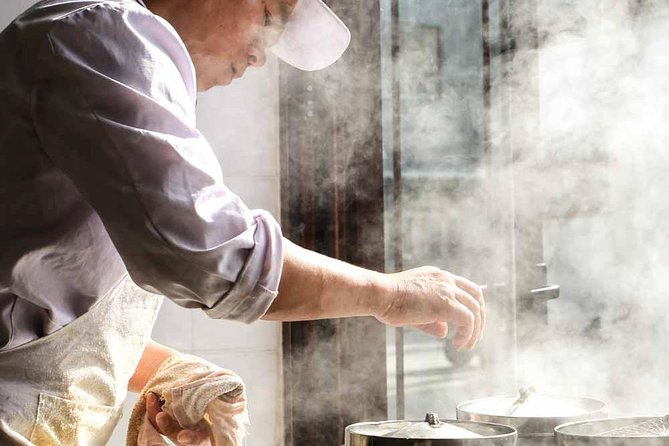
I particularly like the timing. At 8:00 am, the hutongs are in their morning routine. You are not simply looking at old lanes after the day has started. You are seeing where people buy breakfast, how quickly food is prepared, and how the neighborhood works before sightseeing crowds build.
The experience also gives you a head start on the rest of your visit. A post-tour packet includes restaurant suggestions and local travel tips, while the guide can help explain how to order and pay. That practical help may be as useful as the food itself during a first stay in China.
More food tours in Beijing:
- Beijing: Hidden Gems Guided Food Tour with Beer and Tastings
★ 4.9 · 306 reviews - Beijing Private Hutong Food Walking Tour
★ 5.0 · 299 reviews - Beijing: Hutong Culinary Walking Tour with 15+ Tastings
★ 5.0 · 162 reviews
Starting beside the Lama Temple
The meeting point is at the Subway Lama Temple C exit area, near a bike rental station and the southeast entrance to Guozijian. You should allow time to find the exact meeting point, since the address includes several Chinese names and the tour does not provide hotel pickup.
From there, the walk heads into the hutongs behind the Lama Temple. This is a strong starting point because the area combines famous landmarks with ordinary residential lanes. You get the setting of old Beijing without spending the entire morning in a formal museum or major temple complex.
The guide leads rather than simply points out sights. That is important here. Hutong lanes can feel confusing when you first arrive, and the most useful food shops may not be obvious from the main street. With a guide, you can spend your attention on the food, the buildings, and the daily activity around you.
The group limit of eight is another practical advantage. Small eateries can be tight, and a large group would be awkward at a counter or small table. A smaller party is also better for questions, especially if you want help with ingredients or ordering customs.
Tofu, buns, and the first breakfast stops
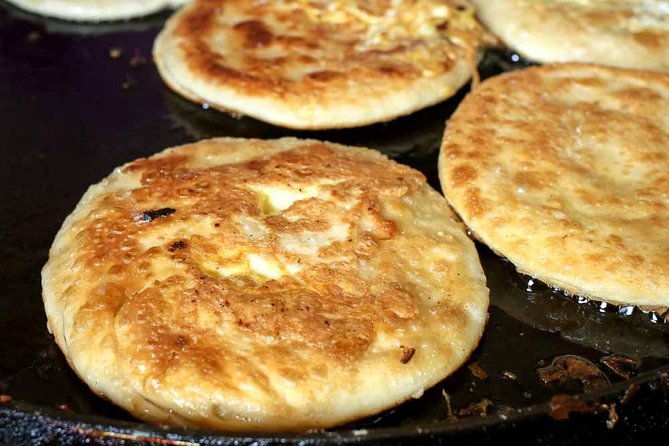
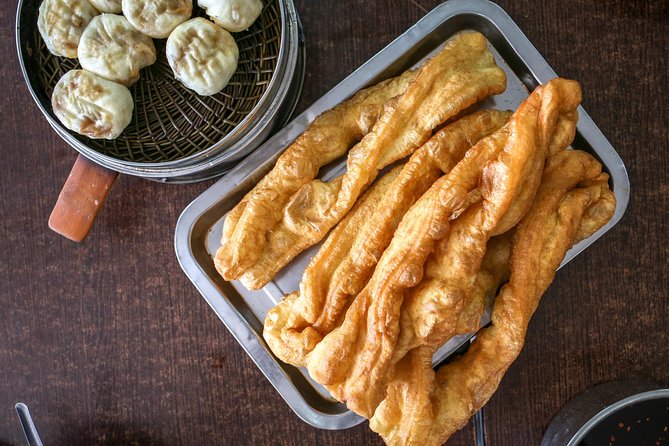
The tastings begin with the kind of food Beijing residents often eat before work. Possible stops include silken tofu with savory toppings, steamed buns, fried dough, and sweet soy milk. You may also encounter brown sugar donuts, another filling and sweet part of the morning spread.
Silken tofu is a good example of why this tour helps. The dish may look plain at first, but the toppings and texture make it quite different from the firm tofu common in many Western restaurants. Your guide explains what is in front of you and how it fits into local breakfast habits.
Steamed buns are easier to recognize, though the fillings and preparation can vary. They are warm, portable, and practical, which explains their place in a working morning. Fried dough offers a crisp contrast, while sweet soy milk adds another texture and flavor to the meal.
The food is not arranged as a polished tasting menu. That is part of the appeal. You are stopping at everyday places, eating food made for regular customers, and learning how breakfast works in the neighborhood. At the same time, this means the experience may feel less controlled than a restaurant meal.
Come hungry. The included tastings add up to a very large breakfast, and you will probably not need another full meal for several hours. If you are a light eater, pace yourself and tell the guide early so you can make sensible choices.
Watching jianbing being made
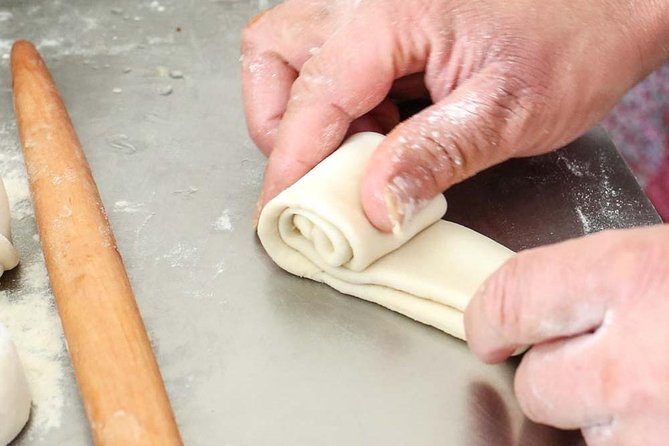
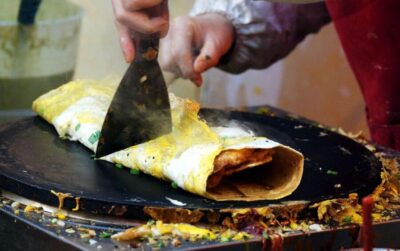
One of the most useful parts of the walk is the chance to watch fresh jianbing being prepared. This savory crepe is a classic Beijing breakfast, cooked quickly and built with several layers of texture and flavor.
The preparation is part of the experience. You can see the batter spread, the fillings added, and the crepe folded for eating on the go. It is the sort of food that makes more sense when you see the process, rather than simply receiving a finished item on a plate.
Jianbing is also a good reason to take this tour early. Breakfast vendors prepare it as part of the morning trade, so the timing puts you in the right place at the right part of the day. Later visits may show you the hutongs, but they will not offer the same breakfast atmosphere.
Food preparation can move quickly, so stay close to your guide and keep an eye on the group. This is a walking tour with several stops, not a long seated demonstration. You will get a look at the method, then eat and continue.
Same appetite, a different neighbourhood:
- Beijing Hutong Breakfast Food Tour
★ 5.0 · 155 reviews - Beijing Walking Food Tour with a Local Friend
★ 5.0 · 73 reviews - Beijing: Dumpling Making Workshop with Meal and Tea
★ 4.7 · 69 reviews - Online Cooking Class Beijing Dumplings and Cuisine by Sunflowerli Renowned Chef
★ 5.0 · 65 reviews
Hutong lanes behind the major sights
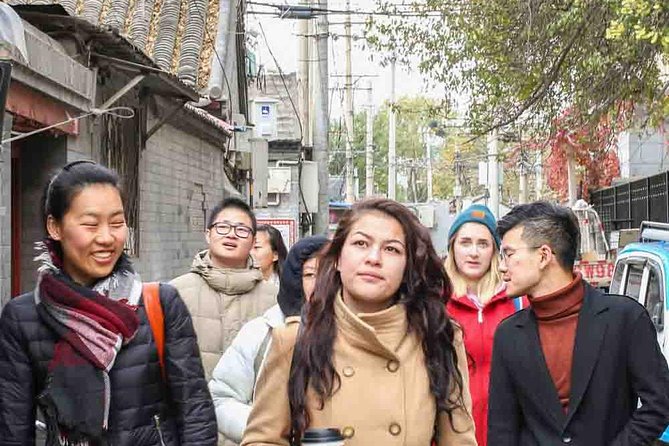
The food stops are linked by a walk through some of Beijing’s oldest hutong neighborhoods. These narrow lanes are valuable because they show how the city’s traditional residential fabric fits beside major cultural landmarks.
You will pass through the area near the Temple of Confucius and Guozijian Museum after crossing from the Lama Temple. A large Chinese gate marks the route, followed by leafy hutong streets and imperial-era surroundings.
The tour does not treat the hutongs as a backdrop only. Your guide explains how food and neighborhood life connect. You can ask about the shops, the breakfast routines, and the way residents use these lanes.
I like this balance between eating and walking. If you only visit landmarks, Beijing can feel enormous and formal. If you only chase food, you may miss the setting that gives these dishes meaning. Here, each part supports the other.
Still, remember that this is primarily a food walk. The Temple of Confucius and Guozijian are part of the route, but the tour does not present itself as a full museum visit. You should book a separate visit if you want a detailed exploration of their interiors and collections.
Finishing with almond pudding
The final tasting is a bowl of almond pudding. After the savory dishes, fried dough, buns, tofu, and soy milk, this gives the meal a sweet finish.
The dessert also helps show the range of a Beijing breakfast. You are not sampling one narrow category of food. The route moves between steamed, fried, savory, sweet, soft, and crisp dishes, giving you a broad introduction in one morning.
If you have a sweet tooth, this may be one of the more memorable stops. If you prefer savory food, it is still useful as a contrast and a chance to try something you might not order alone.
By this point, you may be full. The pacing matters, and you should not treat every stop as a challenge to finish as quickly as possible. Eat at a comfortable speed and tell your guide if you need to slow down.
From Guozijian to the Bell and Drum Towers
The route ends near the intersection of Andingmen Nei Dajie and Gulou Dong Dajie, close to the famous Bell and Drum Towers. These towers once marked the hours of the day and sit on Beijing’s central axis.
This is a useful ending point for sightseeing. You can continue to the Bell and Drum Towers, explore more hutongs, or use the location to get your bearings. The end point is about a 15-minute walk from Beixinqiao Metro on Line 5 or Andingmen Metro on Line 2.
The finish is not at the starting point, so plan your day around the route. That is more useful than a loop for many people, but it means you should not leave luggage or make a transport plan that depends on returning to the Lama Temple.
The end location also gives you a natural next step. After breakfast, you can keep exploring the north-central hutong area instead of crossing the city for your next activity.
What the $55 price really covers
At $55 per person, this is not the cheapest breakfast you could buy in Beijing. You can eat individual dishes for far less. The value comes from the combination of food, navigation, interpretation, and the number of stops.
You are paying for a three-hour experience with a guide fee, bottled water, soft drinks, a substantial set of tastings, and a follow-up packet with restaurant recommendations and travel tips. The guide also removes the guesswork from ordering, which can be a real benefit during a first visit.
The food alone is not the only measure of value. You are also gaining access to small local businesses that could be difficult to locate or use on your own. A guide who speaks Mandarin can explain what to order and help the morning run smoothly.
That said, confident eaters who already read Chinese menus and know Beijing’s neighborhoods may find the price less compelling. You are paying for guidance and context, not luxury dining. The setting is simple, and the food is everyday breakfast rather than a restaurant tasting course.
The tour is booked an average of 19 days ahead, so it is sensible to reserve early if your dates are fixed. Free cancellation is available up to 24 hours before the start time. Changes or cancellations inside that window are not refunded.
The guide can make or break the morning
The guide is central to this experience. Garth is specifically associated with the tour and has been praised for his friendly manner, strong Mandarin, food knowledge, and ability to explain the history behind what you eat.
His role goes beyond naming dishes. He can show you how local shops work, how to order and pay, and why certain foods belong on a Beijing breakfast table. That kind of instruction is especially useful if this is your first morning in China.
Guide assignments can vary, so Garth may not lead every departure. Still, the tour depends on the same basic strengths: clear explanations, local language skills, and the ability to move a small group through several food stops.
The small-group format helps here. With no more than eight people, you have a better chance to ask questions and receive help with food concerns. A private tour is not being offered, but the group is small enough to feel personal.
Who should book this food walk
I would book this tour early in a Beijing visit, especially if you want practical help with eating locally. It gives you dishes to recognize, neighborhoods to revisit, and restaurant advice for later in your stay.
It suits people who enjoy walking, trying unfamiliar foods, and learning through ordinary daily scenes. It is also a good choice for anyone who wants more than a standard sightseeing route but does not want to plan every food stop alone.
Families and mixed-experience groups may appreciate the guidance, though the amount of food can be a lot for young children or very light eaters. Most people can participate, but you should share specific dietary requirements at booking by email. Advance notice is needed to arrange for dietary restrictions.
This is less suitable if you need hotel pickup, want a late start, or prefer a quiet sit-down breakfast. It is also not the best match for someone who dislikes savory tofu, fried foods, sweet soy milk, or trying several dishes in quick succession.
Should you book the Beijing Hutong Breakfast Food Tour?
Book it if you want a generous breakfast, a small group, and a practical introduction to Beijing’s everyday food culture. The best reasons are the local hutong route, the range of dishes, and the help with ordering and payment.
The $55 price makes sense for a first visit when time and confidence matter. You get three hours of food and neighborhood walking, plus an end point near the Bell and Drum Towers that fits neatly into a day of sightseeing.
Skip it if you want a relaxed restaurant breakfast, hotel pickup, or a highly polished culinary class. Otherwise, start hungry, wear comfortable walking shoes, and keep your afternoon meal plan flexible. This is a smart way to begin seeing Beijing through what people eat before the city fully gets moving.
FAQ
What time and where does the tour start?
The tour starts at 8:00 am near the Lama Temple Subway station C exit, close to a bike rental station and the southeast entrance to Guozijian.
How long does the Beijing Hutong Breakfast Food Tour last?
The experience lasts about three hours, including breakfast tastings and walking through the hutongs.
What food is included?
Possible tastings include baozi, jianbing, silken tofu with savory toppings, brown sugar donuts, fried dough, sweet soy milk, and almond pudding. Bottled water and soft drinks are also included.
How large is the tour group?
The tour has a maximum of eight travelers, creating a small-group experience in compact food shops and hutong lanes.
Is hotel pickup included?
No. Hotel pickup and drop-off are not included. You need to make your own way to the Lama Temple meeting point.
Can dietary restrictions be accommodated?
You should provide specific dietary requirements when booking by email. Advance notice is required so the operator can try to cater to those needs.
New food tours we have reviewed in Beijing
- Experience Beijing Walking Food Tour Private★ 5.0 · 56 reviews
- Online Cooking Class Beijing Dumplings and Cuisine by Sunflowerli Renowned Chef★ 5.0 · 65 reviews
- 4-Hour Private Tour: Lama Temple, Confucius Temple, Guozijian Museum with Dim Sum★ 5.0 · 21 reviews
- Half-Day Private Beijing Hutong Walking Tour with Dim Sum★ 5.0 · 48 reviews
- Authentic Local Food Tour in Center Beijing★ 5.0 · 26 reviews
- 3-Hour Private Night Tour: Beijing Foodie Experience★ 5.0 · 53 reviews
- Beijing Walking Food Tour with a Local Friend★ 5.0 · 73 reviews
- Beijing Hutong Food Crawl Delights: Peking duck, Hotpot&More★ 4.9 · 32 reviews
Beijing Food Tours, compared.
Beijing: Hidden Gems Guided Food Tour with Beer and Tastings
Read our review →
Beijing: Hutong Culinary Walking Tour with 15+ Tastings
Read our review →
Beijing: Dumpling Making Workshop with Meal and Tea
Read our review →
Online Cooking Class Beijing Dumplings and Cuisine by Sunflowerli Renowned Chef
Read our review →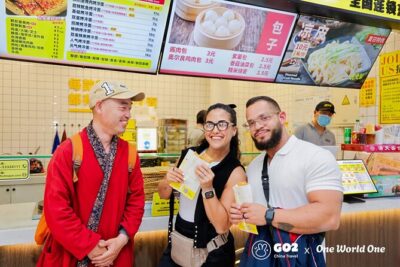
Browse the lists this tour appears in