
Review · FOOD WALKING TOURS
Beijing: Hutong Culinary Walking Tour with 15+ Tastings
Beijing’s hutongs are best understood one bite at a time. This private walking tour leads you through quiet lanes and local eateries around Dongsi, where you may try 15 or more small dishes in three to four hours. The food ranges from sesame cakes and soup dumplings to malatang, Beijing yogurt, and Xinjiang lamb skewers.
I like the flexible food plan, since your guide can lean toward safe classics or more adventurous choices. I also like the cultural side: guides such as Jimmy, Anson, Lucy, Mike, and Miko explain eating customs, local life, and the story behind each dish. The main drawback is that the stops change from day to day, so you cannot count on a fixed menu, and the many tastings mean you need to arrive very hungry.
Key points to know before booking
- Meet at Dongsi Subway Station Exit B: The central meeting point is easy to reach by subway or taxi, and your guide waits with a sign bearing your name.
- Taste at least 15 local foods: Expect a moving meal with dumplings, fried pancakes, noodles, hot pot, pastries, yogurt, skewers, and other Beijing snacks.
- Your guide adjusts the route: Tell the guide what you like, what you have already tried, and what you prefer to avoid.
- Adventurous foods are optional: Donkey burger, fried liver, intestine soup, century-old egg, and bamboo worm may be available, with bamboo worm at your own cost.
- Private groups make conversation easier: The tour is suited to families, couples, and small groups who want direct help ordering and asking questions.
- Come hungry and wear comfortable shoes: The food is generous, and the tour includes a good deal of walking through hutong lanes.
Starting among Dongsi’s hutong lanes
Your meeting point is Dongsi Subway Station Exit B. You can arrive by subway, or show a taxi driver the Chinese directions provided for the station exit. Your English-speaking guide holds a sign with your name, which removes much of the usual first-meeting confusion.
The walk begins in the hutongs, Beijing’s traditional neighborhood lanes. Here, the food is not separated from daily life. Small restaurants, snack counters, and local shops sit close to residential alleys, and your guide uses the walk to explain how these neighborhoods function and how old eating habits fit into modern Beijing.
This opening is important because the tour is not simply a restaurant crawl. You are given a sense of place before the eating begins. Guides including Lucy and Jimmy have explained hutong neighborhoods, street vendors, local history, and ordinary life in Beijing. Anson, Andy, Mike, and Miko have also been praised for explaining how regional cooking traditions connect to the dishes on the table.
The lanes can be quiet, narrow, and uneven. That is part of the appeal, but it also means this is not a sit-down tasting in one polished dining room. You move from stop to stop, often eating a little, walking a little, and then trying something else.
More Food Walking Tours in China
- Beijing Private Hutong Food Walking Tour
★ 5.0 · 299 reviews - Beijing Walking Food Tour with a Local Friend
★ 5.0 · 73 reviews - Experience Beijing Walking Food Tour Private
★ 5.0 · 56 reviews
Sesame cakes, fried twists, and the first snacks
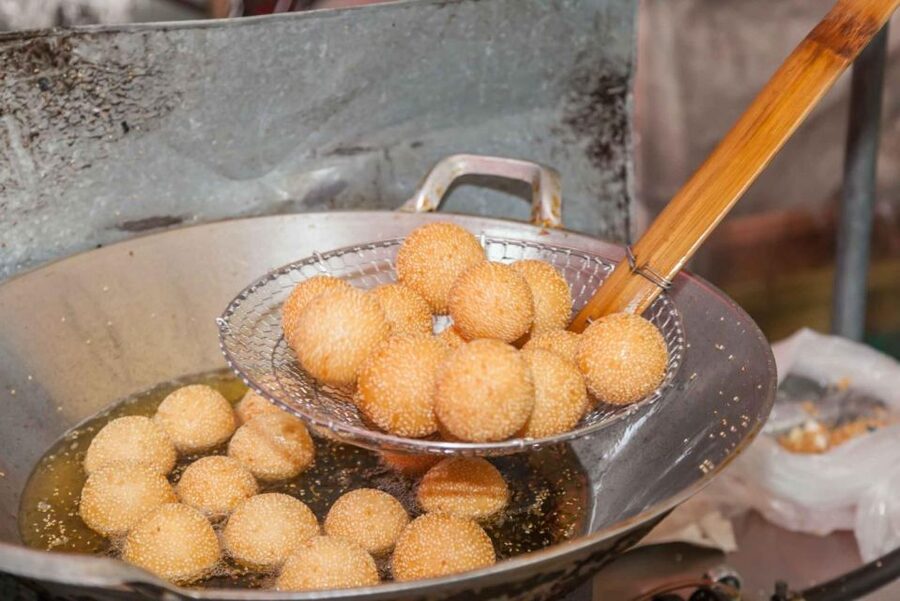
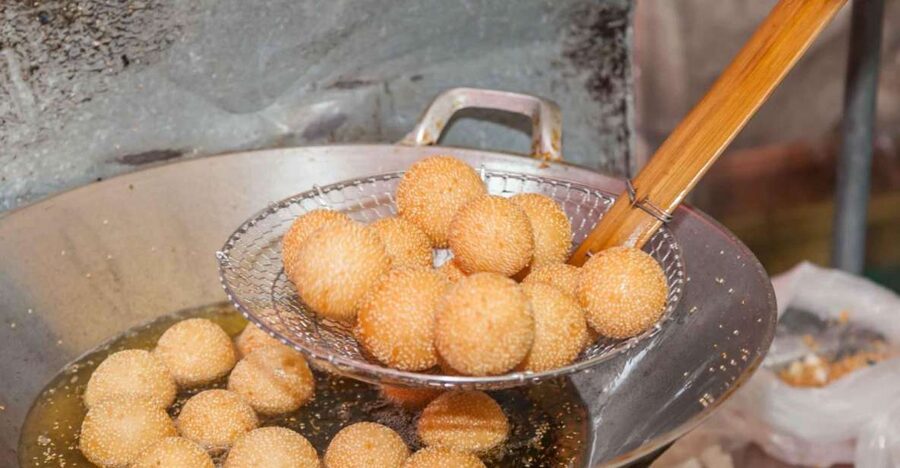
Early stops may include sesame cakes, ma hua, fried dough twists, and crispy fried rings. These are useful introductions because they show how much Chinese snack food depends on texture. You may encounter crisp pastry, chewy dough, sweet fillings, or the warm, oily comfort of something just fried.
Sesame cakes can be sweetened with honey, while ma hua is a classic fried dough snack. The exact shop and preparation can vary, so you should think of the list as a menu of possibilities rather than a promise of every single item.
This part of the route suits cautious eaters. You can start with familiar-looking pastries and fried snacks before deciding how far you want to go. If you are already full from a large meal, though, these small items add up quickly. The best advice is simple: eat lightly for several hours before meeting your guide.
Soup dumplings and Beijing jar yogurt
Soup dumplings are one of the likely highlights. Your guide can help you handle them properly, since hot broth inside delicate dough calls for a little care. This is where the guide’s presence has real value. You are not left trying to guess how to pick up, bite, and eat an unfamiliar dumpling in a crowded local shop.
Beijing jar yogurt offers a calmer contrast. It is a local-style yogurt served in a small container, often associated with a traditional Beijing snack experience. The tour places such sweets and dairy-based snacks alongside savory foods, so the meal keeps changing in flavor and texture.
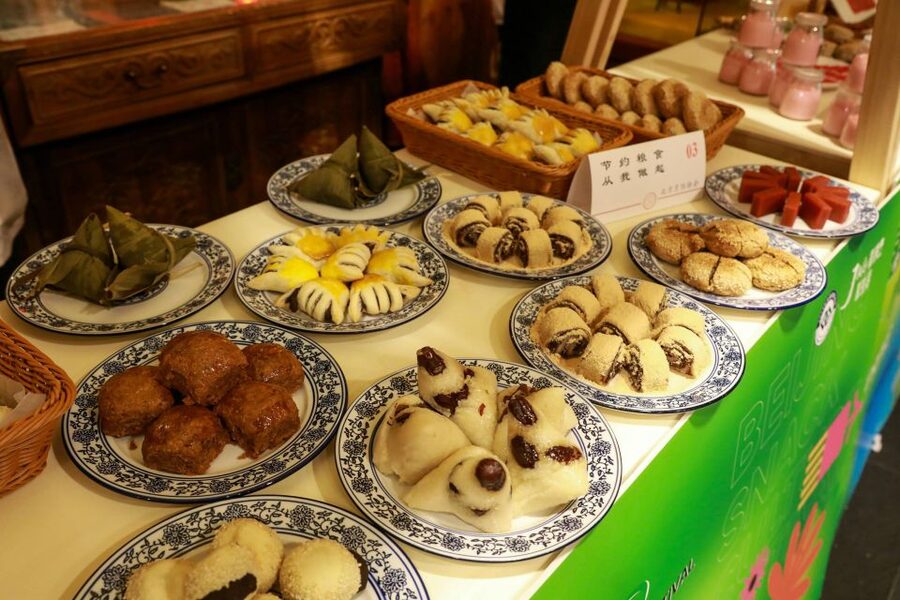
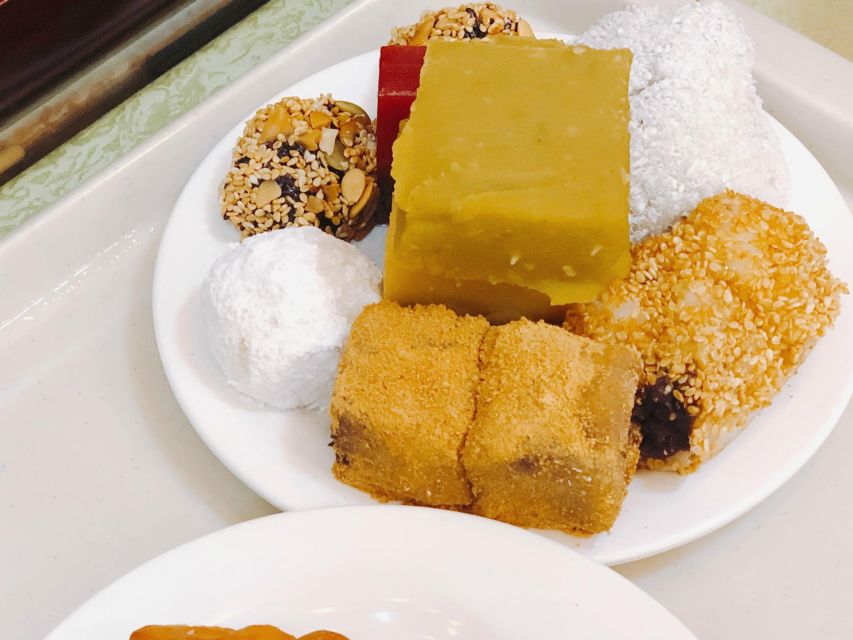
You may also encounter steamed rice cakes with sweet stuffing and other local pastries. These stops help show that Beijing snack culture is not only about noodles, meat, or spice. It includes simple sweets that can feel more like a neighborhood treat than a formal dessert.
Jianbing and the art of the quick breakfast
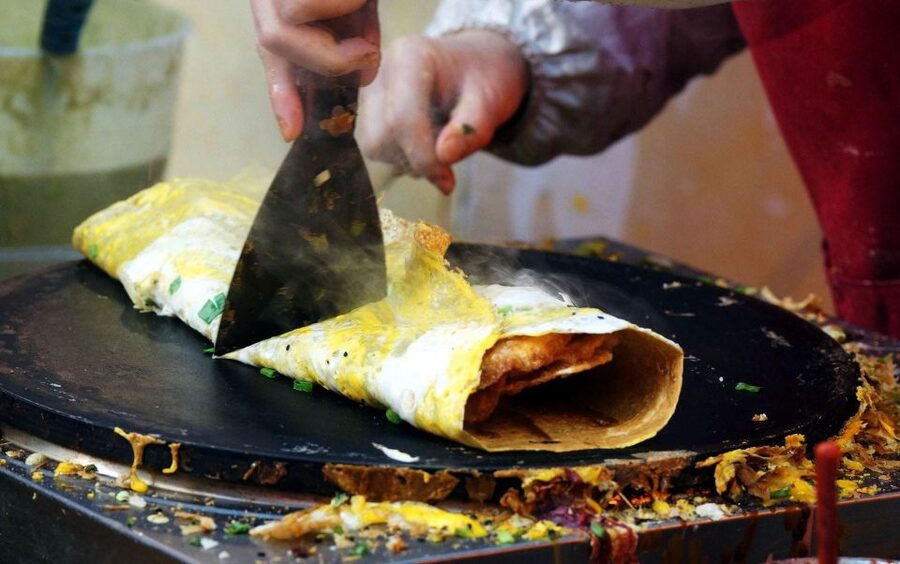
Jianbing is a fried pancake and one of the most recognizable everyday foods on the list. It is made to order and is often eaten as a quick breakfast or street meal. The appeal is its combination of crisp and soft textures, with fillings and sauces folded into the pancake.
The tour may also include noodles, long fried dumplings, or other foods prepared in front of you. One particularly useful aspect of having a local guide is that you can ask what is being cooked, how it is normally eaten, and which ingredients are inside.
If you have food restrictions, speak up at the beginning. The route can be adjusted, and one family with a vegetarian child received suitable dishes. Another group with dietary needs found that Lucy adapted the food choices. This does not mean every dietary request can be guaranteed, but early notice gives the guide a fair chance to plan.
More Food Walking Tours in Beijing:
- Reykjavik Food Walk – Local Foodie Adventure in Iceland
★ 5.0 · 18,952 reviews - New Orleans Food Walking Tour of the French Quarter with Small-Group Option
★ 5.0 · 6,118 reviews - Naples: Street Food Walking Tour with Local Guide
★ 4.9 · 4,976 reviews - Greek Food Walking Tour in Athens
★ 5.0 · 4,740 reviews
Cross Bridge rice noodles and regional China on one route
Cross Bridge rice noodles come from Yunnan Province, in southwest China, rather than Beijing. Their inclusion gives the tour a wider view of Chinese food. Beijing is the setting, but the capital draws dishes and cooking traditions from across the country.
This is one of the stronger educational parts of the experience. A good guide explains that Chinese cuisine is not one single style. Regional ingredients, climate, migration, and local habits shape what appears in a bowl. The route may move from a Beijing snack to a Yunnan noodle dish, then back to a northern-style pastry or grilled meat.
The name can sound grand, but the experience is practical. You taste the food, ask questions, and learn how people order and eat it. That makes the information easier to remember than a long lecture.
Malatang, hot soup, and choosing your ingredients
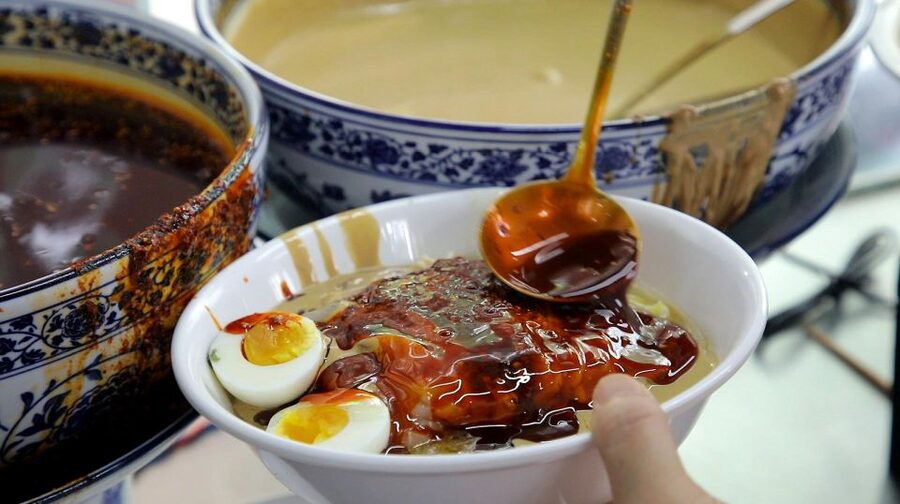
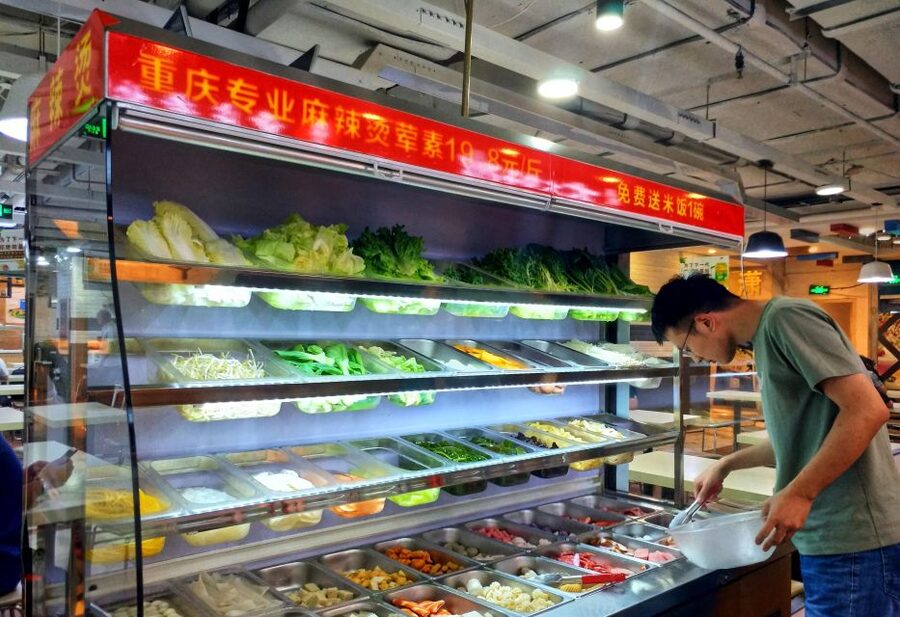
Malatang is a spicy soup related to hot pot. You choose from ingredients such as vegetables, meat, seafood, tofu, and noodles, which are cooked in a seasoned broth. The exact balance of spice and ingredients can be adjusted through your guide’s help.
This stop is often a favorite for people who enjoy trying unfamiliar vegetables, tofu, and noodles. It can also be the point where a cautious eater discovers that a dish becomes manageable once someone explains what to choose.
Malatang is not ideal if you cannot handle spice, but the guide can help you make sensible choices. Tell the guide your comfort level rather than trying to prove anything. The aim is to enjoy a broad range of food, not to suffer through a bowl.
Baijiu, local drinks, and eating etiquette
Baijiu is a clear Chinese liquor that commonly ranges from 35 to 60 percent alcohol by volume. A tasting can be part of the food experience, but it is entirely reasonable to limit yourself or decline it. The drink is strong, and you still have several food stops ahead.
Bottled water and local soft drinks are included. Some tours have also included beer, though that is not listed as a guaranteed part of the package. If you want to drink alcohol, pace yourself carefully. A small tasting can become a problem when combined with a long meal and walking.
Your guide also explains eating etiquette along the way. That may include how to share dishes, how to approach hot soup, and how local dining differs from the meal pattern you know at home. These details are small, but they make ordering and eating feel less awkward for the rest of your time in China.
Xinjiang lamb skewers and the final savory stops
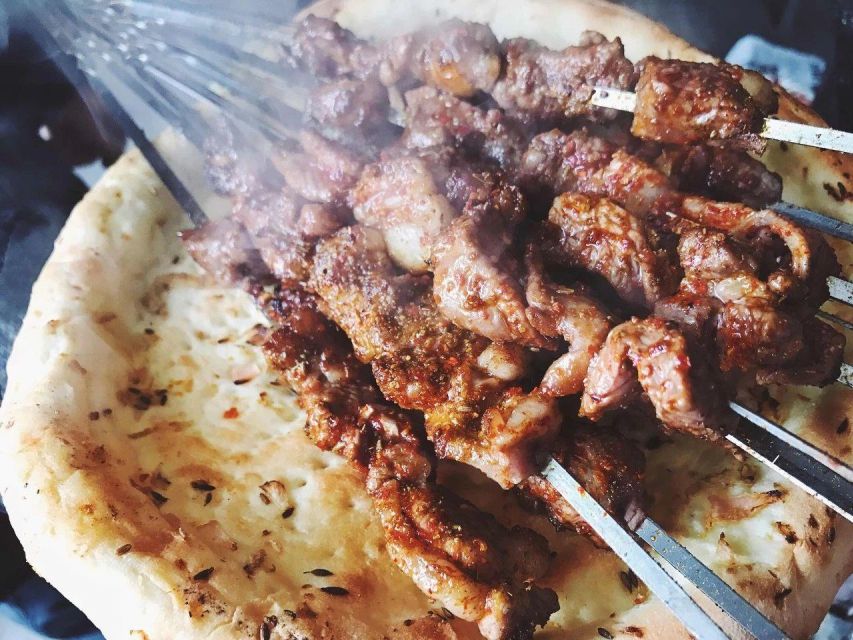
Xinjiang lamb skewers are another possible highlight. Expect grilled lamb and vegetable kebabs, often paired with nang bread. The smoky, seasoned meat gives the tour a strong finish after the softer dumplings, pancakes, noodles, and sweets.
The inclusion of Xinjiang food is another reminder that Beijing’s food scene reaches well beyond local dishes. You are eating in the capital, but many of the city’s favorite foods come from other regions and communities.
At this stage, you may already be full. That is why pacing matters. You can ask for smaller portions or tell the guide which foods you most want to try. The tour is designed around many tastings, not necessarily 15 full meals, but the total amount is still substantial.
Optional foods for adventurous eaters
If you want to test your limits, tell your guide early. Optional choices may include donkey burger, fried liver, intestine soup, century-old egg, and bamboo worm. Bamboo worm is at your own cost.
These foods are not forced on you. The route can include familiar dishes instead, and one group chose a substitute when intestine was offered. That flexibility matters. You can treat the adventurous options as a chance to try something unusual, not as a challenge you must complete.
I would advise asking what each item is before ordering. Your guide can explain the ingredients and preparation, which lets you make an informed choice. If you are traveling with children or picky eaters, the standard foods provide plenty of variety without requiring the more daring stops.
Why the private format matters
The private-group setup is one of the tour’s strongest features. You can ask questions without worrying about a large group, and the guide can change the pace when you need a break or want to spend more time at a particular food stop.
Guides have included Jimmy, Mike, May, Allen, Anson, Andy, Miko, Jay, Lucy, and others. The experience depends partly on who leads your outing, but the repeated strengths are clear: strong English communication, help with ordering, cultural explanations, and willingness to adjust the food choices.
Private does not mean the route is fixed around your exact wishes. Restaurant locations vary daily, and food availability changes. It does mean your guide can respond to your preferences more easily than on a large shared tour.
Families can benefit from this format. One family with two children, including a vegetarian child, received a suitable mix of dishes. Couples and solo participants also gain from the direct conversation. If you happen to be the only person booked, the outing can feel like a personal food walk.
What $76 buys you
At $76 per person, this is not the cheapest way to eat in Beijing. You can buy individual snacks for much less. The value comes from the combination of food, translation, neighborhood orientation, cultural explanation, and the chance to try several places without guessing what to order.
You receive 15 or more tastings, bottled water, local soft drinks, and about three hours of food-focused walking. Hotel pickup and drop-off by private transfer are available if you choose that option, which can add convenience but may affect the final price.
I consider the price reasonable for visitors who want a structured introduction on their first day or first evening in Beijing. You are paying to reduce uncertainty. The guide helps you find local places, explains the dishes, and adjusts the route as you go.
The value is lower if you already speak Chinese, know the Dongsi area well, and are comfortable ordering street food on your own. It is also less suitable if you prefer one long restaurant meal rather than many short stops.
Timing, meeting point, and practical preparation
The activity lasts three to four hours, with starting times depending on availability. Evening departures are possible, but you need to check the selected date and time when booking.
Arrive at Dongsi Subway Station Exit B with an empty stomach and comfortable shoes. The tour includes walking through hutong lanes, and you will be eating repeatedly rather than sitting for a long stretch.
Hotel pickup and drop-off are optional. If you choose that service, the guide waits in your hotel lobby with a sign showing your name. Otherwise, meet at the subway exit and look for the guide’s sign.
You can cancel up to 24 hours in advance for a full refund, and the reserve-now, pay-later option keeps your plans flexible. Those policies are useful if your Beijing schedule may change, but you still need to check the available time before booking.
Who should book this hutong food walk?
I would choose this tour early in a Beijing visit. It gives you a working food vocabulary, introduces dishes you might later recognize, and shows you how local meals can move between snacks, noodles, grilled foods, sweets, and drinks.
It is especially suited to:
- First-time visitors who want help ordering
- Curious eaters who enjoy sampling many small dishes
- Families needing a flexible private route
- People interested in Chinese history and daily life as well as food
- Solo visitors who want company and local guidance
- Adventurous eaters who want optional unusual dishes
I would hesitate if you have severe dietary restrictions that require guaranteed controls, dislike walking, or want a fixed restaurant menu. You should also avoid treating the 15-plus tastings as a checklist. The best part is the conversation and the range, not racing from one bite to the next.
Should you book the Dongsi hutong food tour?
Book it if you want a generous, informal introduction to Beijing food and prefer a local guide to explain what is on your plate. The strongest features are the private format, the many tastings, the hutong walk, and the ability to choose between familiar and daring dishes.
Come hungry, tell your guide about allergies and preferences, and ask for a slower pace if needed. At $76, it costs more than eating independently, but it offers far more help and variety in a single outing. For many visitors, that makes it a smart first-night activity rather than just another meal.
FAQ
Where does the Beijing hutong food tour meet?
Meet your English-speaking guide at Dongsi Subway Station Exit B. The guide holds a sign with your name.
How long does the food tour last?
The tour lasts about three to four hours, with approximately three hours focused on eating and walking through the hutong neighborhood.
How many tastings are included?
At least 15 food tastings are included. The exact dishes and stop locations vary each day.
What foods might I try?
Possible foods include sesame cakes, ma hua fried dough twists, soup dumplings, Beijing jar yogurt, Cross Bridge rice noodles, jianbing, crispy fried rings, steamed rice cakes, malatang, Xinjiang lamb skewers, nang bread, and other Beijing snacks.
Can the guide adjust the food choices?
Yes. Tell your guide if you prefer classic dishes, want adventurous foods, have already tried certain items, or need substitutions. Dietary needs should be explained before or at the start of the tour.
Are drinks included?
Bottled water and local soft drinks are included. Baijiu may be part of the tasting. Bamboo worm, if selected, is at your own cost.
Is hotel pickup available?
Hotel pickup and drop-off by private transfer are available when you choose that option. Otherwise, you meet at Dongsi Subway Station Exit B.
New food tours we have reviewed in Beijing
- Experience Beijing Walking Food Tour Private★ 5.0 · 56 reviews
- Online Cooking Class Beijing Dumplings and Cuisine by Sunflowerli Renowned Chef★ 5.0 · 65 reviews
- 4-Hour Private Tour: Lama Temple, Confucius Temple, Guozijian Museum with Dim Sum★ 5.0 · 21 reviews
- Half-Day Private Beijing Hutong Walking Tour with Dim Sum★ 5.0 · 48 reviews
- Authentic Local Food Tour in Center Beijing★ 5.0 · 26 reviews
- Beijing Hutong Breakfast Food Tour★ 5.0 · 120 reviews
- Beijing Walking Food Tour with a Local Friend★ 5.0 · 73 reviews
- 3-Hour Private Night Tour: Beijing Foodie Experience★ 5.0 · 53 reviews
Food Walking Tours, compared.
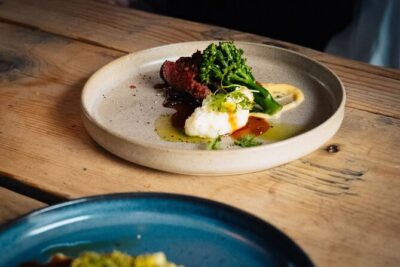
Reykjavik Food Walk – Local Foodie Adventure in Iceland
Read our review →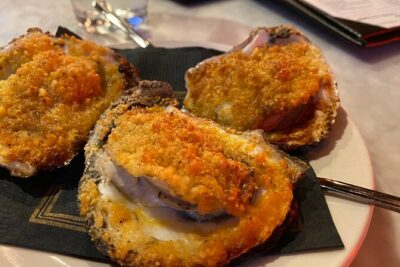
New Orleans Food Walking Tour of the French Quarter with Small-Group Option
Read our review →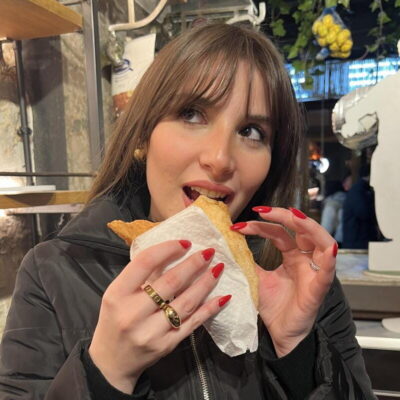
Naples: Street Food Walking Tour with Local Guide
Read our review →
Savannah First Squares Culinary & Cultural Walking Food Tour
Read our review →
Rome: Guided Food Walking Tour with Wine in Trastevere
Read our review →
Rome: Trastevere & Campo de Fiori Street Food Walking Tour
Read our review →Browse the lists this tour appears in