
Review · INDIA FOOD TOURS
Bengali Nights Kolkata Food Tour with 13+ Tastings
Kolkata’s best food stories often sit behind an unmarked doorway, at a tiny counter, or in a neighborhood most first-time visitors never reach. This four-hour tour takes you from Esplanade into old Kolkata for 13 or more Bengali tastings, local transport, and a close look at the city’s food traditions.
I like two things especially: the food is tied to the places that make it, and guide Avik brings the history of old Calcutta into the meal. The metro, wooden rickshaw, bus, and old tram add a sense of place that a taxi-only food tour cannot provide.
The main consideration is the menu. Vegetarians, people with lactose intolerance, and anyone with food allergies will miss several tastings, with no replacement dishes promised. The tour also involves walking, crowded public transport, and eating at small local businesses, so it suits flexible eaters more than cautious ones.
Key points to know before booking
- More than a dozen tastings: Expect mutton kosha, prawns, fish, fried snacks, gram salad, sherbet, sweets, coffee, and more.
- Avik leads the experience: He is praised for his passion for Kolkata, clear storytelling, and careful attention to guests.
- Transport is part of the tour: The route uses Kolkata’s metro and local transport, with a wooden rickshaw ride and possible tram travel.
- The city is part of the meal: You walk through old neighborhoods, pass temples and College Street, and see daily life beyond the main sights.
- Small groups help: The maximum is eight people, making it easier to ask questions and keep the group moving through tight streets.
- Come very hungry: Fifteen small tastings over four hours can add up to a full dinner.
Why this is more than a Kolkata food crawl
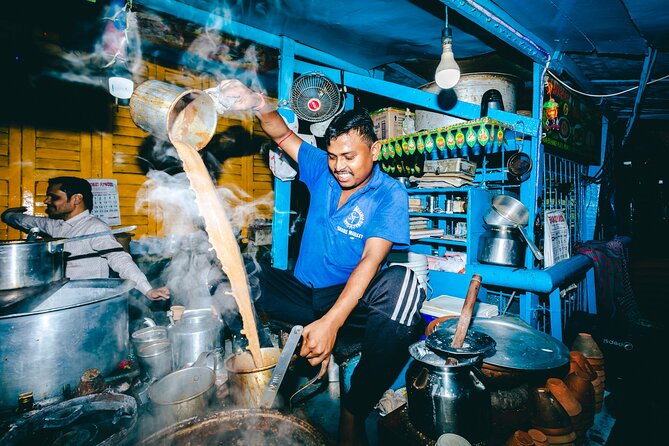
A standard food tour can leave you with a full stomach and a short list of dishes. This one aims for something broader. You use public transport, walk through old residential areas, stop at long-running eateries, and hear how food connects with Kolkata’s past.
That combination matters because Kolkata is not a city you understand from a restaurant table alone. The city’s character shows up in its bookshops, old coffee rooms, temples, transport, decaying colonial buildings, and small food stalls. Avik’s role is to connect those details rather than simply point out the next snack.
The tour has a strong local angle. Several stops are described as places that many visitors would not find without help, including a tiny mutton restaurant with more than a century of cooking behind it and a seafood restaurant known for its signature preparations.
The tour is rated 4.8 from 70 ratings, and the most consistent praise centers on three things: Avik’s storytelling, the range and quality of the food, and the chance to see parts of Kolkata that sit outside the usual sightseeing circuit.
More food tours in India:
- The Great Indian Food Tour: Old Delhi Food and Heritage Walk
★ 5.0 · 1,698 reviews - Mumbai: Street Food and Night Markets Tour
★ 4.9 · 719 reviews - Old Delhi Street Food Tour
★ 5.0 · 497 reviews
Meeting Avik at Esplanade Metro Station
You meet at Exit Gate 4 of Esplanade Metro Station, on the street level at S.N. Banerjee Road. This is a practical starting point because Esplanade sits on both the Blue Line and Green Line, and the metro can spare you the slow crawl of Kolkata traffic.
Allow extra time to find the correct entrance. Exit Gate 4 is specific, and the station has several access points. Christina, who enjoyed the tour, specifically found the meeting point a little tricky and advised arriving early.
The tour begins with the metro ride toward a district that sees fewer foreign visitors. That first train journey is not filler. It gets you out of the central tourist zone and into the neighborhoods where the food tradition feels more rooted in daily life.
The group is capped at eight people. That is a useful limit in narrow lanes and tiny eateries, where a large group could easily become awkward. It also gives you a better chance to speak with Avik while he explains the stops and answers questions.
First tastes: lassi and century-old mutton kosha
The first food stop is a local street vendor for an exotic lassi. It is an easy way to begin because you get a drink in hand while the guide starts explaining the area and its food customs.
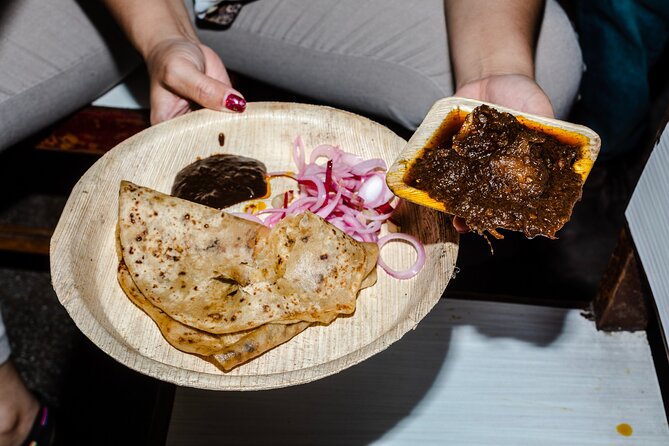
From there, the tour moves to a very small restaurant known for mutton kosha, a slow-cooked Bengali mutton curry. The shop has been preparing the dish for more than a century, so the appeal is not just the seasoning. You are tasting a dish in the kind of place where a local specialty has been repeated and refined over generations.
Mutton kosha is one of the dishes most often singled out in the feedback, and it is likely to be a highlight if you enjoy strong spices and tender meat. Portions are part of a larger tasting sequence, but the number of stops means you should not treat the first plate as an ordinary full meal.
Avik uses these early stops to tell stories of old Calcutta. That context adds value. Instead of hearing a generic explanation of Bengali cuisine, you learn why certain foods belong to particular communities, streets, and old businesses.
Seafood at Kolkata’s celebrated local restaurants
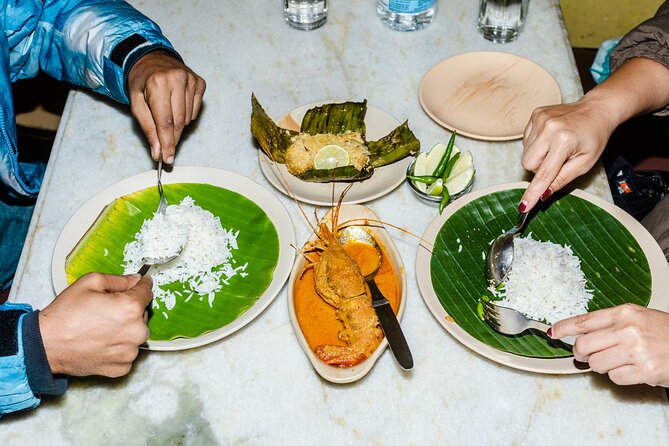
The next part focuses on seafood. You try prawns in a chingri coconut cream sauce and a curried fish mousse steamed inside a banana leaf.
These are more than quick street snacks. They show a different side of Bengali food, where river and coastal ingredients meet mustard, coconut, spice, and careful steaming. The banana leaf preparation also gives you a useful sense of how cooking methods affect aroma and texture.
The seafood stop should appeal to adventurous eaters, but it is also a point to consider if you have allergies. The tour is not suitable for people with food allergies, and there is no promise that seafood dishes can be replaced.
After eating, you board one of Kolkata’s old wooden rickshaws. The experience description notes that these carts are now found only in Kolkata within India, making the short ride part of the city lesson rather than just a way to save your feet.
The rickshaw section is brief, but it changes the pace. You are no longer simply walking from one restaurant to another. You are moving as local residents have moved through these neighborhoods for generations.
Same appetite, a different neighbourhood:
- Delhi: Old Delhi Street Food Tour with Rickshaw Ride
★ 4.9 · 403 reviews - Delhi Food Walk: Rickshaw Ride, Street Eats & Market Tour
★ 5.0 · 401 reviews - Old Delhi Food Tour: A Night Time Feast
★ 5.0 · 326 reviews - Jaipur Bazaar & Food Walking Tour
★ 5.0 · 281 reviews
A prawn kabiraji in a legendary old kitchen
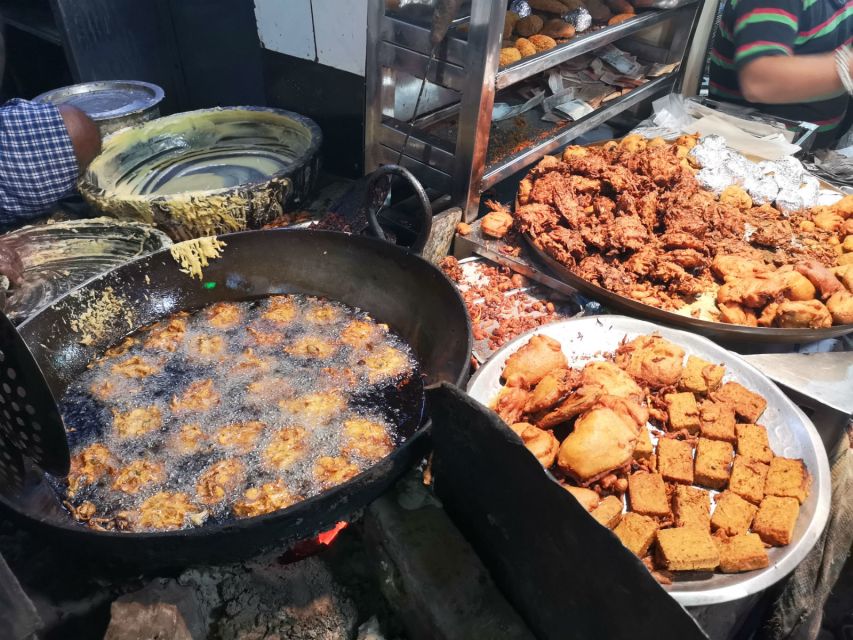
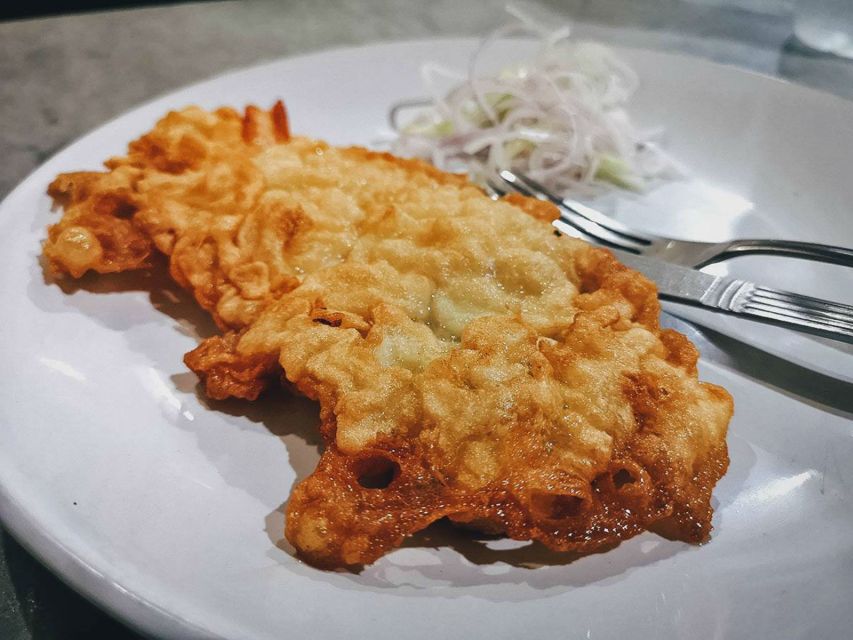
Another major food stop is prawn kabiraji, served at a kitchen founded by a Scot in the nineteenth century. The dish is known for its crisp coating around a prawn, and it gives the tour another angle on Kolkata’s layered food culture.
Kolkata’s cuisine has been shaped by Bengali traditions as well as outside influences, including British-era institutions and older commercial neighborhoods. A dish served in a long-running kitchen can show that history in a more direct way than a museum label.
This is also where the tour’s pacing becomes important. You are not sitting down for a long meal at each stop. You sample, listen, move on, and return to food from a different setting. I like that format because it gives you breadth without asking you to spend four hours in one restaurant.
Still, the pace may feel brisk if you prefer leisurely meals. The tour packs at least 13 tastings, local transport, neighborhood walking, and historical explanation into four hours. It is designed for movement and variety, not for lingering over one dish.
A quieter walk through old Kolkata
Kolkata can feel loud and packed near its main roads, but the route moves into quieter neighborhoods. Along the way, Avik points out temples, old buildings, and ordinary local life.
This walking portion is one of the strongest reasons to book the tour. Food gives you a reason to enter the area, but the walk helps you notice the city between meals. You may see details that are easy to miss from a car, such as old architectural fittings and traces of earlier eras. One person particularly noticed an old gaslamp bracket from the period when Kolkata’s streets were lit by gas.
The neighborhoods are not presented as a polished sightseeing set. Their appeal comes from the everyday details: narrow streets, working shops, temples, students, residents, and old buildings that still serve practical purposes.
Wear comfortable shoes. The tour operates in all weather, so take an umbrella if rain is likely. Kolkata’s weather can make a four-hour outdoor food tour feel very different from one season to another.
Onion bhajis, gram salad, and food from the street
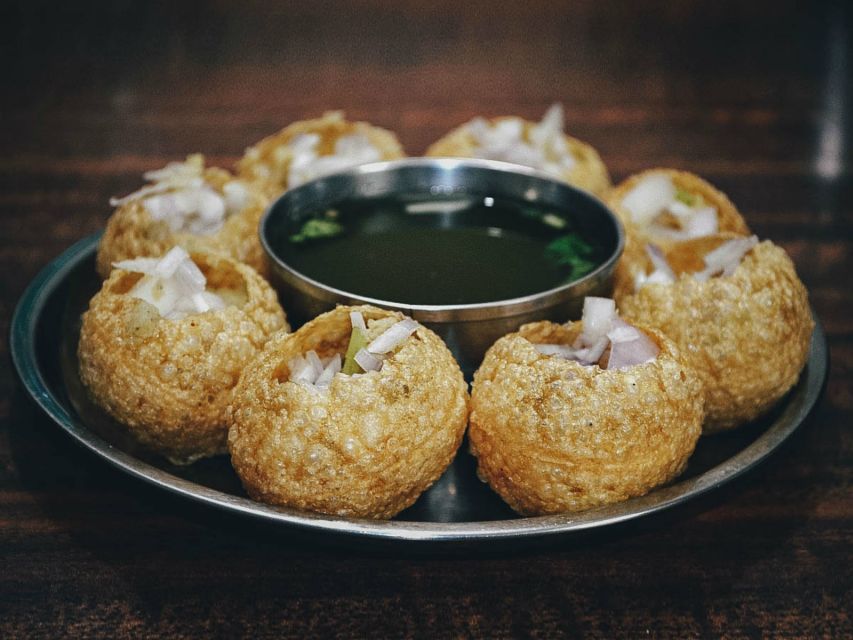
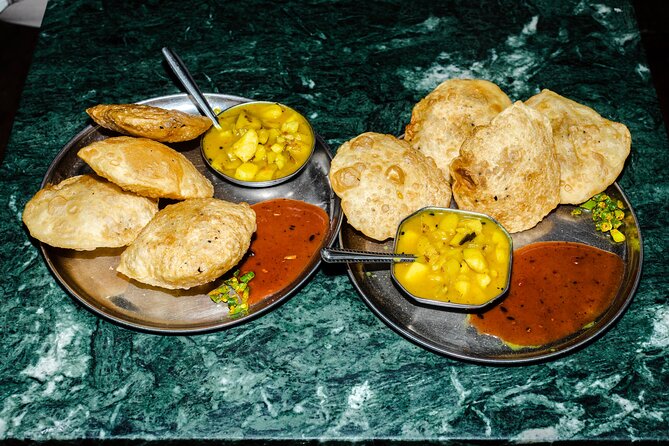
The next tastings bring you back to smaller snacks. You may try the city’s famous onion bhajis and a sharp, fresh gram salad made with herbs and pulses.
These dishes help balance the richer meat and seafood courses. The gram salad adds pulses and herbs, while the fried onion snack brings crunch and spice. The sequence is thoughtfully varied, with different textures and cooking methods rather than a line of similar fried foods.
This is also the part where expectations matter. Street vendors may have single-item menus and limited ability to prepare alternatives. Vegetarians and people with lactose intolerance may receive two or three fewer tastings out of the total fifteen, and the tour does not offer substitute dishes at every stop.
That does not make the tour impossible for every vegetarian, but it does reduce its value. If food restrictions shape your whole trip, contact the provider before booking. The supplied information specifically says the experience is not suitable for vegetarians or people with lactose intolerance, so meat and dairy-free eaters should choose another activity.
College Street and the coconut sherbet stop
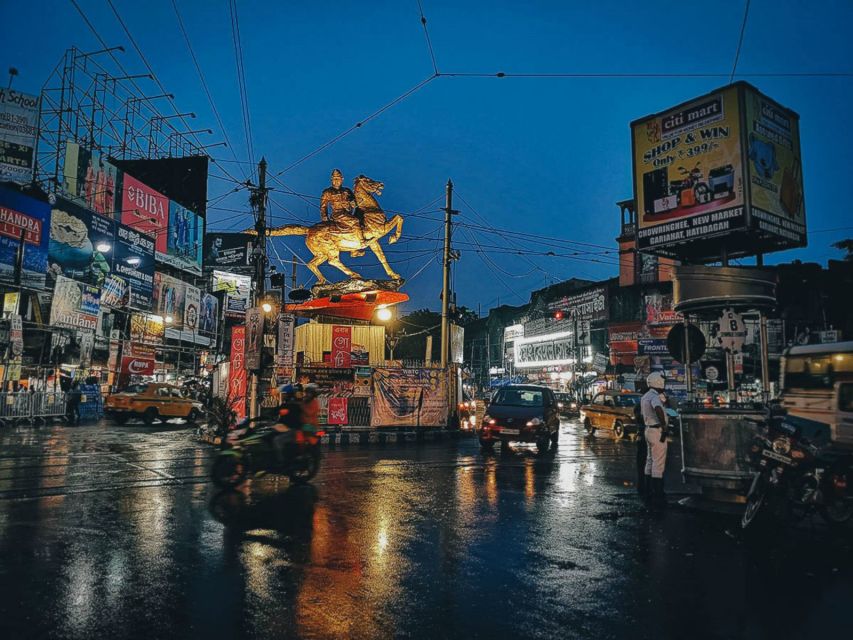
The route continues to College Street, one of Kolkata’s best-known areas for books and university life. Stacks of schoolbooks line the street, and students pass through on their way back from lectures.
This is a useful shift from food-only sightseeing. College Street gives you a window into the city’s intellectual side, and the tour places that setting beside a local café stop for coconut sherbet.
The drink is a refreshing pause after several savory tastings. Another drink highlighted by the food sequence is paan sherbet, which has a distinctive flavor and is often remembered as one of the more unusual tastes of the evening.
You then visit a sweet shop for Bengali treats. Sweets are central to the region’s food culture, and this stop gives you the chance to try them in the setting where local customers buy them, rather than as an afterthought at a hotel restaurant.
Because the menu includes dairy-heavy items, this is another difficult stop for people with lactose intolerance. The lack of alternatives is worth taking seriously.
Ending in a colonial coffee house
The final stop is an old colonial coffee shop with ceiling fans, traditional waiter uniforms, and students debating around the tables. It sounds like a fitting end because the setting brings together several themes from the tour: old Kolkata, student life, public conversation, and food as a social habit.
Coffee provides a calmer finish after the constant movement of the earlier stops. You can sit, talk, and reflect on the neighborhoods you have crossed. The atmosphere is part of the experience, but it is not presented as a polished modern café. The faded grandeur and old-fashioned service are the point.
The evening does not end at a hotel. You make your own way back, although one guide helped arrange a taxi for a participant. Hotel pickup and drop-off are not included, so plan your return before the tour begins. Uber is recommended for fixed pricing, and you need mobile data, Wi-Fi, an international plan, or a local SIM to use it.
What the 40 dollar price really buys
At $40 per person, this is a strong value if you would otherwise pay separately for a meal, transport, and a guided neighborhood walk. The price includes the expert guide, local transport, a 15-taster menu at several locations, bottled water, and local taxes.
You are not only paying for food. You are paying for access to small establishments, route planning, translation or ordering help where needed, and the confidence to eat in places you might not find alone. The transport also adds real value, especially the wooden rickshaw and the chance to use Kolkata’s public system.
Alcohol is not included. Hotel pickup and drop-off are also excluded, so allow for a small extra cost if you need a taxi before or after the tour.
The value is lower if you cannot eat meat, seafood, dairy, or foods prepared in places with limited allergy controls. In that case, several of the headline tastings may be unavailable, and there are no guaranteed substitutes.
Who should book this Kolkata food tour?
I would choose this tour if you want food tied closely to place and history. It suits first-time visitors who want help getting beyond central Kolkata, as well as returning visitors who want a more local evening.
It is especially good for you if you:
- Enjoy trying unfamiliar dishes
- Like walking through older neighborhoods
- Want to use public transport rather than stay in a private vehicle
- Prefer a small group
- Care about the stories behind restaurants and recipes
- Can manage a large number of tastings in four hours
I would hesitate if you need a slow, formal dinner, dislike public transport, have serious food allergies, or require vegetarian or lactose-free alternatives. The food is the focus, but the format is active and the route is not built around dietary flexibility.
Booking ahead is sensible because the group is limited to eight people. You can cancel up to 24 hours before the start for a full refund, and reserve now while paying later if that option is available at booking.
My verdict on Bengali Nights Kolkata
This is a well-priced way to meet Kolkata through its kitchens, streets, transport, and old public spaces. The most valuable part is not any single dish, though the mutton kosha, seafood, prawn kabiraji, sweets, and sherbets give the evening plenty of memorable stops.
I like the balance of food and place. Avik’s role is central because the tour depends on his ability to explain what you are eating and why each location matters. The strongest praise consistently focuses on his passion for Kolkata, his clear local knowledge, and the care he takes with the group.
Book it if you want a generous tasting menu and a moving lesson in Kolkata’s culture. Skip it if your diet rules out much of Bengali cooking or if you want a quiet restaurant meal. For adventurous eaters who want to see the city from street level, $40 buys a very full evening.
FAQ
Where does the Bengali Nights Kolkata Food Tour begin?
Meet your guide at Exit Gate 4 of Esplanade Metro Station, at street level on S.N. Banerjee Road, in the New Market Area of Kolkata.
How long does the tour last?
The tour lasts four hours. Starting times vary, so check availability when booking.
How many people can join the tour?
The small group is limited to eight participants.
What language is the tour conducted in?
The live tour guide speaks English.
How many foods and drinks are included?
The experience includes 13 or more Bengali dishes and drinks. The included menu is also described as a 15-taster menu served at multiple locations.
What foods might I try?
Possible tastings include lassi, mutton kosha, prawns in chingri coconut cream sauce, curried fish mousse steamed in banana leaf, prawn kabiraji, onion bhajis, gram salad, coconut sherbet, Bengali sweets, and coffee.
Is the tour suitable for vegetarians?
It is not designed for vegetarians. Because some vendors offer only one dish, vegetarians may receive two or three fewer tastings, and alternatives are not available at every stop.
Can I join if I have lactose intolerance or food allergies?
The tour is not suitable for people with lactose intolerance or food allergies. People with lactose intolerance may miss several tastings, and replacement dishes are not guaranteed.
Is hotel pickup included?
No. Hotel pickup and drop-off are not included. You meet at Esplanade Metro Station, and you can use public transport or arrange your own taxi afterward.
New food tours we have reviewed in India
- Sowcarpet Street Food Walking Tour in Chennai with guide★ 5.0 · 83 reviews
- Food Trail Through Sowcarpet Market: A Taste of Chennai★ 5.0 · 38 reviews
- Street Food walking tour in Bangalore with a food evangelist★ 5.0 · 83 reviews
- Filter Kaapi: A food walk by tourism ministry approved company★ 5.0 · 26 reviews
- Amritsar Food Walk With Hidden Gems★ 5.0 · 59 reviews
- Flavours of Agra Food walk★ 5.0 · 25 reviews
- The Great Indian Food Tour: Old Delhi Food and Heritage Walk★ 5.0 · 106 reviews
- Old Delhi Street Food Tour★ 4.8 · 40 reviews
India Food Tours, compared.
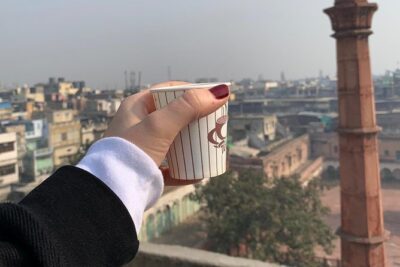
The Great Indian Food Tour: Old Delhi Food and Heritage Walk
Read our review →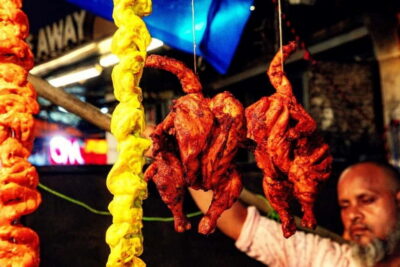
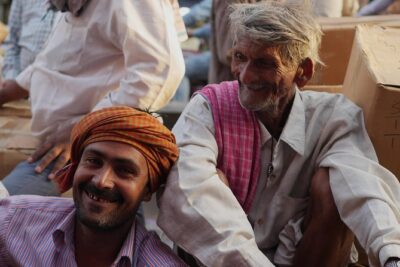
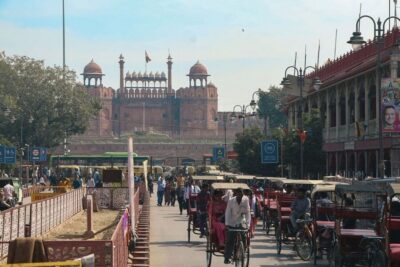
Delhi: Old Delhi Street Food Tour with Rickshaw Ride
Read our review →
Delhi Food Walk: Rickshaw Ride, Street Eats & Market Tour
Read our review →
Browse the lists this tour appears in