
Review · FOOD WALKING TOURS
Jaipur Bazaar & Food Walking Tour
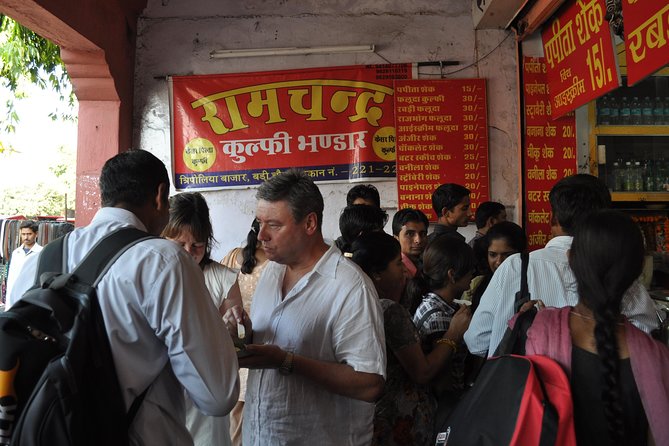
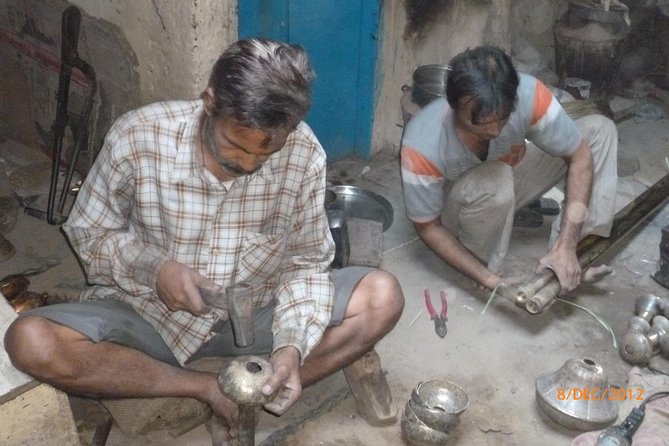
Jaipur’s old city is best understood at walking speed, one narrow lane and one food stall at a time. This three-hour bazaar walk takes you through the Pink City’s working markets, where bangle-makers and silversmiths still practice traditional trades.
I like the small group limit of 10, which gives you a better chance to hear the guide in noisy streets. I also like the food sampling, especially the chance to try samosa, lassi, and kulfi rather than simply looking at Jaipur’s shops from a vehicle. The main drawback is the meeting point: the address is detailed, so confirm it carefully before setting out.
Key points
- Traditional craft shops: See bangle-makers and silversmiths at work in Jaipur’s old markets.
- Small-group format: The tour is capped at 10 people, useful in crowded backstreets.
- Local food tasting: Sampling includes samosa, lassi, kulfi, and other sweet and savory treats.
- Strong cultural focus: Your guide explains customs, family stories, and Jaipur’s long connection with skilled artisans.
- Central walking route: The tour starts and ends at Roop Rani Bangles near Badi Chopad.
- Good afternoon timing: The 12:30 pm start fits neatly into a day of sightseeing in the Pink City.
Why Jaipur’s bazaars deserve a walking tour
Jaipur was founded in 1727, and its old city was shaped by royal support for craftsmen and artisans. That history is not presented as a distant museum display here. You see it in the shops, tools, goods, and working streets of the Pink City.
The appeal is simple: a car can show you Jaipur’s grand buildings, but it cannot give you the same feel for the small commercial lanes. On foot, you can stop at an artisan shop, watch a craftsperson work, and hear how local families fit these trades into daily life.
I find this kind of tour useful early in a Jaipur visit because it gives the city a human scale. The Pink City can look like one large block of pink walls and busy roads at first. A guide helps you read the details: which lanes serve which trades, why certain goods matter, and how food, family, faith, and commerce meet in the old city.
You should also set your expectations correctly. This is not a palace tour, a museum visit, or a full survey of Jaipur’s landmarks. It is a close look at the old city’s markets and customs, with food along the way.
More Food Walking Tours in India
- Delhi Food Walk: Rickshaw Ride, Street Eats & Market Tour
★ 5.0 · 401 reviews - Private Guided Non-Veg Street Food Walking Tour in Muslim Quarter
★ 5.0 · 140 reviews - Agra: Street Food Walking Tour, Spice Market, & Tuk-tuk Ride
★ 4.9 · 102 reviews
Starting at Roop Rani Bangles near Badi Chopad

The meeting point is Roop Rani Bangles, Shop No. 18, at Khanda Hawa Mahal, Badi Chopad, in the J.D.A. Market area. The listed start time is 12:30 pm, and the walk returns to the same meeting point.
The address deserves attention. Jaipur has several places associated with Hawa Mahal, and the meeting details include several neighborhood names. One participant had first misunderstood the location and went to a shop near Hawa Mahal, while the guide was waiting in front of the palace. Contact was made through WhatsApp, and the guide came to the correct location.
That is a useful warning, not a major flaw. Before leaving your hotel, check the exact shop name and location. Save the meeting point on your phone, allow extra time for Jaipur traffic, and keep the tour provider’s contact details handy. A few minutes spent confirming the start can prevent a frustrating opening to the afternoon.
The tour returns to the starting point, which makes the logistics easier. You are not left at an unfamiliar end point, and you can plan the rest of your day around a known location in the old city.
Walking through the Pink City’s artisan lanes
The heart of the tour is the walk through Jaipur’s bazaars and backstreets. You move through the same broad old-city setting that makes Jaipur famous, but the focus is on daily work rather than postcard views.
The guide points out artisan shops where bangle-makers and silversmiths work. These stops give the tour its strongest sense of place. A bangle is not just a souvenir in this setting. It is part of local dress, gifting, family life, and Jaipur’s long craft tradition.
Watching a craftsperson work also changes the way you shop. Instead of seeing a finished piece as a colorful object on a shelf, you begin to notice the labor behind it. You might find yourself looking more closely at materials, patterns, and handwork. The tour does not promise a formal workshop, so you should think of these as observation stops rather than hands-on lessons.
The small group matters here. A group of up to 10 people can pause in a narrow shop without taking over the space. It also gives the guide a better chance to answer questions and keep everyone together as the route moves through crowded lanes.
The tradeoff is that old-city walking is not polished sightseeing. The streets can be busy, close, and confusing. You will need to stay alert, follow the guide, and accept that the pleasure comes from the real working setting, not from a carefully arranged show.
Local families and customs beyond the shopfront
A good bazaar walk should explain more than what is being sold. This one is designed to introduce you to local customs and distinct cultural practices, including stories from Jaipur families.
That personal angle is important. A city’s traditions make more sense when connected to people who live with them. Hearing from local families can help you understand how craft work, food, and neighborhood life continue across generations.
The information provided does not name the guide, so you should not book this expecting a particular individual. What you can expect is a local guide who interprets the markets and provides context as the group walks.
I especially like the promise of family stories because they keep the route from becoming a simple shopping circuit. You are not only being shown what to buy. You are given a way to think about the people, customs, and working traditions behind the goods.
Still, the experience depends in part on the day’s access and the flow of the markets. Shops are working businesses, not museum rooms. A craftsperson may be busy, a lane may be crowded, or a stop may be shorter than expected. That is part of the setting, but it means you should come ready for an informal walk rather than a fixed performance.
More Market Food Tours in India
- Mumbai: Street Food and Night Markets Tour
★ 4.9 · 719 reviews - Mumbai Street Food Tour with Evening Bazaar Walk
★ 4.9 · 79 reviews - Delhi: Old Delhi’s Street Food, Temples & Spice Market Tour
★ 5.0 · 30 reviews - Agra: Sadar Bazar Food Market Night Walking Tour by Tuk-Tuk
★ 4.9 · 25 reviews
Samosa, lassi, and kulfi on the route
The food tasting is included in the price and is one of the clearest reasons to choose this tour over a basic city walk. You sample both sweet and savory items, including samosa, lassi, and kulfi.
A samosa gives you a hot, savory snack with a familiar place in North Indian street food. Lassi brings a cool yogurt drink into the mix, while kulfi provides a dense, frozen sweet. Together, these samples give you three different textures and flavors during a short walk.
The food is not presented as a full meal. You should have a normal breakfast or early lunch before the 12:30 pm start, especially if you expect to be hungry after several hours on foot. Street food portions and exact items can vary, but the listed tasting gives you a useful introduction without committing you to a long restaurant meal.
Bottled water is included too. That is a small but welcome detail for an afternoon walk in Jaipur. You should still dress for warm conditions and bring any personal drinks or snacks you may need, since no full meal or private transport is included.
Food also helps explain the city in a way that sightseeing alone cannot. A market is not only about objects and buildings. It is also about what people eat during the day, what they share, and how vendors fit into neighborhood life.
What the $37 price really covers
At $37, this is priced as a modest small-group cultural tour rather than a simple self-guided walk. You are paying for a local guide, a planned route through the old city, cultural explanation, artisan stops, street food sampling, and bottled water.
The value is strongest if you want interpretation. You can walk through Jaipur’s bazaars for free, but it is harder to know which shops and trades matter, how to approach local working spaces, or what the customs mean. A guide gives structure to a setting that can otherwise feel like a blur of color, traffic, merchandise, and noise.
The maximum group size of 10 improves the value. It is not a private tour, but it is far more personal than a large coach group. You can ask questions, hear explanations, and keep a closer connection with the guide.
The price is less compelling if your main goal is shopping or sightseeing at your own pace. The route is only about three hours, and private transport is not included. You are buying local context and food samples, not a transfer service or a full-day city tour.
For many visitors, the best use of the tour is as an introduction. Afterward, you can return to a market area that caught your attention, now with a better idea of what you are seeing.
Who will enjoy this three-hour walk
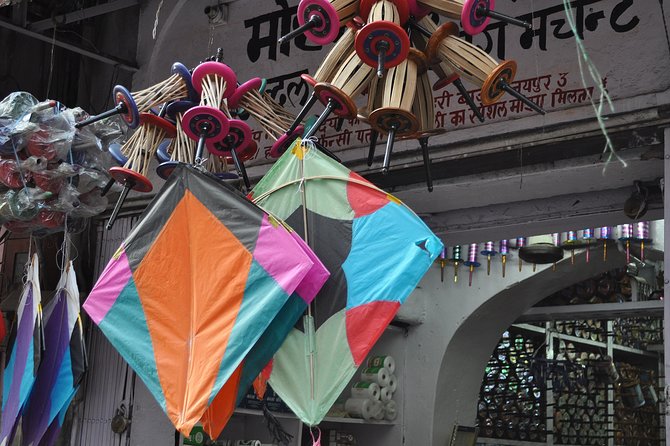
I would recommend this experience to you if you enjoy cities through local streets, food, and working traditions. It is a good match for first-time visitors who want more than Jaipur’s major monuments, and for repeat visitors who want a closer look at daily life in the old city.
It also suits people who prefer a small group. Ten is still a group, but it is compact enough for conversation and easier movement through narrow lanes.
The tour can work well for solo visitors because the format provides company without the cost of a private guide. Couples and families with older children may also appreciate the mix of crafts and snacks.
You may want to skip it if walking through crowded markets is tiring for you, or if your priority is a carefully timed list of major sights. The experience is built around the bazaar atmosphere, so the route may feel less predictable than a monument tour.
Most people can participate, according to the activity information, but you should still consider your own comfort with several hours of walking in busy streets. No private transportation is provided.
Timing, weather, and practical planning
The 12:30 pm start gives you a useful morning for another Jaipur sight, though you should leave enough time to reach Badi Chopad. The walk lasts about three hours and finishes at the original meeting point.
Because the activity takes place outdoors, good weather matters. If poor weather causes cancellation, you are offered another date or a full refund. The standard cancellation policy allows a full refund if you cancel at least 24 hours before the start time. Changes or cancellations made inside that window are not accepted.
Wear comfortable shoes and keep your belongings secure. Those are sensible precautions for any busy market walk, especially when you are stopping in small shops and moving through backstreets.
A mobile ticket is provided, so keep the booking information available on your phone. Most importantly, confirm the exact start location. The meeting point is not simply somewhere near Hawa Mahal. It is Roop Rani Bangles, Shop No. 18, at the listed Badi Chopad market address.
How this tour fits into a Jaipur itinerary
This walk works best when paired with Jaipur’s grand sights, not used as a replacement for them. You can spend another part of your stay visiting palaces, forts, or other major landmarks, then use this tour to see how the city functions at street level.
The route’s central setting also makes it practical for a day focused on the Pink City. Since the activity ends where it begins, you do not need to arrange a pickup from an unknown neighborhood afterward.
I would schedule it on a day when you are not already overloaded with walking. Three hours in a market can be more demanding than three hours in a quiet museum, especially in warm weather and crowded lanes.
The food samples are a pleasant bonus, but the lasting value comes from the connections between craft, family, custom, and commerce. If you pay attention, you will leave with more than a few tastes and shopping ideas. You will have a clearer sense of why Jaipur’s old markets still matter.
Should you book the Jaipur Bazaar and Food Walking Tour?
Book it if you want a small-group introduction to Jaipur’s working markets, with local explanation and simple street food included. The combination of artisan shops, family stories, and samosa, lassi, and kulfi gives the afternoon a clear purpose.
The $37 cost is fair for a capped group of 10 and a guided route, especially if you value context more than transportation. Just confirm the meeting point carefully, expect a real city walk rather than a polished attraction, and arrive ready for crowded backstreets.
Skip it if you want a private vehicle, a full meal, or a tour centered on Jaipur’s major monuments. For an approachable look at crafts, customs, and food in the Pink City, this is a useful and well-focused choice.
FAQ
Where does the Jaipur Bazaar and Food Walking Tour start?
It starts at Roop Rani Bangles, Shop No. 18, Khanda Hawa Mahal, Badi Chopad, J.D.A. Market, Kanwar Nagar, Jaipur, Rajasthan 302002, India.
What time does the tour begin?
The tour starts at 12:30 pm.
How long does the experience last?
The walking tour lasts approximately three hours.
Where does the tour end?
The activity ends back at the meeting point.
How many people can join the tour?
The group has a maximum of 10 travelers.
What food is included?
Street food sampling is included. Listed examples include samosa, lassi, and kulfi, along with other sweet and savory treats.
Is bottled water included?
Yes, bottled water is included.
Is transportation provided?
No. Private transportation is not included, so you need to make your own way to the meeting point.
Can I cancel for a full refund?
Yes. You can receive a full refund if you cancel at least 24 hours before the experience start time. If poor weather causes the activity to be canceled, you are offered another date or a full refund.
New food tours we have reviewed in India
- Street Food walking tour in Bangalore with a food evangelist★ 5.0 · 83 reviews
- Filter Kaapi: A food walk by tourism ministry approved company★ 5.0 · 26 reviews
- Amritsar Food Walk With Hidden Gems★ 5.0 · 59 reviews
- Flavours of Agra Food walk★ 5.0 · 25 reviews
- The Great Indian Food Tour: Old Delhi Food and Heritage Walk★ 5.0 · 106 reviews
- Old Delhi Street Food Tour★ 4.8 · 40 reviews
- Old Delhi Food Tour: A Night Time Feast★ 5.0 · 326 reviews
- Old Delhi: Guided Street Food Tour w/ Private Transportation★ 5.0 · 49 reviews
Food Walking Tours, compared.

Reykjavik Food Walk – Local Foodie Adventure in Iceland
Read our review →
New Orleans Food Walking Tour of the French Quarter with Small-Group Option
Read our review →
Naples: Street Food Walking Tour with Local Guide
Read our review →

Savannah First Squares Culinary & Cultural Walking Food Tour
Read our review →
Rome: Guided Food Walking Tour with Wine in Trastevere
Read our review →

Rome: Trastevere & Campo de Fiori Street Food Walking Tour
Read our review →Browse the lists this tour appears in