Review · STREET FOOD TOURS
Agra: Street Food Walking Tour, Spice Market, & Tuk-tuk Ride
Old Agra is at its best away from the Taj Mahal gates, where the streets narrow, shopkeepers arrange jewelry and cloth in tiny storefronts, and spice shops scent the air. This tour gives you a practical way into that maze, with a tuk-tuk ride, local guide, religious sites, and plenty of small food stops.
I like the mix of history and ordinary street life, especially Jama Masjid, Mankameshwar Temple, and Rawatpara market. I also like the care shown by guides such as Farman and Amir, who help you cross traffic, find food, and get your bearings. The main consideration is that the walking section lasts about 90 minutes, and the tour may include a handicraft shop with a sales pitch.
Key points at a glance
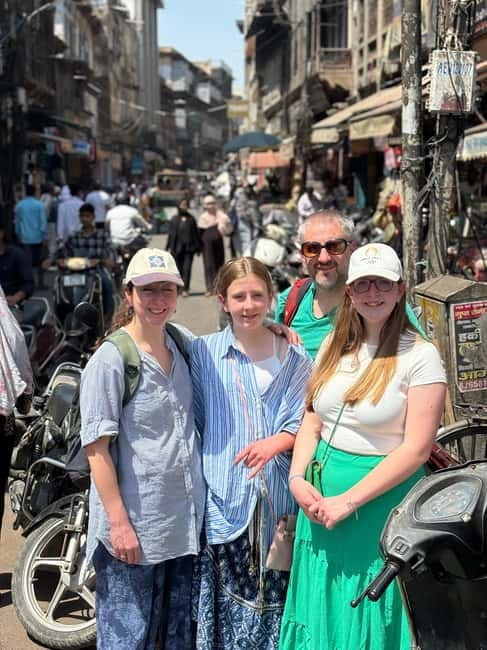
- Old Agra beyond the Taj Mahal: Walk through working markets and narrow lanes that most first-time visitors would struggle to find alone.
- Two important religious sites: Visit Jama Masjid and Mankameshwar Temple, with respectful clothing required.
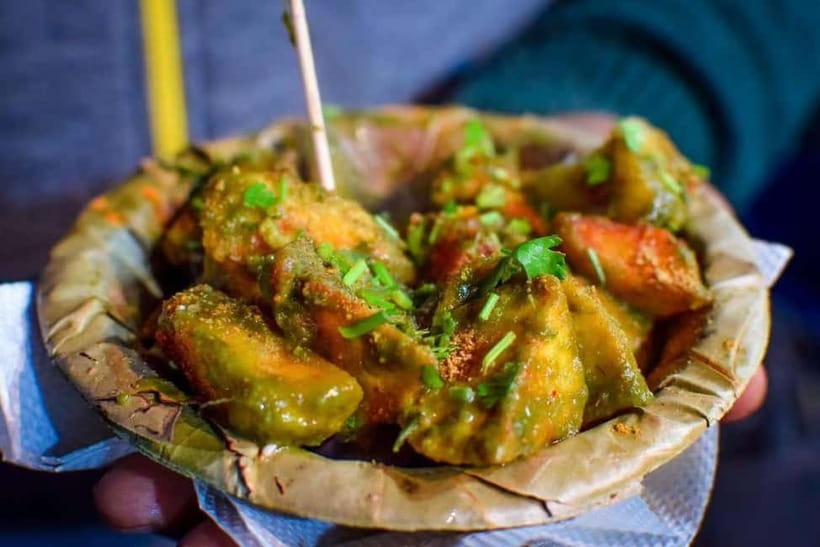
- Street food in small portions: Try samosa, dosa, aloo tikki, pani tikki, sweets, bhalla, chai, and seasonal treats such as gajar ka halwa.
- Tuk-tuk transport included: Hotel, railway station, or agreed Agra pickup and return make this easy to fit into a short stay.
- Strong guide support: Farman and Amir are frequently praised for clear English, local knowledge, patience, and personal attention.
- Good value at $14: The price is low for a guide, transport, sightseeing, and food when the food-inclusive option is selected.
Why this is a smart second act after the Taj Mahal
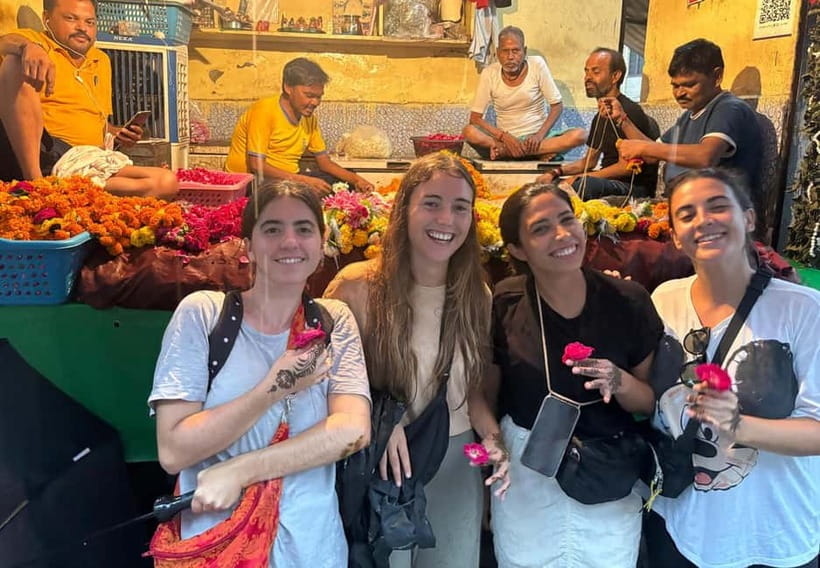
Agra is often reduced to one unforgettable monument. That is a shame. The Taj Mahal deserves its time, but the city around it can feel like a separate world. This experience takes you into Old Agra, where people shop for daily needs, artisans display their work, worshippers visit historic buildings, and food vendors serve the same snacks they sell to local customers.
The tour lasts two to three hours, so it works well after a morning at the Taj Mahal or Agra Fort. The suggested start is from 2 p.m. to 4 p.m. in winter and 4 p.m. to 6 p.m. in summer. Those later hours help you avoid the strongest midday heat, although the lanes may be crowded and the traffic can be intense.
At $14 per person, this is unusually good value if you want an introduction to Agra rather than a long formal sightseeing program. You receive hotel pickup and drop-off, tuk-tuk transport, a private local guide, visits to several areas, and street food if you select the food option. Monument entrance fees and drinks are not included.
One point matters: this is a street food and old-city tour, not a full restaurant dinner. You may taste six or more small items, and some people find the food filling enough for an evening meal. Still, portions vary, and the experience is built around sampling rather than sitting down to a long meal.
More Food Tours by Scooter in India
- Delhi: Old Delhi Street Food Tour with Rickshaw Ride
★ 4.9 · 403 reviews - Delhi Food Walk: Rickshaw Ride, Street Eats & Market Tour
★ 5.0 · 401 reviews - Delhi: Old Delhi City Tour with Tuk-Tuk Ride & Street Food
★ 4.8 · 88 reviews
The tuk-tuk ride sets the tone
Pickup is available from a hotel, railway station, or another agreed location in Agra. The initial ride takes about 15 minutes, followed by another 15-minute transfer at the end. The tuk-tuk is more than a practical taxi here. It places you close to the sounds, smells, and movement of the city.
Agra traffic is not gentle. Cars, scooters, cycle rickshaws, pedestrians, and animals share narrow roads with little spare room. Several guides are praised for keeping a close eye on visitors, and the drivers are used to carrying international visitors. You should still expect an exciting ride rather than a quiet one.
The vehicle is useful because it saves your legs between parts of the old city. The walking itself is manageable for most people who are comfortable on uneven streets, but you should wear good shoes and light, comfortable clothing. The tour is not suitable for pregnant women or people with pre-existing medical conditions.
Jama Masjid and the Mughal heart of Agra
The first major stop is Jama Masjid, the Friday Mosque near the old market area. You get around 30 minutes here for a visit, guided explanation, sightseeing, and photographs.
The mosque offers a clear introduction to Agra’s Mughal-era architecture. Instead of seeing the building only as a photo background, you can ask about its design, religious use, and place in the city. The guide helps connect the monument to the streets around it, where the old commercial center still functions as part of everyday Agra.
Dress properly for this stop. Your knees and shoulders should be covered, and you should follow instructions about footwear and respectful behavior. The mosque is an active place of worship, not simply an attraction, so the pace and access can depend on local conditions.
The visit is brief enough to keep the tour moving, but it gives you an important historical anchor before you enter the food markets.
Mankameshwar Temple, a very different sacred space
A short walk leads to Shri Mankameshwar Mandir, a temple dedicated to Lord Shiva. The setting changes quickly from Islamic Mughal architecture to Hindu worship, giving you a useful picture of Agra’s layered religious life.
The temple is described as ancient, and guides sometimes explain its long connection with local tradition. You should treat any exact age claims carefully, but there is no doubt that this is a place of continuing worship rather than a silent monument.
Allow about 30 minutes for the visit, including the walk, explanation, and sightseeing. Again, covered shoulders and knees are important. The temple can feel more intimate than Jama Masjid, so follow the guide’s instructions and avoid treating active religious practice as a photo opportunity.
I like this pairing because it gives the tour more substance than a simple market walk. You see two major faith traditions within a short distance, then return to the lanes where both form part of daily life.
More Food Walking Tours in India
- Jaipur Bazaar & Food Walking Tour
★ 5.0 · 281 reviews - Private Guided Non-Veg Street Food Walking Tour in Muslim Quarter
★ 5.0 · 140 reviews - Street Food walking tour in Bangalore with a food evangelist
★ 5.0 · 83 reviews - Amritsar Food Walk With Hidden Gems
★ 5.0 · 59 reviews
Rawatpara turns spices into a sensory map
Rawatpara Road is Agra’s spice-market area, and this is where the tour becomes especially vivid in the most practical sense. Shops display sacks, packets, and piles of spices in different colors, while the air carries the sharp smell of chilies, cardamom, cumin, and other ingredients.
The tour includes about 30 minutes for walking, tasting, shopping, and local explanation. You can ask how spices are used in regional cooking, what makes a blend different, and which products are practical souvenirs. Tea and spices are among the purchases people make here.
This is a working market, not a staged food hall. That means tight lanes, uneven surfaces, vehicles passing close by, and shopkeepers focused on business. Stay with your guide and keep your belongings secure. The crowded setting is part of the point, but it may be tiring if you want a slow, quiet stroll.
If you are buying spices, ask about packaging and how much you can realistically carry. The guide can help with choices, but you should decide for yourself what you want to purchase.
Seth Gali is the main food stop
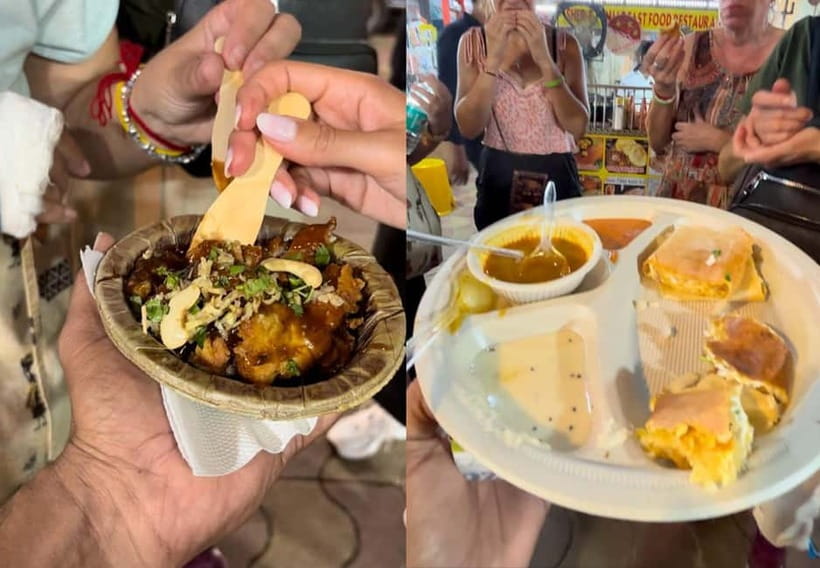
Seth Gali brings the food focus into view. Depending on the day and season, you may sample samosa, dosa, chole bhature, aloo tikki, pani tikki, bhalla, local sweets, and masala tea served in a clay cup.
These are small tastings rather than a fixed restaurant menu. That is helpful if you want variety. You can compare crisp, fried snacks with spicy sauces, savory potato dishes, lentils, breads, and sweet desserts without ordering a full plate of every item.
The food is local and informal. If you are cautious about street food, look for stalls with steady local business and ask your guide which items are best at that moment. The guide is especially useful here because food quality, freshness, and availability can change during the day.
Some particularly memorable possibilities include bhalla with curry, sweet naan called sheermal, barfi, chom chom, and gajar ka halwa. Gajar ka halwa is seasonal and may be available in winter, when warm carrot dessert is especially welcome. Masala chai in a clay pot gives the stop a simple, distinctly Indian finish.
The food-inclusive option is worth considering if you want the tour to handle the tasting for you. If you prefer to choose each dish yourself, the lower-cost option without food may offer better control. One useful approach is to book the basic version and buy small portions as you go, though you will need to confirm the available booking option and what it covers.
Kinari Bazaar brings shopping into the walk
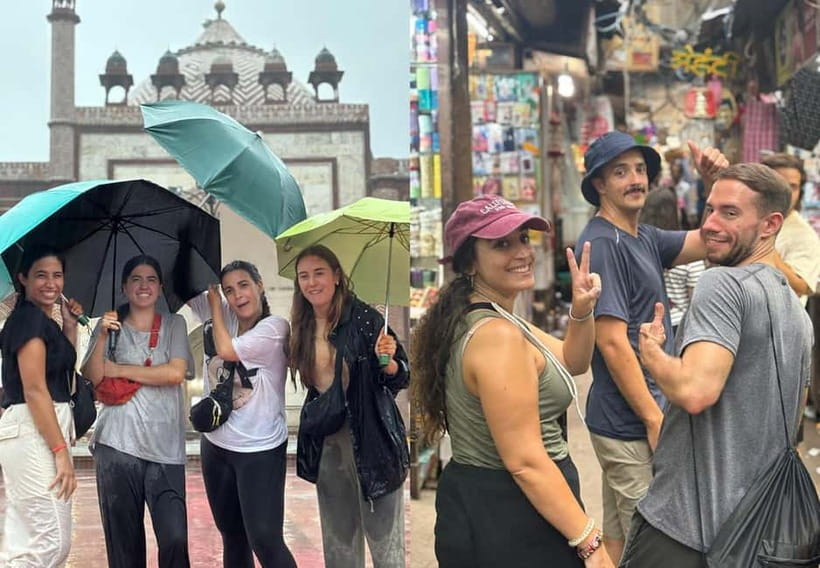
Kinari Bazaar is one of the tour’s most colorful sections, with traditional jewelry, textiles, embroidery, handicrafts, and wedding-related goods. The market is a good place to see how decorative work is sold in real shops rather than displayed behind a museum case.
You get about 30 minutes here for walking, browsing, guided explanation, and shopping. The market can feel like a maze, which is exactly why a local guide helps. You can pause to look at fabrics, jewelry, tea, or small gifts without having to work out the route yourself.
Several guides have also taken visitors to artisan or handicraft workshops, including rug weaving and marble or stone work. These stops can add useful context about Indian craft, but you should know what may follow. Some shops use the demonstration as the start of a sales presentation.
You are not required to buy anything. If you are not interested, say so clearly and politely. Set a budget before you enter, and do not feel responsible for supporting a shop simply because the guide has brought you there. Most of the value of this tour comes from the streets, food, and cultural explanation, not from purchasing a souvenir.
The guides are a major part of the value
The guide can make or break an old-city walk. Farman and Amir are the names most closely associated with this experience, and their strengths are useful in different ways. Farman is often described as attentive, friendly, flexible, and good at explaining Agra’s history, craft, food, and local customs. Amir is praised for clear English, a calm manner, and a talent for making the route interesting.
The guide’s role is practical as well as educational. Old Agra’s lanes are confusing, traffic comes from several directions, and a food stall that looks unremarkable may be worth trying. A good guide keeps you moving safely, explains what you are seeing, and adjusts when you need a shopping stop, extra photos, or a change in timing.
English and Spanish tours are available. If you have food restrictions or strong preferences, tell the guide at the start. One family chose vegetarian food and found plenty to sample, but the supplied information does not promise a special dietary menu, so ask before booking if your needs are strict.
Solo visitors can benefit from the private guide arrangement, especially in the evening. Several people have valued the company and reassurance of having someone attentive beside them in the market.
Timing, clothing, and comfort
The tour is best for people who enjoy walking through active city streets. You should expect roughly 90 minutes on foot, not just a series of tuk-tuk photo stops. Wear shoes that can handle uneven pavement and clothing that covers your knees and shoulders.
The suggested winter departure is 2 p.m. to 4 p.m. The suggested summer departure is 4 p.m. to 6 p.m. Check the exact start time when you book, since availability changes.
Bring water, but remember that drinks are not included. Alcohol and drugs are not allowed. The tour is not designed for pregnant women or people with pre-existing medical conditions.
Traffic noise, smells, dust, crowds, and occasional approaches from beggars are possible in central Agra. Guides have been praised for helping visitors manage these situations, but no escort can remove every part of city life. Keep your expectations realistic and your valuables close.
Free cancellation is available up to 24 hours before the start, and you can reserve now and pay later. That flexibility is useful if your Taj Mahal visit or train schedule may shift.
Who should book this Agra experience?
I would choose this tour if you have already planned the Taj Mahal and want to understand the city around it. It is also a strong first activity in Agra because the guide can give you a sense of local food, neighborhoods, religious buildings, and shopping before you explore on your own.
It suits solo visitors, couples, families with older children, and anyone who wants a short introduction to street food without arranging every stop independently. A 10-year-old enjoyed the route with a guide, but very young children may find the traffic, walking, and crowds tiring.
It is less suitable if you want a polished culinary tour with seated meals, precise portions, or a quiet route. It may also disappoint if you refuse all shopping stops. The craft visits are useful to some people and irritating to others, especially when a demonstration becomes a sales pitch.
Should you book it?
At $14, this is an easy recommendation for a short, practical look at Old Agra, especially with the food-inclusive option. The best parts are the guide-led route through confusing markets, the pairing of Jama Masjid and Mankameshwar Temple, the tuk-tuk transport, and the chance to taste several local snacks in their everyday setting.
Book it if you want street life, local food, and cultural context in a compact format. Skip it if your idea of a food tour requires a formal meal or if you do not want any possibility of handicraft shopping. For most first visits, it is a smart companion to the Taj Mahal, showing you the Agra that a monument-only itinerary misses.
FAQ
How long does the Agra street food tour last?
The tour lasts about two to three hours. The walking portion is roughly 90 minutes, with tuk-tuk transfers at the beginning and end.
Where does pickup take place?
Pickup is available from hotels, railway stations, or another agreed location in Agra. You are returned to your original departure point.
What food can I taste?
Possible tastings include samosa, dosa, chole bhature, aloo tikki, pani tikki, bhalla, local sweets, sheermal, and masala tea. Gajar ka halwa may be available in winter.
Is food included in the $14 price?
Street food snacks and sweets are included if you select the food option. Drinks are not included. Check the chosen option before booking.
Which religious sites are visited?
The route includes Jama Masjid and Shri Mankameshwar Mandir. You should wear clothing that covers your knees and shoulders.
What languages are available?
Live guiding is available in English and Spanish. Guides named Farman and Amir are associated with this experience.
Is the tour suitable for everyone?
You should be comfortable walking through crowded streets and riding in a tuk-tuk. The activity is not suitable for pregnant women or people with pre-existing medical conditions.
More Street Food Tours in India
- Old Delhi Street Food Tour
★ 5.0 · 497 reviews - Mumbai Street Food Tour
★ 5.0 · 269 reviews - Heritage Walk & Street Food Tasting in Jaipur
★ 5.0 · 158 reviews - Mumbai: Street Food Tour
★ 4.8 · 147 reviews
More Market Food Tours in India
- Mumbai: Street Food and Night Markets Tour
★ 4.9 · 719 reviews - Mumbai Street Food Tour with Evening Bazaar Walk
★ 4.9 · 79 reviews - Delhi: Old Delhi’s Street Food, Temples & Spice Market Tour
★ 5.0 · 30 reviews - Agra: Sadar Bazar Food Market Night Walking Tour by Tuk-Tuk
★ 4.9 · 25 reviews
New food tours we have reviewed in India
- Street Food walking tour in Bangalore with a food evangelist★ 5.0 · 83 reviews
- Filter Kaapi: A food walk by tourism ministry approved company★ 5.0 · 26 reviews
- Amritsar Food Walk With Hidden Gems★ 5.0 · 59 reviews
- Flavours of Agra Food walk★ 5.0 · 25 reviews
- The Great Indian Food Tour: Old Delhi Food and Heritage Walk★ 5.0 · 106 reviews
- Old Delhi Street Food Tour★ 4.8 · 40 reviews
- Old Delhi Food Tour: A Night Time Feast★ 5.0 · 326 reviews
- Old Delhi: Guided Street Food Tour w/ Private Transportation★ 5.0 · 49 reviews
Street Food Tours, compared.

Dubai: Old Town, Creek, Museums, Souks, & Street Food Tour
Read our review →
Ho Chi Minh City Street Food Tour & Sightseeing By Motorbike
Read our review →
Dubai: Old Town, Souks, Street Food, Guided Tour & Abra Ride
Read our review →
Naples: Street Food Walking Tour with Local Guide
Read our review →
Small Group Hanoi Street Food Tour with a Real Foodie
Read our review →

Saigon By Night and Street Food By Motorbike | Opt: Ao Dai Riders
Read our review →