
Review · HISTORICAL TOURS
Cebu City: Historical Street and Food Tour
Cebu City’s past is packed into a walkable three hours: a coral-stone house from 1680, the Philippines’ oldest Catholic church, Carbon Market, and the spot tied to Magellan’s arrival. The food keeps the tour grounded in daily life, with balut served alongside other Filipino street snacks.
I like the mix of history and local food, rather than a church tour that leaves you hungry or a market visit without context. I also like the small group size, which gives you room to ask questions and, as guides such as Philip, Philipe, Nacien, and Kyle have shown, can lead to very personal attention.
The main caution is price. At $90 per person for three hours, this is not a cheap walk, and one recent booking found the food only average and felt the route could be done alone. You are paying for a guide, local orientation, safety, and convenience more than for costly admissions or a large meal.
Key points at a glance
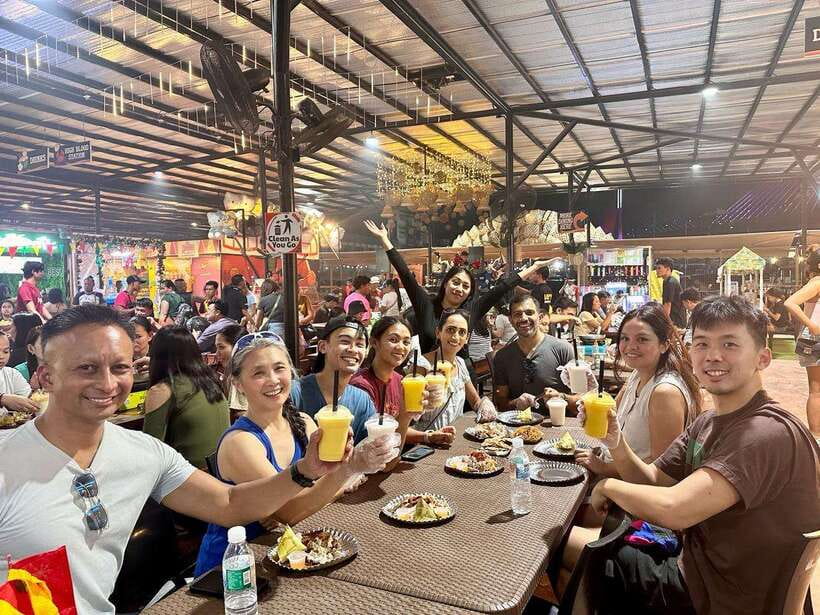
- Balut is part of the experience: You can try the famous boiled salted duck egg, along with other Filipino street food.
- Cebu’s oldest landmarks fit into one route: The walk includes a church dating to 1565, a house built in 1680, and Magellan’s Cross, linked to 1521.
- Carbon Market adds a working-city feel: This former coal depot gives the tour a look at Cebu beyond its formal monuments.
- Small groups make questions easy: The maximum group size is 10, and solo participants may receive especially close attention.
- Expect careful guiding: Philip, Philipe, Nacien, Nescian, and Kyle have all been singled out for friendly, helpful guiding and strong English.
- The walk runs rain or shine: Wear comfortable shoes and clothes, carry cash, and bring a camera.
Why Cebu’s old center works best on foot
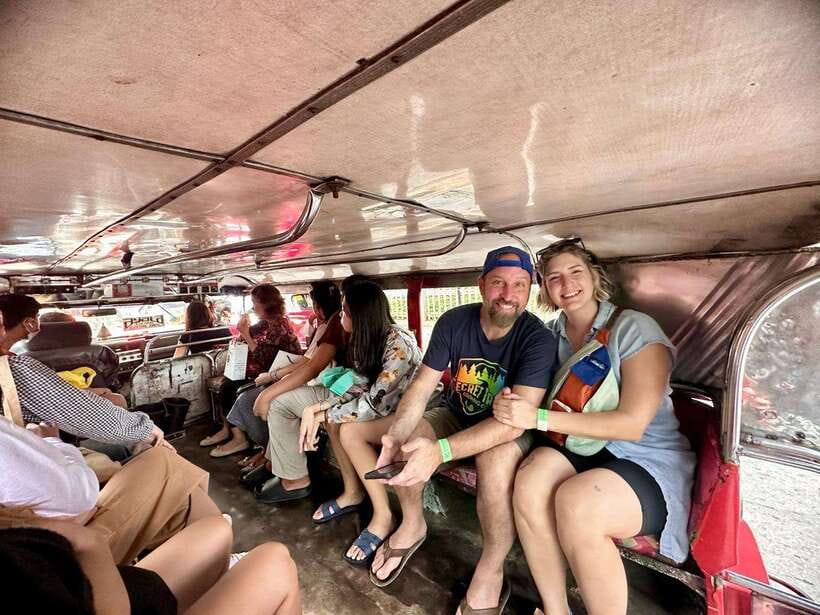
Cebu is the oldest city in the Philippines and was the first Spanish settlement and capital in the country. That gives the central streets a different feel from a modern city sightseeing loop. You are not simply moving between isolated monuments. You are crossing through markets, churches, old houses, and streets where the city’s religious and commercial life still meet.
The three-hour format is useful if you have only a short stay in Cebu or want to get your bearings early. It also keeps the history digestible. You get a chain of important places rather than a long lecture about dates and names.
I would not expect a slow architectural study. This is a walking tour with food stops and several major sights, so the pace needs to keep moving. Your guide is the person who turns the route into a story, explaining why each place matters and helping you make sense of Cebu’s Spanish, Chinese, Filipino, and wartime layers.
The group limit of 10 is a real advantage. In a large party, questions about food or religion can get lost. Here, you have a better chance to ask about what you are seeing, especially if the group is small. One solo participant had the guide’s full attention, while another booking included two guides, Philip and Nacien, who helped make the outing feel safe and relaxed.
More history tours in the world:
- Barcelona: Tapas Walking Tour with Food, Wine, and History
★ 4.8 · 4,261 reviews - Sevilla Food Tour: Tapas, Wine, History & Traditions
★ 5.0 · 3,468 reviews - Madrid Tapas & Taverns Small Group Food & History Tour
★ 5.0 · 2,664 reviews
Starting at Cebu Farmers Market
The food portion begins at Cebu Farmers Market, where your guide introduces you to local ingredients and eating habits. This is a good place to start because Filipino food can be unfamiliar if your only experience is with hotel restaurants or standard tourist menus.
The guide’s role matters here. You can look at food stalls on your own, but you may not know what is being sold, how it is eaten, or which flavors belong together. The tour gives you someone to explain the food as you go, then points you toward samples rather than leaving you to guess.
The experience includes local street food and drinks, although the exact selection can vary. You should carry cash, since that is specifically recommended for the tour. Food is included in the experience, but do not think of it as a full lunch. It is better understood as a series of tastes woven into the walk.
Trying balut without pressure
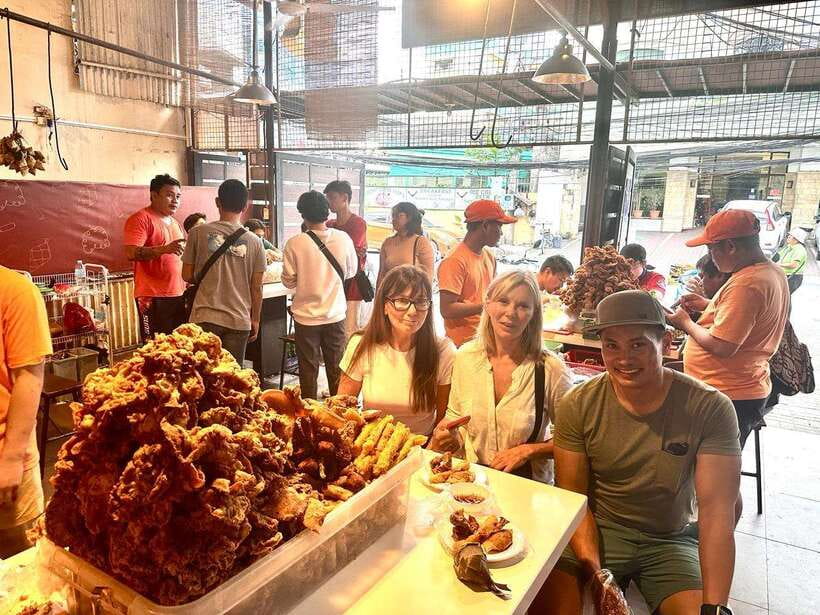
Balut is the most talked-about food on this route: a boiled duck egg traditionally eaten with salt. For some people, this is the tour’s defining moment. For others, it is the one item they may approach with caution.
You can treat it as a cultural tasting rather than a food challenge. The point is to understand a familiar Filipino snack and how it fits into local life. Your guide can help explain what you are eating and how it is traditionally served.
The wider food selection matters because it keeps the tour from resting on one unusual dish. You are also offered other street-food tastes and drinks, with bold flavors and combinations that show more of Filipino eating culture. Still, one booking found the food only average, so I would not choose this tour mainly for a major culinary feast.
If balut is not for you, ask your guide what else is available before you decide. The supplied information confirms that balut is part of the tour, but it does not promise a fixed menu or list every alternative. Bring an open mind, not an expectation of a restaurant meal.
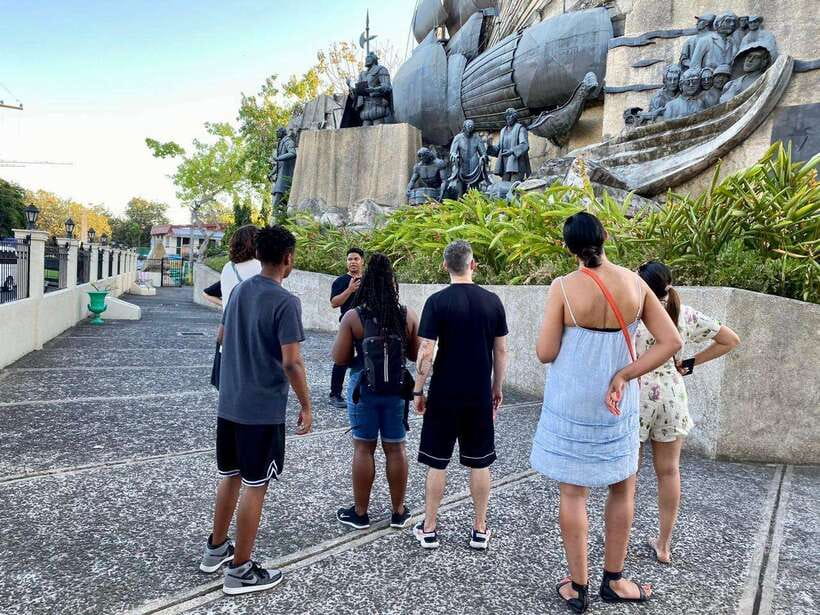
The Heritage of Cebu Monument
The Heritage of Cebu Monument is one of the route’s visual highlights. Its metal sculptures bring together scenes and figures from Cebu’s past in a single public artwork. This helps you see how the city presents its own story, rather than receiving history only through church walls and colonial buildings.
A guide is particularly helpful here because sculpture can be easy to glance at and leave behind. With context, you can connect the figures and scenes to the wider story of Cebu. This stop also breaks up the food and church visits, giving the walk a strong public-art moment.
You should have your camera ready, but remember that this is a street tour rather than a private photo session. The route includes several stops, so your guide will need to keep an eye on time.
More food tours in the world:
- Reykjavik Food Walk – Local Foodie Adventure in Iceland
★ 5.0 · 18,952 reviews - Dubai: Old Town, Creek, Museums, Souks, & Street Food Tour
★ 4.8 · 10,816 reviews - Ho Chi Minh City Street Food Tour & Sightseeing By Motorbike
★ 5.0 · 9,413 reviews - Montserrat Half-Day Tour with Tapas and Gourmet Wines
★ 5.0 · 7,359 reviews
Inside Yap Sandiego Ancestral House
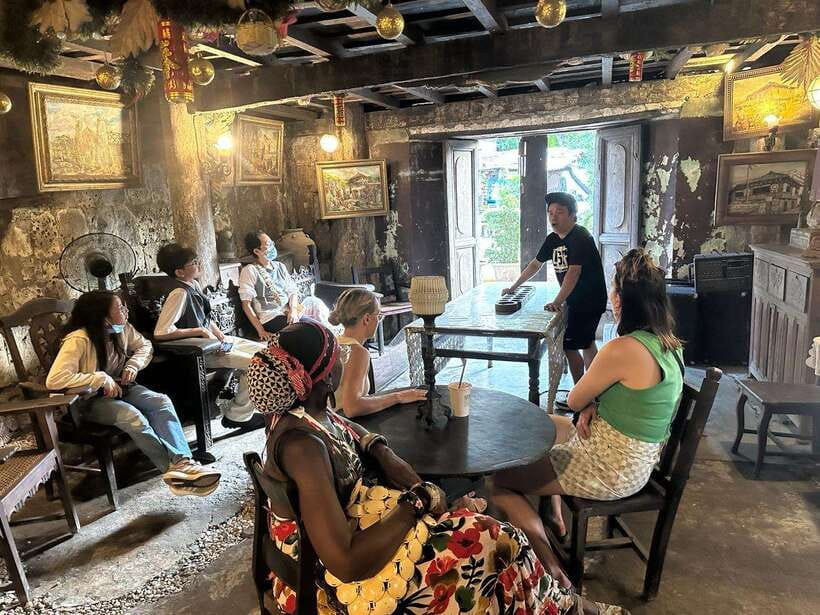
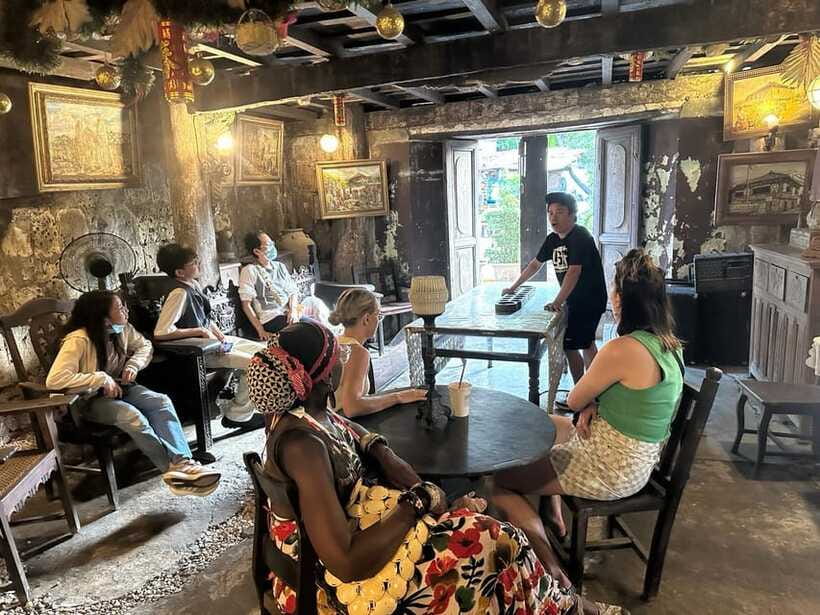
Yap Sandiego Ancestral House was built from coral stone in 1680. That date alone gives the building weight: you are looking at one of Cebu’s old surviving homes, not a modern recreation made to look historic.
The house also brings Chinese and Spanish influences together. That combination is important because Cebu’s story is not only a Spanish one. Trade, migration, local families, Catholicism, and colonial rule all overlap here.
I like this stop because it makes history domestic. Churches and monuments tell you about public power and religion. Ancestral homes show how families lived within that world. The coral-stone construction gives the building a strong sense of age, while the Chinese and Spanish design elements help explain Cebu’s mixed cultural character.
The visit is likely to appeal most to you if you enjoy old houses, architecture, and small historical details. If you prefer action and food, this is a quieter stop, but it gives the route needed balance.
Basilica Minore del Sto. Niño de Cebu
The Basilica Minore del Sto. Niño de Cebu dates to 1565 and is described as the oldest Roman Catholic church in the Philippines. It is one of the tour’s central stops, and it helps explain why Cebu remains such an important religious center.
This is not just another old church on a checklist. Its date connects directly to the Spanish settlement period and to the arrival of Catholicism in the Philippines. Your guide can place the church within Cebu’s wider colonial story, which makes the building easier to understand than it would be on a quick solo visit.
The basilica is also a working place of worship. You should dress comfortably but respectfully, follow any instructions on site, and remember that religious activity may continue during your visit. The tour information does not promise a private entry or a specific amount of time inside, so expect a guided stop rather than a long, unhurried church study.
Carbon Market and Cebu’s working side
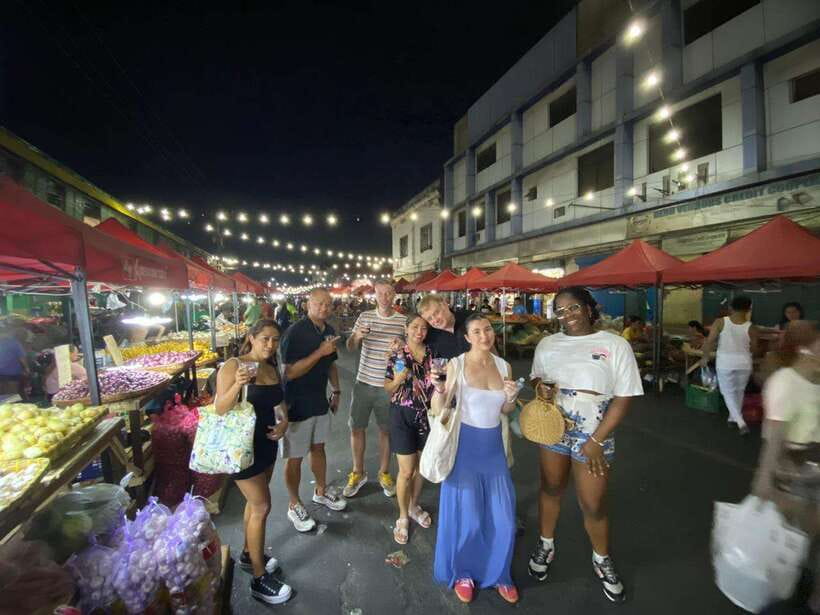
Carbon Market gets its name from the Spanish word for coal. It was once a coal depot, and the name remains as a reminder of the city’s industrial and trading past.
This stop changes the mood. After the formal beauty of the basilica and ancestral house, Carbon Market brings you closer to everyday commerce. You see why a market is a useful part of a city history tour: food, transport, trade, and ordinary routines reveal as much about a place as official monuments.
This is also where a guide can add practical value. Markets can feel confusing when you do not know where to look or how to read what is happening around you. The walk gives you a defined route and someone to help you move through it.
Keep your belongings secure and follow your guide’s directions. One booking specifically appreciated being able to visit Carbon Market and Colon Street with a sense of safety, especially as a solo woman. That does not remove the need for normal city awareness, but it is a useful reason to choose a guided walk rather than going alone.
Magellan’s Cross and Cebu Metropolitan Cathedral
Magellan’s Cross marks the place where a Christian cross was left by Spanish explorers led by Ferdinand Magellan in 1521. It is a short, powerful stop because it connects Cebu to the beginning of Spanish contact and the spread of Christianity in the Philippines.
The site is historically important, but it also needs context. A cross is a simple object. The story around it involves exploration, religion, colonial power, and the reshaping of local history. Your guide helps connect that small marker to the larger story you have been following since the market and the old house.
The final major stop is Cebu Metropolitan Cathedral. The church was destroyed during the Second World War and rebuilt in the 1950s. That gives you another layer of history: Cebu’s past is not only about Spanish-era buildings that survived intact. War damaged the city, and rebuilding became part of its story.
I like the sequence of these stops. Magellan’s Cross takes you back to 1521, while the cathedral shows how a religious building can carry on after destruction. Together, they give you a clear sense of both origin and recovery.
What the $90 price really buys
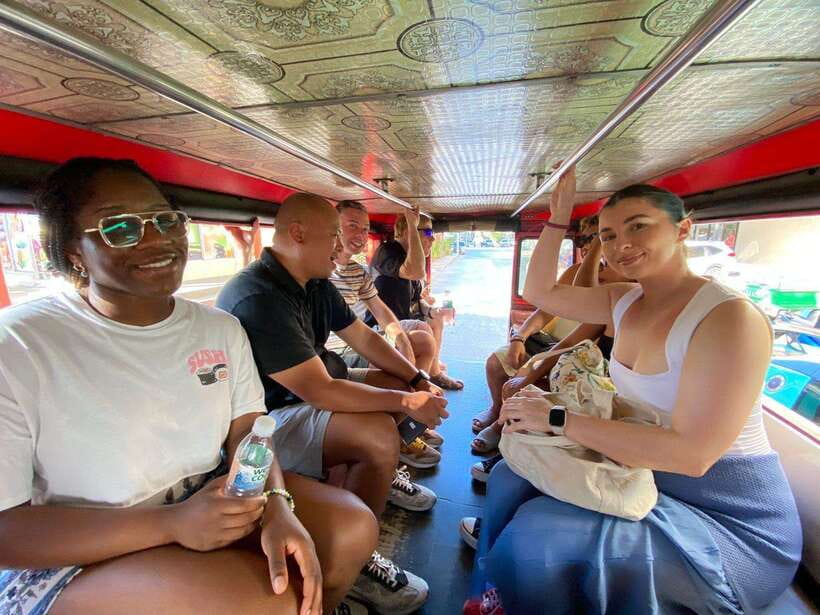
The cost is $90 per person for three hours. That is high for a walking tour in many destinations, and you should judge it against what you value.
You are paying for a live English-speaking guide, food and drink tastings, a small group capped at 10, and help navigating a part of Cebu that can feel unfamiliar. You also get a planned route through major historical sites, with explanations linking them together.
You are not paying for hotel transfer. Pickup is included in the sense that you meet at a designated area, where the guide holds a paper with your name. You can also message the tour’s Facebook page, Cebu City Historical Street and Food Tour, if you need to connect with the operator.
The value improves if you are visiting Cebu for the first time, have limited time, are traveling alone, or want help with Carbon Market and Colon Street. It is weaker if you are comfortable arranging your own route, reading up on the churches, and buying street food independently. One booking made exactly that point and felt the experience was not worth almost $100.
The strong overall score of 4.9 from 31 ratings suggests the guiding is the main reason people find the tour worthwhile, not the food alone. Names that come up positively include Philip, Philipe, Nacien, Nescian, and Kyle. The most consistent praise is for friendly energy, clear English, historical explanations, personal attention, and practical help. Philip even made sure one solo participant could safely catch a taxi home.
Practical advice for the three-hour walk
Wear comfortable shoes. This is a walking route through markets, streets, churches, and old buildings, and you will enjoy it more if your feet are not distracting you.
Comfortable clothes are also recommended. The tour runs rain or shine, so bring suitable protection for the weather and keep your camera ready for the monument, old house, churches, and market scenes. Carry cash for food and small purchases.
Jewelry is not allowed. Leave it at your accommodation rather than bringing it along.
You should arrive at the stated meeting area and look for a guide holding a paper with your name. Since hotel transfer is not included, plan your own way to the starting point and your own return after the tour. The walk ends with a return to your accommodation, but the information provided does not specify private transport, so confirm the final arrangement with the operator.
Free cancellation is available up to 24 hours before the start, and you can reserve now and pay later. Those policies are useful if your Cebu schedule may change, but they do not change the basic calculation: the tour is a premium-priced, guide-led introduction rather than a budget street-food outing.
Who should book this Cebu walk?
I would choose this tour for a first visit to Cebu, especially if you want one compact introduction to the city’s food, churches, markets, and colonial-era landmarks. It also suits solo visitors who would rather have a local guide in Carbon Market and Colon Street, and anyone who likes asking questions as they walk.
It is a good fit if you are curious about balut but want support trying it, or if you want to understand the connection between Cebu’s Spanish settlement, Catholic churches, Chinese influence, and modern street life.
I would hesitate if you are mainly seeking a large meal, a slow private architecture tour, or the cheapest way to see the sights. At $90, the food may not feel generous enough to justify the price by itself, and independent visitors can reach many of these places without a tour.
Book it if context, company, and confidence in the city matter more to you than saving money. Skip it if you already know Cebu well and are happy to plan your own route. For the right visitor, the guide is the product, and the monuments and snacks give that guide plenty to work with.
FAQ
How long does the Cebu City Historical Street and Food Tour last?
The tour lasts three hours.
What language is the tour conducted in?
The live tour guide speaks English.
How many people can join the tour?
It is a small-group experience limited to 10 participants.
Does the tour include hotel transfer?
Hotel transfer is not included. You should wait at the designated meeting area, where the guide will hold a piece of paper with your name.
What food is included?
The tour includes local street-food tastings and drinks. Balut, a boiled salted duck egg traditionally eaten with salt, is specifically included.
Which historical sites are visited?
The route includes the Heritage of Cebu Monument, Yap Sandiego Ancestral House, Basilica Minore del Sto. Niño de Cebu, Carbon Market, Magellan’s Cross, and Cebu Metropolitan Cathedral.
Does the tour operate in bad weather?
Yes. The tour takes place rain or shine.
Can I cancel the booking?
You can cancel up to 24 hours in advance for a full refund. Reserve now and pay later is also available.
New food tours we have reviewed in the world
- ChattaBrunch Food Tour★ 5.0 · 87 reviews
- Downtown Chattanooga Food Tour★ 5.0 · 290 reviews
- Charlottetown waterfront SOLAR PartyBike food & drink experience!★ 4.0 · 92 reviews
- Historic Southside Food Tour in Chattanooga★ 5.0 · 32 reviews
- Tastes Through Time – Charleston’s Best Food & History Tour★ 4.5 · 95 reviews
- Charleston’s Savor the Flavors of Upper King Street Walking Food Tour★ 4.5 · 130 reviews
- Charlottetown Food Walking Tour★ 5.0 · 59 reviews
- Charleston Private Brunch Tour: Biscuits, Shrimps, Grits and More★ 5.0 · 48 reviews
Historical Tours, compared.
Barcelona: Tapas Walking Tour with Food, Wine, and History
Read our review →
Sevilla Food Tour: Tapas, Wine, History & Traditions
Read our review →
Madrid Tapas & Taverns Small Group Food & History Tour
Read our review →
Barcelona Tapas Walking Tour: Food, Wine & History
Read our review →
Boston Food & History: Pizza, North End & Freedom Trail
Read our review →Browse the lists this tour appears in