
Review · COFFEE TOURS
Coffee and Gastronomic Bike Tour in Antigua
Antigua’s cobblestones are only the beginning. This four-hour outing takes you by fat-tire bike from town to Finca La Azotea, where coffee plants, shade trees, museum displays, and tastings turn a ride into a lesson in Guatemalan agriculture.
I like the mix of coffee and local food, and I like the small maximum group of nine. Guides including Pablo, Carlos, Diego, and Farrah are praised for their warmth and strong storytelling. The main drawback is the cycling itself: Antigua’s uneven streets and traffic can be tiring, and you may spend less time riding through the countryside than the name suggests.
- Coffee from plant to cup: See the plantation, learn about harvesting and roasting, and taste Guatemalan varieties.
- Fat-tire bikes for cobblestones: Sturdy bikes make Antigua’s rough streets more manageable, though not effortless.
- San Felipe de Jesus stop: Visit craft sellers, try traditional sweets, and sample fermented drinks.
- Small-group format: The tour accepts no more than nine people, allowing for a more personal pace.
- More than caffeine: Chocolate, candy, savory snacks, local drinks, and a final beer round out the food side.
- Good value at $41: The price covers equipment, admissions, tastings, a guide, and roughly four hours of activity.
Why this Antigua bike tour feels different
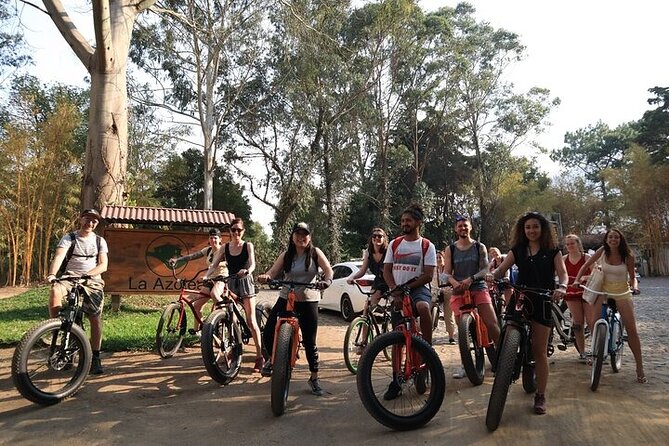
Many Antigua excursions stay inside the old city or drive straight to a coffee estate. This one connects the two by bicycle, so you see a little more of daily life along the way. You pass through the city streets, pedal toward the plantation, and return through local neighborhoods and market areas.
That sounds easy on paper. Antigua’s streets can be rough. The cobbles are uneven, traffic requires attention, and the bikes are heavier than a typical city bicycle. The wide tires help, but they do not remove the need for balance or stamina.
You do not need to be a serious cyclist. Still, I would call this a tour for someone reasonably active rather than someone hoping for a gentle sightseeing ride. Breaks are built into the experience, and several people finish comfortably, but you should feel at ease on a bike before booking.
The strongest feature is the range of subjects. Coffee is the main theme, but the outing also covers chocolate, Guatemalan history, food traditions, crafts, drinks, and community work. It gives you more context than a simple plantation tasting.
Starting in Antigua on a fat-tire bike
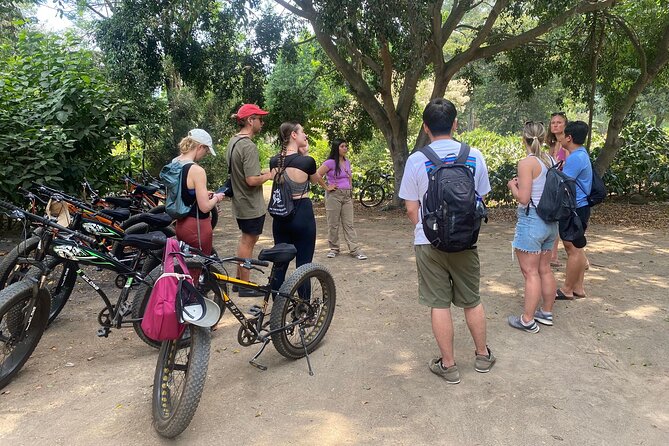
The tour begins at the CA Travelers office at 25 A, 2a Calle Poniente 25. You receive a bicycle, helmet, and water, then set out with a guide. The equipment has earned good marks for condition, and the fat tires are useful on Antigua’s stone streets.
The first part of the ride is not the prettiest or easiest. You need to watch the road, other vehicles, and pedestrians while keeping control over the stones. A guide rides with the group and helps with street navigation, which matters more here than it would on a quiet cycle path.
The exact amount of riding can vary with the pace and stops. Some people expect a long rural cycling route and find that the city section takes more effort than expected. Others enjoy the steady movement and say the ride is a pleasant way to reach the plantation.
Wear clothes you can move in and shoes that grip the pedals. A small backpack is useful if you may buy candy, coffee, chocolate, or crafts, though a backpack can be provided if needed. Bring patience for the streets, and do not treat the four-hour schedule as four nonstop hours in the saddle.
More Coffee Tours in the world:
- Vienna Coffee, Cake & Pastries Tour with Local Stories
★ 5.0 · 470 reviews - Hanoi: Vietnamese Street Food Tour with Egg Coffee
★ 4.9 · 315 reviews - Vienna: Guided Foodie Walking Tour with Tastings and Coffee
★ 4.9 · 246 reviews
Finca La Azotea and the coffee process
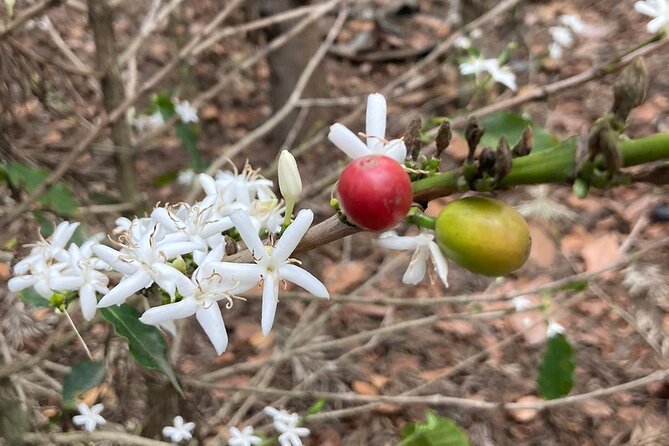
The plantation is the heart of the outing. Bike trails run between coffee plants and shade trees, giving you a quieter setting after the city traffic. The change is noticeable: the ride becomes more open and scenic, with green growing areas and possible volcano views.
At the finca, your guide explains the stages of coffee production. You learn about the plant, picking, drying, roasting, and the factors that affect the final taste. This is useful even if you already drink specialty coffee, since it connects the finished cup to a labor-heavy agricultural process.
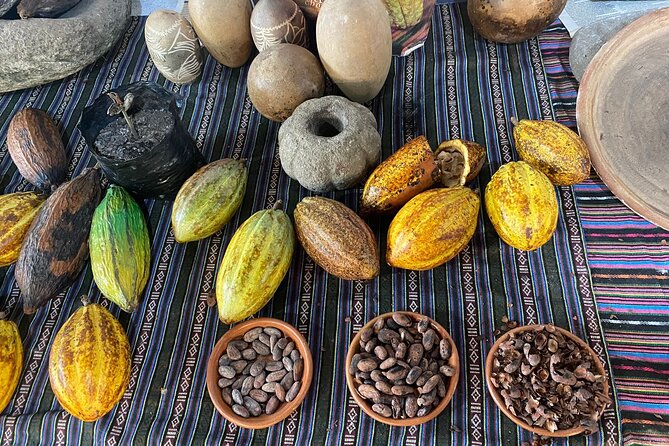
The coffee museum adds historical and practical context. Rather than simply handing you a cup, the visit explains the full path from bean to drink. That makes the tasting more meaningful, especially if you have never visited a plantation before.
The tasting itself needs a small footnote. The program includes samples of different varieties and blends, but some departures provide only one small cup. If your main goal is a long coffee tasting, this may feel limited. The broader experience is better understood as a plantation visit with coffee sampling, not a dedicated café-style tasting flight.
Several tastings may appear around this section of the tour. Chocolate production is included in some versions of the stop, with a short demonstration and samples. Coffee ice cream and other sweets have also appeared during the food portion. Exact samples can change, so arrive expecting variety rather than a fixed menu.
San Felipe de Jesus for crafts and sweets
After the plantation, the group rides about ten minutes to the village of San Felipe de Jesus. This section shifts attention from farming to local making and eating.
The handicrafts market introduces wood and clay work, along with traditional Guatemalan candy making. You can see how ordinary materials become household items, decorative pieces, and sweets tied to local custom. It is a more grounded stop than a polished souvenir shop, although the tour does not promise a particular number of vendors or demonstrations.
The food tastings are one of the best reasons to choose this outing over a plain coffee tour. Depending on the day, you may try handmade sweets, savory food, tostadas, tacos, traditional drinks, or other small bites. One particularly memorable possibility is seeing a local woman prepare doblado over a wood fire, though that kind of spontaneous stop cannot be guaranteed.
The tour also samples fresco de suchiles, a fermented drink often compared with kombucha. Other beverages may appear as well. This gives you a taste of everyday food culture that you might miss if you spend the whole day at formal restaurants.
A practical point: the company says it works with selected vendors and provides filtered drinking water. One critical account raised concerns about street-food hygiene, while the operator said its vendor partners are chosen for quality and that its water is filtered. If you have a sensitive stomach, tell the guide about dietary concerns before accepting samples.
The historical and cultural conversation
Guides such as Pablo, Carlos, Diego, and Farrah are praised for explaining coffee and Guatemalan society in clear, personal terms. The historical discussion may go beyond Antigua’s colonial buildings and include Indigenous communities, Spanish conquest, political conflict, and the forces that shaped modern Guatemala.
That wider context can be valuable. Coffee is not only a beverage here. It is tied to land, labor, exports, rural families, and the economic structure of the country. Understanding those links helps you see the plantation as more than a pretty stop for photographs.
The guide’s personality matters. Some people enjoy a passionate, direct presentation and appreciate frank discussion of difficult subjects. One account raised concern about political commentary and remarks involving religion and the Middle East. The company denied that discriminatory comments were made and said cultural questions were answered factually, without political advocacy.
My advice is simple: book this if you welcome a guide who may discuss Guatemala’s past and present with feeling. If you prefer a strictly neutral, lighthearted food tour, ask at the start for the focus to remain on coffee, food, and local customs. This is a small issue in the overall picture, but it is worth knowing before you commit.
More Food Tours by Bike in the world:
- Rome by Night: E-bike Small Group Tour -Food & Wine (Option)
★ 4.9 · 1,233 reviews - Palermo: Guided Bike Tour with Street Food Tasting
★ 4.8 · 479 reviews - Copenhagen: 3-Hour Culinary Bike Tour
★ 4.7 · 301 reviews - Bari Street Food Bike Tour
★ 5.0 · 174 reviews
What the $41 price actually covers
At $41 per person, the tour offers solid value if you want several experiences in one morning or afternoon. The price includes the bicycle, helmet, water, guide, admission to Finca La Azotea, the coffee museum, the San Felipe stop, tastings, and a beer at the end.
You are not paying only for the plantation entrance. You are also paying for local transport by bike, street guidance, food samples, and access to a small group. A separate coffee plantation visit plus a food walk could easily cost more, especially if you need transportation between each stop.
The value depends on what you want. Coffee specialists who mainly want repeated tastings may find the coffee portion too short. People who want a broad introduction to Antigua’s food and culture are likely to get more for their money.
The group maximum is nine, which is a useful middle ground. It is small enough for questions and personal attention, but not necessarily a private tour. A group of three can feel very flexible, while a full group may require a steadier pace at food stalls and on the road.
Who should book this ride
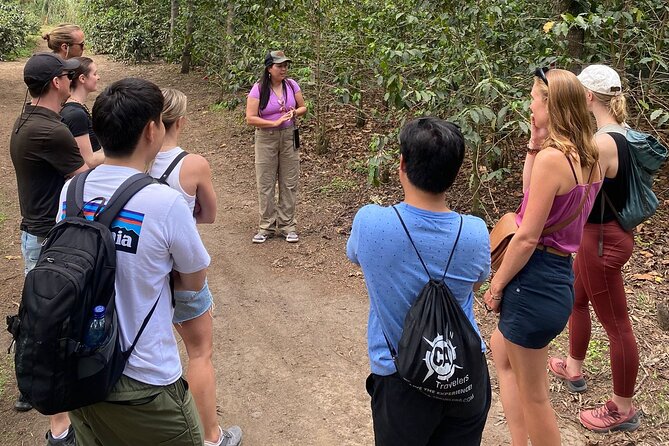
I would choose this tour if you want to combine light adventure with cultural learning. It suits couples, friends, solo visitors, and families with participants who can ride confidently and manage four active hours.
It is especially useful early in a Guatemala trip. You get an introduction to coffee, chocolate, traditional drinks, local sweets, village crafts, and national history. You may also discover foods and drinks worth seeking out later in Antigua.
I would think twice if you dislike cobblestones, have difficulty riding in traffic, or expect a long, smooth rural cycling route. The plantation ride is the scenic part, but getting there and back requires effort.
The outing also suits people who want their spending to have a local effect. CA Travelers describes community support as part of its work, including help toward a high school in a nearby village. You should not book solely for that claim, but it is a meaningful factor if you prefer locally owned operators with a social purpose.
The tour ends back at the CA Travelers office with a complimentary cold beer, specifically reported as Gallo. That final drink is a small touch, but after the bike ride and tastings it gives the experience a pleasant finish.
Booking details worth knowing
The activity lasts about four hours and ends where it begins. It is near public transportation, and most people can participate, provided they are comfortable cycling on uneven streets.
Confirmation arrives within 48 hours, subject to availability. It is often reserved about two weeks ahead, so booking around 14 days before your preferred date is sensible, especially if your schedule in Antigua is tight.
You can cancel for a full refund up to 24 hours before the local start time. Changes or cancellations inside that window are not accepted for a refund. Poor weather or failure to reach the minimum group size can lead to a new date, another experience, or a full refund.
Should you book the Coffee and Gastronomic Bike Tour?
Book it if you want a broad, active introduction to Antigua rather than a narrow coffee lecture. The plantation trails, museum, chocolate and coffee samples, local sweets, fermented drinks, village crafts, and small-group format make $41 a fair price.
Go in prepared for demanding cobblestones, a heavy bike, and only a modest amount of coffee in the cup. If you prefer a quiet, polished tasting or dislike guides who discuss difficult historical subjects, choose a simpler plantation visit instead.
For most fit visitors who want to see beyond Antigua’s central streets, this is a smart choice. Bring a small bag, ride carefully, ask questions, and leave room for unexpected snacks.
FAQ
How long does the Coffee and Gastronomic Bike Tour last?
The experience lasts approximately four hours, including the plantation visit, village stop, tastings, cycling, and final beer.
Where does the tour begin and end?
It begins at 25 A, 2a Calle Poniente 25 in Antigua Guatemala and ends back at the same meeting point.
How much does the tour cost?
The listed price is $41 per person.
How many people can join the tour?
The maximum group size is nine people.
Is admission to Finca La Azotea included?
Yes. Admission to Finca La Azotea is included in the tour.
What will I do at the coffee plantation?
You will cycle along plantation trails, visit the coffee museum, learn how coffee moves from picking to roasting and tasting, and sample coffee varieties and blends.
What happens at San Felipe de Jesus?
You will visit a handicrafts market, learn about wood and clay crafts, see traditional candy-making activities, and sample fermented drinks such as fresco de suchiles.
Is food included?
Food and drink samples are included at several stops. Possible tastings include sweets, savory food, traditional drinks, chocolate, and coffee. A complimentary beer is served when you return to the office.
Can I cancel for a full refund?
Yes. You must cancel at least 24 hours before the experience starts for a full refund. Poor weather or failure to meet the minimum group size may also result in a different date, another experience, or a full refund.
New food tours we have reviewed in the world
- ChattaBrunch Food Tour★ 5.0 · 87 reviews
- Downtown Chattanooga Food Tour★ 5.0 · 290 reviews
- Charlottetown waterfront SOLAR PartyBike food & drink experience!★ 4.0 · 92 reviews
- Historic Southside Food Tour in Chattanooga★ 5.0 · 32 reviews
- Tastes Through Time – Charleston’s Best Food & History Tour★ 4.5 · 95 reviews
- Charleston’s Savor the Flavors of Upper King Street Walking Food Tour★ 4.5 · 130 reviews
- Charlottetown Food Walking Tour★ 5.0 · 59 reviews
- Charleston Private Brunch Tour: Biscuits, Shrimps, Grits and More★ 5.0 · 48 reviews
Coffee Tours, compared.

Vienna Coffee, Cake & Pastries Tour with Local Stories
Read our review →
Hanoi: Vietnamese Street Food Tour with Egg Coffee
Read our review →
Vienna: Guided Foodie Walking Tour with Tastings and Coffee
Read our review →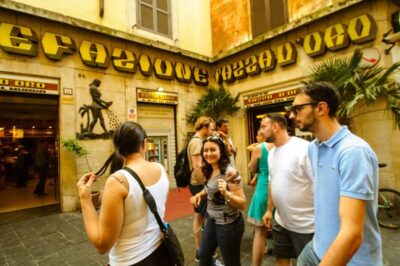
Rome: Espresso, Gelato and Tiramisù Tasting Tour
Read our review →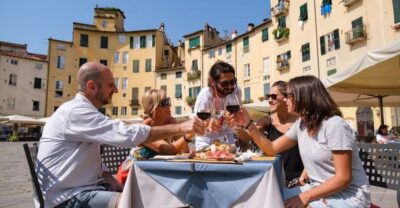
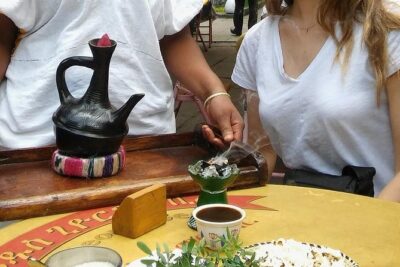
Ethiopian Culinary Tour – Market, Food, Coffee Ceremony & more
Read our review →
Organic Coffee Tour and Local Food Experience in Arusha
Read our review →
Discover Hanoi’s Street Food by Night & Mini Class Coffee
Read our review →Browse the lists this tour appears in