
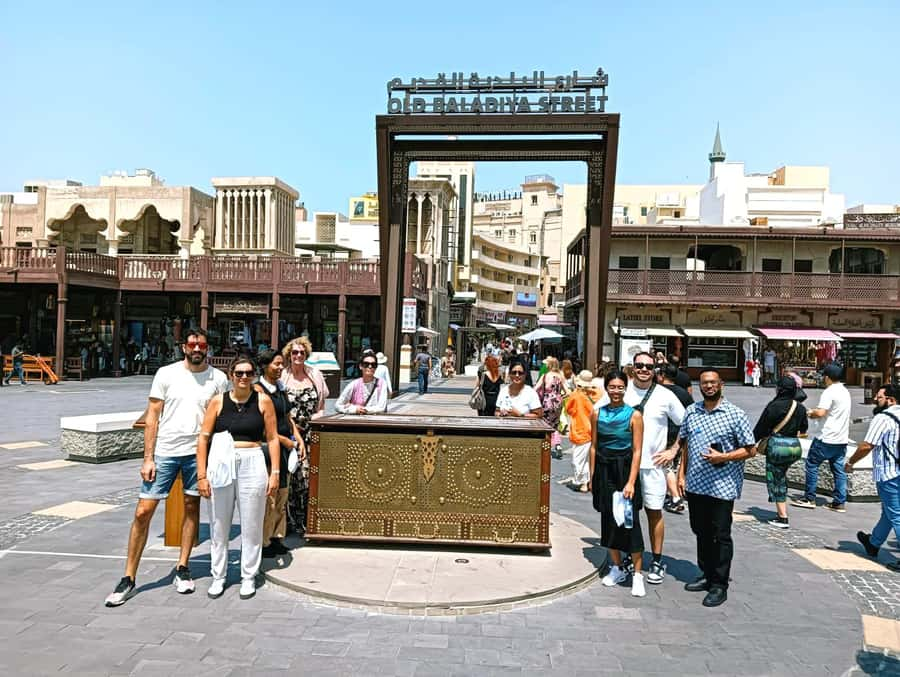
Review · STREET FOOD TOURS
Dubai: Discover Dubai Old Town, Souks, Museum & Street Food
Dubai’s best introduction may be found far from the glass towers. This three-hour walk begins at Al Seef, then moves through Al Fahidi’s old houses, museums, mosques, and market lanes before crossing Dubai Creek by a traditional abra. It gives you a useful look at the city before oil wealth and skyscrapers changed its scale.
I like the mix of small tastings and solid history, especially the chance to try Arabic coffee, tea, fresh juice, and camel milk chocolate while walking. I also like that the tour finishes at the Spice Souk and Gold Souk, rather than circling back to where it began. The main drawback is that this is a walking tour in Dubai’s heat, and Ramadan changes the food and drink part of the experience.
Key points to know before booking
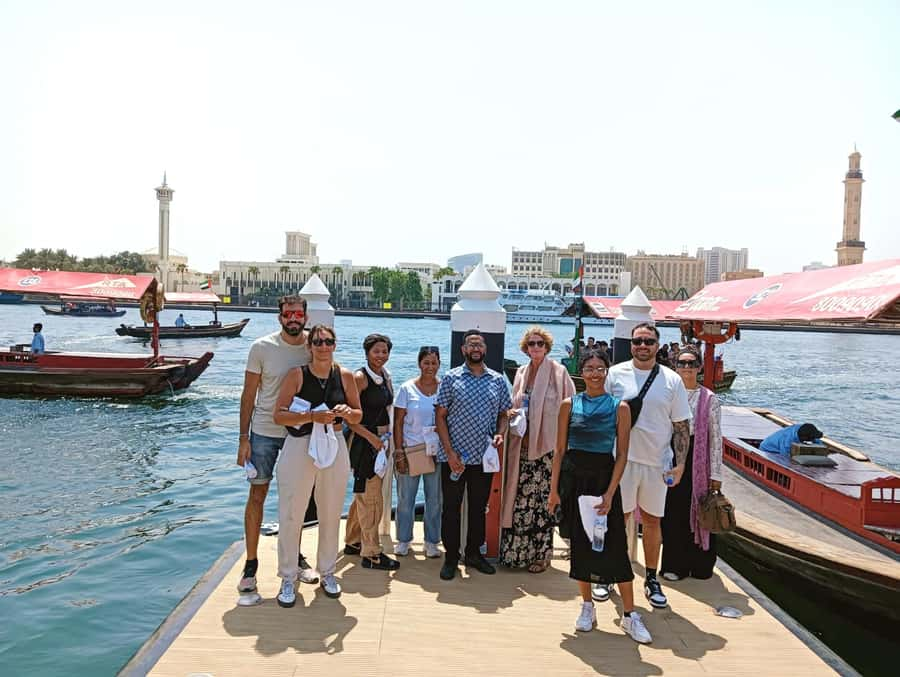
- A three-hour walk through old Dubai: The route links Al Seef, Al Fahidi, Al Bastakiya, Al Souq Al Kabeer, the Spice Souk, and the Gold Souk.
- An abra ride across Dubai Creek: This short traditional boat crossing breaks up the walking and gives you a different view of the old waterfront.
- Food is part of the tour: Expect street food, Arabic coffee, tea, water, refreshing drinks, and camel milk chocolate tasting.
- A useful first-day orientation: The guide explains local customs, currency, architecture, religious details, and the change from old Dubai to the modern city.
- A low price for a guided introduction: At $16 per person, the tour offers a lot if you want context before exploring the markets on your own.
- English only and moderate walking: Wear comfortable shoes, bring cash, and remember that food and drinks are not provided during Ramadan.
Starting at Al Seef, where old Dubai meets the creek
The meeting point is at Wokyo Noodle Bar, House Number 10, near the Alfahidi Abra Station in Al Seef Heritage Village. This location matters because you begin beside Dubai Creek, not in a generic hotel district. The creek gives the tour a clear sense of place from the first few minutes.
You can reach Al Seef by taxi, and free parking is available according to the meeting information. By metro, the closest station is Sharaf DG on the Green Line, followed by a walk to the meeting point. Give yourself extra time here. The instructions use several spellings for Al Fahidi and Abra Station, so save the meeting address and allow a few minutes to find House Number 10.
The route starts with a guided visit and some free time in Al Seef. I like this opening because it lets you get your bearings before the more crowded market streets. It also gives the guide a natural place to explain how Dubai Creek shaped trade and daily life in the older part of the city.
Do not expect a long museum visit at this first stop. Al Seef is mainly your starting area and an introduction to the creekside setting. The real historical focus comes as you walk inland toward Al Fahidi.
More Street Food Tours in Dubai:
- Dubai: Old Town, Creek, Museums, Souks, & Street Food Tour
★ 4.8 · 10,816 reviews - Dubai: Old Town, Souks, Street Food, Guided Tour & Abra Ride
★ 4.9 · 7,170 reviews - Dubai: Old Town, Souks, Street Food, Guided Tour & Abra Ride
★ 5.0 · 1,664 reviews
Al Fahidi Fort and Dubai Museum
The next section brings you to Al Fahidi Fort, with a photo stop, guided visit, and time for sightseeing. The tour also includes Dubai Museum among its historic sights. Together, these stops help explain the city’s earlier years and its rapid urban change.
This is one of the strongest reasons to choose a guided walk rather than simply wandering through the souks. Old buildings can look attractive without telling you much. A guide can connect the fort, homes, markets, currency, and creek to the wider story of Emirati life.
The tour information says you receive access to the heritage area and learn more about the local currency. That detail is practical, not just decorative. Dubai’s older districts make more sense when you understand that commerce, seafaring, and trade were central to the city long before its current shopping malls and towers.
The pace here should suit you if you prefer several short stops to one long indoor attraction. You will walk, pause for photos, listen, and move on. If you want a slow museum study with lots of time for every display, this three-hour route may feel too broad.
Al Bastakiya and the oldest houses
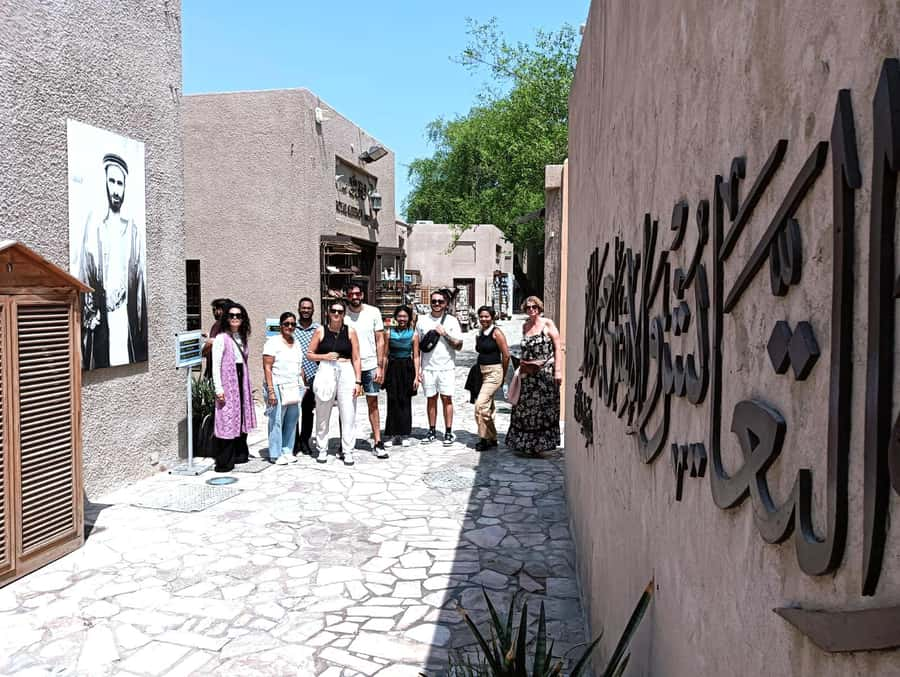
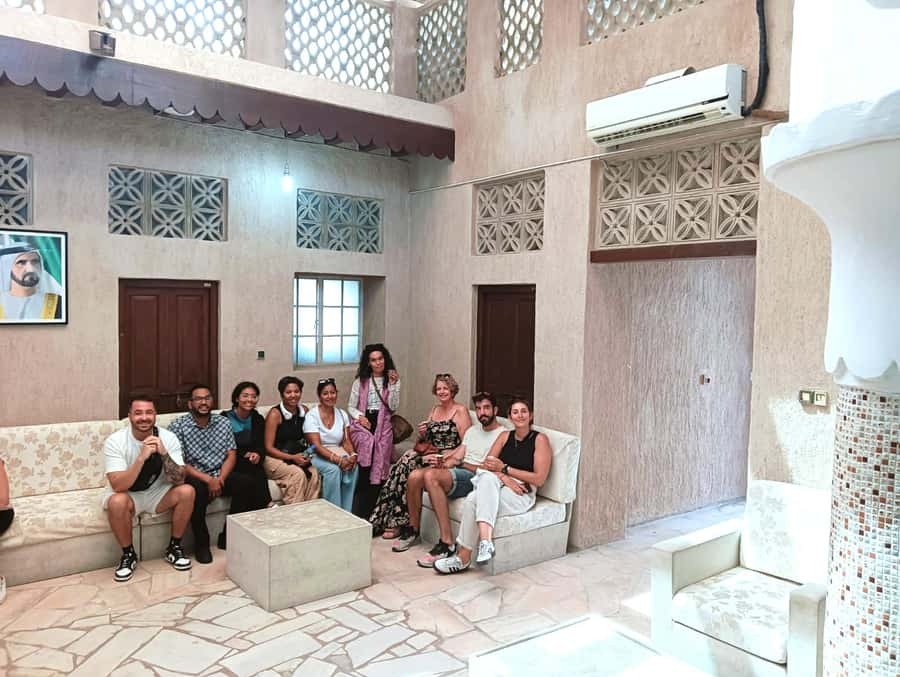
From the fort, the walk continues into Al Bastakiya, also known as part of the Al Fahidi Historical Neighborhood. Here you see some of Dubai’s oldest houses and hear about the Emirati lifestyle. The architecture is the attraction, but the guide’s explanation is what gives it meaning.
The route is designed to show you details you could easily pass without noticing. You might find quiet lanes, traditional façades, and courtyards that contrast sharply with modern Dubai. The tour description also points out the Coffee Museum, which you pass rather than necessarily visit as a full stop.
This part of the walk is especially useful for first-time visitors who have mostly seen Dubai through its newer districts. It gives you a sense of scale. The old city is not presented as a separate theme park attraction. It is connected to the creek, the souks, the mosque, and the neighborhoods around them.
Guides Hesham and Abdullah have led recent departures, and the strongest praise for this experience centers on the guide’s storytelling, clear answers, and ability to involve the whole group. Hesham is also noted for learning everyone’s name and keeping the mood friendly, even while fasting during Ramadan. Your guide may differ, but a good guide matters here because the value comes from explanation as much as from sightseeing.
Coffee, tea, and the oldest mosque
The route passes the Coffee Museum and the Arabian Tea House, a well-known restaurant serving local food. These are not simply photo opportunities. They help place coffee and tea within the everyday culture of the old quarter.
You also see Dubai’s oldest mosque, where the guide shares religious facts. This part calls for respectful behavior and careful listening. The tour provides context without turning the visit into a formal religious tour, so it works best if you are curious about local customs and willing to ask polite questions.
I appreciate that the route includes religion and daily life alongside forts and markets. Dubai can be easy to read as a shopping destination, but a walk through an old neighborhood shows you a more human side of the city. You get architecture, food, faith, and commerce in the same short stretch.
The information does not promise entry into every building. Some stops are pass-by views, photo stops, or guided explanations. Keep that in mind if you are booking mainly for indoor museum access. The experience is a walking overview, not a series of long private visits.
More museum visits in Dubai:
- Dubai.Discover Old town,Markets,street food,Abra &Museums
★ 4.9 · 181 reviews - Munich: Beer and Food Tour with Dinner & Oktoberfest Museum
★ 4.7 · 1,086 reviews - Takua Pa: Food Market, Tsunami Museum, Temple, & Old Town
★ 4.9 · 165 reviews - Olive Oil Museum: Extravirgin school – Food & wine tasting
★ 5.0 · 39 reviews
Al Souq Al Kabeer and the tasting stops
At Al Souq Al Kabeer, you have free time to taste street food, tea, and camel milk chocolate. Arabic coffee, fresh juice, water, and other refreshing drinks are also included in the overall experience.
This tasting section adds value to the $16 price. A guided food stop can remove some of the uncertainty that comes with ordering in an unfamiliar market, while still leaving you with free time to look around. The food component is not presented as a large meal, so you should still plan your other meals around it.
Camel milk chocolate is a particularly local touch. You may enjoy it as a quick sample rather than treat it as a major dessert stop. The same is true of the coffee and tea. They are small tastes that add texture to the walk, not a sit-down dining experience.
Bring cash. Shopping is part of the route, and the tour ends in two major souks where you may want to buy spices, gold, souvenirs, or other goods. The tour does not include pickup or drop-off, and it does not promise shopping discounts, so treat any purchase as your own decision.
During Ramadan, the street food, coffee, and tea are not provided. This is the most important seasonal limitation. If food is a major reason you are booking, check the date and plan accordingly. The historical walk and souks still remain the main structure of the experience.
Crossing Dubai Creek by traditional abra
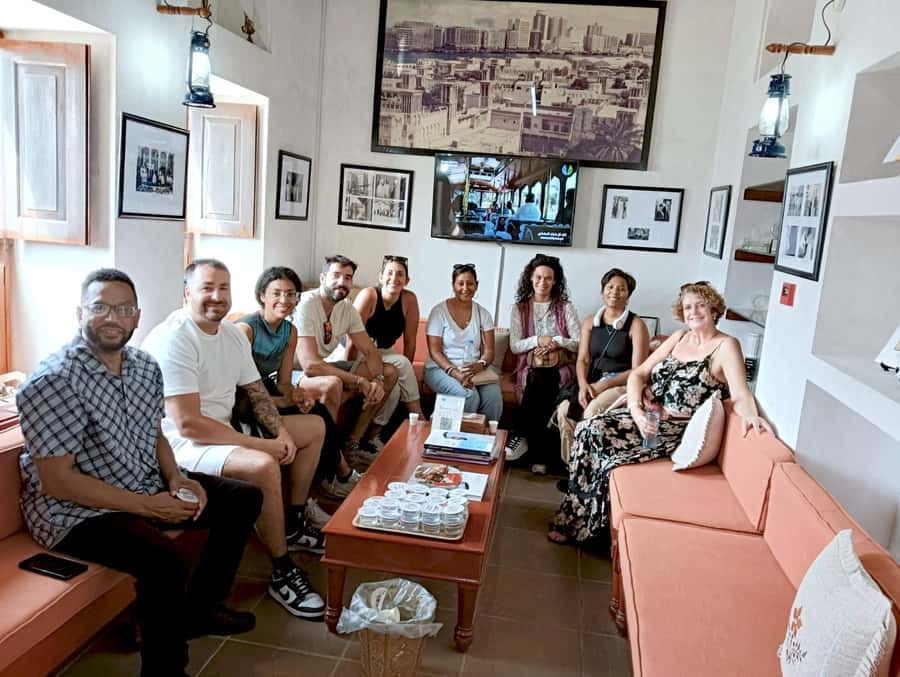
At Bur Dubai Abra Dock, the tour takes a break before crossing to the other side by traditional abra. This is a short ride, but it changes the feel of the tour. After several lanes and courtyards, you get open views across the water and a practical sense of how the two sides of old Dubai connect.
I like this part because it is transport with character rather than a bus transfer. You are not just being moved to the next attraction. The boat ride is one of the listed inclusions and gives the route a natural midpoint.
The dock can be busy, and the ride itself is not designed as a long cruise. Expect a simple traditional crossing, not a private boat trip or a sightseeing excursion with commentary. Still, for a $16 walking tour, it is a worthwhile addition and helps break up the time on your feet.
Spice Souk: aromas, bargaining, and sensory overload
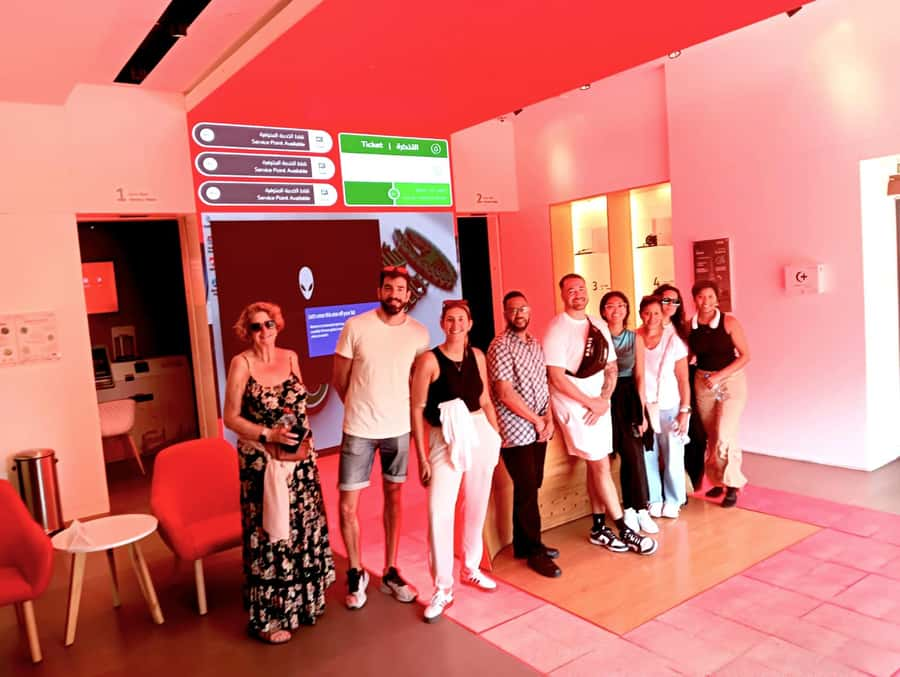
After the abra, the route reaches the Dubai Spice Souk. The guide provides a photo stop and explains the market. This is where the tour’s food and trade themes come together.
You will likely see sacks, jars, and displays of spices and other goods, but the exact market atmosphere changes by time and crowd level. A guide can help you understand what you are seeing and point out how the souk functions as a place of trade, not just a backdrop for photographs.
Use your free time carefully. Browse before buying, ask about prices, and remember that the guide’s role is to show you the market, not to negotiate every purchase. If you are not shopping, you can simply enjoy the colors, smells, and narrow lanes before moving on.
This stop may feel more intense than Al Fahidi. The transition is part of the appeal. You move from quiet historic streets into a working market environment, which makes the old city feel like a living district rather than a preserved display.
Dubai Gold Souk and the final stop
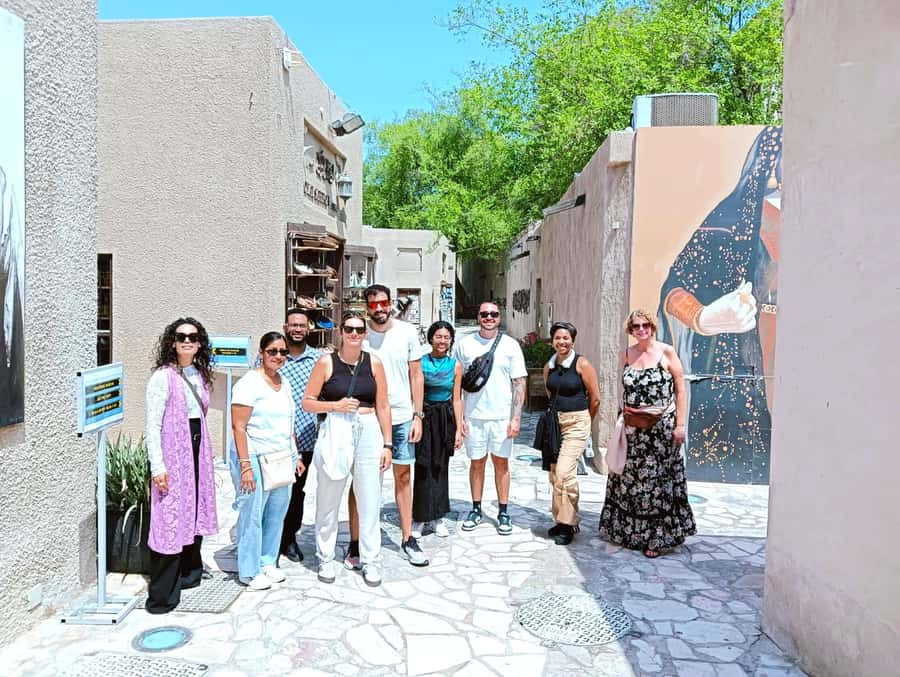
The walk ends at Dubai Gold Souk, described as one of the largest markets in the world. The guide leads a final sightseeing stop, but there is no return transfer to Al Seef.
This ending is practical if you want to continue exploring Deira or shop independently. It is less convenient if your hotel or car is back near the starting point. Before booking, look at your evening plans and decide how you will leave the Gold Souk.
The Gold Souk is also a good place to end because it shows the commercial side of old Dubai at full scale. You have seen homes, a fort, a mosque, a creek crossing, spices, and now gold. The sequence gives the tour a clear shape, from neighborhood life to international trade.
If you plan to buy jewelry, take your time. You do not need to purchase anything simply because the tour finishes there. The guide can introduce the market, while you decide how much time and money to spend afterward.
What the $16 price really gets you
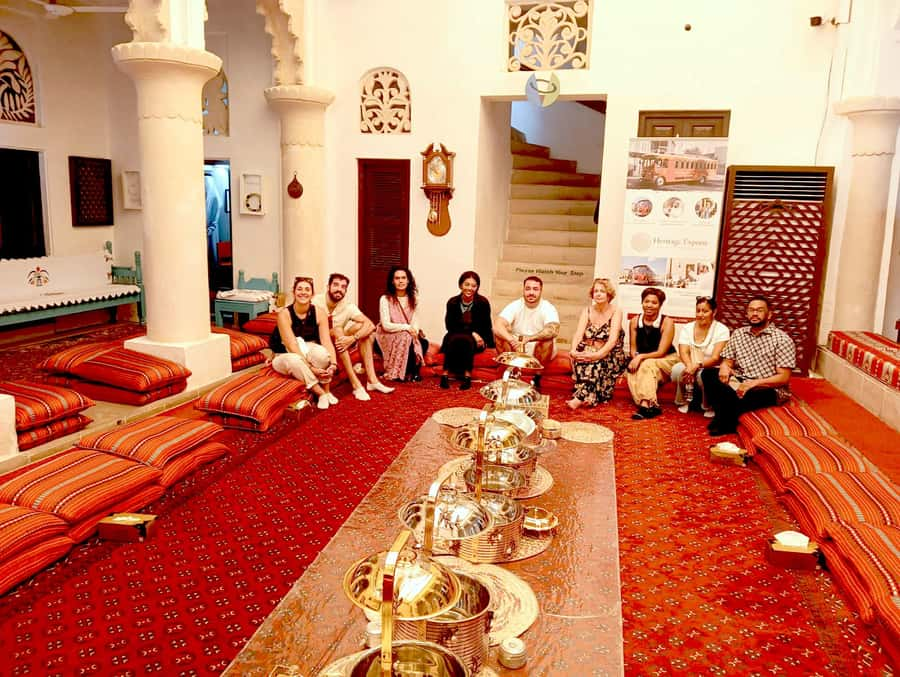
At $16 per person, this is strong value for a three-hour English-language tour. You receive a live guide, a traditional boat ride, several historic districts, market visits, local tastings, Arabic coffee, tea, water, refreshing beverages, and camel milk chocolate.
The value is highest if you are new to Dubai or want a cultural orientation before exploring on your own. You would pay more for a private guide, while an unguided walk would leave you to piece together the history yourself. The group size is not specified, so do not book expecting an intimate private experience.
The price does not include transportation to the meeting point or away from the Gold Souk. It also does not include a full meal or shopping. Think of the tour as a compact introduction, with snacks and a boat crossing included, rather than an all-day food tour.
Free cancellation up to 24 hours before the start and reserve-now, pay-later booking make it easier to fit into a changing Dubai schedule. The tour lasts three hours, and starting times depend on availability.
Who should book this old Dubai walk?
I would choose this tour for a first or second day in Dubai, especially if you want to understand more than the modern skyline. It suits curious walkers, solo visitors, couples, and families with older children who can manage several hours on foot.
It is also a good choice if you want a guide who talks about culture, religion, history, and urban change rather than simply naming buildings. The strongest guide feedback points to clear explanations, friendly introductions, useful answers, and a guide who connects old Dubai with the city you see today.
You should think twice if you dislike walking, heat, market crowds, or open-ended shopping stops. The experience is not suitable for people over 95, and it is not suitable for hearing-impaired participants. English is the only listed tour language.
Wear comfortable shoes and bring cash. If you are visiting during Ramadan, accept that the food, coffee, and tea portion will not be available. That does not erase the value of the route, but it changes what you receive for the price.
Should you book it?
Book this tour if you want an affordable, well-rounded first look at Dubai’s older districts, with a guide to explain what you are seeing. The best features are the route design, the abra crossing, the mix of small tastings, and the focus on everyday Emirati culture rather than only famous photo stops.
Skip it if your priority is a long museum visit, a full meal, private guiding, or a relaxed pace with little walking. For most visitors who want a practical introduction to Al Fahidi, the creek, and the souks, $16 is a sensible buy.
FAQ
How long does the Dubai Old Town tour last?
The tour lasts three hours.
Where does the tour start?
It starts at Wokyo Noodle Bar, House Number 10, near Al Fahidi Abra Station in Al Seef Heritage Village beside Dubai Creek.
Where does the tour finish?
The tour finishes at Dubai Gold Souk. Pickup and drop-off are not included.
What language is the tour conducted in?
The live tour guide speaks English.
Is the traditional abra ride included?
Yes. A traditional boat ride across Dubai Creek is included.
Are food and drinks included?
The tour includes local street food, Arabic coffee, tea, water, camel milk chocolate tasting, and refreshing beverages. During Ramadan, street food, coffee, and tea are not provided.
New food tours we have reviewed in Dubai
- Old Dubai: Premium Guided Tour with Street Food & Abra Ride★ 4.9 · 416 reviews
- Old Dubai Guided Tour With Photographer: Souks & Street Food★ 4.9 · 74 reviews
- Old Dubai Historic Guided Tour: Creek, Street Food & Souks★ 4.9 · 156 reviews
- Dubai.Discover Old town,Markets,street food,Abra &Museums★ 4.9 · 181 reviews
- Dubai Private Top Attractions, Premium Vehicle & Street Food★ 5.0 · 24 reviews
- Dubai: Private Food Tour – 10 Tastings with Locals★ 4.8 · 61 reviews
- Dubai Top Highlights: Frame Entry, Souks, Abra & Street Food★ 4.8 · 344 reviews
- Dubai: Luxury Balloon Flight with Michelin-Curated Breakfast★ 4.9 · 407 reviews
Street Food Tours, compared.
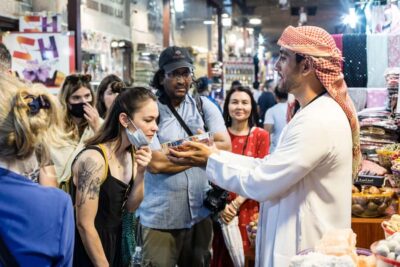
Dubai: Old Town, Creek, Museums, Souks, & Street Food Tour
Read our review →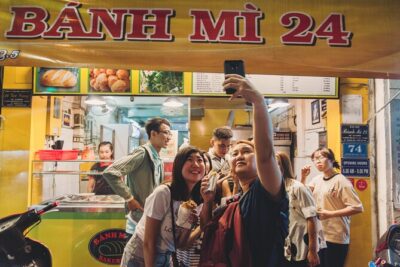
Ho Chi Minh City Street Food Tour & Sightseeing By Motorbike
Read our review →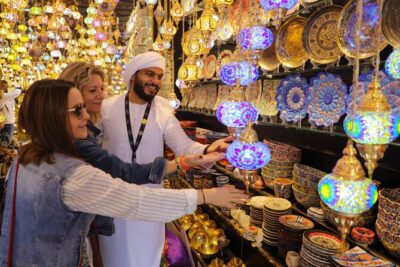
Dubai: Old Town, Souks, Street Food, Guided Tour & Abra Ride
Read our review →
Naples: Street Food Walking Tour with Local Guide
Read our review →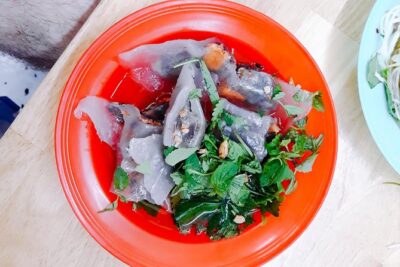
Small Group Hanoi Street Food Tour with a Real Foodie
Read our review →
Saigon By Night and Street Food By Motorbike | Opt: Ao Dai Riders
Read our review →
Private Street Food Tour by Motorbike/Car with Local Students
Read our review →Browse the lists this tour appears in