
Review · STREET FOOD TOURS
Dubai: Premium Old Town, Street Food, Souks & Boat Ride Tour
Dubai’s polished towers tell only half the story. This Old Dubai tour takes you through Al Seef, Al Fahidi, the creek, and the souks, where the city’s trading past feels close at hand. You’ll taste simple local food, sip Arabic coffee, and cross the water on a traditional abra.
I like the mix of walking, food, markets, and a boat ride. I also like that the guides explain how Dubai grew, rather than simply pointing at buildings. The main drawback is pace: three to four hours goes quickly, and the ten-minute boat crossing is more a memorable link between districts than a long cruise.
Key points to know before booking
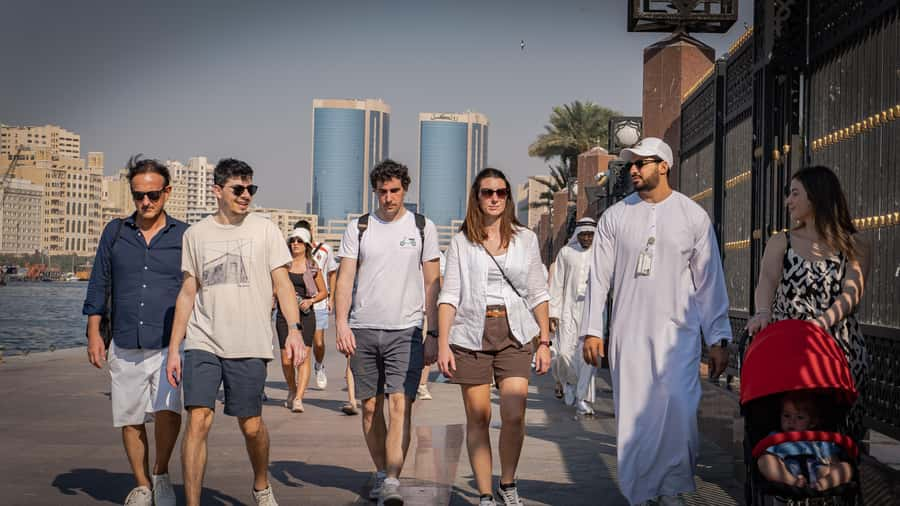
- Old Dubai in one compact route: Al Seef, Al Fahidi, Al Souq Al Kabeer, Dubai Creek, the Spice Souk, and the Gold Souk all fit into one afternoon.
- Guide quality matters: Hamza, Seef, Francis, Islam Shady, and other guides are praised for history, humor, shopping advice, and patient answers.
- Food is part of the walk: Expect shawarma or falafel, fresh juice, Arabic coffee, dates, chocolate, and bottled water.
- The abra ride is short but useful: You cross Dubai Creek in about ten minutes, with trading boats and skyscrapers in view.
- Shopping time is limited: Plan to browse and learn prices, then return to the souks later if you want a serious shopping session.
- Bring cash and good shoes: Markets favor cash, and the tour includes plenty of walking on uneven or busy streets.
Why this tour makes sense in modern Dubai
Dubai is easy to experience as a city of malls, towers, beach resorts, and grand indoor attractions. Those places have their appeal, but they can leave you with little sense of how Dubai worked before the skyscrapers arrived.
This tour moves through the older quarters beside Dubai Creek. The creek was the city’s commercial spine, and the route gives you several views of that past: wooden dhow boats, old trading areas, restored heritage buildings, market lanes, and the small ferries that still carry people over the water.
The tour costs $37 per person and lasts three to four hours. That is fair value if you want a guide, several food and drink tastings, heritage-site access, the abra crossing, and an introduction to both major souks. You are not paying for a long private cruise or a full meal. You are paying for a compact orientation to an area that can be confusing on your own.
The guide is central to the experience. Hamza is repeatedly praised for clear explanations, humor, bargaining advice, and a relaxed pace. Seef is noted for keeping people informed and helping late arrivals catch up. Francis is praised for his easy manner and detailed explanations, while Islam Shady receives strong marks for shopping pointers and attention to the group.
That range of guide names matters. Your experience will depend partly on who leads the walk, but the tour clearly puts a lot of weight on local explanation rather than simply moving you from one stop to the next.
More Street Food Tours in Dubai:
- Dubai: Old Town, Creek, Museums, Souks, & Street Food Tour
★ 4.8 · 10,816 reviews - Dubai: Old Town, Souks, Street Food, Guided Tour & Abra Ride
★ 4.9 · 7,170 reviews - Dubai: Old Town, Souks, Street Food, Guided Tour & Abra Ride
★ 5.0 · 1,664 reviews
Starting at Al Seef beside Dubai Creek
The meeting point is at the entrance of Al Seef Heritage Hotel Dubai, Curio Collection by Hilton. Hotel pickup and drop-off are not included, so you need to reach the starting point yourself unless you select an optional pickup arrangement.
Al Seef is a useful opening because it places contemporary Dubai beside older-looking architecture. The heritage area runs along Dubai Creek and includes traditional-style buildings, walkways, dhow views, cafés, and shops. It has been developed for visitors, so it is not an untouched old quarter. Still, it gives you a clear visual introduction to the contrast that defines this part of Dubai.
You spend about 20 minutes here with the guide. That is enough to get your bearings and hear why the creek mattered. It is also a good first place for photographs, especially if you want water, boats, and restored buildings in the same frame.
Do not expect a long stop. Al Seef is a starting point, not the main event. The more textured parts of the walk come later in Al Fahidi and the markets.
Walking through Al Fahidi’s preserved lanes
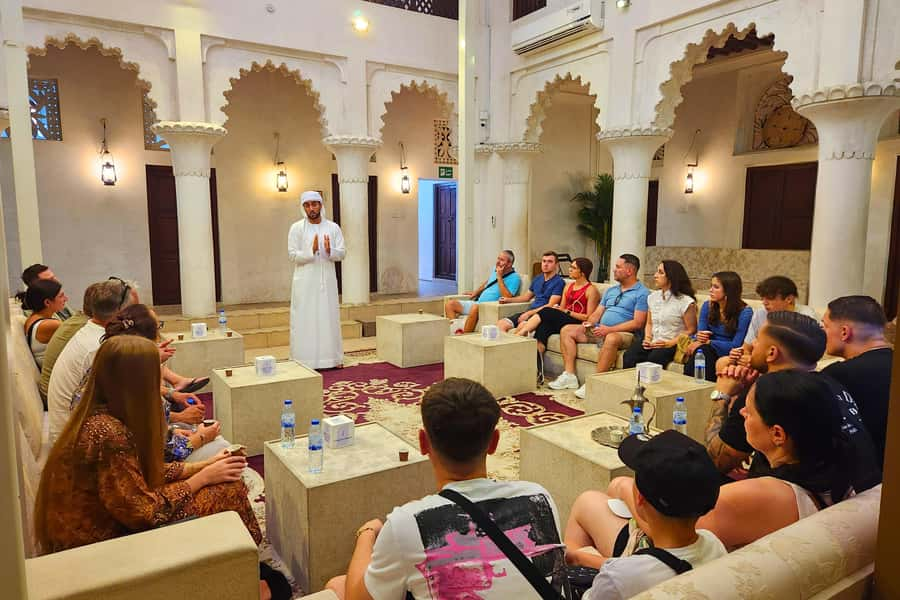
The tour then heads into the Al Fahidi Historical Neighborhood for roughly 40 minutes. This is where the city’s past becomes easier to picture. Heritage houses and preserved infrastructure show how Dubai looked before its rapid modern growth.
The guide’s role is particularly useful here. The buildings alone can seem quiet and somewhat sparse, but explanations about Arab culture, local customs, trade, and the development of Dubai give the lanes meaning. Guides such as Hamza and Seef are praised for answering questions directly and making cultural details easy to follow.
You may pass museums and heritage houses, with entry to heritage sites and museums included. One important caution is that museum availability can change. A visitor reported that the Dubai Museum was closed during the visit, so do not build your expectations around one specific interior. The neighborhood itself remains the main attraction.
There is also a 15-minute break and photo stop in the Al Fahidi area. That pause helps. Dubai can be hot, and the tour is mostly on foot. You get time to take pictures, drink water, and listen without trying to keep moving.
Al Souq Al Kabeer and the creek crossing
From Al Fahidi, the route continues through Al Souq Al Kabeer for about 25 minutes. This is a good transition from heritage streets to active shopping areas. You have some guided time and some freedom to browse.
Here, shopping advice becomes practical. Guides are known for explaining typical prices and showing you how to bargain without turning the exchange into a performance. That is valuable because market prices can vary widely, and a confident first offer can save you from paying far more than necessary.
The tour then reaches Dubai Creek for a photo stop and short sightseeing pause. Look for traditional trading vessels, the movement of small ferries, and the newer skyline rising behind the older waterfront. The view neatly sums up Dubai’s past and present in one glance.
The abra ride lasts about ten minutes. An abra is a small traditional ferry-like boat, not a luxury sightseeing vessel. That is exactly why I like it. You sit close to the water, feel the movement of the crossing, and use the same kind of transport that has long linked the two sides of the creek.
The boat ride is short, and one review specifically wished it lasted longer. Keep that in mind if you want an extended cruise. The value is in the crossing and the setting, not in a long period on the water.
More food tours in Dubai:
- Dubai: Old Town, Street Food, Creek, Souks, & Emirati House
★ 4.9 · 1,496 reviews - Dubai: Luxury Dinner Buffet at Gastronomy Atlantis The Royal
★ 4.7 · 1,395 reviews - Dubai Harbour Super Yacht Experience with gourmet & Drinks
★ 5.0 · 1,252 reviews - Luxury Hot Air Balloon, Land Rover Defender & Michelin Breakfast
★ 5.0 · 724 reviews
Tasting street food, juice, coffee, and dates
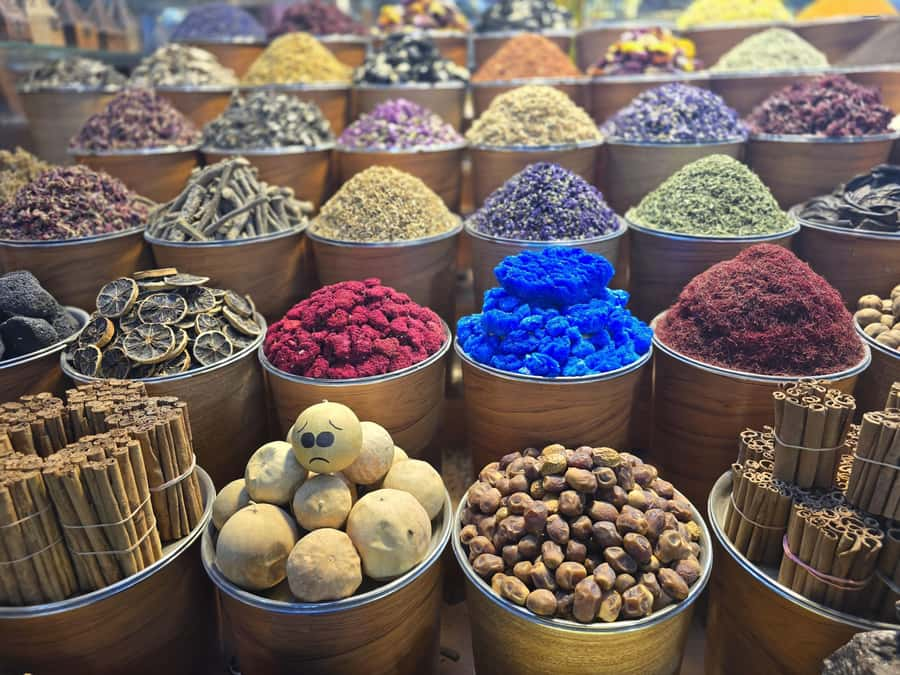
Food and drinks help break up the walking. You can try shawarma or falafel, drink fresh orange, sugar cane, or pomegranate juice, and have Arabic coffee with dates. Dates with chocolate and bottled water are also included in the stated inclusions.
This is not a restaurant meal. Think of it as a series of small tastes that introduce familiar local flavors while keeping the tour moving. Shawarma and falafel make the food stop practical as well as cultural, especially if you have not eaten before the tour.
There is one detail to check carefully when booking. Street food is described among the inclusions, but the information also says street food may involve an additional charge. Ask for clarification if your budget depends on every tasting being included. Fresh juice, Arabic coffee, bottled water, and dates are specifically listed.
The coffee stop also gives the guide a natural moment to explain hospitality customs. It is a small detail, but it adds more cultural value than simply buying a drink from a café and carrying on.
The Spice Souk: smells, colors, and salesmanship
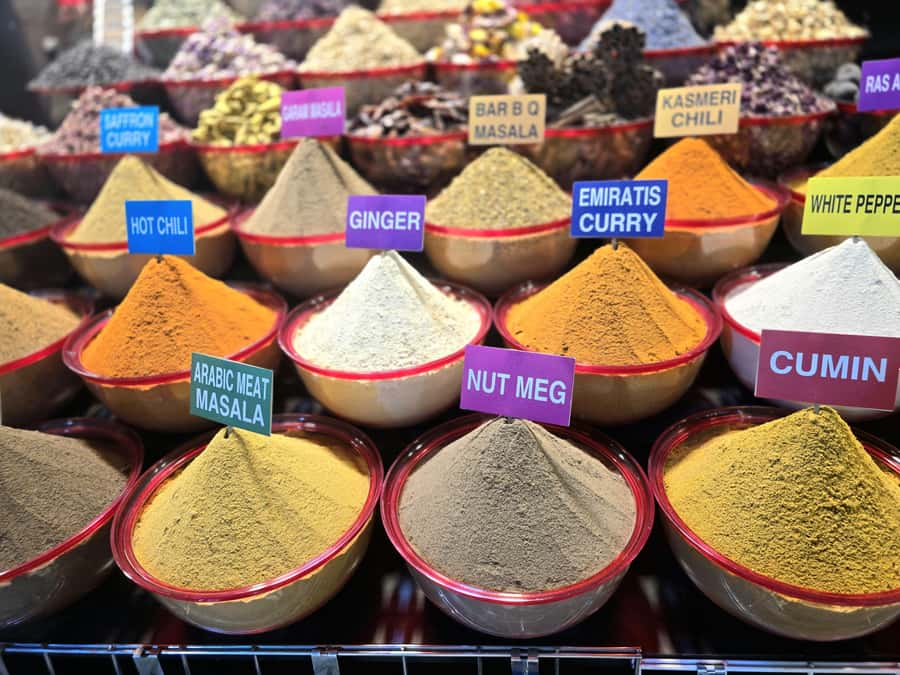
After the abra crossing, you reach the Spice Souk. The stop lasts about 25 minutes, with guided explanation, free time, shopping, and some self-guided browsing.
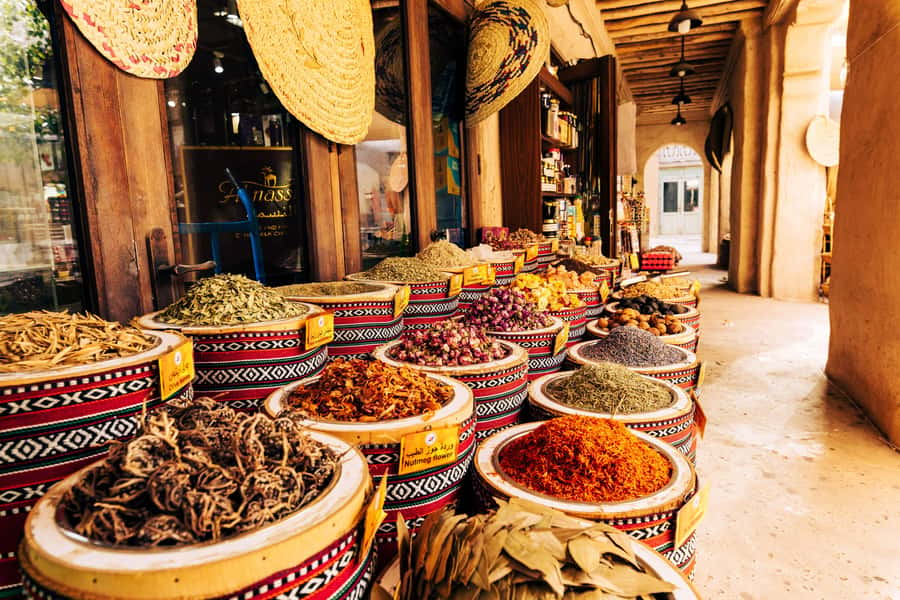
This is one of the most sensory parts of the tour. You will see sacks and displays of spices, dried ingredients, herbs, and other market goods. The smells and colors are the point, but the guide can help you understand what you are looking at and how the market works.
You can shop if you wish, but do not feel pressured to buy. Cash is recommended in the local markets. If you are considering saffron, spice blends, dried fruit, or another food item, ask about the price, quality, and quantity before committing.
The 25-minute stop is enough for a first look and perhaps one or two shops. It is not enough for a relaxed shopping expedition across every lane. I would treat this visit as a lesson in how the souk works, then return later if you find something you truly want.
The Gold Souk and the final market stop
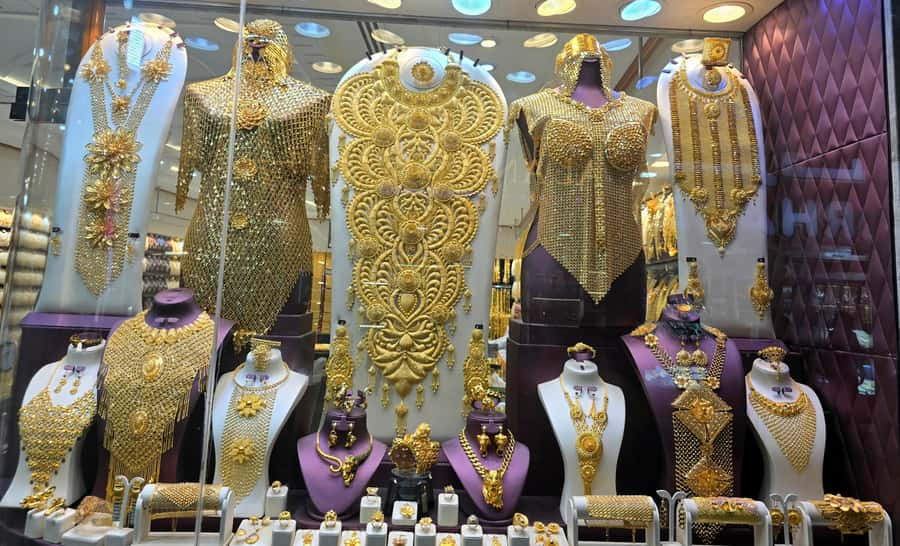
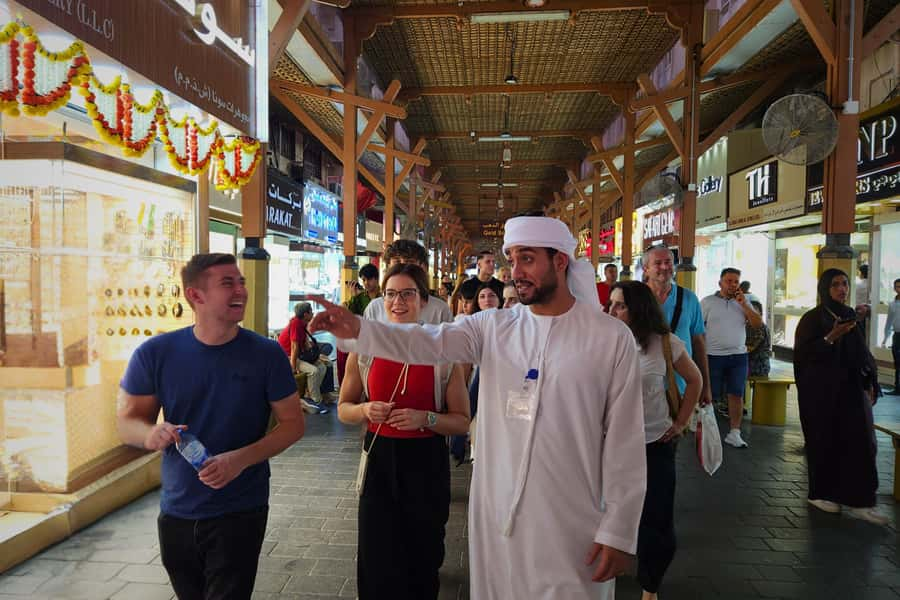
The final major stop is the Gold Souk, with about 30 minutes for photographs, guided explanation, sightseeing, and shopping. Even if you have no intention of buying jewelry, the displays are worth seeing for their scale and craftsmanship.
The guide can explain the role of gold trading in Dubai and help you understand how to approach the shops. Shopping advice is one of the most useful parts of the experience. Guides such as Hamza, Seef, and Islam Shady are praised for explaining local prices and helping people avoid poor purchases.
You will see gold, silver, precious stones, and elaborate jewelry. The setting is commercial, so expect sales approaches. You are free to browse without buying, and it is sensible to compare prices before making a decision.
The tour ends at the Dubai Gold Souk. That is convenient if you want to continue shopping, but less convenient if your hotel is elsewhere. Arrange your return before you start, especially if you are unfamiliar with the area.
What the guides add to the experience
The strongest feature is not any single building or market. It is the guide’s ability to connect the stops.
The best guides on this tour do several jobs at once:
- They explain Dubai’s growth and the creek’s role in trade.
- They add context about Arab customs and local culture.
- They keep the walking pace comfortable.
- They answer questions instead of rushing through a speech.
- They give direct advice about souk prices and bargaining.
- They help with practical problems, from directions to lost belongings.
Hamza is frequently singled out for being funny, clear, approachable, and generous with information. Seef is praised for patient attention and keeping the group included. Francis is described as friendly and easy to hear, while Islam Shady is appreciated for practical shopping advice.
The tour can be taken with a live guide speaking Arabic, English, Hindi, German, Spanish, French, or Italian. A private group option is available. If you value conversation and want to ask many questions, a private group may be worth considering.
Group size can affect the feel. One account described a larger, busy group, while other experiences benefited from a smaller group with more time for questions. The tour is generally well paced, but you should not assume every departure will feel identical.
Walking, comfort, and who should book
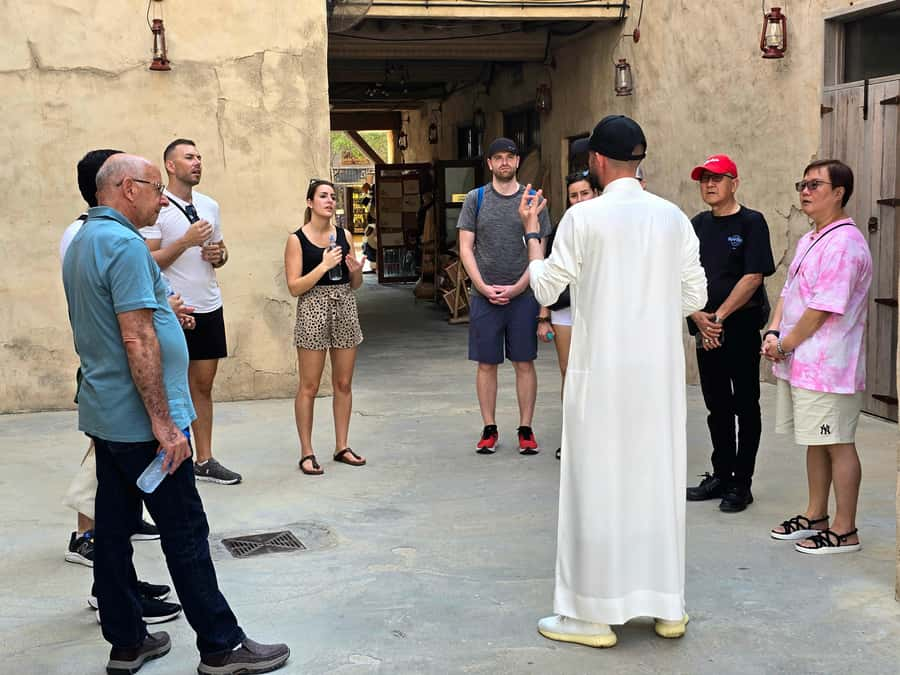
Wear comfortable shoes. The route includes several walking sections, market lanes, photo stops, and time outdoors. The activity is not suitable for people with mobility impairments.
There is no stated dress code, but respectful clothing is a sensible choice when visiting heritage areas and learning about local culture. Alcohol and drugs are not allowed.
I would recommend this tour to first-time visitors who want an introduction to Old Dubai without spending a full day on separate museums, markets, and transport. It also suits people who enjoy asking questions and want help with souk shopping.
It is less suitable if you want a long boat trip, a slow food tour, or an extended shopping session. The food is a tasting component, not a complete culinary tour. The boat is a short ferry ride, not a private yacht outing.
The free cancellation policy allows cancellation up to 24 hours before the activity for a full refund, and reserve-now, pay-later booking is available. Those terms help if your Dubai schedule is still shifting.
Should you book this Old Dubai tour?
I would book it as an early Dubai activity, especially if you are staying for several days. It gives you a useful base for later visits to the creek, Al Fahidi, and the souks, and the $37 price covers a lot in a short period.
Book it for the guide-led context, street food, Arabic coffee, and practical market advice. Do not book it expecting an unhurried museum visit or a long cruise. If you want a compact, good-value introduction to Dubai before returning to explore on your own, this tour is a strong choice.
FAQ
Where does the tour start?
The guide waits at the entrance of Al Seef Heritage Hotel Dubai, Curio Collection by Hilton, wearing a badge.
Is hotel pickup included?
Hotel pickup and drop-off are not included as standard. Pickup may be available as an optional arrangement, with the pickup time sent in advance.
How long does the tour last?
The tour lasts about three to four hours. The abra ride itself takes about ten minutes.
What food and drinks are included?
The experience includes shawarma or falafel, fresh juice options such as orange, sugar cane, or pomegranate, Arabic coffee, dates with chocolate, and bottled water. Street food may carry an additional charge, so confirm this when booking.
What places does the tour visit?
The route includes Al Seef, the Al Fahidi Historical Neighborhood, Al Souq Al Kabeer, Dubai Creek, the Spice Souk, and the Gold Souk. Heritage sites and museums are included, subject to availability.
Can I shop during the tour?
Yes. You have free time for shopping at Al Souq Al Kabeer, the Spice Souk, and the Gold Souk. Cash is recommended for local markets.
What languages are available?
Live guides may speak Arabic, English, Hindi, German, Spanish, French, or Italian.
Is the tour suitable for people with mobility impairments?
No. The activity is listed as unsuitable for people with mobility impairments, and comfortable shoes are recommended for the walking route.
New food tours we have reviewed in Dubai
- Old Dubai: Premium Guided Tour with Street Food & Abra Ride★ 4.9 · 416 reviews
- Old Dubai Guided Tour With Photographer: Souks & Street Food★ 4.9 · 74 reviews
- Old Dubai Historic Guided Tour: Creek, Street Food & Souks★ 4.9 · 156 reviews
- Dubai.Discover Old town,Markets,street food,Abra &Museums★ 4.9 · 181 reviews
- Dubai Private Top Attractions, Premium Vehicle & Street Food★ 5.0 · 24 reviews
- Dubai: Private Food Tour – 10 Tastings with Locals★ 4.8 · 61 reviews
- Dubai: Discover Dubai Old Town, Souks, Museum & Street Food★ 4.9 · 25 reviews
- Dubai Top Highlights: Frame Entry, Souks, Abra & Street Food★ 4.8 · 344 reviews
Street Food Tours, compared.
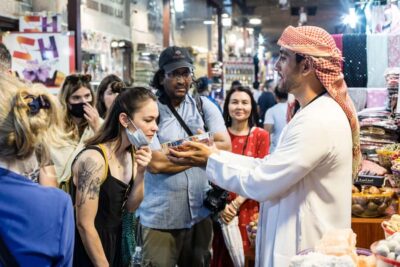
Dubai: Old Town, Creek, Museums, Souks, & Street Food Tour
Read our review →
Ho Chi Minh City Street Food Tour & Sightseeing By Motorbike
Read our review →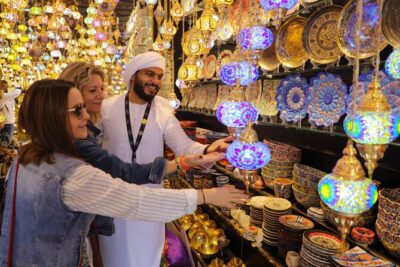
Dubai: Old Town, Souks, Street Food, Guided Tour & Abra Ride
Read our review →
Naples: Street Food Walking Tour with Local Guide
Read our review →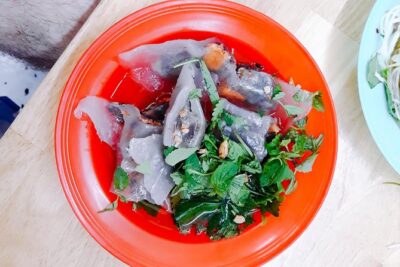
Small Group Hanoi Street Food Tour with a Real Foodie
Read our review →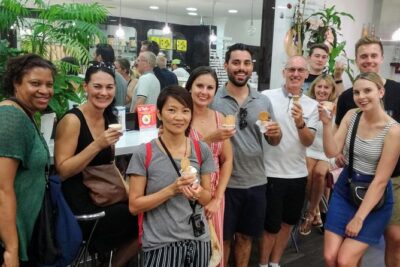
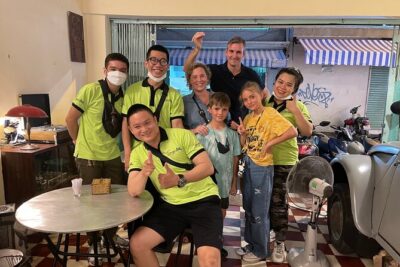
Saigon By Night and Street Food By Motorbike | Opt: Ao Dai Riders
Read our review →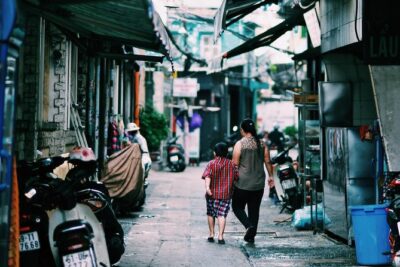
Private Street Food Tour by Motorbike/Car with Local Students
Read our review →Browse the lists this tour appears in