
Review · MARKET FOOD TOURS
Kathmandu Secret Food Crawl & Local Market Tour
Kathmandu’s best food lesson may happen in a narrow market lane, not in a polished restaurant. This two-hour walk takes you through Ason Bazar, the city’s oldest local market, then on to food stalls serving Newari dishes, momos, laphing, pani puri, lassi, and other local favorites.
I like the mix of eating and cultural context, especially the way guide Santosh explains customs, religion, clothing, and daily life as you walk. I also like the value: at least five foods with drinks are included for $28, and past tours have often included eight or nine tastes. The main caution is pace. Two hours goes quickly, and one person noted that the guide sometimes seemed rushed.
Key points
- Ason Bazar: Explore Kathmandu’s oldest local market while seeing how locals shop and work.
- Newari flavors: Try foods such as yomari, samay baji, laphing, chatamari, and spiced buffalo dishes.
- Street food variety: Expect possible stops for momos, pani puri, lassi, samosas, buckwheat pancakes, and more.
- Santosh as guide: Get explanations about food, religion, politics, clothing, and Nepali society.
- Plentiful tastings: The price includes a minimum of five foods with drinks, and portions can leave you very full.
- Good first-day activity: The walk can help you get your bearings in Kathmandu before exploring on your own.
Starting at Chhaya Devi Complex
The meeting point is the main gate of Chhaya Devi Complex. From there, you set off on foot with an English-speaking guide for two hours.
That short duration is useful if you are fitting the experience between sightseeing plans, a trek briefing, or other Kathmandu activities. It also means the tour is focused rather than sprawling. You will not cover every corner of the city, but you will get a concentrated introduction to its food and market culture.
I would consider booking this near the start of a Kathmandu stay. The walk gives you names for foods you may see later and helps you feel less uncertain about ordering from a small stall. One person used it as an early introduction to the city and found that the guide’s explanations made the first days in Kathmandu easier to understand.
The tour is also practical for solo visitors. You can sample several dishes without needing to order full portions alone, and the guide can explain what you are eating before you try it.
More Market Food Tours in the world:
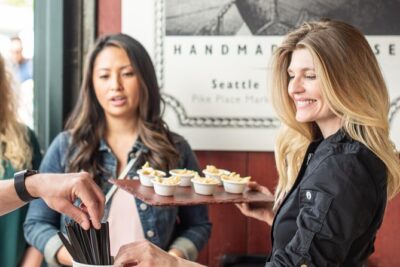
- Chef Guided Food Tour of Pike Place Market
★ 5.0 · 3,733 reviews - Tokyo Tsukiji Fish Market Food and Culture Walking Tour
★ 5.0 · 3,184 reviews - London Bridge & Borough Market Food Tour with 7 Authentic Dishes
★ 5.0 · 1,972 reviews
Walking through Ason Bazar
Ason Bazar is the historic center of the route. This is not simply a market stop for photographs. It is a working place where you can watch local buying, selling, and movement through the old city.
The appeal is the everyday detail. You may see traditional clothing, crafts, food goods, and signs of Newar culture alongside the ordinary business of Kathmandu. The tour description specifically points to Newar traditions and other local cultures, so the market visit is meant to connect food with the people who make, sell, and eat it.
A guide is particularly useful here. Markets can seem like a wall of sound, color, smells, and movement when you first arrive. Santosh helps sort that out, explaining what you are seeing instead of leaving you to guess. His talks can range beyond food to religion, local customs, politics, and Nepali society.
The market is also a good reminder that Newari food is not a single dish or restaurant style. It comes from the Newar community of the Kathmandu Valley and includes everyday snacks, festive foods, pickles, grains, meat, and sweets. You get more from the stop if you pay attention to the links between food, festivals, family life, and local identity.
Tasting Newari food one bite at a time
The strongest part of the experience is its introduction to foods you might pass by without knowing how to order. Newari cooking offers far more than the familiar momo dumpling.
You might try yomari, a steamed sweet dumpling filled with molasses and sesame seeds. It is a useful counterpoint to the savory food served elsewhere on the route. Samay baji is another important possibility, a traditional platter that can include beaten rice, spiced buffalo meat, pickles, and other small portions.
Chatamari is often described as a Newari pizza, though that comparison only goes so far. It gives you a quick way to understand the dish before trying it, but the local ingredients and preparation make it its own thing. Buckwheat pancakes may also appear, adding another grain and texture to the tasting.
Food choices can vary, so do not treat the examples as a fixed menu. The guaranteed point is quantity: all foods and beverages are included, with a minimum of five items. Several accounts describe eight or nine different tastes, so $28 can be strong value if you arrive hungry.
The portions are not merely symbolic samples. Many people finish the walk very full. I would eat lightly beforehand, especially if you want to try everything rather than choose only a few dishes.
Street snacks in local food lanes
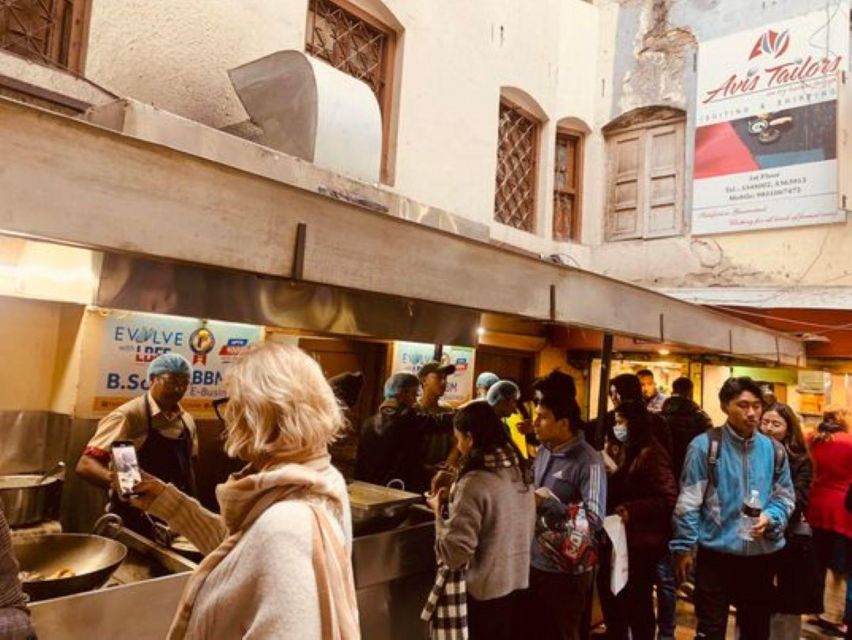
The tour also puts you in front of street foods that can be difficult to find on your own. The guide takes you to small stalls and local spots away from the more obvious tourist routes.
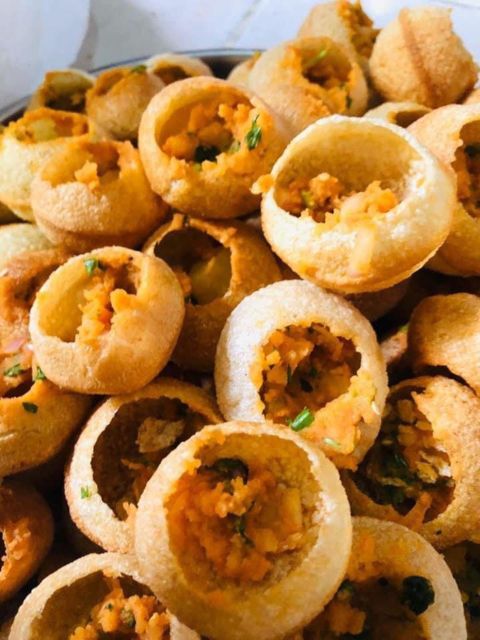
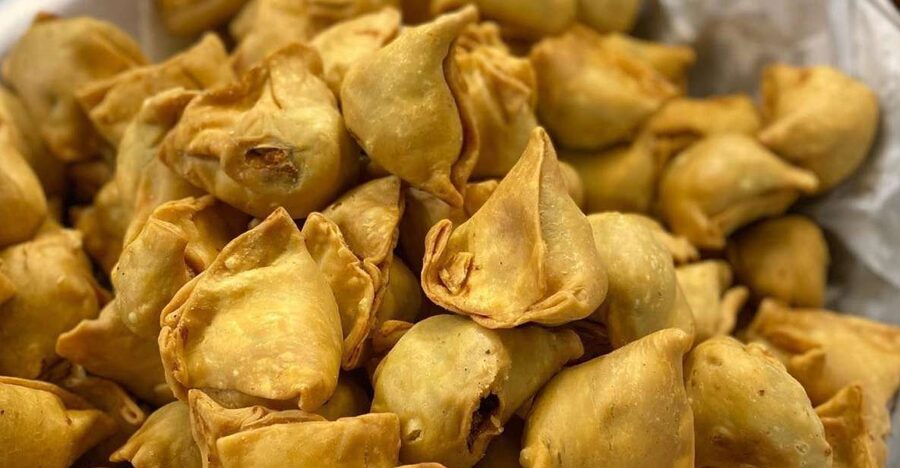
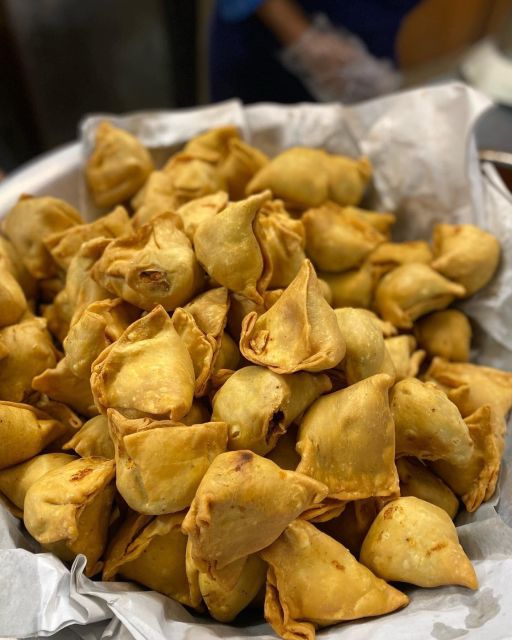
Momos are a likely highlight. These dumplings come in many forms and are one of Nepal’s best-known foods, but a local guide can show you how they fit into Kathmandu’s wider food culture. Samosas, pani puri, and lassi may also be part of the route.
Laphing is especially worth trying if you like sharp, spicy flavors. It is a cold mung bean noodle dish with a firm, slippery texture and plenty of seasoning. It is not the safest choice for someone who wants mild, familiar food, but it offers a direct taste of what local snack culture can be like.
You may also encounter chapat, Chatamari, or other snacks depending on the day and the vendors available. The experience is better approached as a guided tasting route than as a restaurant meal with a printed menu.
That matters because the fun comes partly from not having to make every choice yourself. Santosh selects places that he considers clean and reputable, which can give you more confidence when you are new to Kathmandu’s street food. Still, food tolerance varies from person to person. If you have allergies, dietary restrictions, or strong limits on meat or spice, tell the guide before the tastings begin.
More Hidden Gem Food Tours in the world:
- Alicante: Secret Flavors Food Tour
★ 4.8 · 1,514 reviews - Southern & Secret Walking Food Tour
★ 4.5 · 1,413 reviews - Edinburgh Food Tour with Scotch, Haggis, a Secret Dish & More
★ 5.0 · 1,172 reviews - Rome Food Tour: Hidden Gems of Trastevere with Dinner & Wine
★ 5.0 · 1,166 reviews
What Santosh adds to the food
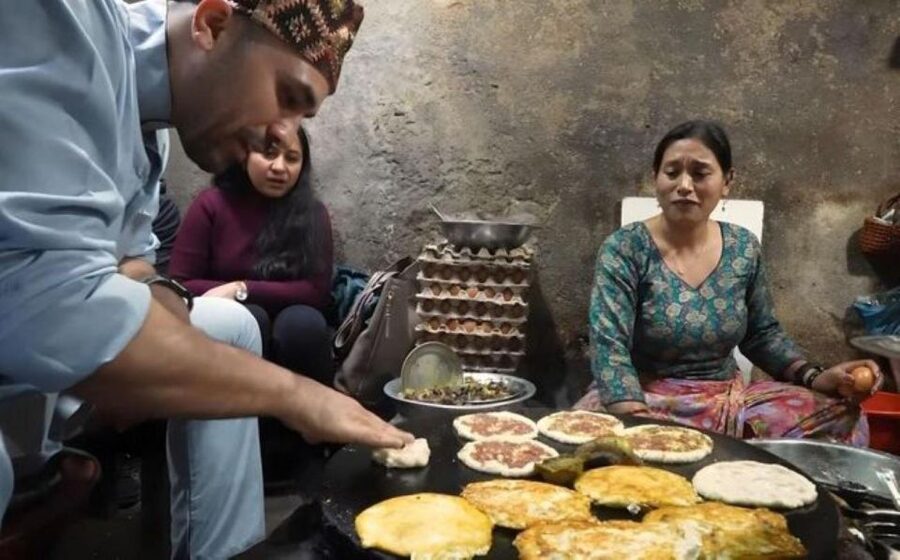
The food is the hook, but the guide is what gives the walk shape. Santosh is repeatedly described as friendly, patient, and easy to talk with. He explains the background of each dish and places it within Nepali culture.
That can mean learning about Newar traditions while eating, hearing about the role of religion in Kathmandu, or discussing local society and politics as you move between stops. The result is broader than a list of dishes. You begin to understand why a snack matters and how food fits into the city’s daily rhythm.
His flexibility is another practical strength. One person had a meeting connected with a trek soon after the tour, and Santosh adjusted the timing so the appointment could still be reached. You should not assume every timing change will be possible, but it suggests that the experience is not rigid in spirit.
There is one small warning. The route contains several stops, and the guide may move quickly to fit them into two hours. If you want long pauses at every stall or extended time for photography, the schedule may feel brisk. Ask questions as you go, and speak up if you need a moment to catch up.
A look beyond the food stalls
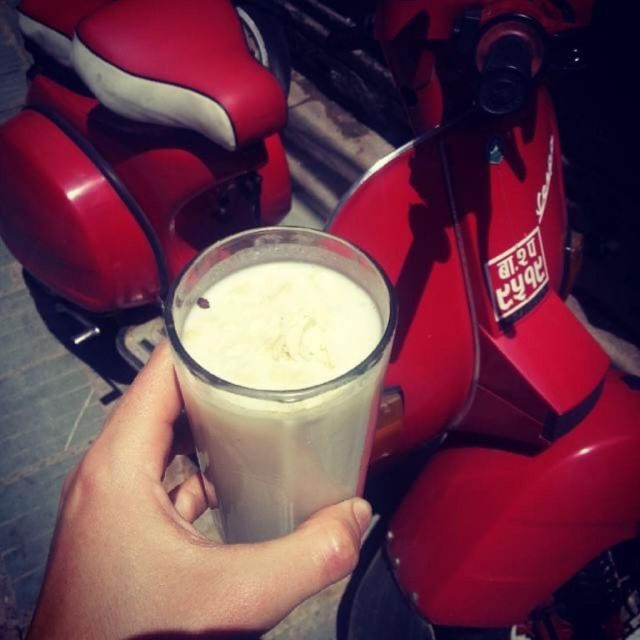
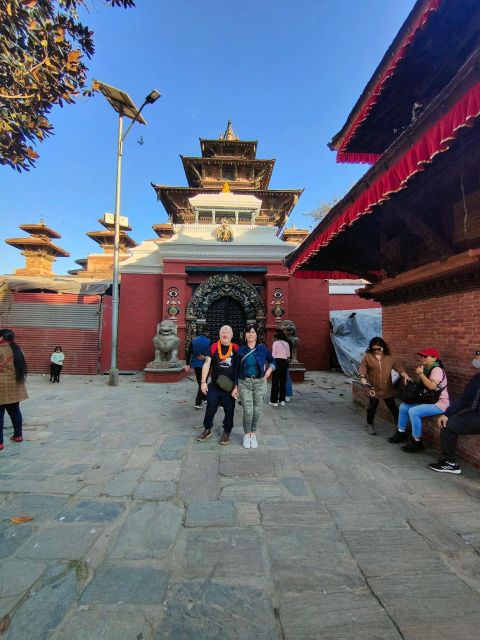
The route is also a cultural walk through Kathmandu’s old center. You are not only eating in isolation. You are seeing alleys, market activity, crafts, traditional clothing, and places connected with local beliefs.
One particularly memorable possibility is the Kumari Temple. A past evening walk included a chance to enter and see the Kumari appear. This is not described as a guaranteed part of every outing, so do not book solely for that moment, but it shows how the route can connect food with living religious and cultural traditions.
The market and alleys may feel less polished than the tourist districts. That is part of the point, but it also means uneven walking surfaces, crowds, and a quick pace can be part of the experience. Wear comfortable shoes and keep your hands free for walking and eating.
I like this part of the tour because it avoids turning culture into a museum display. You see traditions in places where people still work, shop, worship, and meet. The experience is brief, but it gives you useful context for later visits around Kathmandu.
Is $28 a good value?
At $28 per person, the tour is fairly priced if you want both food and interpretation. The price includes the guide, government taxes and official expenses, a minimum of five food items, and drinks. Personal expenses are not included.
Food alone is not the only measure of value. You are also paying to find small local vendors, understand unfamiliar dishes, and avoid spending your first days guessing what to order. For someone new to Kathmandu, that guidance can save time and reduce the worry that comes with choosing an unknown stall.
The value improves if you arrive hungry and enjoy variety. Reports of eight or nine different tastes suggest that the included food can be generous. It is less compelling for someone who wants a single large meal, dislikes trying unfamiliar dishes, or already knows the city’s food lanes well.
There is no need to pay on the day of booking. The reservation option lets you hold a place and pay later, and cancellation is free up to 24 hours in advance for a full refund. Starting times depend on availability, so check the schedule before you make other plans.
Who will enjoy this Kathmandu food walk?
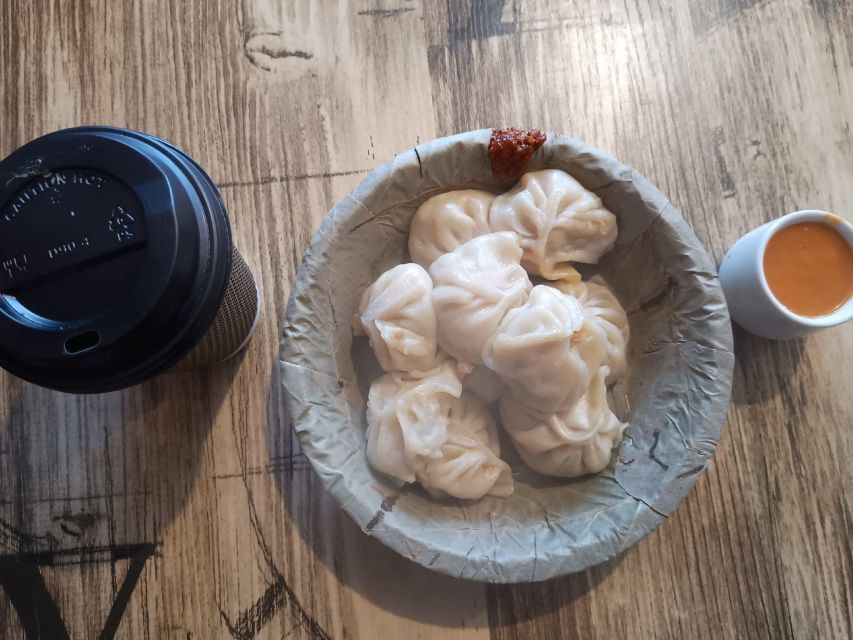
This is a good match for first-time visitors who want an easy introduction to Nepali food without making every decision alone. It also suits food-focused visitors who are willing to try spicy, unusual, or unfamiliar dishes.
I would recommend it to solo visitors, couples, and small groups who like conversation while walking. The guide’s background explanations make the tour useful even if you are not especially adventurous at the table.
It may be less suitable for anyone with major dietary restrictions unless those needs can be discussed in advance. The route is built around tasting several local foods, including meat dishes and strongly seasoned snacks, so a very cautious eater may not get the full value.
It is also not a slow market photography tour. Two hours is packed with food and walking. If you want a leisurely visit to Ason Bazar, you may prefer to return later on your own after learning the area’s layout.
Should you book it?
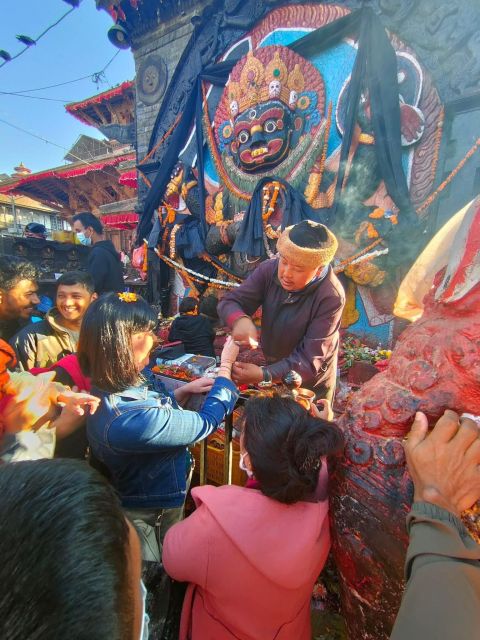
Book this tour if you want to taste local Kathmandu food while learning how the city’s markets, Newar traditions, and religious life fit together. Santosh appears to be a major part of the experience, and his ability to explain food, culture, and local life gives the short route much more substance.
The best strategy is to schedule it early in your stay, arrive hungry, wear walking shoes, and keep an open mind about texture and spice. At $28, the combination of at least five foods, drinks, a guide, and access to places you might not find alone makes it a good pick for curious eaters.
Skip it if you want a fixed menu, a slow pace, or only familiar food. For everyone else, this is a practical and flavorful way to get oriented in Kathmandu.
FAQ

Where does the Kathmandu food tour meet?
The meeting point is the main gate of Chhaya Devi Complex.
How long does the tour last?
The tour lasts two hours.
What language is the tour conducted in?
The live tour guide speaks English.
What is included in the $28 price?
The price includes an experienced English-speaking guide, government taxes and official expenses, and all foods and beverages. A minimum of five food items with drinks is included.
Are personal expenses included?
No. Personal expenses are not included.
Which market does the tour visit?
The tour visits Ason Bazar, described as the oldest local market in Kathmandu.
What foods might I taste?
Possible foods include Newari dishes, yomari, samay baji, momos, chatamari, laphing, pani puri, lassi, samosas, buckwheat pancakes, and chapat. The exact selection can vary.
Is the food tour suitable for someone who wants to try local street food?
Yes. The route focuses on local food stalls and places that may be difficult to find without a guide. The guide selects clean and reputable food spots according to the tour information.
Can I cancel the booking?
Yes. You can cancel up to 24 hours in advance for a full refund.
Do I have to pay when I reserve?
No. You can reserve now and pay later, which keeps your plans flexible.
New food tours we have reviewed in the world
- ChattaBrunch Food Tour★ 5.0 · 87 reviews
- Downtown Chattanooga Food Tour★ 5.0 · 290 reviews
- Charlottetown waterfront SOLAR PartyBike food & drink experience!★ 4.0 · 92 reviews
- Historic Southside Food Tour in Chattanooga★ 5.0 · 32 reviews
- Tastes Through Time – Charleston’s Best Food & History Tour★ 4.5 · 95 reviews
- Charleston’s Savor the Flavors of Upper King Street Walking Food Tour★ 4.5 · 130 reviews
- Charlottetown Food Walking Tour★ 5.0 · 59 reviews
- Private Charleston Walking Food Tour at the French Quarter★ 5.0 · 201 reviews
Market Food Tours, compared.
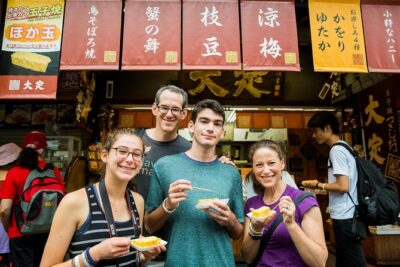
Tokyo Tsukiji Fish Market Food and Culture Walking Tour
Read our review →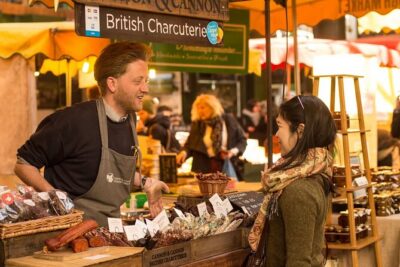
London Bridge & Borough Market Food Tour with 7 Authentic Dishes
Read our review →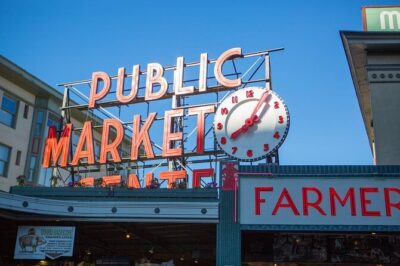
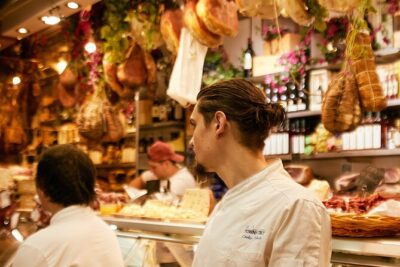
Small Group Cooking Class & Market Food Tour in Florence
Read our review →
Nishiki Market Brunch Walking Tour (7 Tastings + Brunch)
Read our review →
Bologna Food & Market Tour with 6 Tastings, Pasta, Wines & More
Read our review →
Browse the lists this tour appears in