
Review · KRAKOW FOOD TOURS
Krakow: 4-Hour Polish Food Tour
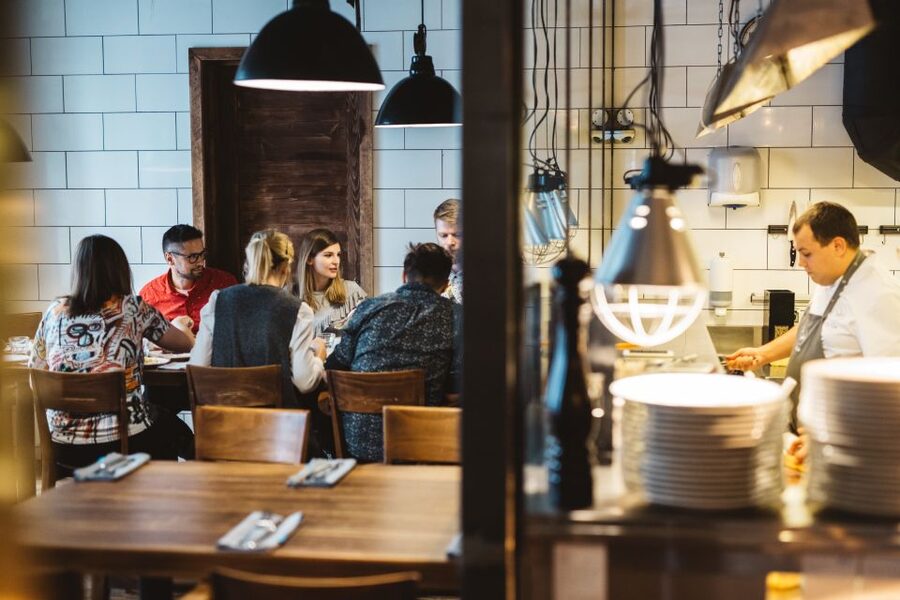
The most useful surprise on this Krakow food tour is its size. Ten tastings at four to six places add up to a full meal, not a few token bites. You may try soup, cold meats, cheeses, street food, traditional main dishes, sweets, and Polish drinks while walking from Kazimierz toward Krakow’s Old Town.
I like the way the tour connects food with daily life, from Polish complaints about bread to the odd appeal of food made in the 1970s. I also like the small group, capped at eight, and the guides’ relaxed style. Tomasz is often praised for making the history feel like a chat with a well-informed local friend.
The main caution is simple: come very hungry. The portions are generous, and pork features heavily in Polish cooking. Vegetarians may find several stops unsuitable, though allergies can be discussed in advance and the menu may be adjusted.
Key points at a glance
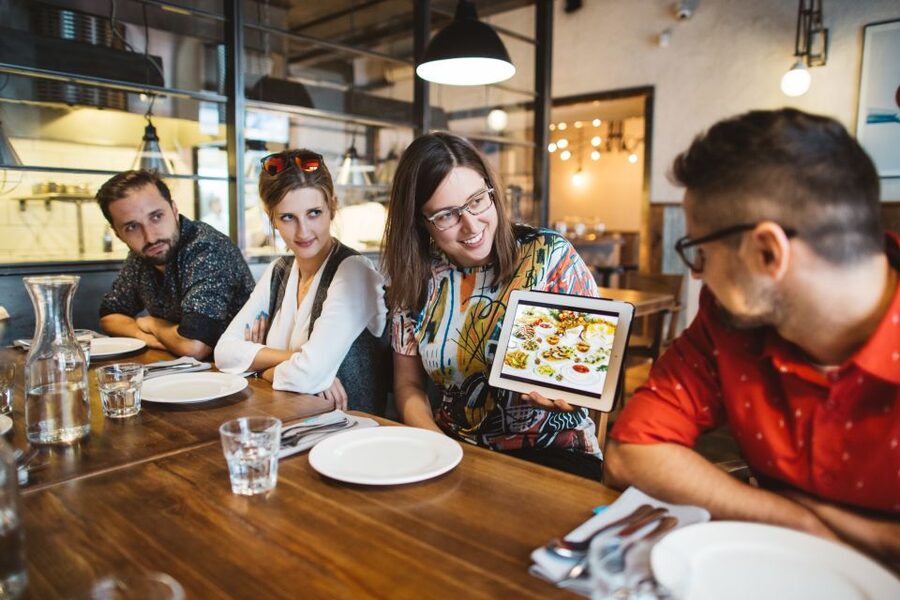
- Ten tastings make a full meal: Plan on savory food, sweets, and enough variety to replace lunch.
- Kazimierz is the starting point: Meet beside the statue of the three musicians on Wolnica Square.
- Four to six venues keep the route varied: Stops may include food stalls, cafés, cellar restaurants, and more polished dining rooms.
- The food comes with useful context: You learn why fermentation is normal in Poland, why bread matters, and how history shaped the national diet.
- The dessert has a Vatican connection: A traditional cream cake associated with Pope John Paul II provides a memorable final story.
- Choose the drink-pairing option carefully: Three Polish drinks are included only with the relevant booking choice.
Starting at Wolnica Square in Kazimierz
Your four-hour outing begins at Plac Wolnica, or Wolnica Square, in Kazimierz. Look for the guide by the statue of the three musicians, past the Ethnographic Museum, which occupies the former Town Hall. The meeting spot is in the shade of the trees, but allow enough time to find it without rushing.
Kazimierz gives the tour a good opening setting. You are not starting in a generic shopping district. The route begins among historic streets, then moves toward central Krakow and the Old Town. Along the way, the guide points out Baroque and Renaissance sights, so the walking serves two purposes: it helps you get oriented and gives your appetite time to catch up with the food.
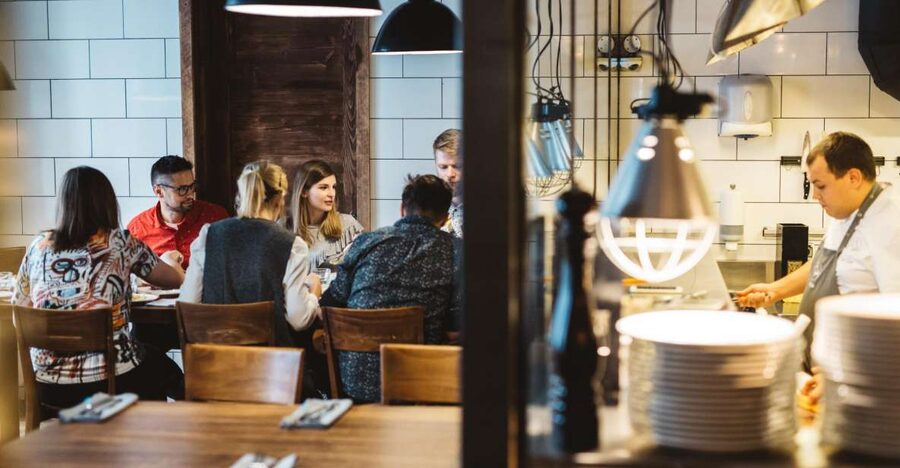
The group limit of eight matters here. Food tours can become clumsy when a large crowd crowds around a counter or tries to hear a guide in a restaurant. A small group makes it easier to ask about ingredients, request clarification, and sit down together at several stops.
English is the tour language. Guides named in the tour’s recent operation include Tomasz, Mateusz, Thomas, and Camilla. The strongest pattern is a friendly, informal approach rather than a formal lecture. Tomasz, in particular, is often singled out for balancing food facts, Polish traditions, and Krakow history without making the outing feel like a classroom.
More food tours in Poland:
- Krakow Food Tasting Tour with Delicious Poland
★ 5.0 · 1,032 reviews - Warsaw’s No 1 cooking class-Polish dumplings with liqueur tasting
★ 5.0 · 576 reviews - Krakow: Tipsy Polish Food Tour With History, Pierogi & Shots
★ 4.9 · 439 reviews
Why the route feels like a progressive dinner
The tour visits four to six carefully selected establishments. That range is one of its best features because each stop can show a different side of Polish eating.
You might begin with a piece of Polish street food, then move indoors for soup, continue to a restaurant for a more substantial plate, and finish with cheeses, cold meats, or dessert. One detailed account described a cellar restaurant serving two traditional soups, followed by a restaurant plate with aged salted beef, potato purée, garlic broccoli, groats with blue cheese, and soda bread. The exact menu can change, but the structure is clear: this is closer to a progressive dinner than a quick sampling walk.
That difference matters. Some food tours offer a bite at each address and leave you searching for dinner afterward. Here, the portions are intended to fill you up. I would schedule the tour in place of lunch, not after it. Eat breakfast, but keep it sensible.
The walking between stops is moderate enough to help with the pace of the meal, though it is still a four-hour activity. You are moving through central Krakow rather than sitting in one restaurant for the entire afternoon. Wear shoes you can comfortably walk in, and avoid planning a tight appointment immediately afterward.
The Polish foods you are likely to meet
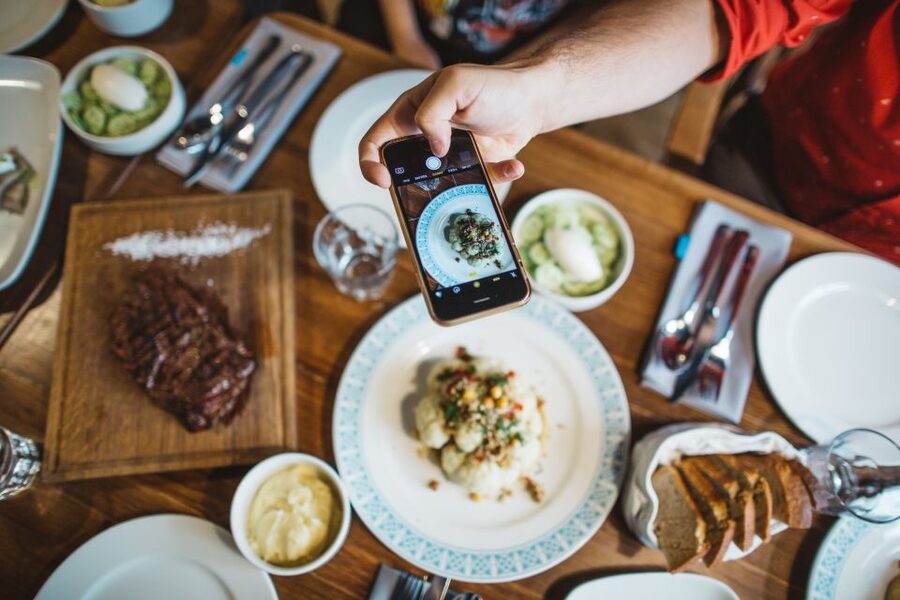
The tour promises more than pierogi, which is important because dumplings are only one piece of Polish cooking. You can expect a broad spread of cold appetizers, hot soups, traditional dishes, regional specialties, street food, and sweets.
Soup is a strong part of the Polish table. The route may include more than one traditional soup, allowing you to compare flavors and textures rather than treating soup as a side dish. The guide explains what goes into each bowl and why certain ingredients remain familiar in Polish homes.
Cold dishes can include cheeses, meats, spreads, and bread. These foods give you a better sense of the everyday table than a single famous dish does. The tour also addresses Poland’s complicated relationship with bread. You learn why people complain about its quality, even though bread remains central to meals and snacks.
Fermented foods are another useful lesson. In Poland, fermented does not mean spoiled. The process is a normal way to preserve food and build flavor. If you are used to milder Western European cooking, some tastes may surprise you, but the guide gives you the cultural frame before you judge the plate.
A substantial restaurant course may include meat, potatoes, grains, vegetables, or bread. Pork is common, so you should not assume that a dish is vegetarian simply because it contains vegetables or grains. Tell the tour operator about allergies before the outing so the menu can be adjusted where possible.
The tour also explains why some Polish people feel nostalgia for food produced in the 1970s. That detail may sound odd at first, but it opens a window onto food shortages, memory, and changing ideas about quality. You are not only learning what is on the plate. You are learning why people attach feelings to it.
Dessert with a Vatican connection
Save room for the final course. One of the tour’s most memorable details is the link between a traditional regional dessert and the Vatican.
The dessert is kremówka, a cream cake associated with Pope John Paul II. In Krakow, the story connects the sweet to the Polish pope, who was born in nearby Wadowice. A cream cake may sound like a small finish, but this stop ties regional food to national identity, religion, and modern Polish memory.
A past route also included homemade ice cream at the final sweet stop. That may not appear on every departure, so treat it as a possible part of the dessert course rather than a guarantee. The important point is that sweets are built into the meal, not added as an afterthought.
Same appetite, a different neighbourhood:
- Krakow: Street Food Walking Tour
★ 4.8 · 285 reviews - Krakow Pierogi Cooking Class with Market Visit & Home-Cooked Meal
★ 5.0 · 212 reviews - Krakow: Vodka Tasting Tour: Tapas, Tipsy Tales & Hidden Gems
★ 5.0 · 203 reviews - Krakow: Guided Polish Food and Culture Tour with Tastings
★ 4.8 · 134 reviews
The drink-pairing option and what it includes
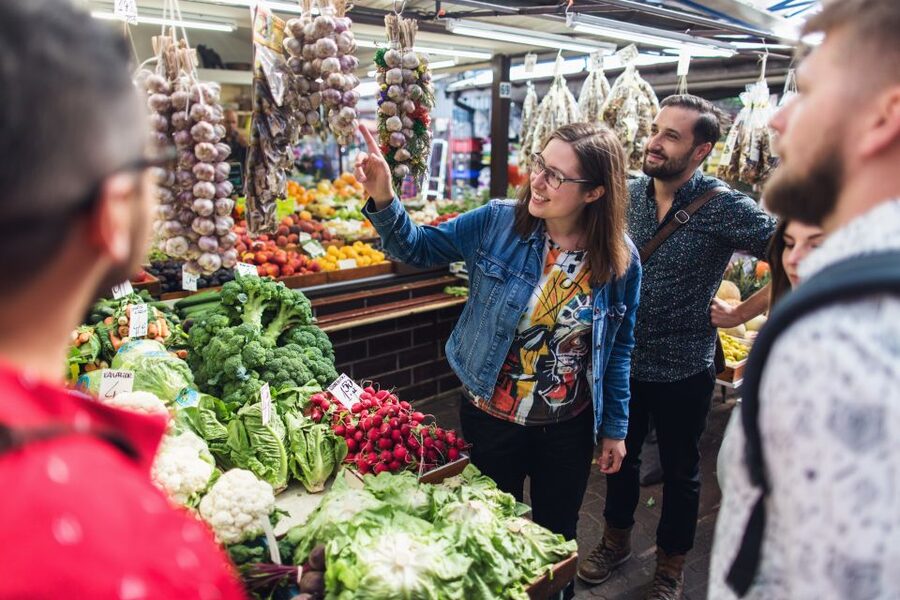
Water is provided at most venues. Three Polish drinks are included if you book the option with drink pairings. Additional drinks cost extra.
One earlier route included a vodka tasting alongside cold meats, cheeses, and spreads. That helps explain how drinks fit into Polish food customs, but you should not assume every alcoholic drink or pairing will be identical. Check the booking option if tasting Polish drinks is important to you.
If you do not drink alcohol, confirm the available alternatives before booking. The supplied details specify three Polish drinks with the pairing option, but they do not promise a particular nonalcoholic replacement. The food itself remains the main part of the tour.
A guide-led lesson in Polish culture
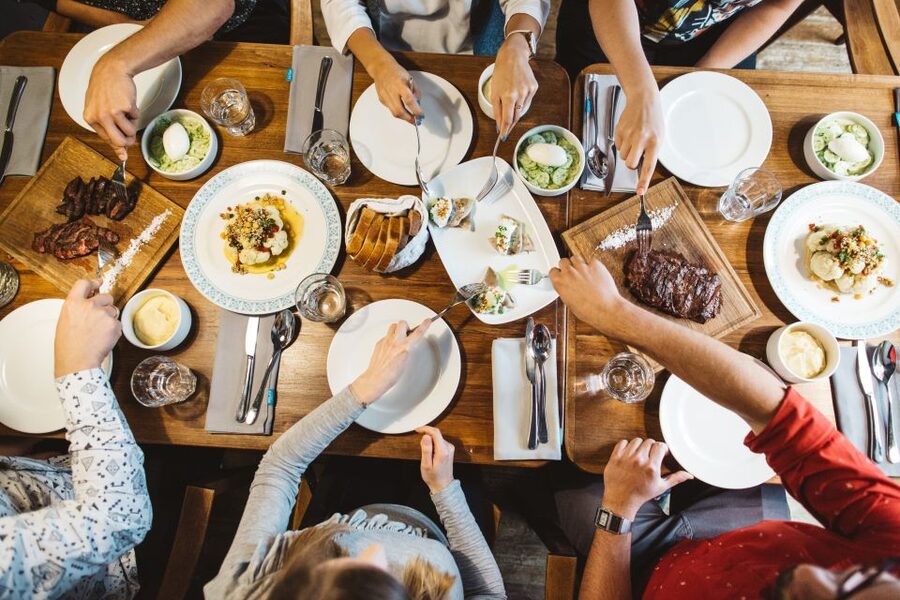
The best reason to book this tour is not simply to eat more cheaply than you could in a restaurant. It is the explanation between bites.
A guide can tell you why hosts in Poland aim to serve enough food to make the table collapse. That saying captures a real part of Polish hospitality: abundance is a sign of welcome. It also explains why the portions may seem excessive if you expect small tasting plates.
The tour also puts Polish cuisine in a wider social setting. You hear about changing food habits, national pride, memories of the communist period, and the difference between traditional recipes and modern restaurant cooking.
Tomasz has been particularly praised for a friendly, laid-back manner. Other guides, including Mateusz and Camilla, have been described as linking food with social and historical details. That teaching style suits me because it leaves room to taste and talk instead of turning every course into a long speech.
Written information about the dishes is included. You also receive a written summary and suggestions for places to eat later. This can be useful if you want to return to a favorite restaurant or continue exploring Polish food independently.
One small practical note: make sure you receive the follow-up information before you leave Krakow, or check your email afterward. A past participant had trouble receiving the follow-up message. It is not a reason to reject the tour, but the recommendations are worth keeping.
Is $115 a fair price?
At $115 per person, this is not the cheapest way to eat in Krakow. You can buy individual Polish dishes for much less. The price makes more sense when you count the food as a full meal, the four hours of guiding, the visits to several venues, the written food notes, and the cultural explanation.
You are also paying for selection. Finding six suitable places on your own takes time, and ordering ten dishes without help can leave you with too much of one thing and none of another. A guide lets you sample across categories without guessing what to order.
The value is strongest for a first visit to Krakow. You get an introduction to Kazimierz, central Krakow, and the Old Town while building a list of places to revisit. Several participants used the guide’s restaurant suggestions for later meals, which is exactly how I would use the written recommendations.
The price is less compelling if you already know Polish cooking well, dislike group activities, or want a quiet single-restaurant meal. It is also a poor match if you are looking for a very light snack. This is a serious amount of food.
Who should book this food walk?
I would recommend it to first-time visitors who want a practical introduction to Krakow. It gives you enough background to recognize dishes later, and it can help you decide where to eat during the rest of your stay.
It suits couples, friends, and solo visitors who enjoy conversation. The small group makes it easier for solo participants to join in, and one departure even operated with just two people. A private-feeling group is possible, but you should still book expecting a small shared tour rather than a private guide.
Food-loving families may enjoy it, but the adult-focused menu and four-hour length are worth considering. The pork-heavy cooking also means vegetarians need to ask about substitutions before booking. People with allergies should provide details in advance.
I would especially recommend taking it early in your Krakow visit. That way, the guide’s restaurant tips can shape the rest of your meals, and you can return to dishes you want to try again.
Practical details before you reserve
The tour lasts four hours, with departure times that vary by availability. Hotel pickup and drop-off are not included, so you need to reach Wolnica Square independently.
Plan your breakfast carefully. The best preparation is to eat enough in the morning, then skip lunch. Arriving full will make it difficult to sample all ten dishes, and the whole point of this route is variety.
Tell the operator about food allergies before the tour. Vegetarian visitors should also ask what can be changed, since many dishes use pork. Do not rely on simply avoiding visible meat because ingredients and broths may vary.
The booking terms allow free cancellation up to 24 hours in advance, and the reserve-now, pay-later option keeps your plans flexible. A guide may ask someone to leave if their behavior disrupts the group or creates a safety issue. Refusal for safety reasons does not qualify for a refund.
Should you book the Krakow Polish Food Tour?
Book it if you want a generous meal, a small group, and a clear explanation of how Polish food fits into Polish life. The strongest parts are the range of dishes, the walk through Kazimierz and central Krakow, and guides such as Tomasz who make the history easy to follow.
Think twice if you are vegetarian, avoid pork, want only light snacks, or prefer to choose every restaurant yourself. For most first-time visitors who arrive hungry and schedule it near the start of their stay, the $115 price is reasonable because you receive dinner-sized food, three optional drink pairings, four hours of context, and useful ideas for the rest of your Krakow visit.
FAQ
Where does the Krakow food tour meet?
Meet at Plac Wolnica, or Wolnica Square, in Kazimierz. The guide waits by the statue of the three musicians, past the Ethnographic Museum, in the shade of the trees.
How long does the food tour last?
The tour lasts four hours. Starting times vary, so check availability when booking.
How many food tastings are included?
The tour includes 10 food tastings at four to six venues. The food is intended to provide a full meal with dessert.
Is the tour conducted in English?
Yes. The tour has a live English-speaking guide.
How large is the group?
The tour is limited to eight participants, making it a small-group activity.
Are drinks included?
Water is included at most venues. Three Polish drink pairings are included only when you choose the booking option with pairings. Additional drinks are not included.
Is the tour suitable for vegetarians?
Polish cuisine on this route is based heavily on pork, so many dishes may not suit vegetarians. Ask about menu adjustments before the tour.
Can food allergies be accommodated?
You should advise the operator about allergies in advance so the menu can be adjusted where possible.
Is hotel pickup included?
No. Hotel pickup and drop-off are not included. You need to reach the meeting point at Wolnica Square yourself.
New food tours we have reviewed in Poland
- Krakow: Traditional Street Food Walking Tour★ 4.6 · 51 reviews
- Krakow: Guided Polish Food and Culture Tour with Tastings★ 4.8 · 134 reviews
- Krakow: Traditional Polish Food and Drinks Tasting Tour★ 4.8 · 77 reviews
- Krakow: Vodka Tasting Tour: Tapas, Tipsy Tales & Hidden Gems★ 5.0 · 203 reviews
- Krakow: 6-Course Full Polish Food Tour with Vodka Tasting★ 4.8 · 98 reviews
- Gdansk: Polish Beer Tasting Tour★ 4.7 · 81 reviews
- Gdansk Private Polish Beer Tasting Tour at Best Pubs & Bars★ 4.8 · 22 reviews
- Gdańsk: Authentic Polish Vodka & Food Experience★ 4.9 · 50 reviews
Krakow Food Tours, compared.
Krakow Food Tasting Tour with Delicious Poland
Read our review →
Krakow: Tipsy Polish Food Tour With History, Pierogi & Shots
Read our review →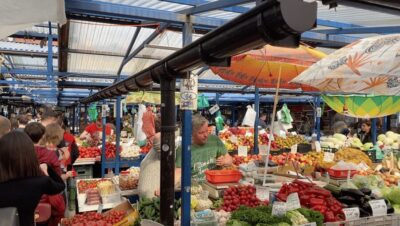
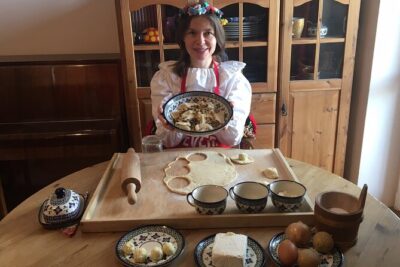
Krakow Pierogi Cooking Class with Market Visit & Home-Cooked Meal
Read our review →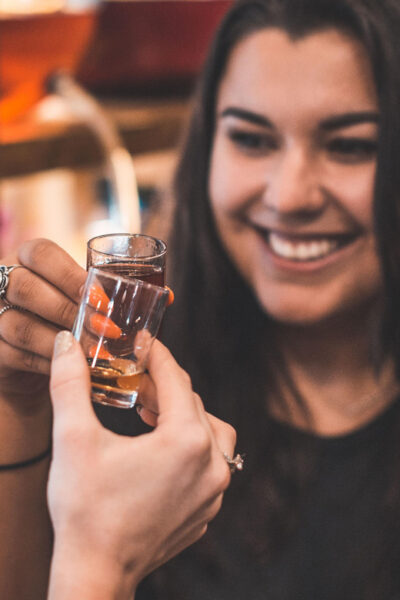
Krakow: Vodka Tasting Tour: Tapas, Tipsy Tales & Hidden Gems
Read our review →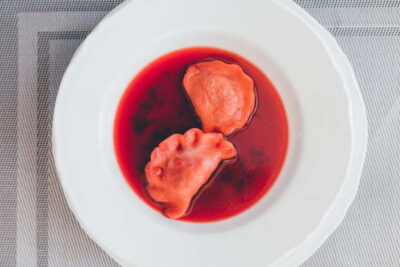
Krakow: Guided Polish Food and Culture Tour with Tastings
Read our review →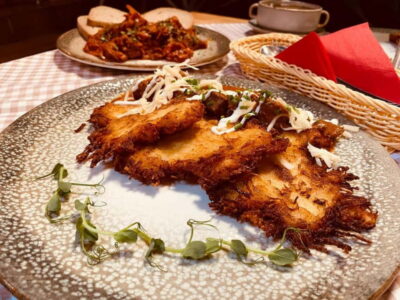
Krakow: 6-Course Full Polish Food Tour with Vodka Tasting
Read our review →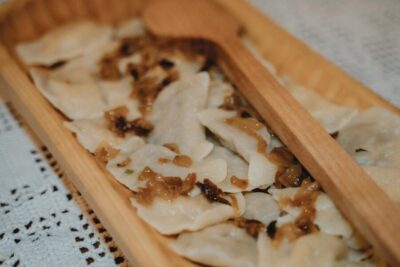
Krakow: Traditional Polish Food and Drinks Tasting Tour
Read our review →Browse the lists this tour appears in