
Review · COOKING CLASSES
Warsaw’s No 1 cooking class-Polish dumplings with liqueur tasting
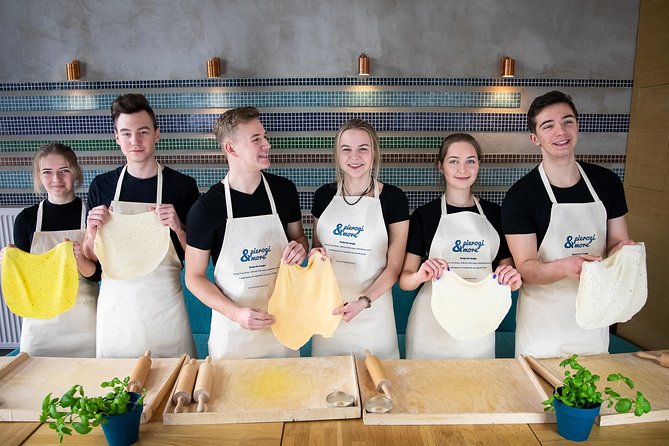
The best part of this Warsaw cooking class is simple: you make the dinner you eat. In about two hours, you learn the basics of pierogi, from kneading and rolling dough to folding several shapes, then sit down to share the results with the group.
I like the small maximum of 10 people, which gives the instructor time to correct your technique. I also like the liqueur tasting and the practical souvenir: a recipe you can use at home. The main consideration is that the room can get hot, and the finished dumplings are served family-style, so you share food prepared by the whole group.
Key points before you book
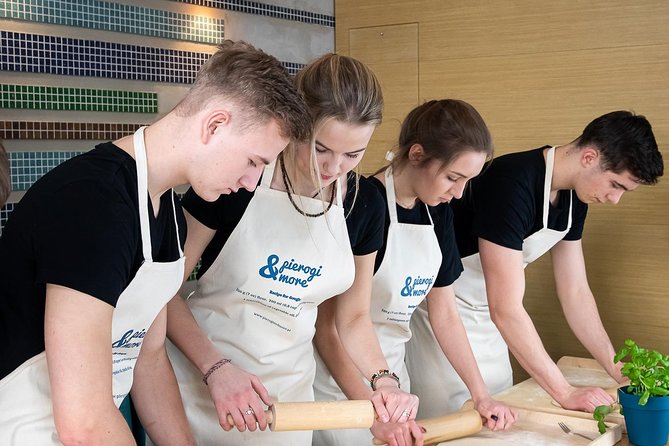
- You make a full meal: Prepare pierogi with meat and vegetarian fillings, then boil and eat them at the end.
- Small class size: The maximum is 10 people, allowing for hands-on help at each station.
- Useful cooking skills: Learn dough kneading, rolling, sealing, folding, and simple tricks for better dumplings.
- Polish drinks included: The class finishes with a tasting of Polish liqueurs.
- Dietary requests are possible: Vegetarian and vegan versions can be arranged in advance.
- Convenient format: The class lasts about two hours and begins and ends at Pierogi & More near public transportation.
Making dinner at Pierogi & More
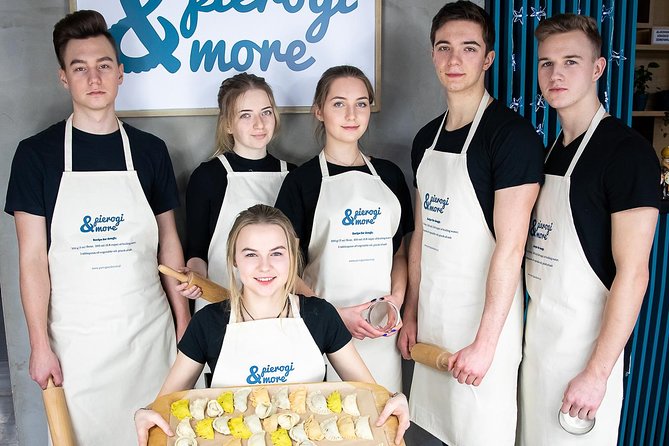
The class takes place at Pierogi & More, at Stawki 3 in Warsaw. It is just northwest of the Old Town and described as easily walkable from that area, with public transportation nearby. You do not need to plan a complicated excursion around it. It fits neatly into an afternoon or evening in the city.
The session begins with a short introduction to the origins and place of pierogi in Polish food culture. That opening matters because pierogi are not just a restaurant dish for visitors to try once. They are part of everyday Polish cooking, served in homes and made in many styles.
The introduction is brief, then the work begins. You are shown how to mix and knead the dough, how to roll it to the right thickness, and how to prepare the circles for filling. These steps sound easy, but dough that is too thick can make heavy dumplings, while dough that is too thin can split during cooking.
The instructors focus on small practical details. You learn how much filling to use, how to press out air, and how to seal the edges so the dumpling stays closed in boiling water. You also see more than one folding method, which gives you a chance to make different shapes rather than producing a tray of identical parcels.
More Dim Sum and Dumpling Tours in Poland:
- Hong Kong: Street Food Tour with Locals – Dim Sum and Wonton
★ 4.8 · 673 reviews - Hong Kong Day Tour: Priority Peak Tram, City Walk & Dim Sum
★ 4.5 · 266 reviews - Gyoza Cooking Class in Kyoto: Traditional Japanese Dumplings
★ 5.0 · 210 reviews
A hands-on lesson, not a cooking demonstration
This is not the kind of class where you sit at a table and watch a chef do all the work. You make the dough and shape the pierogi yourself, with the instructor and assistant moving around the room to help.
The setup generally works well for couples and pairs, with two people at each station. Solo participants can also take part, and the small group makes it easier to receive individual help. A few past sessions have had fewer than 10 people, which gives the class a little more breathing room.
Instructors who have led sessions include Daria, Ben, Patrycya, Nina, and Zuzia. The teaching style can vary slightly from one person to another, but the repeated strengths are clear: instructions are direct, the pace is organized, and help is available when a fold goes wrong.
That personal help is useful for first-time cooks. Pierogi look straightforward, but sealing them neatly takes practice. If your first few are lopsided, that is part of the fun. The class is designed to get you comfortable enough to make them again at home, not to turn you into a professional Polish chef in one sitting.
The atmosphere is light and social. An icebreaker may begin the session, and the cooking naturally gives you something to talk about with the people at your station. You might be paired with another couple, a solo participant, or a family. The group meal at the end gives the class a friendly, shared rhythm.
Meat, vegetarian, and vegan pierogi
The main food is pierogi with meat or vegetable fillings. You prepare several varieties, so the meal is more interesting than a single dumpling with one filling.
Vegetarian options are available on request, and vegan choices can also be arranged. One particularly useful detail for people with dietary restrictions is that vegan dumplings may be cooked first to reduce contact with dairy-based food. Still, you should state your needs when booking rather than waiting until the class begins.
The class teaches the dumpling-making process more than the preparation of every filling from scratch. If your main goal is learning how to cook Polish fillings, this may feel like a limitation. The strongest focus is the dough, shaping, cooking, and traditions around pierogi.
That is still a good trade for a two-hour session. Dough and folding are the parts most people struggle to reproduce at home, while fillings are easier to adapt once you understand the basic method. You can later experiment with your own combinations.
The family-style meal is the payoff
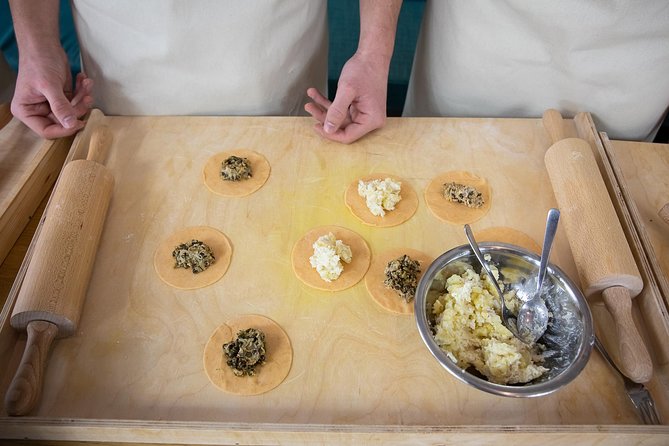
After the pierogi are assembled, the instructor demonstrates how to cook them. You then eat the finished dumplings together, family-style, with the whole group contributing to the meal.
This format gives you more food to try than a plate made only from your own batch. You can compare different shapes and fillings, and the table becomes a relaxed place to talk about Warsaw, Poland, and the rest of your trip.
There is one point to consider. Everyone shares the finished food, so the meal is not suited to someone who is uncomfortable eating dishes prepared by other class members. For most people, this is part of the social appeal. For strict dietary concerns, allergies, or strong preferences about food handling, ask for clarification before booking.
The portions are generous enough to serve as a proper lunch or dinner. Some people have even had leftovers. That makes the $77.97 price easier to assess: you are paying for instruction, a meal, drinks, and a small-group activity, not only for a quick tasting.
More Cooking Classes in Poland:
- Krakow Pierogi Cooking Class with Market Visit & Home-Cooked Meal
★ 5.0 · 212 reviews - Authentic Pizza Making Class in Naples with Appetizers and Drink
★ 5.0 · 3,178 reviews - Tokyo: Roll and Authentic Sushi Making Class in Asakusa
★ 4.9 · 1,957 reviews - Ramen Cooking Class at Ramen Factory in Kyoto
★ 5.0 · 1,937 reviews
Polish liqueurs and a little table-side fun
The class includes a tasting of Polish liqueurs after the cooking. It is not the main reason to book, but it adds a distinctly local finish to the meal.
The tasting has included a small guessing game using two liqueurs. That keeps it playful rather than formal. You do not need to be a spirits expert, and the point is to sample something associated with Polish food and hospitality in a relaxed setting.
Because alcohol is included, this class may be less suitable for children or anyone avoiding spirits. Children under 8 are not permitted. If you bring an older child, at least one adult must be responsible for that child during the class.
The liqueur tasting also gives the experience a clear ending. You cook, eat, talk, and then finish with a small Polish drinking tradition instead of leaving as soon as the last dumpling is served.
Why the two-hour length works
Two hours is enough time to cover the essentials without turning the class into an all-day commitment. You receive an introduction, a dough lesson, filling and folding instruction, cooking guidance, dinner, and the liqueur tasting.
The pace is active. You should arrive ready to participate rather than expecting a long lecture or a slow restaurant meal. The class starts promptly, so arriving at the meeting point on time matters.
There is also a practical benefit to the short format. If you have only one or two nights in Warsaw, you can fit this into a compact visit. It works especially well after sightseeing because the activity provides a change of pace from museums, churches, and city walks.
The only comfort issue reported is heat in the room during at least one session. Cooking, several people, and warm equipment can make the space uncomfortable, especially in summer. Wear light, comfortable clothes and avoid treating this like a dress-up dinner.
Value at $77.97 per person
At $77.97, this is not the cheapest way to eat pierogi in Warsaw. A restaurant meal will cost less. The value comes from the combination of instruction, participation, food, drinks, and social time.
I would consider the price reasonable if you want to bring home a usable skill. You are not simply watching a chef prepare a local dish. You learn a method that can be repeated in your own kitchen, and you receive a recipe and photographs after the class in some sessions.
The small group also matters. A class capped at 10 people is more useful than a large demonstration if you want feedback on your dough or folding. You have a better chance of getting help without interrupting the instructor.
The value is weaker if you dislike group activities or only want to eat traditional Polish food. In that case, choose a good milk bar or Polish restaurant and spend the difference on another experience. This class makes the most sense for people who want food, conversation, and a hands-on activity in one booking.
Who will enjoy this class most
This is a strong choice for couples, families with older children, solo visitors, and friends who enjoy making food together. The work is simple enough for beginners, but there is enough technique to keep it interesting.
It also suits people who want a cultural activity that feels more personal than a standard sightseeing stop. You learn about a familiar Polish dish through the way it is made, shared, and adapted for different households.
Food-focused visitors will get the most from it, as will anyone who likes returning from a trip with something practical. A recipe is a better souvenir than another refrigerator magnet, especially when you can make it for friends at home.
I would be more cautious if you have severe allergies, need a fully private class, dislike shared meals, or do not drink alcohol. Vegetarian and vegan arrangements are possible, but you should request them in advance and confirm that the setup meets your needs.
Booking and meeting details
The class starts and ends at Pierogi & More, Stawki 3, 00-193 Warsaw. It is offered in English, uses a mobile ticket, and confirmation is provided at booking.
The activity is usually reserved well ahead of time, with an average booking lead time of about 35 days. If your Warsaw dates are fixed, booking early is sensible, especially because the group limit is 10 people.
Free cancellation is available up to 24 hours before the local start time for a full refund. Changes or cancellations inside that window are not accepted for a refund. The class also requires a minimum number of participants, so a cancellation by the provider may result in another date, another activity, or a full refund.
Should you book the Warsaw pierogi class?
I would book this if you want a warm, social evening with a useful result. The strongest parts are the clear instruction, the small group, the generous meal, and the chance to learn several folding techniques instead of only watching a demonstration.
The class is especially good for a short Warsaw visit. You get Polish food, local background, a shared table, and liqueur tasting in about two hours. It is also a smart choice for anyone who wants to recreate a part of the trip at home.
Skip it if your priority is a quiet meal, a private lesson, or a detailed workshop on preparing every filling from scratch. Otherwise, the 4.9 rating from 576 ratings and 97 percent recommendation fit the experience described here: organized, friendly, filling, and practical, with only minor concerns about room heat and shared food.
FAQ
Where does the Warsaw pierogi cooking class take place?
It takes place at Pierogi & More, Stawki 3, 00-193 Warszawa, Poland. The activity ends back at the same meeting point.
How long does the cooking class last?
The class lasts approximately two hours.
What will I learn to make?
You will learn to make Polish pierogi with meat and vegetarian fillings. The class covers kneading dough, rolling it out, adding filling, folding the dumplings, and cooking them.
Is the class offered in English?
Yes. The experience is offered in English.
Are vegetarian and vegan options available?
Yes. Vegetarian and vegan options are available on request. You should state your dietary needs when booking.
Is food included?
Yes. You cook and eat the pierogi prepared during the class. The menu includes pierogi with meat or vegetables.
Is the Polish liqueur tasting included?
Yes. A tasting of Polish liqueurs is included in the experience.
Can children attend?
Children under 8 cannot attend. If you bring a child, at least one adult must take care of the child during the class.
What is the cancellation policy?
You can cancel up to 24 hours before the experience start time for a full refund. Cancellations or changes made less than 24 hours before the start time are not refunded or accepted.
More hands-on workshops in Poland
- Sushi Making Tokyo Roll and Authentic Japanese Sushi Class
★ 5.0 · 3,971 reviews - Small Group Cooking Class & Market Food Tour in Florence
★ 5.0 · 1,574 reviews - Tokyo: Sushi Making Class in a Happi Coat near a Famous Spot
★ 4.9 · 1,377 reviews - Sushi Making Osaka Roll and Authentic Japanese Sushi Class
★ 5.0 · 1,220 reviews
New food tours we have reviewed in Poland
- Krakow: Traditional Street Food Walking Tour★ 4.6 · 51 reviews
- Krakow: Guided Polish Food and Culture Tour with Tastings★ 4.8 · 134 reviews
- Krakow: Traditional Polish Food and Drinks Tasting Tour★ 4.8 · 77 reviews
- Krakow: Vodka Tasting Tour: Tapas, Tipsy Tales & Hidden Gems★ 5.0 · 203 reviews
- Krakow: 6-Course Full Polish Food Tour with Vodka Tasting★ 4.8 · 98 reviews
- Krakow: 4-Hour Polish Food Tour★ 4.9 · 39 reviews
- Gdansk: Polish Beer Tasting Tour★ 4.7 · 81 reviews
- Gdansk Private Polish Beer Tasting Tour at Best Pubs & Bars★ 4.8 · 22 reviews
Cooking Classes, compared.
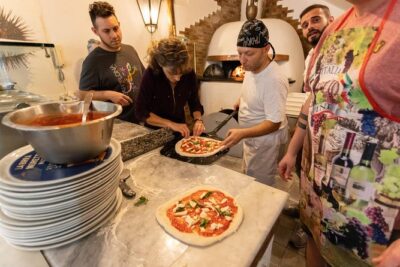
Authentic Pizza Making Class in Naples with Appetizers and Drink
Read our review →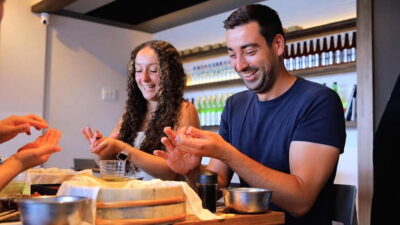
Tokyo: Roll and Authentic Sushi Making Class in Asakusa
Read our review →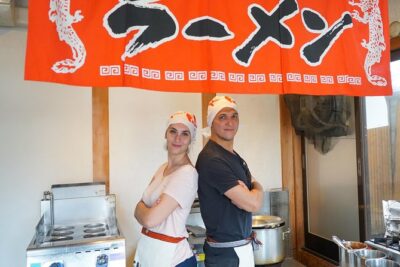
Ramen Cooking Class at Ramen Factory in Kyoto
Read our review →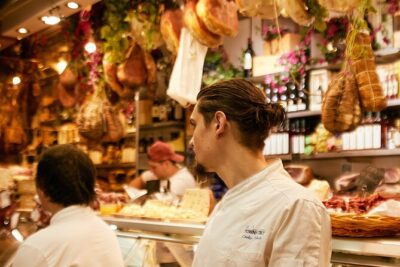
Small Group Cooking Class & Market Food Tour in Florence
Read our review →
Tokyo: Sushi Making Class in a Happi Coat near a Famous Spot
Read our review →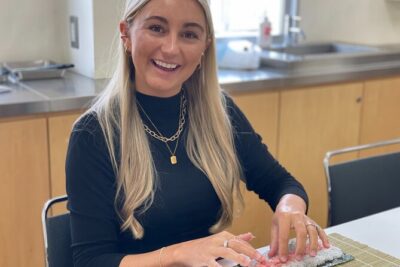
Tokyo Sushi Making Class in Tsukiji with Professional Chef
Read our review →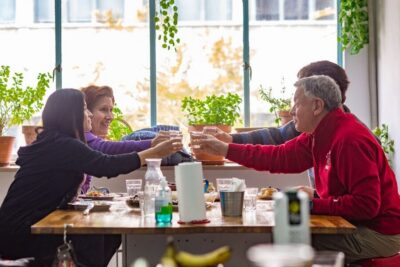
Food Market Visit and Cooking Class with Wine
Read our review →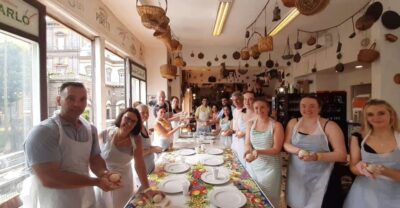
Naples: Neapolitan Pizza and Tiramisù Making Class
Read our review →Browse the lists this tour appears in