
Review · STREET FOOD TOURS
Hong Kong: Street Food Tour with Locals – Dim Sum and Wonton
Hong Kong’s story comes through clearly when you eat your way from Sheung Wan to Central. One stop brings dried seafood and expensive cordyceps, another brings wonton noodles, dim sum, BBQ pork, egg tarts and old-style tea. I like the way the tour connects food to the city’s past, and I like that the stops are local cafés, market areas and small food shops rather than polished international restaurants. The main drawback is simple: dietary restrictions are not easily accommodated, and vegetarians and halal diners should not book this tour.
You also need comfortable shoes and a good appetite. Three hours, seven or eight stops, and more than 10 tastings can add up to a full meal. Guides including Jasmine, Stephen, Alice, Michael, Hody, Wing and Summer are praised for mixing local stories with practical explanations, so you get both food and a useful introduction to Hong Kong life.
Key points to know before booking
- Ten or more tastings: Expect dim sum, wontons, BBQ meats, egg tarts, egg waffles, tea and local herbal drinks.
- A walking history lesson: Sheung Wan’s dried seafood streets help explain Hong Kong’s shift from opium port to labor hub and financial center.
- Local food settings: The route uses cha chaan tengs, noodle shops, herbal tea stalls, market areas and small restaurants.
- A very filling three hours: Several people finish too full for dinner, so plan this as a major meal rather than a light snack walk.
- English-speaking local guides: Guides such as Jasmine, Stephen, Alice, Michael and Hody add childhood memories and explain dining customs.
- Not suitable for every diet: The tour cannot accommodate dietary restrictions, and no vegetarian or halal menu is provided.
Starting at Sheung Wan and reading the city through food
Meet at Sheung Wan MTR Station Exit E2. This detail matters: find the exit on the platform before walking into the concourse. Once you leave toward exits A through D, you cannot reach Exit E from inside the station.
The walk begins near Open Piazza and moves through Old Town Central. You are not simply going from one snack counter to the next. The guide uses the streets to explain how Hong Kong developed, with food acting as the thread. The route links the old trading district, labor migration, post-war working life and the modern financial city.
This is useful if you are new to Hong Kong and want context without spending half a day in a museum. It is also good for repeat visitors who have eaten plenty of Cantonese food but have not yet understood why certain dishes became everyday staples.
The pace includes a moderate amount of walking. Streets can be crowded, sidewalks can be narrow, and you need to pay attention to traffic and other pedestrians. That is part of the setting, but it means this is not a sit-down tasting event with long breaks between courses.
More Dim Sum and Dumpling Tours in the world:
- Warsaw’s No 1 cooking class-Polish dumplings with liqueur tasting
★ 5.0 · 576 reviews - Hong Kong Day Tour: Priority Peak Tram, City Walk & Dim Sum
★ 4.5 · 266 reviews - Gyoza Cooking Class in Kyoto: Traditional Japanese Dumplings
★ 5.0 · 210 reviews
Wing Lok Street and the business of dried seafood
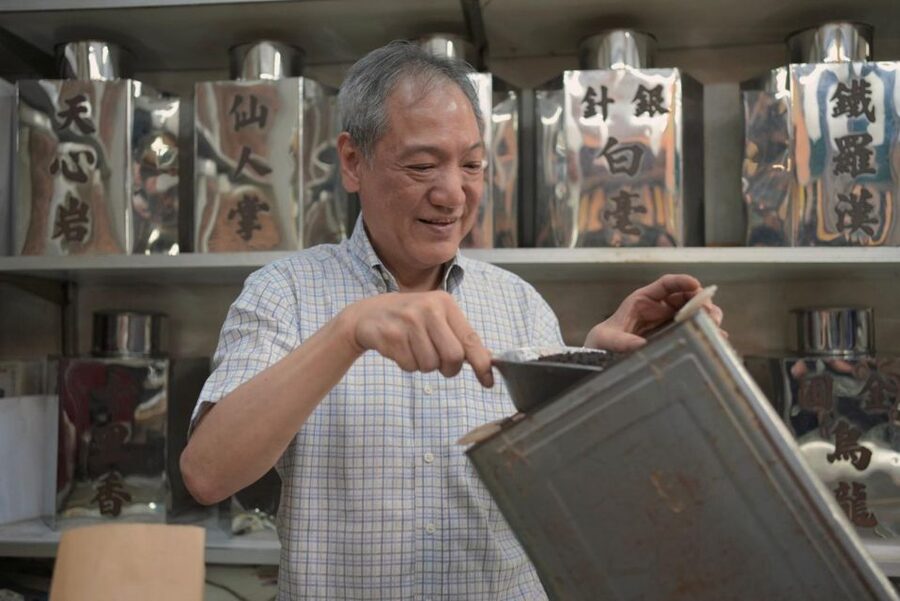
Wing Lok Street is one of the first major stops. Here, the focus shifts from ordinary snacks to Chinese luxury ingredients. Shops display dried seafood and prized ingredients such as shark fin, bird’s nest and cordyceps.
The guide explains why these products matter in Chinese food culture and how they fit into Hong Kong’s trade economy. Cordyceps priced at around HKD 200,000 per catty gives you a sense of the high end of the market. You may not buy anything, but seeing these goods in their usual setting is far more useful than hearing a short explanation in a restaurant.
This section also covers the less glamorous side of the city’s past. Sheung Wan was tied to the opium trade, then became a center for exporting Chinese labor to places such as the United States, Malaysia and gold-mining areas. Those movements helped shape Hong Kong’s economy.
I like this early stop because it prevents the food from feeling disconnected from place. Dim sum, dried seafood and tea are not just items on a menu. They belong to a trading city shaped by migration, work and changing fortunes.
Sheung Wan Cultural Square and the city’s old social life
The next portion continues around Sheung Wan Cultural Square, with more food and local background. The exact tasting can change with availability, so do not expect a fixed menu printed in stone.
The guide may use this part of the route to explain how food moved between social classes. Dim sum began as a style of tea-house refreshment associated with travelers and merchants before becoming an ordinary meal for people across Hong Kong. That shift is one reason dim sum feels both ceremonial and everyday.
You also hear about post-war Hong Kong and the rise of the cha chaan teng. These cafés served inexpensive, filling food to a working population. Their menus often mix Cantonese tastes with Western-style ingredients and names, producing dishes such as Hong Kong French toast.
The phrase French toast sounds grander than the dish itself. Expect a local café version rather than a French breakfast. That is the point. Cha chaan teng food reflects practical Hong Kong cooking, where imported ideas were adapted to local budgets and tastes.
Cha chaan teng classics and the silk-stocking tea explanation
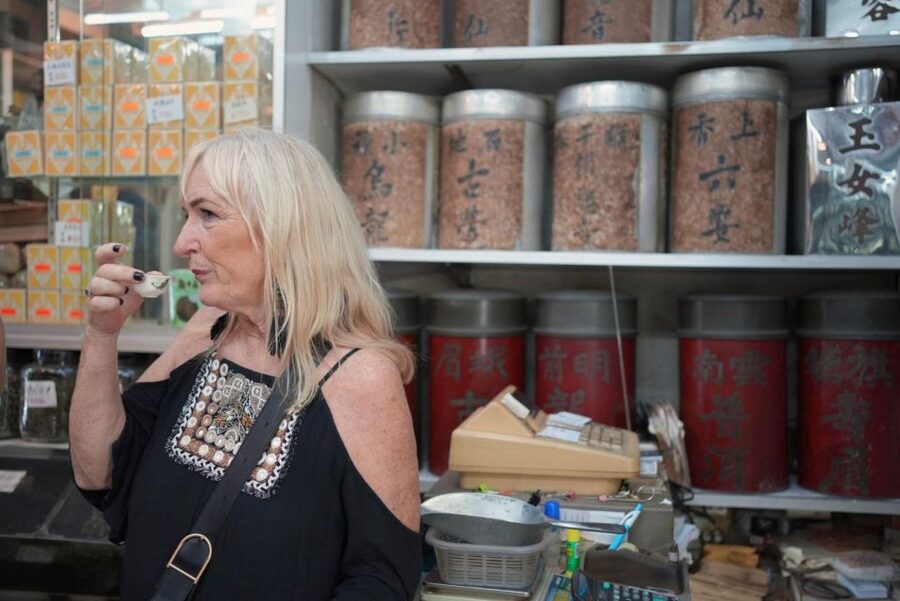
One of the tour’s most entertaining details is the so-called silk-stocking milk tea. The tea is strained through a long cloth bag, which gives it a smooth texture and a strong, concentrated flavor.
Despite the name, it is not made with silk stockings. The guide explains the cloth strainer and the history behind the nickname. This small correction is exactly the sort of detail you might miss if you simply order milk tea from a menu.
You may also try crispy Hong Kong-style French toast. It is sweet, filling and very different from the breakfast dish many people know at home. Since the tour includes many other tastings, this stop is a good reminder to pace yourself rather than finish every item quickly.
Guides are a major part of the experience here. Hody is praised for being open and entertaining, while Michael is noted for tying dishes to childhood memories and daily life in Hong Kong. The guide assigned to your departure can vary, but the experience is designed around a local English-speaking host.
More Street Food Tours in the world:
- Dubai: Old Town, Creek, Museums, Souks, & Street Food Tour
★ 4.8 · 10,816 reviews - Ho Chi Minh City Street Food Tour & Sightseeing By Motorbike
★ 5.0 · 9,413 reviews - Dubai: Old Town, Souks, Street Food, Guided Tour & Abra Ride
★ 4.9 · 7,170 reviews - Naples: Street Food Walking Tour with Local Guide
★ 4.9 · 4,976 reviews
Wonton noodles and the craft behind the bowl
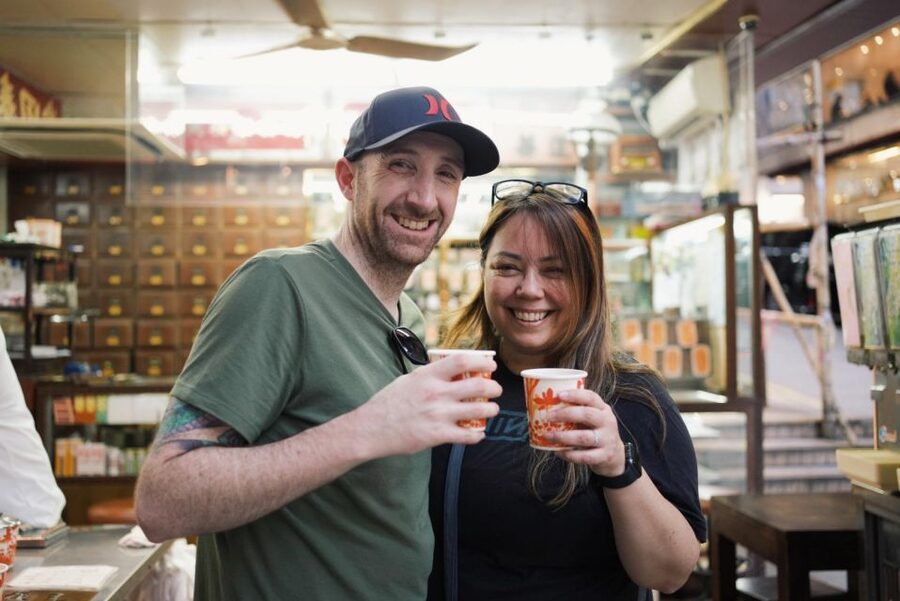
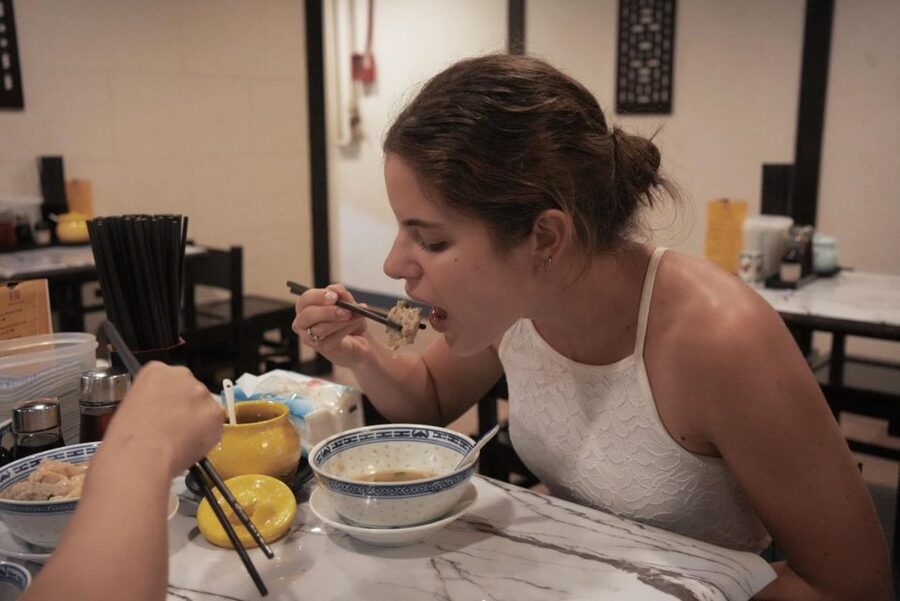
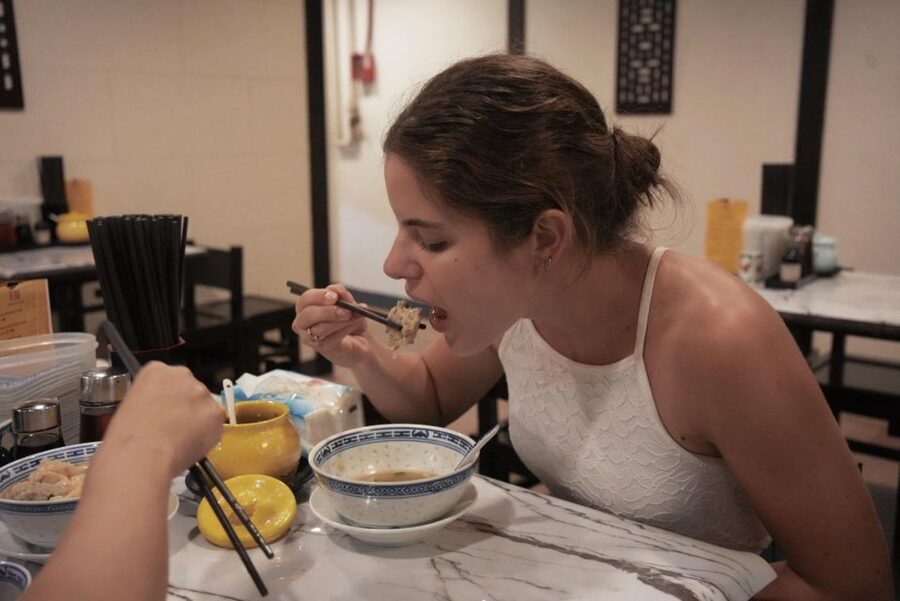
At a noodle stop, you may watch Chiu Chow-style artisans prepare shrimp-filled wontons and serve them with flounder fish broth. The details matter because the bowl can look simple while requiring careful preparation.
Wontons bring a different texture from dim sum. The thin wrapper, shrimp filling and warm broth make this a more substantial tasting, especially when combined with the other savory dishes. Guides explain what you are eating and how the dish fits into local food culture, which helps if the menu is unfamiliar.
This is one of the stops where the tour offers value beyond a restaurant meal. You are not only handed a bowl. You see a food tradition, learn how the filling and broth work together, and get help with customs that may otherwise feel unclear.
The portion sizes across the route are intended for tasting, but the total amount is not small. Several people find they are full by the end, and one person had to skip the final option. I would avoid booking a large dinner immediately afterward.
Sun Yuen Restaurant and the dim sum portion
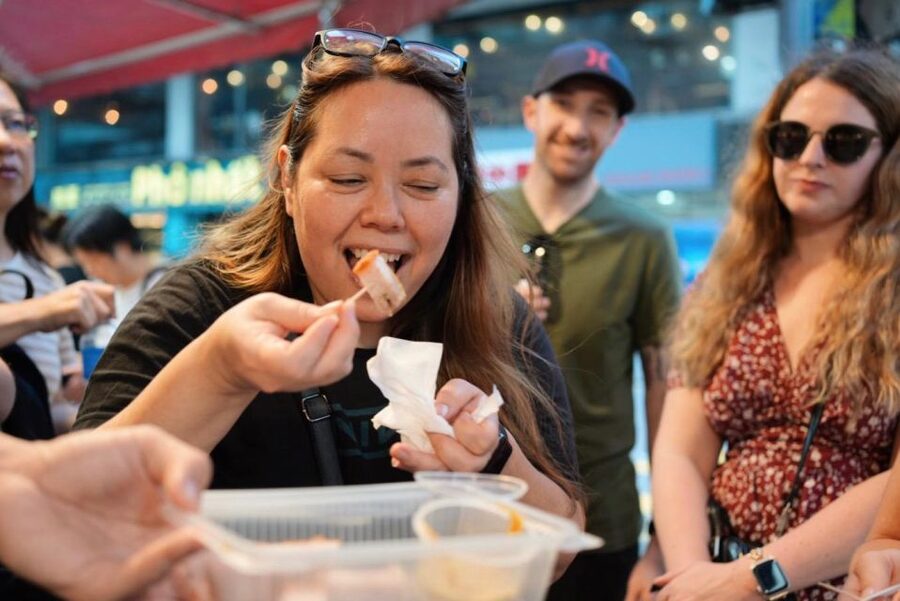
Sun Yuen Restaurant is listed as a food stop, with about 15 minutes devoted to tasting. This is where the tour’s dim sum theme becomes most direct.
Expect items such as bamboo-steamed har gow, the translucent shrimp dumpling that many visitors know as a dim sum classic. One useful detail from the tour is that the har gow wrapper can involve sweet potato, an ingredient that even some diners of Cantonese background may not know about.
Dim sum is best understood as a shared eating style. Small portions arrive in baskets or plates, and a group samples several things rather than ordering one large dish per person. Your guide can explain the etiquette, the names and the role of tea at the table.
The stop is short, so do not expect a long restaurant meal. Its purpose is to give you a clear taste of dim sum within a wider route that also includes noodles, roast meats, sweets and drinks.
Tea stalls, herbal brews and local remedies
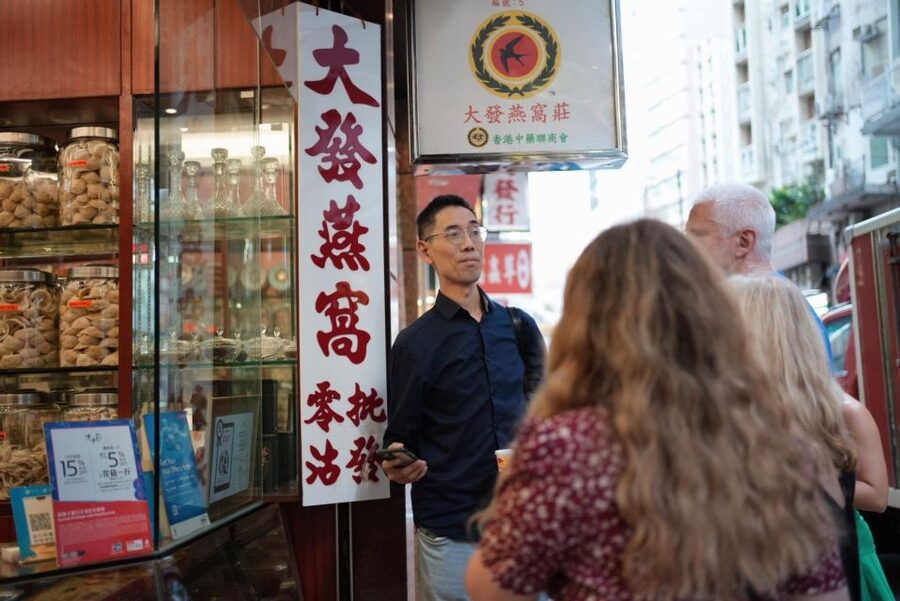
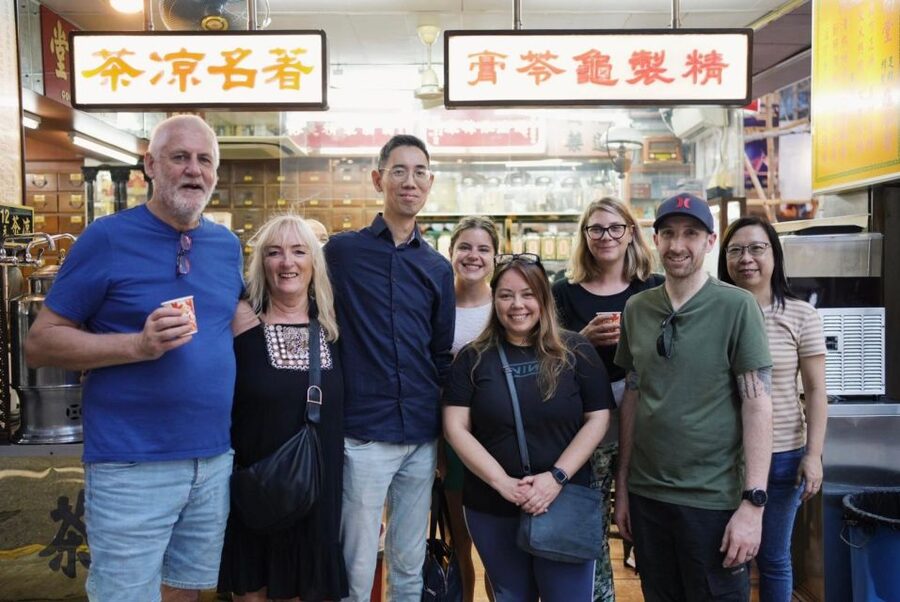
A later stop includes tea and a guided explanation, with herbal drinks such as Five Flowers tea or the notably bitter 24 Flavors tea among the possibilities.
These drinks are not chosen only for sweetness. They reflect the old neighborhood habit of stopping for herbal brews and talking with others. The tour connects these stalls to the 1950s, when they functioned as everyday social places.
If you prefer sweet drinks, the bitter tea may be a challenge. That is part of its appeal. You get to try something that is not designed to please every first-time visitor. The guide can explain the names and cultural role, but the final drink selection depends on availability.
The tour may also include traditional Hong Kong tea and the Mandarin Duck, a local mix of tea and coffee. That drink gives you another example of Hong Kong’s habit of combining Chinese and Western influences in practical, unexpected ways.
Queen’s Road Central and the biggest tasting stretch
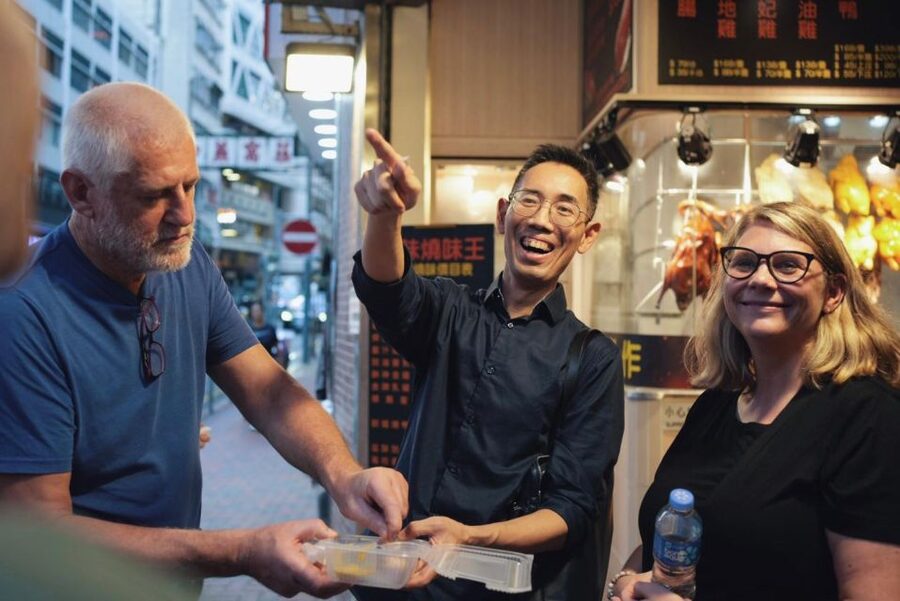
The longest food section is around Queen’s Road Central, with about 50 minutes set aside for tasting. This is where several of the tour’s best-known foods may appear: BBQ pork, pork belly, egg tarts, egg waffles and additional dim sum or noodle items.
The roast meats are a likely highlight. BBQ pork brings a sweet-savory flavor and a tender texture, while roast pork and pork belly offer crisp skin and richer meat. If you enjoy savory food, this part helps balance the lighter dumplings and sweet snacks earlier in the route.
Egg tarts provide a simple finish to the meal sequence. Hong Kong egg tarts have a pastry shell and a soft custard center, and they are easy to understand even if you have never tried Cantonese bakery food.
Egg waffles are more playful. Their bubble-like shape gives them a distinctive texture, and they are a familiar Hong Kong snack for good reason. The tour gives you a chance to try them as part of a broader food story rather than as an isolated dessert.
The long tasting section also explains why pacing matters. You may stop at several different vendors within one stretch, so take small bites and save room. The range is one of the tour’s strongest features, but only if you do not fill up at the first savory stop.
Finishing at Central Market
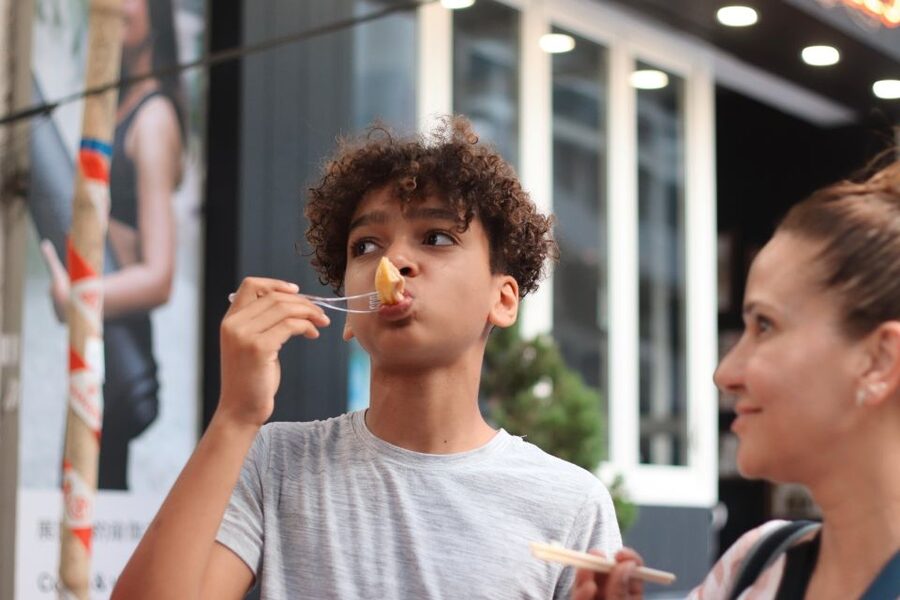
The walk ends at Central Market. This gives the route a sensible finish, moving from Sheung Wan’s old trade streets toward the central part of Hong Kong Island.
Central Market also helps you continue exploring on your own. You finish with a better sense of where Sheung Wan ends and Central begins, and you can return to food areas or nearby sights later without starting from scratch.
The tour is not built around major landmarks or long sightseeing stops. Food leads the way, with the streets supplying the setting. If you want a conventional city tour with extended time inside historic buildings, this is not the right choice. If you want food to explain how the city works, the route is much more useful.
Is $51 a fair price?
At $51 per person, the value depends on how you use the three hours. You receive a walking tour, an English-speaking local guide and tastings at roughly seven or eight stops. Ten or more small dishes and drinks can easily replace lunch and dinner, especially if you arrive hungry.
You are also paying for access and interpretation. A visitor can find dim sum, milk tea and egg tarts independently, but finding the right small cafés, understanding the menu and moving between them takes time. A guide also explains why dried seafood shops matter, how cha chaan teng culture developed and what you are actually eating.
The price is less attractive if you eat very little, want only one cuisine, or prefer to choose every dish yourself. It is also not a good match if you need strict control over ingredients. The tasting menu can change, and the tour cannot accommodate dietary restrictions.
For most people who want a first organized introduction to Hong Kong food, the combination of quantity, variety and local explanation makes the price reasonable. Plan it as a main meal, not an appetizer before a large lunch.
Who will enjoy this walk most?
I would choose this experience if you want to:
- Learn Hong Kong food customs from a local English-speaking guide.
- Try many small portions instead of committing to one unfamiliar meal.
- See Sheung Wan and Central through everyday food businesses.
- Connect dim sum, tea and cha chaan teng dishes with the city’s social history.
- Find places you may not notice while exploring alone.
- Start your Hong Kong visit with a broad food orientation.
It suits solo visitors especially well because the route gives you structure and a chance to share food with a small group, though the group size is not specified. Families can also enjoy it, and a 13-year-old was reported to have enjoyed the experience.
You should think twice if you dislike walking, do not want mixed savory and sweet foods, or need vegetarian, halal or carefully controlled dietary choices. Weather can also affect the tour. If poor weather forces a cancellation, you can choose another date or receive a full refund.
Practical tips for getting the most from the food
Wear comfortable shoes. The route involves a moderate amount of walking through central Hong Kong streets, and you will be on your feet between stops.
Eat lightly beforehand, but do not arrive dehydrated or exhausted. The tastings are numerous, and several people finish full enough to skip their next meal.
Bring an open mind for herbal tea and local café food. The point is not to choose only familiar dishes. A bitter tea, a tea-and-coffee drink or a local French toast may be more useful than another predictable dumpling.
Keep the meeting point detail in mind. Go to Sheung Wan MTR Exit E2 from the platform area, not the main concourse after you have already walked toward exits A through D.
The tasting menu is subject to availability. Think of the foods listed as a guide to the experience, not a guarantee that every item will appear on your day.
Should you book this Hong Kong food tour?
Book it if you want a food-first introduction to Hong Kong with enough history to make each stop meaningful. The strongest parts are the range of tastings, the local cafés and shops, the dried seafood district, and the guides who connect dishes with childhood memories and city life.
Skip it if you need vegetarian or halal food, have strict dietary restrictions, or want a quiet seated meal. For everyone else, $51 buys three active hours, a substantial amount of food and a practical map of Hong Kong’s eating culture. Arrive hungry, pace yourself, and leave room for the egg tart.
FAQ
Where does the Hong Kong food tour meet?
The meeting point is Sheung Wan MTR Station Exit E2. Look for Exit E2 on the platform before reaching the concourse, since it cannot be accessed from the concourse area serving exits A through D.
How long does the tour last?
The tour lasts three hours. Starting times vary, so check availability when booking.
What foods are included?
The tour includes more than 10 tastings, which may include dim sum, shrimp wontons, BBQ pork, roast pork, pork belly, egg tarts, egg waffles, milk tea, herbal tea and other local snacks.
Is the menu fixed?
No. The final tasting menu can change based on food availability.
Is the tour suitable for vegetarians?
No. The tour is not suitable for vegetarians, and dietary restrictions cannot be accommodated.
Is halal food available?
No. Halal food will not be provided.
What language is the tour conducted in?
The tour is conducted in English with a live local guide.
What happens if bad weather cancels the tour?
If poor weather causes a cancellation, you can choose an alternative date or receive a full refund.
More Food Tours with Locals in the world
- Rome: Street Food Tour with Local Guide
★ 4.8 · 4,077 reviews - Eat Like a Local: Venice 3-Hour Small-Group Food Tasting Tour
★ 5.0 · 3,137 reviews - Marrakech: Street Food Tour with a Local Guide
★ 4.9 · 3,119 reviews - Venice: Street Food Tour with a Local Guide and Tastings
★ 4.8 · 2,613 reviews
New food tours we have reviewed in the world
- ChattaBrunch Food Tour★ 5.0 · 87 reviews
- Downtown Chattanooga Food Tour★ 5.0 · 290 reviews
- Charlottetown waterfront SOLAR PartyBike food & drink experience!★ 4.0 · 92 reviews
- Historic Southside Food Tour in Chattanooga★ 5.0 · 32 reviews
- Tastes Through Time – Charleston’s Best Food & History Tour★ 4.5 · 95 reviews
- Charleston’s Savor the Flavors of Upper King Street Walking Food Tour★ 4.5 · 130 reviews
- Charlottetown Food Walking Tour★ 5.0 · 59 reviews
- Charleston Private Brunch Tour: Biscuits, Shrimps, Grits and More★ 5.0 · 48 reviews
Street Food Tours, compared.
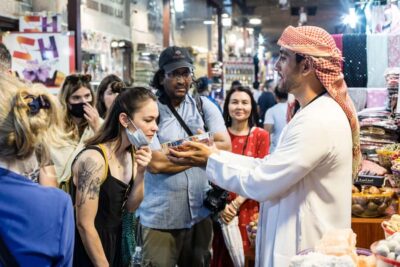
Dubai: Old Town, Creek, Museums, Souks, & Street Food Tour
Read our review →
Ho Chi Minh City Street Food Tour & Sightseeing By Motorbike
Read our review →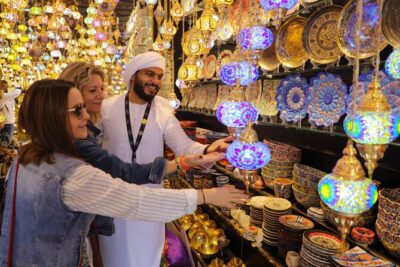
Dubai: Old Town, Souks, Street Food, Guided Tour & Abra Ride
Read our review →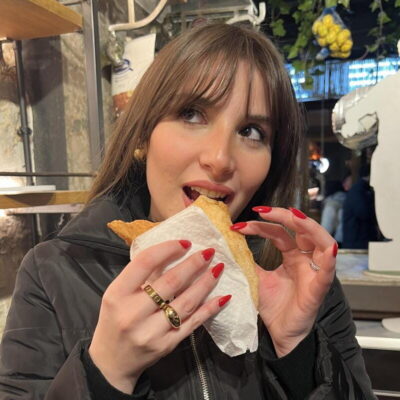
Naples: Street Food Walking Tour with Local Guide
Read our review →
Small Group Hanoi Street Food Tour with a Real Foodie
Read our review →
Saigon By Night and Street Food By Motorbike | Opt: Ao Dai Riders
Read our review →
Private Street Food Tour by Motorbike/Car with Local Students
Read our review →Browse the lists this tour appears in