
Review · STREET FOOD TOURS
Lisbon: Portuguese street food cooking class with Drinks
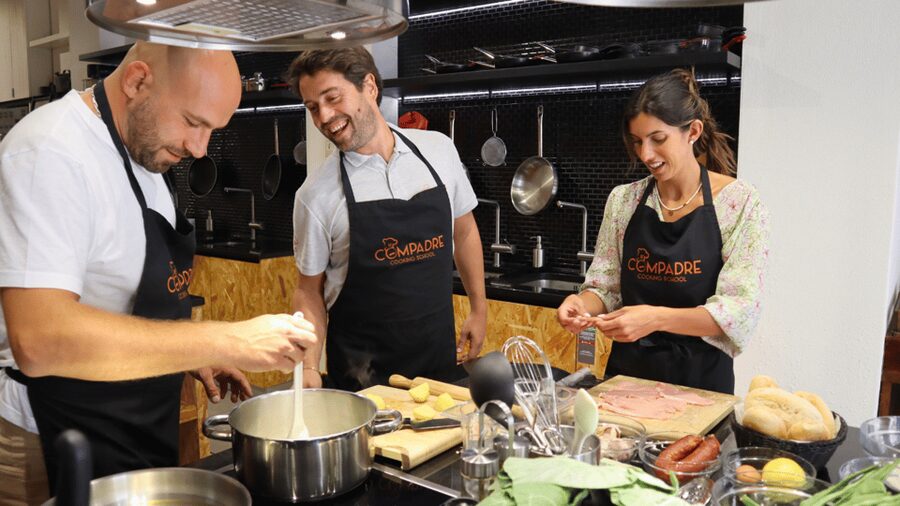
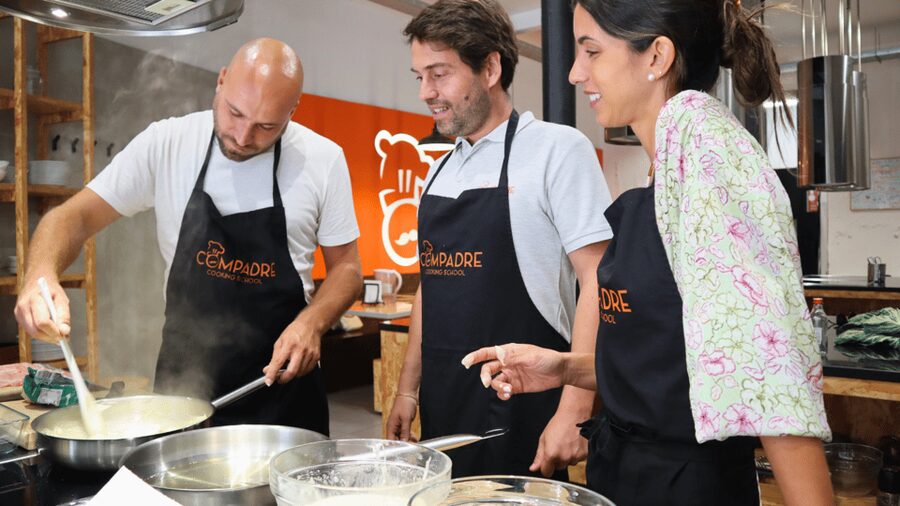
Lisbon’s Compadre Cooking School skips the usual pastel de nata lesson and goes straight to the food people eat between meals, at snack bars, and during local festivals. In two hours, you’ll prepare bifana pork sandwiches, caldo verde soup, and peixinhos da horta, fried green beans that helped inspire tempura.
I like the way the class connects recipes to Portuguese daily life, rather than treating them as museum pieces. I also like that everyone has a real job at the cooking stations, followed by a shared meal with wine and Ginja. The main drawback is practical: the kitchen is not suitable for wheelchair users, and one recent participant felt the instructors sometimes did too much of the work instead of letting students take over.
Key points
- Three useful Portuguese recipes: Make bifana, caldo verde, and peixinhos da horta, not just the country’s most famous pastry.
- A meal is included: You eat the dishes you prepare, with a glass of red or white wine and a tasting of Ginja.
- History comes with the cooking: The chefs explain where each dish came from and how it fits into Portuguese life.
- Good for beginners: No cooking background is needed, and the recipes are designed to be manageable at home.
- English-speaking instruction: Chefs including Marta, Anna, and Roy guide the class in English.
- A social format: Shared cooking stations and one table make it easy to meet other food lovers.
Why these three dishes tell you more about Portugal
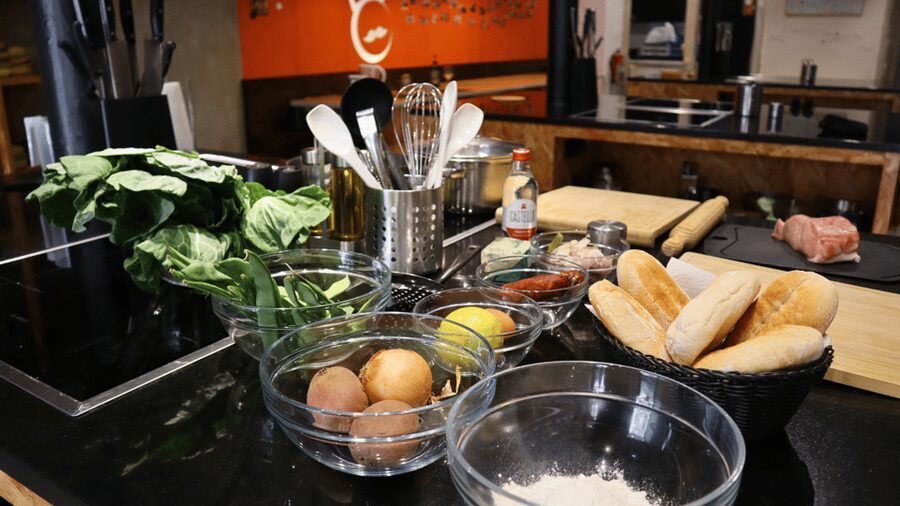
This is not a class built around fancy restaurant food. It focuses on simple dishes with strong roots in ordinary Portuguese eating.
The bifana is a pork sandwich, but do not picture a dull lunch roll. The appeal is in the contrast between tender, seasoned meat and soft bread, with the kind of direct, satisfying flavor that makes street food work. It is the sort of food you can imagine ordering at a neighborhood snack bar after a long day of sightseeing.
Caldo verde is a soup made with potatoes and collard greens. It is one of Portugal’s best-known comfort foods, and it gives the class a useful lesson in how a short list of everyday ingredients can produce something warm and filling. The soup earned especially strong praise from several participants, so I would pay close attention during this part of the class.
Then there are the peixinhos da horta. The name means little fish from the garden, though the dish contains no fish. Green beans are coated and fried, creating a crisp snack that helped inspire Japanese tempura. That small piece of culinary history gives the dish more interest than its modest ingredients suggest.
Together, these recipes cover a lot of ground: bread and meat, soup and vegetables, history and technique. You leave with a better sense of Portuguese food than you would from a class focused only on cod or pastel de nata.
More Cooking Classes in Lisbon:
- Authentic Pizza Making Class in Naples with Appetizers and Drink
★ 5.0 · 3,178 reviews - Tokyo: Roll and Authentic Sushi Making Class in Asakusa
★ 4.9 · 1,957 reviews - Ramen Cooking Class at Ramen Factory in Kyoto
★ 5.0 · 1,937 reviews
What happens during the two-hour class
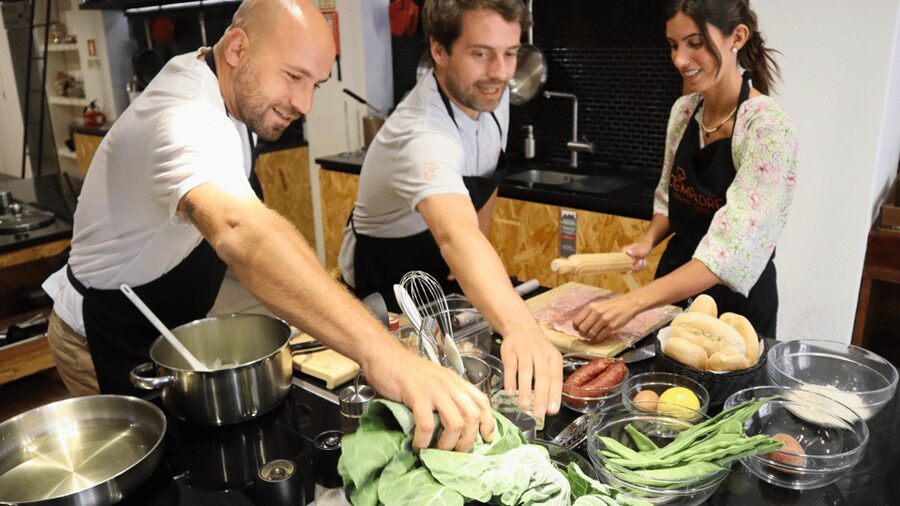
The session begins with a short introduction to the dishes and their place in Portuguese culture. This matters because the food is not presented as a list of steps alone. You learn why these recipes became popular and how they fit into daily life, local snack bars, and festivals.
The chefs then set you to work. You prepare the ingredients and follow the recipes with guidance from the instructor. The class is designed for participation, not for sitting at a counter while someone cooks in front of you. One participant specifically appreciated having enough separate jobs to stay involved through nearly the entire process.
You should still expect a shared class rather than a private lesson. You work beside other people, and the pace depends partly on the group. That social setup is a benefit if you like meeting people over food, but it may feel less focused if you want one-on-one correction at every step.
The cooking stations are described as clean, spacious, and professional. That is useful in a short class because a cramped or poorly arranged kitchen can eat up half the available time. Here, the setup appears designed to keep the group moving while giving each person a meaningful task.
At the end, everyone sits down to eat the prepared dishes together. This is more than a quick sample at the kitchen counter. The meal is part of the class, giving you time to taste the results, compare impressions, and talk with the people you cooked beside.
Bifana, caldo verde, and the value of simple food
The strongest part of the menu is its practicality. These are dishes you can try again at home without needing a specialist pantry or advanced cooking skills.
The bifana teaches you how a humble sandwich can carry a lot of character. You get a lesson in seasoning, cooking pork properly, and putting the final dish together so it works as a complete snack. It is also the recipe most likely to make you think differently about Portuguese food. Many first-time visitors know Portugal for seafood and pastries, but the bifana shows the country’s less polished, more everyday side.
Caldo verde is likely to appeal to cooks who want a repeatable dish. Soup is forgiving, and the basic format is easy to understand. You can watch how the ingredients are prepared, how the flavors come together, and how a traditional dish gets its texture and balance.
The peixinhos da horta adds a different skill. Frying requires attention, and the result depends on getting the coating and cooking process right. You learn a snack with a clear Portuguese identity, along with its link to tempura. That combination of local tradition and international influence is one of the class’s most interesting details.
The recipes are said to be simple enough for home cooking. That does not mean every result will be identical in your own kitchen. Ingredients, equipment, and cooking temperature can vary. Still, the class gives you a useful starting point, and the dishes are less intimidating than elaborate restaurant recipes.
The chefs shape the mood
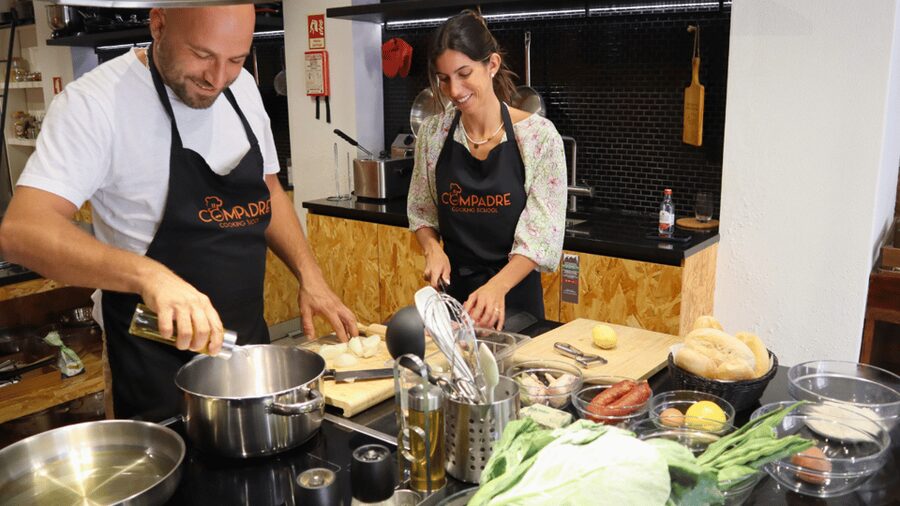
Instruction is in English, and several instructors are identified by name. Marta and Anna have led classes praised for clear explanations, a welcoming approach, and a lively atmosphere. Roy has also guided a session focused on drinks and shared information about Ginja, including how it is made and industry standards.
The teaching style seems warm and relaxed rather than formal. That suits a two-hour food class. You do not need previous cooking experience, and you are encouraged to take part even if your kitchen skills are limited.
There is one fair caution. A participant found that Anna sometimes took over too much instead of leaving the work to the students. This is not a reason to reject the class, but it is worth knowing if your main goal is hands-on practice. In a group kitchen, instructors sometimes step in to keep timing and safety under control. If you want to learn by doing, politely ask to handle a task yourself.
The social tone is one of the class’s best features. The group cooks together, then eats together. You are not simply watching a demonstration and leaving with a small tasting plate. The shared table gives the activity a natural ending and makes it suitable for solo visitors, couples, and friends who want something more social than a standard restaurant meal.
More Street Food Tours in Lisbon:
- Dubai: Old Town, Creek, Museums, Souks, & Street Food Tour
★ 4.8 · 10,816 reviews - Ho Chi Minh City Street Food Tour & Sightseeing By Motorbike
★ 5.0 · 9,413 reviews - Dubai: Old Town, Souks, Street Food, Guided Tour & Abra Ride
★ 4.9 · 7,170 reviews - Naples: Street Food Walking Tour with Local Guide
★ 4.9 · 4,976 reviews
Wine and Ginja complete the meal
The price includes one glass of wine, either red or white, plus a tasting of Ginja, Portugal’s traditional cherry liqueur. Additional drinks are not included, so do not treat the listed price as an open bar.
The wine makes sense with the meal, especially once the dishes are served together. Ginja provides a distinctly Portuguese finish and gives the class one more cultural detail beyond the food. If you already enjoy cherry liqueur, you will likely appreciate learning about it in context. If you do not drink, the activity may be less appealing, since alcohol is part of the planned meal, though the provided information does not specify nonalcoholic alternatives.
The drinks also help explain why the class costs more than a quick food demonstration. You are paying for ingredients, instruction, a prepared meal, and a small drinks tasting, not just a seat in a kitchen. At $55 per person, the value is solid for anyone who would otherwise pay for lunch and a separate food activity.
I would not book it only as a way to save money on a meal. The real value comes from learning recipes, hearing the stories behind them, and getting a meal at the end. If you only want to eat Portuguese street food, a snack bar will be faster and may cost less. If you want to understand and recreate what you eat, the class earns its price.
Who will enjoy this Lisbon cooking class
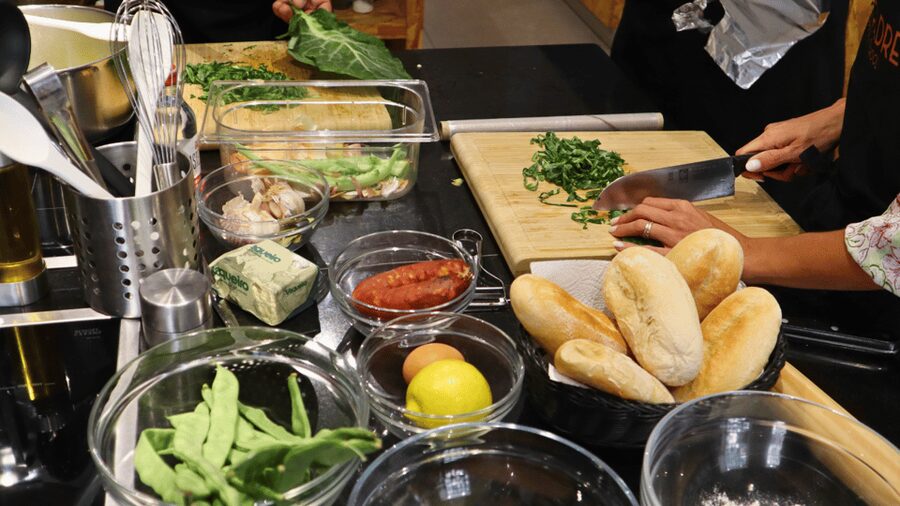
This is a good match for food-focused visitors who want a small slice of local life without committing to a full-day activity. The two-hour length fits neatly into a Lisbon schedule and leaves room for sightseeing before or after.
Beginners should feel comfortable here. No previous cooking experience is required, and the recipes are presented as approachable. You should wear comfortable clothes and shoes suitable for a kitchen. Comfortable shoes matter more than they might at a standard tasting because you will be working at cooking stations.
Families with older children might find the format appealing, but the available information does not give an age range, so check before booking. Solo visitors are also well suited to the group format. You will share tasks and a table instead of being left to eat alone.
This is less suitable if you want a quiet, private lesson or a highly technical culinary course. It is also not suitable for wheelchair users. Transportation is not provided, so you need to make your own way to the Compadre Cooking School kitchen.
Timing, booking, and small practical details
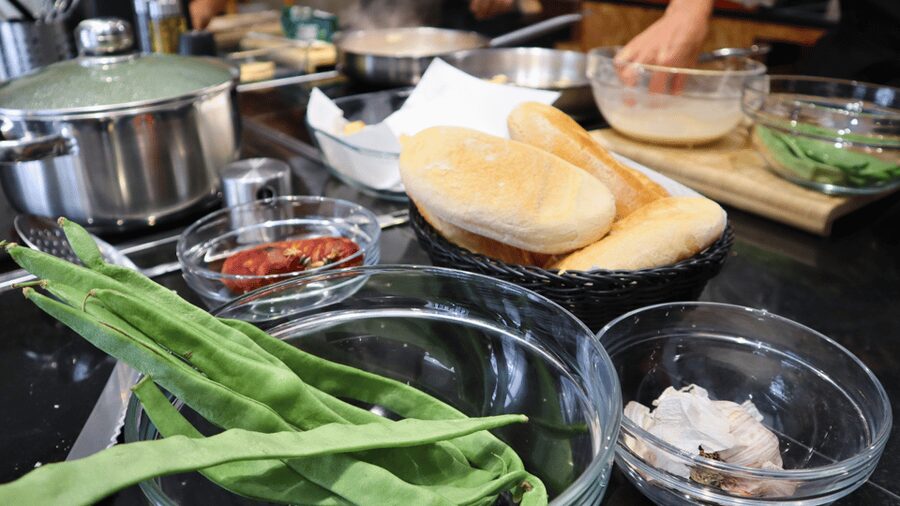
The activity lasts two hours, though starting times vary. You should arrive five minutes early so you can settle in before the introduction begins. A late arrival could mean missing the background information or being assigned a less active role once the cooking is underway.
The class offers free cancellation up to 24 hours before the start time, with a full refund. You can also reserve now and pay later, which helps if your Lisbon schedule is still shifting.
Smoking, alcohol, and drugs are not allowed during the activity. That rule is straightforward, especially since the class provides a controlled wine and Ginja tasting.
If you have a specific dietary need, contact the school in advance. The recipes can be adapted, but you should not assume that changes will happen automatically without notice. The available details do not list exact substitutions, so ask before booking if your diet is strict.
The activity is offered in English. That makes it accessible to English-speaking visitors who want instruction and food history without relying on translation.
What makes the class worth remembering
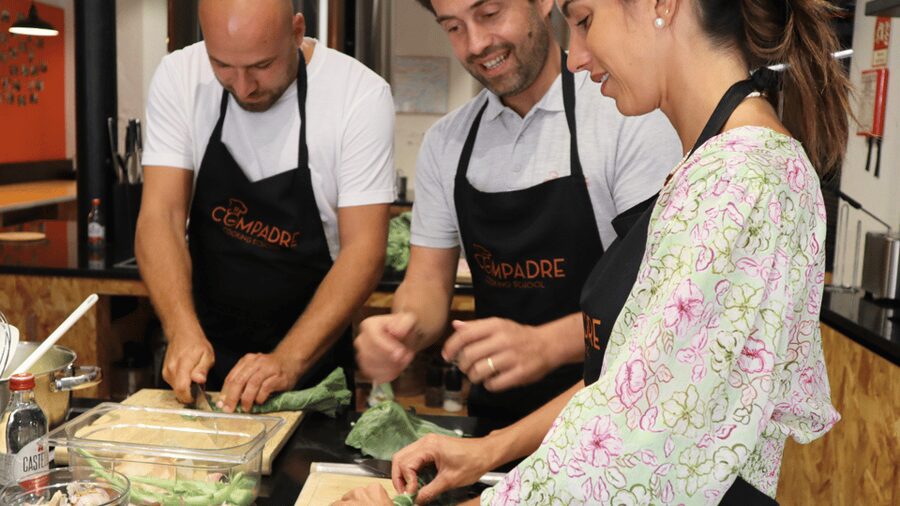
The most valuable part is the connection between food and ordinary life. You are not just collecting another recipe. You are learning why a pork sandwich matters, why a green soup appears on Portuguese tables, and how a fried vegetable snack connects Portugal with Japan.
I also like the balance of doing and eating. Some food classes leave you full of information but hungry for lunch. Others serve a meal but give you little to remember. This one builds toward a shared table, so the cooking has a clear reward.
The class also avoids the most predictable Portuguese food lesson. Pastel de nata and cod are important, but they are not the whole story. Bifana and caldo verde give you a closer look at food that feels tied to daily routines and local comfort.
The 4.9 rating from 37 reviews reflects a very strong response, with praise focused on the food, clear teaching, clean kitchen, welcoming instructors, and chance to cook as a group. I would give the most weight to the repeated practical details: the recipes are tasty, the cooking areas are well kept, and the final meal is generous enough to count as lunch or dinner.
Should you book it?
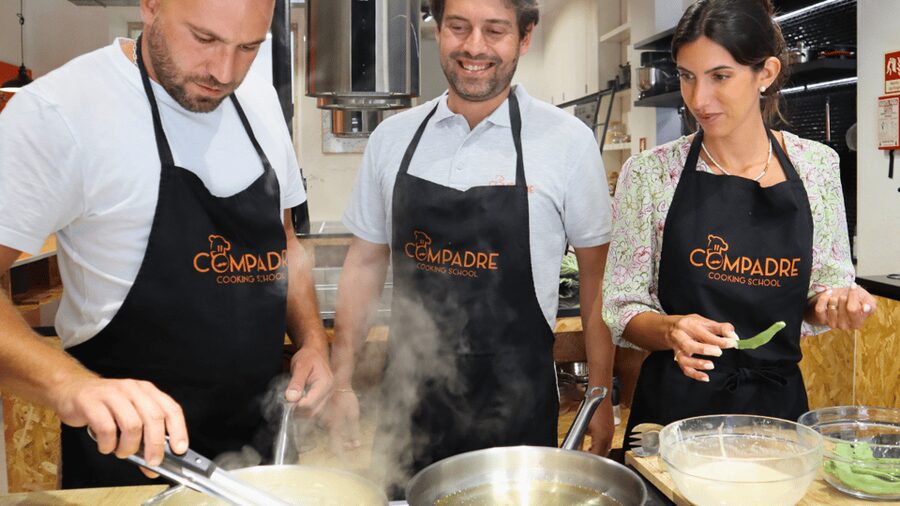
Book this class if you want to cook a real meal, learn some Portuguese food history, and meet people around a shared table. It is especially good for first-time cooks, food lovers, and visitors who want something more active than a tasting.
Skip it if you want a private lesson, dislike group cooking, or have mobility needs that require wheelchair access. Also skip it if you are looking only for a cheap meal.
For most people, $55 is a fair price for two hours of instruction, three dishes, wine, Ginja, and a full shared meal. Arrive early, wear sensible shoes, tell the school about dietary needs, and ask to take an active role. You will get the most from the class by treating it as a chance to cook, not just watch.
FAQ
Where does the cooking class take place?
The class takes place at the Compadre Cooking School kitchen in Lisbon District, Portugal.
How long does the activity last?
The cooking class lasts two hours. Starting times vary, so check availability when booking.
What dishes will I prepare?
You will learn to prepare bifana, a Portuguese pork sandwich, caldo verde, a traditional soup with collard greens, and peixinhos da horta, fried green beans.
Is cooking experience required?
No. The class is designed for beginners, and no previous cooking experience is needed.
What drinks are included?
The price includes one glass of red or white wine and a tasting of Ginja, a traditional Portuguese cherry liqueur. Additional drinks are not included.
Is the class available in English?
Yes. The instruction is in English.
What should I bring, and is the class wheelchair accessible?
Bring comfortable shoes and wear clothing suitable for cooking. The activity is not suitable for wheelchair users.
More hands-on workshops in Lisbon
- Sushi Making Tokyo Roll and Authentic Japanese Sushi Class
★ 5.0 · 3,971 reviews - Small Group Cooking Class & Market Food Tour in Florence
★ 5.0 · 1,574 reviews - Tokyo: Sushi Making Class in a Happi Coat near a Famous Spot
★ 4.9 · 1,377 reviews - Sushi Making Osaka Roll and Authentic Japanese Sushi Class
★ 5.0 · 1,220 reviews
New food tours we have reviewed in Lisbon
- No Diet Club – Unique food tour in Lisbon with many Tastings★ 4.9 · 50 reviews
- Lisbon: Private Food Tour – 10 Tastings with Locals★ 4.8 · 73 reviews
- Lisbon: Private Food & Wine City Tour by Eco Tuk Tuk★ 4.8 · 21 reviews
- Lisbon Private Setúbal Region Wine Tasting Tour★ 4.9 · 149 reviews
- Lisbon Small-Group Food & Wine Tour Eat & Drink like a Local★ 4.9 · 77 reviews
- Lisbon: Original Morning Food Tour★ 4.6 · 26 reviews
- Lisbon: Evening Local Food Crawl with Drink Pairings★ 4.6 · 80 reviews
- Lisbon: Food and Culture 3-Hour Walking Tour★ 4.7 · 95 reviews
Street Food Tours, compared.

Dubai: Old Town, Creek, Museums, Souks, & Street Food Tour
Read our review →
Ho Chi Minh City Street Food Tour & Sightseeing By Motorbike
Read our review →
Dubai: Old Town, Souks, Street Food, Guided Tour & Abra Ride
Read our review →
Naples: Street Food Walking Tour with Local Guide
Read our review →
Small Group Hanoi Street Food Tour with a Real Foodie
Read our review →
Saigon By Night and Street Food By Motorbike | Opt: Ao Dai Riders
Read our review →
Private Street Food Tour by Motorbike/Car with Local Students
Read our review →Browse the lists this tour appears in