Review · GUIDED
Manila: Guided Food Tour of Binondo with Tastings
Binondo’s best food is often tucked into narrow lanes and modest eateries, not polished dining rooms. This three-hour walk begins at Binondo Church and leads you through Carvajal Street, local noodle shops, dumpling stops, dim sum counters, and a bakery famous for hopia.
I like the generous range of food and the warm, personal guiding. Chloe, Nel, Jian, and Juan have each been praised for making the history and food easy to understand, while solo visitors and couples have felt well looked after. The main catch is simple: portions are large, so arrive hungry, and vegetarians and vegans should choose another tour.
Key points to know before you book
- Start at Binondo Church: Meet near the candle area in the church lobby, then walk into Manila’s historic Chinatown.
- Expect a full meal, not a few samples: Lumpia, dumplings, mami, dim sum, and hopia add up quickly.
- Small eateries are the appeal: The route uses local restaurants and side streets you might not find on your own.
- Guides add context: Chloe, Nel, Jian, and Juan have been praised for food knowledge, cultural stories, and Manila advice.
- Plan for walking in all weather: Wear comfortable shoes, bring no large luggage, and expect the tour to run rain or shine.
- Best for adventurous meat eaters: The tour is not suitable for vegans, vegetarians, wheelchair users, or people bringing baby strollers.
Why Binondo is worth your appetite
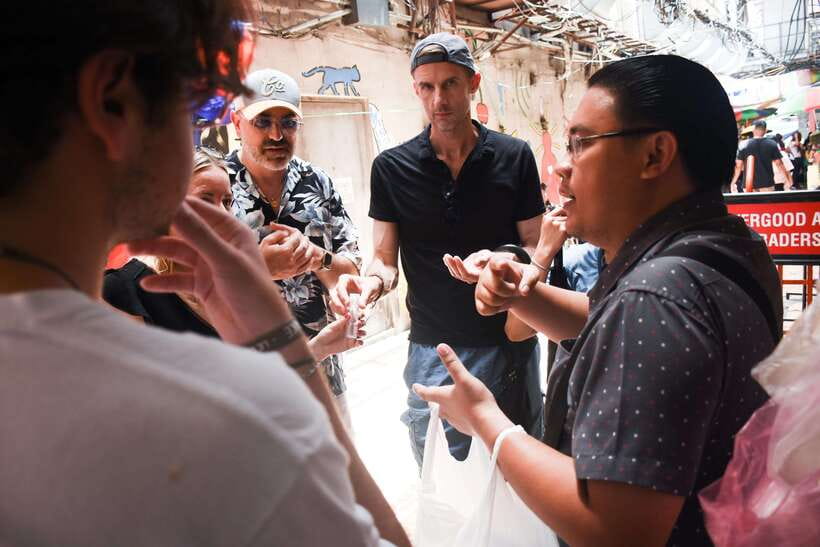
Binondo is more than a place to eat Chinese food in Manila. It is a meeting point for Filipino and Chinese traditions, and the tour uses food to explain that connection in a practical way. You are not simply handed a snack and sent on your way. At each stop, your guide can explain what you are eating, how it fits Filipino-Chinese cooking, and why the neighborhood matters.
The route begins at Binondo Church, a useful landmark and an easy place to find your guide. Meet in the lobby near the candles area. From there, the group heads into the surrounding streets, where the contrast between the church, old commercial lanes, food stalls, and compact restaurants gives the walk its character.
I like this approach because it gives you a quick sense of place before the eating begins. You see Binondo as a living neighborhood rather than a collection of famous food names. The narrow streets and side alleys are part of the experience, especially if this is your first time in Manila’s Chinatown.
The booking information lists the location as Nueva Vizcaya, while the meeting point and full route are in Binondo, Manila. That is worth checking before you pay, since the city and province are not the same destination. Use the Binondo Church meeting details as your practical reference, and confirm the address if your booking confirmation shows something different.
More guided departures in the world:
- Dubai: Old Town, Souks, Street Food, Guided Tour & Abra Ride
★ 4.9 · 7,170 reviews - Hanoi: Guided Food Tour with Train Street Visit
★ 4.9 · 6,239 reviews - Naples: Street Food Walking Tour with Local Guide
★ 4.9 · 4,976 reviews
Carvajal Street and the first taste of lumpia
The first food stop takes you to Carvajal Street, where the smell of fresh lumpia sets the tone. Lumpia is a Filipino spring roll, and here you get a version connected to the Chinese influence on local cooking. The filling is wrapped, prepared, and served by local vendors whose methods have been passed down through families and generations.
This is a good opening dish because it is familiar enough for cautious eaters but still gives you a clear example of Filipino-Chinese food. Your guide can help explain what makes the local version different from other spring rolls you may have tried.
One practical point: this stop has been the least popular part of the route for some people, particularly the sweet vegetable wrap. If you do not enjoy it, that does not mean the rest of the tour will disappoint. It is one small taste among several, and your guide can help you understand the dish even if it is not your favorite.
Handmade dumplings in a local restaurant
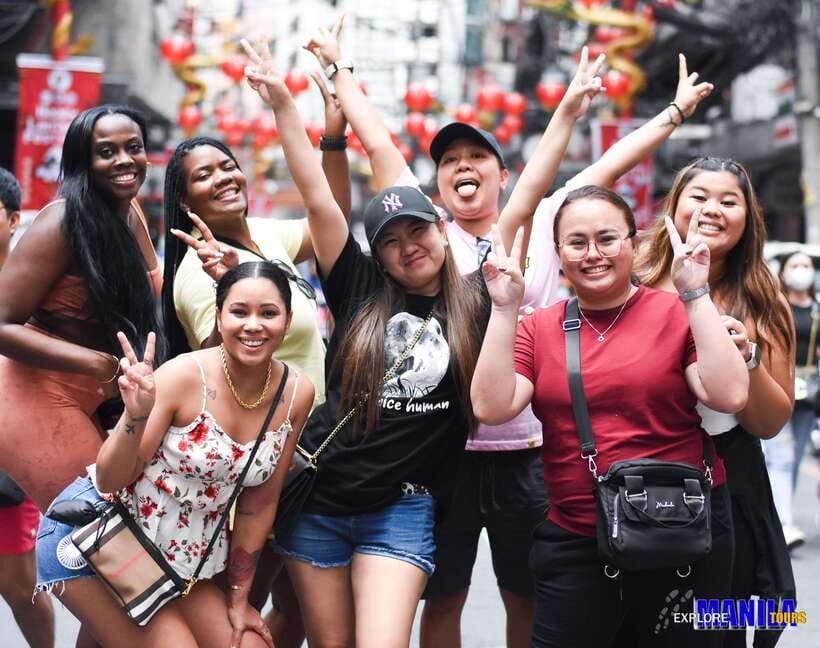
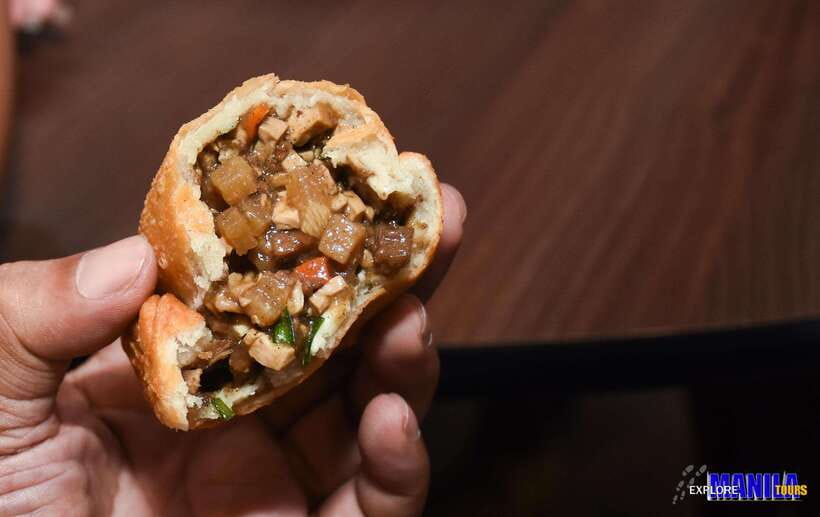
Dumplings are often the highlight of the route. You visit a local restaurant where dumpling making is treated as careful craft, and the handmade quality gives this stop a clear sense of purpose. The dumplings are not just filler between the main stops. They are one of the foods people most often remember.
I would pay attention to the texture here. Handmade dumplings can show you more about a kitchen’s skill than a dish with many sauces or toppings. If you are comparing this walk with a general Manila food tour, the dumpling stop is one reason to choose this one.
The portions are generous. Two people who skipped breakfast still found themselves sharing some dishes because they were getting full. That is useful information, not a complaint. You do not need to finish every item to get value from the tour, but you should avoid eating a large breakfast beforehand.
Mami, the comfort-food stop
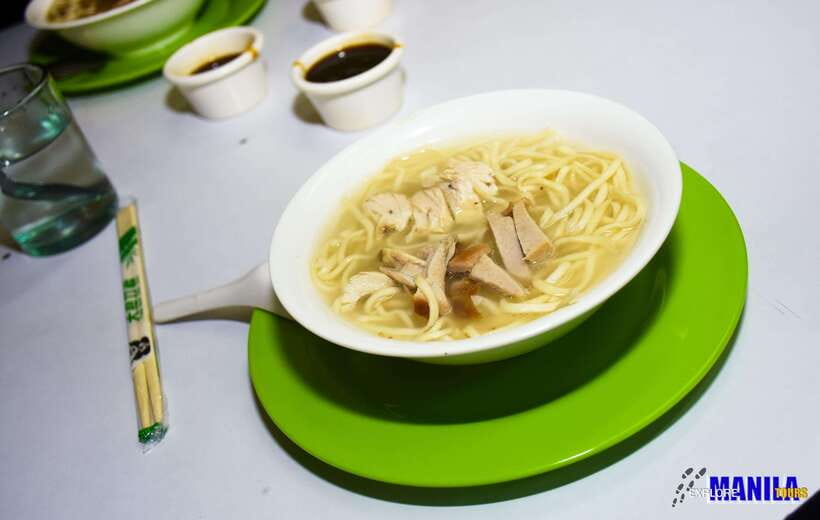
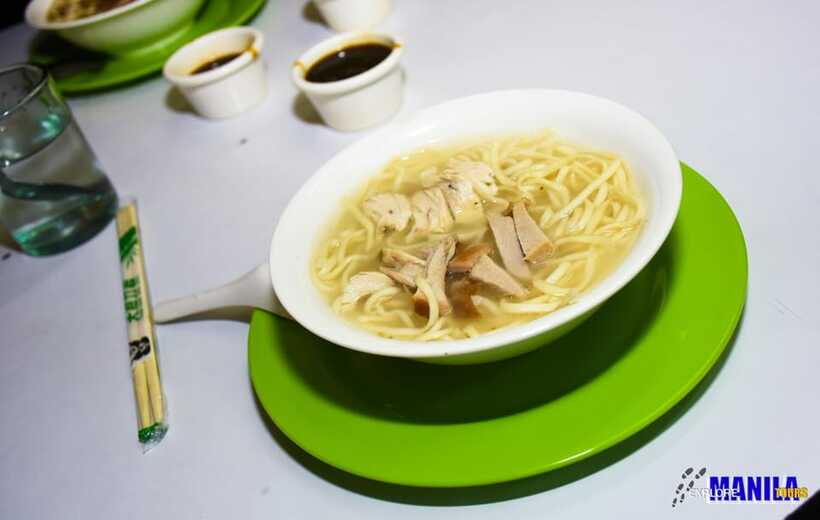
The next stop brings you to mami, a Filipino noodle soup with a strong place in local comfort-food culture. A bowl of mami is filling, warming, and very different from the quick fried snacks served earlier.
This part of the route helps explain how Chinese cooking became part of everyday Filipino food. It is not presented as an isolated foreign dish. Instead, mami is treated as part of the way people in the Philippines eat and remember comfort food.
For you, the main consideration is pacing. By the time you reach the soup, you may already have eaten lumpia and dumplings. Take small portions when possible, listen to your guide’s advice, and do not feel pressure to eat beyond your appetite. The tour includes all food and drinks listed in the route, so there is no need to save money by rushing through a dish.
More food tours in the world:
- Reykjavik Food Walk – Local Foodie Adventure in Iceland
★ 5.0 · 18,952 reviews - Dubai: Old Town, Creek, Museums, Souks, & Street Food Tour
★ 4.8 · 10,816 reviews - Ho Chi Minh City Street Food Tour & Sightseeing By Motorbike
★ 5.0 · 9,413 reviews - Montserrat Half-Day Tour with Tapas and Gourmet Wines
★ 5.0 · 7,359 reviews
Classic dim sum with room for questions
The dim sum stop brings another familiar Chinese food tradition into the Filipino-Chinese setting. You arrive at a place known for classic dim sum, where the emphasis is on established recipes and careful preparation.
One person singled out the dim sum as the best food of the walk. That will always come down to taste, but it is a useful sign for anyone booking mainly for dumplings and dim sum rather than sightseeing. The tour gives you several ways to compare dough, filling, texture, and seasoning across different stops.
This is also a good time to ask questions. Guides such as Jian and Juan have been praised for explaining food origins, local customs, and the development of the Chinese community in the Philippines. The cultural detail makes the food more memorable because you understand why these dishes belong in Binondo.
Hopia at a historic bakery

The final food stop is a historic bakery known for hopia. These flaky pastries come in several flavors and reflect the Chinese-Filipino connection that runs through the entire route.
Hopia is sweeter and more portable than the earlier dishes, so it works as a closing taste. It can also be a useful edible souvenir, although the tour’s included food may leave you with little interest in another snack right away.
There is one fair criticism to consider. Some people felt the take-home dessert was unnecessary because they were already full, and it may not suit everyone’s taste. If you are trying to keep the day light, this is the stop most likely to feel like extra food rather than a must-have meal.
What the guides add to the walk
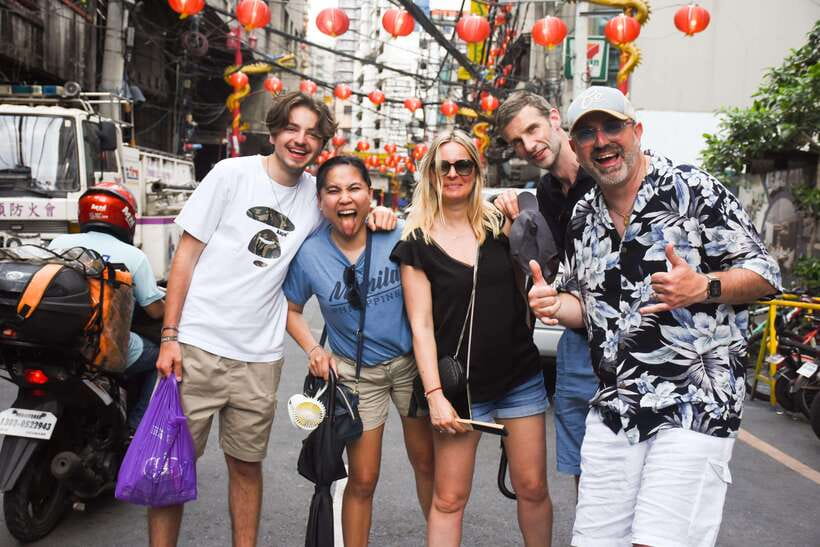
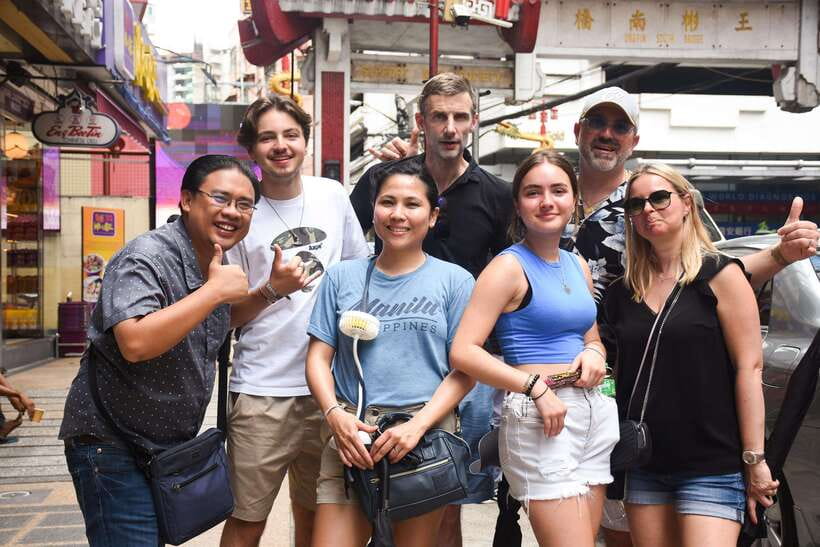
The guide may be Chloe, Nel, Jian, Juan, or another English-speaking member of the team. The strongest part of the guiding is the mix of food explanation and personal attention.
Chloe has been praised for taking groups through smaller streets, explaining Chinatown’s past, and offering useful suggestions for trips to the Philippine islands. She also made sure couples and small groups were comfortable throughout the walk.
Nel is especially suited to solo visitors. She has been praised for making people feel welcome, staying friendly and attentive, and helping visitors feel at ease in their surroundings. That matters in a crowded district where you may prefer to focus on the food and stories instead of constantly checking your route.
Jian’s tours have included local and cultural stories alongside the tastings. Juan has been praised for his preparation, clear English, and explanations of how the Chinese community developed in the Philippines.
The style is conversational rather than academic. You get facts, but you also get a guide who can explain what to try, answer questions, and adjust the pace. The exact experience will depend on who leads your group, but the guide is a major part of the value.
Is three hours enough for Binondo?
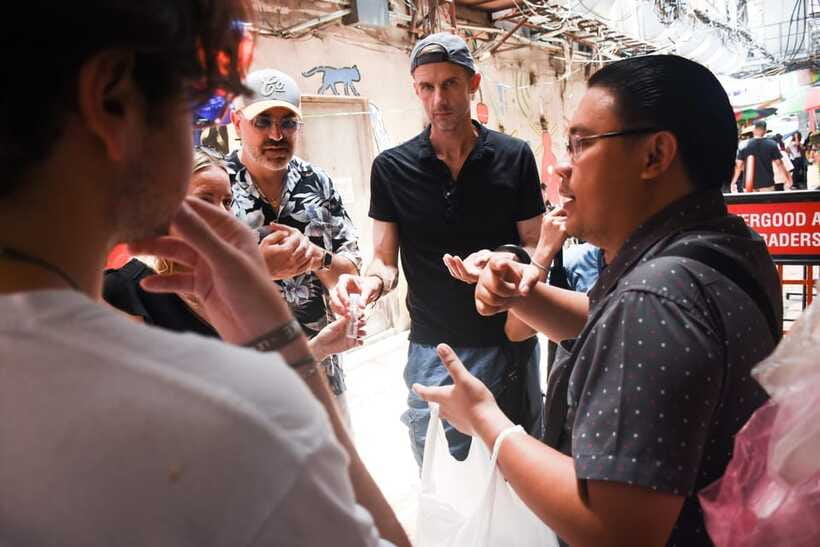
Three hours gives you a focused introduction without turning the day into a full walking marathon. The route starts and ends at Binondo Church, with five local restaurant or food stops and one bakery in between.
The walk includes winding streets and small alleys, so comfortable shoes matter. You should also expect a rain-or-shine outing. Manila weather can change quickly, and the tour does not move indoors simply because the forecast looks poor.
Do not bring a suitcase, large bag, or baby stroller. The route through narrow streets and eateries is not designed for bulky items. Wheelchair users should also note that this experience is not suitable for them.
Transportation is not included. You are responsible for reaching Binondo Church and returning afterward. The Grab app, the local version of Uber, can take you to the meeting point. Build in enough time to find the church lobby and the candle area rather than arriving at the last minute.
What the $60 price really covers
At $60 per person, this is not the cheapest way to eat in Manila. You could spend less by choosing one restaurant and ordering a dish or two on your own.
The price makes more sense if you want a guided introduction to several places in one afternoon. You are paying for the food and drinks, an English-speaking guide, route planning, cultural background, and access to small eateries you might otherwise pass without noticing. The included food is also substantial enough to replace a meal, and often more than one.
The large portions are a value for hungry eaters, but they may feel excessive if you prefer tasting menus with tiny samples. Couples can share items if the guide allows it, and one guide specifically warned a group that finishing everything might be difficult. You should treat the tour as a full eating session, not a light snack walk.
There are no hotel transfers or souvenirs included. If you want a food-focused introduction to Binondo and would rather not spend time choosing restaurants, the fee is reasonable. If you already know the area well or mainly want a small number of tastings, the cost may be harder to justify.
Free cancellation is available up to 24 hours before the tour for a full refund, and you can reserve now and pay later. Starting times vary, so check availability when selecting a date.
Who will enjoy this food tour most?
I would recommend it to first-time visitors to Binondo, curious eaters, solo visitors who want company, and people who enjoy learning the story behind a dish. It also suits couples and small groups who want a ready-made route instead of researching each stop themselves.
Come with a flexible appetite. The food is varied, but you may not love every item, especially the sweet vegetable wrap or the final dessert. A good guide will explain the dish without pressuring you to finish it.
This is not a good choice for vegans or vegetarians because the menu is built around dishes that may contain meat or other animal products. The supplied information does not promise substitutions, so do not book expecting a plant-based version.
It is also not suitable for wheelchair users. The narrow streets, restaurant visits, and walking route make comfortable shoes more important than stylish ones. Leave large luggage at your hotel.
Should you book the Binondo food tour?
Book it if you want a generous, guided food crawl with cultural context and you are happy to walk through busy streets in all weather. The dumplings, mami, dim sum, and hopia give you a broad taste of Filipino-Chinese cooking, while the route through Carvajal Street and the smaller alleys shows you more than a list of restaurants would.
Skip it if you want a short snack outing, have strict vegetarian requirements, or dislike large portions. You should also confirm the meeting location if your booking details mention Nueva Vizcaya, since the stated route and meeting point are in Binondo, Manila.
For most hungry visitors, the strongest reason to go is the combination of food and guidance. Chloe, Nel, Jian, and Juan have each brought warmth, useful context, and practical Manila advice to the walk. Bring comfortable shoes, leave your suitcase behind, and arrive ready to eat.
FAQ
Where does the Binondo food tour begin?
The tour begins at Binondo Church. Meet in the church lobby near the candles area.
How long does the tour last?
The stated duration is three hours, although one experience account described a tour lasting closer to four hours. Check the starting time and current duration when booking.
What food is included?
The route includes fresh lumpia, handmade dumplings, mami noodle soup, classic dim sum, and hopia from a historic bakery. Food and drinks listed in the itinerary are included.
Is a guide included?
Yes. An English-speaking live guide leads the walking tour. Guides named in the available information include Chloe, Nel, Jian, and Juan.
Is the tour suitable for vegetarians or vegans?
No. The tour is listed as unsuitable for both vegetarians and vegans.
What should I bring?
Bring comfortable shoes. Do not bring luggage or large bags, and baby strollers are not allowed.
What happens if it rains?
The tour takes place rain or shine. You can use the Grab app to reach the Binondo Church meeting point.
New food tours we have reviewed in the world
- ChattaBrunch Food Tour★ 5.0 · 87 reviews
- Downtown Chattanooga Food Tour★ 5.0 · 290 reviews
- Charlottetown waterfront SOLAR PartyBike food & drink experience!★ 4.0 · 92 reviews
- Historic Southside Food Tour in Chattanooga★ 5.0 · 32 reviews
- Tastes Through Time – Charleston’s Best Food & History Tour★ 4.5 · 95 reviews
- Charleston’s Savor the Flavors of Upper King Street Walking Food Tour★ 4.5 · 130 reviews
- Charlottetown Food Walking Tour★ 5.0 · 59 reviews
- Charleston Private Brunch Tour: Biscuits, Shrimps, Grits and More★ 5.0 · 48 reviews
Guided, compared.
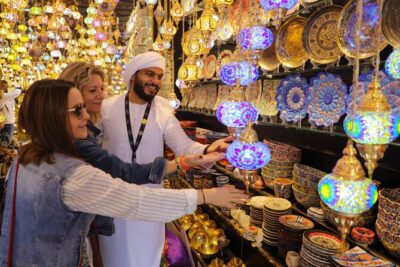
Dubai: Old Town, Souks, Street Food, Guided Tour & Abra Ride
Read our review →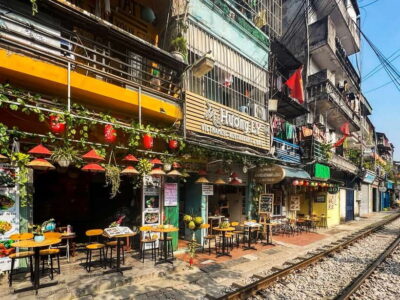
Hanoi: Guided Food Tour with Train Street Visit
Read our review →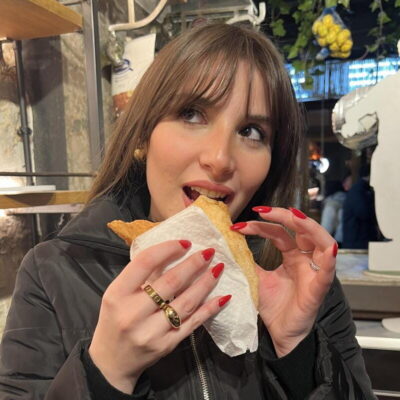
Naples: Street Food Walking Tour with Local Guide
Read our review →
Amsterdam: Guided Zaanse Schans, Windmills & Cheese Tour
Read our review →
Marrakech: Street Food Tour with a Local Guide
Read our review →