
Review · WINE TOURS
Milan: Italian Cooking Class with Food and Wine
Fresh pasta is the heart of this three-hour Milan cooking class, but the best part is that you eat what you make. Chef Ilaria explains the reasons behind each step, from pasta texture to the proper treatment of carbonara, while assistants such as Fernando help keep the work moving. I especially like the hands-on pasta making and the relaxed meal with wine at the end.
I also like that the class gives you practical recipes rather than a one-night performance. The healthy, low-waste approach is useful at home, and the chef shares tips you can actually repeat in your own kitchen. The main consideration is that the exact menu can change, and some sauces may already be prepared because they take longer than the class allows.
Key points to know before booking
- Three dishes in three hours: Menus can include bruschetta, fresh tagliatelle, ravioli, gnocchi, tiramisù, biscotti, strudel, or other Italian favorites.
- Chef-led instruction: Ilaria is often the main teacher, with Fernando and other team members assisting on some sessions.
- Your own workstation: You cook at a personal desk with tools, gloves, and an apron provided.
- A proper sit-down finish: After the cooking, you share the finished food with red or white wine.
- Recipes go home with you: You receive the recipes so the class has value after your Milan visit.
- Important limits: The workshop is not suitable for children under 10, people with mobility impairments, pets, smoking, or large bags.
Fresh pasta is the real lesson in Milan
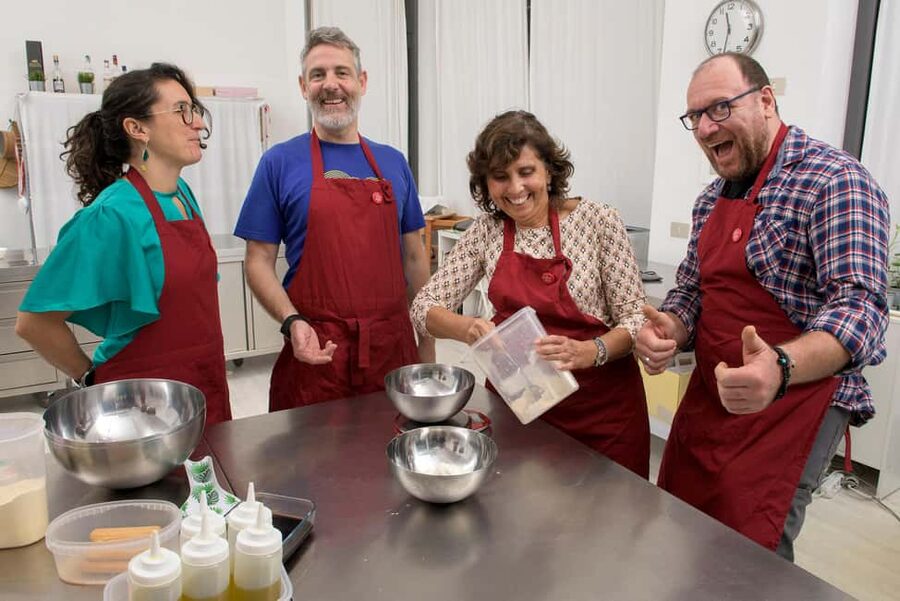
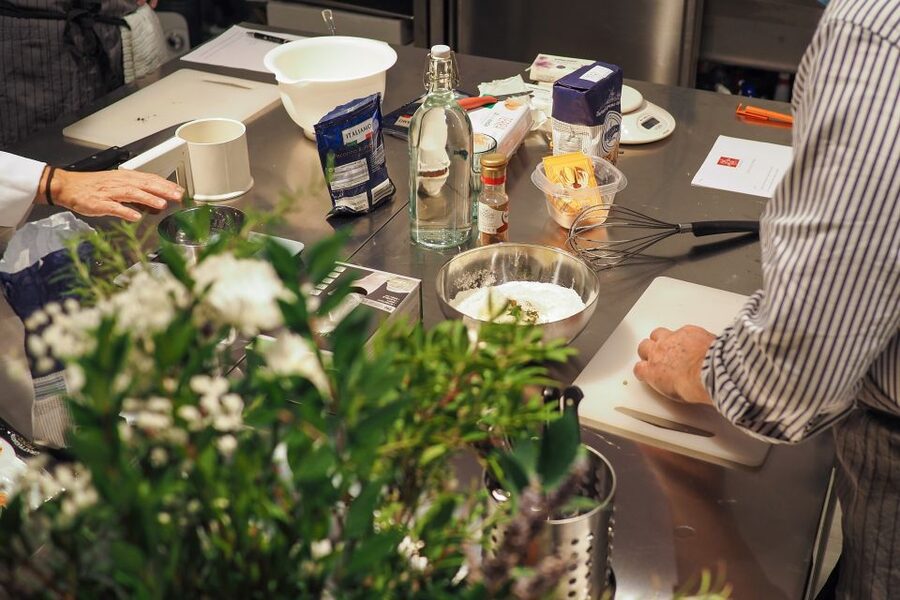
The class takes place at Chef and the City, a street-level shop marked by three large windows and red signs. Ring the bell at the main window door when you arrive. This is not a grand restaurant kitchen. It is a working cooking lab, which makes the session feel practical from the start.
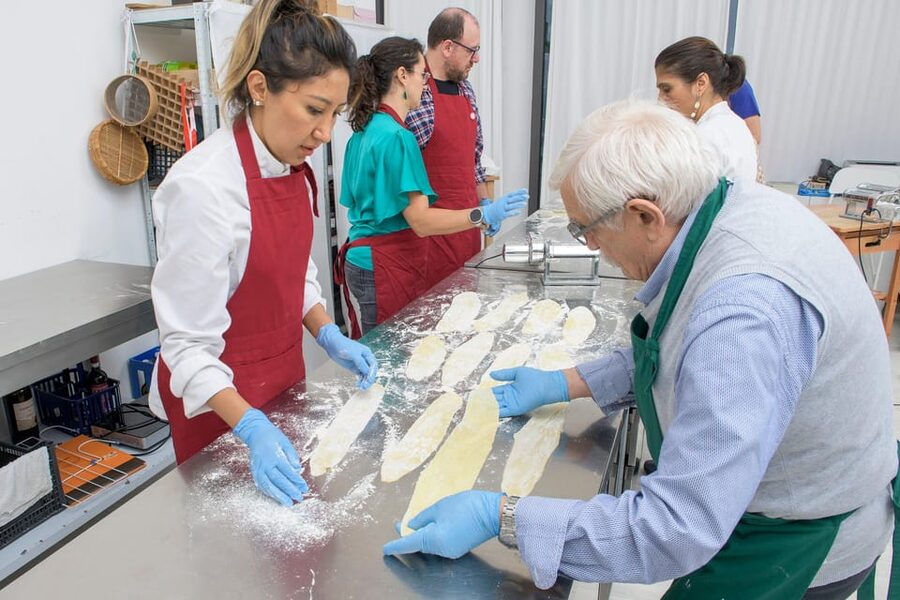
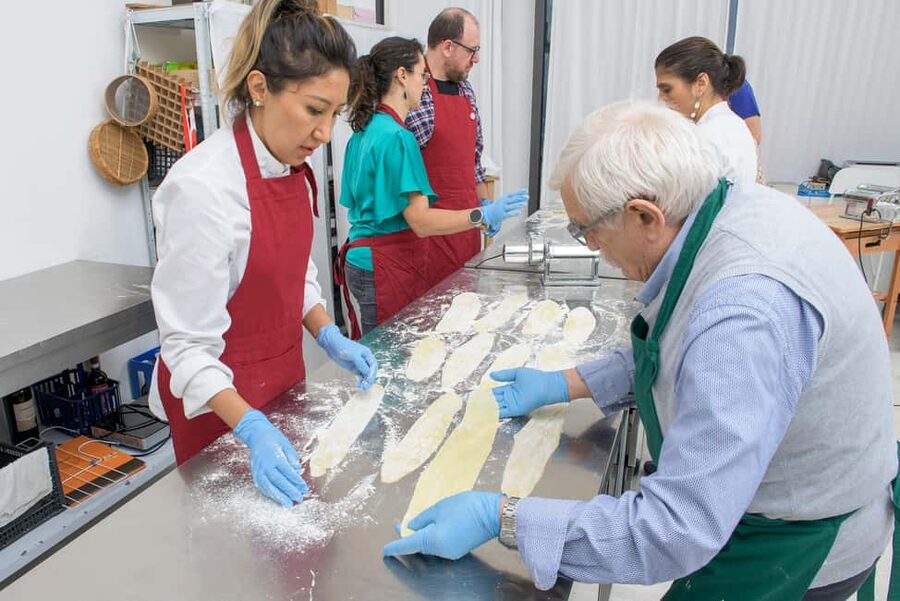
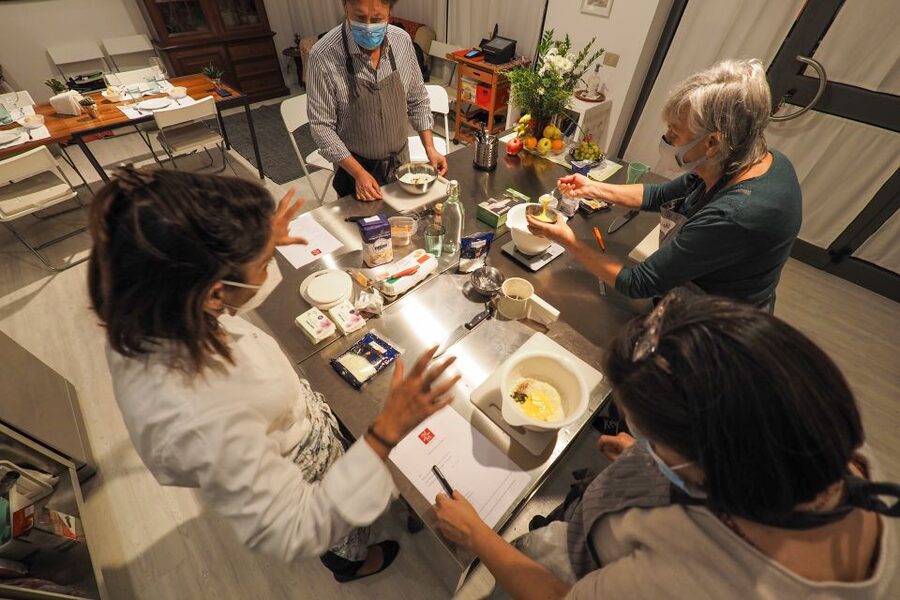
You are given your own workstation, cooking tools, gloves, and apron. That personal setup matters. You are not simply watching a chef knead dough at the front of the room. You handle the ingredients, follow the process, and get corrected when your technique needs work.
Fresh pasta is usually the most useful skill you take home. Depending on the menu, you might make tagliatelle, ravioli, or another pasta shape. One session had the group prepare tagliatelle from scratch, then use a pasta machine to roll and cut the dough. Another focused on ravioli. You should not expect the exact same dishes every time, but pasta is clearly a central part of the program.
Chef Ilaria’s teaching style is direct and lively. She explains not only what to do, but why it works. That can mean discussing dough texture, the handling of ingredients, or the cultural rules behind familiar dishes. One useful example concerns carbonara: the traditional version does not use cream or bacon. You can adapt food at home, of course, but the class helps you understand what makes a dish traditionally Italian before you start changing it.
More Cooking Classes in Italy
- Authentic Pizza Making Class in Naples with Appetizers and Drink
★ 5.0 · 3,178 reviews - Small Group Cooking Class & Market Food Tour in Florence
★ 5.0 · 1,574 reviews - Naples: Neapolitan Pizza and Tiramisù Making Class
★ 4.8 · 839 reviews
A menu that changes, but keeps the Italian basics
The advertised choices cover a broad range of Italian cooking. Possible dishes include bruschetta, fresh pasta, gnocchi, ravioli, cacio e pepe, ragù, focaccia, eggplant parmigiana, tiramisù, and other desserts.
That list should be treated as a guide, not a promise of every dish in one class. Three hours is enough for an appetizer, a pasta or main course, and a dessert, but not for every item listed. Past menus have included bruschetta with tagliatelle and biscotti, gnocchi with bruschetta and tiramisù, and ravioli with apple strudel.
This changing menu is both a strength and a small drawback. It keeps repeat visits interesting, and one returning participant used the class more than once while bringing Milan visitors along. But if you are booking specifically to learn gnocchi or tiramisù, check the current menu or ask before paying. The class may focus on another combination.
The food is presented as traditional Italian cooking in a modern, healthier, low-waste style. That does not mean a strict nutrition course. It means the chef pays attention to sensible ingredient use and practical kitchen habits. You learn ways to cook without throwing away useful food, which is a nice touch for anyone who wants more than a holiday souvenir recipe.
What happens before the cooking begins
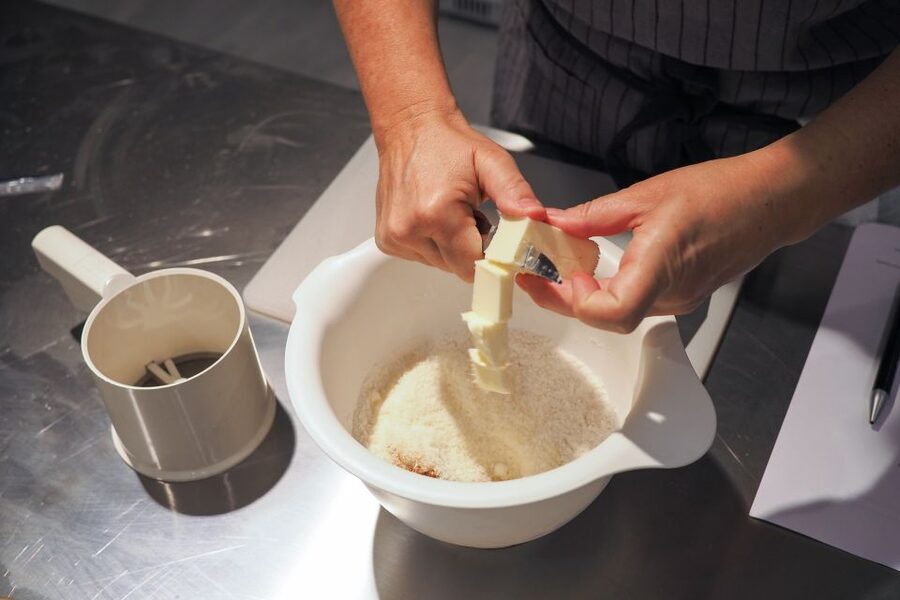
The food starts before the main dishes. While you learn and prepare, you can enjoy small snacks such as cheese, sun-dried tomatoes, mortadella, olives, cookies, biscuits, candies, coffee, tea, infusions, and water.
These extras make the three-hour pace easier. Cooking classes often involve short pauses while dough rests or water heats, and the snacks fill those gaps without turning the workshop into a lecture. You should follow the kitchen rules, though. No eating or drinking is allowed while you are actively cooking, and tasting ingredients during the preparation is not permitted.
Tie back long hair before you arrive. The class is held in a professional cooking lab, so hygiene and safety rules are taken seriously. You can take photos and videos according to the information provided, but keep your phone out of the way when your hands are busy.
The kitchen has received praise for being clean and well organized. An assistant may help make sure each person has the right utensils and ingredients. That support is especially useful if you are new to cooking or if you are working in a group with mixed skill levels.
The teacher makes the difference
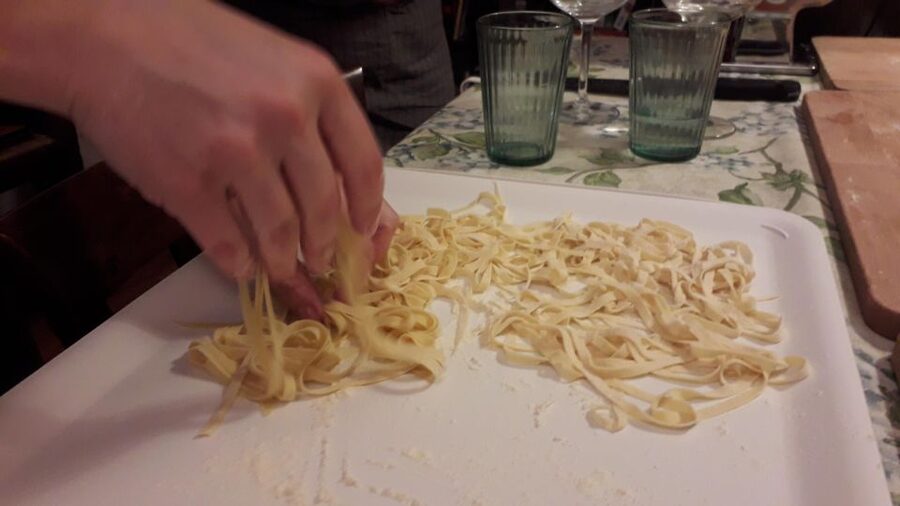
Ilaria is the name most closely connected with this class. Her approach combines clear instruction with humor and plenty of personal attention. She explains the history of dishes as well as the cooking methods, so the class is not only about following a recipe.
Her English is described as excellent, and the activity is offered in Italian and English. That makes the course workable for international visitors. Still, cooking language can be fast when several things happen at once, so do not hesitate to ask questions. The format is hands-on enough for beginners, and the teacher corrects mistakes rather than letting you quietly repeat them.
Some sessions include Fernando, Klara, or other members of the team. The teaching may therefore feel a little different from one date to another. That is worth knowing if you have your heart set on meeting one particular chef. The consistent feature is the small-group, social format and the practical work at your own station.
Group size can vary. Some classes have enough people to create a lively international table, while another session had only two participants. A small class means more direct attention, but a fuller class can be more social. If you are traveling alone, this is a reasonable way to meet people without needing to arrange a separate dinner.
More Wine Tours in Italy
- Winner 2025 Florence Sunset Food & Wine Tour by Eating Europe
★ 5.0 · 5,015 reviews - From Florence: Small Group Wine Tasting Tour to Tuscany
★ 4.9 · 3,902 reviews - Rome Food Tour: Unlimited Tastings with Fine Wine & Barolo
★ 5.0 · 3,365 reviews - Rome: Guided Food Walking Tour with Wine in Trastevere
★ 4.9 · 3,105 reviews
From preparation to the shared table
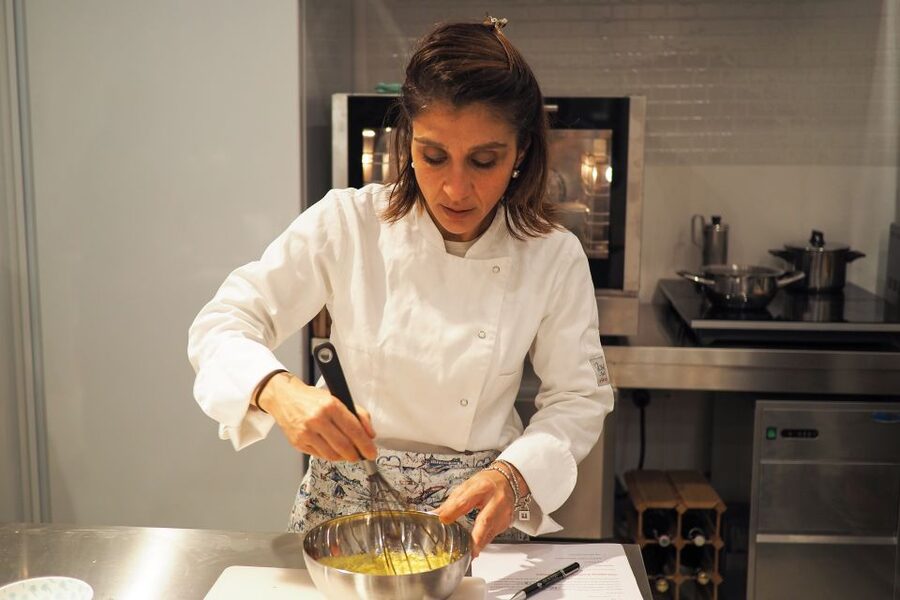
The workshop is structured around a clear reward: you sit down and eat the meal you have helped prepare. After the cooking, the group moves to the dining area, where the finished dishes are served with wine.
Both red and white wine may be available, and wine is included in the $80 price. That makes the class feel more like a complete evening than a short demonstration. You are not paying for instruction and then buying dinner somewhere else. The meal, drinks, ingredients, tools, gloves, and apron are part of the activity.
The shared table is also where the social side of the class comes together. You may arrive knowing no one and leave having cooked with people from several countries. The tone is friendly and informal, with time to talk, compare results, and ask more questions once the work is finished.
The food you produce is generally the main event, not a small sample. Still, remember that the chef may prepare some components in advance. One especially useful explanation concerned ragù and cacio e pepe sauces. The chef provided homemade versions and supplied the recipes, while the class concentrated on the fresh pasta. Sauces that require hours of cooking simply do not fit neatly into a three-hour workshop.
That arrangement is sensible, but it affects what you learn. If your goal is to cook every part from start to finish, ask how much of the menu will be prepared in advance. If your goal is to master pasta dough and enjoy a good meal, the setup works very well.
Why the recipe booklet adds real value
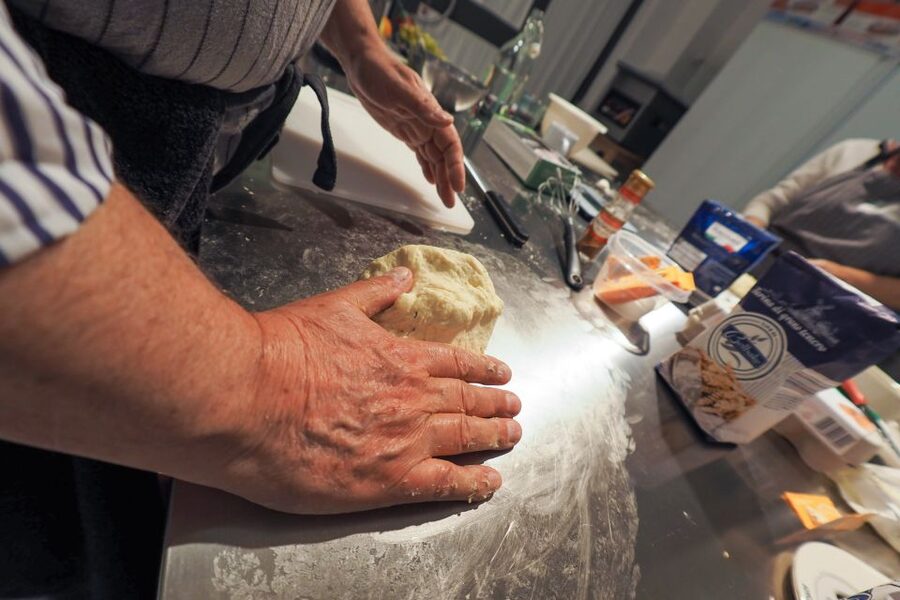
Many cooking activities end when you leave the room. This one gives you copies of the recipes, which changes the value of the $80 price.
You receive instructions for the dishes made in class, and in some cases for sauces that were prepared ahead of time. That means you can rebuild the meal at home instead of relying on memory. Several people specifically planned to buy a pasta machine or make fresh pasta for family after returning home.
The recipes also help you repeat the technique, not just the flavor. Pasta dough can feel easy while a chef is standing beside you, then surprisingly tricky in your own kitchen. Written instructions give you a reference for quantities and method when the Milan class is a few weeks behind you.
This is where the low-waste idea has practical value. A recipe that uses ordinary ingredients carefully is more likely to become part of your home cooking. The class aims to teach adaptable Italian food, not a complicated restaurant menu that requires specialist equipment.
Is $80 a fair price?
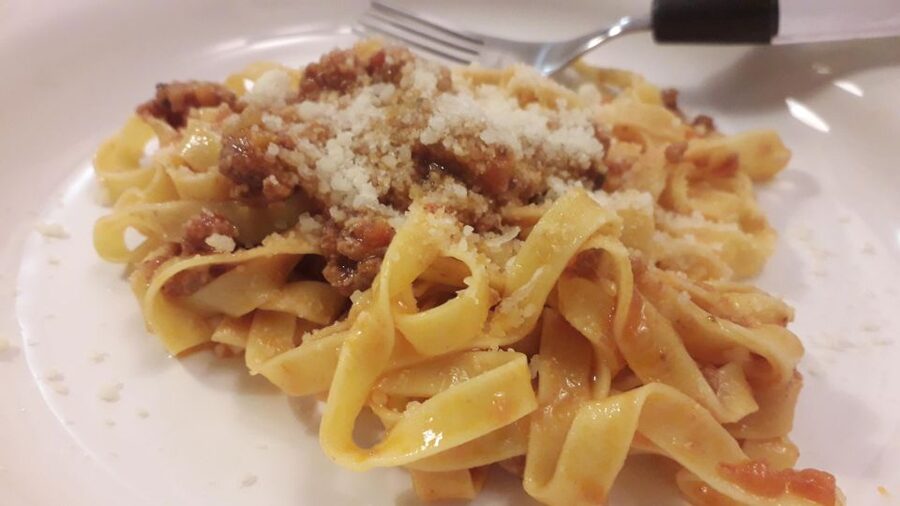
At $80 per person, the workshop is not the cheapest meal in Milan. It is also more than a basic cooking demonstration. You get three hours of instruction, ingredients, tools, gloves, an apron, snacks, the dishes you make, wine, and the recipes.
The value is strongest if you want to cook rather than watch. A restaurant meal can give you more polished food, but it will not teach you to roll pasta or shape ravioli. A shorter pasta class may cost less, but this activity adds an appetizer, dessert, drinks, and a shared meal.
The price also makes sense for a couple or small group looking for an evening activity. You are combining a class and dinner, with a social setting built in. For a solo visitor, the included meal and group atmosphere can be more useful than booking a private lesson.
The value is weaker if you are expecting a full professional chef training session. You may prepare some components rather than every sauce from scratch, and the menu is not fixed. This is an enjoyable introduction to Italian home cooking, not a formal culinary qualification.
Practical details that matter
Plan on three hours, and check the available starting times when booking. The activity offers free cancellation up to 24 hours in advance, and you can reserve now and pay later if that option is available for your booking.
The meeting point is easy to identify: look for the Chef and the City shop at street level, with three large windows and three red signs above them. Ring the bell at the main window door when you arrive.
Do not bring a suitcase, large bag, or stored luggage. Luggage storage is not provided, and large bags are not allowed in the cooking lab. Smoking is not allowed, and there is no smoking area listed.
The activity is not wheelchair accessible and is not suitable for people with mobility impairments. Children under 10 are not allowed, and pets cannot join. If you have allergies or dietary restrictions, tell the team ahead of time. The chef has accommodated gluten-free and other dietary needs in past sessions, but you should confirm what can be changed for your particular menu.
Who will enjoy this class most?
I would choose this for a first-time visitor to Milan who wants an activity beyond museums, shopping, and restaurant meals. It gives you a taste of Italian food culture while teaching skills you can use later.
It also suits couples, friends, solo visitors, and families with older children who meet the age requirement. The class has enough structure for a beginner but enough detail to interest someone who already cooks. If you enjoy asking why a recipe works, you will get more from it than someone who wants only a quick photo and a plate of food.
You should be comfortable standing and working in a kitchen for much of the session. The personal workstation helps, but this is still an active class. It is not the right pick if you want a quiet seated tasting or a polished restaurant meal with no participation.
Should you book Chef and the City?
Book it if you want to make fresh pasta, learn from an Italian chef, and eat a relaxed meal with wine afterward. The strongest reasons are the hands-on instruction, Ilaria’s warm teaching style, the social group setting, and the recipes you can use at home.
Go in with realistic expectations. The dishes can change, some sauces may be prepared in advance, and the session follows professional kitchen rules. Check the menu if one specific dish matters to you, leave your luggage behind, and allow the full three hours.
For $80, this is a good-value Milan activity for people who measure a cooking class by what they can still make after the holiday. If you want a complete start-to-finish lesson for every component, ask about the day’s menu first. If you want an enjoyable Italian evening with useful skills, this is an easy one to recommend.
FAQ
How long does the Milan cooking class last?
The activity lasts three hours. Starting times vary, so check availability when booking.
How much does the cooking class cost?
The listed price is $80 per person.
Which dishes will I make?
The class teaches three Italian dishes, but the menu can vary. Possible dishes include bruschetta, tagliatelle, ravioli, gnocchi, focaccia, eggplant parmigiana, tiramisù, biscotti, strudel, cacio e pepe, and ragù.
Is wine included?
Yes. Food, beverages, and wine are included in the activity.
Are cooking tools and an apron provided?
Yes. Cooking tools, gloves, and aprons are included.
Will I receive the recipes?
Yes. The chef provides copies of the recipes so you can recreate the dishes at home.
Where do I meet the chef?
Meet at Chef and the City, a street-level shop with three large windows and three red signs above them. Ring the bell at the main window door when you arrive.
Can children, pets, or large bags join the class?
Children under 10 are not permitted. Pets, smoking, luggage, and large bags are also not allowed. The activity is not wheelchair accessible and is not suitable for people with mobility impairments.
More hands-on workshops in Italy
- Rome: Pizza & Tiramisu Class with Free Flowing Fine Wine
★ 5.0 · 973 reviews - Sorrento: Pizza Making Class
★ 4.9 · 706 reviews - Sorrento: Farm Tour with Cheese Tasting & Pizza Making Class
★ 5.0 · 503 reviews - Rome: Pizza Making Class Small Group Experience
★ 5.0 · 487 reviews
New food tours we have reviewed in Italy
- Private tour of Etna and Winery Visit with Food and Wine Tasting from Taormina★ 5.0 · 221 reviews
- Street food tour of Catania by night★ 4.5 · 31 reviews
- Mt Etna and Wine tasting tour from Catania★ 5.0 · 282 reviews
- Catania Sicilian Street Food Tour: Small Group by Do Eat Better★ 5.0 · 293 reviews
- Cagliari: A Full Meal Sardinian Food Tour with Do Eat Better★ 5.0 · 265 reviews
- Small-Group Food and Wine Tour from Cagliari★ 5.0 · 237 reviews
- Taste Bolzano: Food Tour with Full Meal by Do Eat Better★ 5.0 · 21 reviews
- Devour Bologna Tastes & Traditions Food Tour with Market Visit★ 5.0 · 69 reviews
Wine Tours, compared.
Montserrat Half-Day Tour with Tapas and Gourmet Wines
Read our review →
Winner 2025 Undiscovered Lisbon Food & Wine Tour by Eating Europe
Read our review →
From Porto: 2 Wine Regions, Farm-to-Table Lunch & Boat
Read our review →
Winner 2025 Florence Sunset Food & Wine Tour by Eating Europe
Read our review →
Authentic Parisian Gourmet Food Tour with 10 Local Dishes & Wines
Read our review →
Barcelona: Tapas Walking Tour with Food, Wine, and History
Read our review →
Lisbon: Food and Wine Small Group Walking Tour
Read our review →
Lisbon Small-Group Portuguese Food and Wine Tour
Read our review →Browse the lists this tour appears in