Review · TOURS
Muscat: Omani Food Tour with Shuwa & Halwa
The best part of this Muscat food tour is that it treats Omani cuisine as a living mix of local traditions and Indian Ocean connections. You move through several food stops, tasting shuwa cooked underground, sweet halwa, Zanzibar-style snacks, bread, tea, and grilled mishkak rather than sitting down to one large restaurant meal.
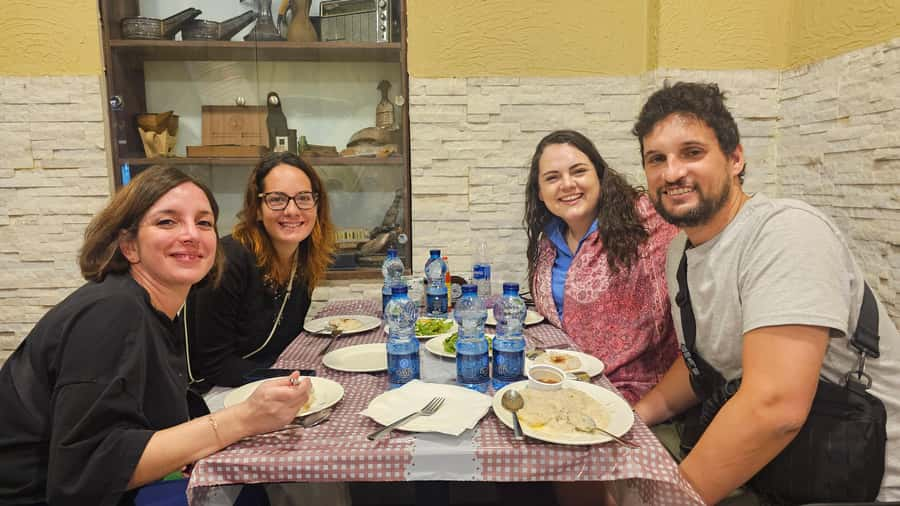
I like the way guides such as Hisham and Yousef explain the food with short videos, family stories, and details about how each dish is prepared. I also like the small group size, capped at six, since it leaves room for questions and makes hotel pickup in a clean, comfortable car feel personal.
The main caution is simple: this is a very filling evening. You need to arrive hungry, and people with food allergies should not book. Fresh juices cost extra, and pickup is limited to selected hotels.
Key points at a glance
- Five different food stops: You sample several parts of Muscat’s food scene instead of eating one fixed meal in one place.
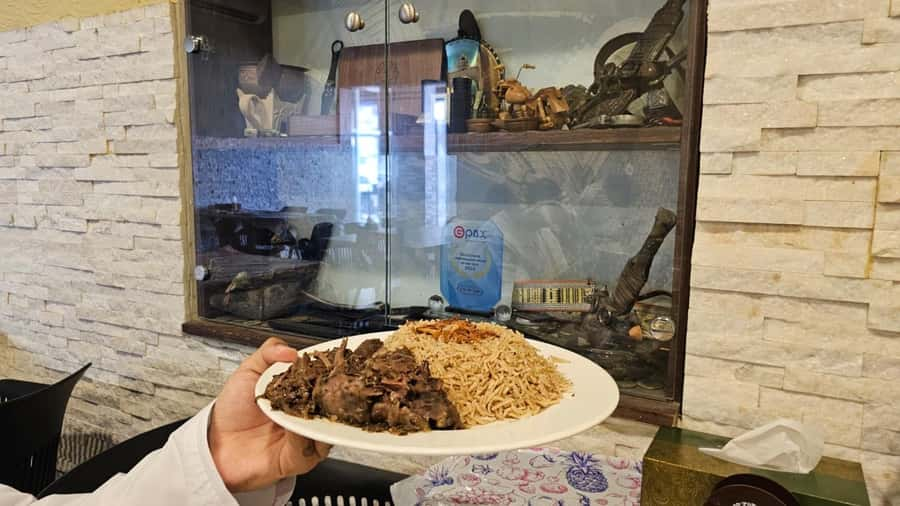
- Underground shuwa: Meat or chicken is wrapped with spices and banana leaves, then cooked underground for 8 to 24 hours.
- Omani and Zanzibar flavors: Samosas, mandazi, kachori, and katlisi show Oman’s long connection with East Africa.
- A generous tasting menu: Shuwa, qabuli rice, halwa, bread, spiced tea, and mishkak make this much more than a light snack tour.
- Small and flexible: The group is limited to six, with fish or salad available in place of meat or chicken.
- Useful first-night choice: Pickup, local guidance, and plenty of food make this a practical introduction to Muscat.
Why this food tour works well on your first night
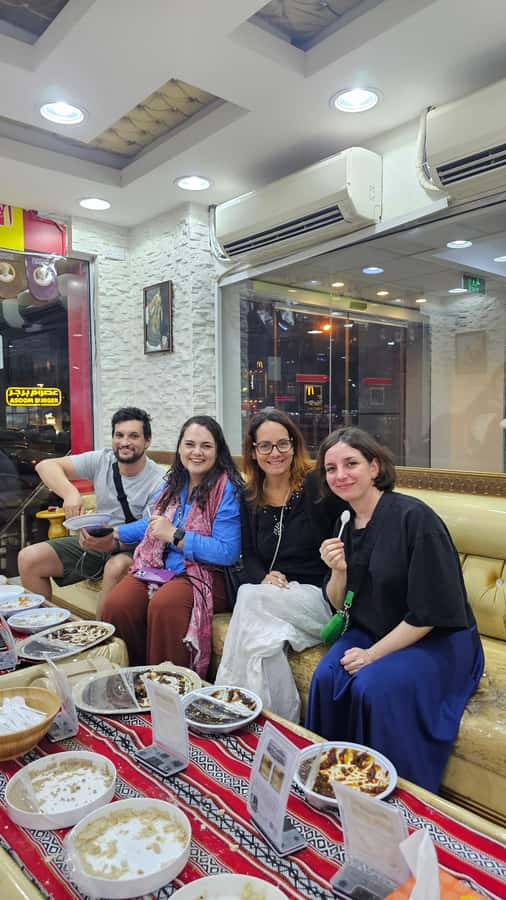
Omani food is not always easy to decode from a restaurant menu. Some dishes have several spellings, portions can be large, and the cultural meaning of a meal matters as much as the ingredients. This tour gives you a guided way into the subject without asking you to research every dish in advance.
I especially like it as a first or second evening in Muscat. You learn what shuwa, halwa, mishkak, qabuli, and karak-style tea are before encountering them elsewhere in Oman. Guides also answer broader questions about daily life, customs, and local food traditions, so the evening becomes more than a sequence of tastings.
You will spend about 150 minutes moving between five food experiences. The exact pace depends partly on how quickly your group eats and talks. Some parties have run beyond the scheduled time, which may be welcome if you enjoy lingering, but it is worth remembering if you have a fixed evening plan afterward.
More food tours in the world:
- Reykjavik Food Walk – Local Foodie Adventure in Iceland
★ 5.0 · 18,952 reviews - Dubai: Old Town, Creek, Museums, Souks, & Street Food Tour
★ 4.8 · 10,816 reviews - Ho Chi Minh City Street Food Tour & Sightseeing By Motorbike
★ 5.0 · 9,413 reviews
Shuwa and qabuli rice: the main event
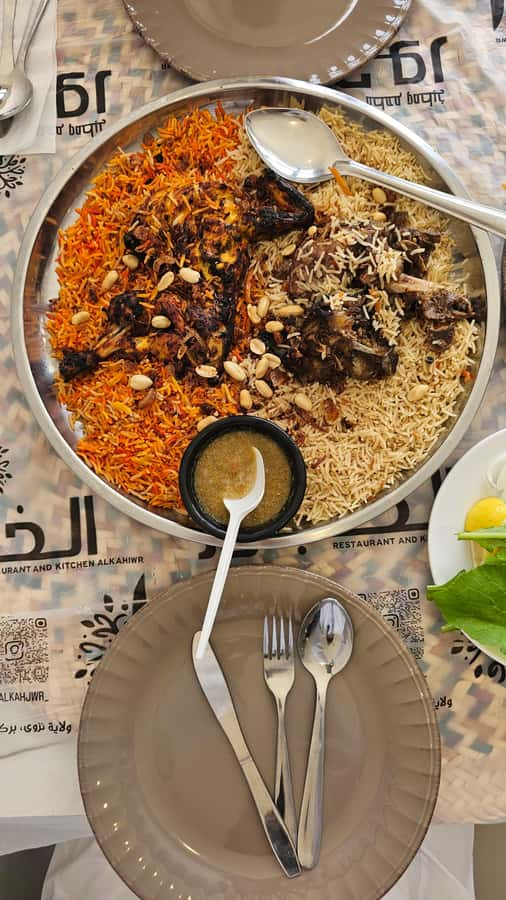
The meal begins with shuwa, one of the dishes most closely tied to Omani celebrations. Meat or chicken is wrapped in banana leaves and spices, then placed underground to cook for between 8 and 24 hours. The preparation also involves fermentation for more than 40 days, according to the description of the dish provided for this experience.
That long preparation explains why shuwa is not ordinary roast meat. The point is tenderness, seasoning, and the communal work behind the dish. In Oman, food prepared this way is linked with family occasions and large gatherings, so tasting it gives you a small window into how celebration meals are made.
Shuwa comes with qabuli rice, which is cooked with meat spices. The rice helps balance the strong, slow-cooked flavor of the meat and gives you a better sense of how Omani meals are served as a complete plate rather than as isolated samples.
Portions are generous across the evening, and shuwa is one of the foods that can fill you quickly. Take a sensible first serving if you want room for the later stops. You can ask to replace meat or chicken with fish or salad, although the tour is not suitable for people with food allergies.
Halwa and rose-water coffee
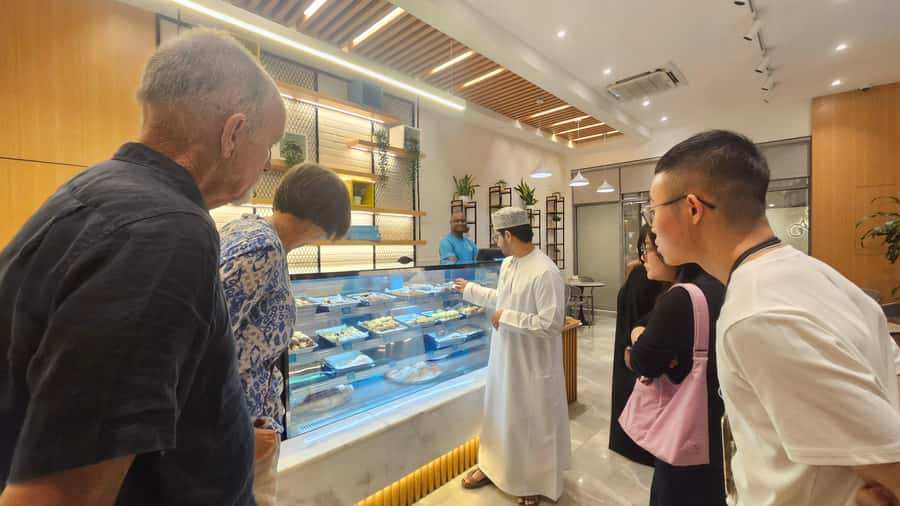
After the savory main course comes Omani halwa with coffee. This is not the firm, jelly-like dessert familiar in some other countries. The version described here uses nuts, honey, saffron, ghee, cardamom, and secret ingredients, producing a sweet and fragrant finish to the meal.
Halwa is commonly associated with hospitality and special occasions in Oman. Served with coffee, it gives you the classic sweet-and-bitter pairing that appears across the region. The coffee includes rose water, adding a floral note that may be new if you normally drink plain coffee.
This stop is particularly useful for anyone who thinks Omani cooking is only about meat and rice. Saffron, cardamom, rose water, ghee, and nuts show how much attention goes into aroma as well as taste. If you prefer lightly sweet desserts, take a small portion first. The tour offers many more tastes afterward.
Zanzibar snacks and Oman’s Indian Ocean links
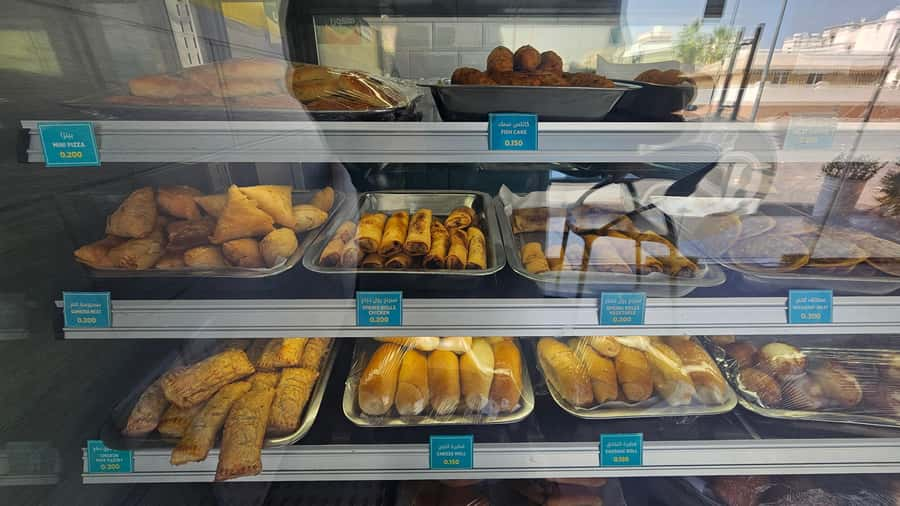
One of the more interesting parts of the route is the group of light foods connected with East Africa, especially Zanzibar. You may try samosas, mandazi, kachori, and katlisi. These snacks reflect Oman’s long ties across the Indian Ocean and the movement of people, ingredients, and cooking styles between Oman and East Africa.
This is one reason I would not describe the experience as a narrow guide to one style of Arab food. Omani cuisine has been shaped by contact with nearby regions, and these small fried or pastry-based foods make that connection easy to taste.
The snacks are also a welcome change in texture after the soft meat and rice. You get crisp edges, spiced fillings, and sweet or savory options. They are called light meals, but the full tour is not light on food. You may want to share pieces with the group so you can keep going comfortably.
Same appetite, a different neighbourhood:
- Montserrat Half-Day Tour with Tapas and Gourmet Wines
★ 5.0 · 7,359 reviews - Dubai: Old Town, Souks, Street Food, Guided Tour & Abra Ride
★ 4.9 · 7,170 reviews - Bateaux Parisiens Seine River Gourmet Dinner & Sightseeing Cruise
★ 4.5 · 6,930 reviews - Tokyo: Shinjuku Food Tour (13 Dishes at 4 Local Eateries)
★ 5.0 · 6,603 reviews
Omani bread with sweet and savory toppings
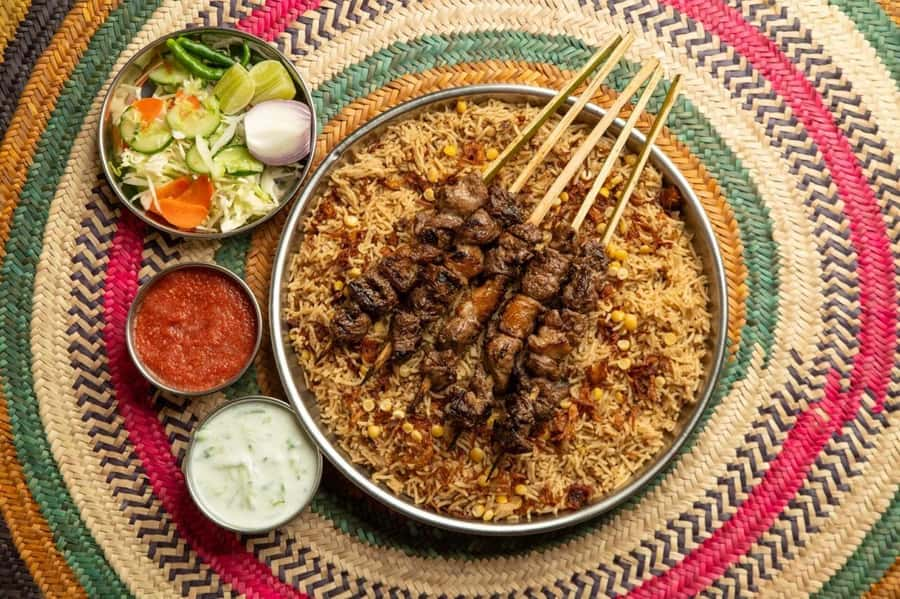
Next comes Omani bread in several forms. Possible toppings and fillings include cheese, honey, date juice, eggs, potatoes, and thyme. This part gives you a useful look at everyday flexibility in Omani eating, since one bread can move from a sweet breakfast-style bite to a savory snack.
The range also helps you compare flavors. Honey and date juice lean sweet, while eggs, potatoes, cheese, and thyme make the bread more substantial. You do not need to decide which version is best. The value is in seeing how the same basic food changes with simple local ingredients.
I like this stop for practical reasons. Bread is familiar enough to give your palate a break, but the toppings still show local preferences. If you have already eaten a large serving of shuwa, choose small tastes here rather than trying to finish every piece.
Spiced tea and the social side of eating
The tea course includes ginger, saffron, cardamom, cinnamon, and milk. It is a warming, aromatic drink that helps reset your palate between the heavier dishes and the final grilled food.
Some guides also introduce the Omani habit of ordering and drinking karak-style tea in the car. That detail matters because it shows food as part of ordinary social life, not only as something served during a formal tasting. You are not just learning ingredients. You are seeing how drinks fit into a normal evening out.
Tea is also a good moment to ask questions. Hisham, Yousef, Yusef, Hanieh, Amin, and other members of the team have been praised for explaining food preparation and answering questions about Oman beyond the menu. Guides may differ from one departure to another, but the common thread is an informal, conversational approach.
Mishkak at the end of the route
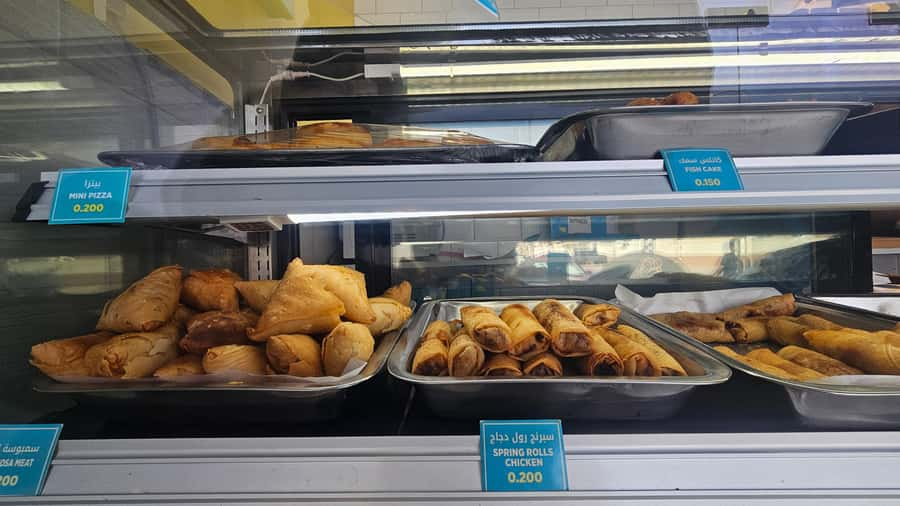
The final major taste is mishkak, grilled pieces of meat, chicken, or squid served with a tamarind-like sauce and Omani spices. The grilled food brings a smoky, savory finish after the sweetness of halwa and the pastry snacks.
Mishkak is a street-food style experience, and that makes it a useful contrast with shuwa. Shuwa is slow and ceremonial. Mishkak is quick, grilled, and suited to eating out. Trying both in one evening helps you see the range of Omani cooking methods.
You can choose fish or salad instead of meat or chicken if you do not eat meat. The information provided does not promise that every dish can be changed, so tell the operator about your preference when booking and confirm the available substitution.
What the guides add to the food
The food would still be worthwhile on its own, but the guides are a major part of the experience. Hisham and Yousef are frequently praised for explaining how dishes are made, where they come from, and how they appear in family celebrations. Some guides use short videos to show preparation methods, which is helpful when a dish involves a process you cannot see at the food stop.
That personal explanation is especially useful with shuwa. A plate of tender meat tells you only part of the story. Hearing about underground cooking, long preparation, and celebration meals gives the dish a place in Omani life.
Guides also share practical Muscat advice and answer questions unrelated to food. Some groups have included a short mosque detour or a brief look at parts of the city outside the usual sightseeing route. These additions are not guaranteed parts of the stated itinerary, so think of them as possible extras rather than promises.
Transport, group size, and timing
Hotel pickup and drop-off are included, and the group is limited to six people. That is a useful combination in Muscat, where moving between several food stops is easier with arranged transport than by trying to organize each location yourself.
The vehicle has been described as clean and comfortable, and pickup allows you to begin without finding a restaurant or meeting point on your own. Be ready in the hotel lobby. If your hotel is outside the pickup area or does not appear in the booking options, use the Royal Opera House as the meeting point and make your own way there.
The small group format is good for solo visitors and couples. It also lets the guide adjust explanations to the people in the car. Families and mixed groups can work well too, though a food tour with five stops may feel long for very young children who do not eat a broad range of foods.
The advertised duration is 150 minutes. Since this is a generous tasting route, bring a little flexibility. If you have a show, flight, or dinner reservation afterward, allow extra time rather than planning the schedule tightly.
Is $77 a fair price?
At $77 per person, this is not the cheapest way to eat in Muscat. You could order individual dishes for less, especially if your main goal is simply to try shuwa or grilled meat.
The price makes more sense when you count what is included: hotel transportation, five food experiences, a full range of savory and sweet dishes, drinks, and an English-speaking guide. You also avoid the guesswork of choosing unfamiliar restaurants and ordering enough variety to sample the cuisine.
I see the strongest value in the combination of access and explanation. You are paying for the food, but also for the route, the cultural context, and the chance to taste several dishes in one evening. If you are a confident independent eater with plenty of time in Muscat, you may prefer to explore alone. If you want a compact introduction with transport included, the price is reasonable.
Fresh juices are not included, so budget separately if you want one. Personal expenses are also outside the package.
Who should book, and who should skip it?
I would recommend this tour to first-time visitors who want to understand Omani food quickly. It is also a strong choice for solo visitors, since the small group and pickup remove much of the awkwardness of eating at several unfamiliar places alone.
Food-focused travelers will appreciate the range. You get slow-cooked meat, rice, sweets, pastries, bread, tea, and grilled food in one sitting. People interested in Oman’s connections with Zanzibar and East Africa will find the snack course especially worthwhile.
It may not suit you if you dislike large meals, prefer a quiet restaurant dinner, or have food allergies. Smoking, pets, and alcohol in the vehicle are not allowed. The tour is wheelchair accessible, but you should still confirm that the pickup and food stops fit your specific mobility needs.
Free cancellation is available up to 24 hours before the experience, and you can reserve now and pay later. That gives you some flexibility when arranging a wider Oman itinerary.
Should you book this Muscat food tour?
Book it if you want a warm, practical introduction to Oman through food rather than a formal lecture. The strongest reasons are the five-stop format, the chance to try genuine shuwa and halwa, the East African connection, and guides such as Hisham and Yousef who explain the food in personal terms.
Plan to arrive very hungry, keep your schedule flexible, and treat the meal as a tasting marathon rather than a quick dinner. If you do that, $77 buys more than a plate of food. It gives you a useful map of Omani cuisine for the rest of your trip.
FAQ
How long does the Omani food tour last?
The experience lasts 150 minutes. Some groups may take longer if they eat and talk slowly, so allow extra time if you have another fixed plan.
What foods are included?
The experience includes shuwa with qabuli rice, Omani halwa with coffee, light meals from East Africa, Omani bread with different flavors, spiced tea, and mishkak.
Is hotel pickup included?
Yes. Hotel pickup and drop-off are included. You should wait in the hotel lobby at the arranged time.
What if my hotel is outside the pickup area?
If your hotel is not listed or falls outside the pickup area, choose the Royal Opera House as the meeting point and arrive there independently.
Can vegetarians join the tour?
Yes. Meat or chicken can be replaced with fish or salad. Confirm your preference when arranging the experience.
Is the tour suitable for people with food allergies?
No. The experience is not suitable for people with food allergies.
How many people are in the group?
The tour is a small-group experience limited to six participants. An English-speaking live guide leads the tour.
Are drinks included?
Coffee with the halwa and spiced tea are included. Fresh juices are not included and are treated as a personal expense.
New food tours we have reviewed in the world
- Tremont Neighborhood Food Tour★ 5.0 · 35 reviews
- West Side Market Food Tour★ 4.0 · 31 reviews
- Little Italy Neighborhood Food Tour of Cleveland★ 4.5 · 52 reviews
- Ohio City Neighborhood Food Tour of Cleveland★ 5.0 · 244 reviews
- Clearwater Beach Fun and Tropical Food Tour★ 5.0 · 47 reviews
- Sunday Brunch at Findlay Market Tour with Riverside Food Tours★ 5.0 · 65 reviews
- Mainstrasse Village Food Tour in Covington KY★ 5.0 · 48 reviews
- Cincy Brunch History and Streetcar Tour with Riverside Food Tours★ 5.0 · 108 reviews
Tours, compared.
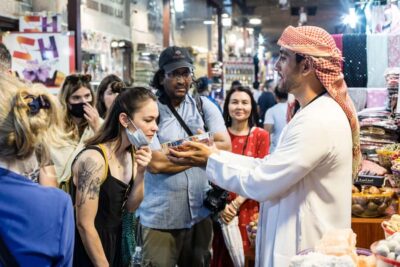
Dubai: Old Town, Creek, Museums, Souks, & Street Food Tour
Read our review →
Ho Chi Minh City Street Food Tour & Sightseeing By Motorbike
Read our review →
Montserrat Half-Day Tour with Tapas and Gourmet Wines
Read our review →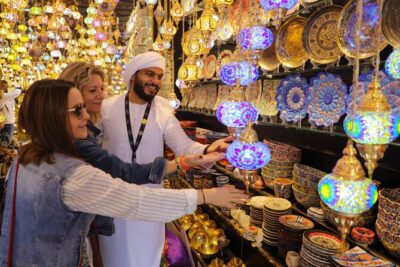
Dubai: Old Town, Souks, Street Food, Guided Tour & Abra Ride
Read our review →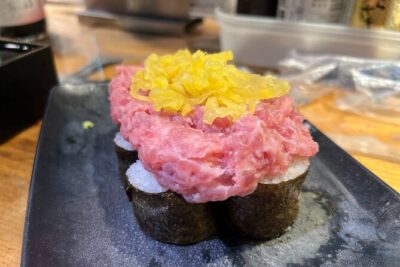
Tokyo: Shinjuku Food Tour (13 Dishes at 4 Local Eateries)
Read our review →
Winner 2025 Undiscovered Lisbon Food & Wine Tour by Eating Europe
Read our review →
Hanoi: Guided Food Tour with Train Street Visit
Read our review →